
Best Hotel Amenities for Hiking Trips That Matter
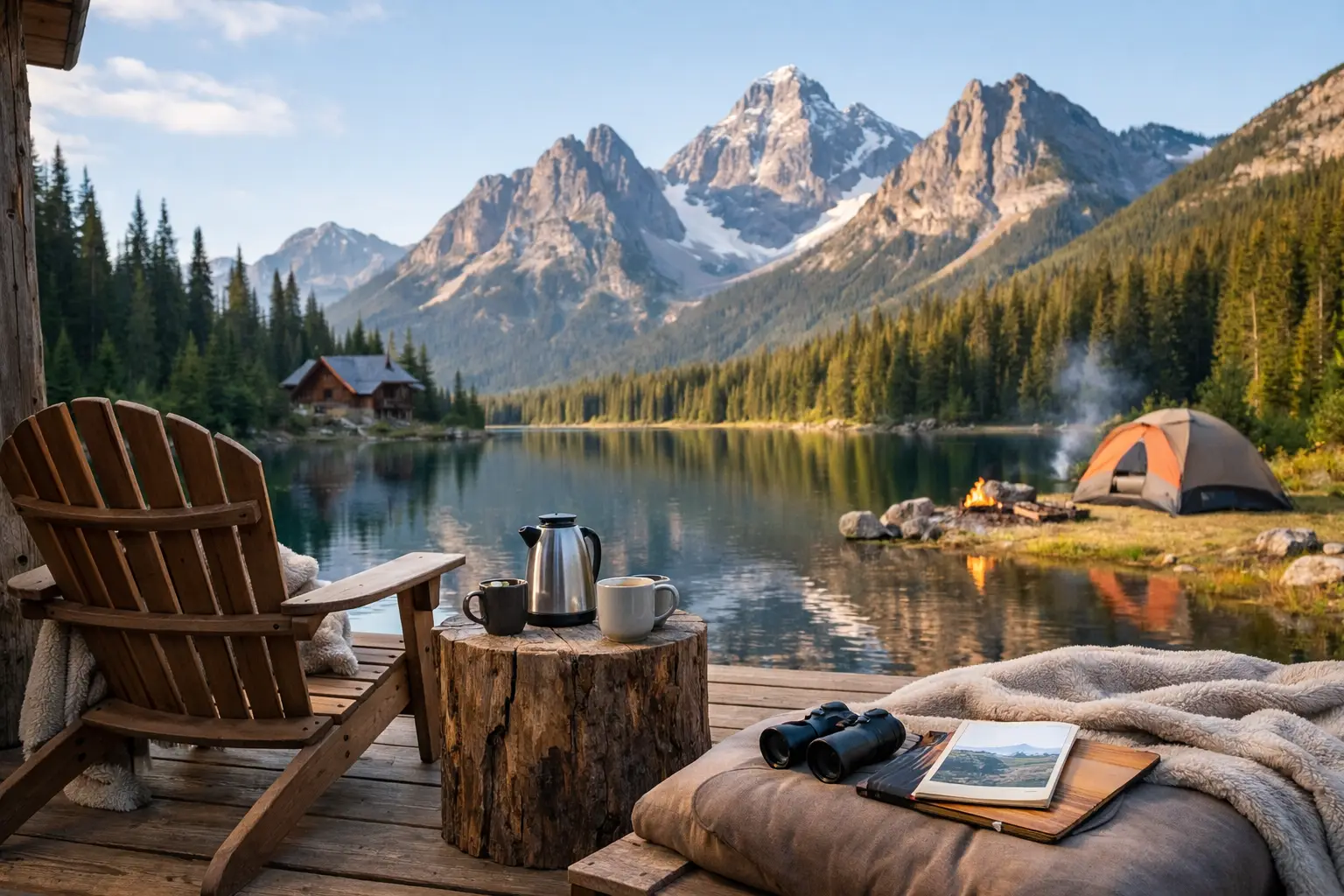
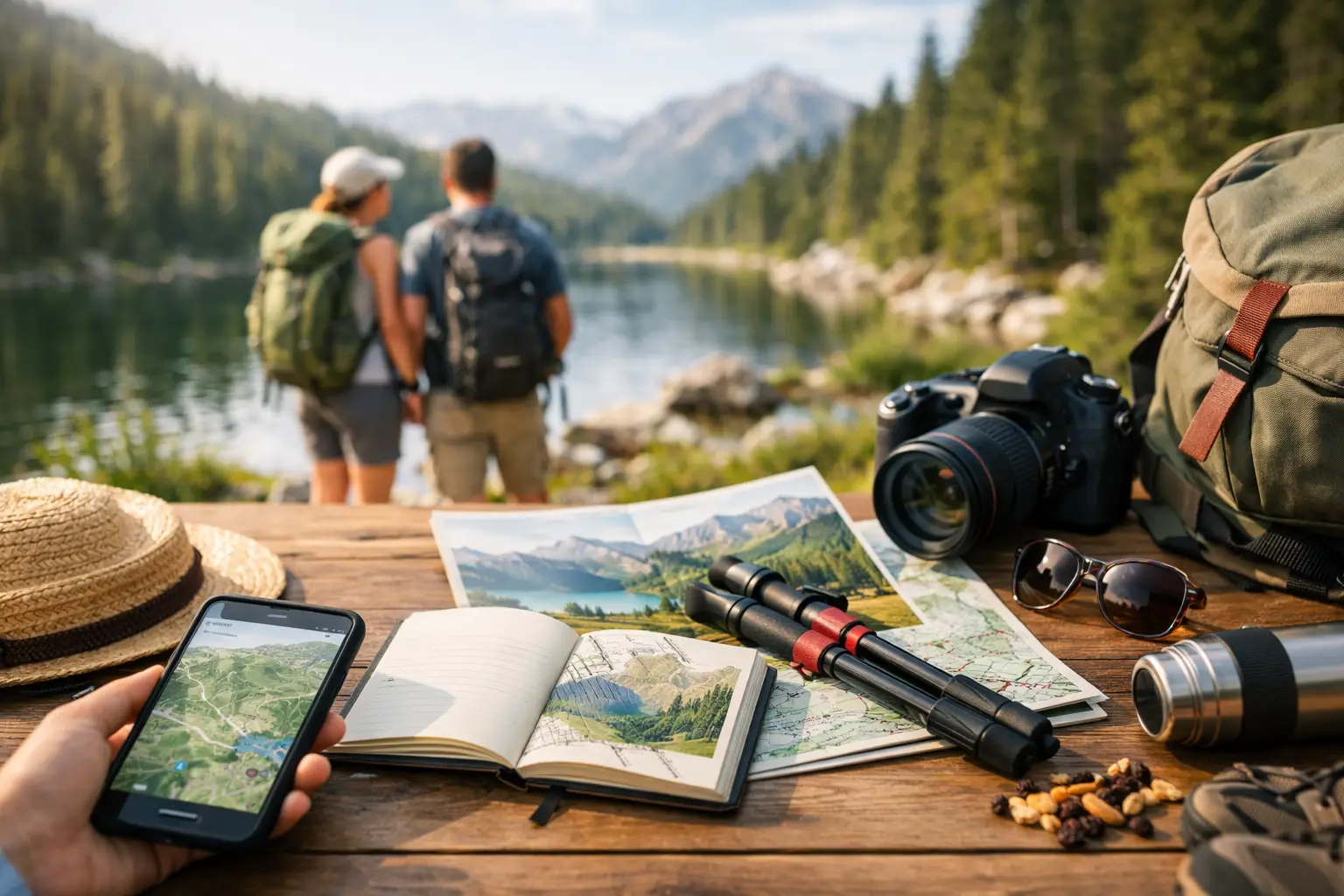
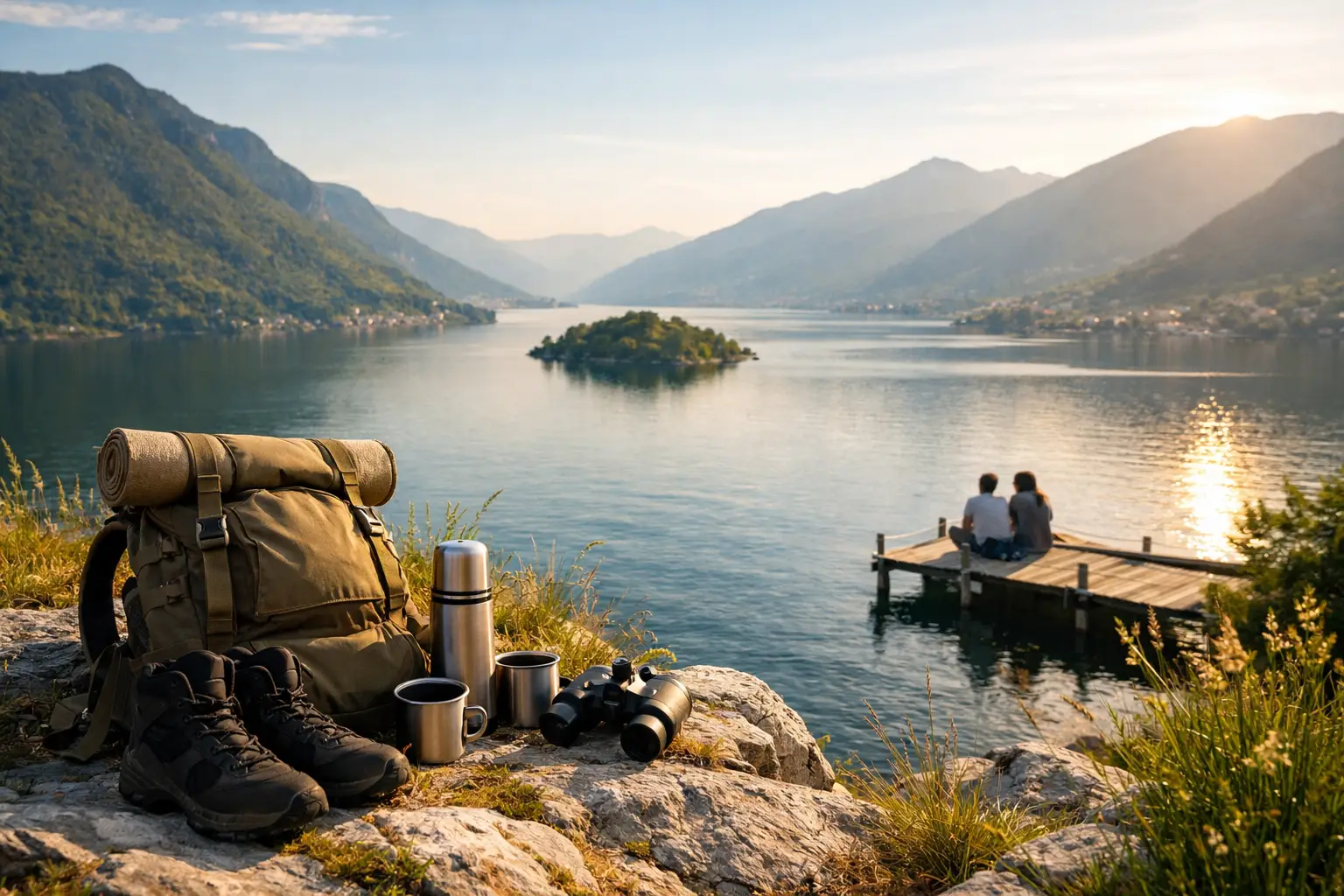
A mountain trail can begin with birdsong and end with tired legs, dusty boots, and the deep satisfaction of having gone somewhere beautiful. The best hotel amenities for hiking trips are not necessarily flashy. They are the thoughtful comforts that make the whole experience feel easy: a nourishing meal, a peaceful room, a warm welcome, and someone who understands that time outdoors deserves time to recover.
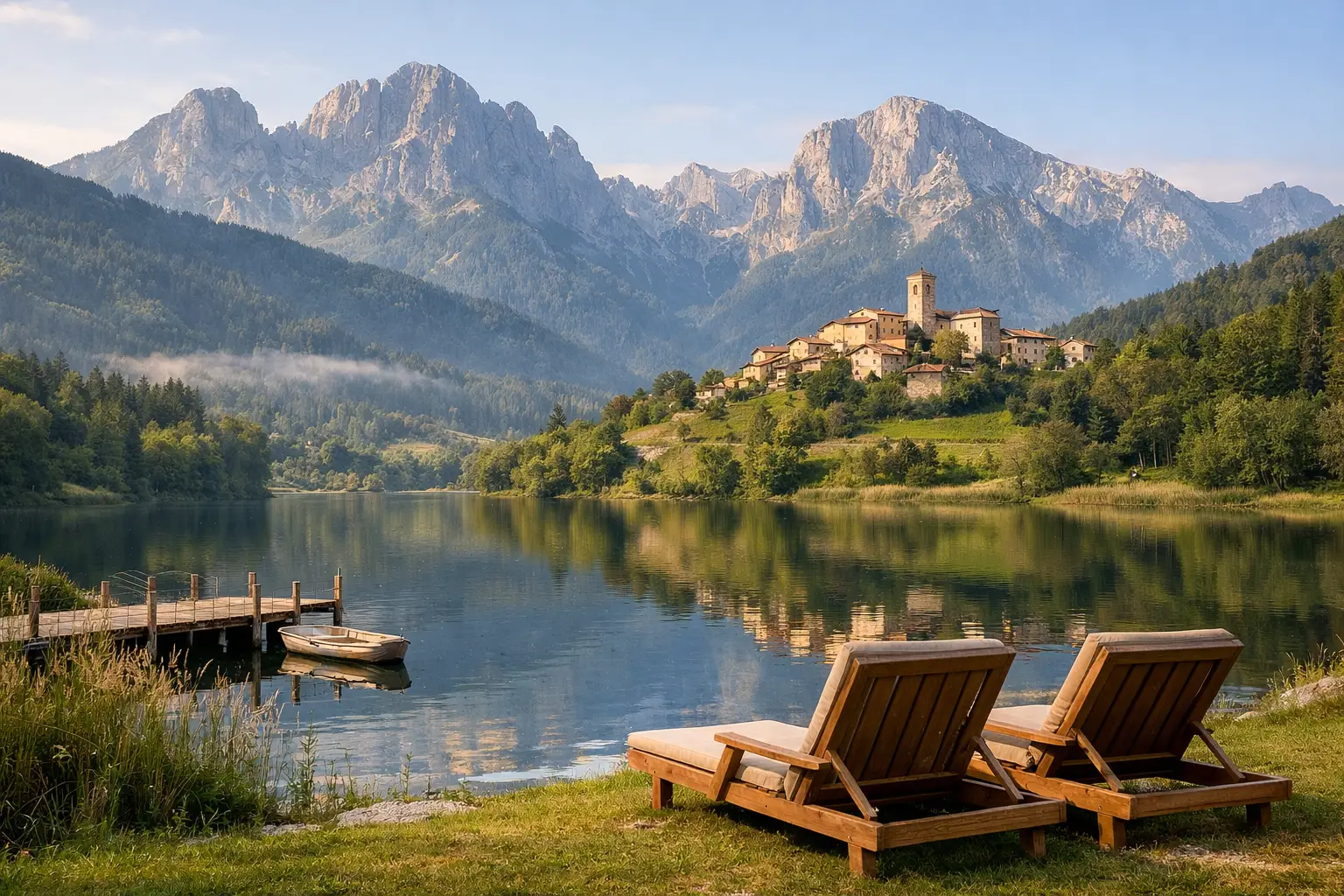
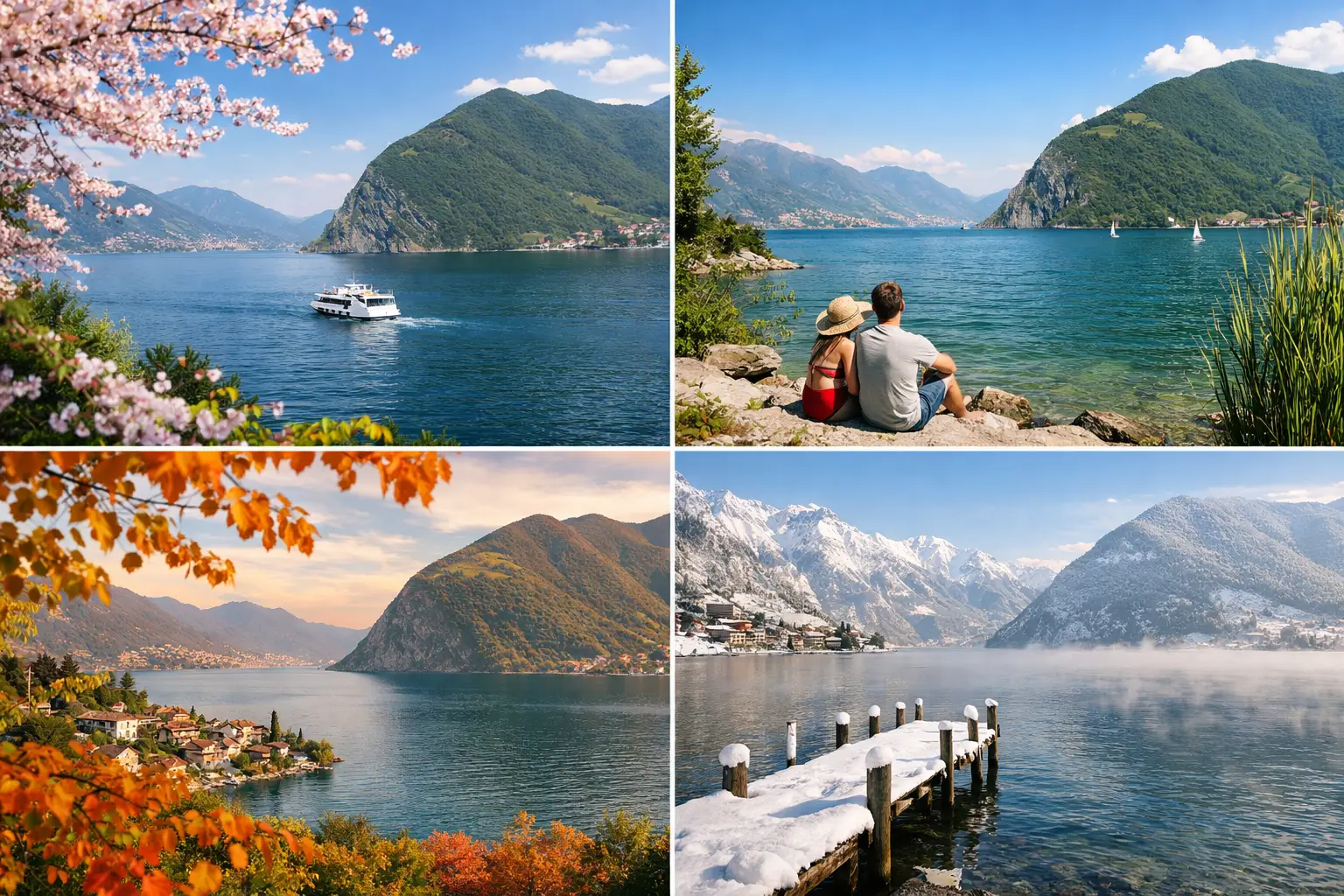
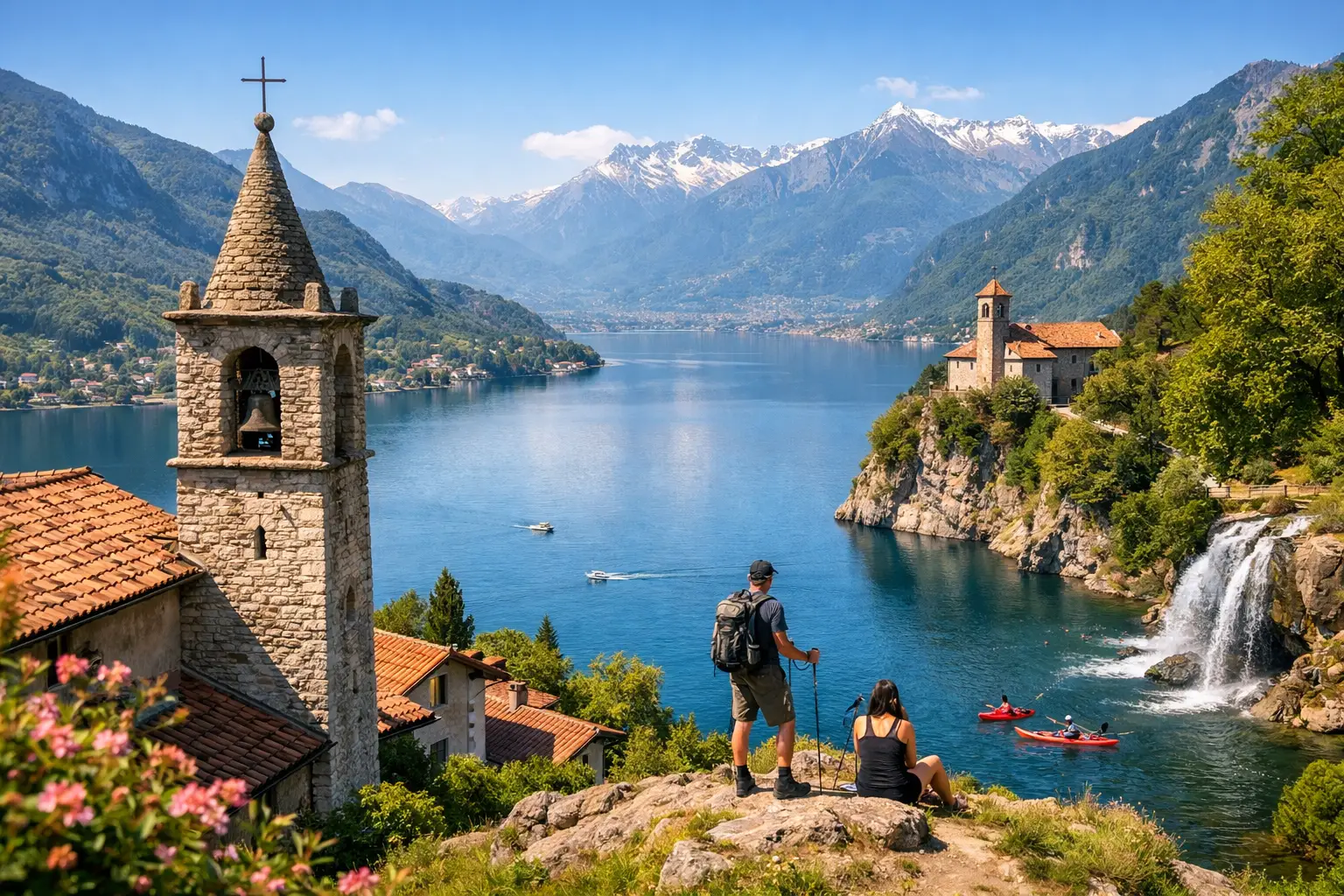
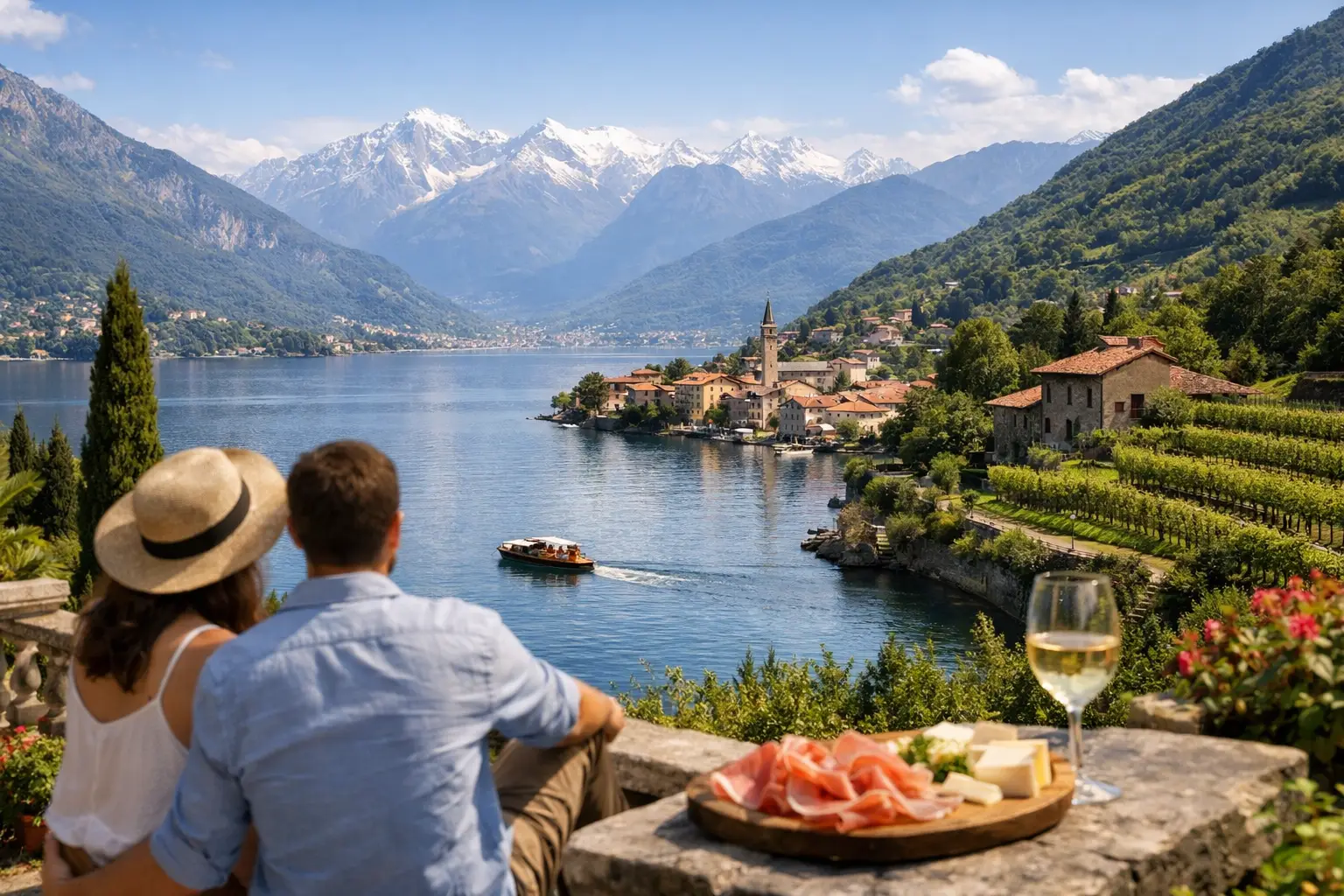
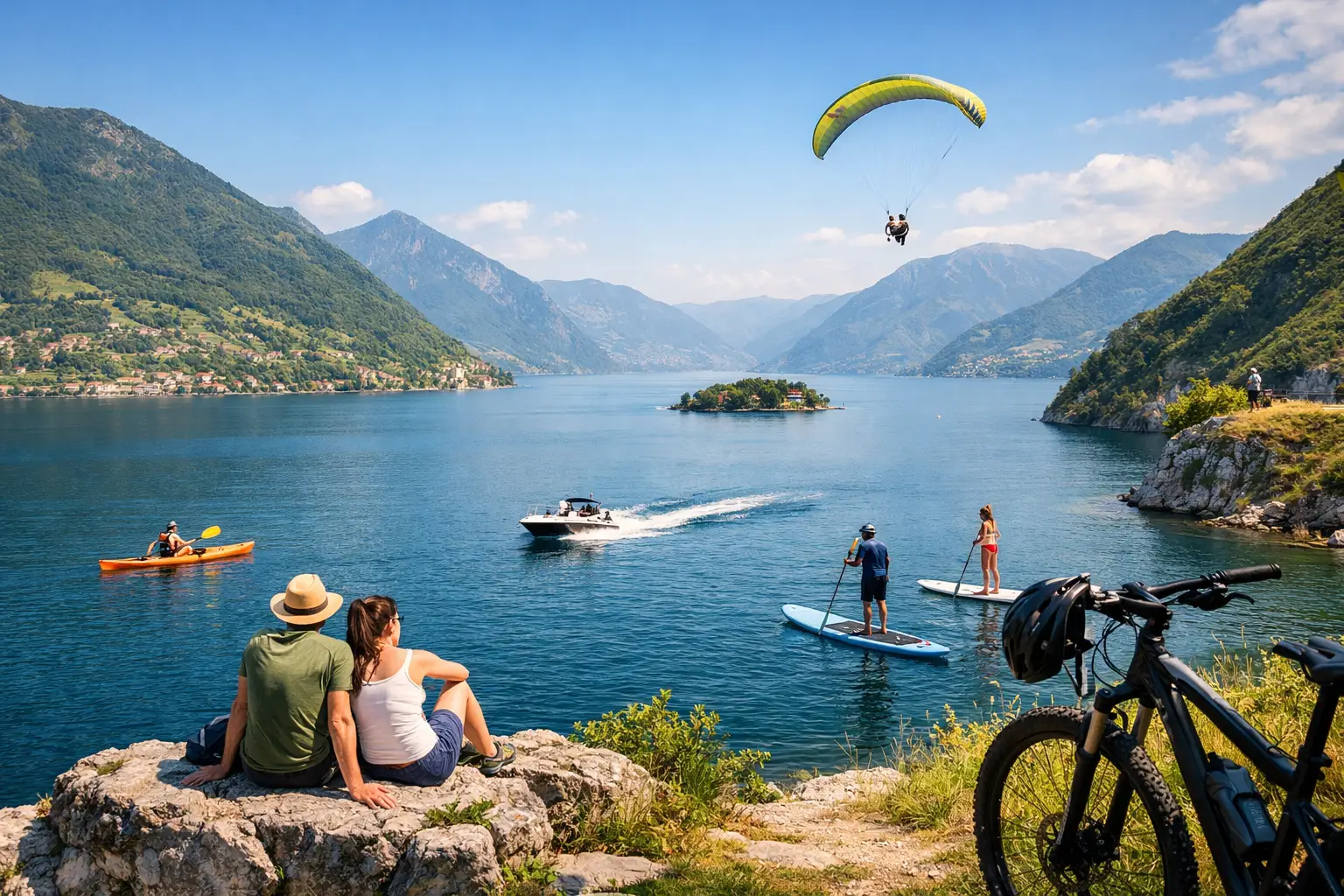
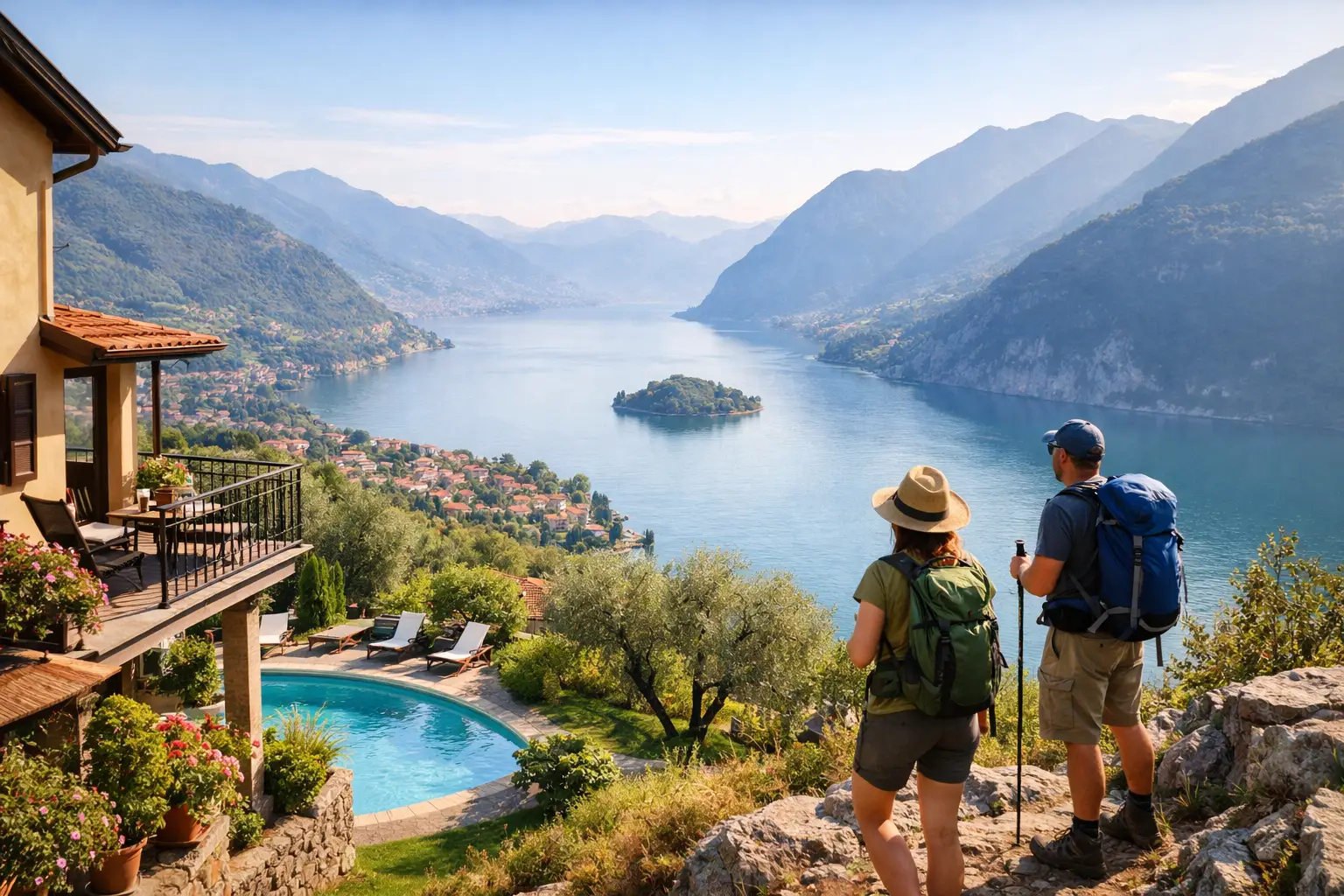
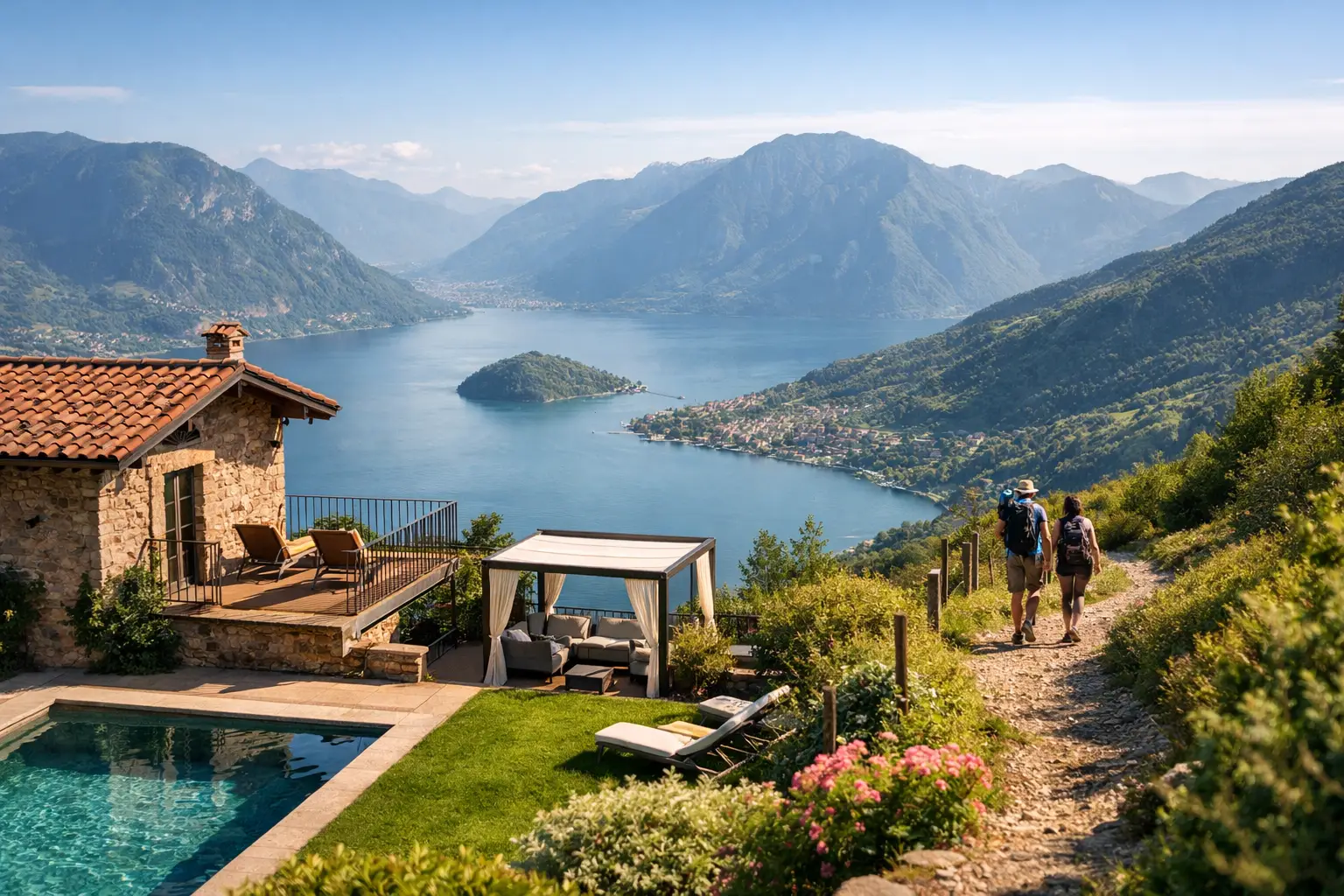
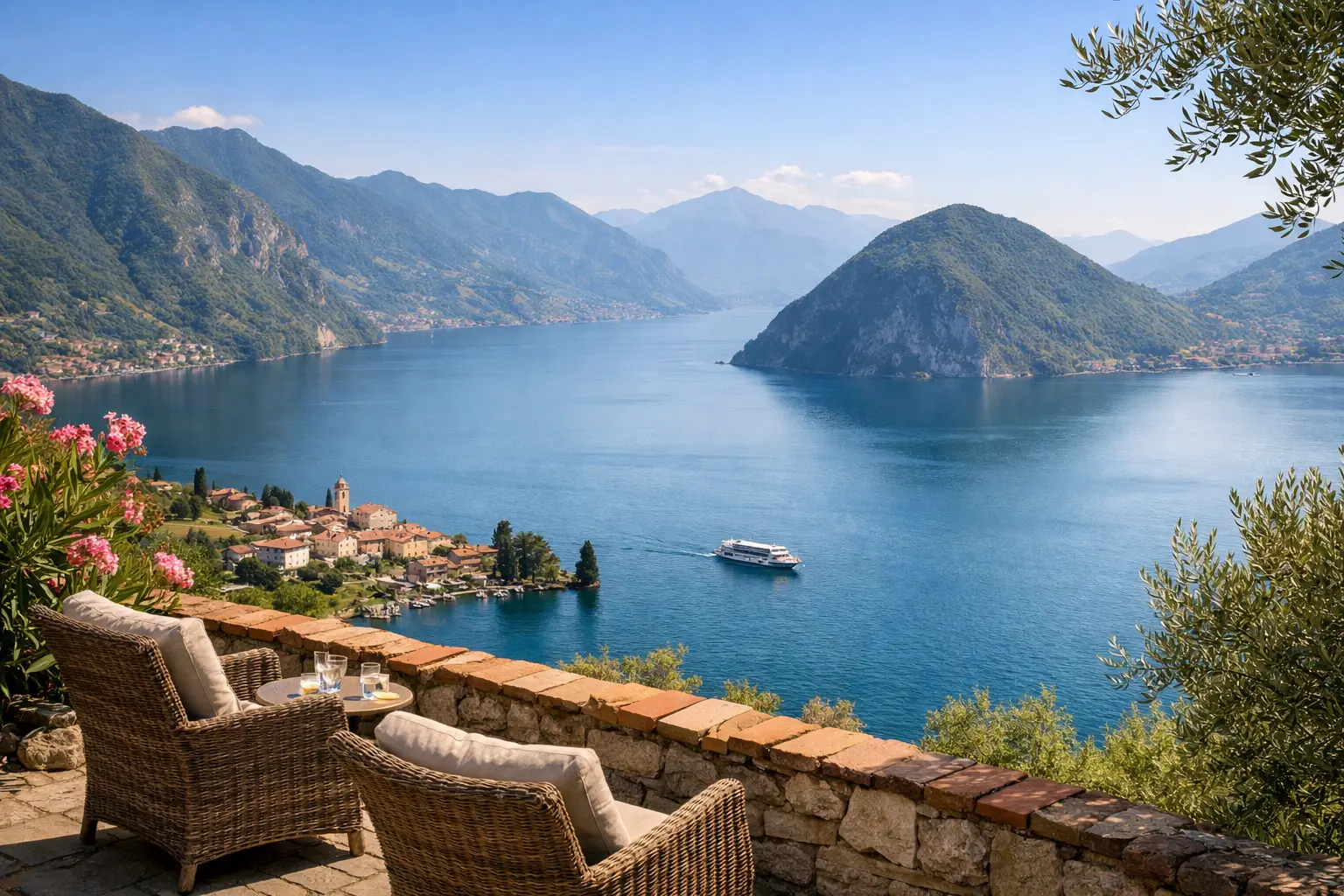
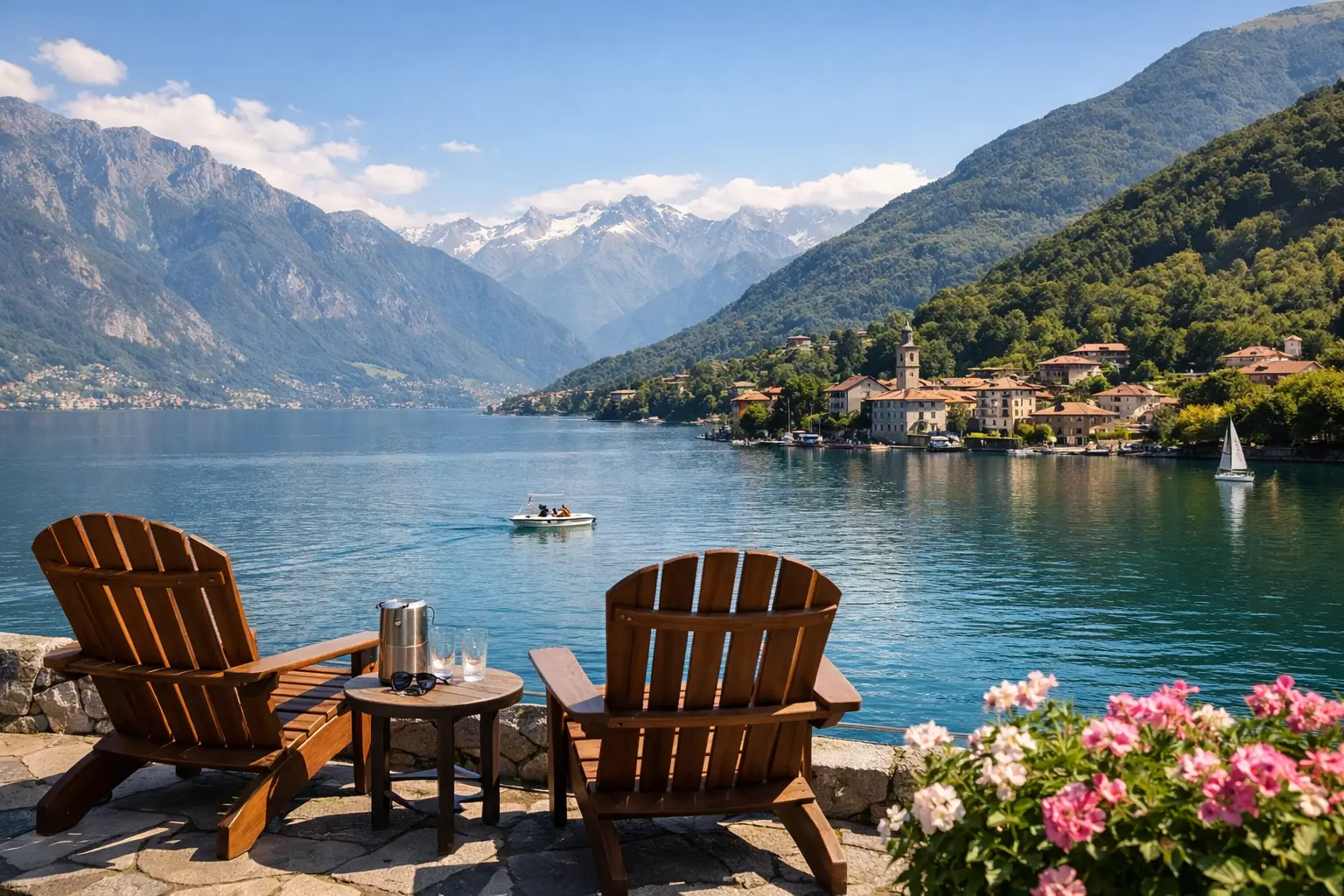
For a hiking stay near Lake Iseo and the foothills of the Alps, the right hotel becomes more than a place to sleep. It becomes part of the rhythm of the journey – a calm base for setting out in the morning and returning to in the evening.
Start With a Location That Respects Your Time
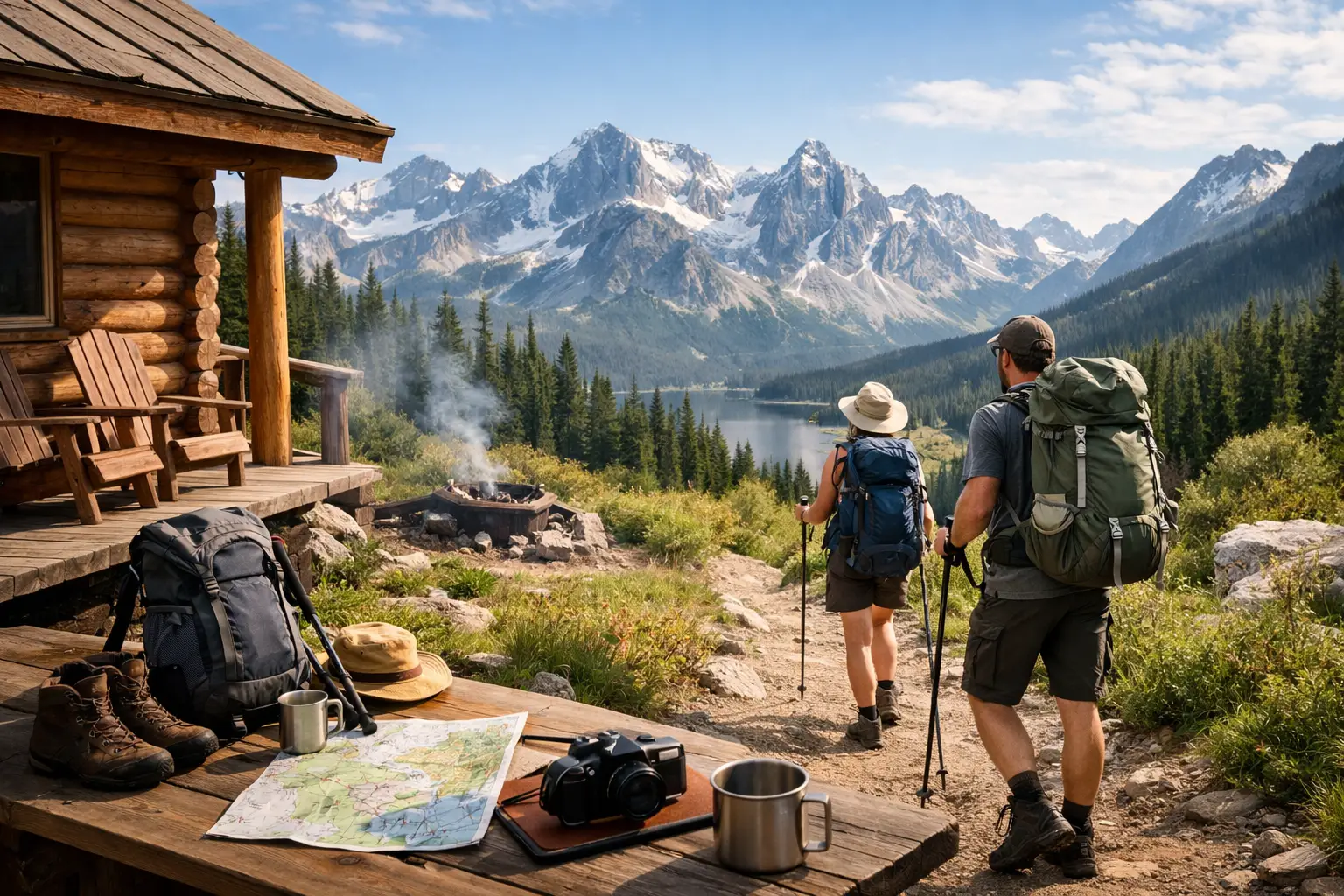
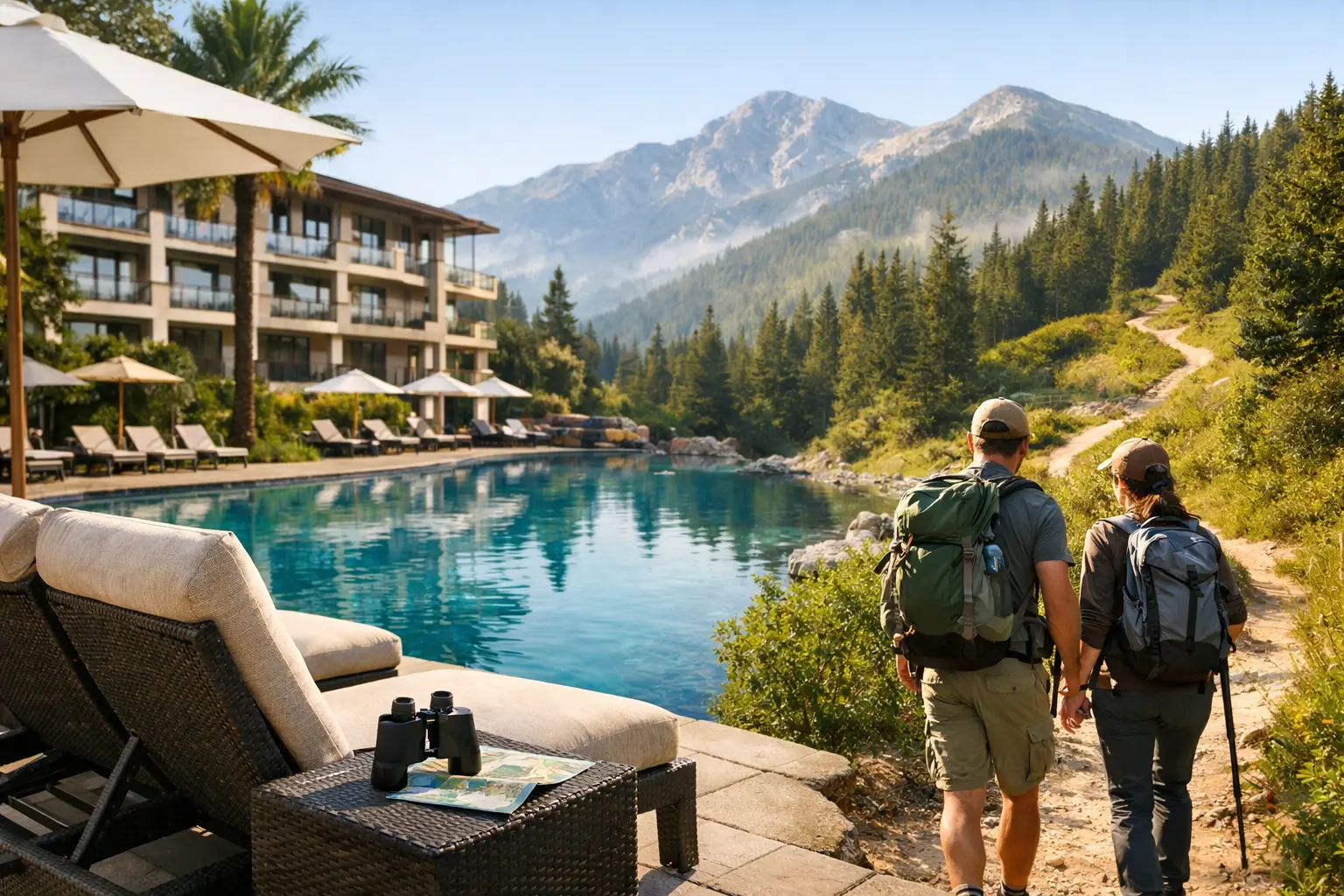
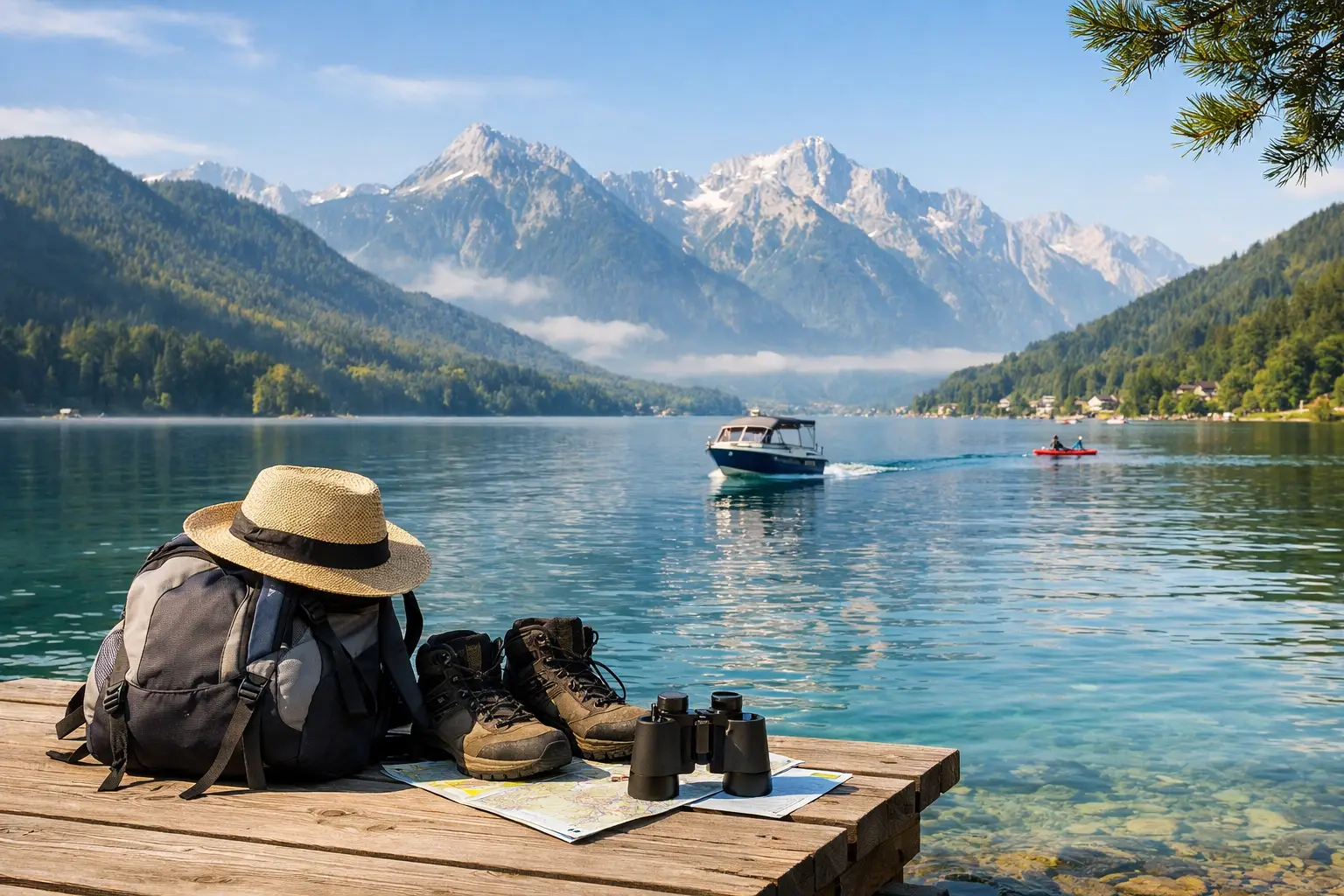
The most valuable amenity for hikers is often not inside the hotel at all. It is the setting. A hotel close to trails, natural parks, scenic viewpoints, and well-marked walking routes gives guests more time in nature and less time managing transfers, parking, and unfamiliar roads.
This matters especially for a short weekend escape. If reaching a trailhead requires a long drive, the day can begin feeling rushed. A stay in a quieter mountain-and-lake area allows for gentler mornings and more flexibility. You may choose a longer route when the weather is clear, or take an easy woodland walk when the family wants a slower day.
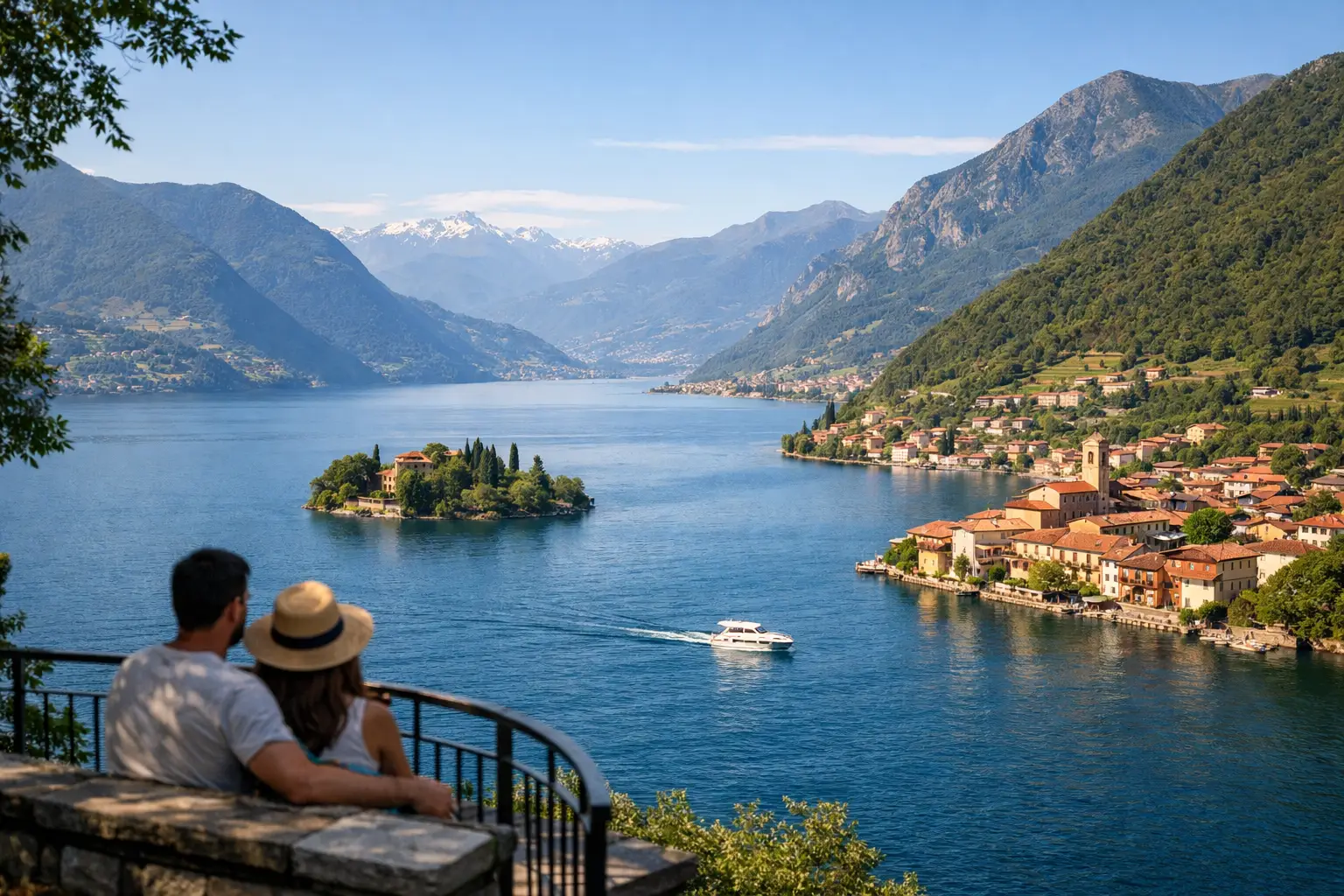
In and around Zone, the landscape offers that welcome variety. Hikers can find broad views, forest paths, rock formations, and the changing light of Lake Iseo, without giving up the pleasure of returning to a comfortable table at the end of the day.
Comfortable Rooms Are Part of the Hiking Experience
After hours on uneven ground, comfort becomes wonderfully simple. A quiet room, a supportive bed, a hot shower, and enough space to set down a backpack can make the difference between merely staying overnight and genuinely resting.
Look for rooms with a calm atmosphere rather than an overly busy design. Natural surroundings already provide plenty of drama. Inside, soft light, warm textures, clean linens, and a sense of privacy help the body settle after a full day outdoors.
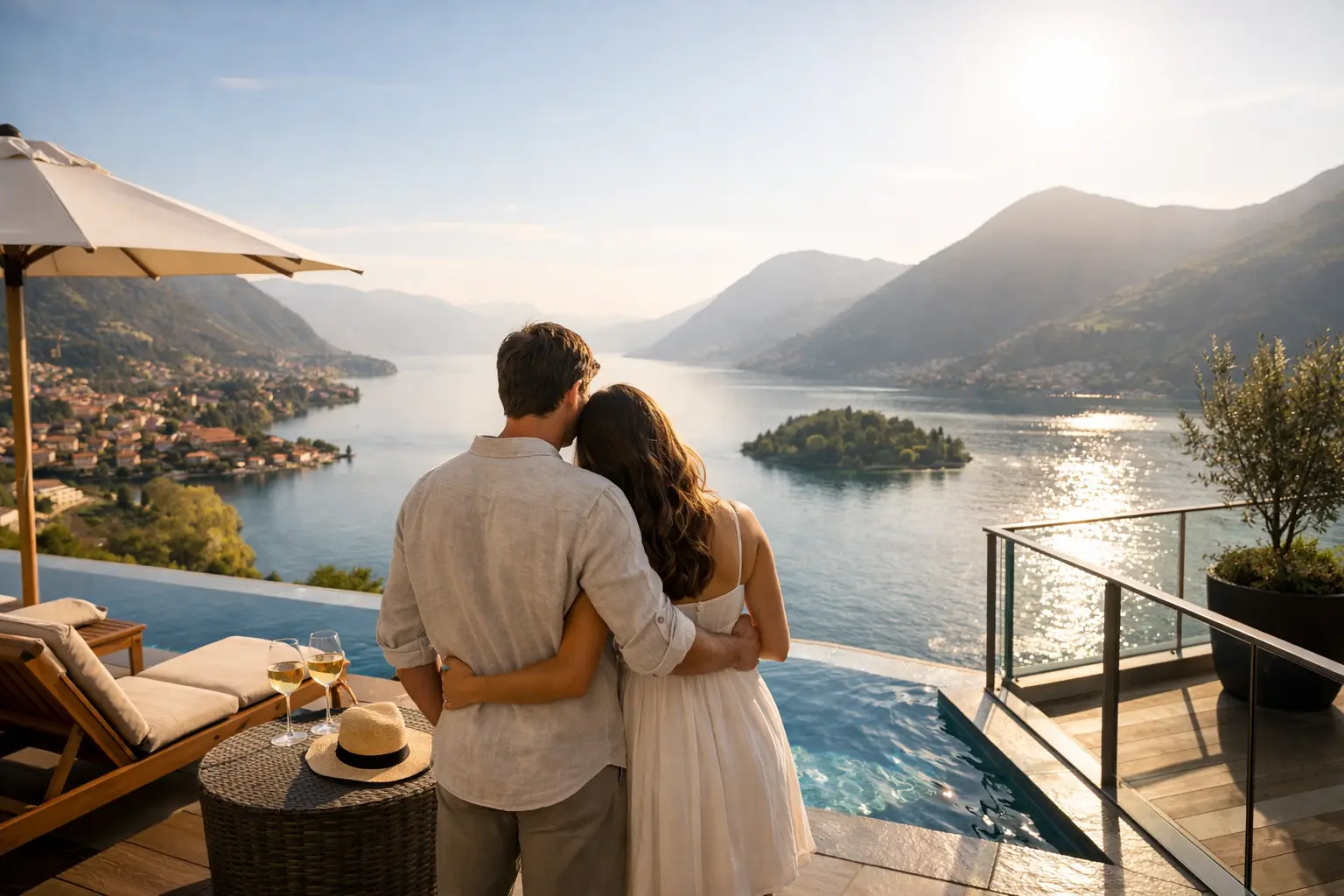
For couples, a comfortable room creates space to linger over the memories of the day: the view from the ridge, a hidden chapel, a photo taken beside the lake. For families, it gives everyone a place to reset before dinner. For friends traveling together, it offers a peaceful pause before planning tomorrow’s route.
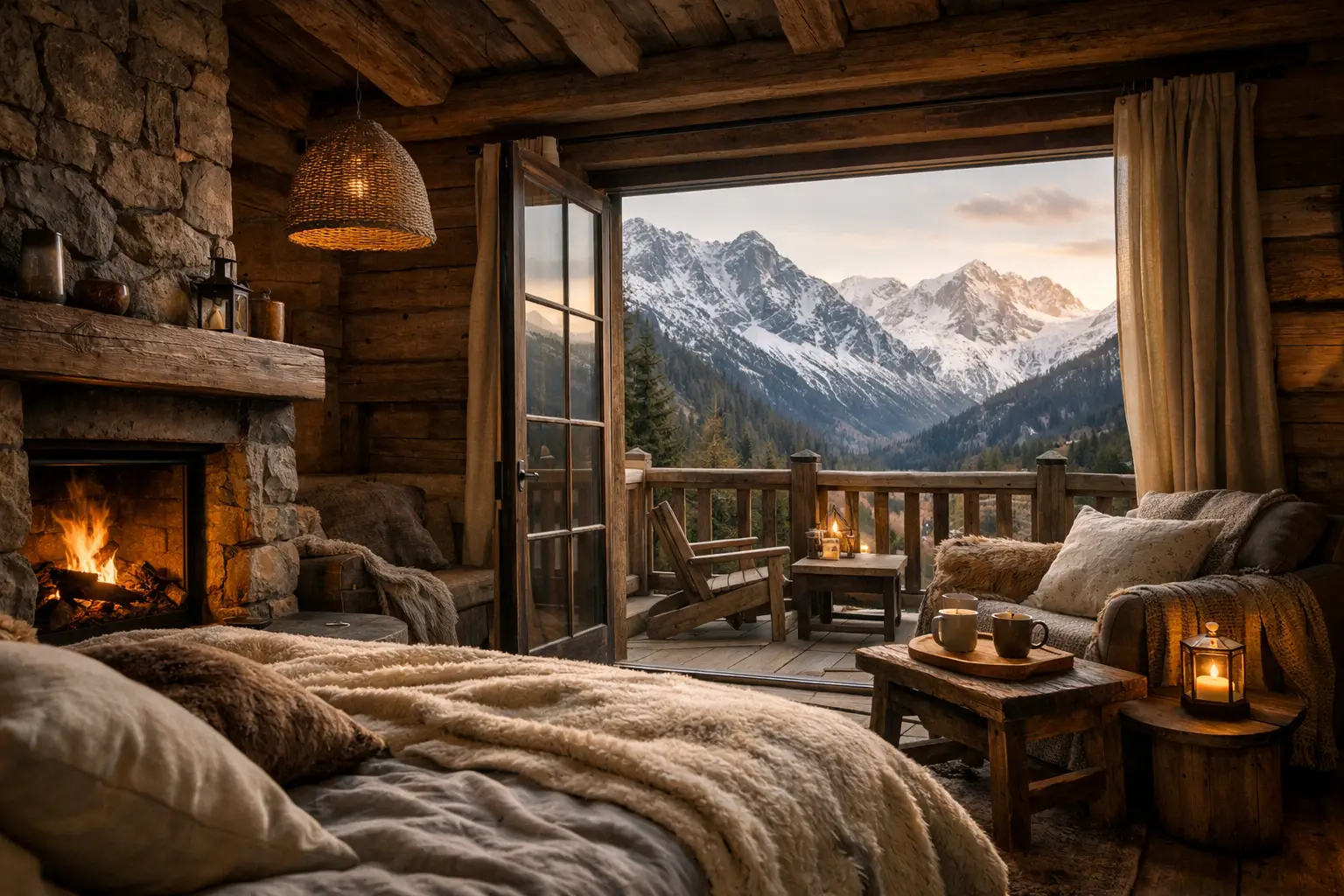
A rustic, welcoming style often feels especially right in an alpine setting. It should feel cared for, not staged – the kind of room where you can sleep deeply with the window closed against the evening cool, knowing that another beautiful day is waiting.
The Best Hotel Amenities for Hiking Trips Begin at Breakfast
Hiking asks more of the body than an ordinary sightseeing day. Breakfast should recognize that. A good hiking hotel offers an unhurried start and food with enough substance to carry guests through the morning.
Fresh bread, fruit, yogurt, eggs, cheese, and a proper coffee are not extravagant requests. They are the foundation of a day on the trail. Guests with an early start also appreciate clear breakfast hours and a host who can help make the morning feel straightforward rather than hurried.
The exact breakfast matters less than the feeling behind it. Is there enough to eat? Can everyone in the group find something satisfying? Does the room feel welcoming at 7:30 in the morning, when boots are being laced and maps are being folded into pockets? These small details shape the tone of the entire day.
If you have dietary needs, it is wise to ask in advance. A family-run hotel can often offer a more personal conversation than a large, standardized property, but clear communication before arrival helps everyone prepare with care.
A Restaurant With Local Food Brings the Day Full Circle
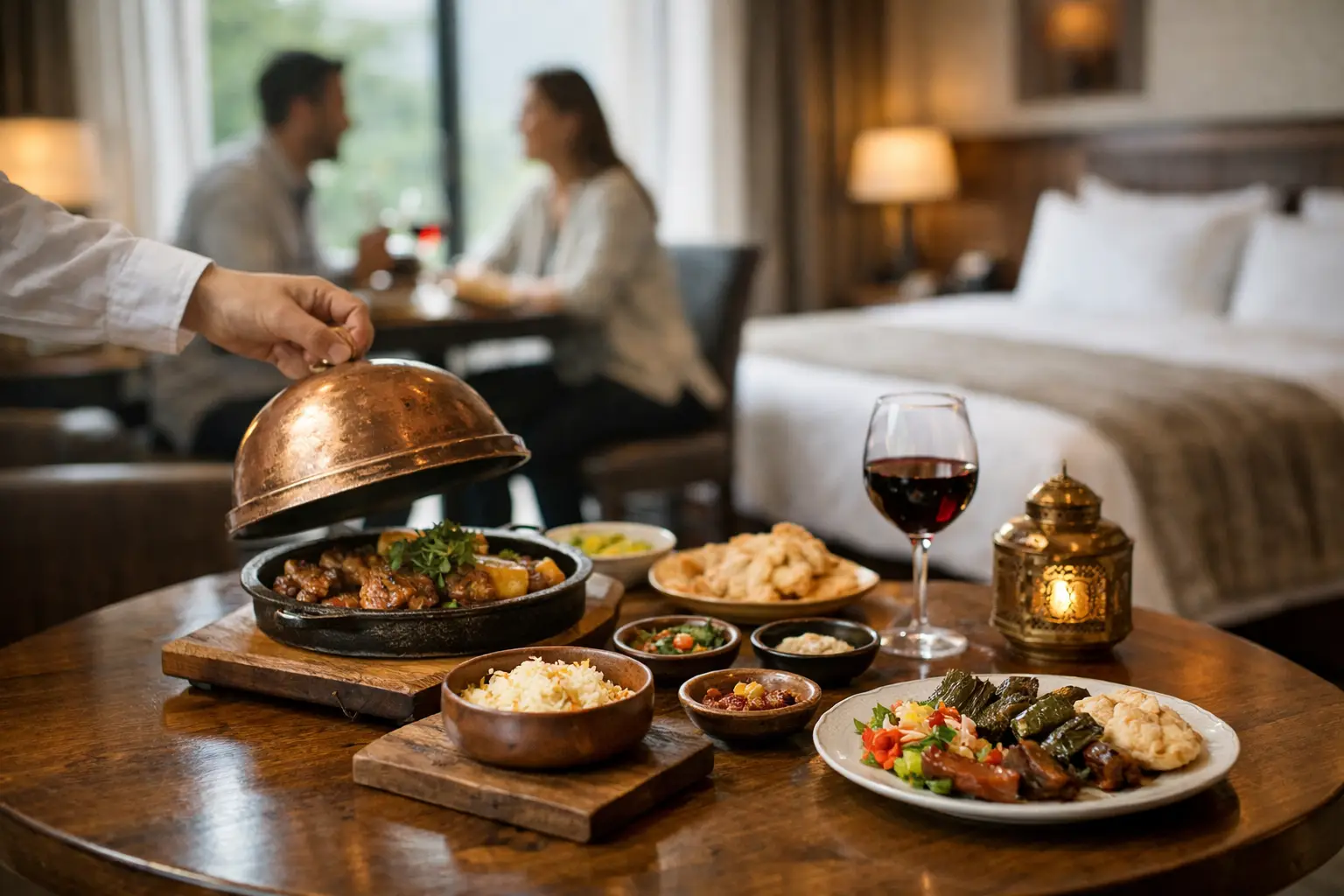
A hotel restaurant is one of the most meaningful amenities after a hike, particularly in a destination where evenings are meant to be slow. After a long walk, the thought of getting back into the car to search for dinner can feel less like freedom and more like another task.
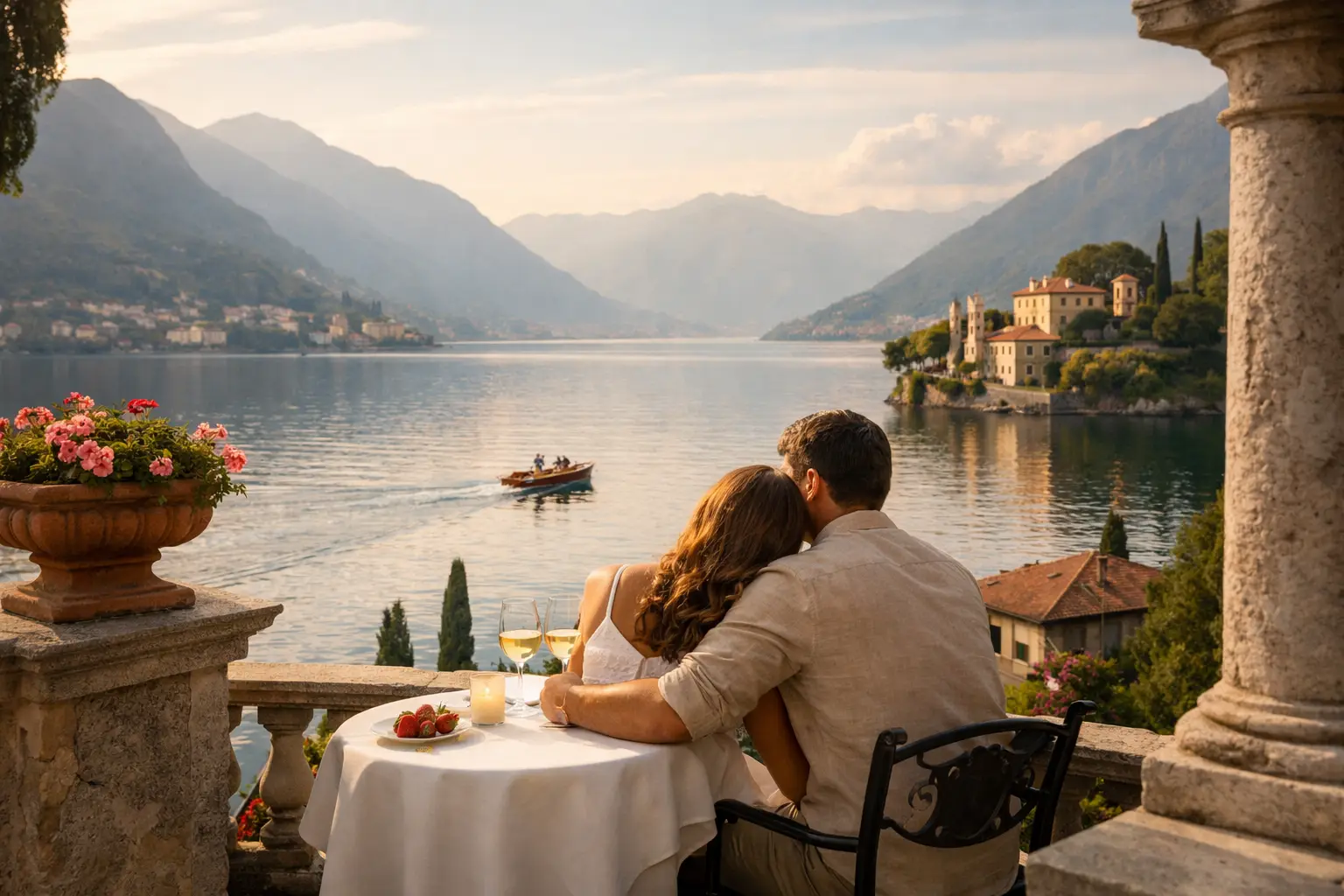
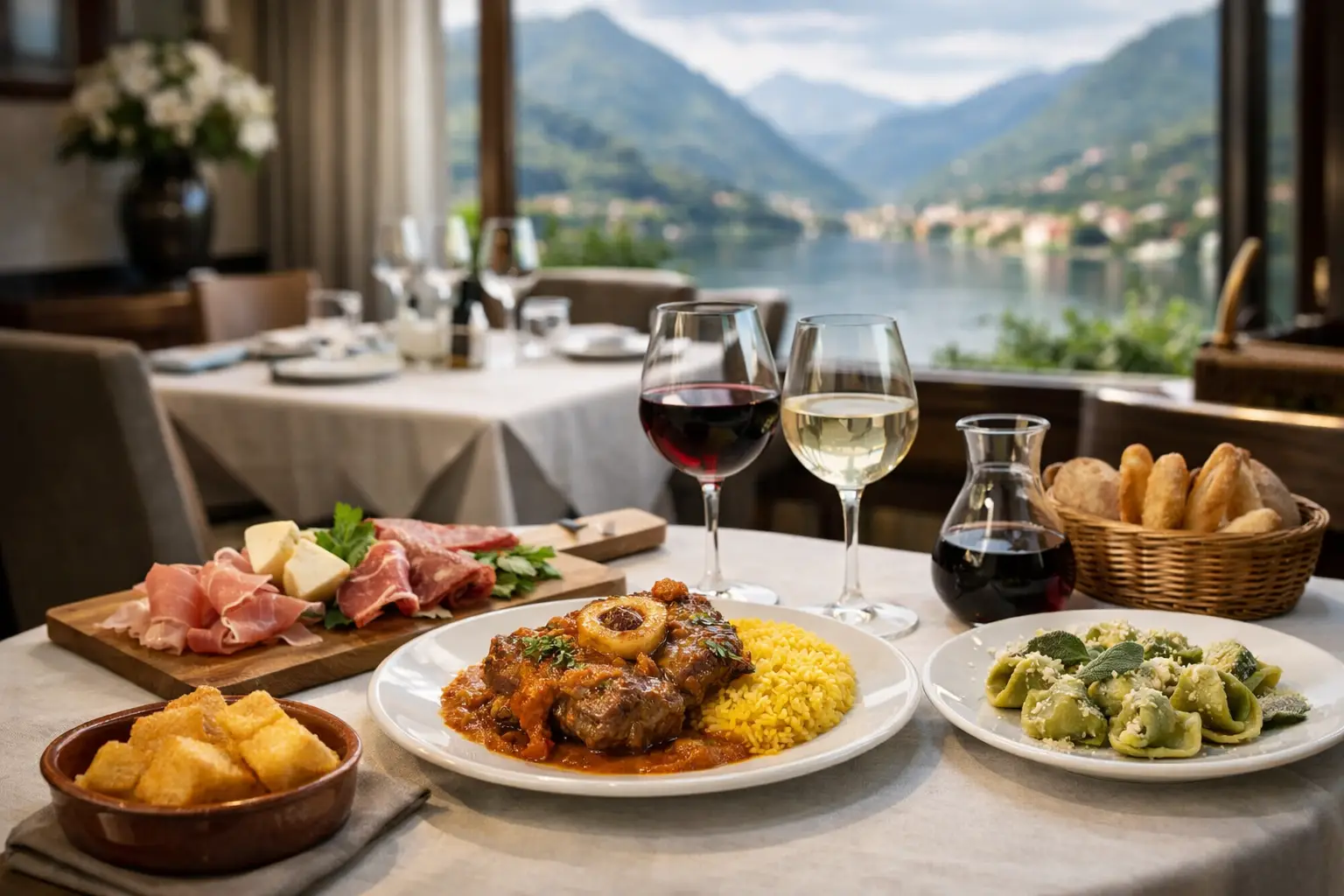
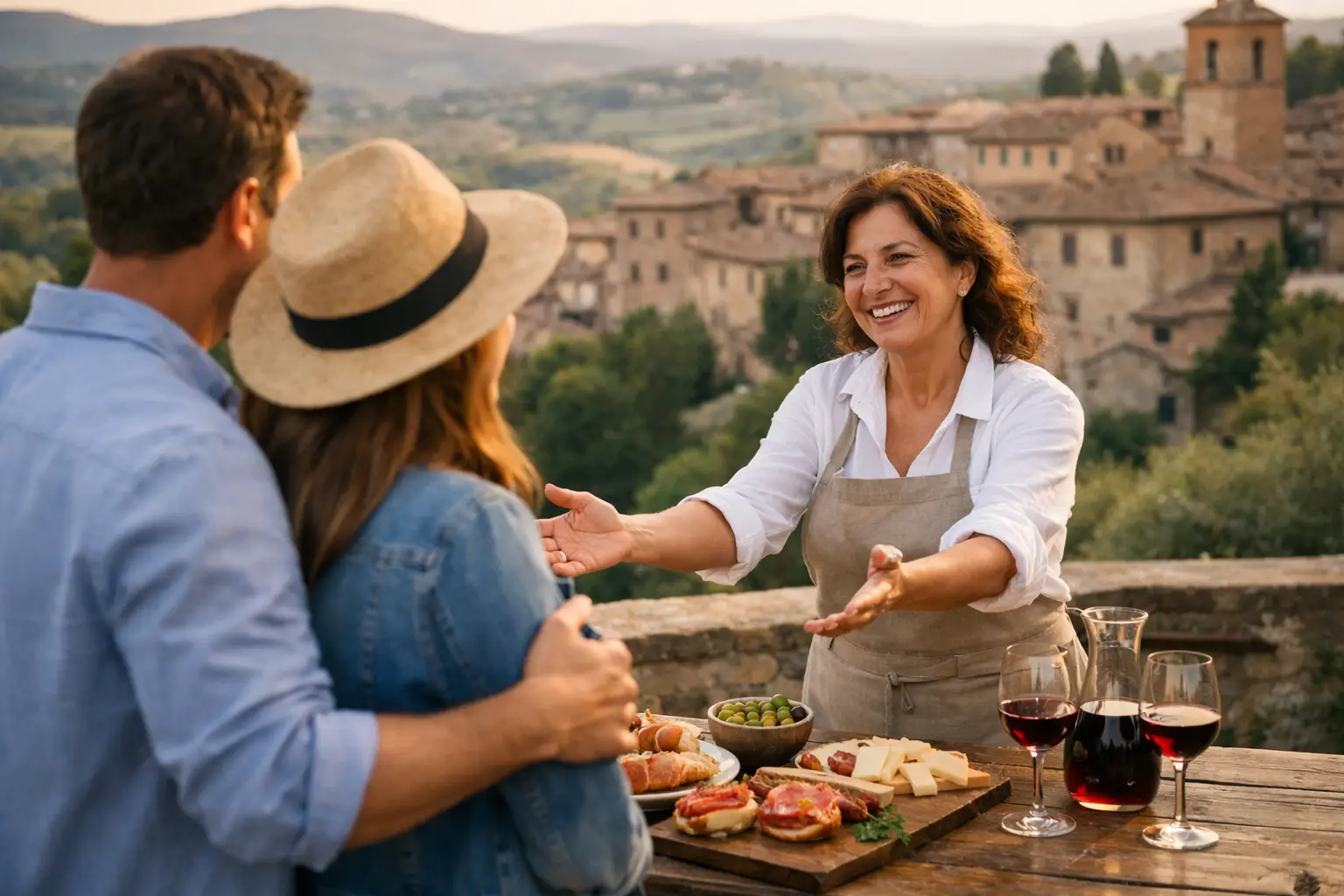
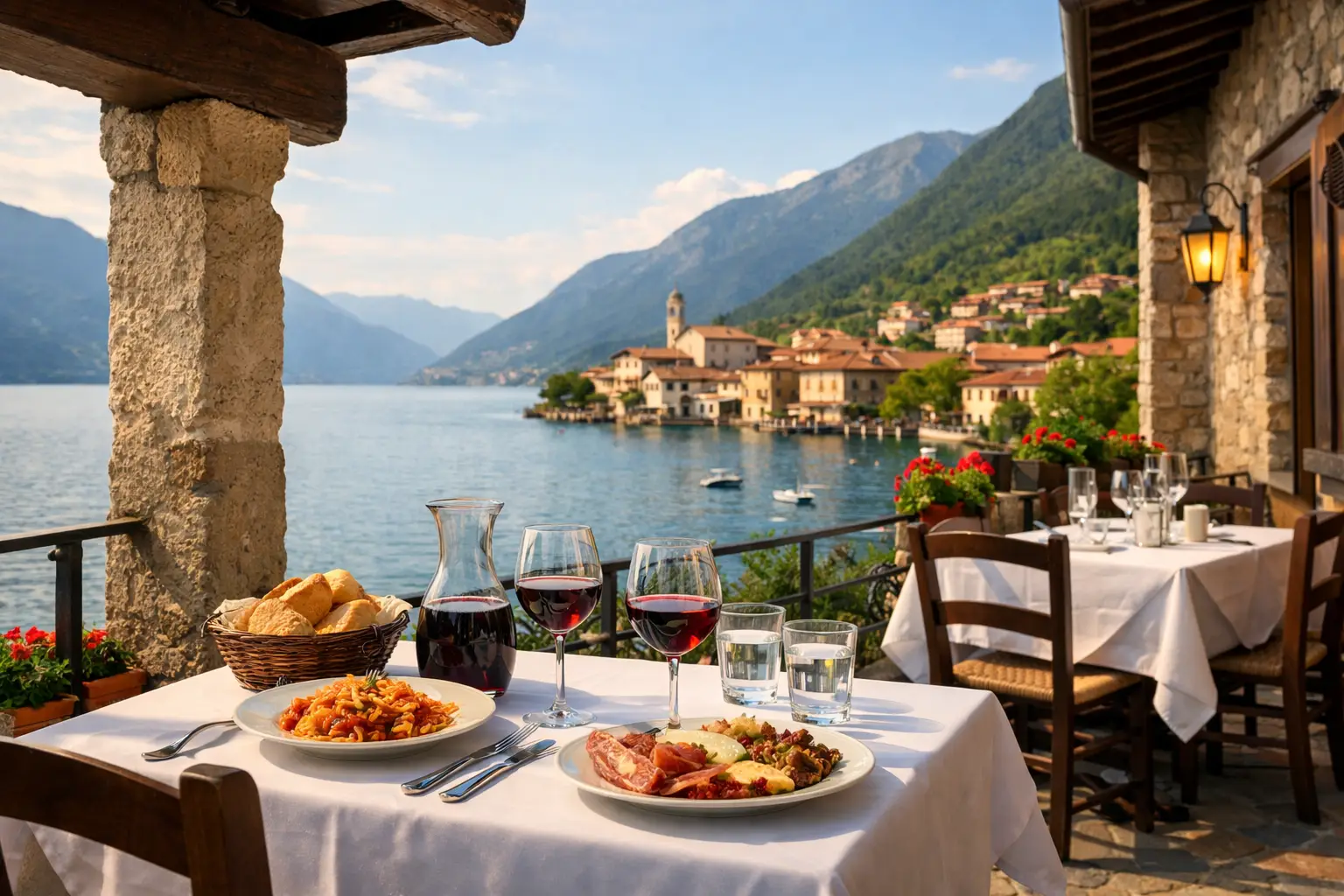
Having traditional local cuisine close at hand changes that. It lets hikers shower, relax, and sit down to a meal made with the flavors of the region. A plate of warm, honest food pairs naturally with stories from the trail and a glass raised to a day well spent.
There is a practical advantage, too. A hearty dinner helps restore energy for the following day. Yet the real value is emotional. Meals are where a hiking trip becomes shared time – between partners, across generations, or among friends who have spent the day walking side by side.
At Hotel Conca Verde, the pleasure of regional cooking is part of a stay designed around nature, rest, and heartfelt hospitality. The aim is not to rush guests through an itinerary, but to give them a place where the day can unfold at its own pace.
Thoughtful Trail Support Matters More Than Fancy Extras
Not every hiking hotel needs a spa, a gym, or a long list of branded services. Those can be lovely, but they are not always what makes a hiking trip work. The most useful support is often practical and personal.
Helpful hosts can point guests toward routes that match their ability, the season, and the time available. This guidance is particularly valuable for visitors unfamiliar with the area. A path that looks simple on a map may be steep, exposed, or muddy after rain. Another route may be perfect for children, a relaxed couple, or travelers who want a scenic walk without a demanding climb.
When choosing where to stay, ask whether the hotel can help with these essentials:
- Suggestions for walks suited to your group and experience level
- Advice on weather, trail conditions, and appropriate timing
- A place to dry or organize outdoor clothing after a wet day
- Flexible local knowledge about nearby viewpoints, villages, and seasonal highlights
The last point is easy to underestimate. A good local recommendation can lead you to the quiet path, family-run lunch stop, or lake view that never appears in a generic travel guide.
A Relaxed Evening Space Has Real Value
Hiking days are active, but the best trips leave room for stillness. A welcoming pub, lounge, terrace, or dining room gives guests somewhere to be together without needing to make another plan.
For some travelers, that means a quiet drink before dinner. For others, it means playing cards with the children, reading while the light fades outside, or enjoying conversation with friends long after the backpacks have been put away. These unplanned moments often become the memories people carry home.
This is where a smaller, family-oriented hotel can feel especially different from a large resort. There may be fewer distractions, but more warmth. The atmosphere is less about filling every hour and more about allowing guests to feel at ease.
Choose Amenities That Fit Your Kind of Hike
The ideal hotel depends on the trip you want to take. Serious hikers planning long elevation days may prioritize early breakfast, route advice, and reliable recovery comfort. Families may care more about easy access to gentle walks, flexible mealtimes, and rooms that feel restful for everyone. Couples might place a peaceful setting, local dining, and scenic surroundings at the center of their stay.
There are trade-offs. A property in a remote natural setting may offer more quiet and closer access to trails, while having fewer urban conveniences nearby. A large wellness resort may have extensive facilities but less local character. Neither choice is wrong. The best fit is the one that lets you spend your energy where you want it: outdoors, together, and fully present.
Before booking, consider the small practical questions. Will you be comfortable after a rainy walk? Can you enjoy dinner without driving elsewhere? Will someone be available to help you choose a suitable route? Does the hotel feel like a place you will be glad to return to when the trail is finished?
Choose a stay that welcomes tired hikers with the same care it offers fresh arrivals. When the meal is warm, the room is quiet, and the next path is waiting just beyond the door, a hiking trip feels less like an escape from daily life and more like time spent exactly where you belong.