
Can Hotels Accommodate Dietary Restrictions?
A memorable stay should begin with anticipation, not concern over the next meal. So, can hotels accommodate dietary restrictions? Often, yes – especially when guests share their needs early and the hotel has the time, ingredients, and kitchen procedures to prepare with care. The best experience is a conversation: clear, honest, and personal from the moment you plan your trip.
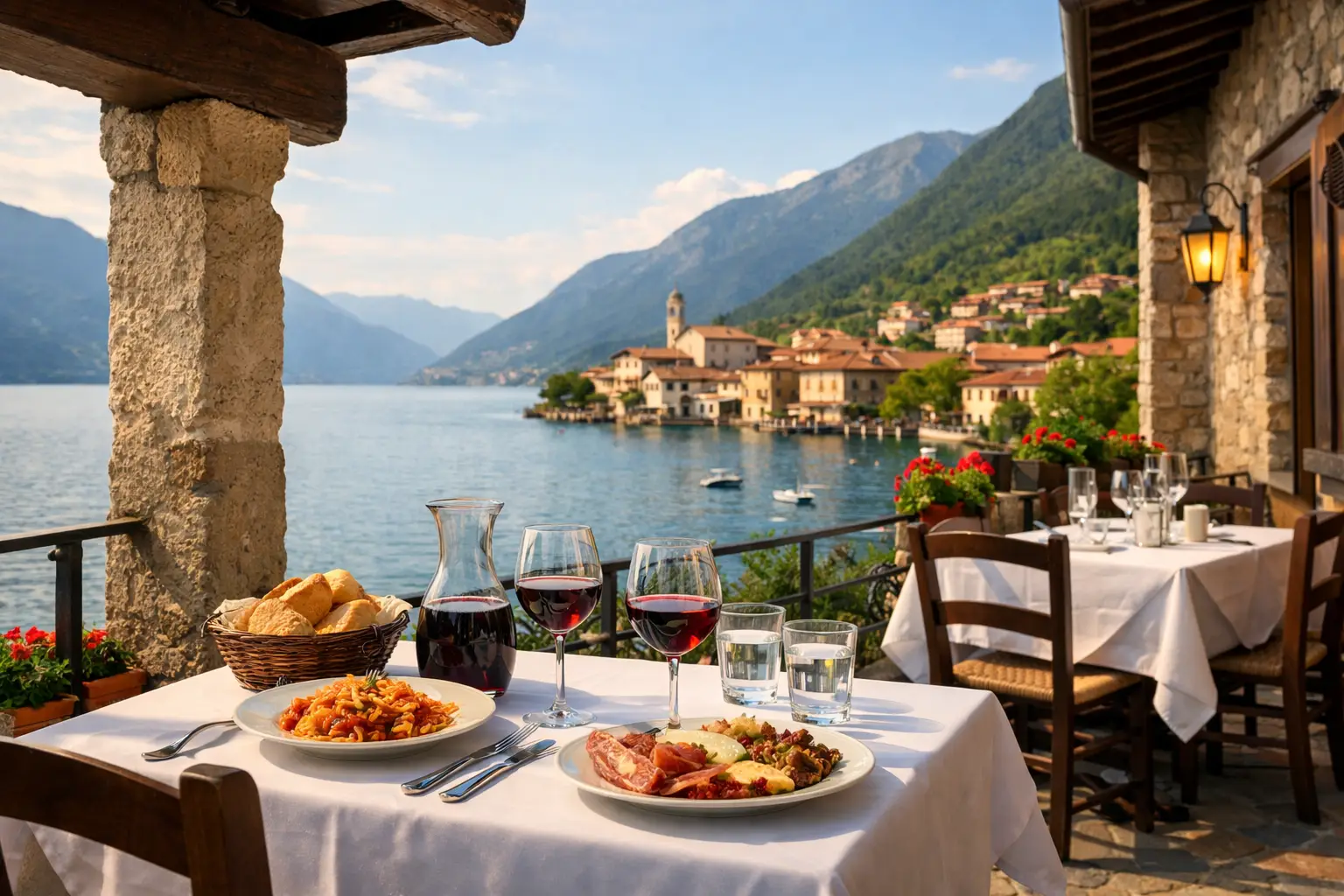
For travelers coming to the mountains and lakes of northern Italy, food is part of the pleasure. A slow breakfast before a walk, a comforting dinner after a day outdoors, and the chance to taste local traditions all matter. Dietary needs do not have to take that joy away, but they do call for thoughtful planning on both sides.
Can Hotels Accommodate Dietary Restrictions Safely?
Hotels can frequently support vegetarian, vegan, gluten-free, dairy-free, nut-free, low-sodium, and other dietary preferences or medical requirements. Yet the right answer is never a blanket promise. It depends on the individual request, the kitchen setup, the availability of suitable ingredients, and the level of risk involved.
A small, family-oriented hotel may offer something particularly valuable: direct communication. Instead of sending a request into a distant reservation system, guests can speak with people who understand the restaurant, the menus, and the rhythm of the kitchen. That personal connection makes it easier to ask practical questions and receive a realistic answer before arrival.
For severe allergies or conditions such as celiac disease, caution is essential. A kitchen may be able to prepare a gluten-free or allergen-aware meal, for example, without being a fully dedicated allergen-free facility. Cross-contact can occur through shared work surfaces, utensils, fryers, storage, or ingredients. A caring hotel will never dismiss that concern. It will explain what it can do, what it cannot guarantee, and whether the meal plan is appropriate for your needs.
The goal is not perfection in a brochure. It is confidence built through honest preparation.
Tell the Hotel Early, Not at Check-In
The most helpful time to discuss dietary restrictions is before you reserve, or as soon as your plans are confirmed. This gives the kitchen time to source alternatives, review recipes, and organize service without last-minute uncertainty.
When contacting a hotel, be specific. Saying that you are “allergic to dairy” is different from saying you prefer to avoid milk. Mention the food or ingredient involved, whether even small traces present a concern, and whether your request is a medical necessity, an allergy, an intolerance, or a personal preference. If you have several restrictions, list each one plainly.
It also helps to share which meals you expect to have at the hotel. Breakfast may be simple to adapt, while dinner can require more advance thought depending on the menu. If you are traveling with children, let the hotel know their needs as well. A child who can enjoy a familiar, safely prepared option gives the whole family more room to relax.
For international travel, clear wording matters. You may wish to bring a short written card in Italian describing a serious allergy or dietary condition. It can be useful when ordering during day trips or visiting small local restaurants. At the hotel, however, a direct conversation before arrival remains the strongest starting point.
What Thoughtful Hospitality Looks Like
Dietary accommodation is about more than removing one ingredient from a plate. It is about preserving the welcome of the meal: offering a breakfast that feels generous, a dinner that still reflects the region, and service that never makes a guest feel difficult for asking.
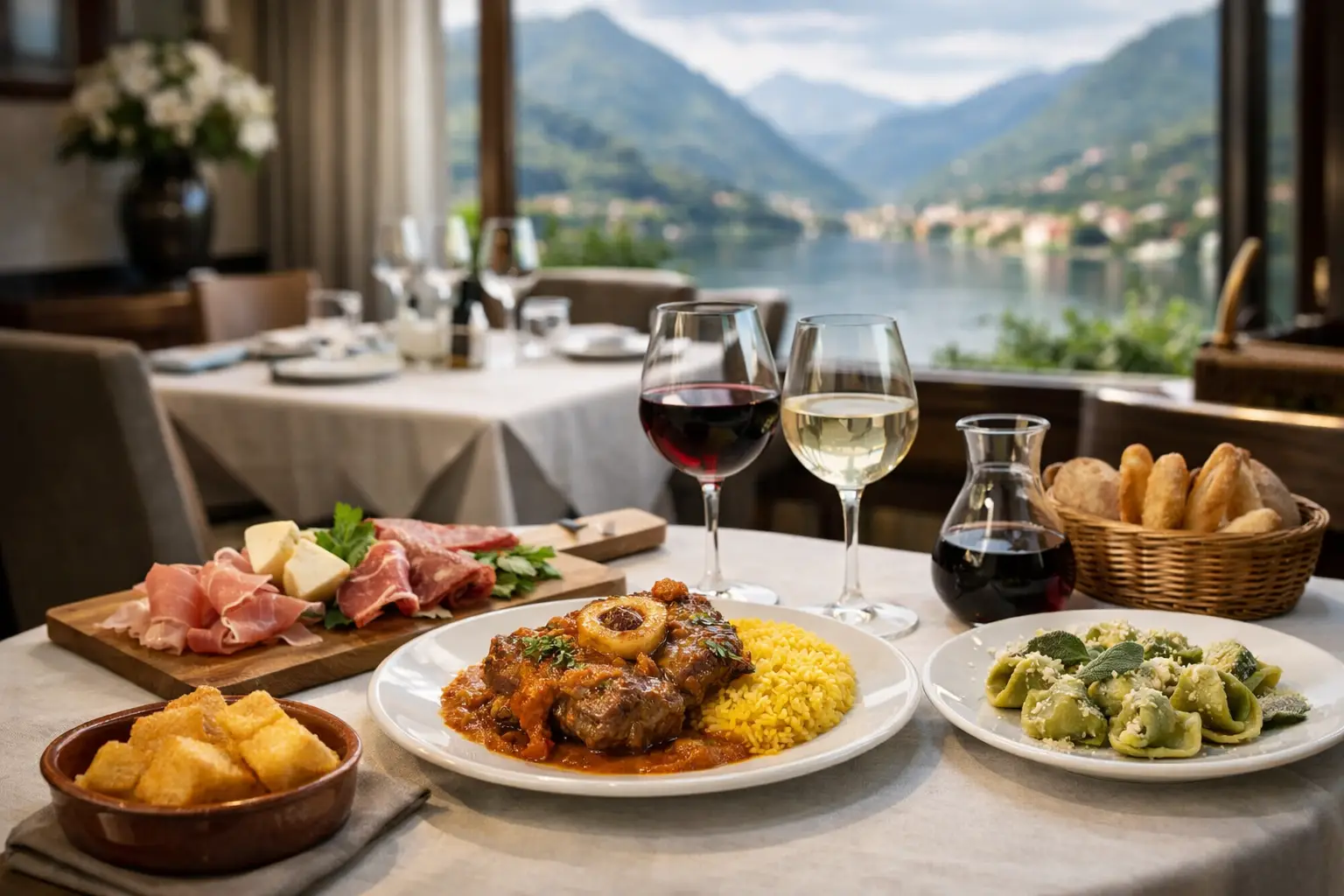
At Hotel Conca Verde, this spirit belongs naturally to the table. Traditional cuisine is a point of pride, but so is the care given to each guest. With advance notice, a hotel can often explore alternatives that respect both the guest’s needs and the character of the meal – a vegetable-based course prepared with the same attention as a classic local dish, or a breakfast arranged so the day begins comfortably.
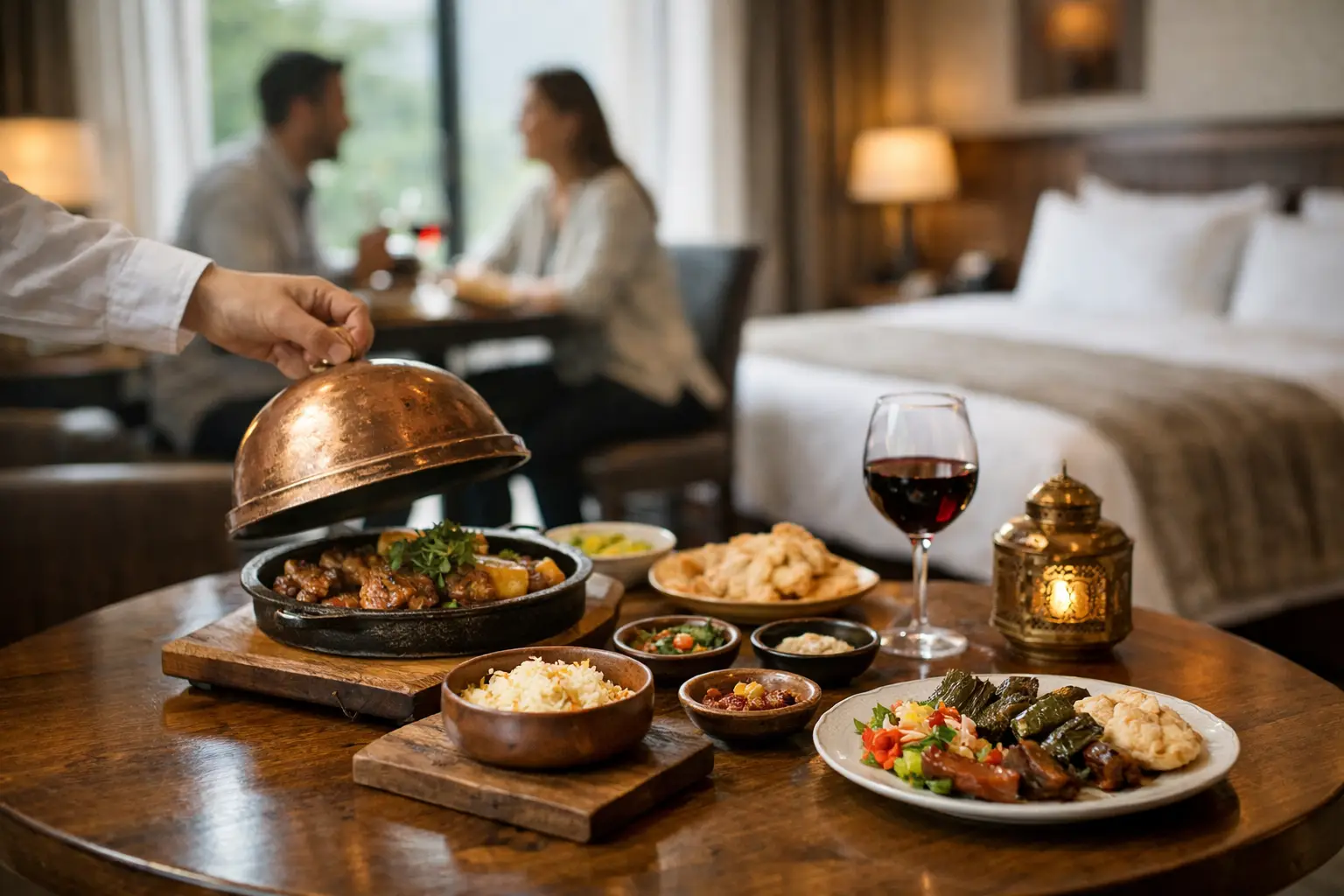
The details may be quiet, but they matter. Staff should know which guest has communicated a restriction. A meal should be identified clearly when it arrives. Questions should be welcomed without embarrassment. And if an ingredient is uncertain, the right response is to check, not guess.
This is especially meaningful after a day in nature. When you return from the trails around Lake Iseo or an afternoon spent enjoying the alpine air, dinner should feel like a moment of rest. Knowing that your needs have been heard lets you settle in and enjoy the warmth of the dining room, the company around you, and the pleasure of being cared for.
The Trade-Offs to Understand
Travelers deserve a hotel that takes dietary needs seriously, but it is equally wise to understand the limits of any shared kitchen. A restaurant that serves traditional dishes may use flour, dairy, eggs, nuts, fish, or other common allergens regularly. Even with careful handling, eliminating all risk may not be possible.
This does not mean you should avoid smaller hotels or local restaurants. It means you should choose based on the severity of your needs. If your condition requires a certified dedicated kitchen, individually sealed foods, or complete separation from certain ingredients, ask directly whether those measures are available. If they are not, a thoughtful hotel will help you make an informed decision rather than offer reassurance it cannot support.
Flexibility can also make a stay easier. Perhaps the hotel can prepare a simple safe dish rather than reproduce every item on the regular menu. Perhaps a packaged product is preferable at breakfast for peace of mind. For many guests, these small adjustments are a fair trade for enjoying a peaceful, character-filled stay in a place shaped by local tradition rather than a standardized dining program.
Questions Worth Asking Before You Book
A few well-chosen questions can turn uncertainty into a comfortable plan. Ask whether the kitchen can accommodate your specific restriction, whether staff can identify ingredients in sauces and prepared foods, and whether cross-contact precautions are possible. If your restriction is severe, ask about shared fryers, cutting boards, utensils, and food storage.
You may also ask whether a special menu needs to be arranged in advance and whether breakfast, lunch, and dinner can all be adapted. There is no need to make the conversation complicated. The more clearly you explain what you need, the more clearly the hotel can respond.
If you are staying for several nights, ask about variety as well. A limited number of safe choices may be perfectly manageable for a weekend, but longer stays benefit from some planning. A caring host can often suggest a practical rhythm for meals, particularly when guests will be out hiking or exploring during the day.
A Stay Should Still Feel Like a Treat
Dietary restrictions require attention, but they should not become the entire story of your trip. The purpose of planning ahead is to create freedom: freedom to sit down at the table without worry, to accept an invitation to dinner, and to savor the slower pace of a mountain escape.
Bring the information your host needs, ask honest questions, and allow time for a real answer. In return, the right hotel will meet you with discretion, kindness, and the simple pleasure of making room at the table for everyone.