
A Corporate Offsite Retreat That Brings Teams Closer
A good corporate offsite retreat should not feel like a workday moved to a different building. It should create a genuine change of pace: a place where the inbox becomes less urgent, conversations become more honest, and people have the time to remember the purpose behind their work together.
For small teams, leadership groups, and close-knit departments, the setting matters as much as the agenda. Away from city traffic and familiar routines, the quiet mountains near Lake Iseo offer room to think clearly, meet with intention, and enjoy the simple pleasure of sharing a table at the end of the day.
Why take your team away from the office?
Teams do not always need more meetings. Often, they need better conditions for the meetings they already have. In the office, conversations are interrupted by deadlines, calls, and the small demands that pull attention in every direction. An offsite gathering creates a protected space for decisions that deserve care.
This can be especially valuable after a period of growth, a change in leadership, or a demanding season. A few well-planned days together can help a team clarify priorities, welcome new colleagues, recognize progress, or simply restore the personal connection that gets lost when work becomes too hurried.
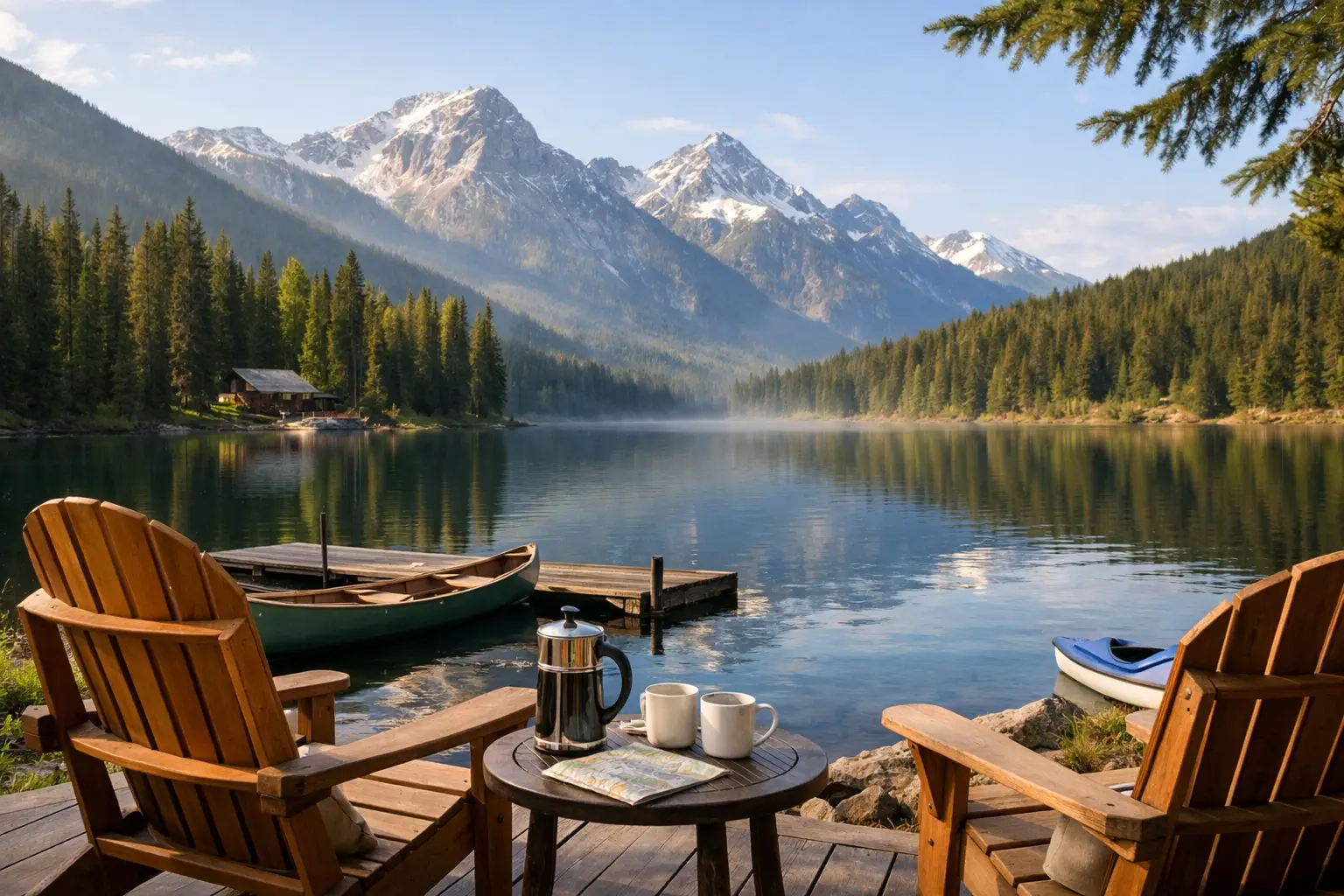
The goal is not to fill every hour with presentations. A successful retreat leaves room for focused work and unplanned conversation. Some of the most useful ideas may arrive over coffee before breakfast, during a walk on a woodland path, or around the dinner table when everyone has finally had time to breathe.
The right setting for a corporate offsite retreat
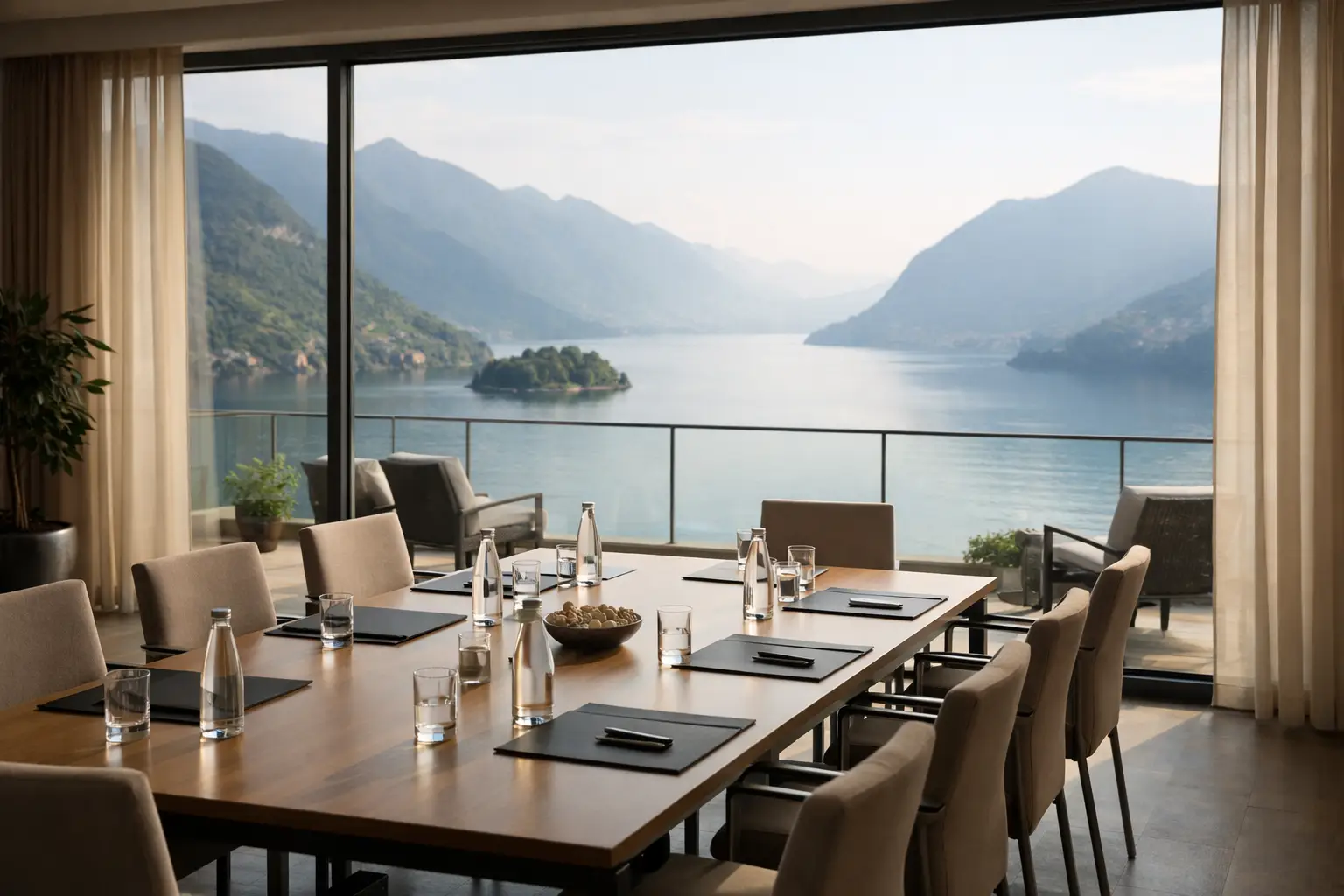
A productive retreat does not require a large conference center or an elaborate program. For many organizations, a smaller, more personal hotel is the better choice. It encourages people to stay close, gather naturally, and experience the destination together instead of disappearing into separate corners at the end of each session.
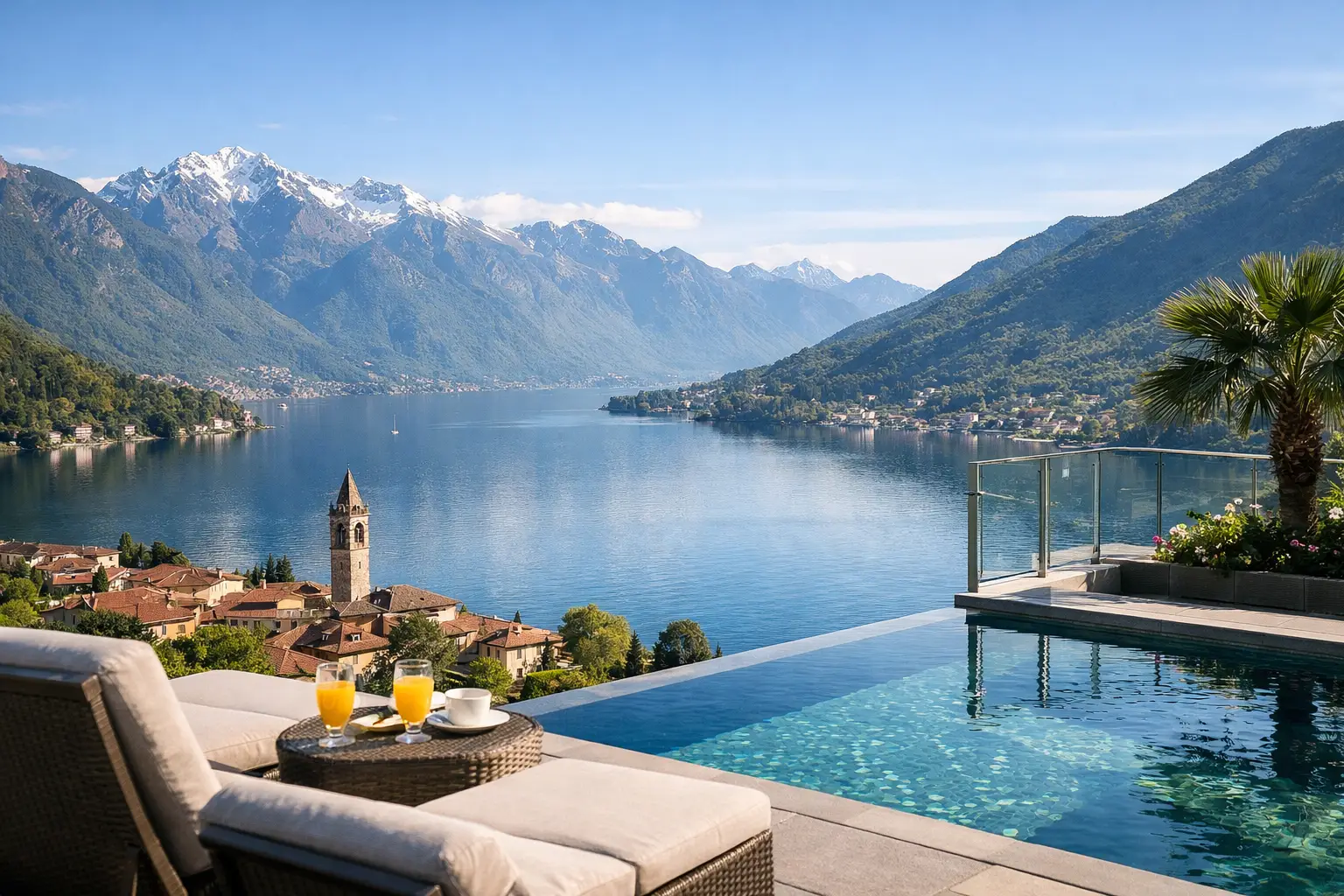
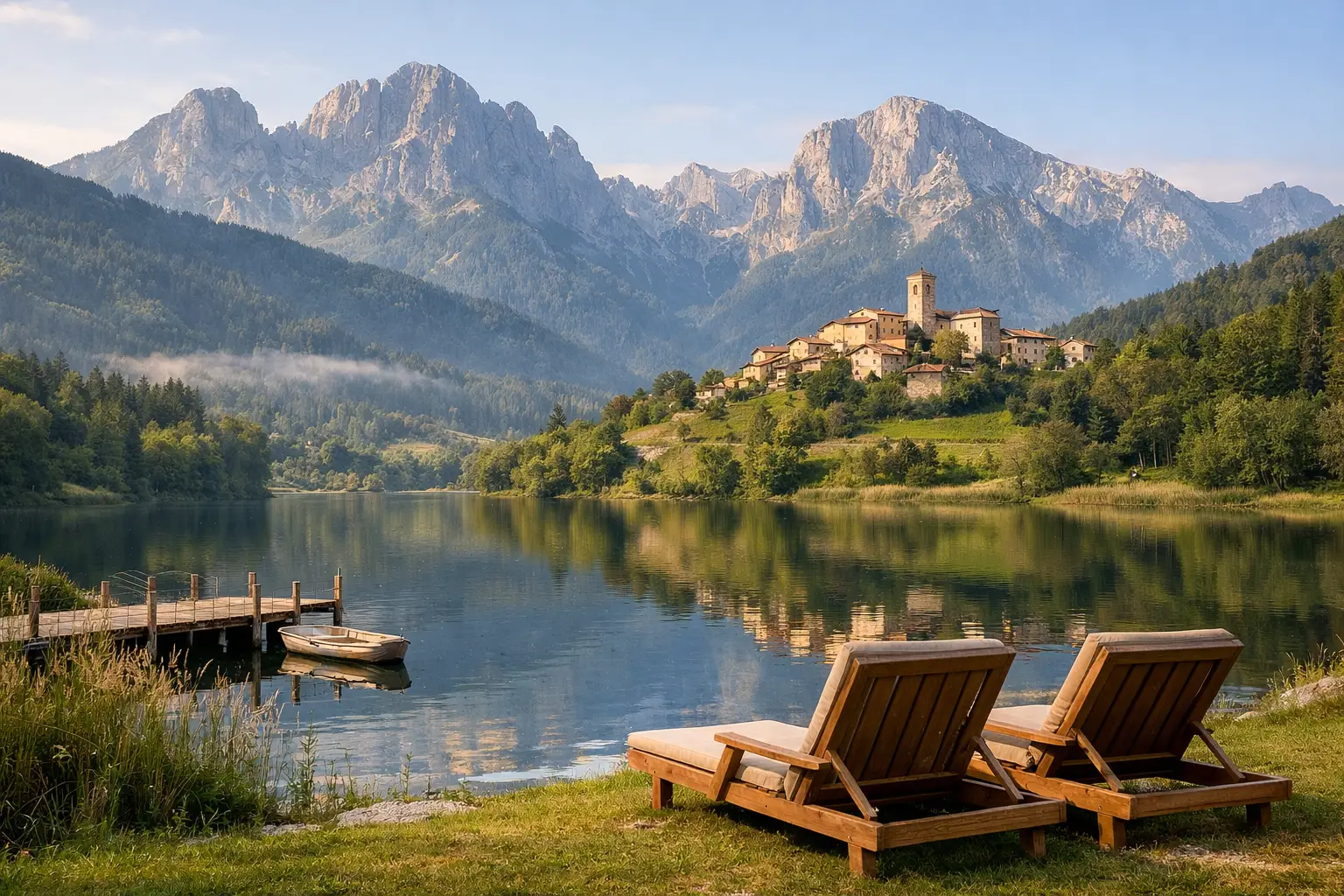
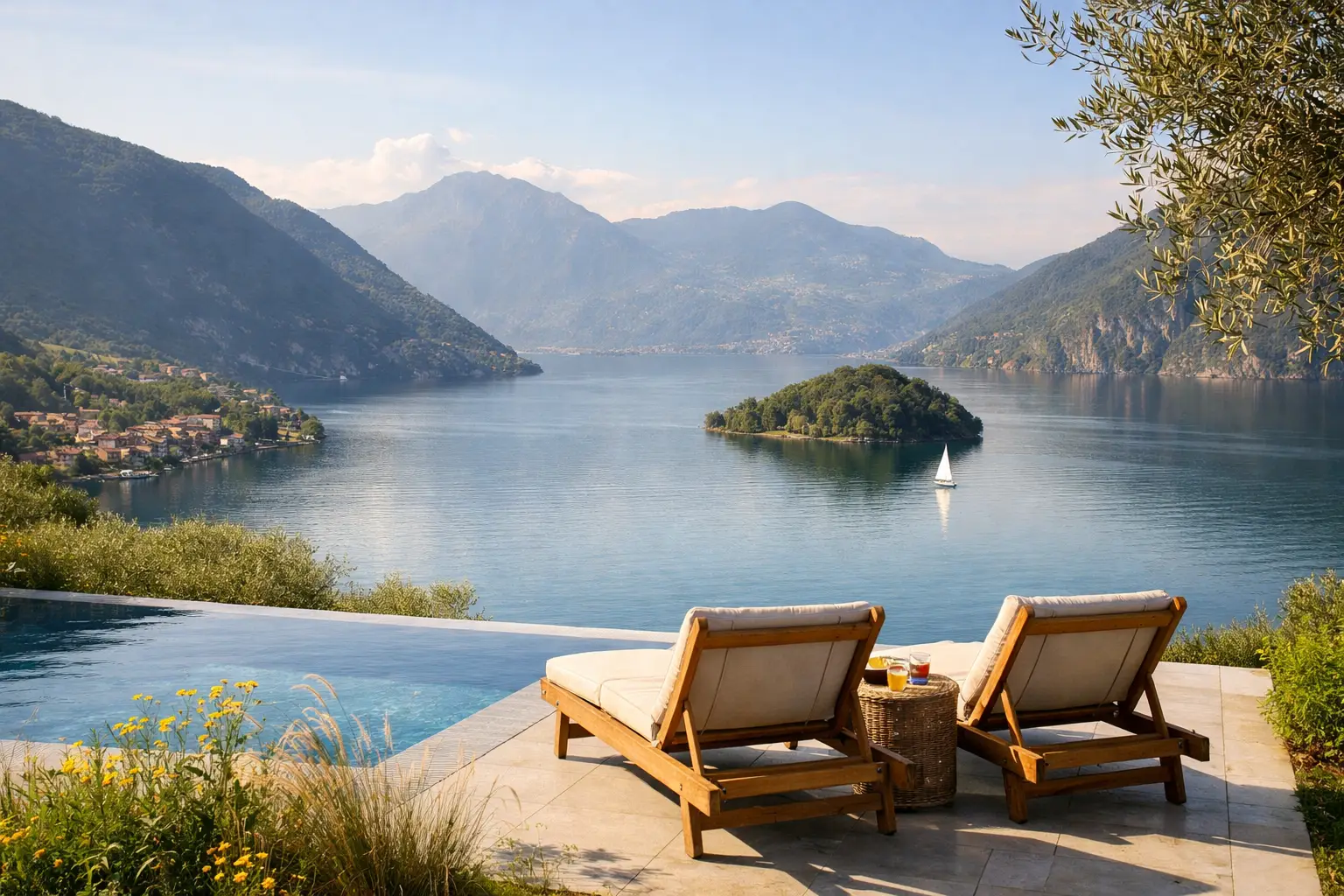
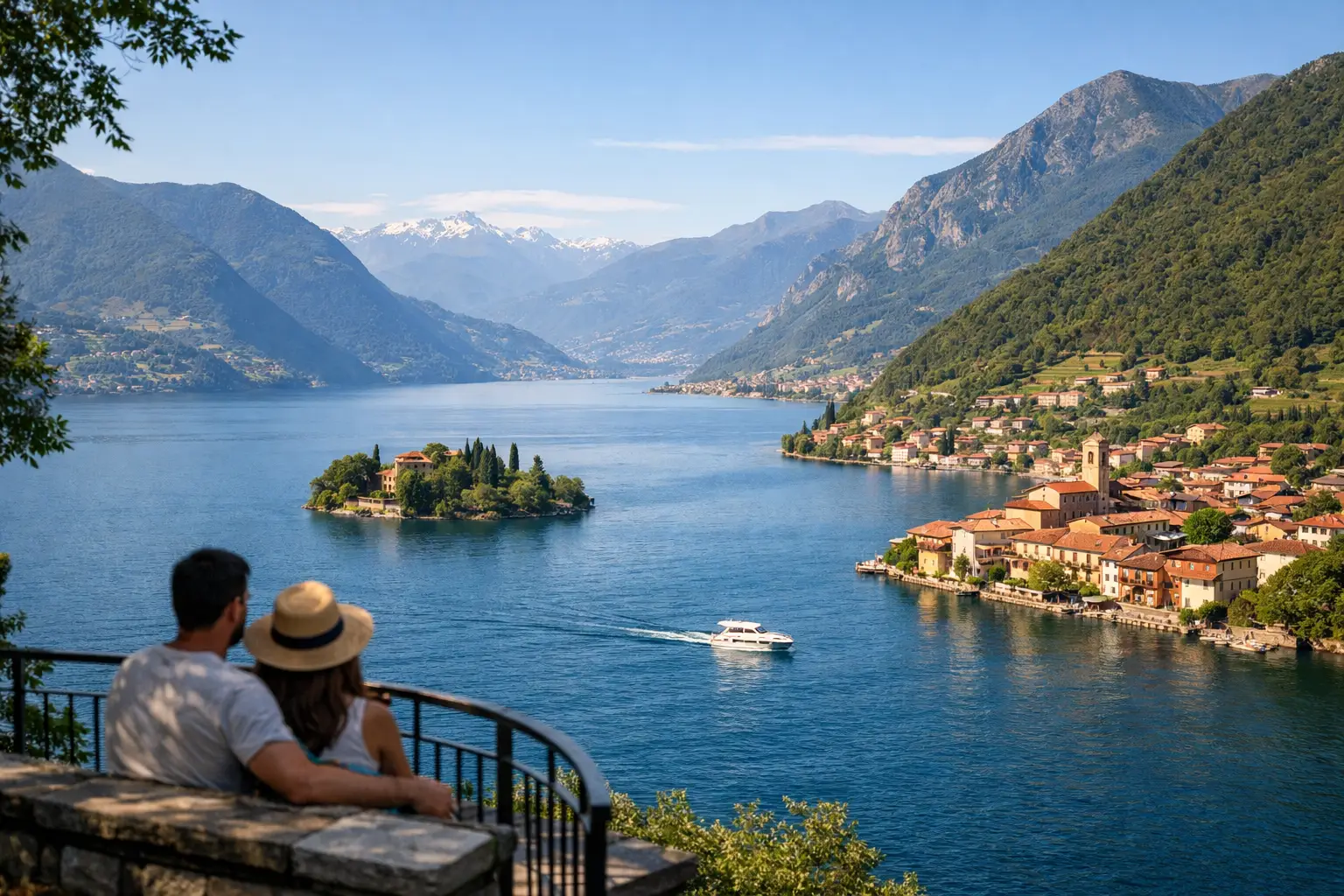
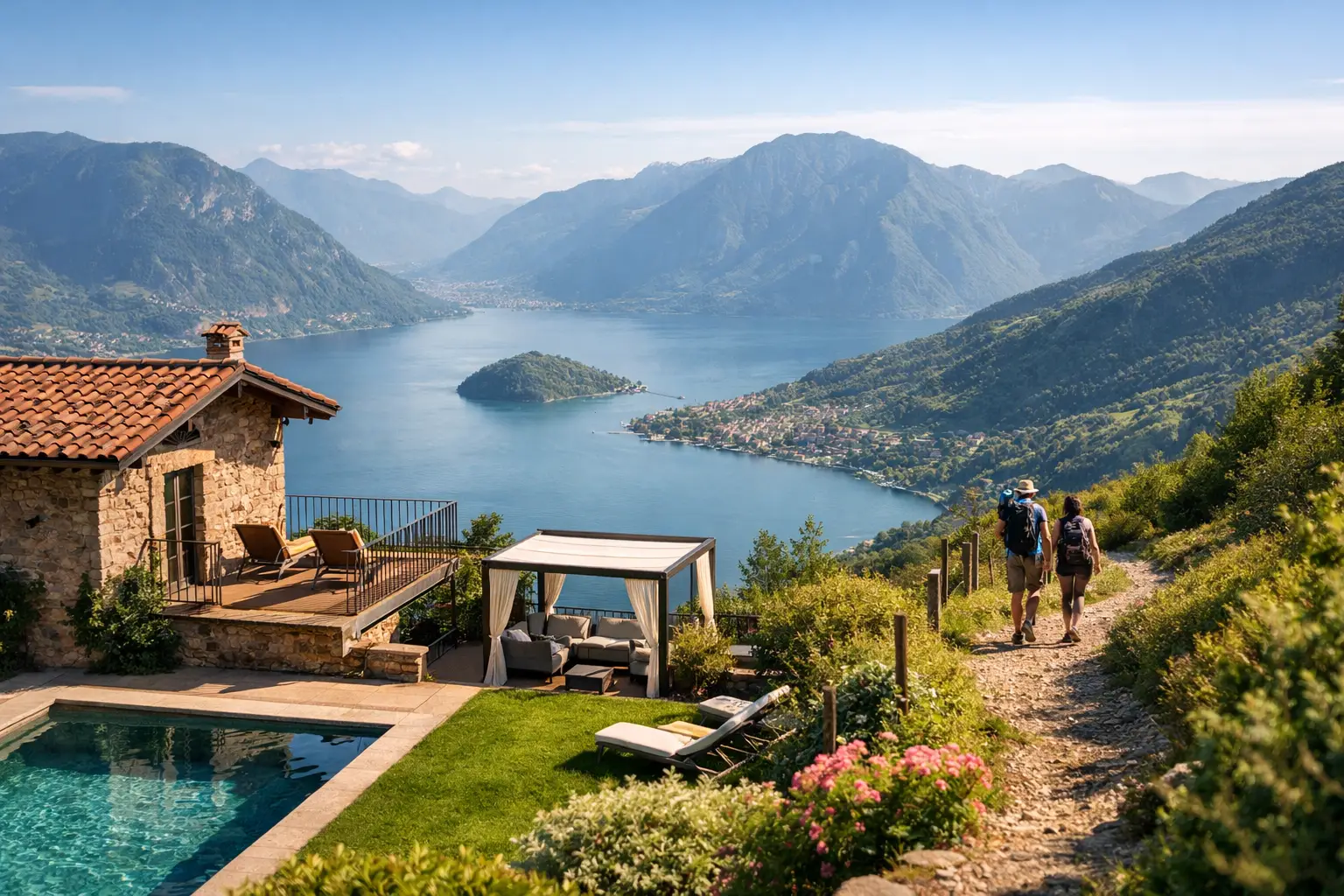
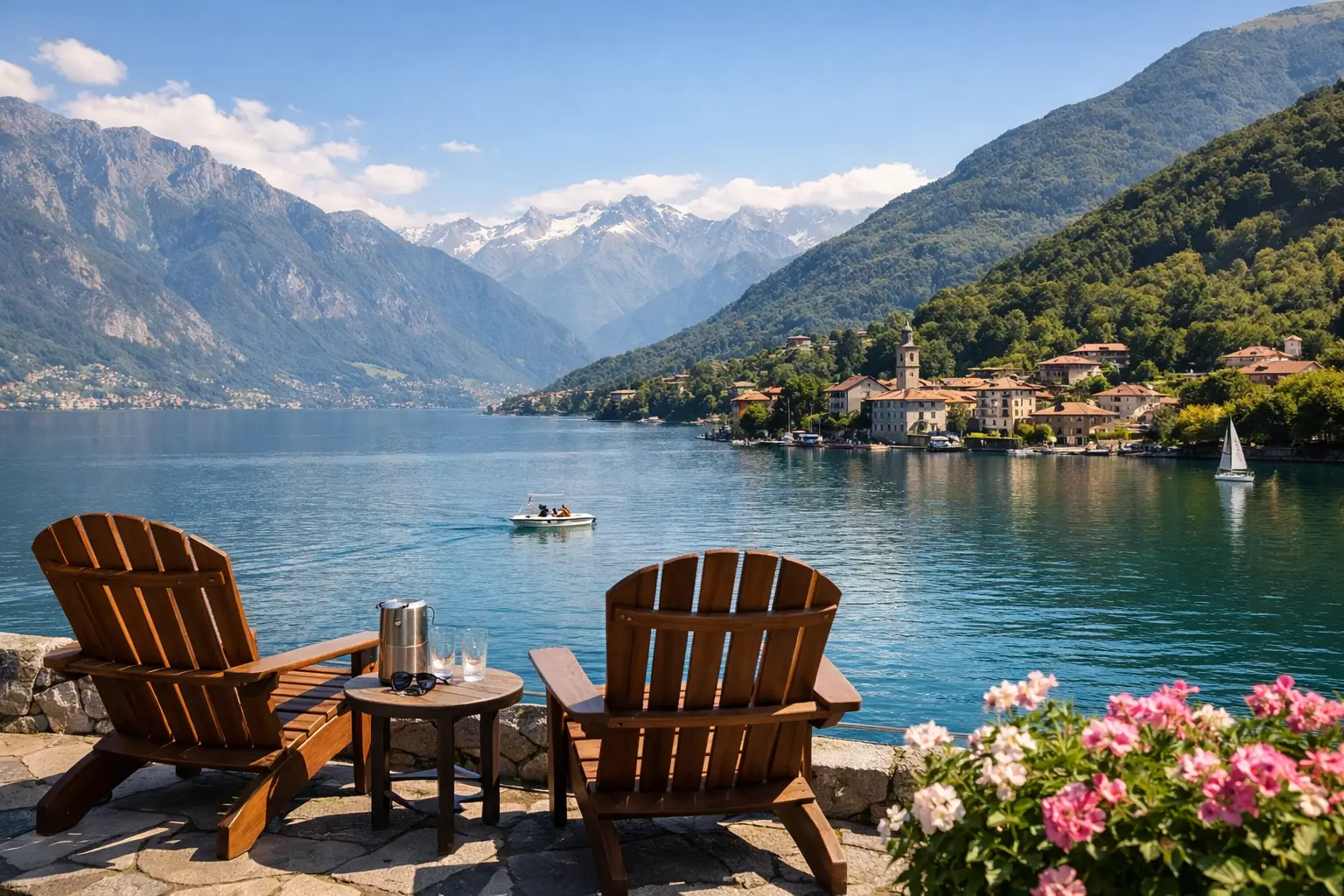
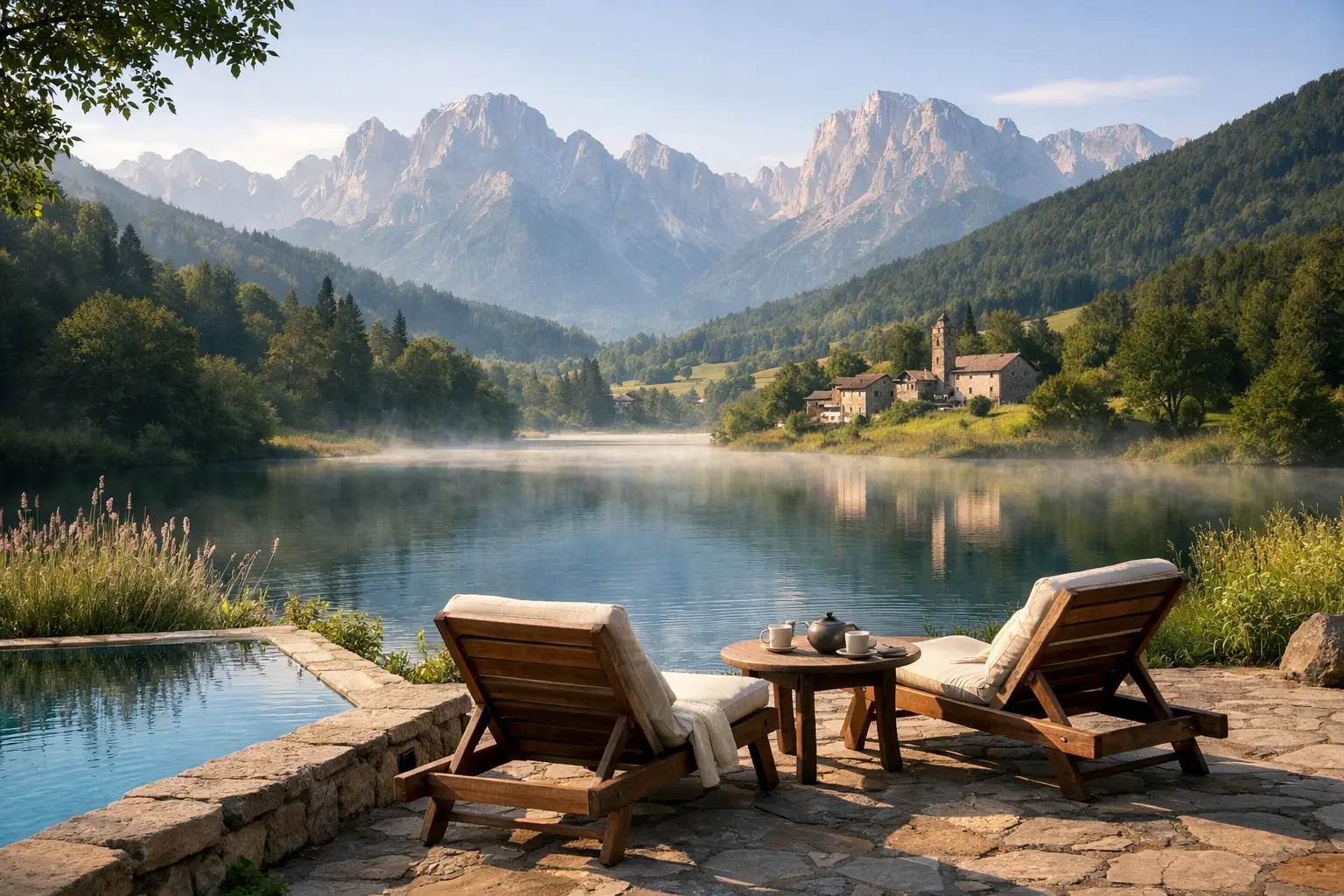
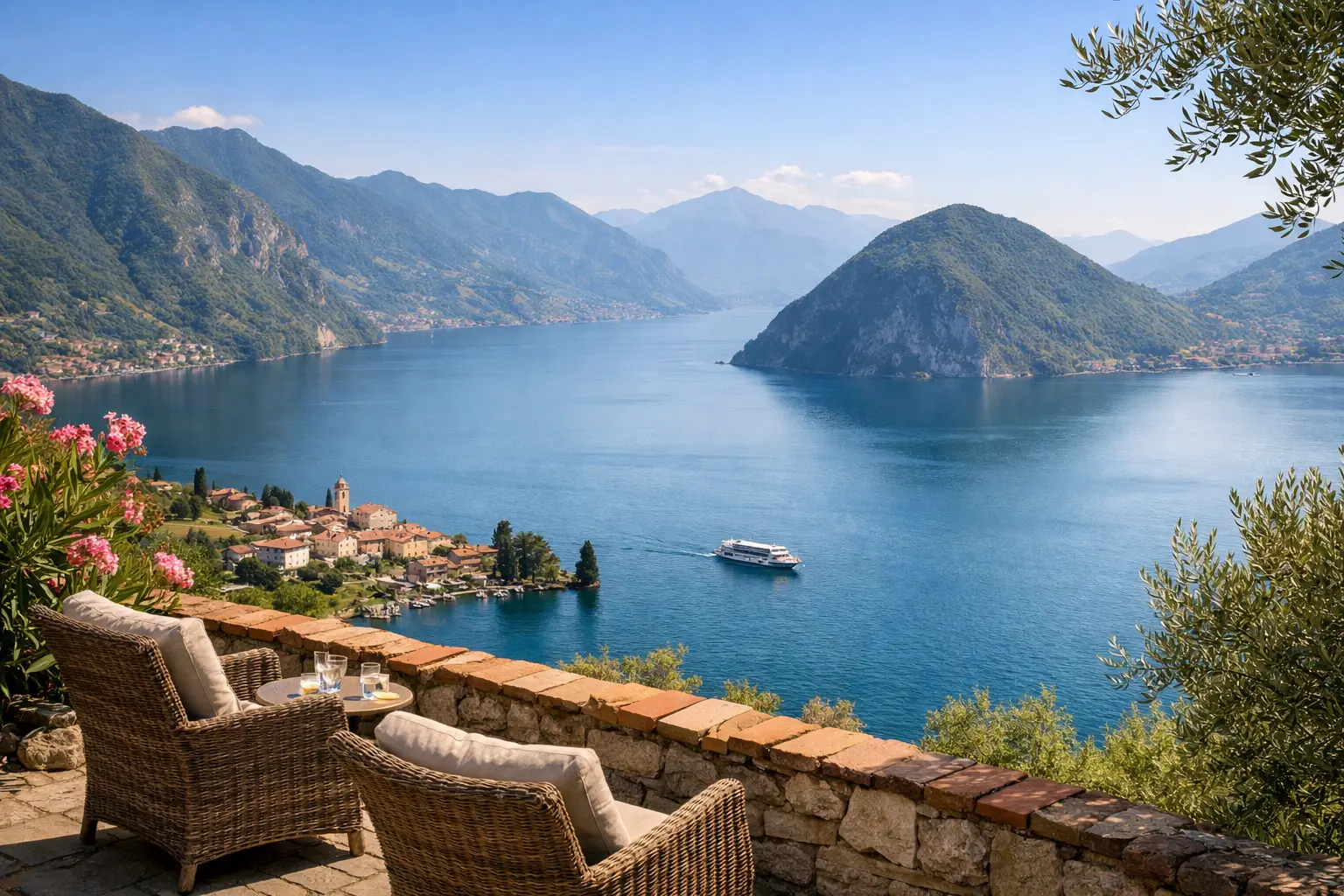
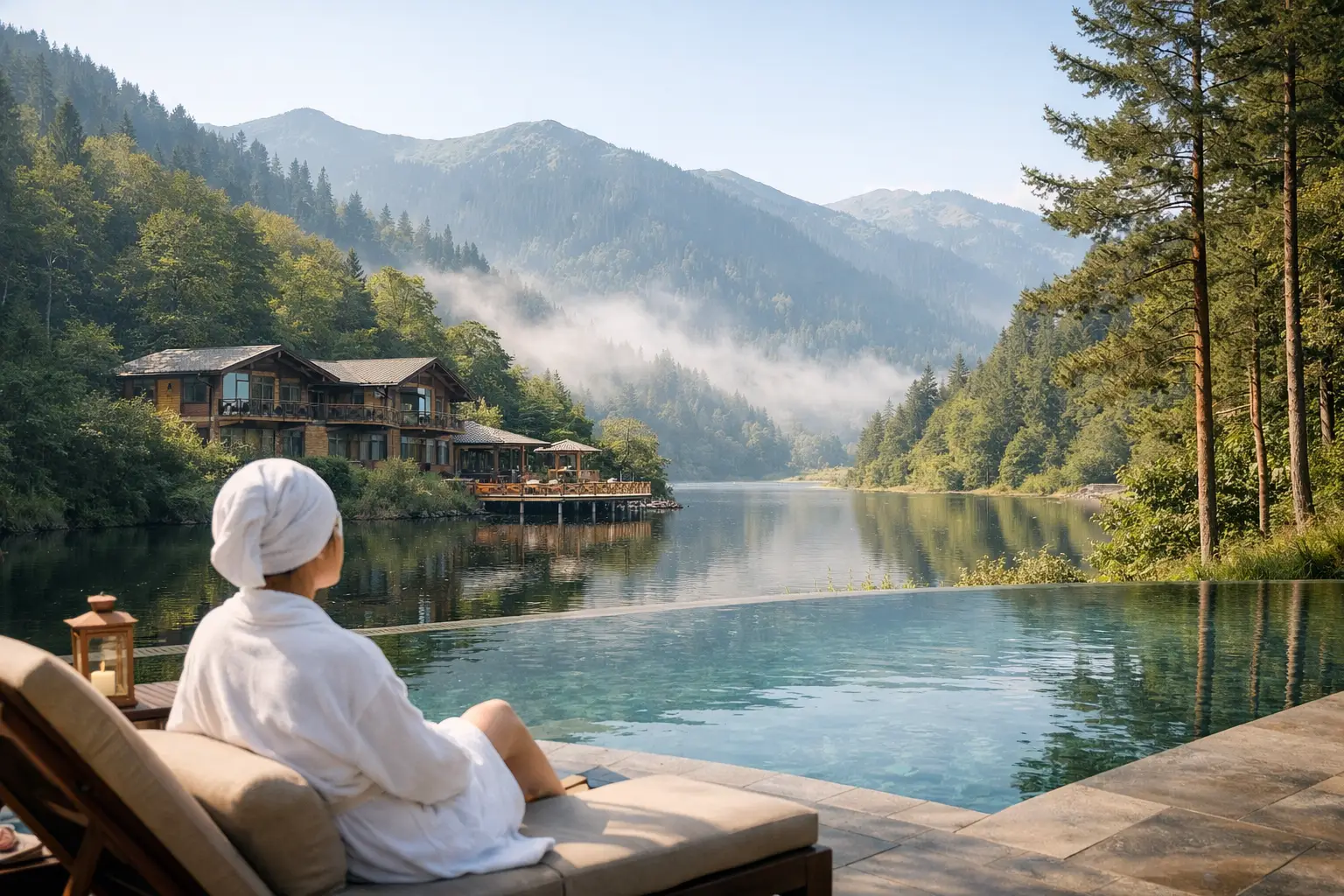
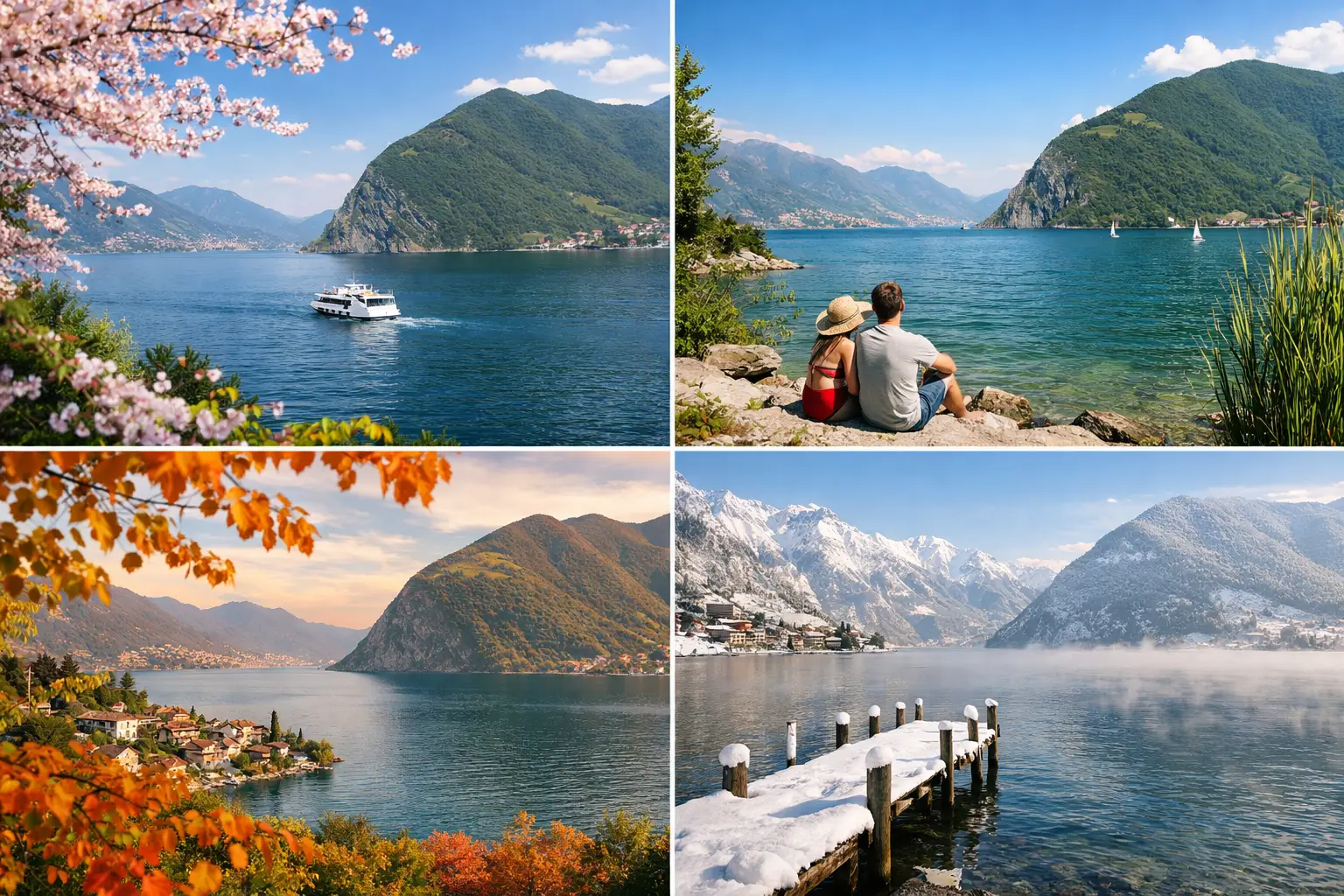
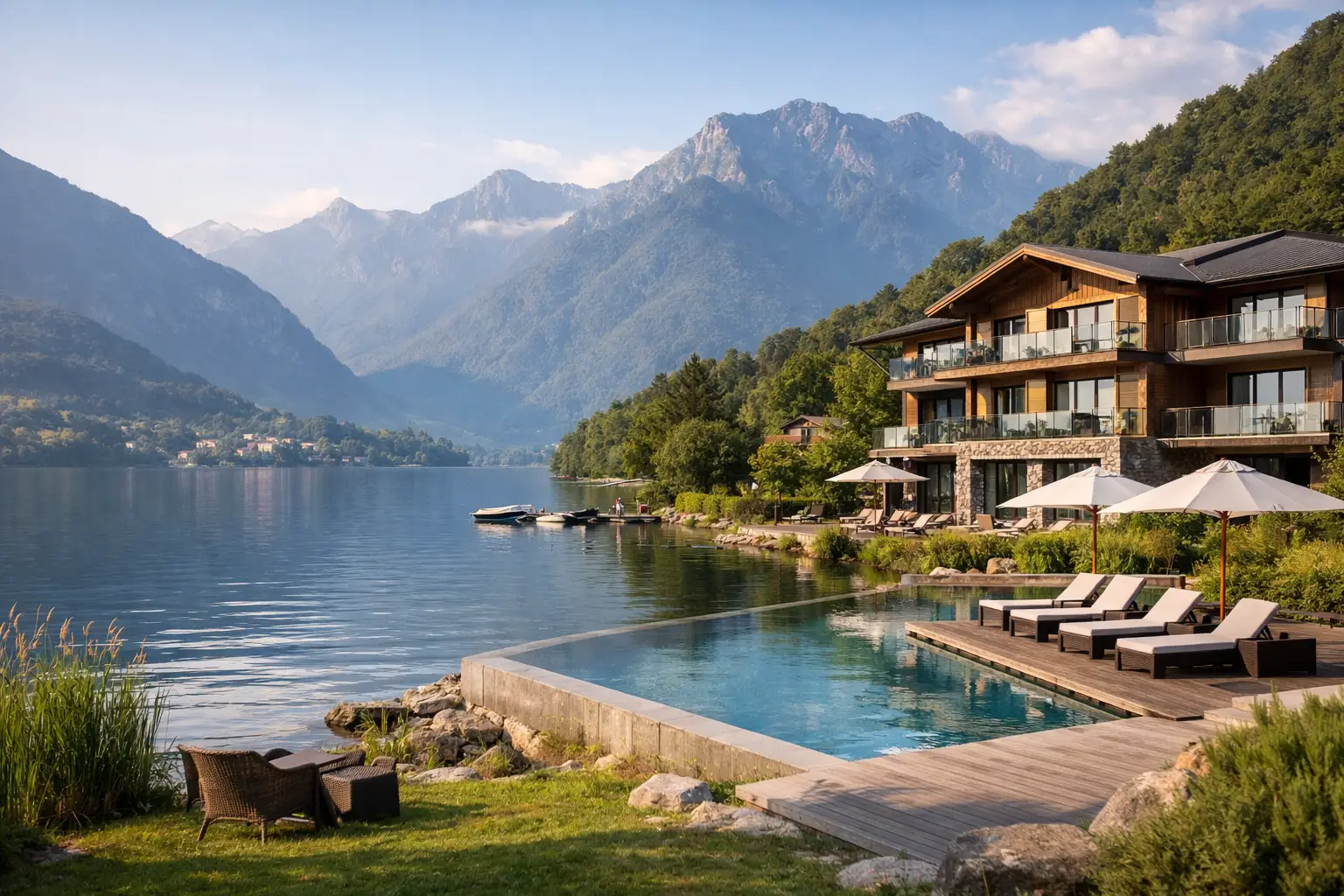
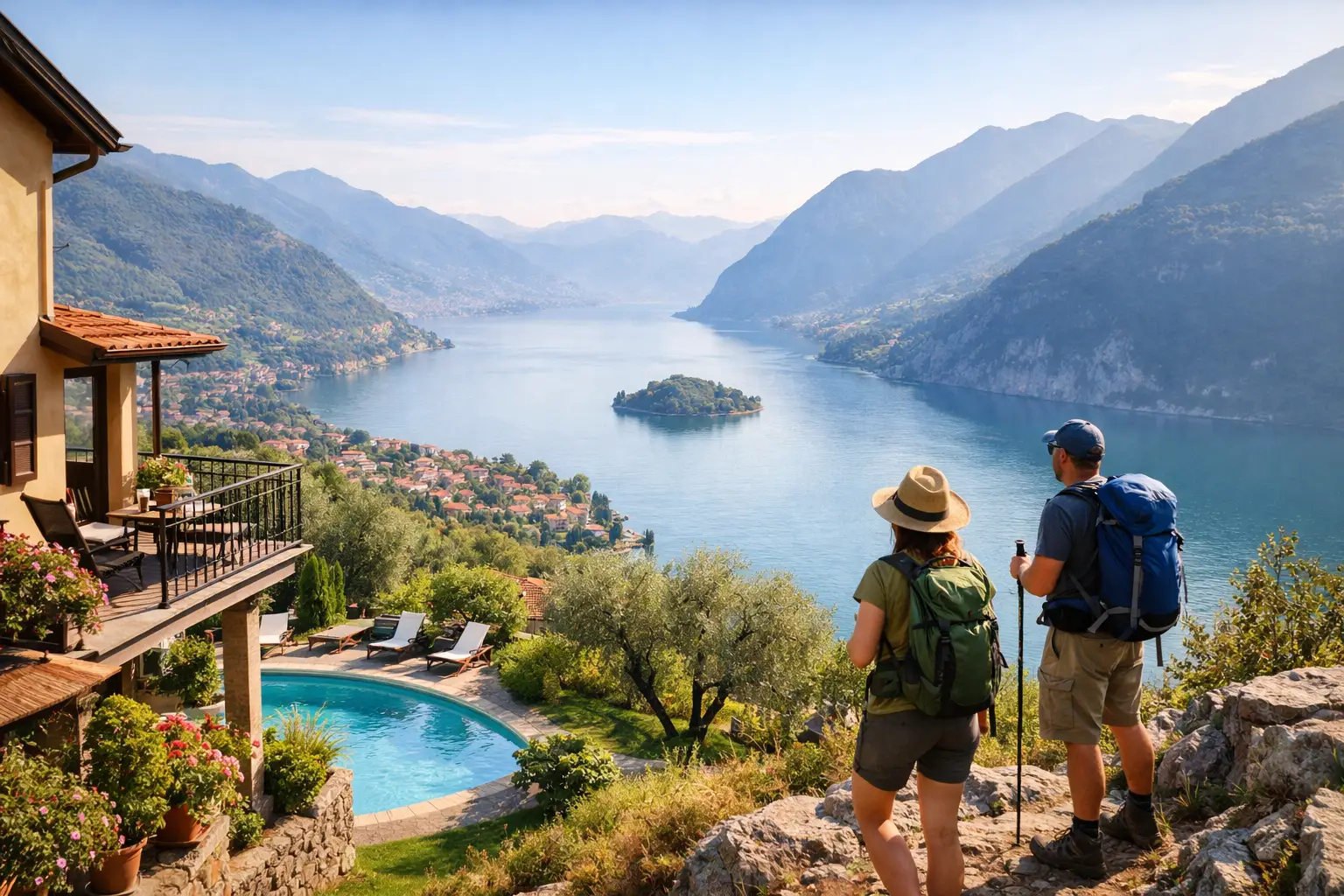
At the foot of the Alps, near Lake Iseo, the landscape brings a welcome sense of perspective. Green slopes, fresh air, and the changing light of the mountains offer a quiet contrast to a screen-filled workweek. It is a setting that feels restorative without being remote or complicated to enjoy.
Hotel Conca Verde welcomes groups with the warmth of a long-established family home. Since 1967, hospitality here has been built around sincere care, discretion, and the belief that guests should feel looked after from the moment they arrive. For a work gathering, that personal attention makes a difference. Organizers can focus on their colleagues, while the practical details of staying, dining, and meeting come together in one welcoming place.
Build an agenda with space to think
The most effective retreat agendas are clear but not crowded. Before choosing activities, decide what the group truly needs to accomplish. Is the purpose strategic planning for the year ahead? A leadership conversation? A chance for colleagues from different locations to build trust? The answer should shape every part of the stay.
A two-day retreat often works well for a small group. The first morning can be devoted to arrival, introductions, and a focused session on the main topic. After lunch, use the afternoon for working groups or a discussion that benefits from fresh perspectives. Rather than forcing an evening workshop, allow people to settle in before dinner and return ready for meaningful conversation.
The second day is ideal for bringing ideas together. Review what was discussed, agree on responsibilities, and define the next steps while everyone is still present. Finish before fatigue takes over. A retreat should send people home with direction and renewed energy, not a folder of notes they will struggle to revisit.
There is a trade-off to consider. A highly structured schedule can produce tangible decisions, but it can also leave no room for connection. A looser program may feel refreshing, yet it can become vague if no one owns the outcomes. The best balance is usually one or two essential sessions each day, paired with generous time for meals, fresh air, and informal exchange.
Let shared meals do some of the work
There is a reason people remember the meals from a good retreat. A table changes the rhythm of conversation. Titles matter less, stories surface more easily, and colleagues can see one another beyond their roles.
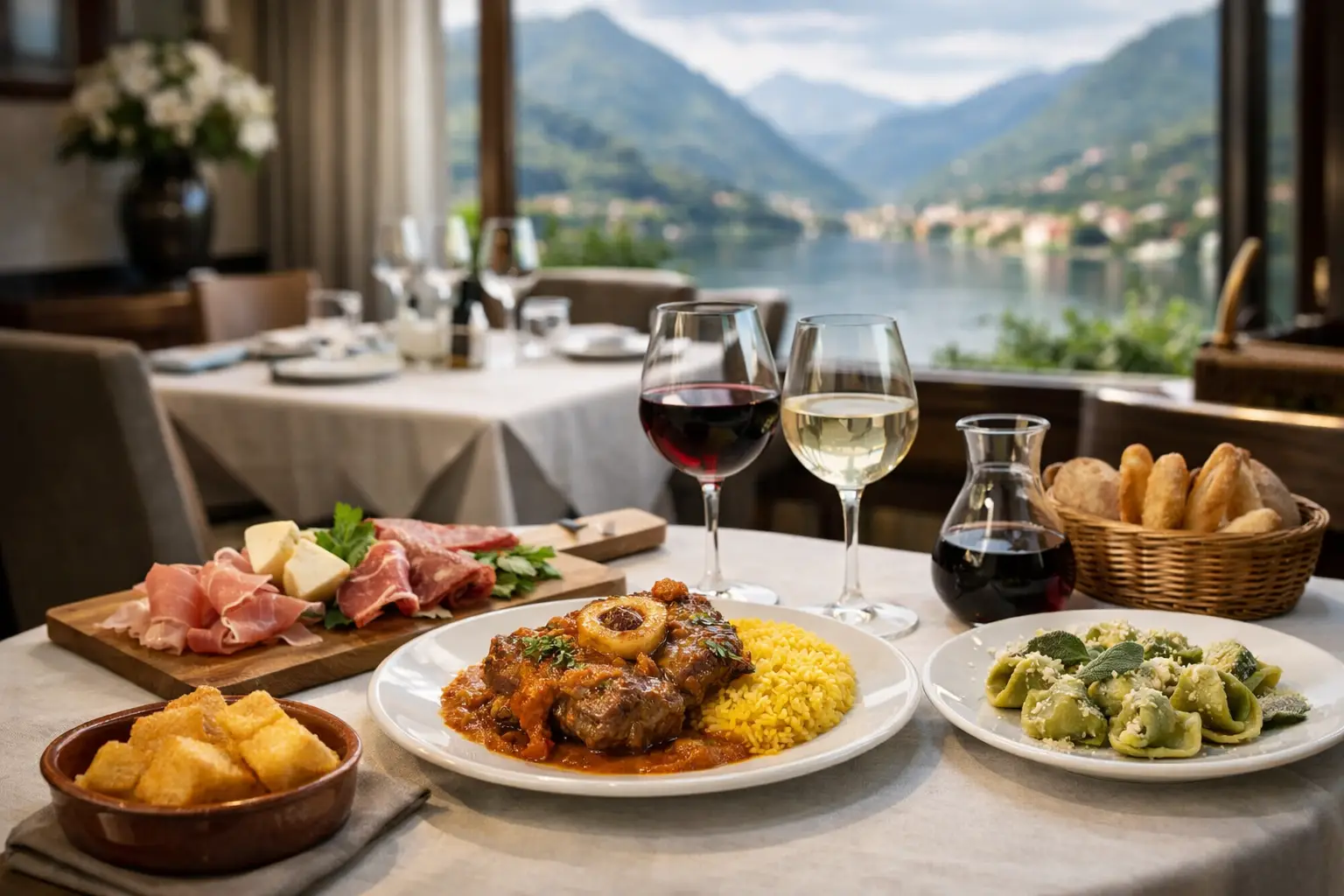
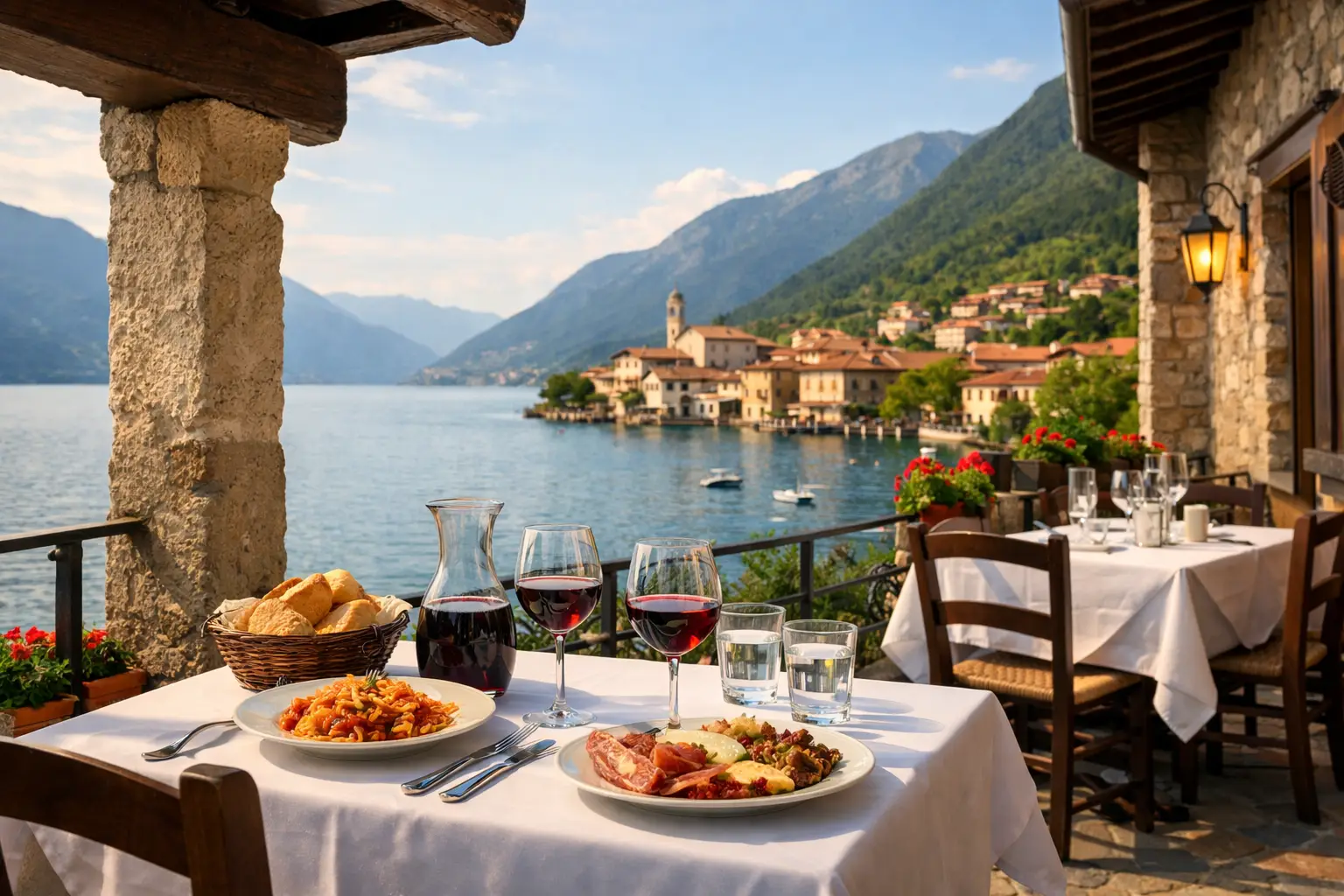
Traditional local cuisine brings its own sense of place to the experience. A relaxed lunch between meetings or an unhurried dinner after a day of discussion gives the group a shared memory, not just a break in the schedule. When food is prepared with care and served in a warm atmosphere, it becomes part of the welcome.
For groups with dietary needs or a tight agenda, plan this in advance. The most thoughtful hospitality is often the kind that feels effortless because details have been considered before guests arrive.
Make room for the landscape
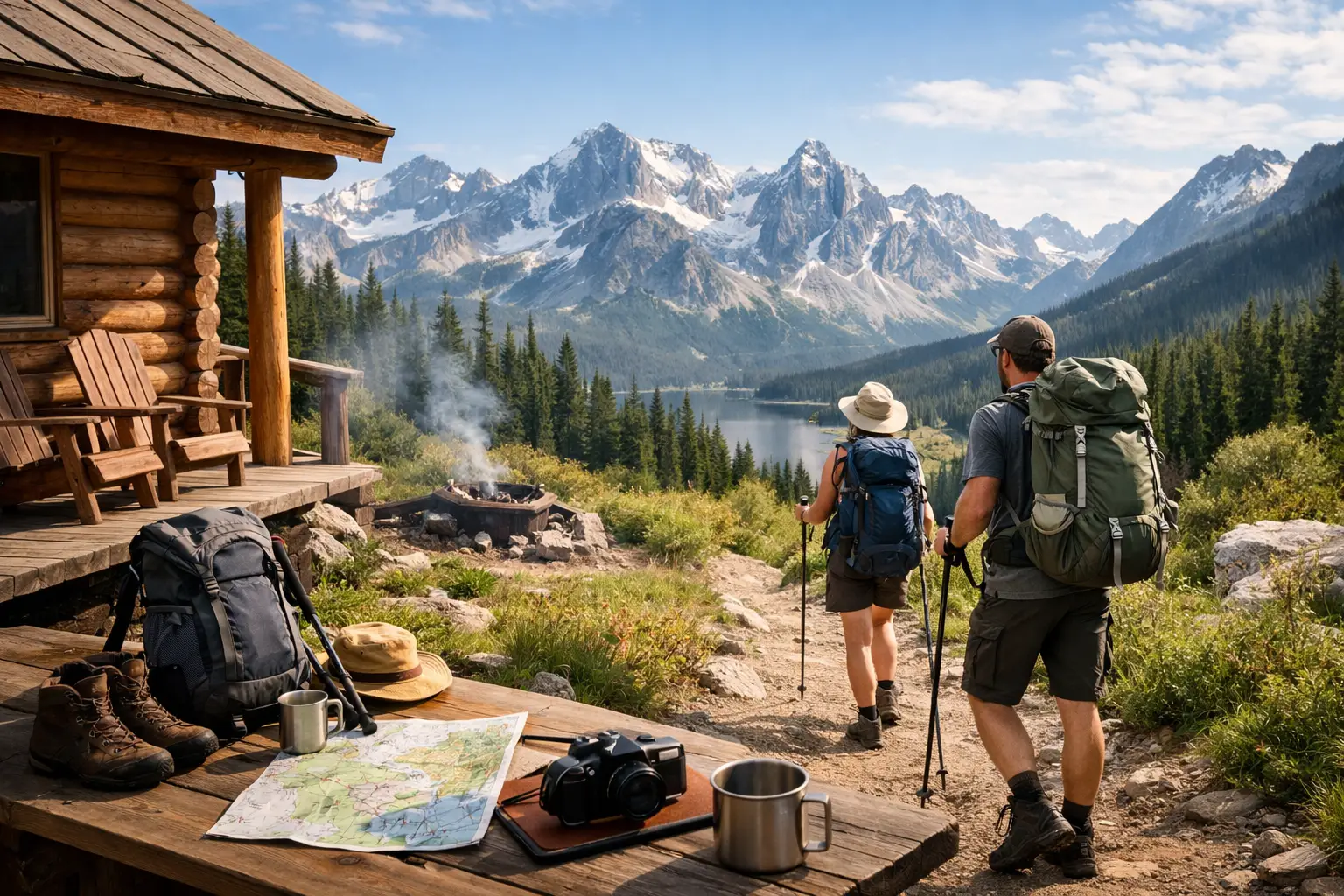
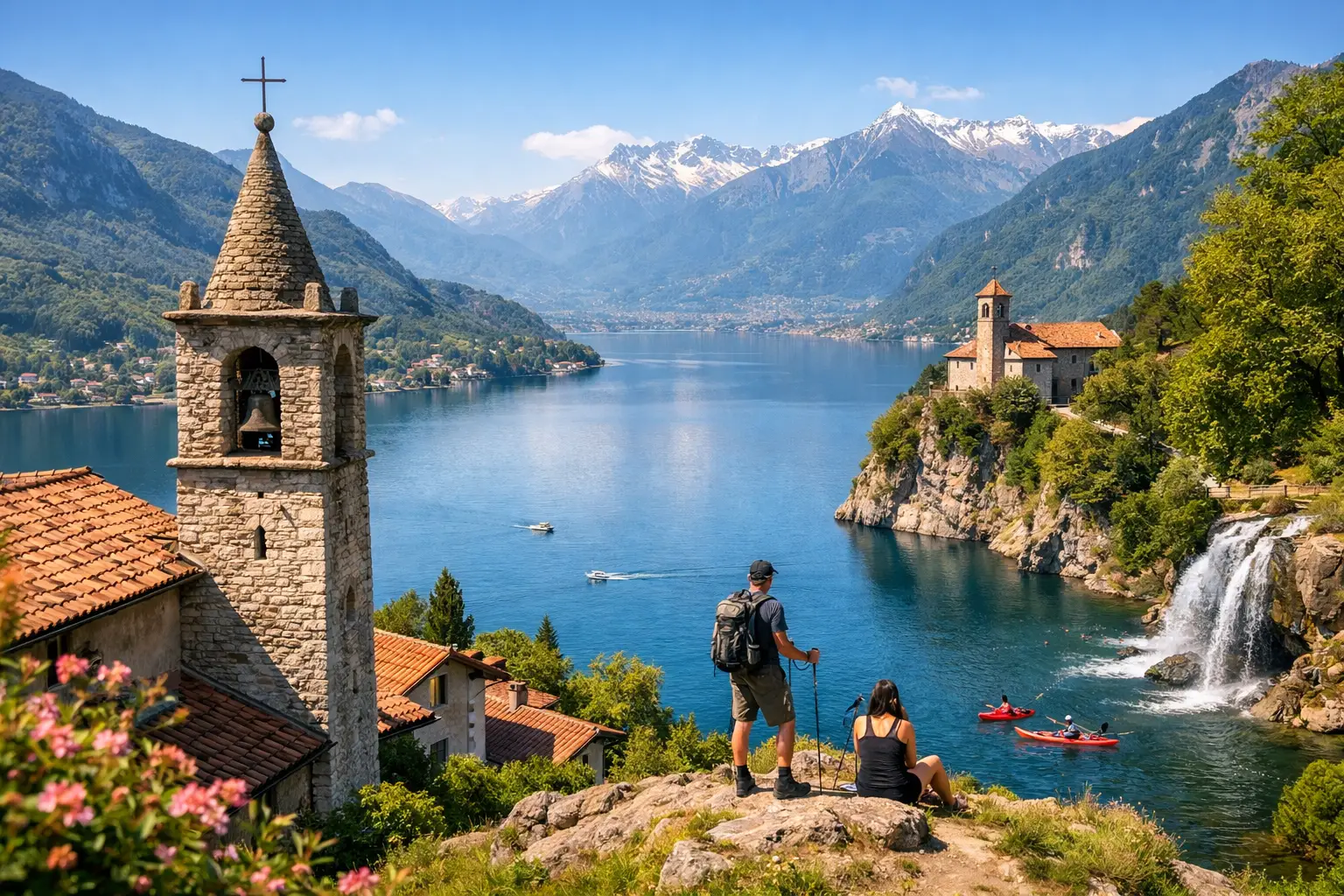
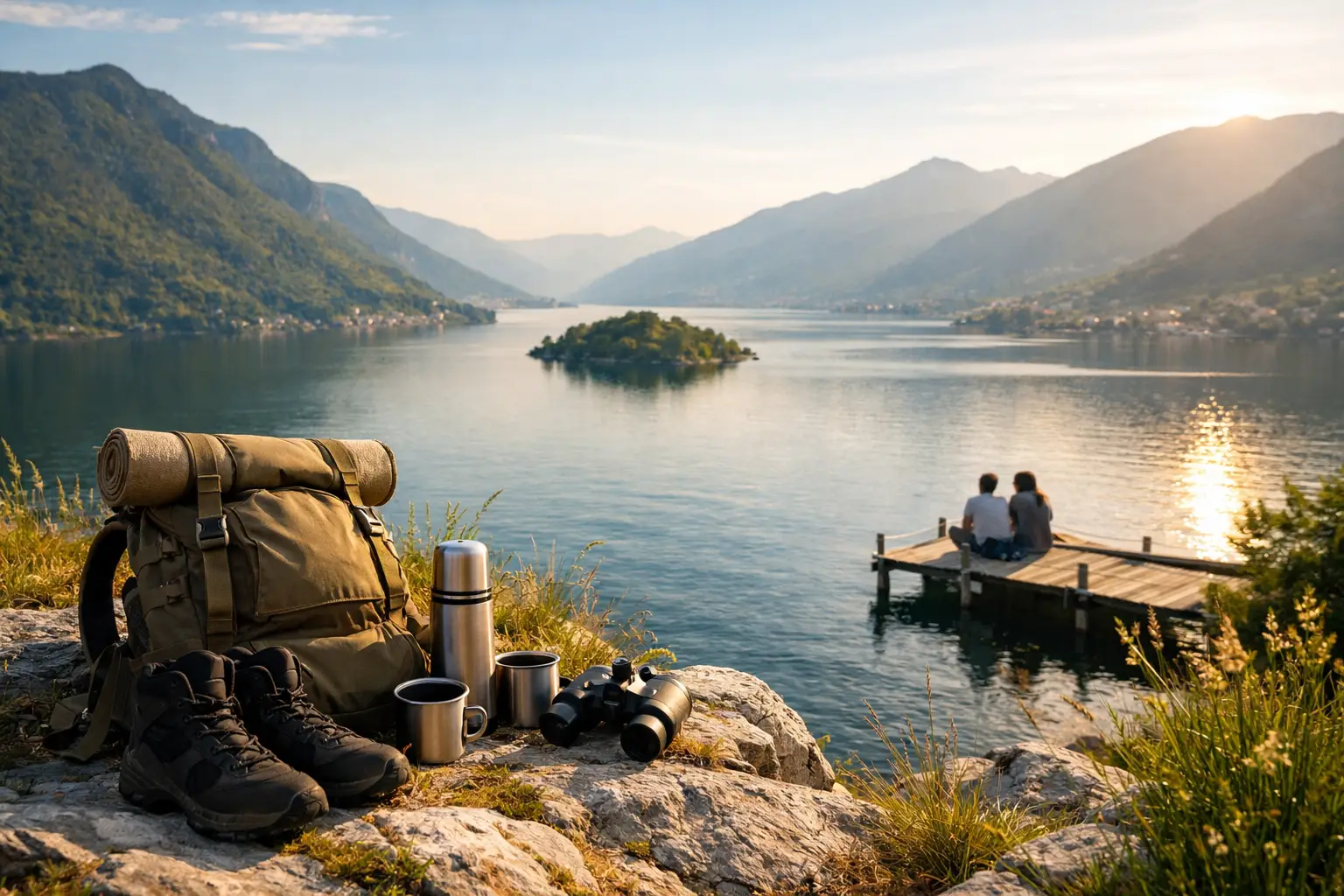
Not every team-building activity needs to be loud, competitive, or carefully staged. In a natural setting, a simple walk can be enough. A short excursion in the surrounding area gives people a chance to talk in pairs, move their bodies after sitting, and return to the meeting room with more attention.
This approach is particularly well suited to teams that value calm, reflection, and authentic connection. It may not be the right fit for a group expecting high-energy entertainment from morning to night, and that is worth recognizing early. The strongest retreat is one that matches the people attending rather than following a generic formula.
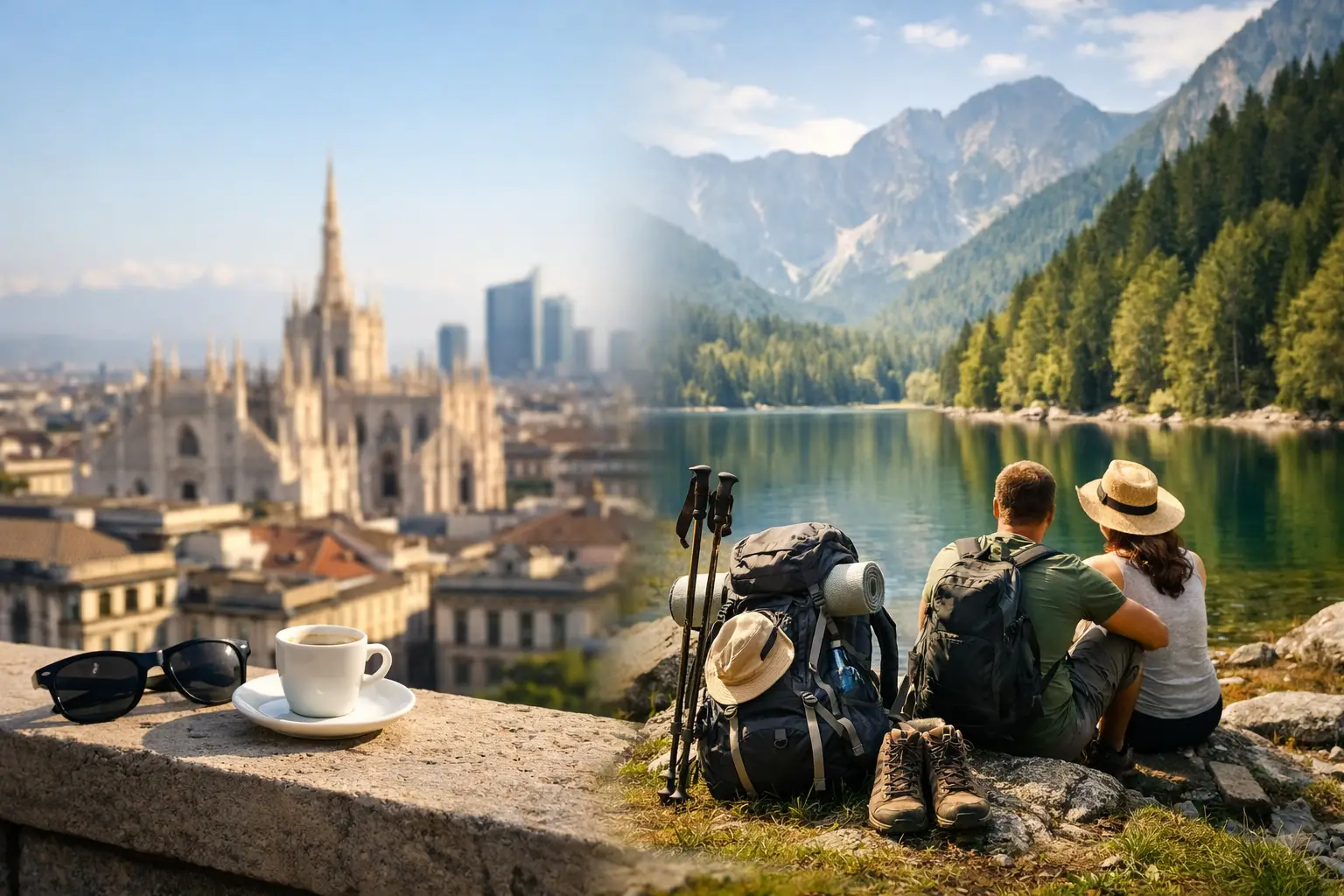
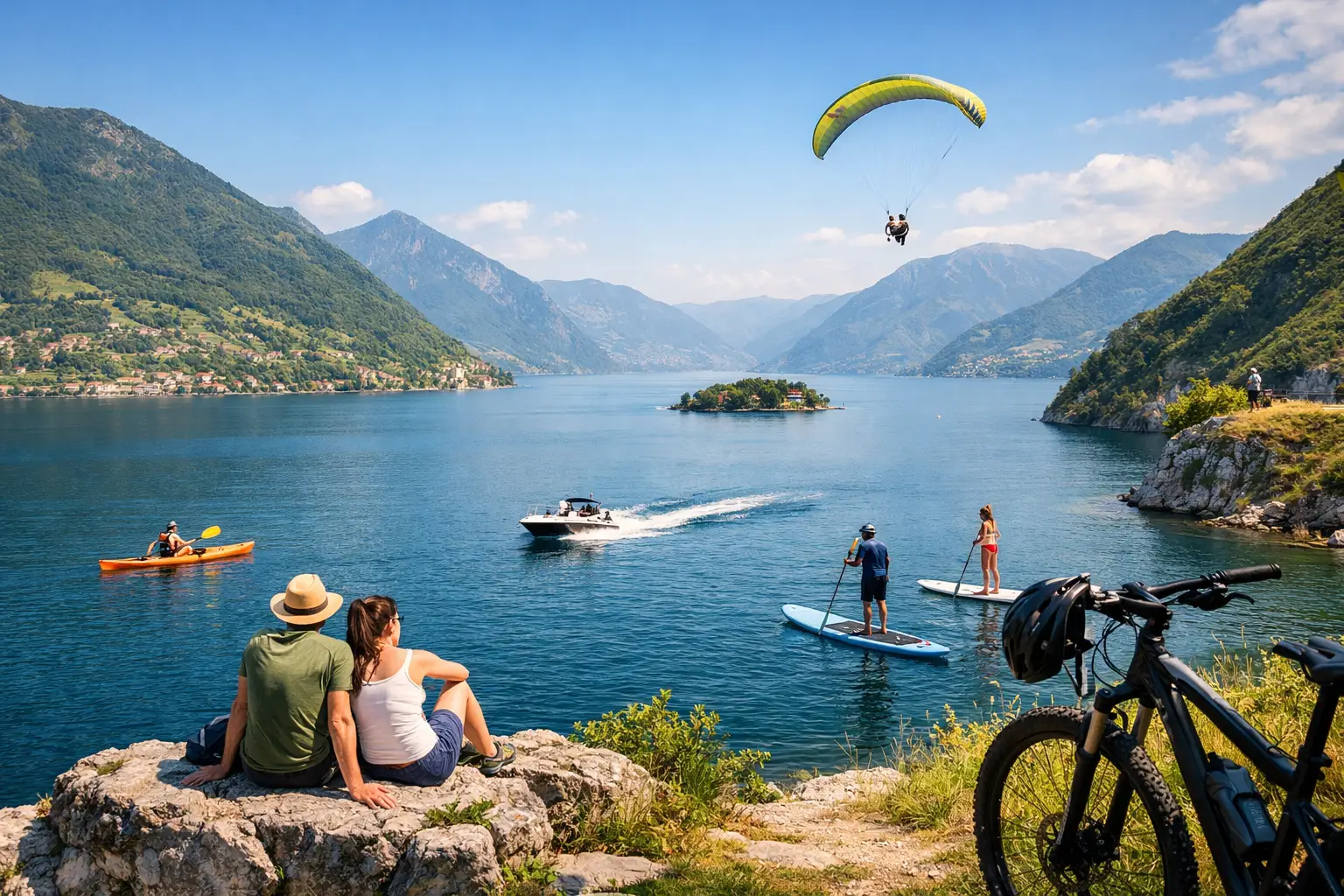
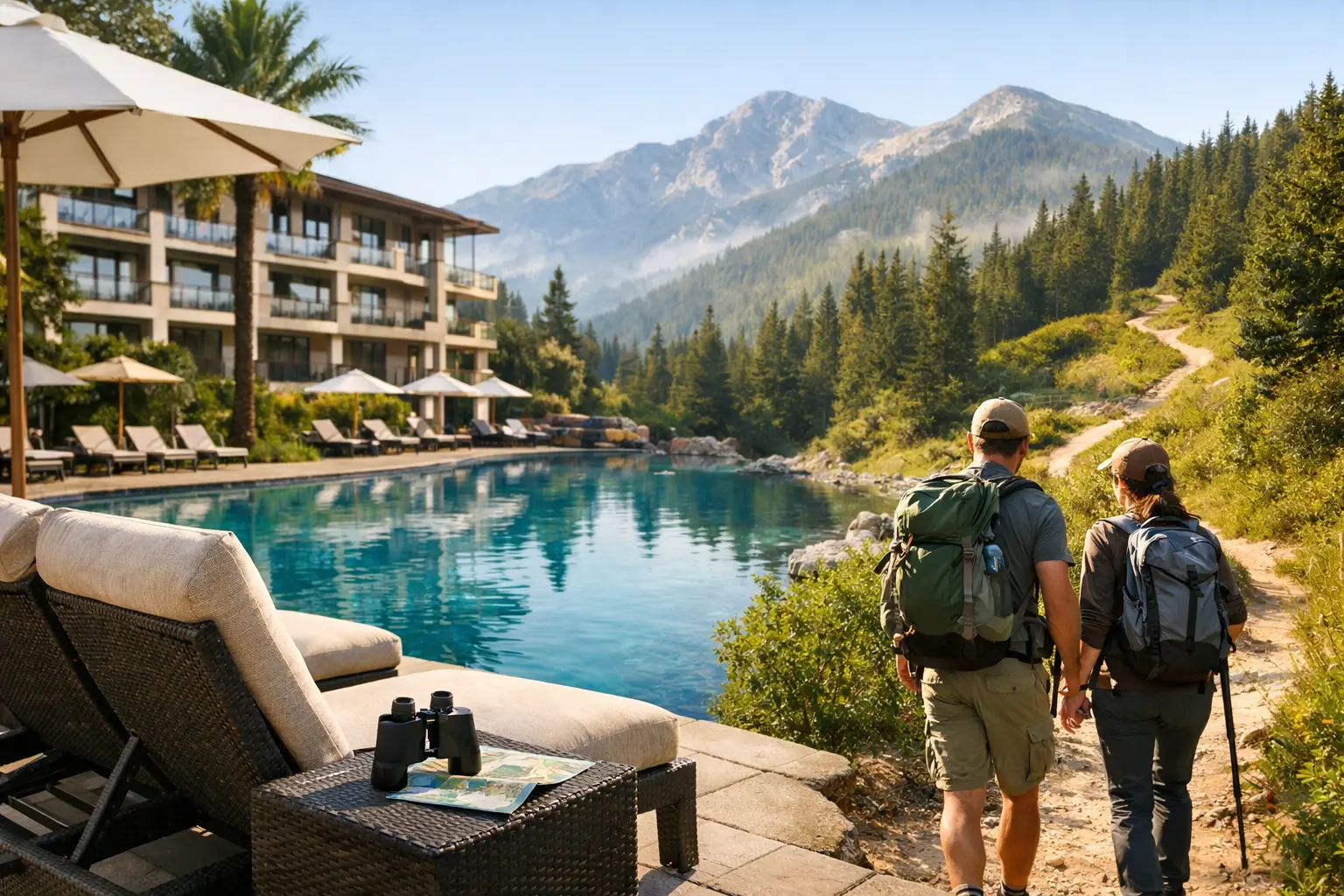
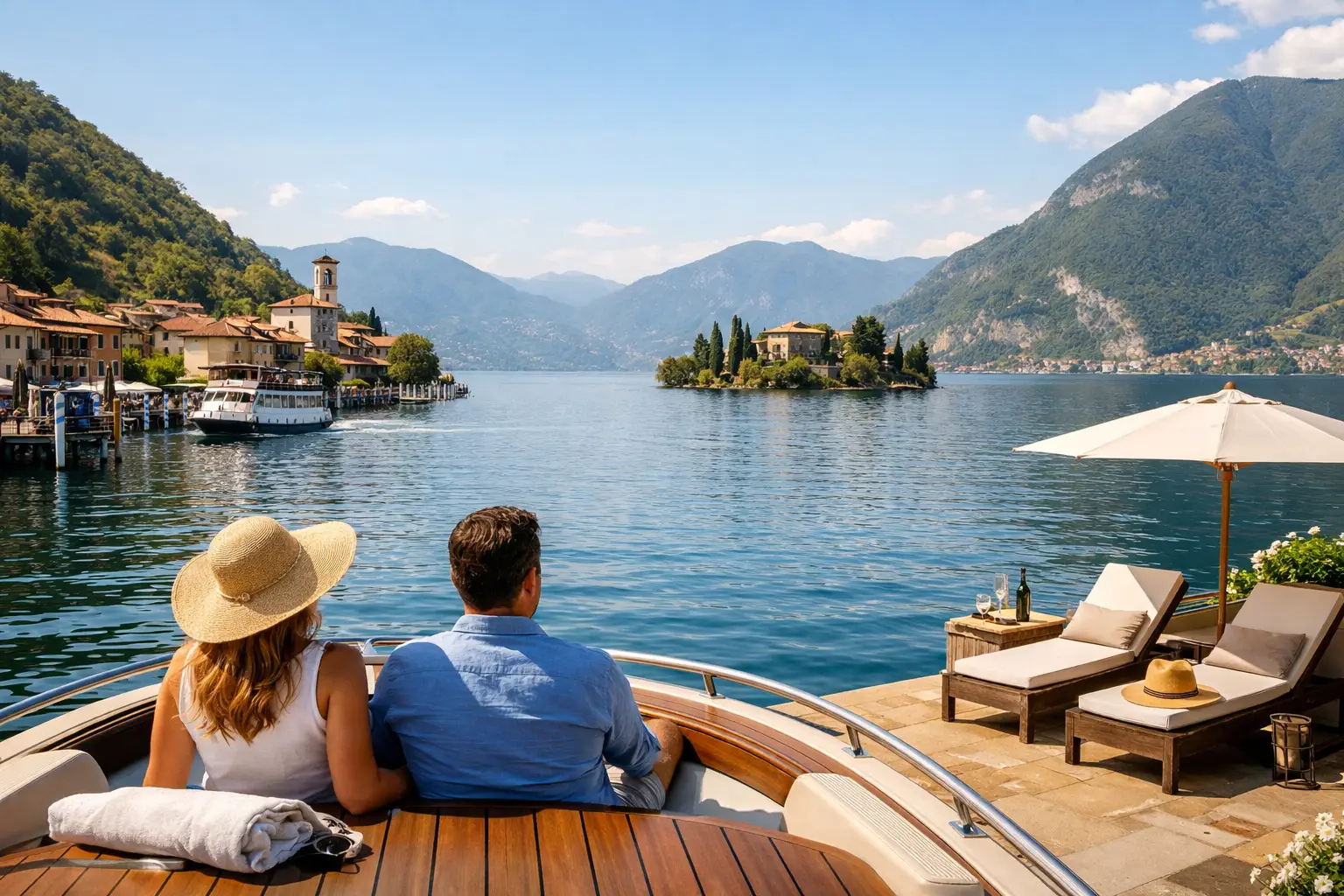
A gentle hike, a scenic pause, or time near Lake Iseo can become a natural reset between working sessions. These moments do not need to be overexplained. Sometimes the best thing a team can do is step outside together and let the surroundings create a little distance from the pressure of everyday work.
Practical details that make guests feel cared for
Comfort supports concentration. When people sleep well, eat well, and know where they need to be, they can give more of themselves to the work at hand. Choose accommodations that are cozy and peaceful, with enough shared space for a morning coffee or a quiet conversation after dinner.
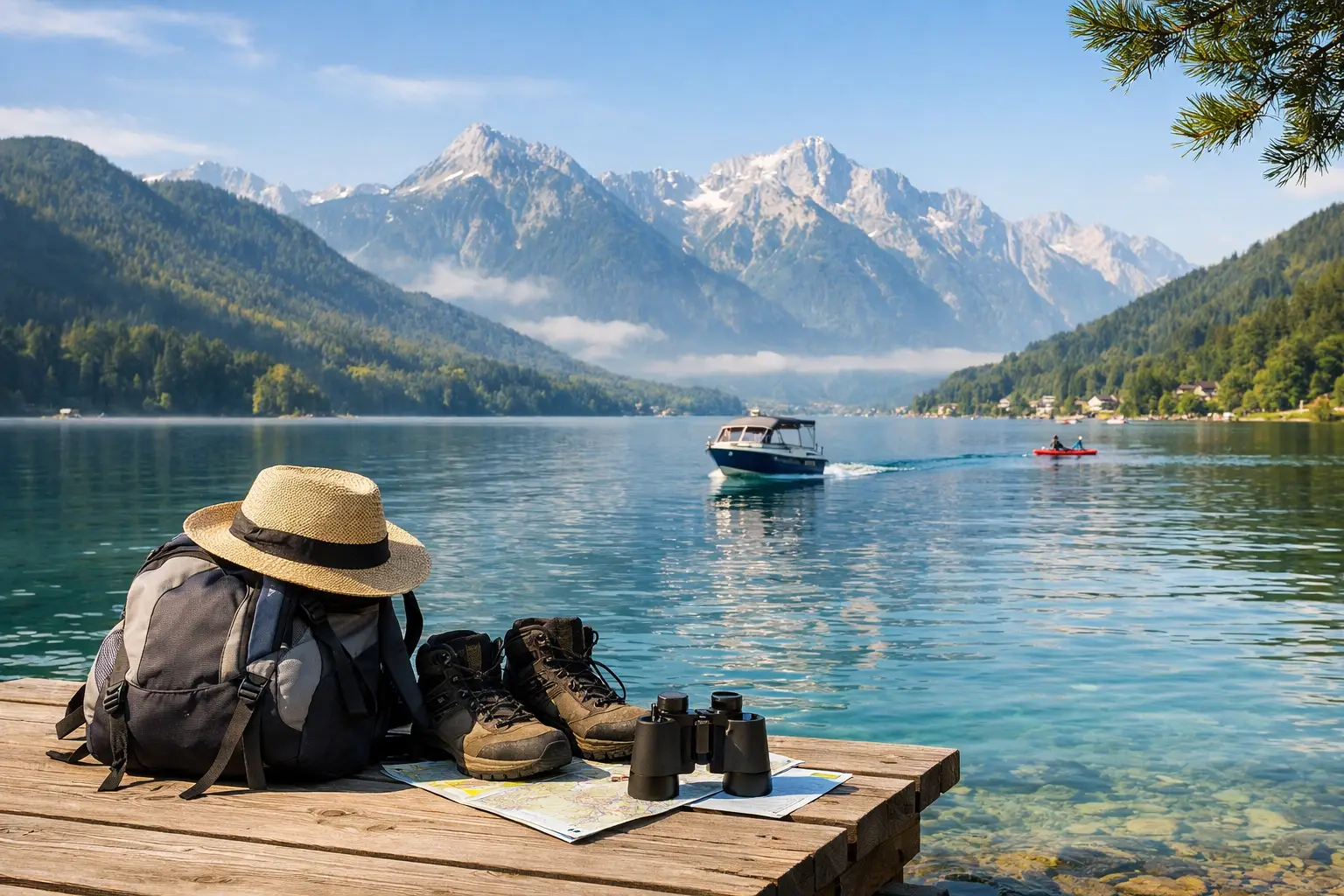
Before the retreat, communicate the essentials clearly: arrival times, meeting goals, what to pack for the season, and how much free time guests can expect. In the mountains, comfortable shoes and a light layer are often wise choices, even when the forecast looks mild.
It also helps to appoint one person from the company as the retreat host. This does not mean they must manage every detail. Their role is to welcome attendees, keep the agenda moving, and make sure quieter voices have room in the conversation. A warm welcome from a colleague can set the tone before the first session even begins.
For international teams, consider the pace of travel as well. A beautiful destination is most enjoyable when arrival does not feel rushed. If possible, give guests time to arrive, settle into their rooms, and enjoy a first meal together before asking them to make important decisions.
Leave with a shared next step
The value of an offsite gathering is not measured only by how relaxed everyone feels when they leave, though that matters. It is measured by what stays with the team when they return to daily work: a clearer decision, a stronger relationship, a renewed sense of trust, or a simple commitment that everyone understands.
Before departure, take a few minutes to name what the group will carry forward. Keep it practical. Decide who will follow up, when progress will be reviewed, and which ideas deserve action first. Then allow the final moments to be gracious rather than rushed.
A corporate retreat becomes memorable when work has purpose, hospitality has heart, and people have the rare chance to be fully present with one another. Choose a place that gives your team room to arrive as colleagues and leave feeling a little more like a community.