
A Guide to Traditional Food in the Sebino Area
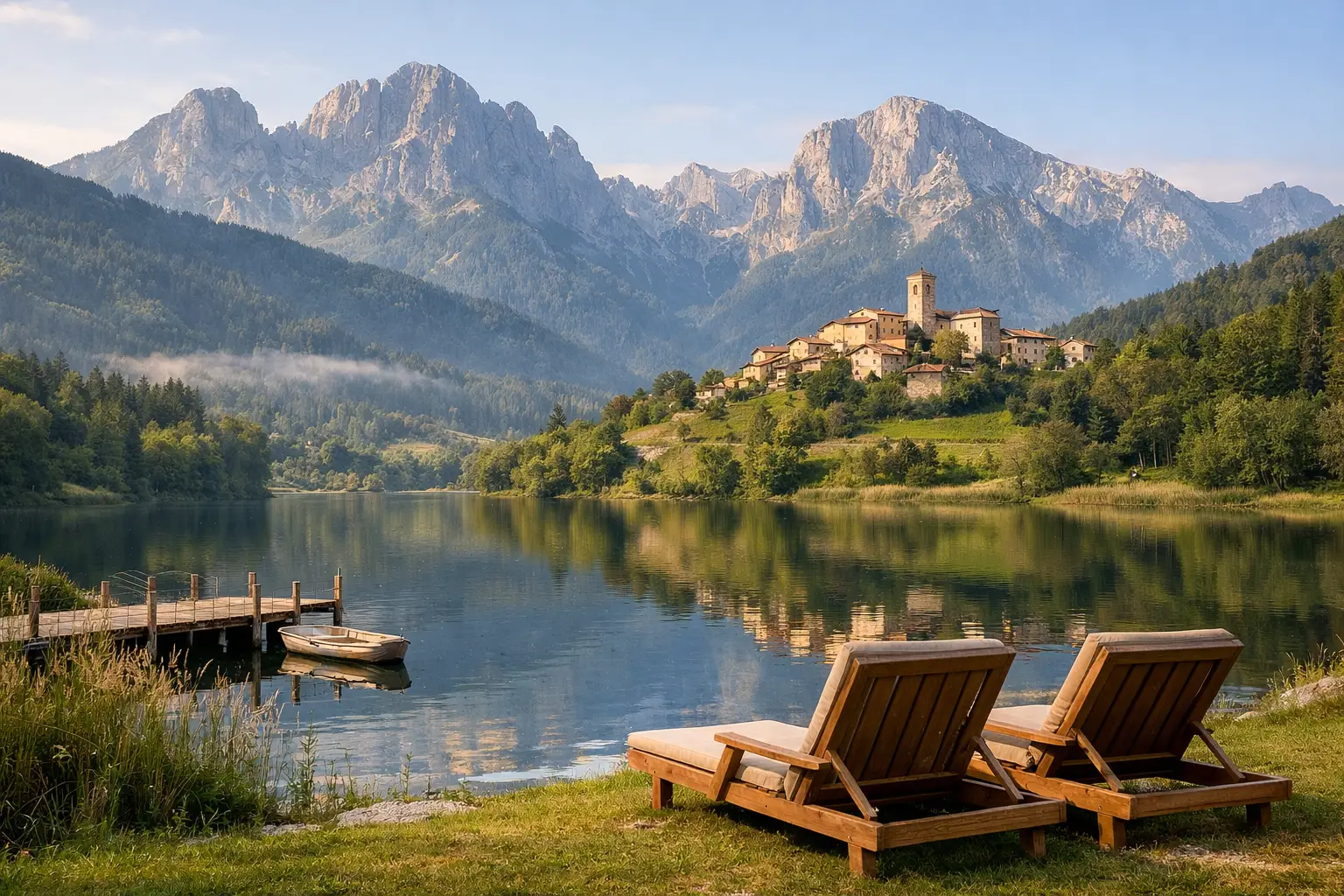
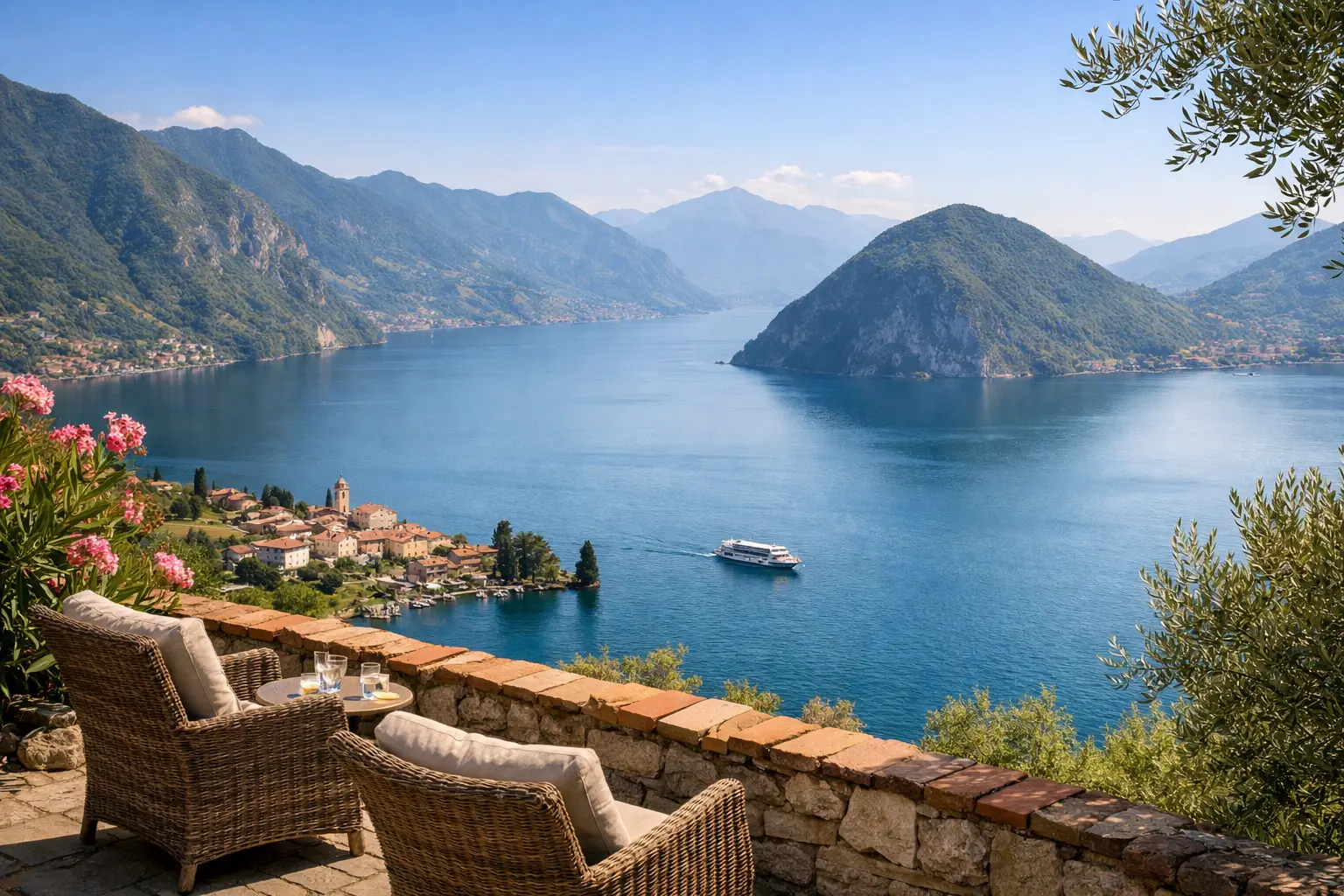
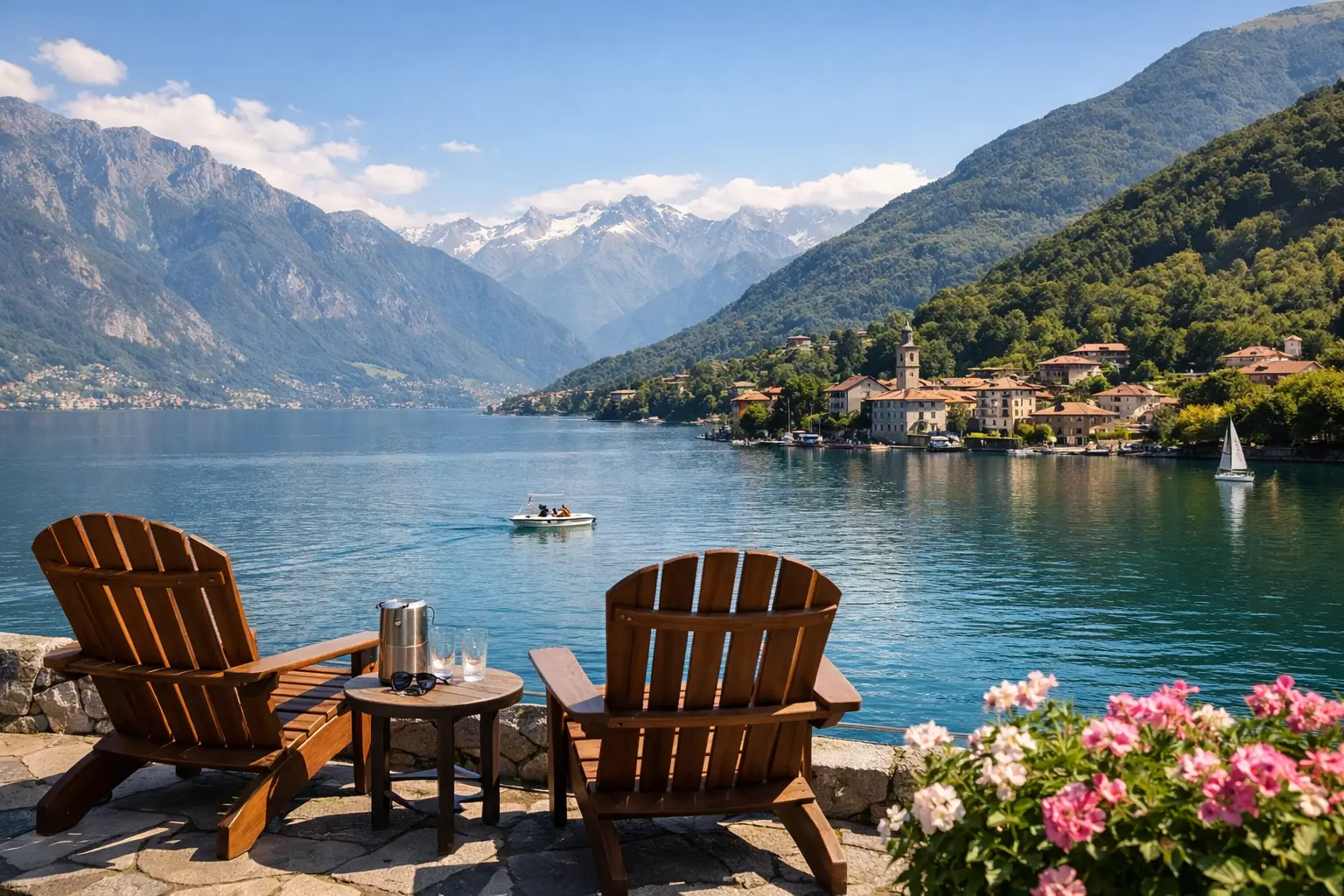
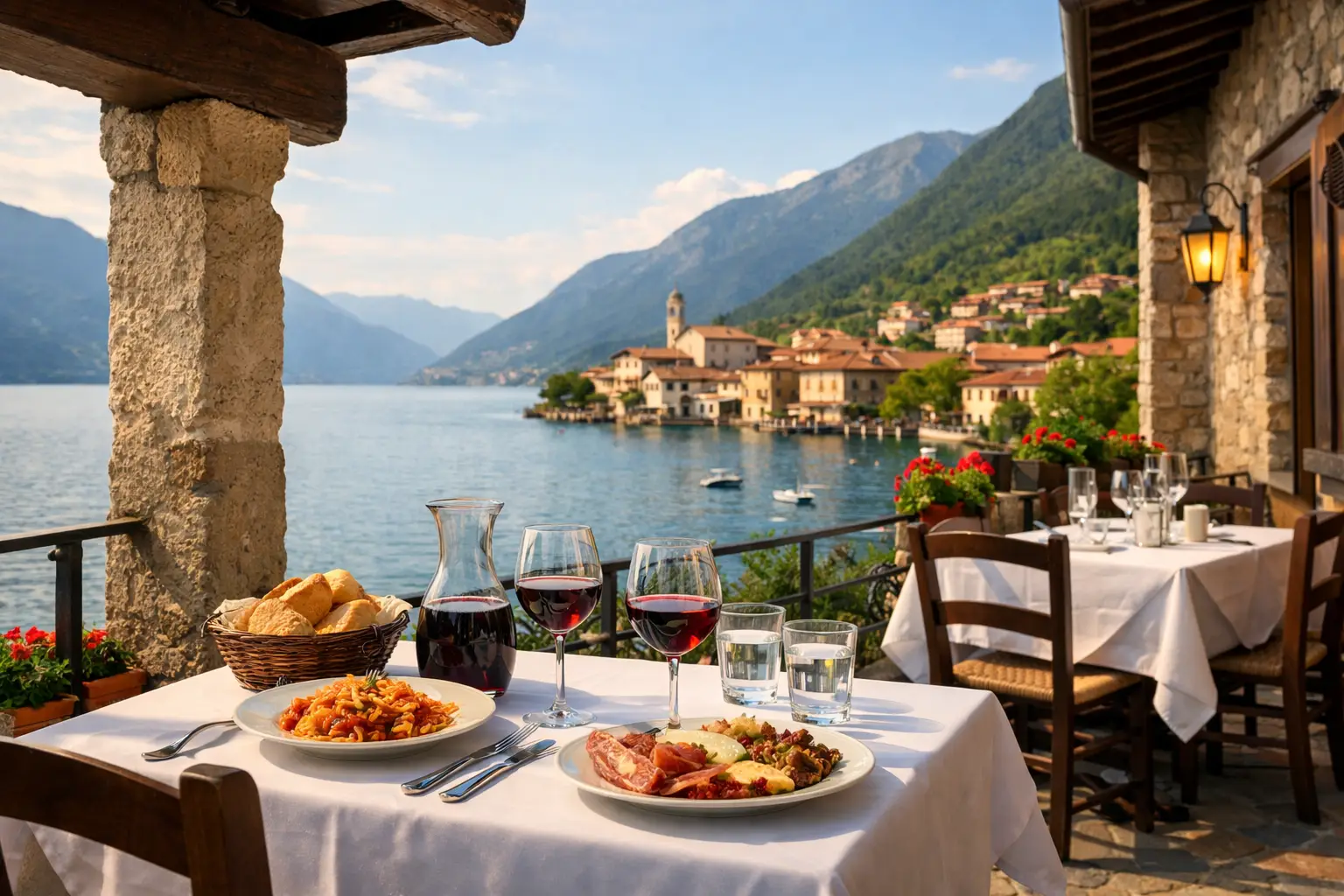
Lake Iseo is often remembered first for its blue water, wooded slopes, and the quiet outline of Monte Isola. Yet the flavors of its table tell just as much about the place. This guide to traditional food in the Sebino area follows the tastes shaped by the lake, the Brescia mountains, and the patient cooking found in family kitchens.
Here, a meal is rarely hurried. Polenta may arrive steaming beside a lake fish or a slow-cooked meat dish. Cheese carries the fragrance of high pastures. A simple dessert can taste of a village bakery and a long Sunday afternoon. For travelers staying near Zone, food is one of the gentlest ways to feel at home in this corner of Lombardy.
A Table Between Lake and Mountain
The Sebino area is the historic region around Lake Iseo, shared between the provinces of Brescia and Bergamo. Its cooking has a wonderfully practical character. Lake fishermen worked with what the water offered, while families in the hills relied on cornmeal, dairy, garden vegetables, preserved foods, and the meats that could feed many people around one table.
That combination explains why local dishes feel both humble and deeply satisfying. You may find freshwater fish prepared with care, followed by polenta made in the old style, or ravioli filled with cheese and herbs from the surrounding valleys. The ingredients are often simple. The pleasure comes from seasonality, good produce, and recipes given enough time.
There is no single Sebino menu. A restaurant on the water may place lake fish at the center of the meal, while an inn higher in the hills will naturally lean toward cheeses, cured meats, game, mushrooms, and richer pasta dishes. Both are true expressions of the region.
Lake Fish Worth Seeking Out
Tinca al Forno, the Signature of Clusane
Tinca al forno is perhaps the dish most closely associated with the southern end of Lake Iseo, especially the village of Clusane. The tench is baked slowly with a fragrant mixture that can include breadcrumbs, cheese, butter, spices, and herbs. Recipes differ from kitchen to kitchen, which is part of the charm.
It is a dish with a soft, rich character rather than the bright simplicity many visitors expect from Italian fish. The filling and slow baking give it warmth and depth, making it especially welcome in cooler weather. If you are trying it for the first time, ask whether it is prepared in the traditional stuffed style and whether it must be ordered in advance. The best versions are not rushed.
Sardines, Agoni, and the Art of Preservation
The lake’s small fish have long been valuable to local households. In the Sebino area, the word sardine may refer to freshwater fish, particularly agoni, rather than the sea sardines familiar to many American travelers. They may be grilled, fried, or preserved after salting and drying.
Dried lake fish has a concentrated, savory flavor and a history connected to the need to keep food through the colder months. It is not always an everyday restaurant choice, and its pronounced taste is not for everyone. But for curious diners, it offers a direct connection to the lake’s older food culture.
Fresh preparations are often more approachable. Look for lake fish served simply with olive oil, parsley, lemon, or a light sauce, allowing the delicate flavor to remain present. Availability depends on the catch and the season, so the day’s recommendation is usually the right one to follow.
Polenta Is More Than a Side Dish
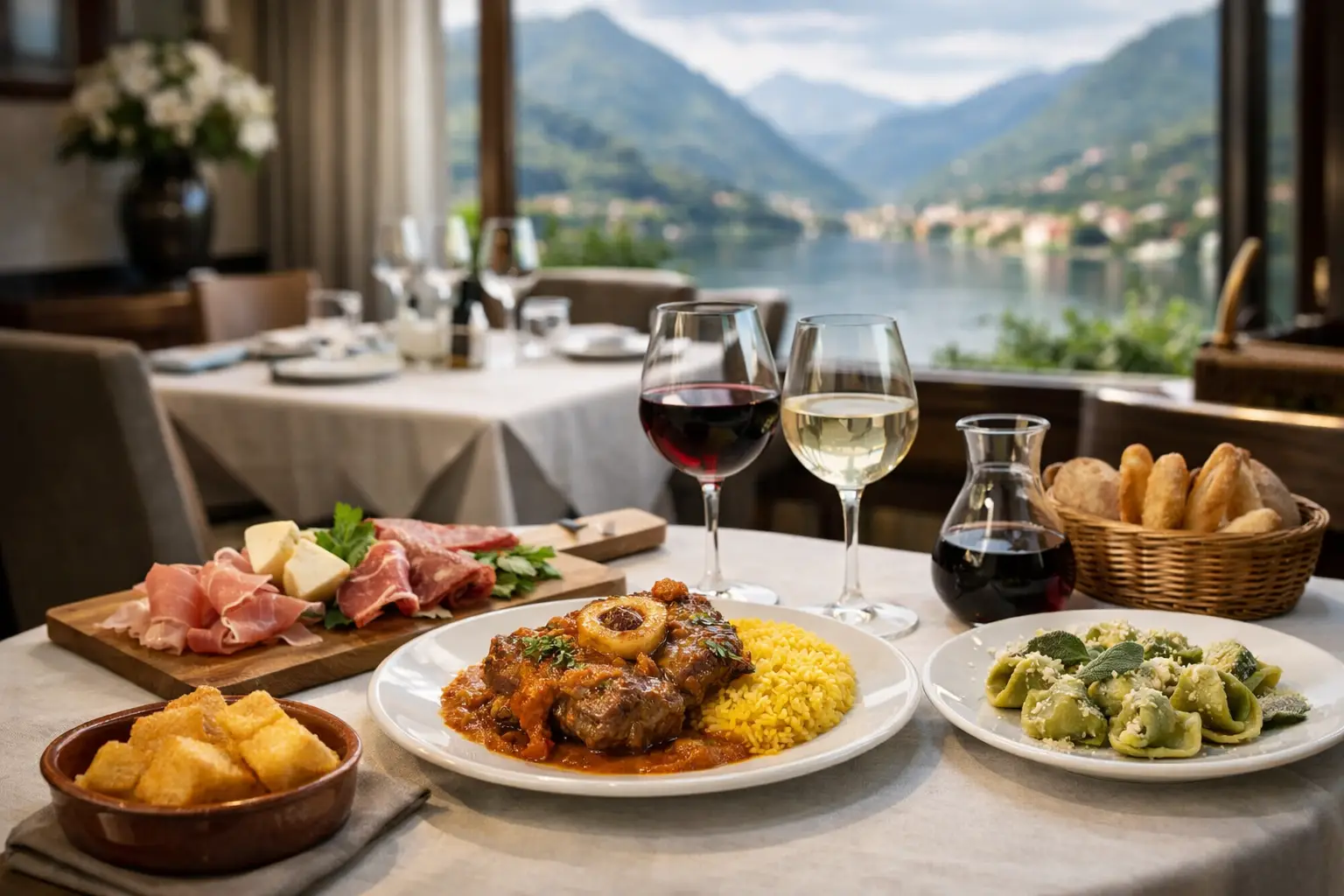
In the mountains above Lake Iseo, polenta is a foundation of the table. Corn arrived in northern Italy centuries ago and became essential because it was filling, affordable, and adaptable. Today, a properly made polenta still has a place of honor, stirred patiently until it is creamy, fragrant, and ready to hold its own beside a rich sauce.
It may accompany braised meats, sausages, mushrooms, cheese, or lake fish. In some homes, leftover polenta is allowed to firm up, then sliced and grilled or pan-fried the next day. This is traditional cooking at its most sensible: nothing is wasted, and familiar ingredients are treated with respect.
If you usually think of polenta as a bland supporting dish, the local version may change your mind. Its flavor varies with the cornmeal, the cooking time, and what is served with it. In an alpine setting, it is comfort food with real substance.
Pasta and Filled Dishes of Brescia
Casoncelli and Other Handmade Favorites
Casoncelli are stuffed pasta parcels found across the Brescia and Bergamo sides of the lake, though every area has its own interpretation. The filling may include bread, cheese, meat, herbs, or vegetables, while the dressing is often butter, sage, and grated cheese.
This is the kind of dish that reflects family memory more than strict rules. One cook may add a little more cheese, another a touch of nutmeg, and another may make the pasta thinner. For visitors, that variation is a reason to order casoncelli more than once rather than expect the same plate everywhere.
In the cooler months, you may also find pasta paired with porcini mushrooms, local sausage, or slow-simmered sauces. These are dishes made for unhurried lunches after a walk, when the air is fresh and a warm dining room feels especially inviting.
The Cheeses of the Surrounding Mountains
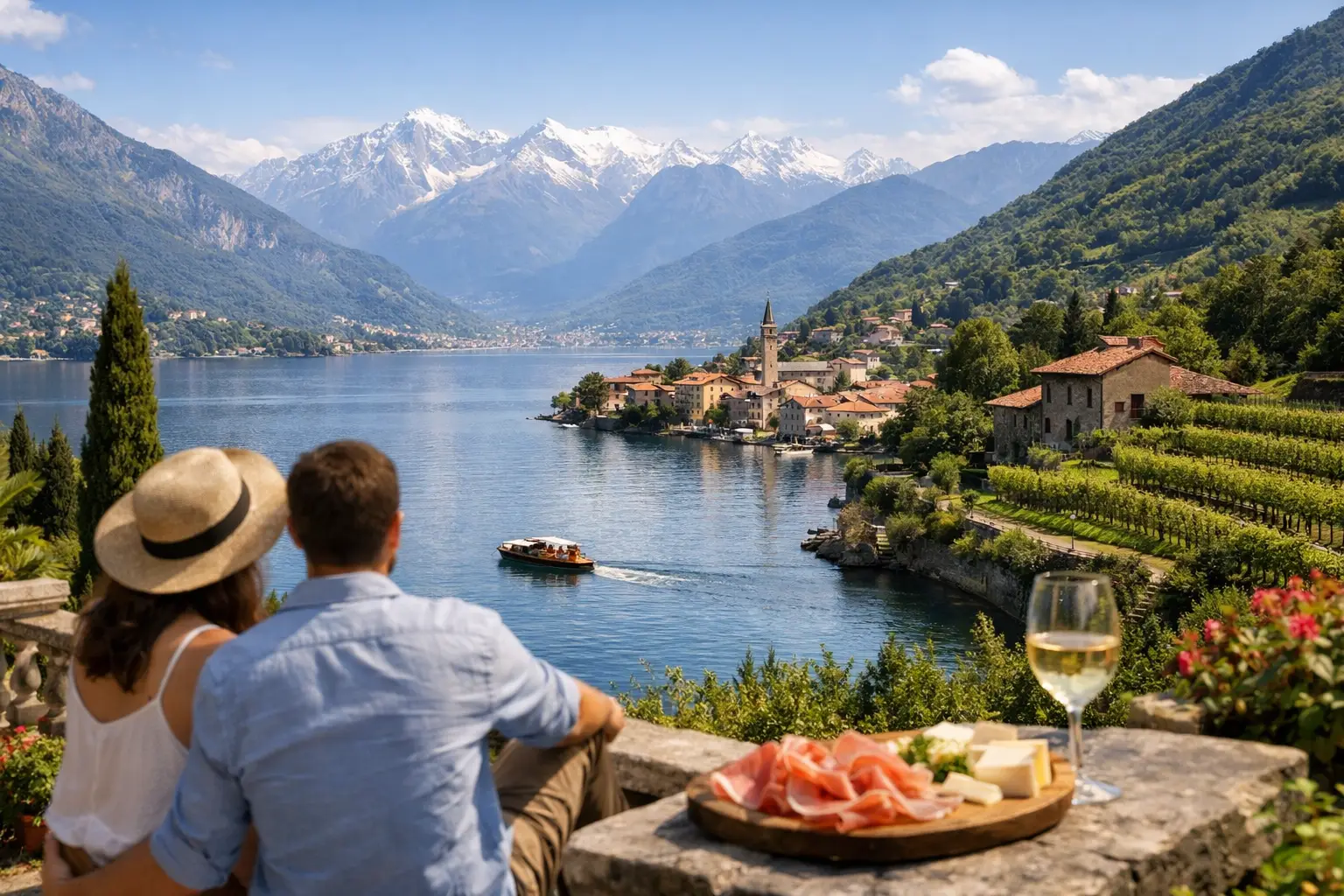
The pastures above Sebino produce cheeses with a character that changes with altitude, season, and the animals’ feed. A local cheese plate is never merely an appetizer. It is a small map of the landscape.
Silter, a protected mountain cheese from the Brescia valleys, is one to look for. It is aged and savory, with a firm texture and a fuller flavor than a young table cheese. Formaggella, often softer and more delicate, offers a gentler introduction to the dairy traditions of the area. Depending on the season and the kitchen, cheeses may appear in risotto, melted over polenta, or served with preserves and local honey.
Ask for guidance if you are unfamiliar with the names. A thoughtful host can suggest a cheese that suits your taste, whether you prefer something mild and creamy or aged and assertive. This is also a lovely course to share, especially with a glass of wine from nearby Franciacorta.
Meat, Mushrooms, and Slow-Cooked Comfort
While lake fish is central to Sebino cuisine, the hills bring another side to the table. Braised beef, pork dishes, rustic sausages, and seasonal game are common in the colder months. Manzo all’olio, a tender beef dish slowly cooked with olive oil, garlic, anchovy, and spices, is a beloved specialty from the wider Brescia area and may appear on menus near the lake.
Mushrooms are equally meaningful when the season is right. Fresh porcini can turn a plate of pasta, polenta, or grilled meat into something memorable. Outside their season, dried mushrooms are often used with skill, adding an earthy perfume to sauces and risottos.
These dishes can be rich, so it helps to pace the meal in the Italian way. Choose an antipasto to share, then decide between a first course and a main course if you are not especially hungry. The point is not to order the most food. It is to leave room for conversation and the pleasure of the table.
Sweet Endings and a Glass Raised Locally
Dessert in this region often stays close to the comforts of home: simple cakes, fruit tarts, custards, and seasonal sweets. You may come across spongada, a soft, lightly sweet bread traditionally associated with the area around Lake Iseo, especially during festive periods. It is modest, fragrant, and best enjoyed without hurry.
For wine, the nearby Franciacorta area is known for its elegant sparkling wines, which pair beautifully with appetizers, lake fish, and celebratory moments. Still wines from Lombardy also deserve attention, particularly when you are having polenta, cheese, or a hearty meat dish. A local recommendation is always worthwhile, since the best pairing depends less on a rule and more on the dish in front of you.
How to Enjoy Traditional Food in the Sebino Area
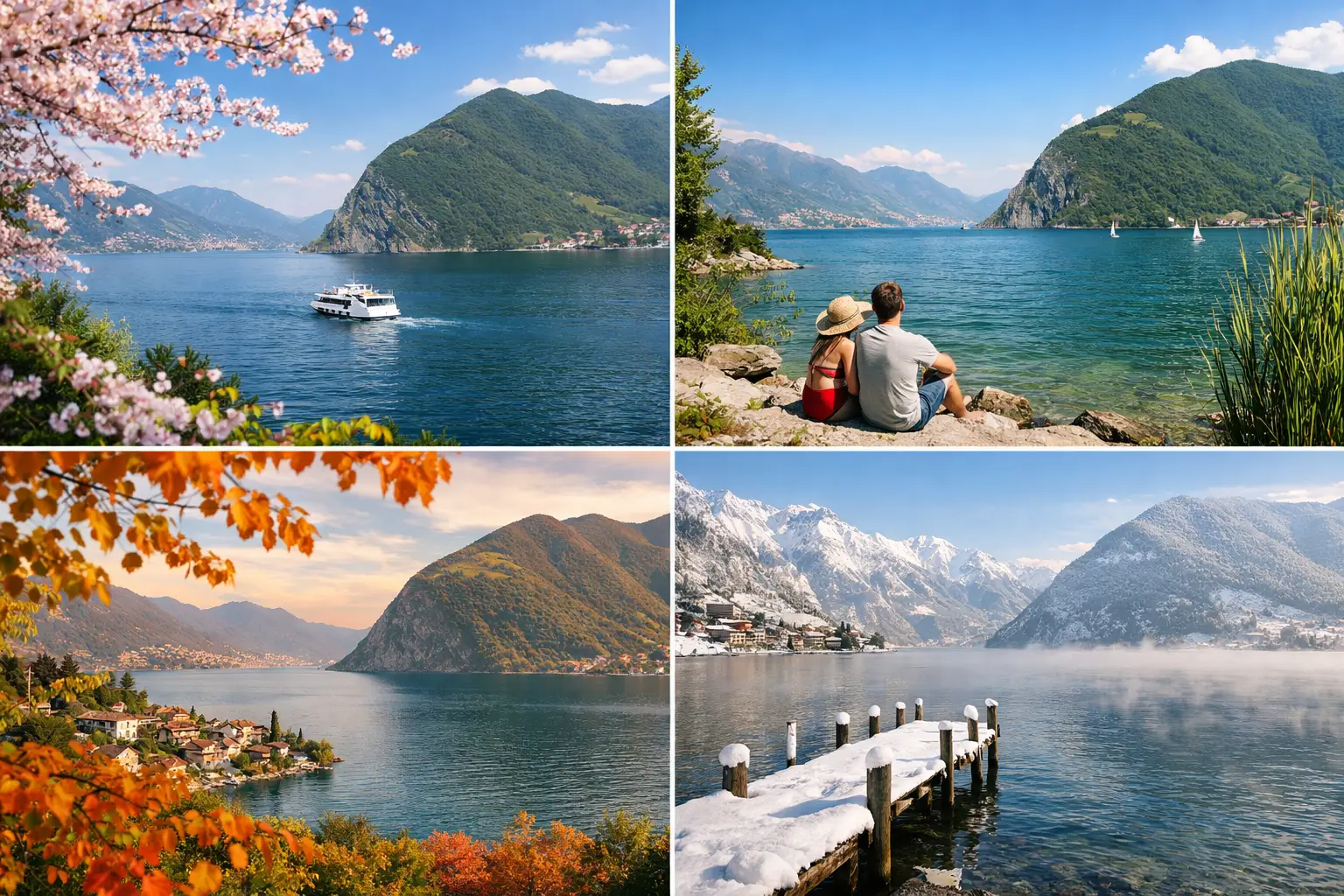
The finest meals here often come from choosing what the season and the kitchen can do well. In summer, lean toward lake fish, vegetables, and lighter preparations. In autumn, mushrooms and richer pastas become especially appealing. Winter is made for polenta, braises, and aged cheese, while spring brings fresh herbs and a welcome sense of renewal.
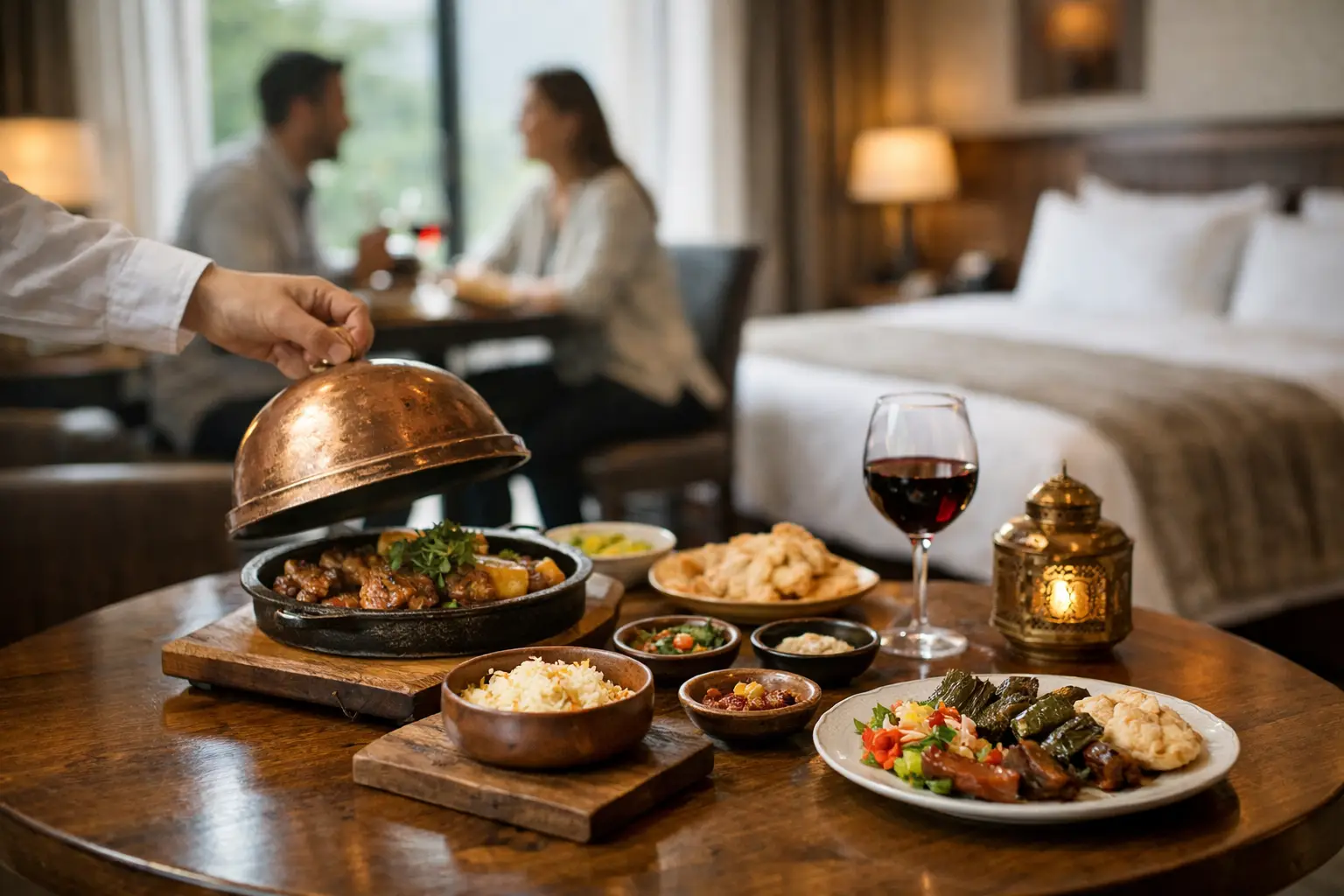
At Hotel Conca Verde, the dining experience is part of a stay shaped by the rhythms of Zone: a day outdoors, a warm table, and the pleasure of being welcomed with genuine care. If you have dietary needs, mention them when booking or ordering. Traditional kitchens are often accommodating, but certain recipes rely on butter, cheese, breadcrumbs, or meat stocks, and advance notice gives the cook more room to help.
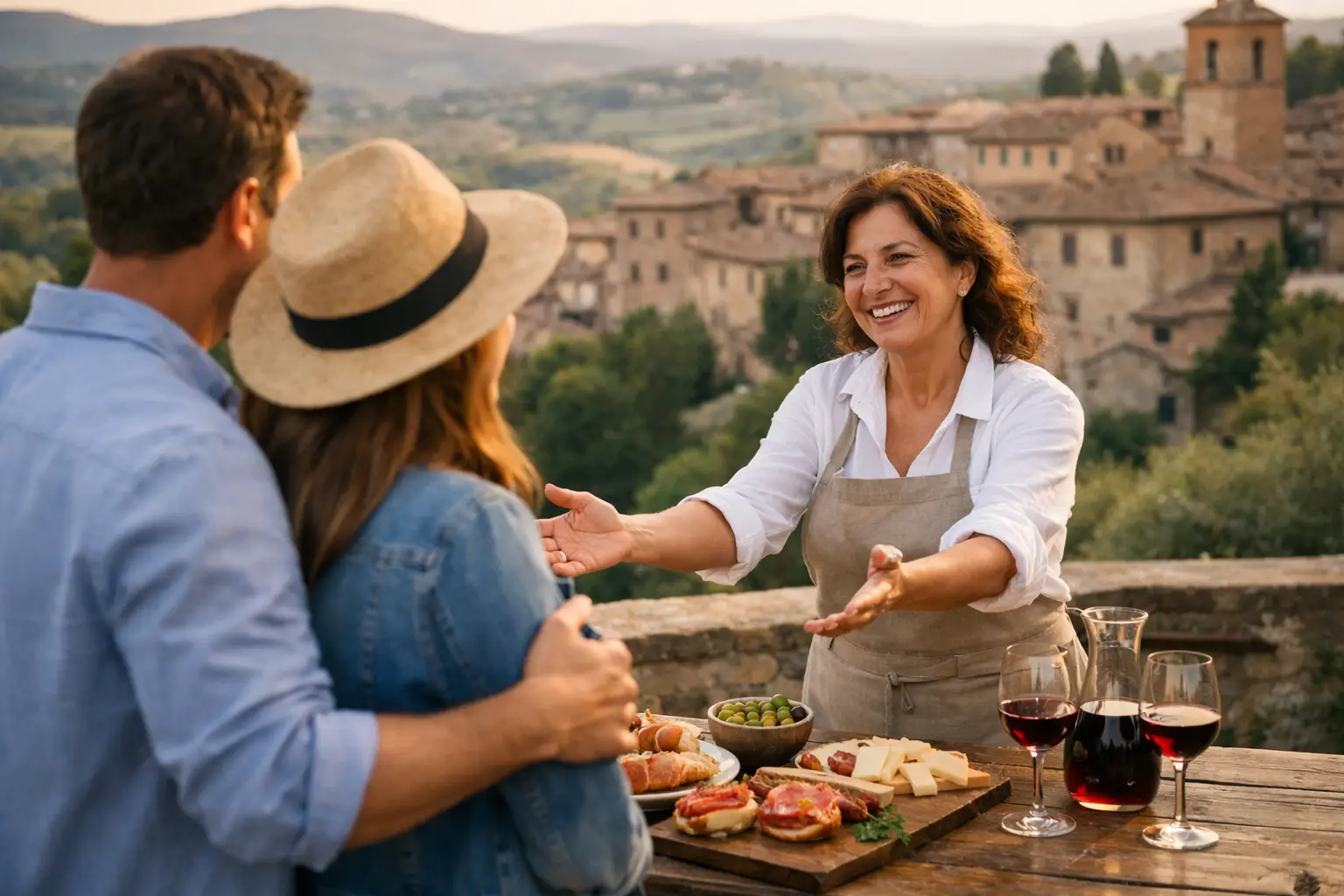
Save one meal for something you did not plan. Follow the seasonal special, accept a host’s suggestion, or order the dish a neighboring table seems to be enjoying. Around Lake Iseo, the most lasting flavor is often not the one you researched first, but the one served with a little local pride and a warm welcome.