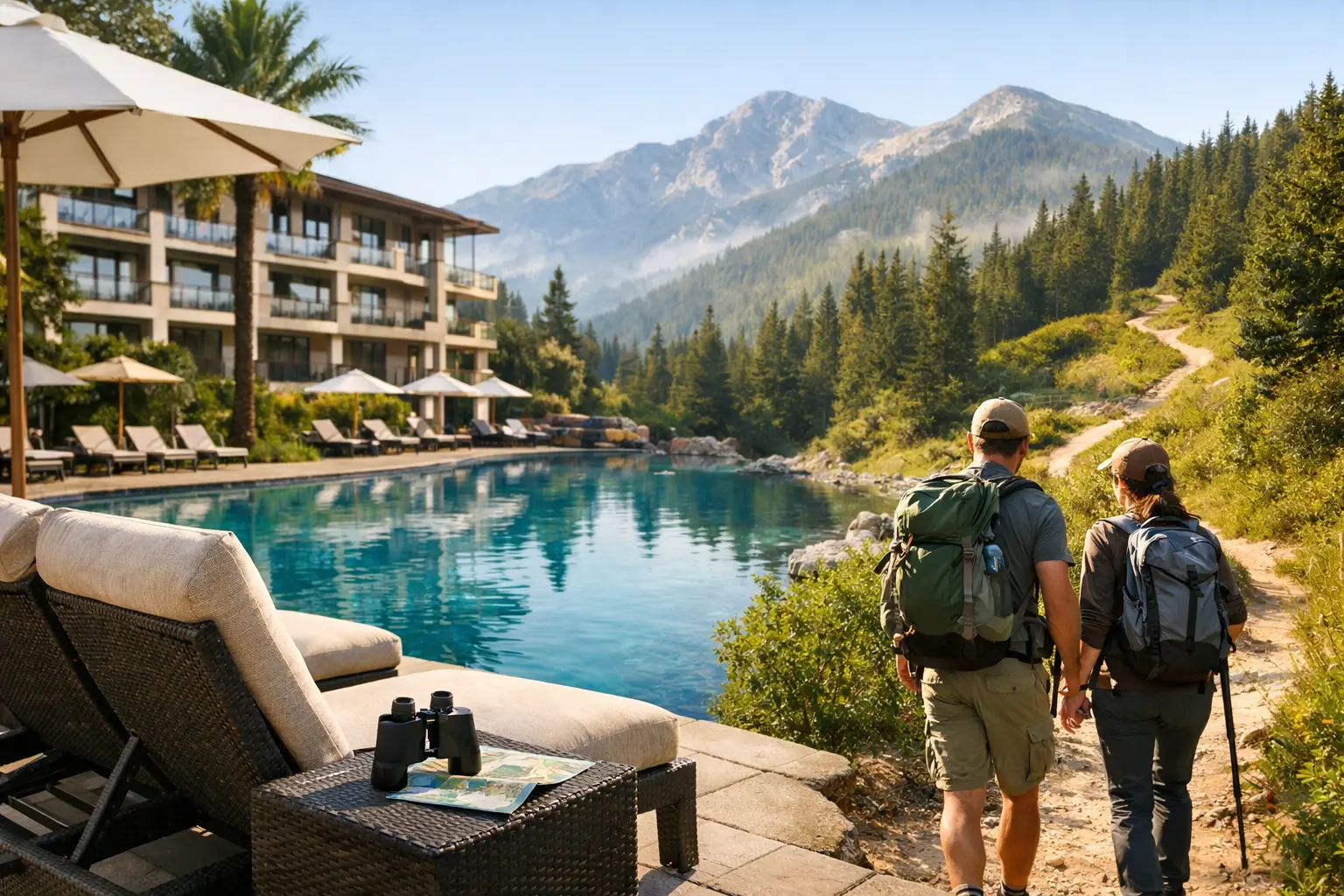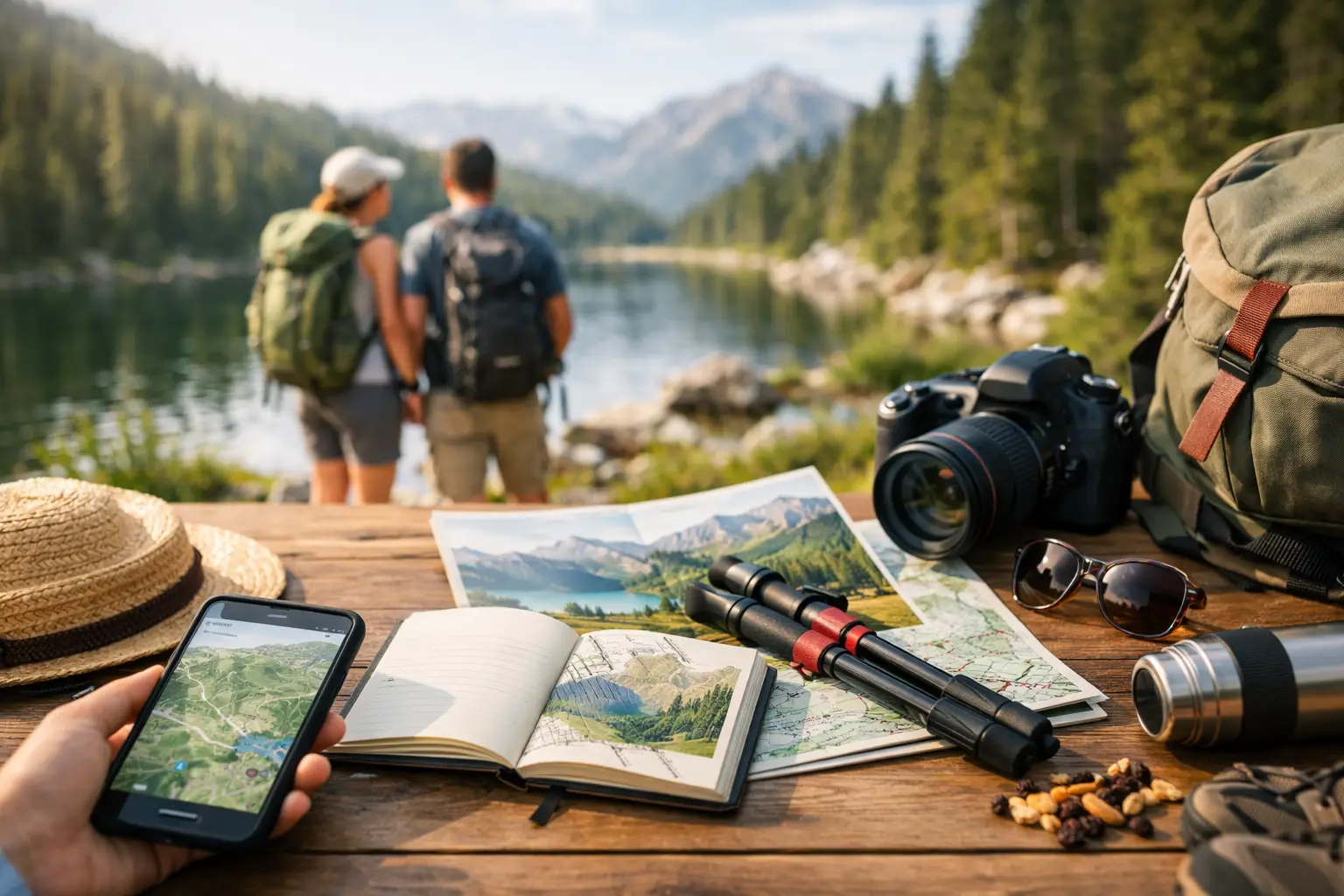

Hotel Package Versus Self Planning: Which Fits?
A trip to the Lake Iseo area can begin in two very different ways: with a thoughtfully arranged stay waiting for you, or with a dozen browser tabs open late at night. The choice between a hotel package versus self planning is not about one being better for every traveler. It is about deciding how you want to feel when you arrive: fully free to improvise, or gently cared for from the first moment.
For couples seeking a quiet weekend, families balancing different needs, and friends hoping to spend more time outdoors than on logistics, that difference can shape the whole stay. In a place where mountain paths, village tables, and unhurried views are part of the experience, a little planning can go a long way. So can leaving room for a pleasant surprise.
Hotel Package Versus Self Planning: The Real Difference
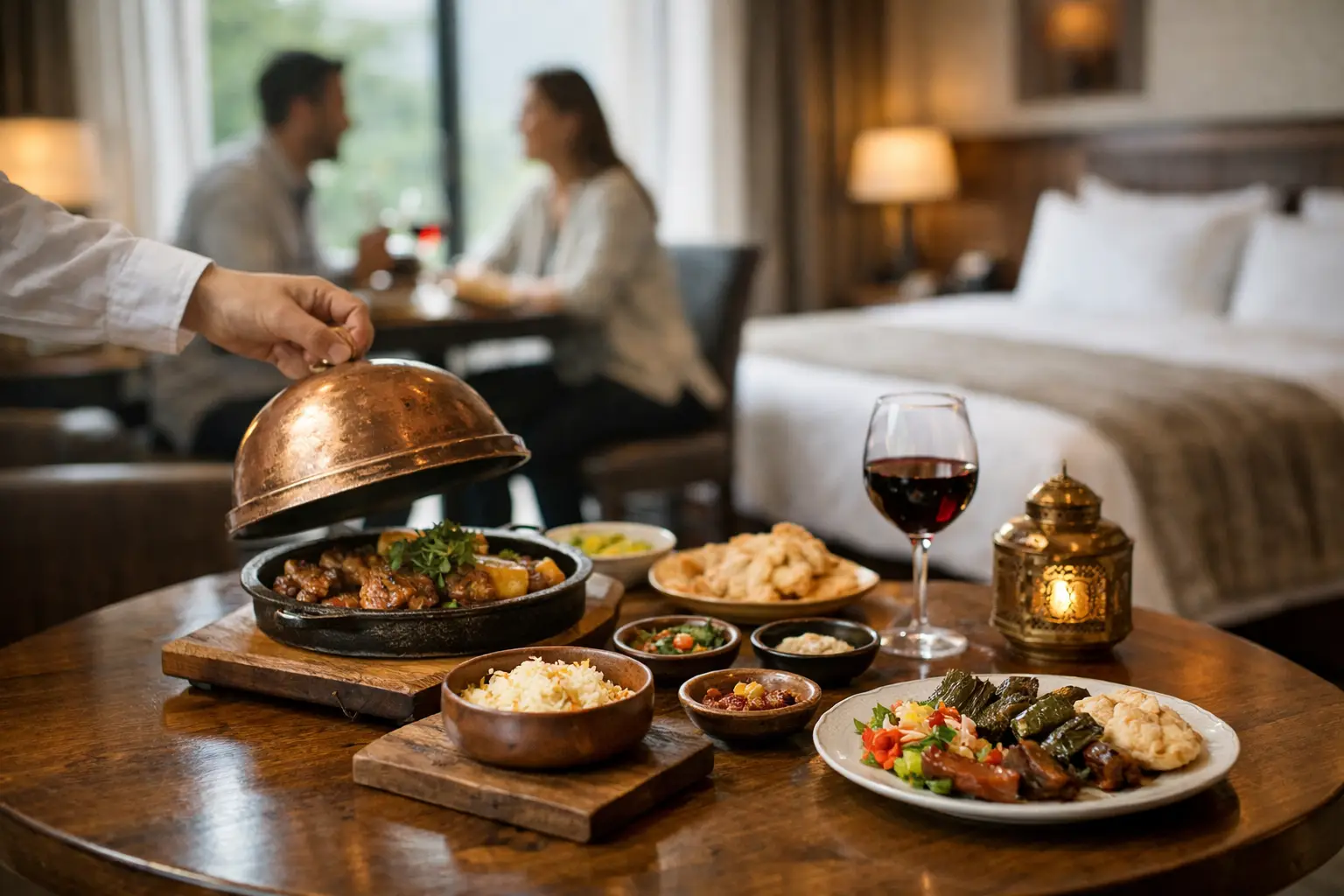
A hotel package brings selected parts of a trip together under one reservation. Depending on the season and the purpose of the stay, it may include accommodation, breakfast or dinner, a special meal, a romantic touch in the room, or an experience connected to the surrounding area. Rather than building every detail separately, you choose a stay designed around a certain feeling: a holiday celebration, a romantic escape, a walking break, or simply time to rest.
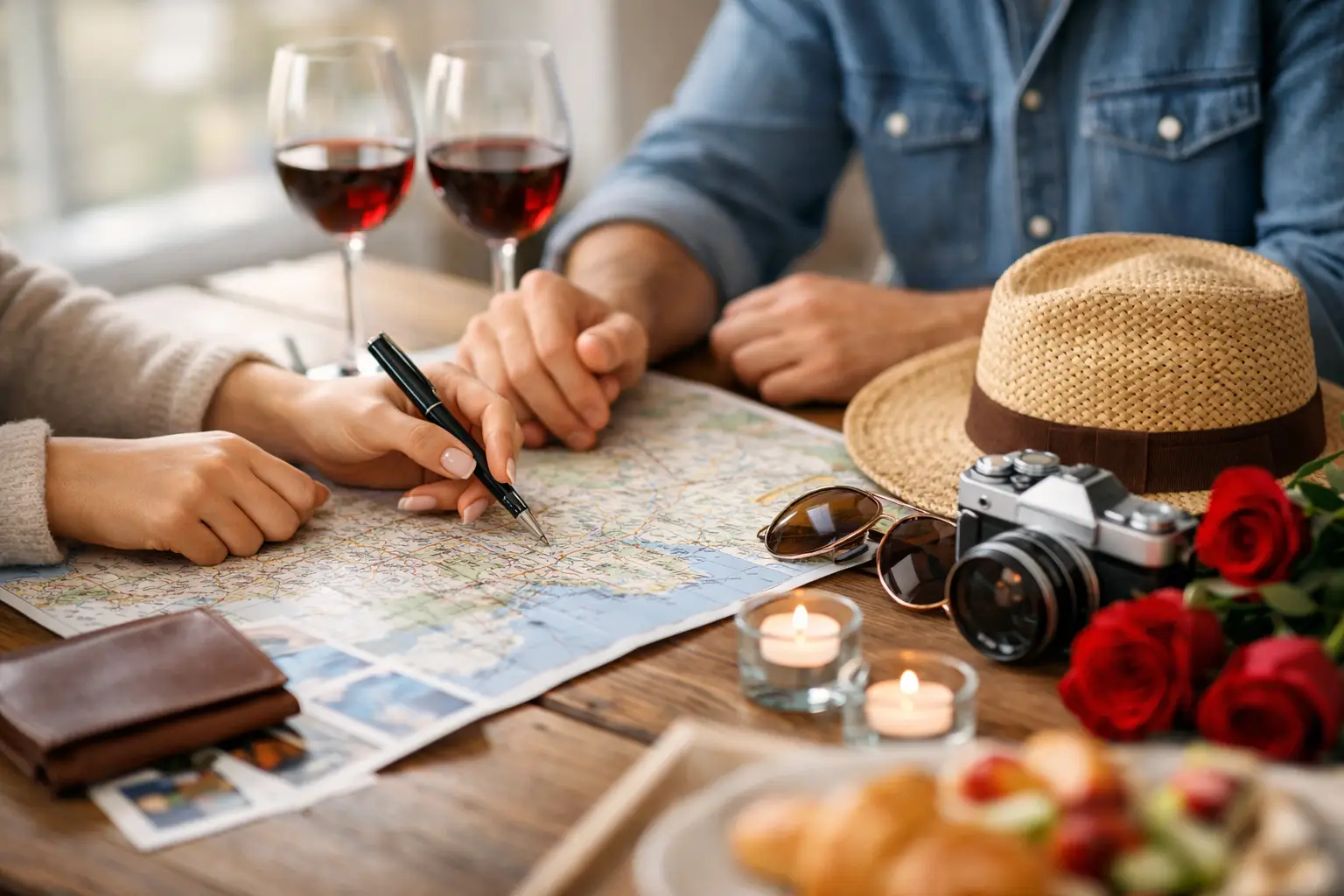
Self planning places every choice in your hands. You decide where to sleep, where to eat, which trail to follow, when to leave, and whether the day calls for an early start or another coffee on the terrace. For travelers who enjoy research and like to shape each hour according to their mood, this can be deeply satisfying.
The practical distinction is simple. A package saves decisions by bringing related elements together. Self planning offers maximum flexibility, but it also asks you to make more decisions before and during the trip. Neither option removes the joy of travel. They simply place the effort in different places.
When a Hotel Package Feels Like the Right Choice
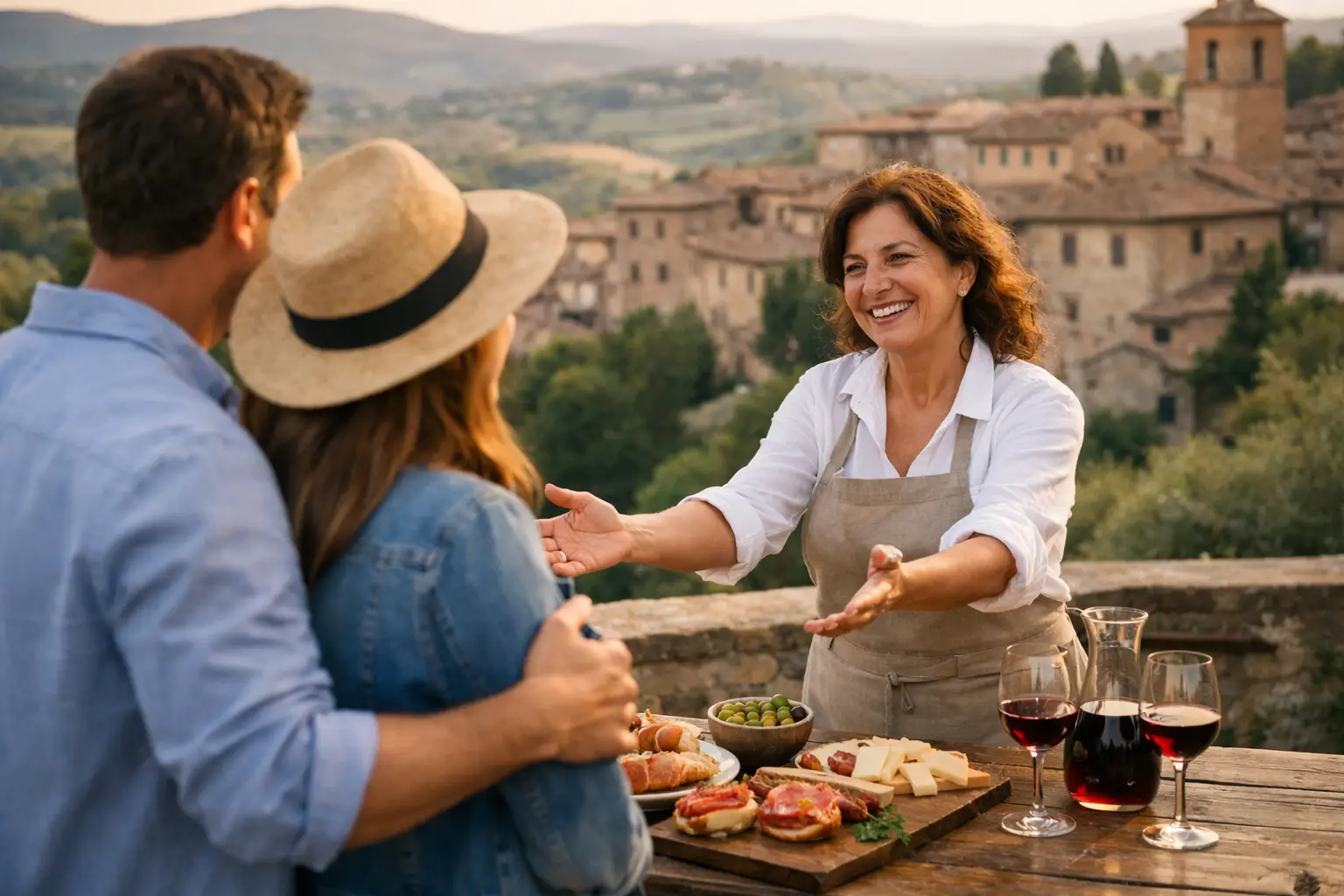
A package often suits travelers who want their time away to begin as soon as they check in. After a long drive or a busy season at home, there is comfort in knowing that dinner has been considered, the room is ready, and the rhythm of the stay does not need to be negotiated at every turn.
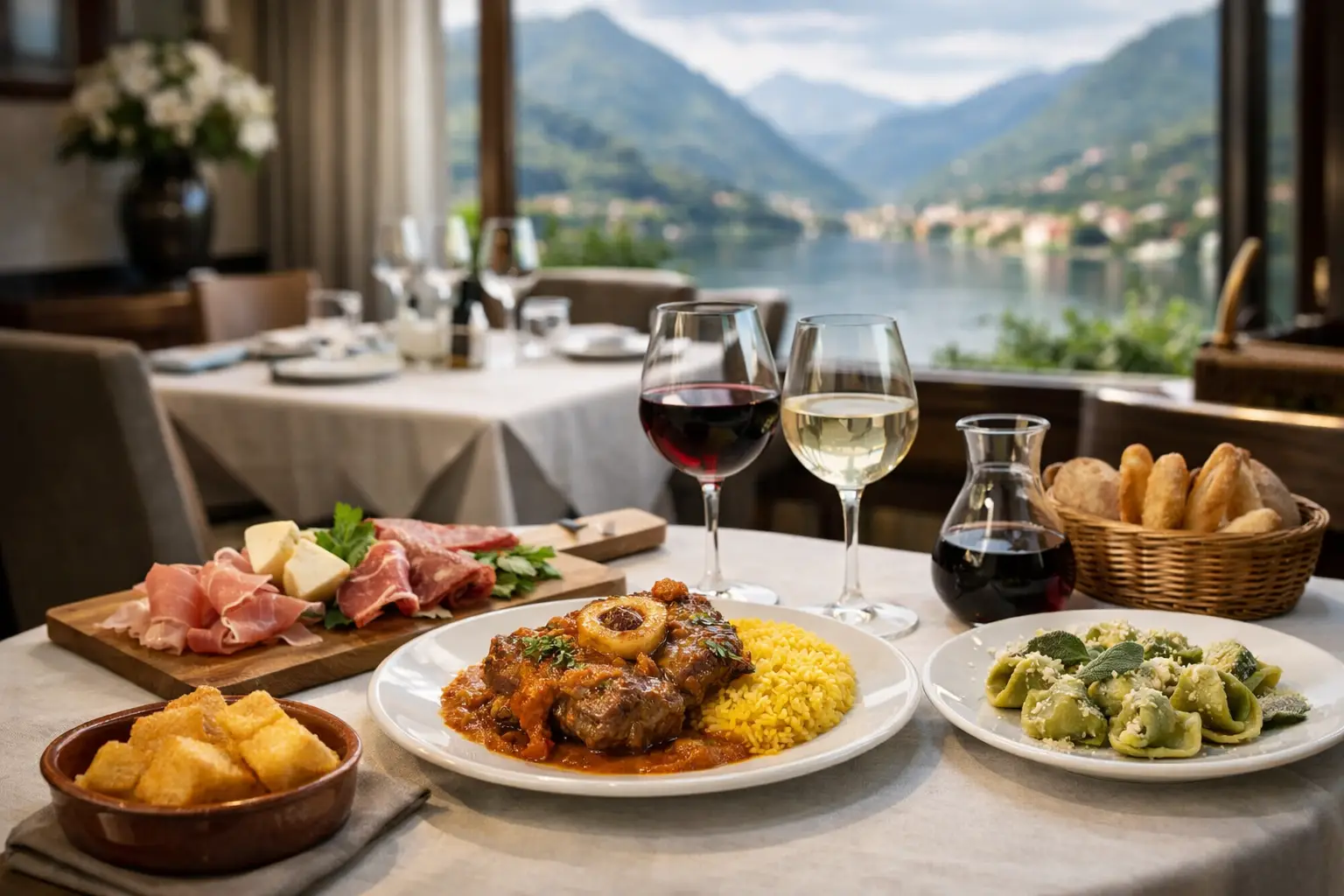
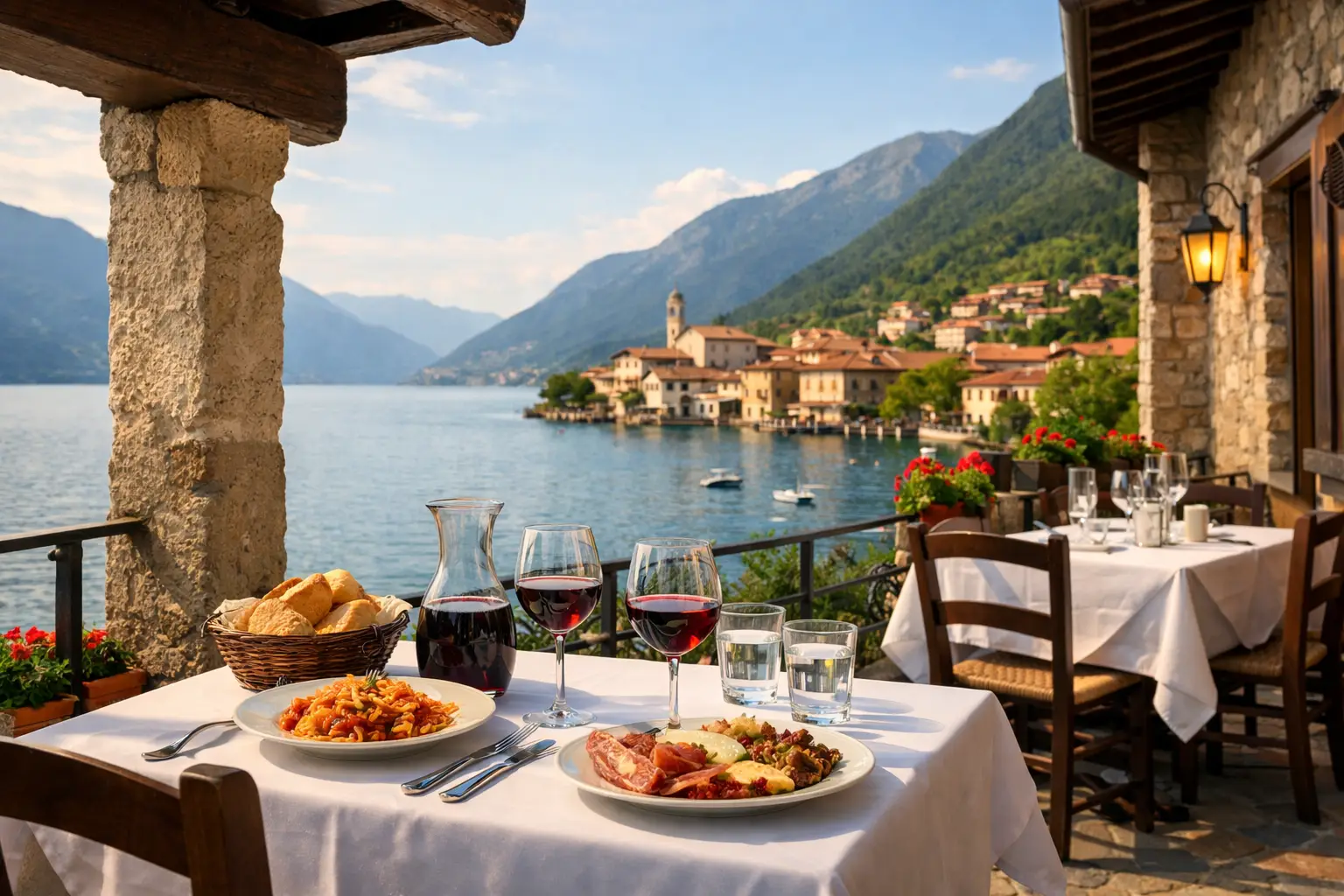
This is especially true for short breaks. If you have only two or three nights in northern Italy, spending an afternoon comparing restaurants, checking opening hours, and driving between locations can take away from the reason you came. A well-chosen package keeps the essential pleasures close: a welcoming room, regional cooking, and the chance to step outside into the quiet of the mountains.
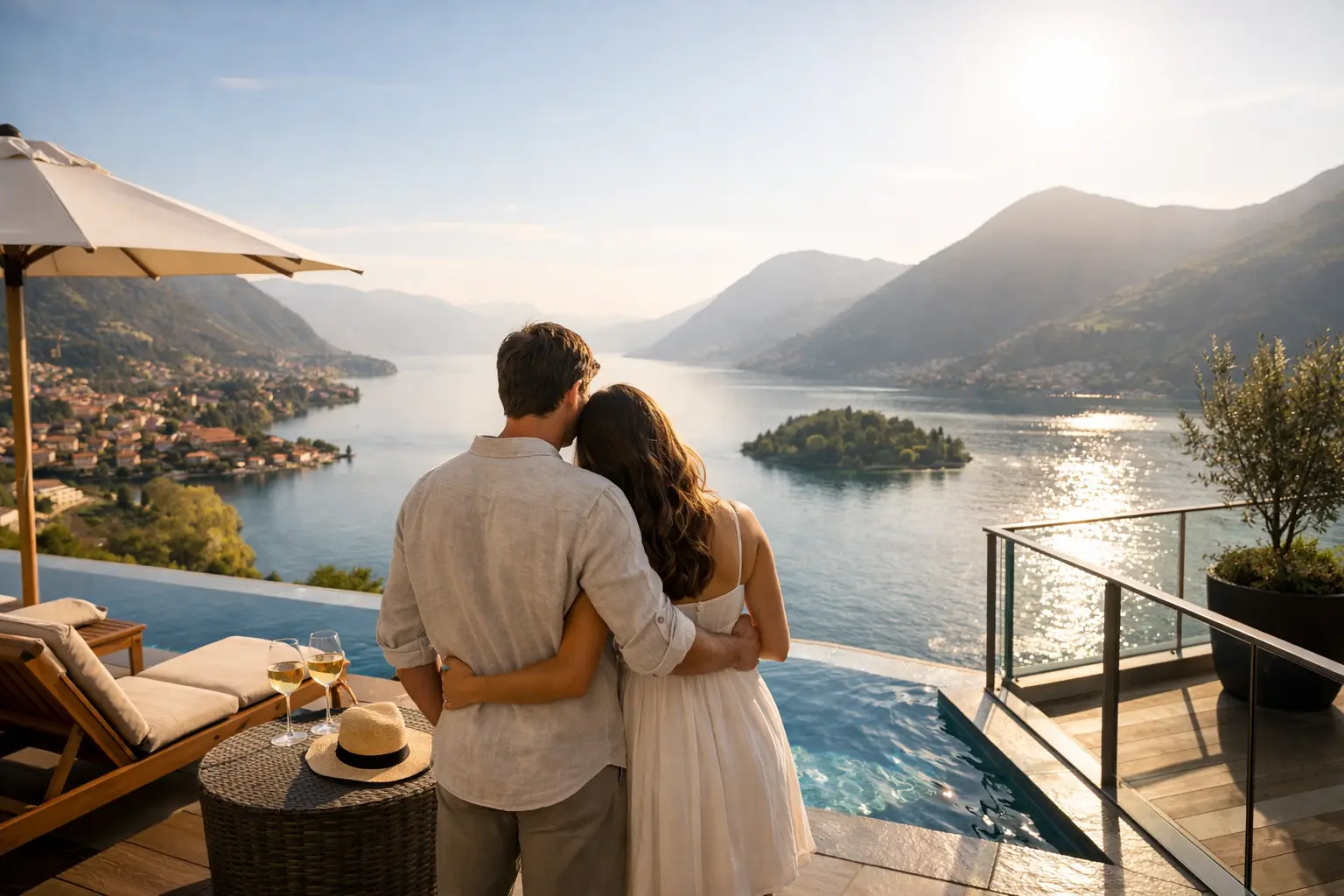
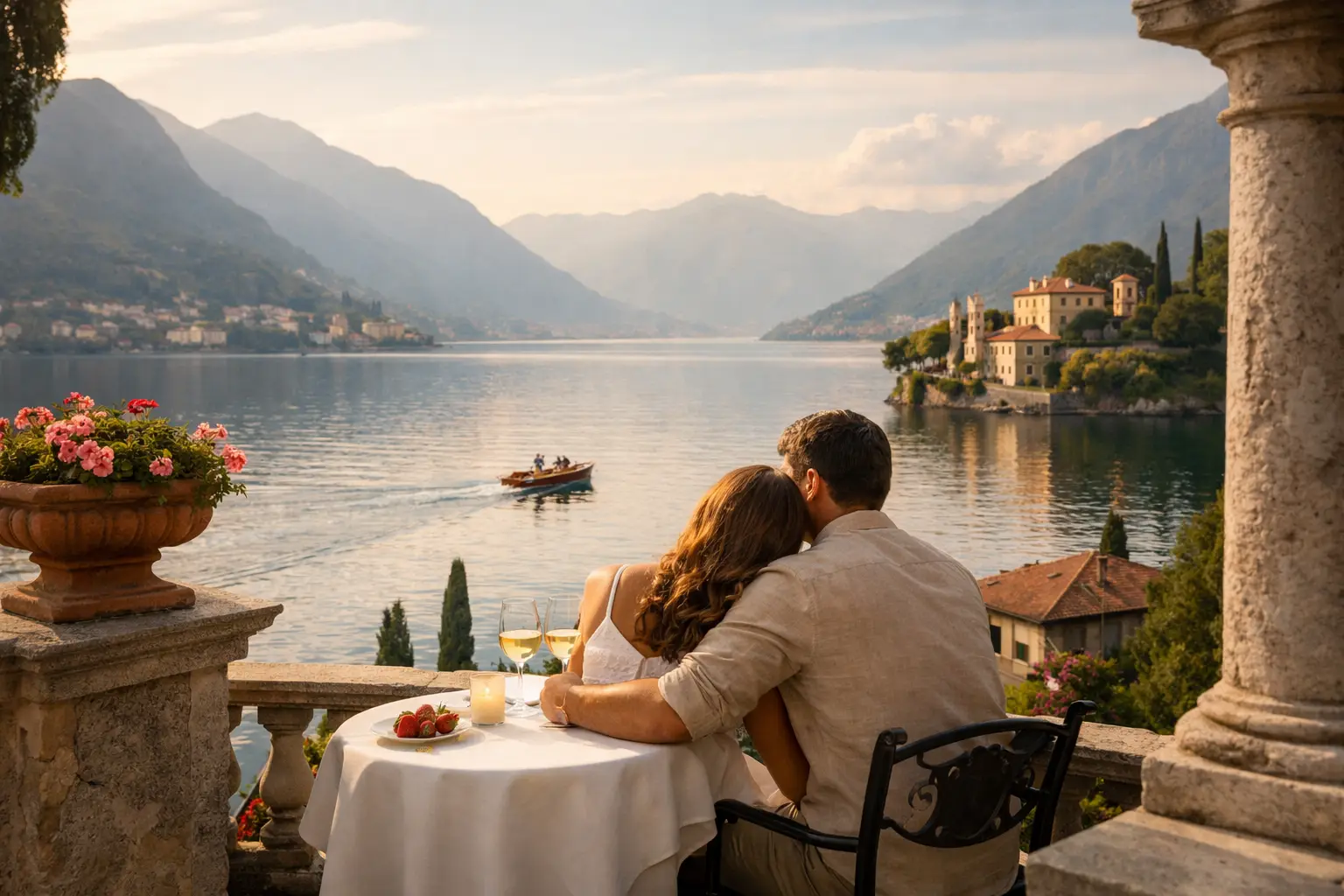
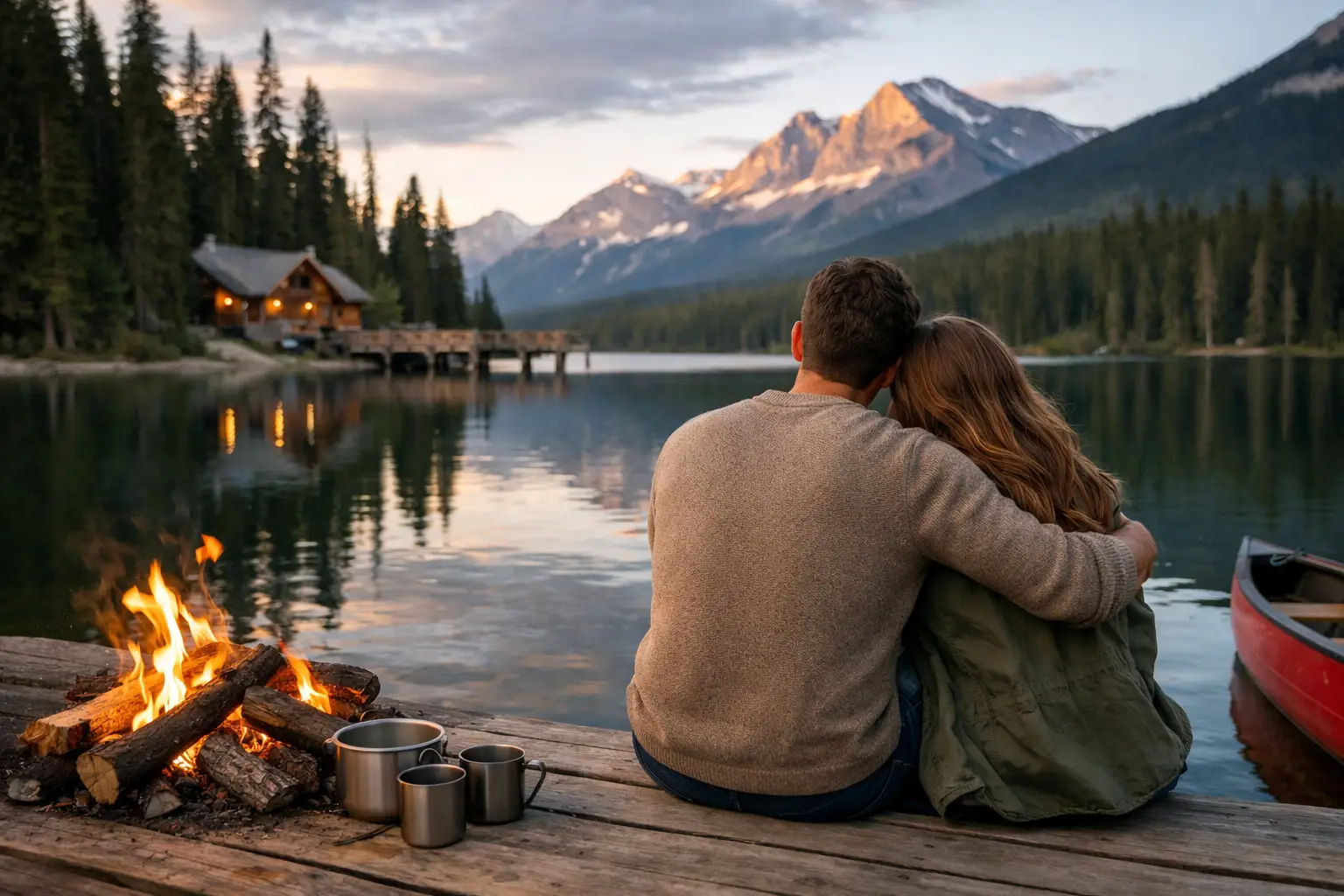
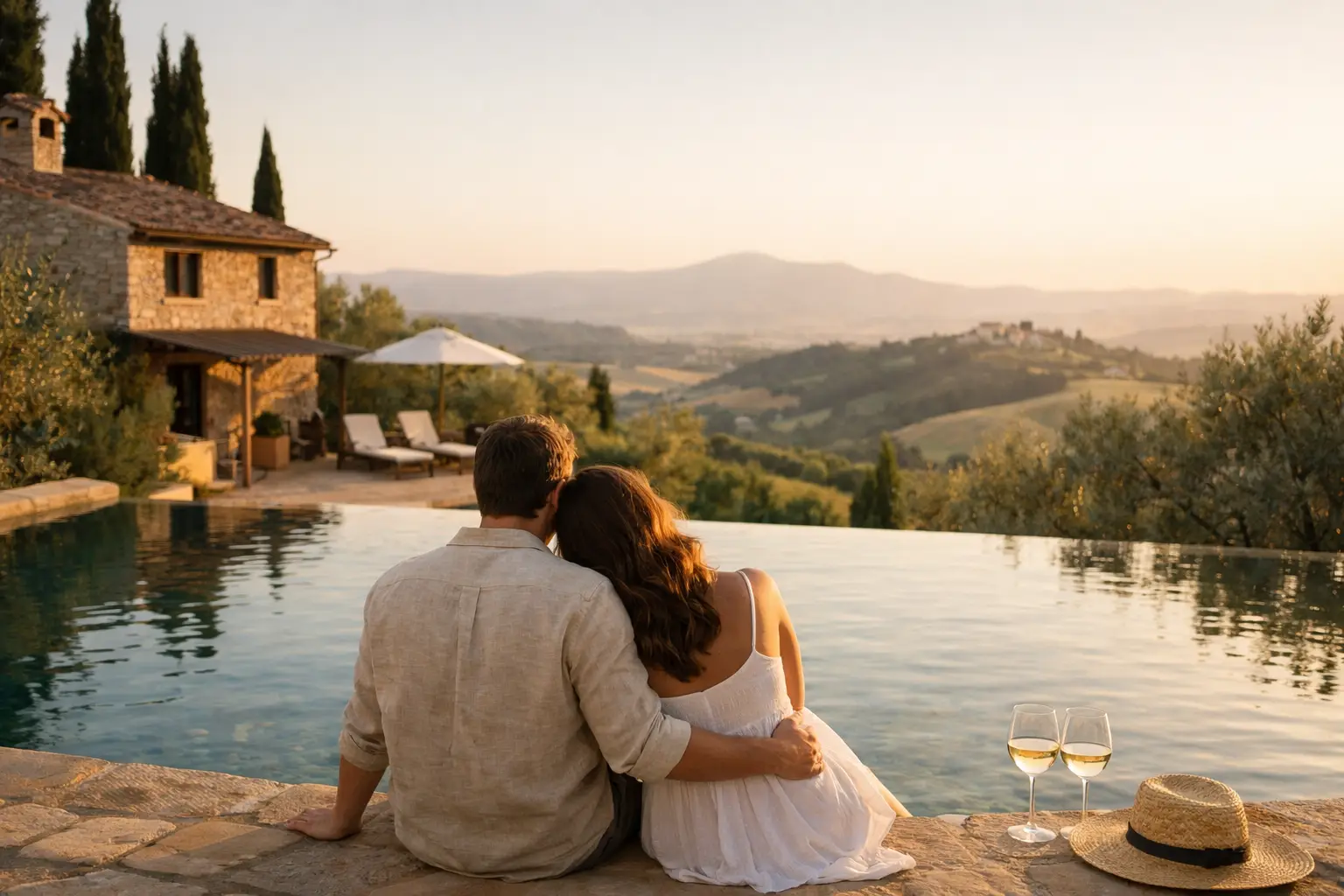
Packages can also make special occasions feel more personal. An anniversary, birthday, or holiday weekend deserves more than a standard booking confirmation. When the stay has been prepared with care, you are free to focus on the person beside you. The details do not have to be extravagant to feel meaningful. A table set for a leisurely dinner, a local dish shared after a walk, or a room that invites you to linger can be enough.
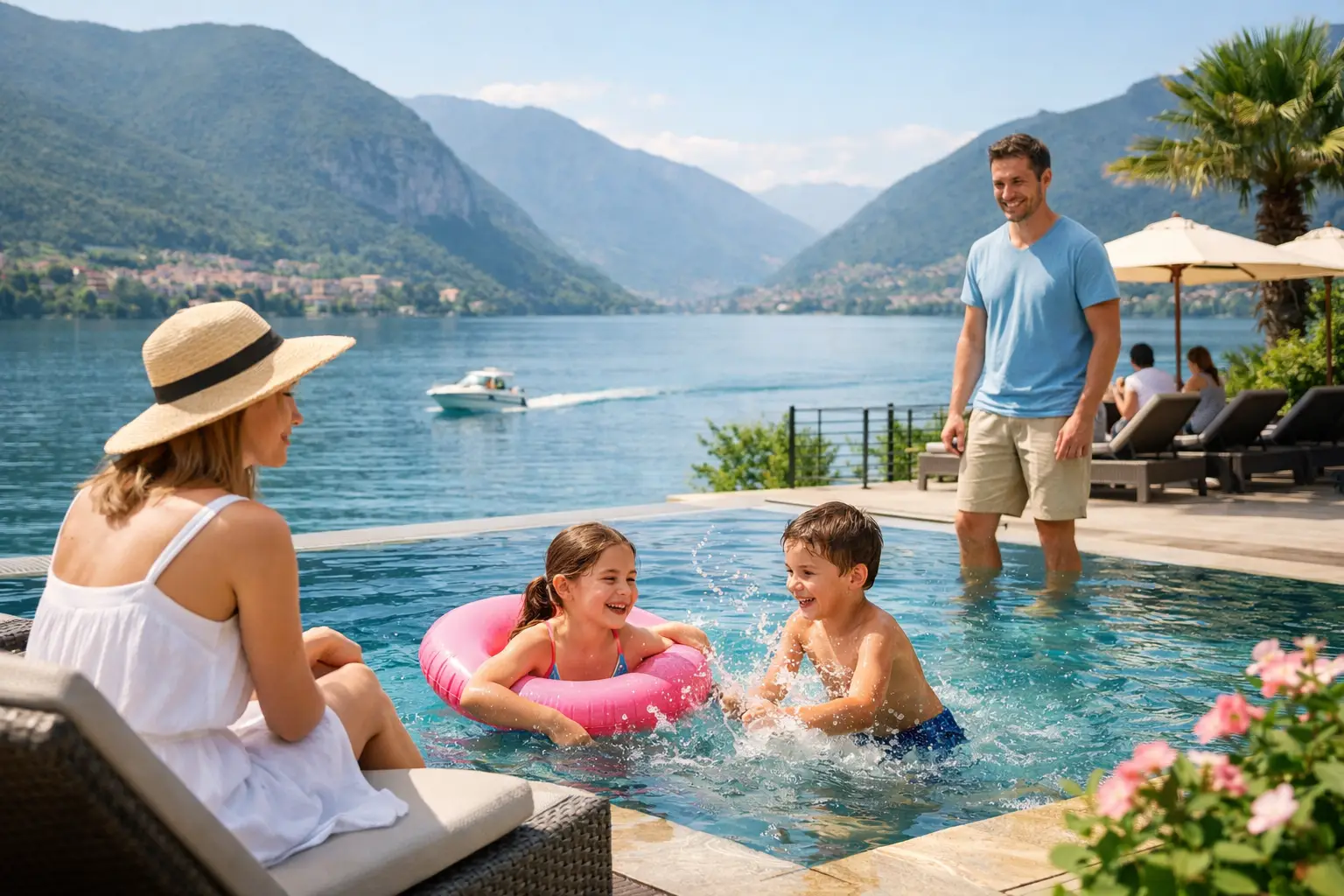
For families, a package can offer welcome simplicity. Parents do not need to solve every meal or activity in the middle of the day, while children benefit from a calmer pace. The best family trips are rarely packed minute by minute. They leave space for a stroll, a long lunch, a change in the weather, and the small discoveries that children remember.
There is a financial side, too. A package can make the cost of a trip clearer from the beginning, particularly when meals or seasonal extras are included. It is not always the least expensive option, and travelers should still look carefully at what is included. But knowing the main costs in advance can make a getaway easier to enjoy without constantly doing mental arithmetic.
The Pleasure of Planning It Yourself
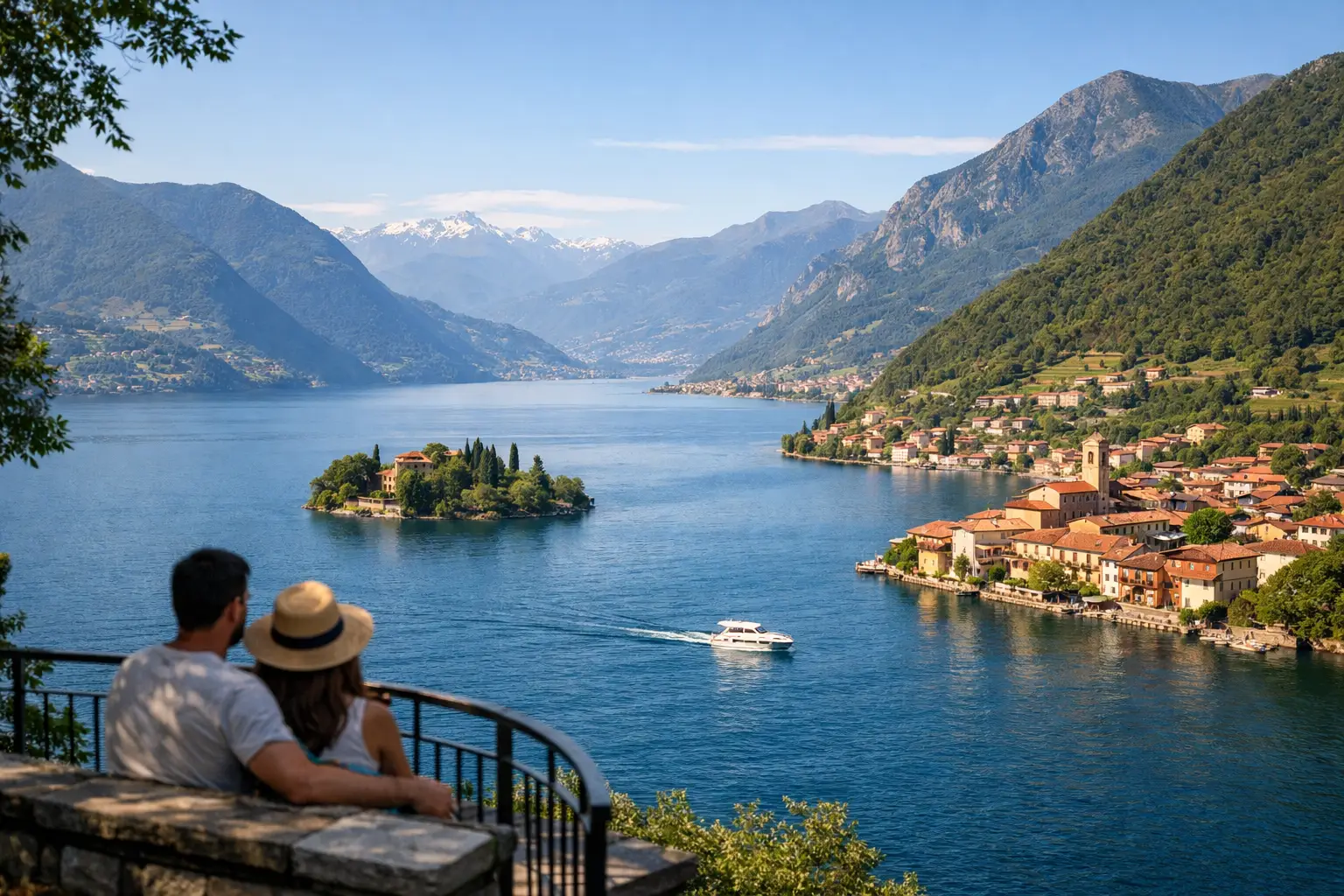
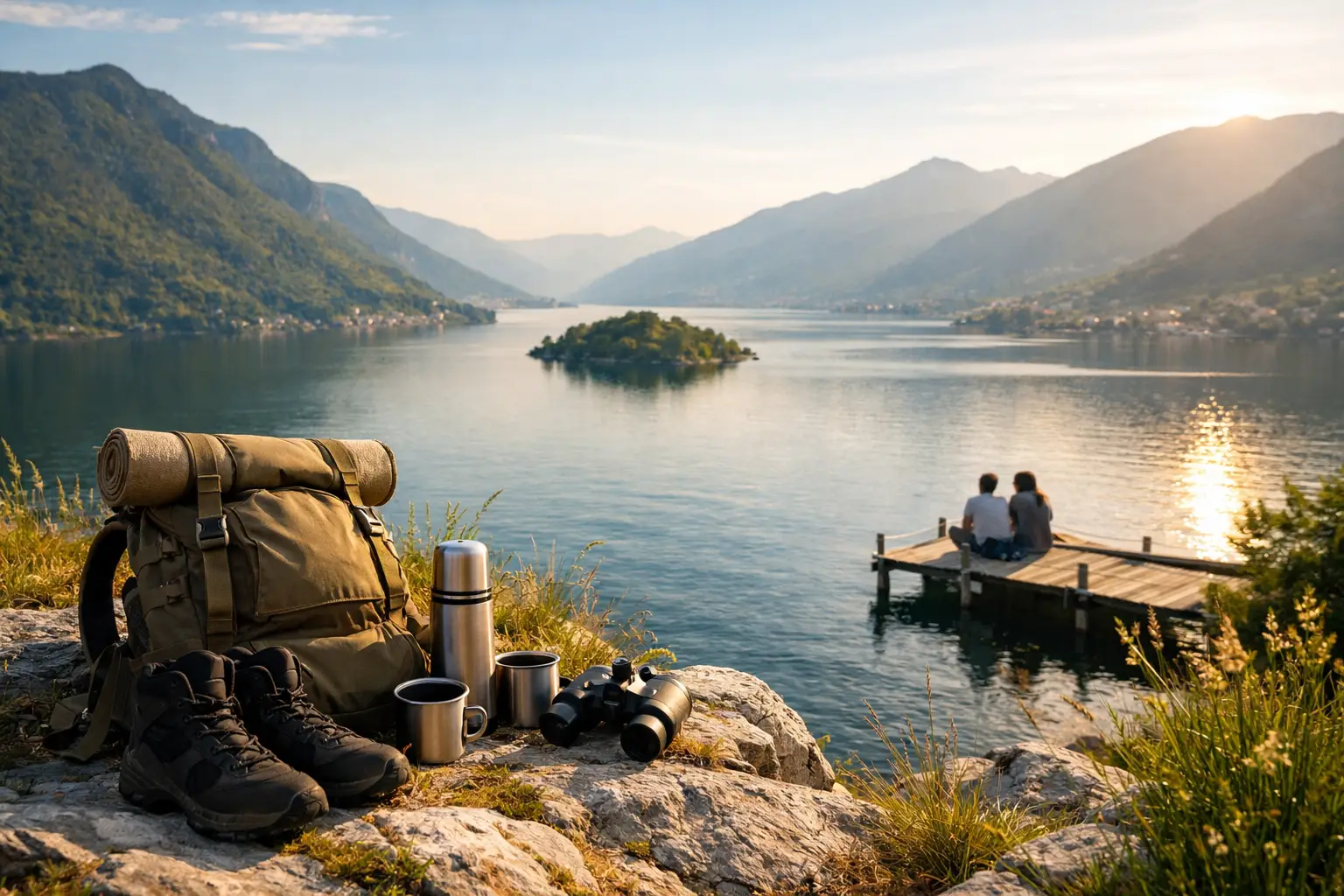
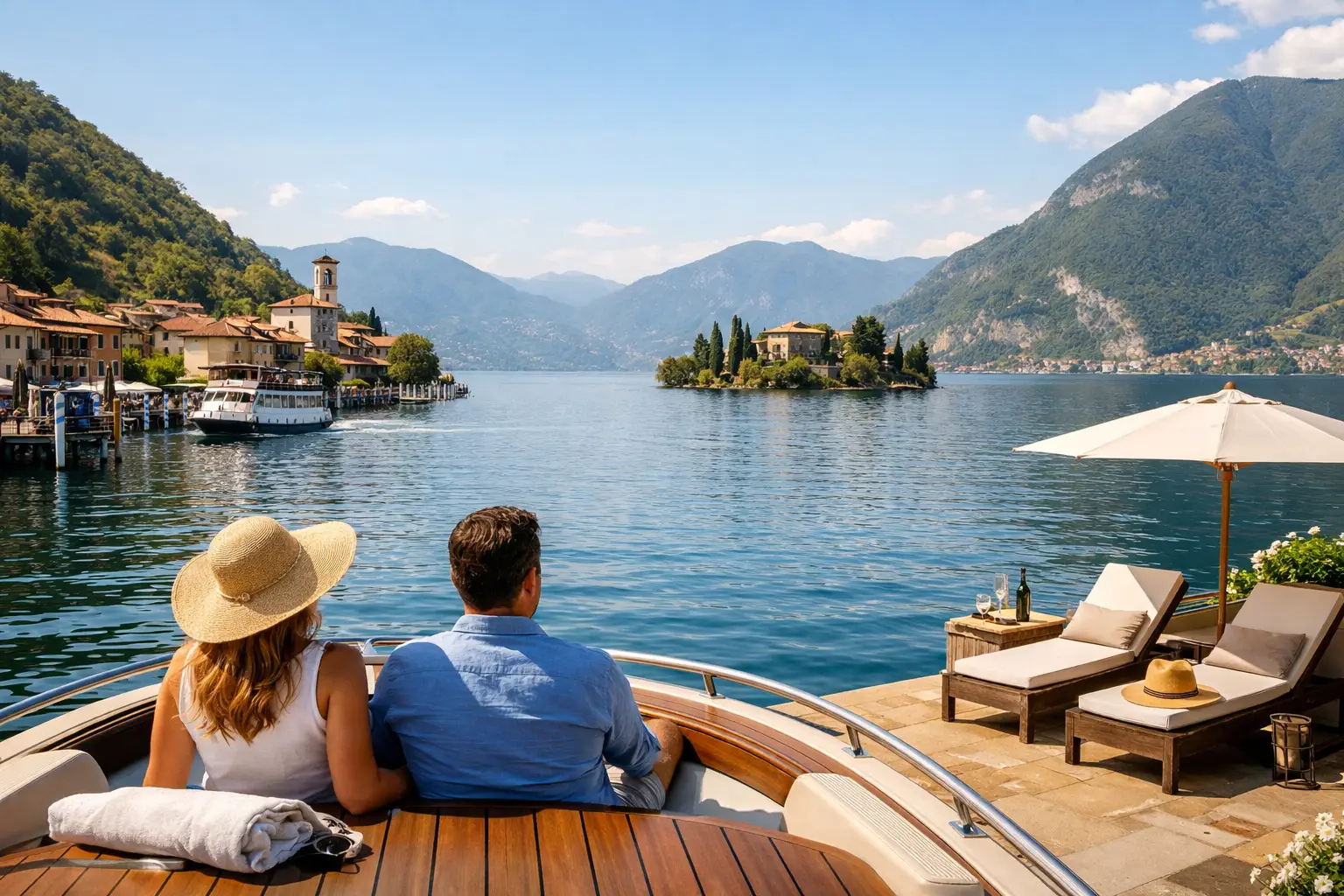
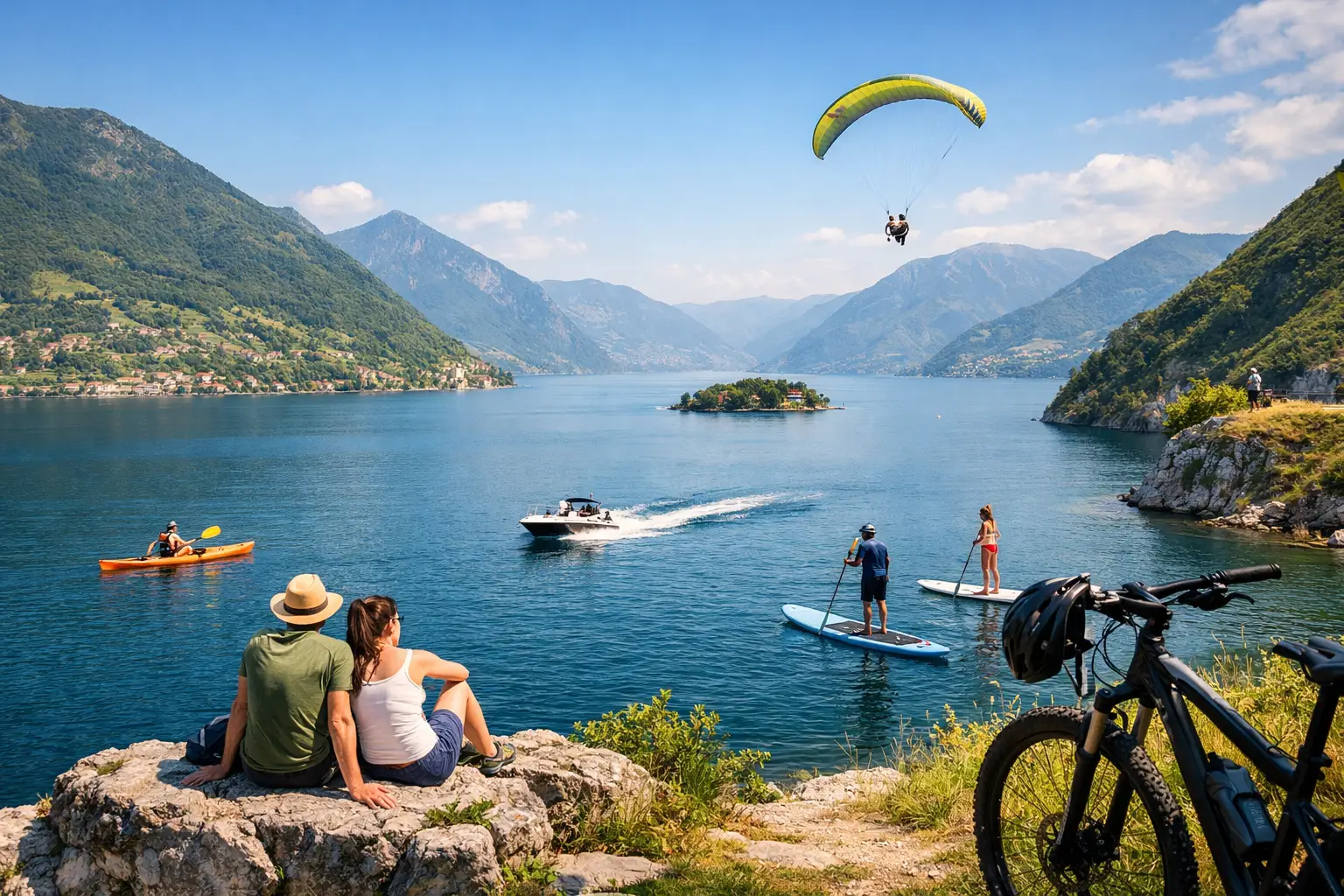
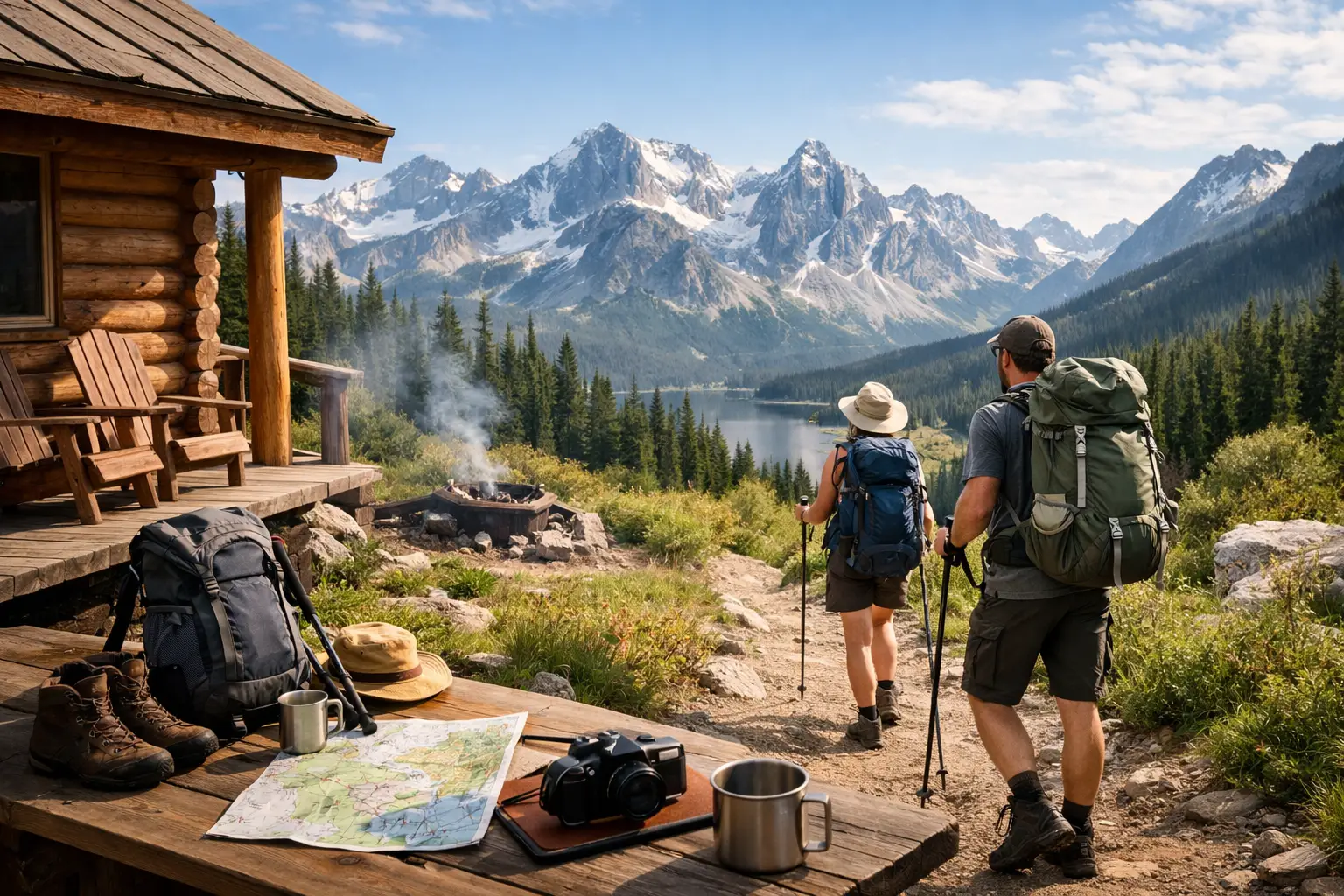
Self planning is ideal when your trip is driven by a very specific wish. Perhaps you are an experienced hiker with a route already in mind. Perhaps you want to visit several towns around Lake Iseo, spend one day on the water, and follow your curiosity wherever it leads. Or perhaps your favorite part of travel is the research itself: finding a small producer, choosing a different restaurant each evening, and creating an itinerary no one else would make.
This approach gives you freedom to change direction. A sunny morning may send you toward the lake, while a cooler afternoon may invite a higher trail. You can sleep in, skip breakfast, extend lunch, or decide at the last minute that today is for doing very little. For independent travelers, that freedom is not a complication. It is the point.
Self planning can also be useful for longer stays. Over a week or more, many guests prefer to vary their dining and sightseeing choices, especially if they are using the hotel as a comfortable base for exploring the wider region. A package may cover the first part of the trip beautifully, while self-planned days bring variety afterward.
Still, independence works best when it is supported by realistic expectations. Rural and mountain destinations have their own rhythms. Some restaurants may have limited hours, popular periods may require reservations, and a trail that looks simple on a map can feel very different in changing weather. Planning for these details does not make a trip less spontaneous. It protects the moments where spontaneity matters.
Consider the Destination, Not Just the Deal
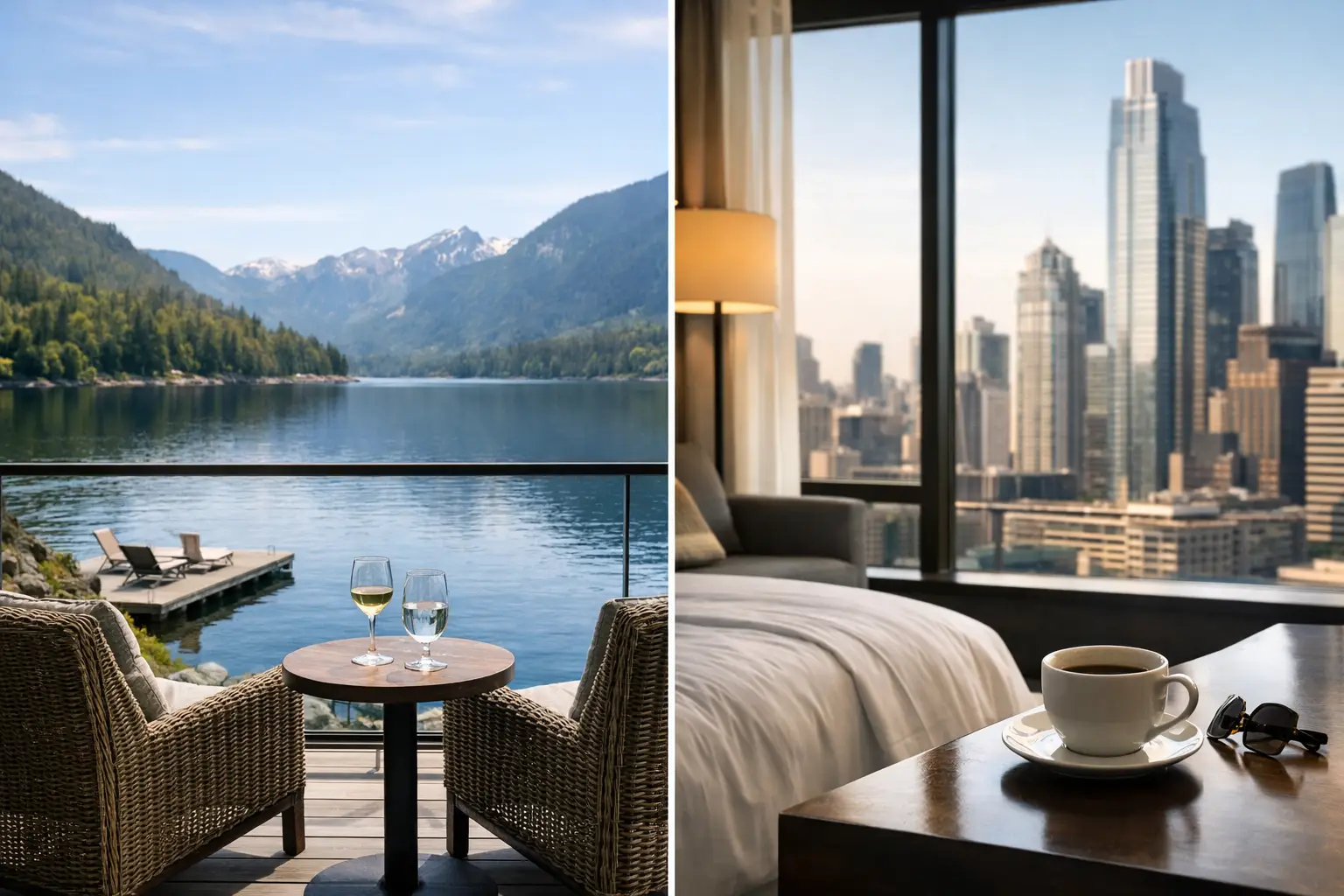
When comparing a hotel package versus self planning, travelers sometimes focus only on the price. Value matters, of course, but it is worth looking at the destination itself. A city break with countless dining options around every corner asks for a different approach than a peaceful stay between lake and mountains.
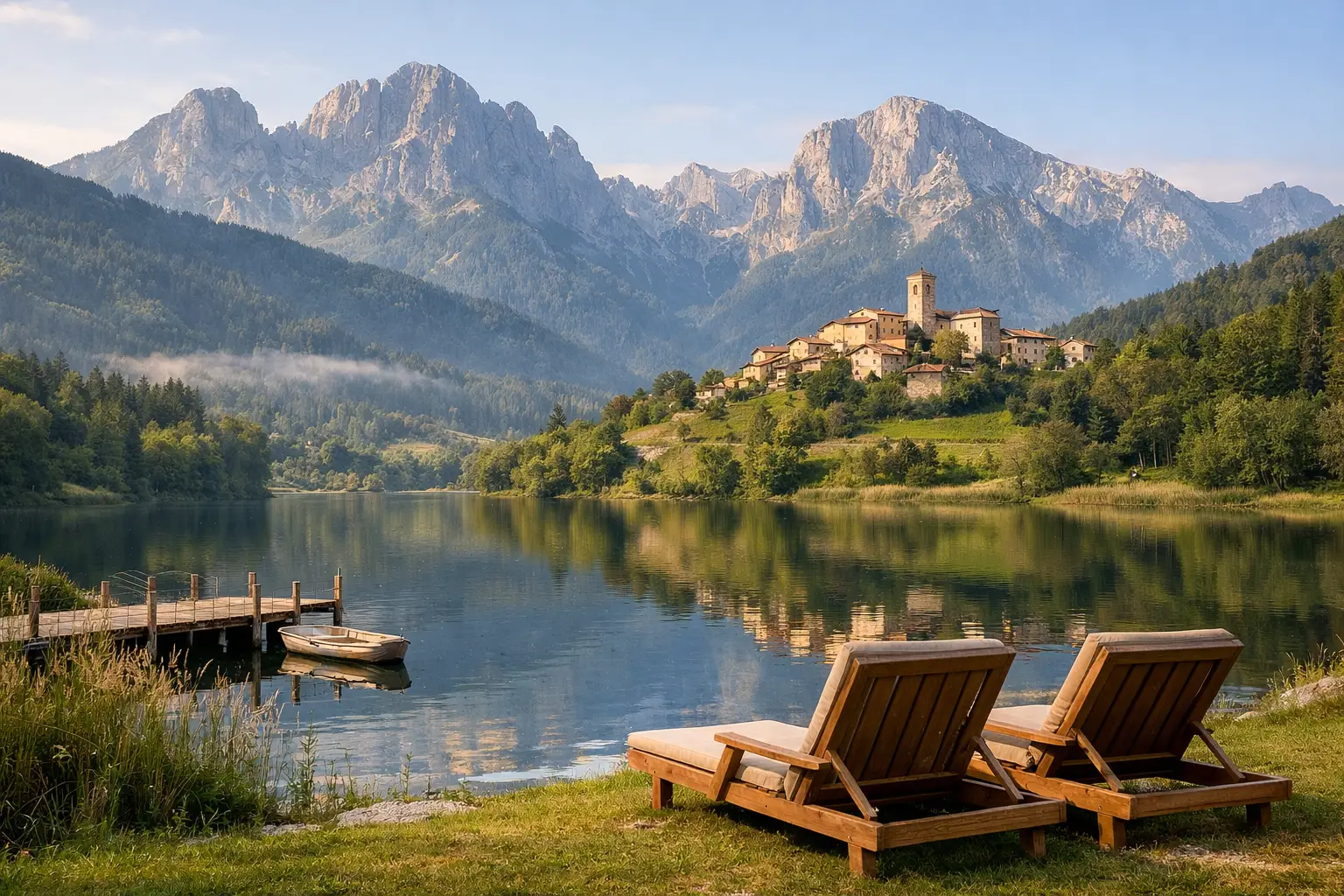
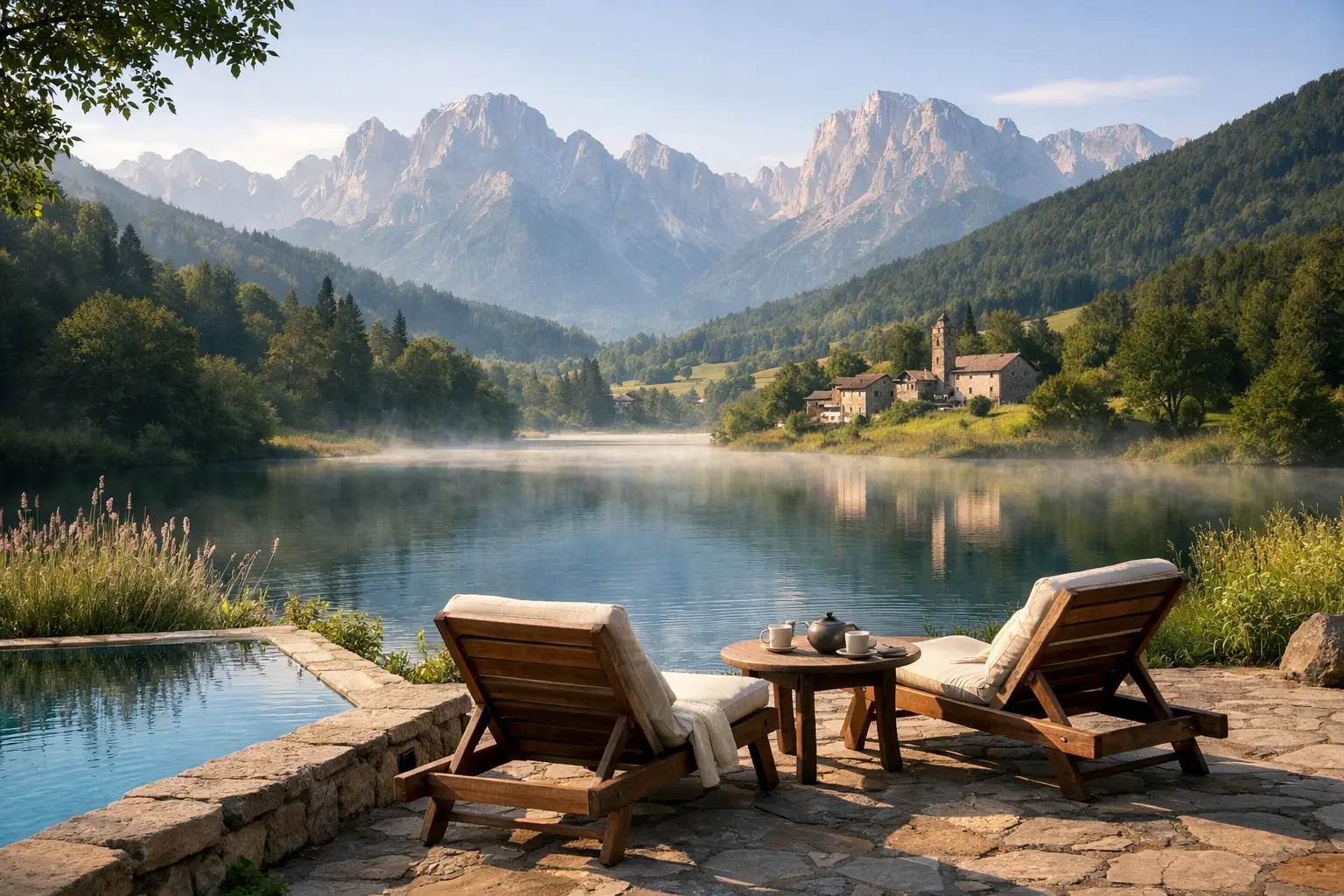
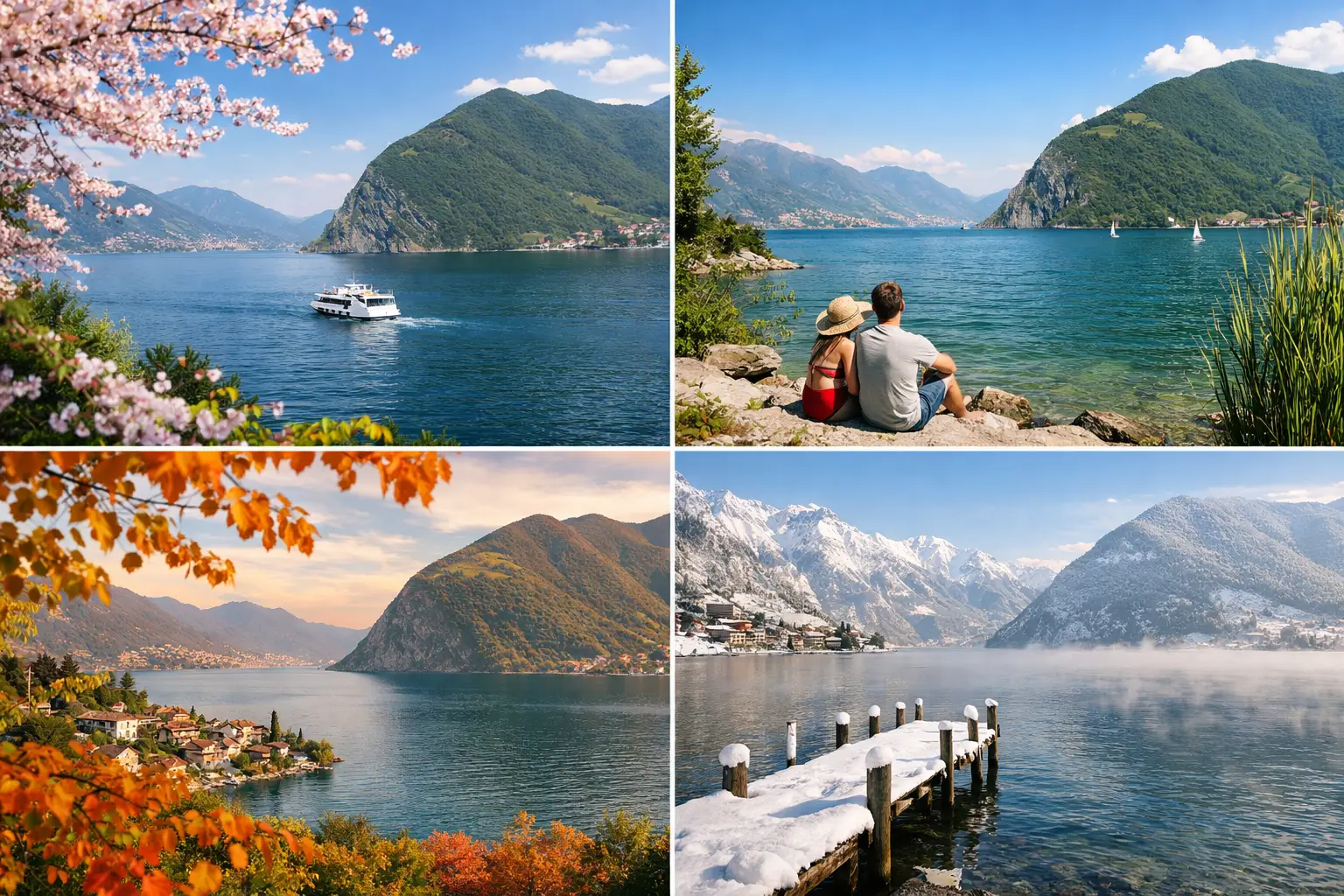
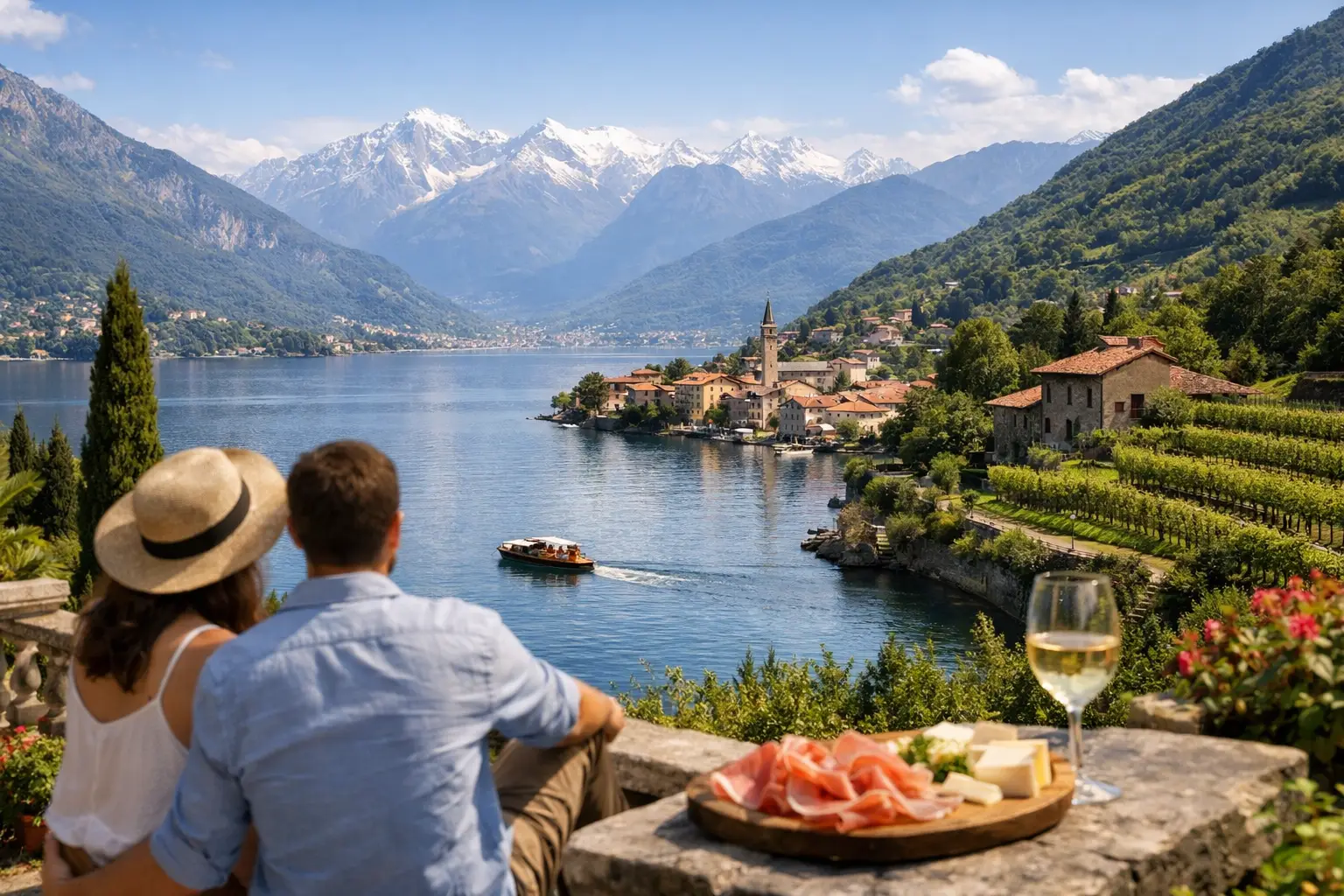
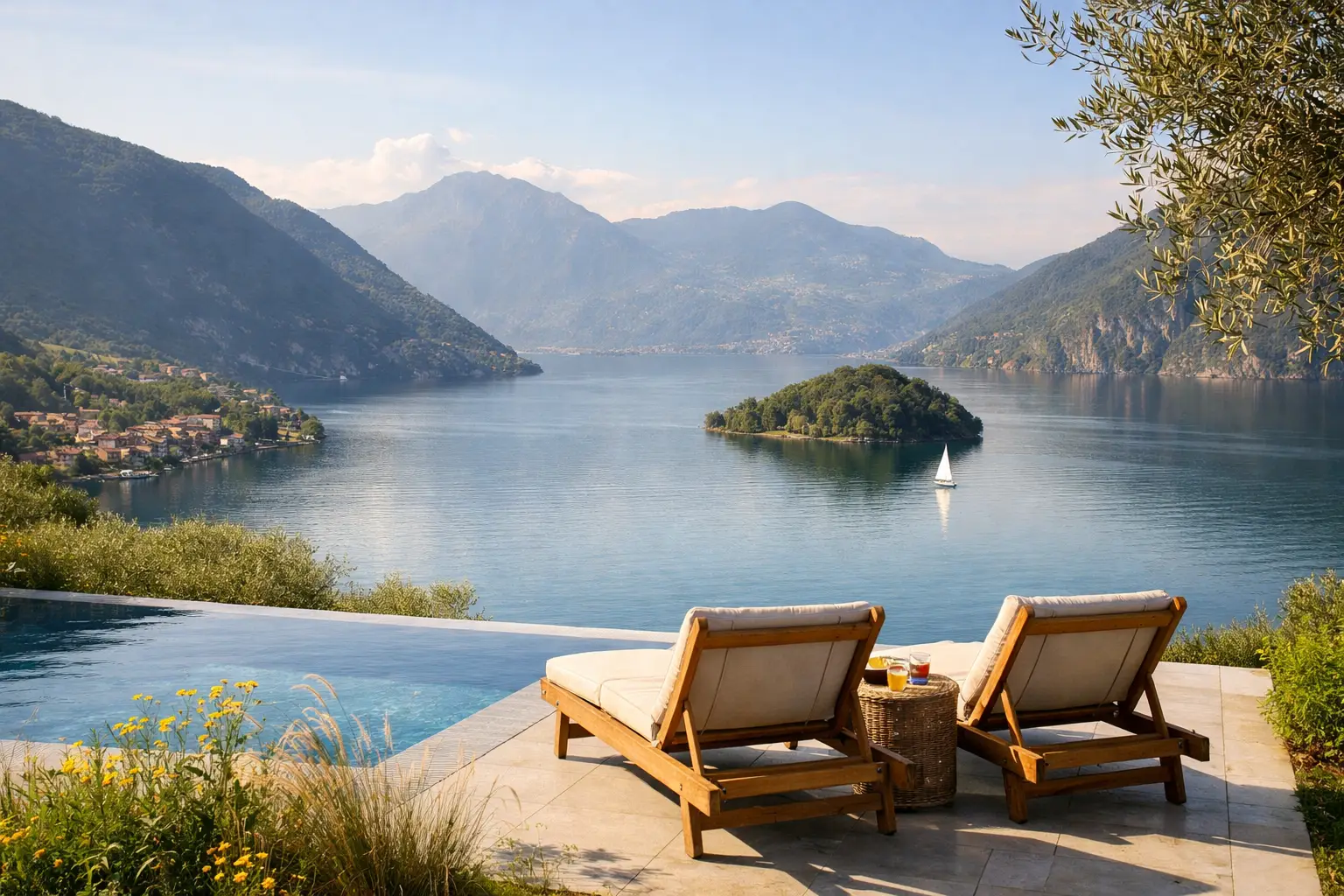
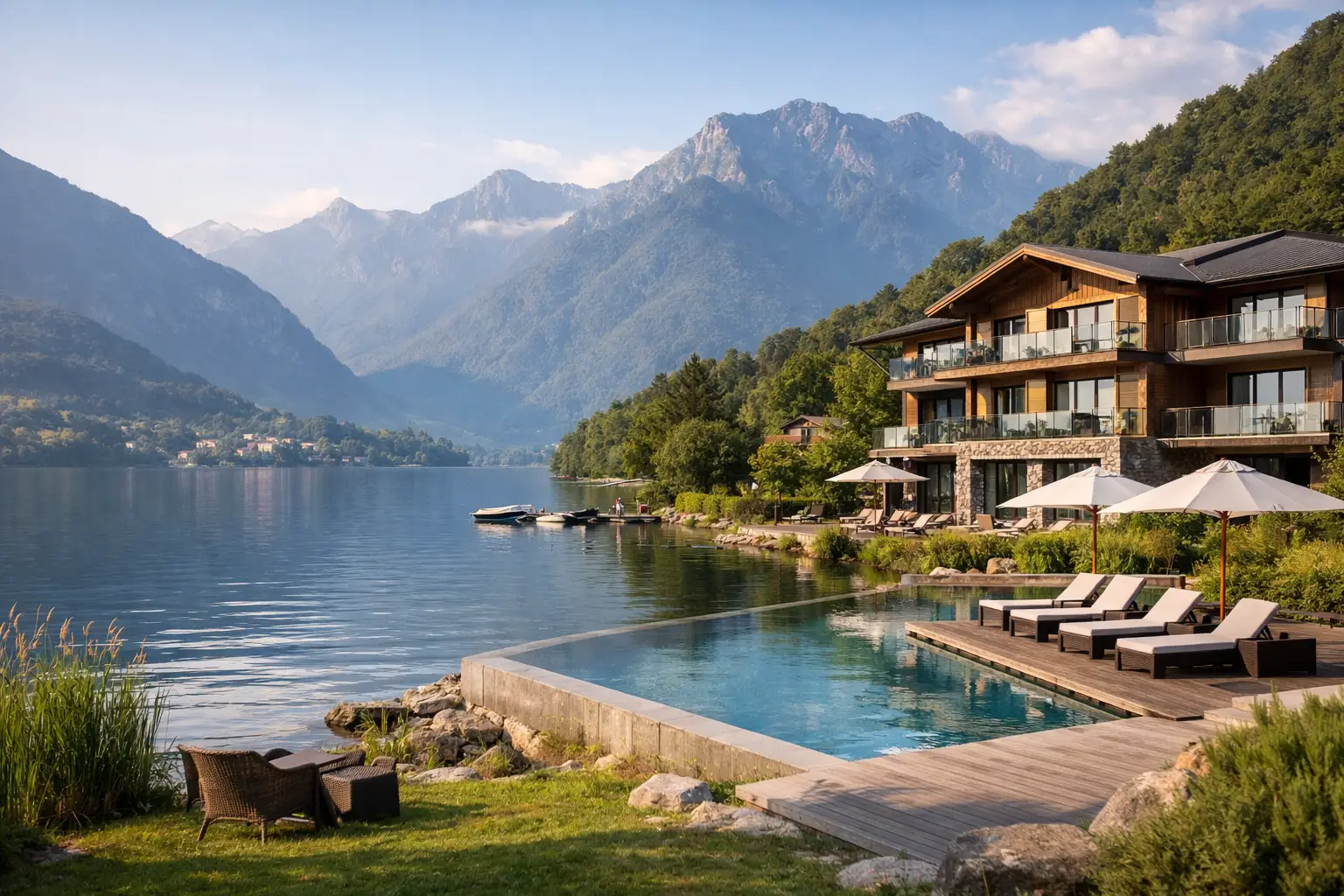
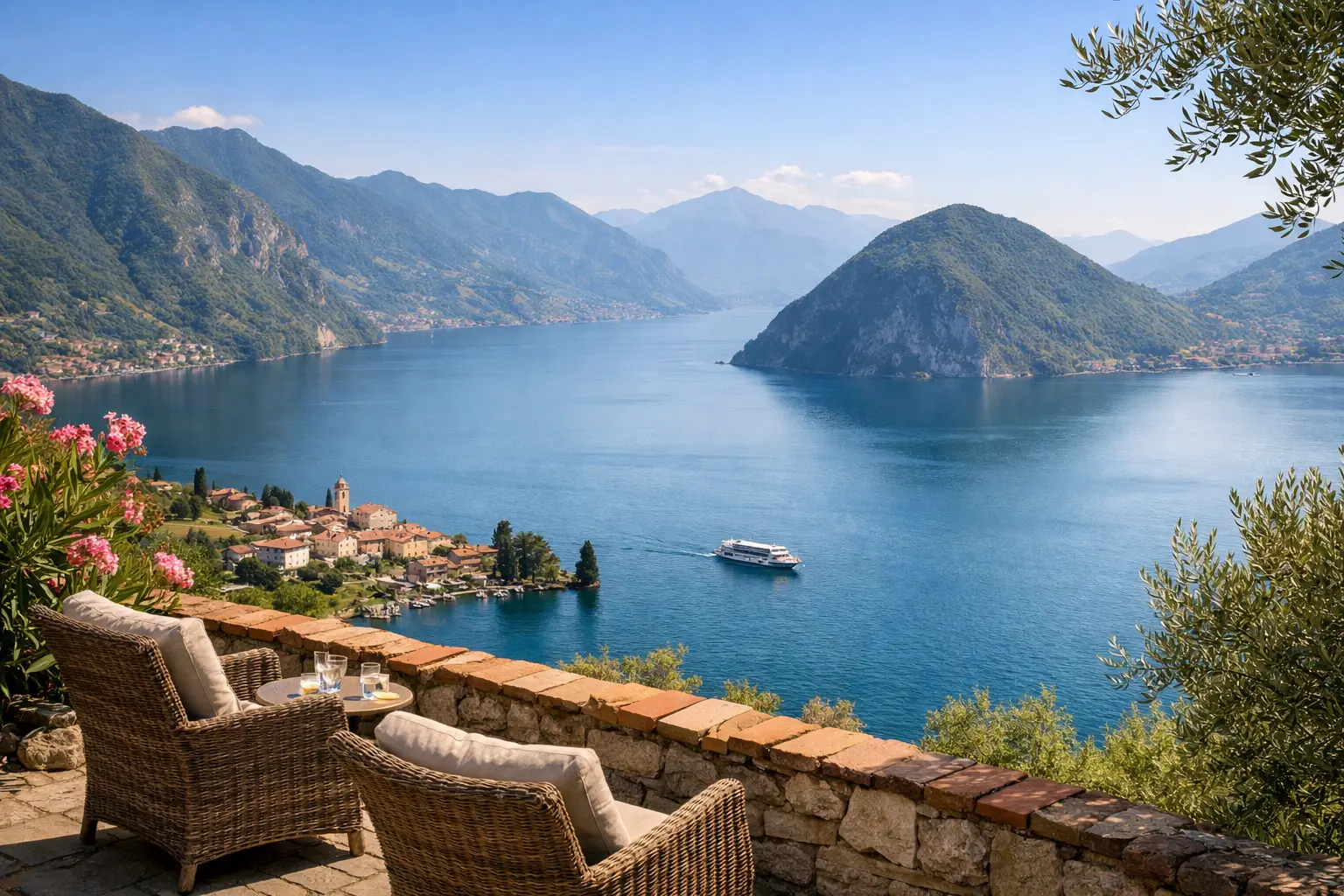
In Zone, the pleasure lies partly in not being rushed. The landscape invites you to slow down: to walk through fresh air, to notice the changing light over the hills, and to sit down to a meal that feels connected to the place. A stay organized around those qualities can be more rewarding than trying to fit every possible sight into one weekend.
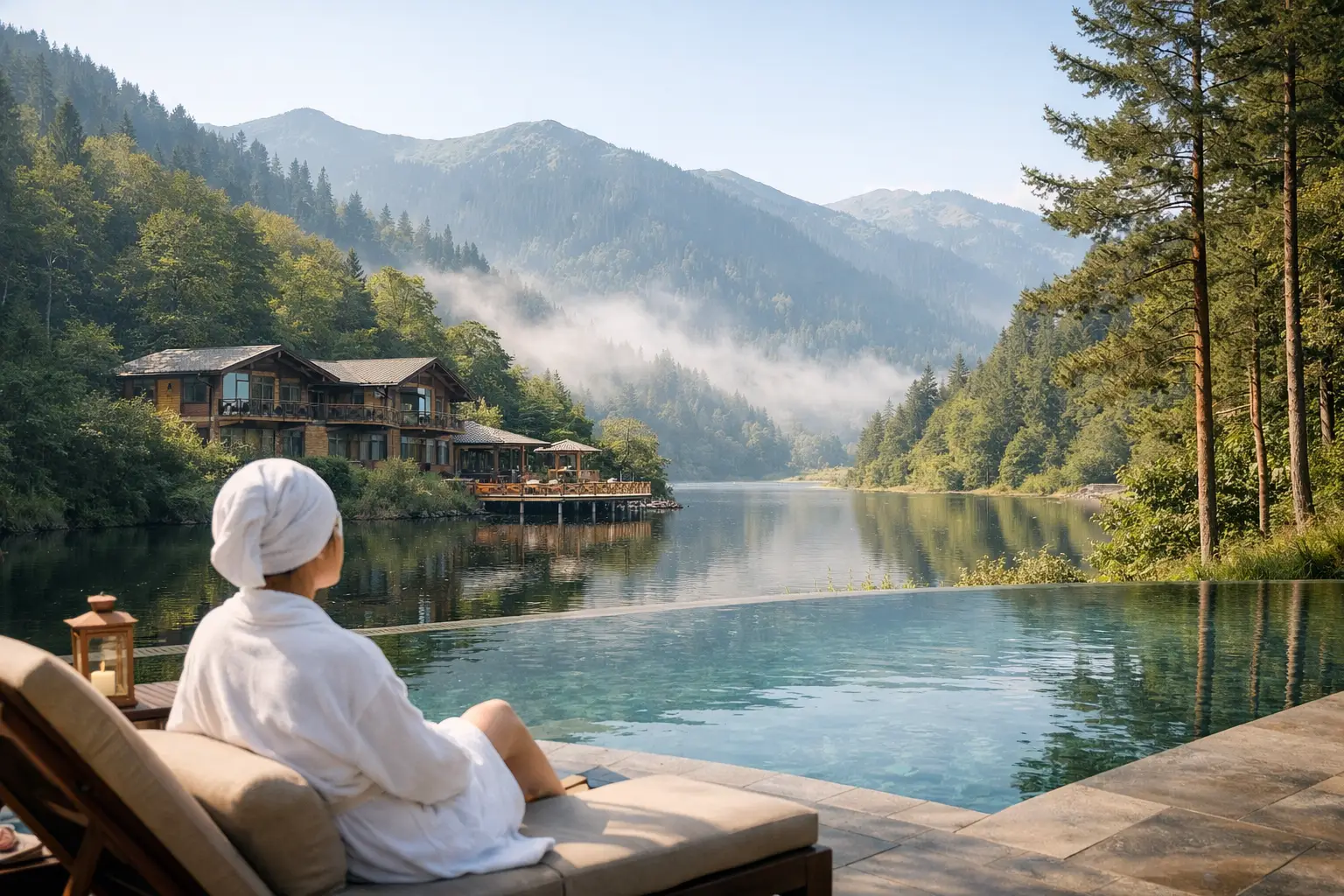
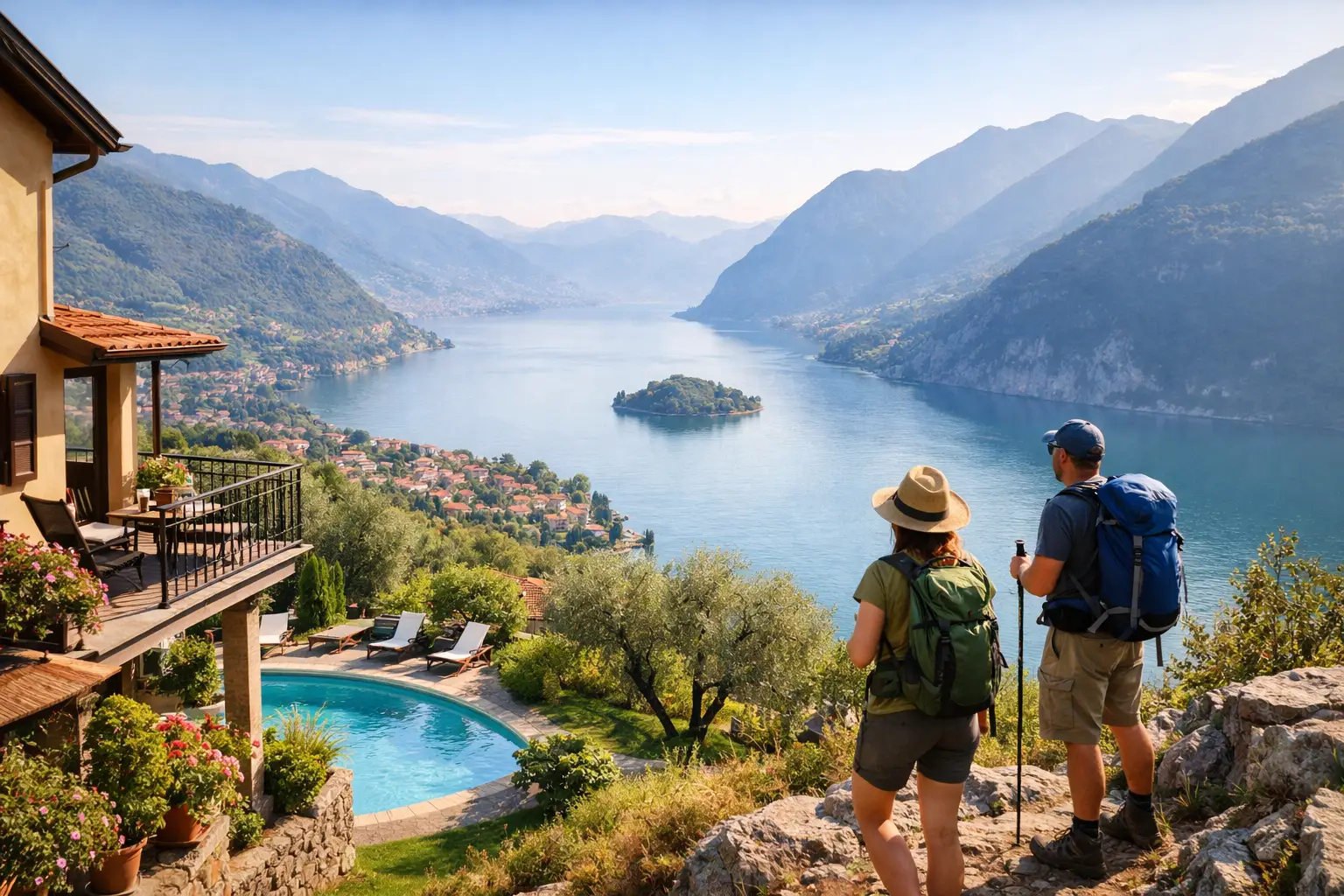
At Hotel Conca Verde, the setting naturally lends itself to this balance. Guests can enjoy the reassurance of a traditional welcome, local cuisine, and a restful room, while still having nature close at hand for a walk or excursion. It is less about following a rigid schedule and more about arriving with a gentle framework for the days ahead.
Questions to Ask Before You Book
The best choice usually becomes clear when you think about your travel style rather than the offer alone. Ask yourself how much time you have, whether the trip marks a special occasion, and how much energy you want to spend arranging details. Consider the people traveling with you, too. A couple may happily choose a last-minute dinner spot, while a family or small group may appreciate having a few key moments already organized.
It also helps to distinguish between freedom and uncertainty. A package should not make you feel confined. You can still take an unplanned walk, stop for gelato, or spend the afternoon reading with the window open. In the same way, self planning should not mean carrying every responsibility alone. A good hotel can offer local guidance even when your reservation is simply for a room.
If you are tempted by a package, read it as an invitation rather than a checklist. Look for the inclusions that genuinely matter to you. Dinner is valuable if you want a relaxed evening close to your room. A romantic extra is valuable if you are celebrating together. An excursion-focused stay is valuable if you would rather spend your energy walking than researching routes.
If you prefer to plan independently, choose accommodation that supports that choice with warmth and useful local knowledge. A personal recommendation for a scenic path, a quiet viewpoint, or the right time to visit a nearby village can be more valuable than another generic travel guide.
A Stay Should Leave Room to Breathe
The most memorable trips tend to hold both preparation and possibility. You may reserve the room and dinner in advance, then let the weather choose the walk. You may build your own itinerary, then accept a local suggestion that changes the day for the better. There is no prize for planning every minute, and no need to leave everything to chance.
Choose the option that gives you more of what you came for: time together, quieter mornings, good food, open views, and the reassuring feeling of being welcomed with genuine care. Then leave a little space in the schedule. Often, that is where the loveliest part of the journey begins.