
How to Book a Quiet Holiday Stay That Feels Restful
The difference between a pleasant trip and a genuinely restful one is often decided before you pack a bag. Learning how to book a quiet holiday stay means looking beyond beautiful photographs and attractive rates to ask a simpler question: will this place give you room to breathe? For some guests, that means waking to birdsong rather than traffic. For others, it means a slow dinner, a woodland walk, and no pressure to fill every hour.
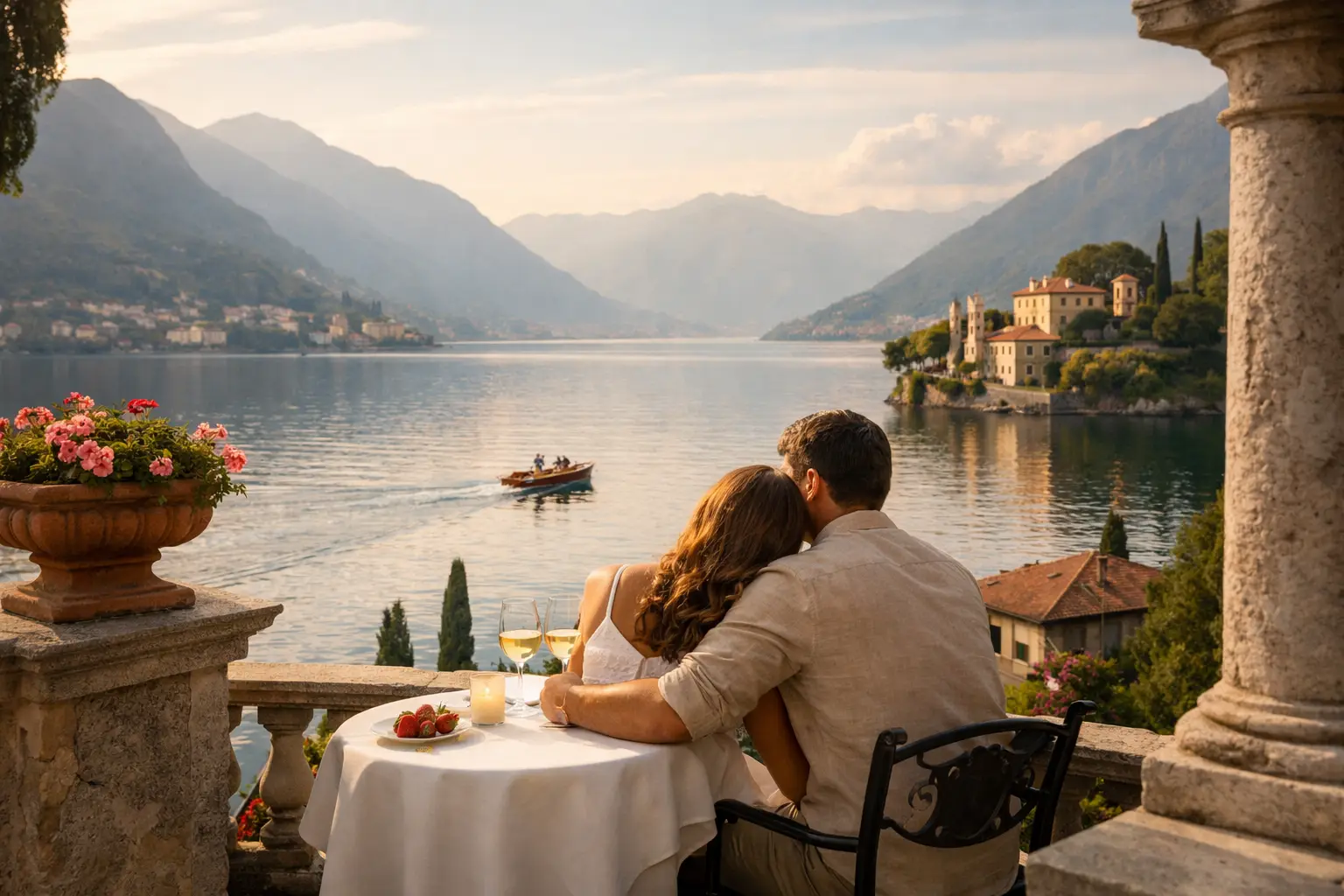
A quiet stay is not necessarily an isolated one. The most memorable retreats often offer warm conversation when you want it, thoughtful service when you need it, and the gentle freedom to spend the rest of the day at your own pace. Here is how to choose one with care.
Start with the setting, not the room
A peaceful room matters, but its surroundings matter first. A hotel can have thick curtains and comfortable beds, yet still sit beside a busy road, a nightlife district, or a crowded resort center. Before booking, look at where the property is located and what lies around it.
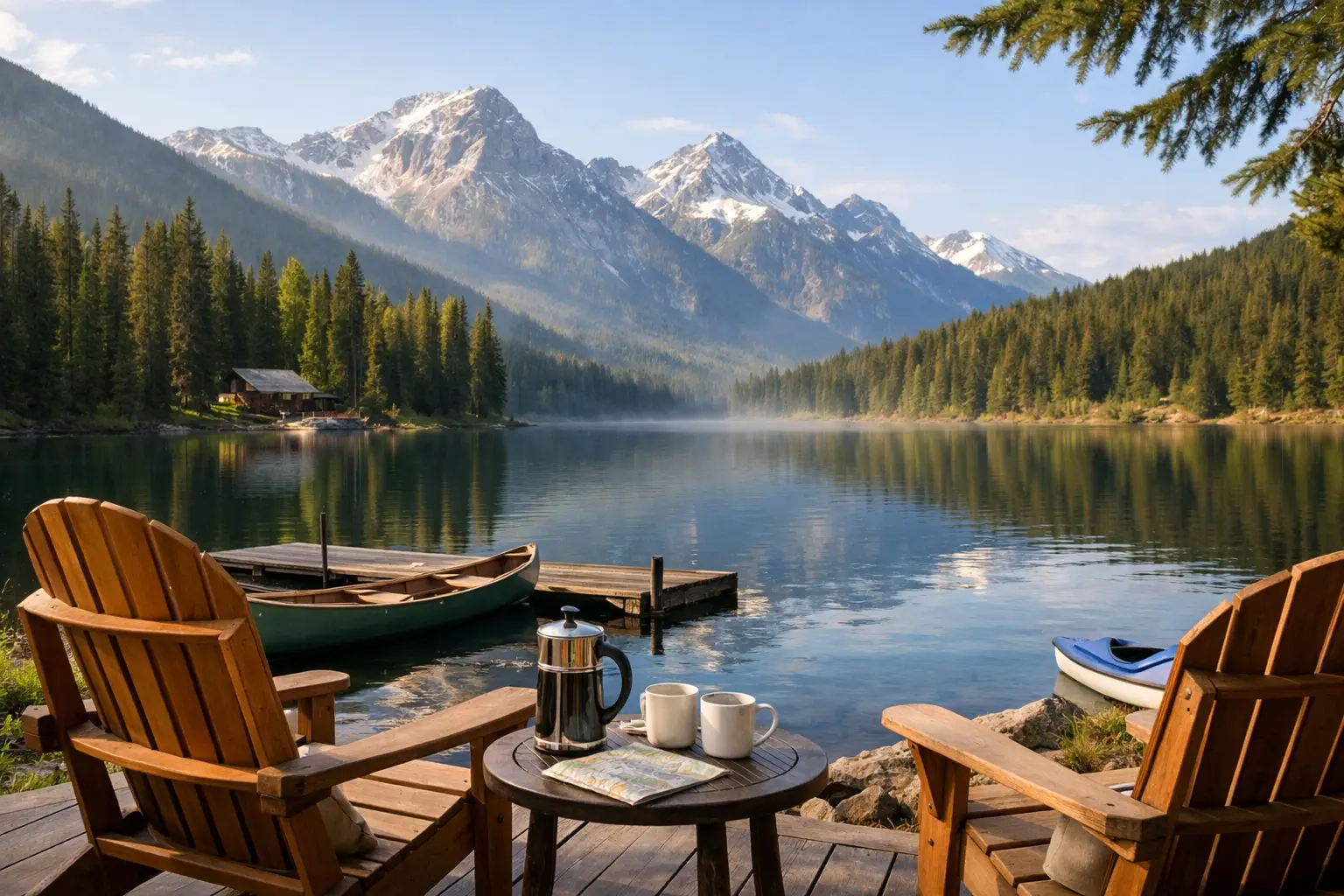
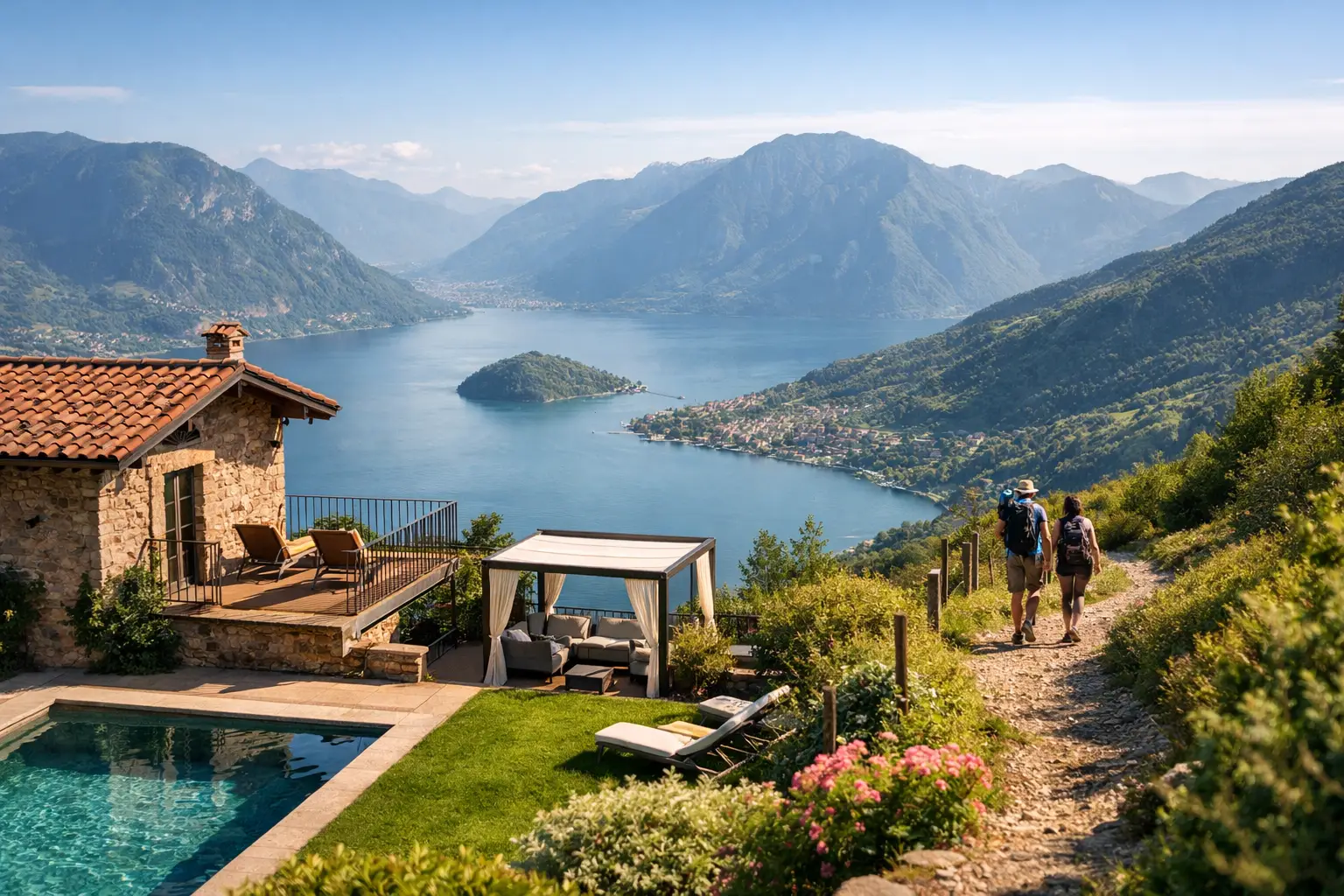
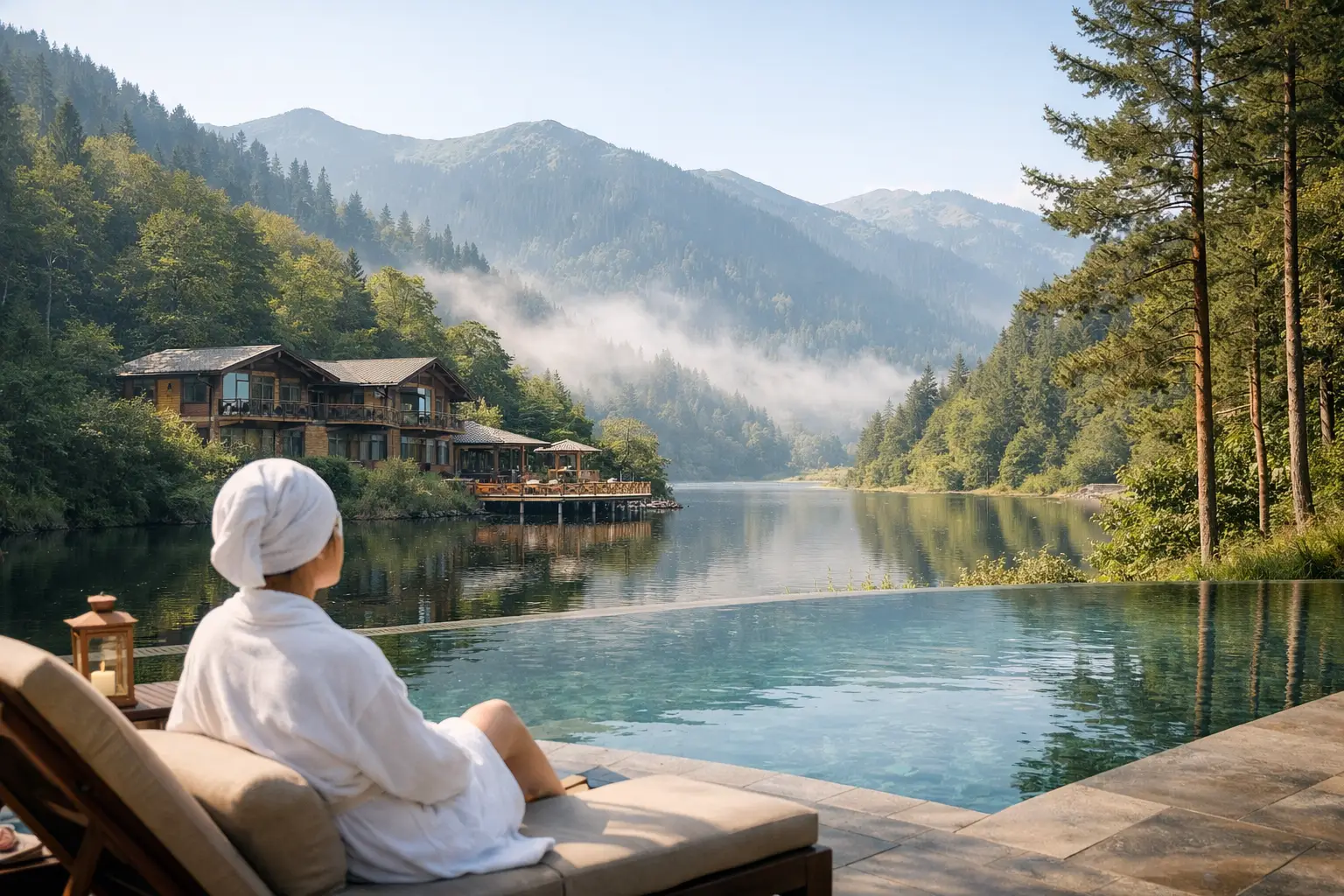
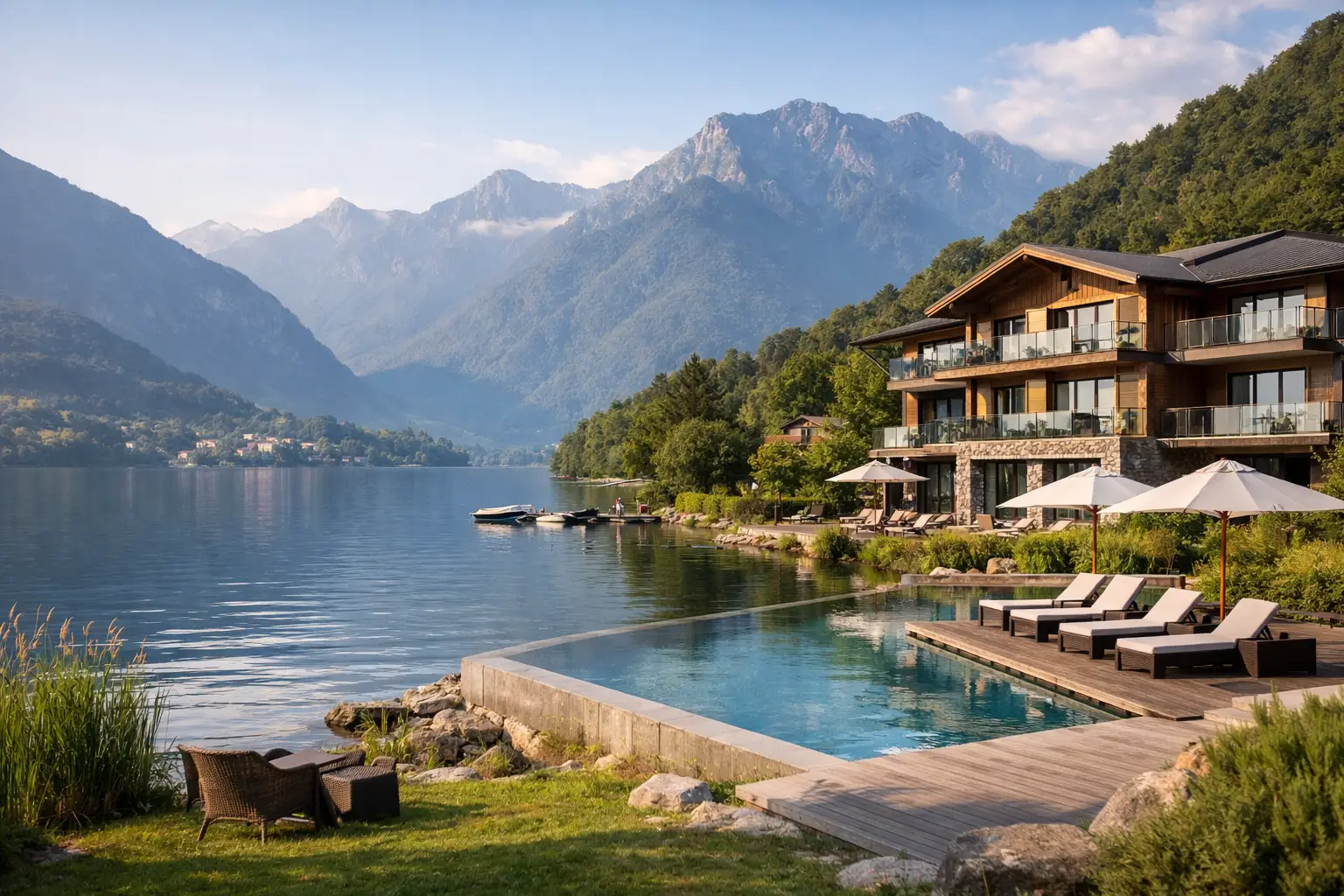
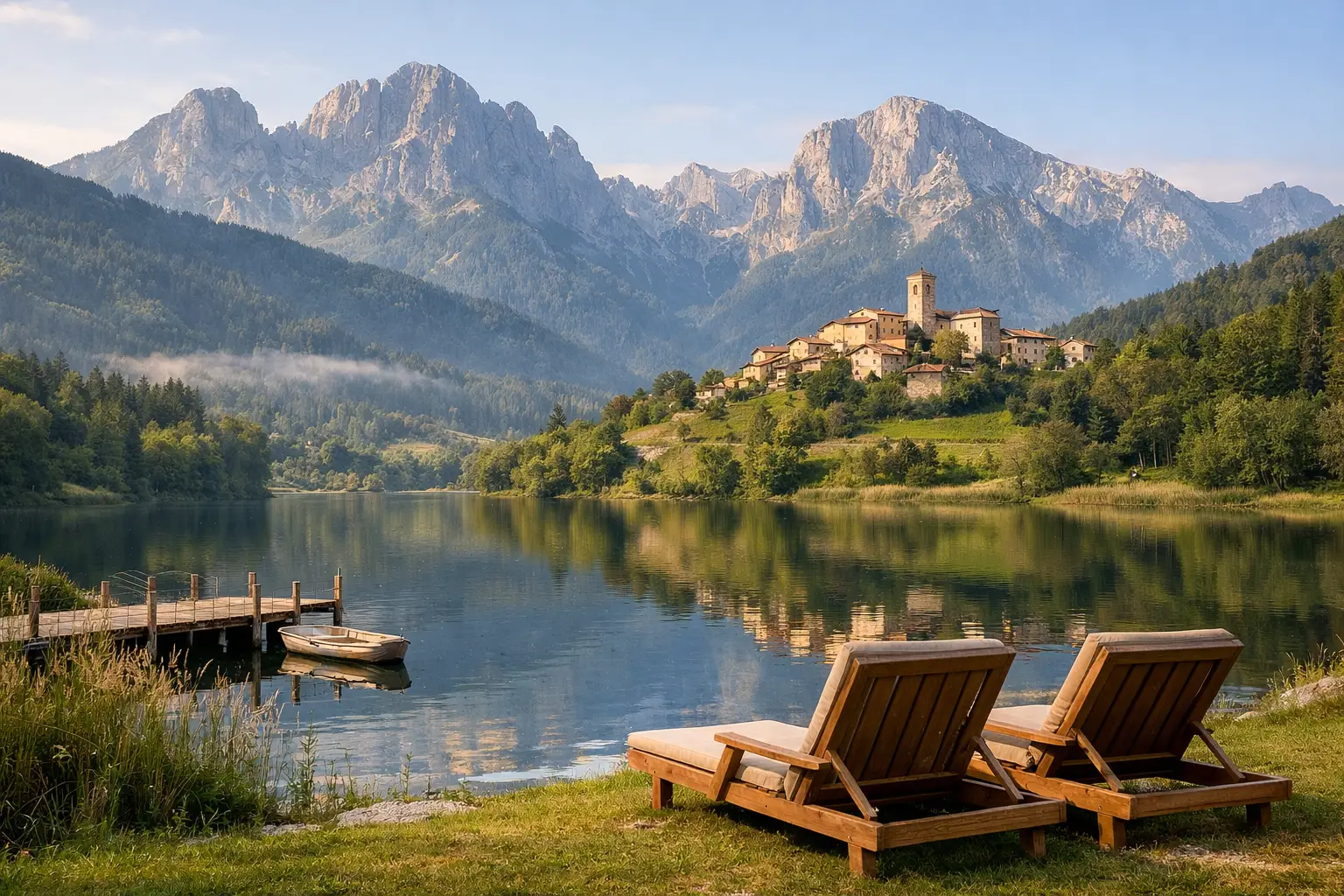
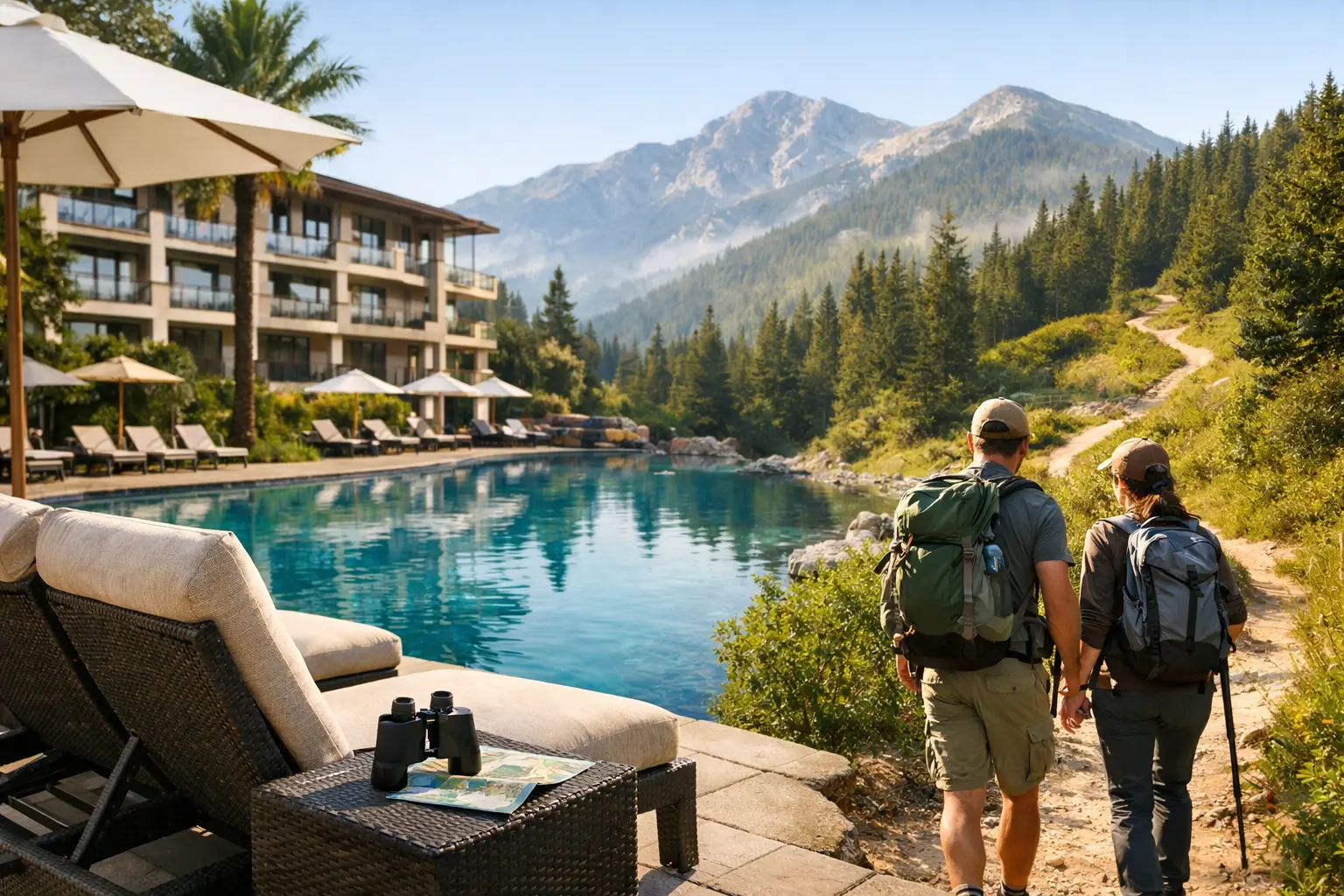
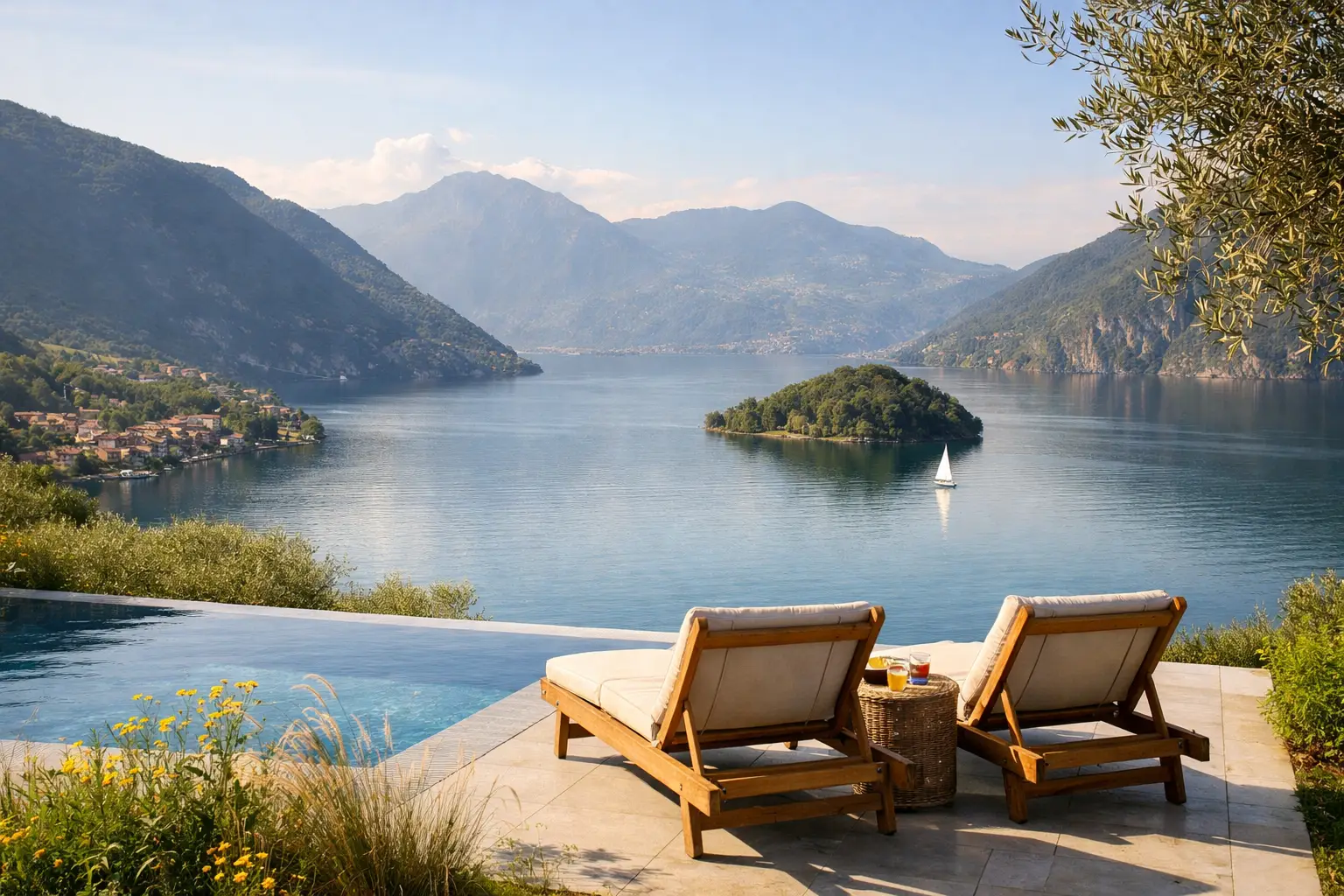
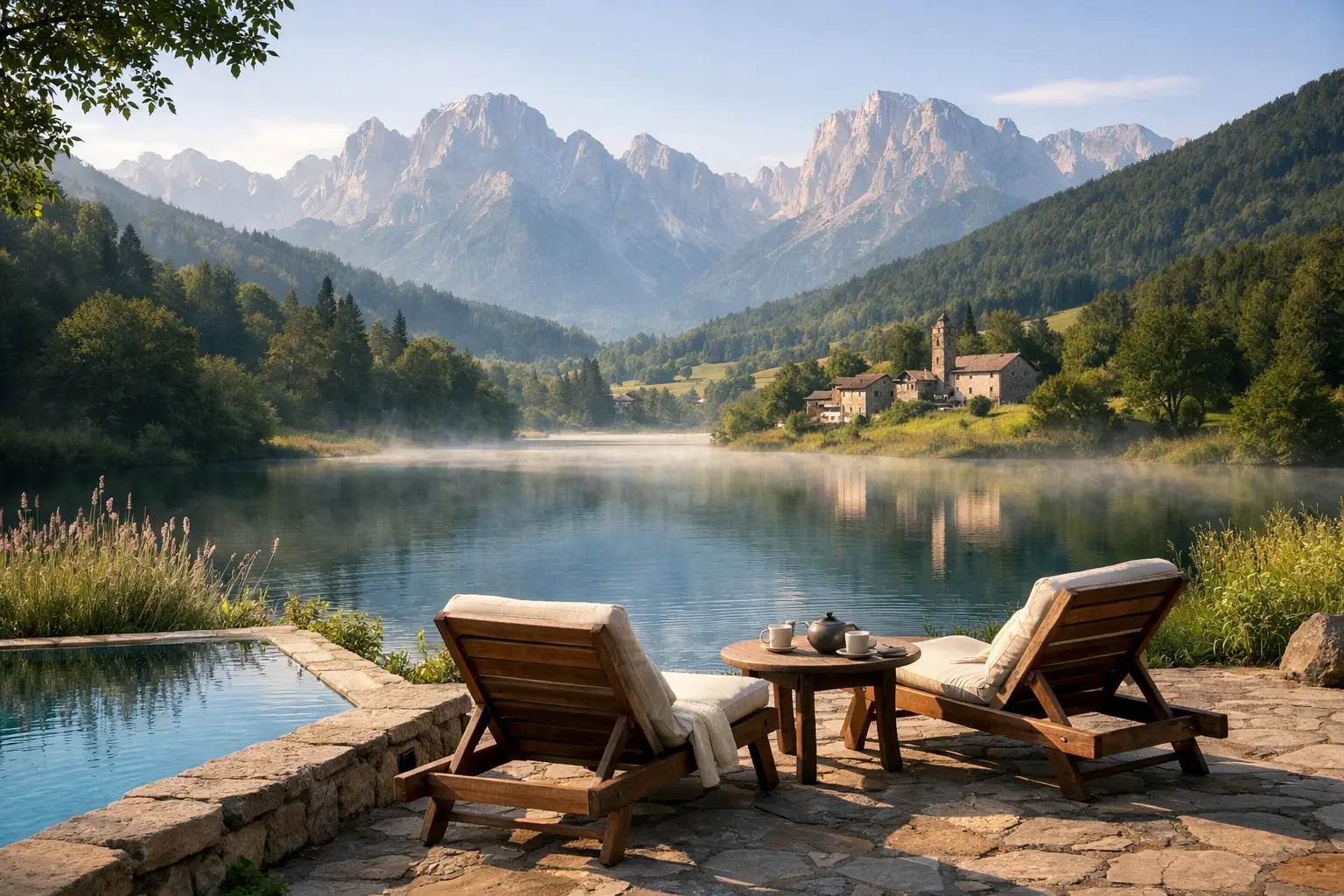
Mountain foothills, small villages, lakeside landscapes away from the main promenade, and protected natural areas often create the right conditions for calm. They also give your days a natural rhythm. You may begin with fresh air and a view, walk to a trail after breakfast, return for a long lunch, and watch evening settle over the hills without needing to drive anywhere else.
This does not mean choosing the most remote place possible. Complete isolation can be inconvenient, especially for families, mature travelers, or anyone who wants dining and easy access to local experiences. The sweet spot is a stay where nature feels close, while comfort and hospitality remain close too.
Read the location details with a traveler’s eye
Travel descriptions often use words such as “peaceful,” “quiet,” or “relaxing.” They can be true, but they are broad promises. Look for the details beneath them. Is the hotel in a village center, on a country road, beside a lake, or at the edge of the woods? Are hiking paths nearby? Does the area attract large tour groups or late-night visitors during your travel dates?
Guest reviews can help, particularly recent ones. Search for comments about noise, sleep quality, traffic, weddings, children’s activities, or restaurant hours. One comment should not decide your trip, but patterns are useful. If several guests describe restful nights, kind staff, and a peaceful atmosphere, that tells you more than a generic label ever could.
It also helps to consider the journey to the hotel. A quiet holiday should not begin with a stressful final stretch. Check parking, local roads, train connections, and whether the property can offer guidance on arrival. A little planning lets you arrive unhurried, which is often the first step toward feeling away.
Choose the right dates for your idea of quiet
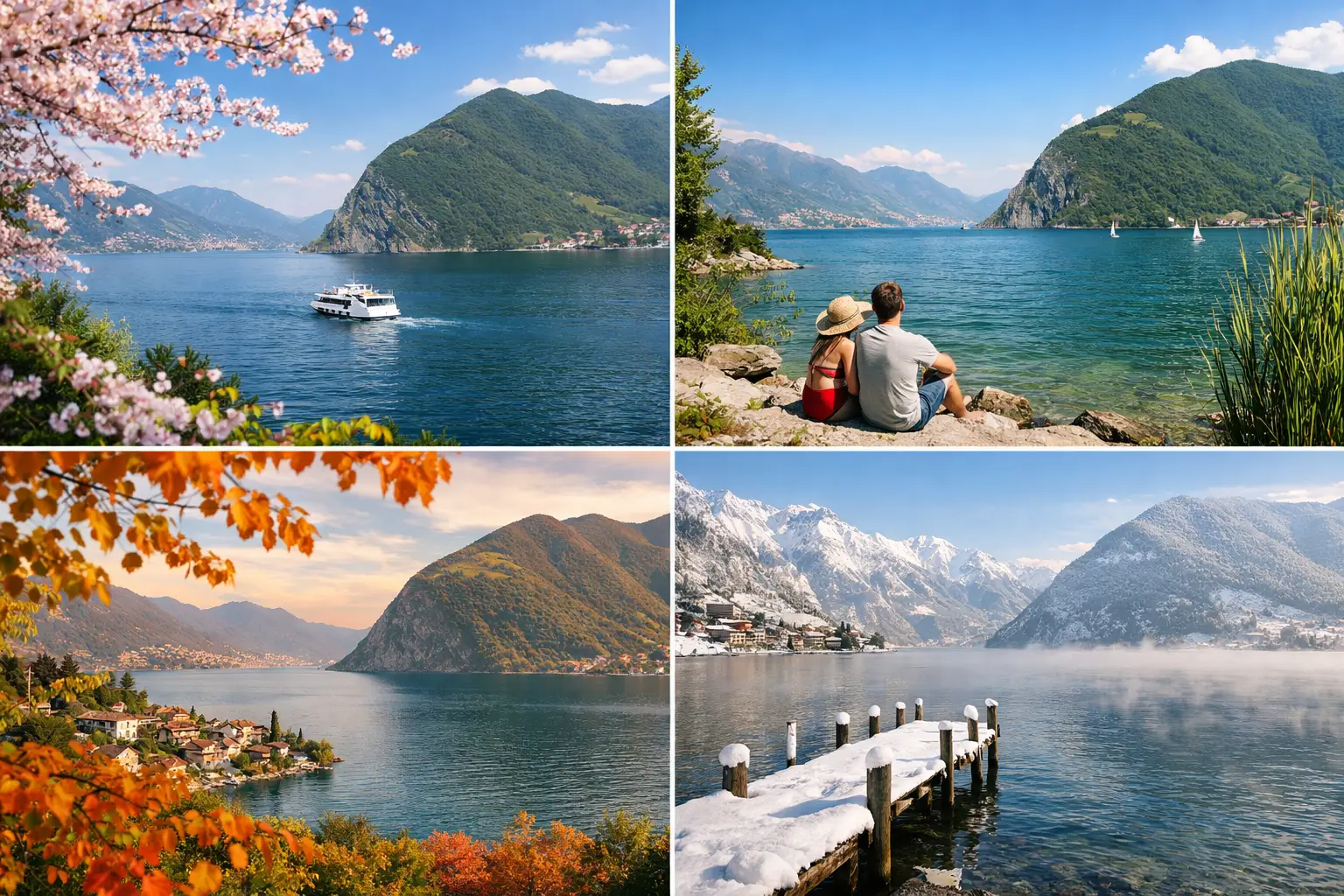
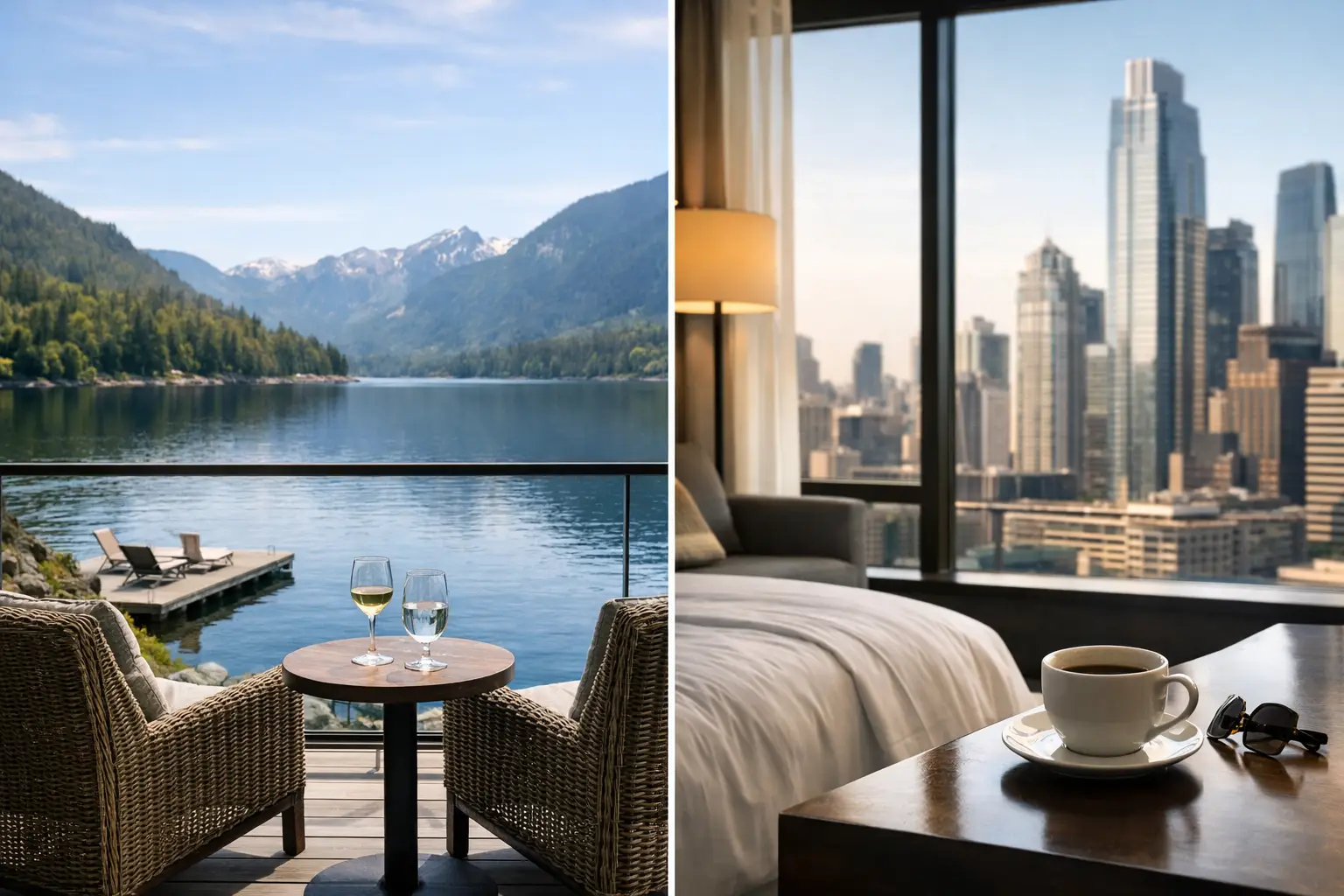
Season changes the character of every destination. A lakeside town in August may be lively and social, while the same place in late spring or early autumn feels wonderfully unhurried. Mountain areas can be peaceful during the week but busier on sunny weekends, school breaks, and public holidays.
If your priority is rest, consider traveling midweek or just outside peak season. You may find more room in the restaurant, quieter trails, and a more personal pace throughout the hotel. Prices can be more favorable too, although that should be a welcome benefit rather than the only reason to choose your dates.
There is a trade-off. Some seasonal attractions, boat schedules, and dining options may have reduced hours outside high season. For many travelers, that is part of the appeal. For others, particularly families traveling with young children, a livelier period with more activities may be the better fit. Quiet should support your holiday, not limit what you hoped to enjoy.
Ask what happens around your room
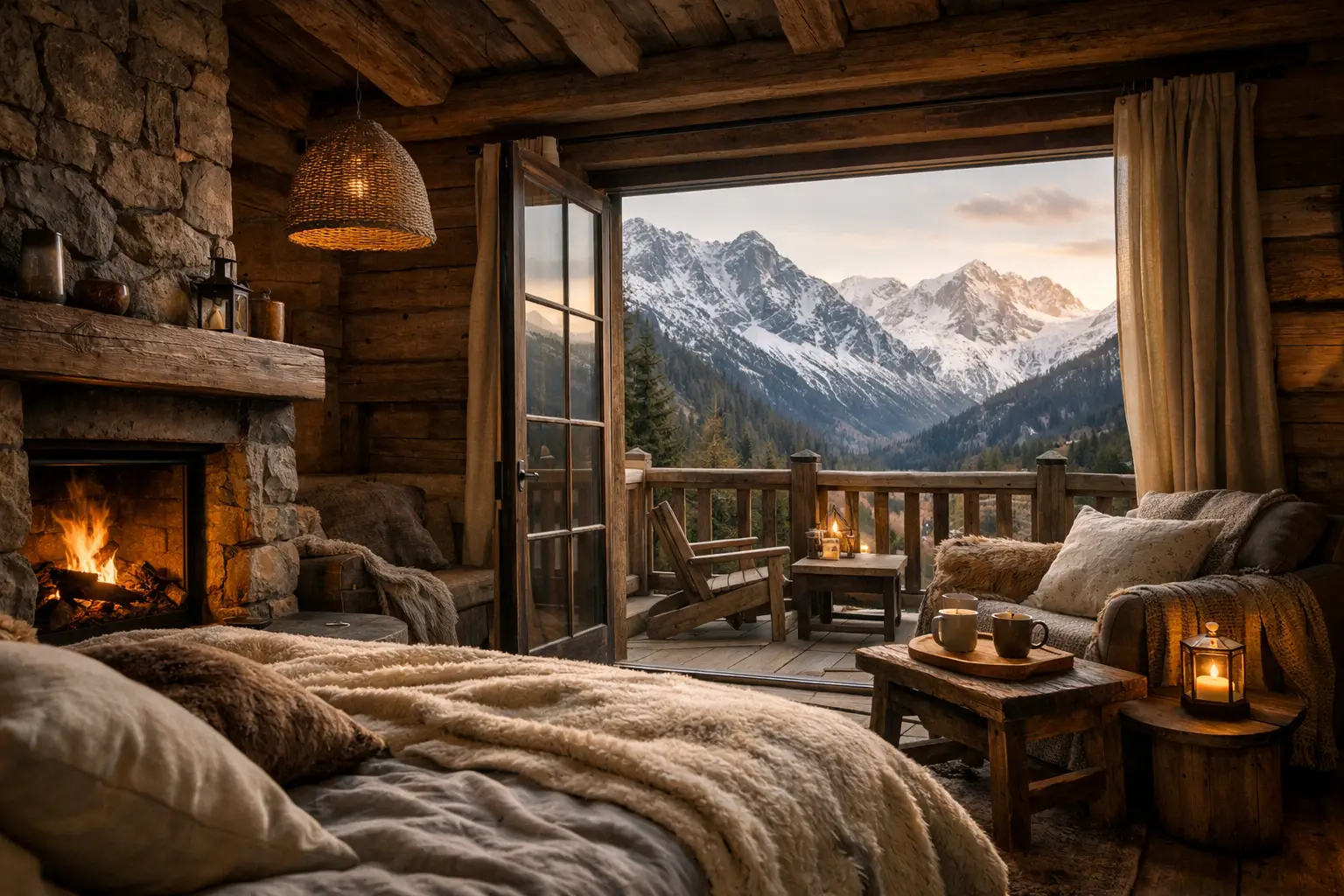
When deciding how to book a quiet holiday stay, room placement deserves more attention than room category alone. A lovely room near the entrance, elevator, restaurant terrace, or event space may feel very different from one facing a garden, a valley, or a quieter side of the building.
It is entirely reasonable to make a polite request when booking. Ask whether a room away from communal areas is available, or whether there is a quieter view or floor. A family-run hotel will often know the personality of each room and can guide you toward the most suitable choice. They may also tell you honestly if a particular weekend includes a celebration or group gathering.
Be specific without making a long list of demands. Say whether you are light sleepers, traveling for an anniversary, hoping to read and rest, or bringing a baby who needs a calm routine. Good hosts appreciate this context because it helps them welcome you well.
Look for hospitality that feels personal, not busy
Quiet is not only an absence of sound. It is the feeling that you do not have to manage every detail yourself. A smaller property with an attentive team can offer this kind of ease: a table reserved at the right time, a recommendation for a gentle walk, or a warm welcome after a rainy afternoon outdoors.
Consider the scale and style of the hotel. Large resorts can be excellent for families who want many facilities in one place, but they often come with fuller common areas, scheduled entertainment, and a faster pace. A smaller hotel may have fewer amenities, yet offer more of what a restorative trip needs: familiar faces, unhurried meals, and a sense that someone remembers how you take your coffee.
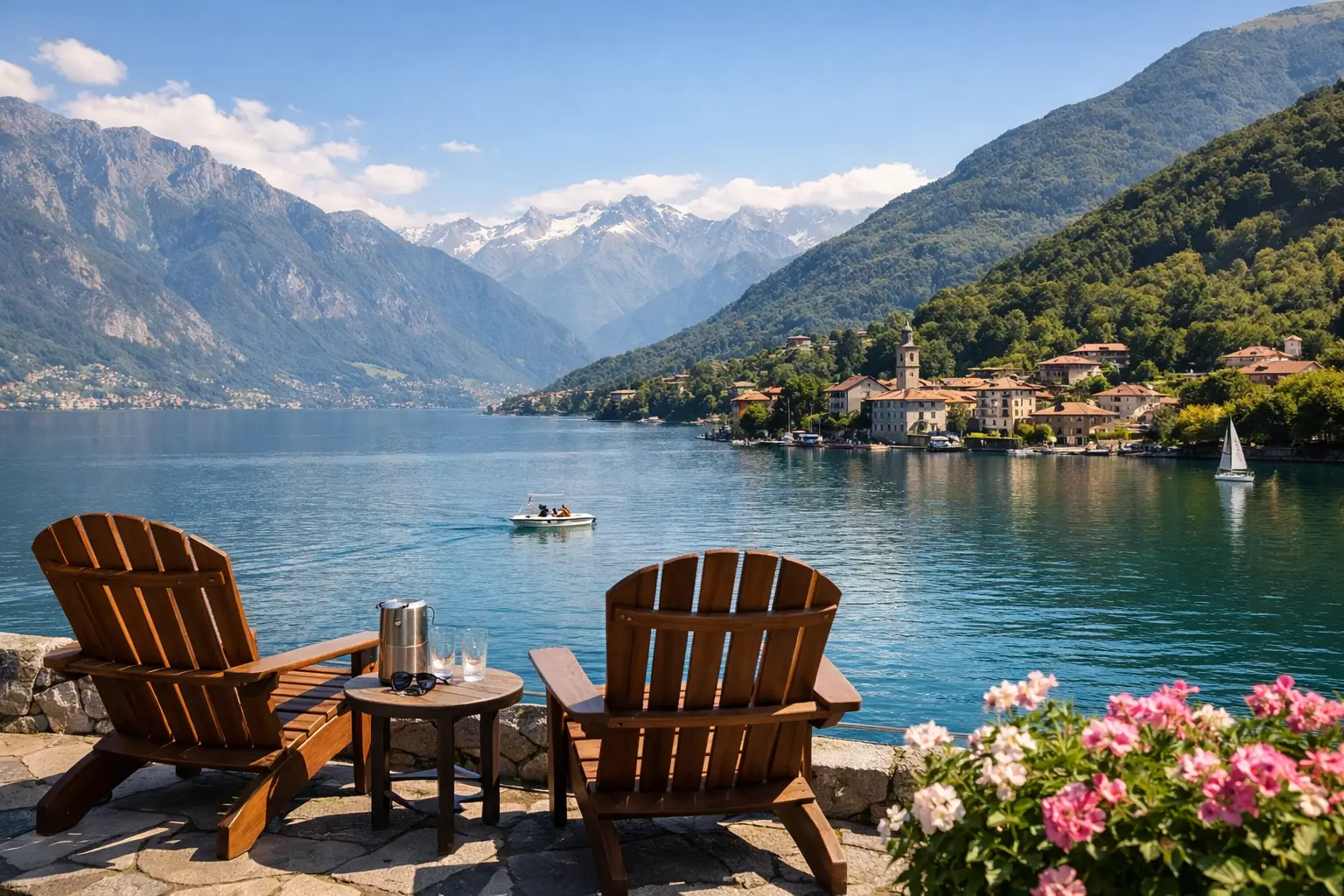
At Hotel Conca Verde, in the small mountain village of Zone near Lake Iseo, the experience is shaped by this quieter rhythm. Nature, traditional cooking, and family hospitality sit together naturally, giving guests a base for days that can be active or wonderfully still.
Let food be part of the rest
A peaceful stay becomes less peaceful when every meal requires researching, reserving, and traveling somewhere new. Choosing a hotel with a good on-site restaurant can make a remarkable difference, especially after a day of hiking or exploring nearby villages.
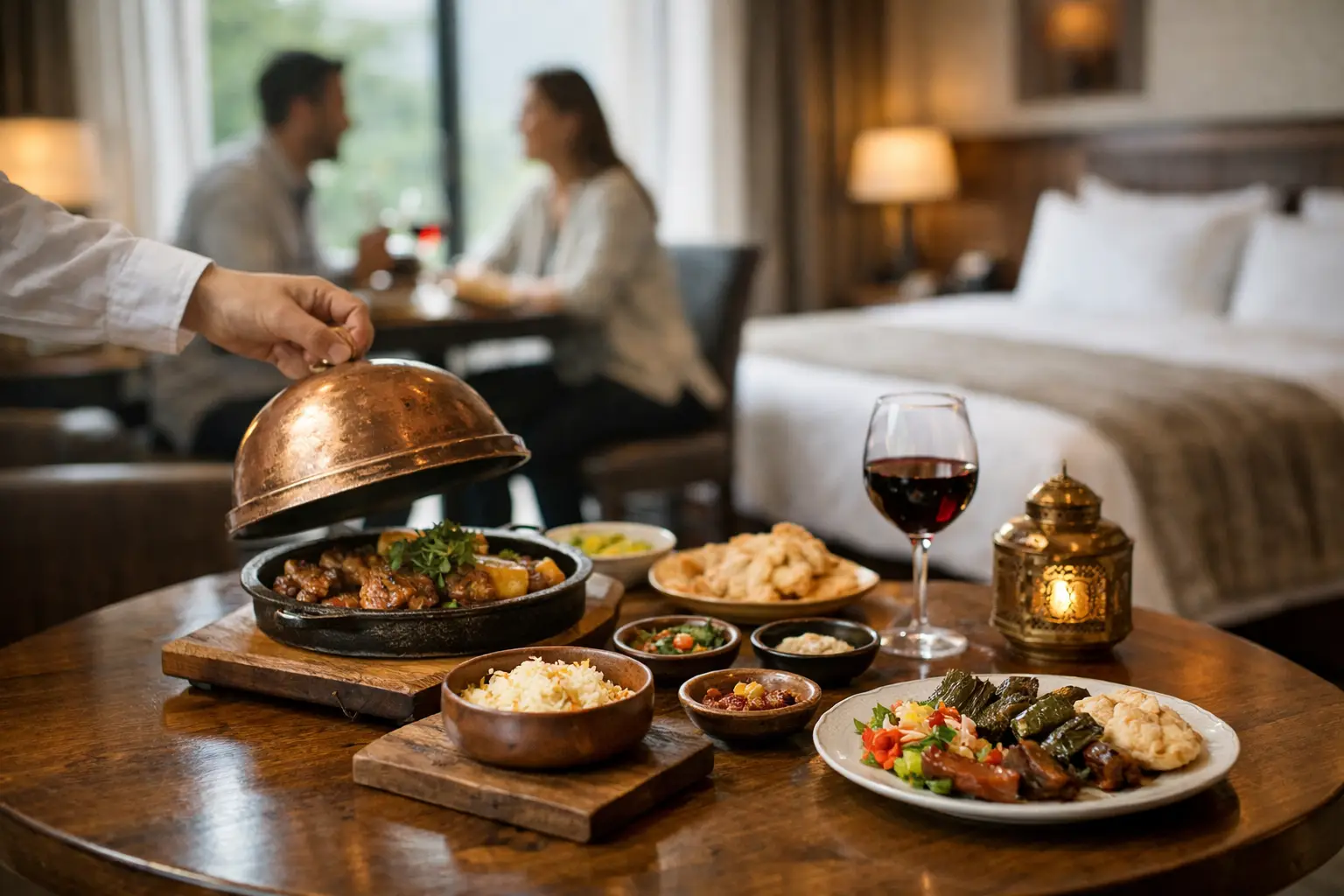
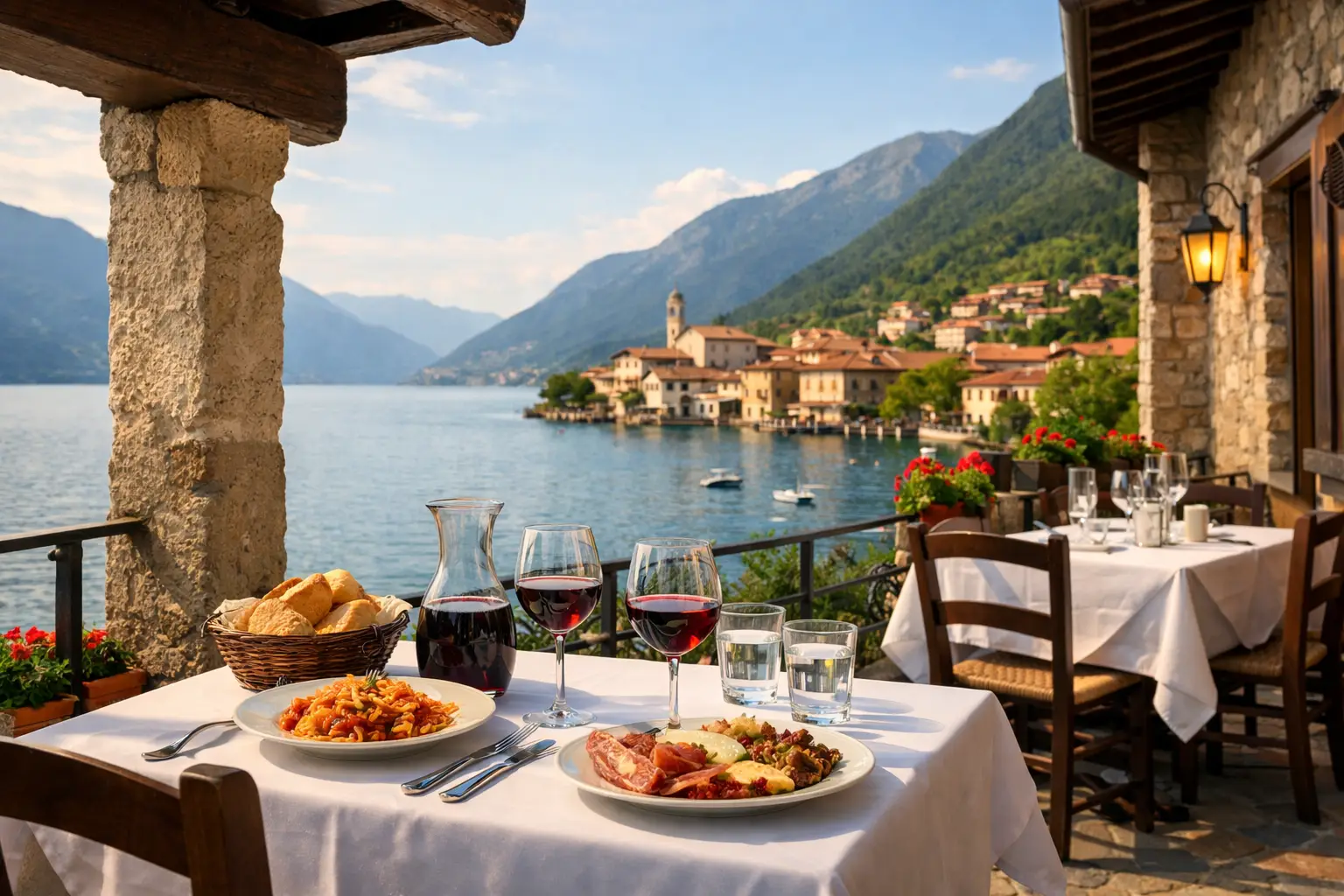
Look for a menu that reflects the place you are visiting. Regional dishes, seasonal ingredients, and a dining room with a relaxed atmosphere bring a destination closer without adding another item to the itinerary. A hotel restaurant should not make you feel rushed through dinner. It should invite you to linger over a local wine, share a dessert, and return to your room with nothing left to organize.
If you have dietary needs, ask in advance. Clear communication is kinder to both you and the kitchen, and it helps ensure mealtimes remain a pleasure rather than a worry.
Plan less, but plan the right things
A quiet holiday does not need an empty calendar. It needs a calendar with space in it. Choose one or two experiences that matter to you, then leave room for weather, appetite, and the unexpected pleasure of doing very little.
For a nature-focused escape, that might mean identifying an easy trail, a scenic viewpoint, and one local town to visit. Couples may prefer a late breakfast, a lakeside afternoon, and a special dinner. Families can balance a short outdoor adventure with time to rest at the hotel rather than trying to see a new attraction every day.
Avoid booking every restaurant, tour, and transfer before you arrive unless your dates are exceptionally busy. Overplanning can turn a peaceful destination into a timetable. Ask the hotel staff what is especially lovely at a slower pace. Their advice is often more useful than a crowded list of “must-see” stops.
Give yourself permission to stay put
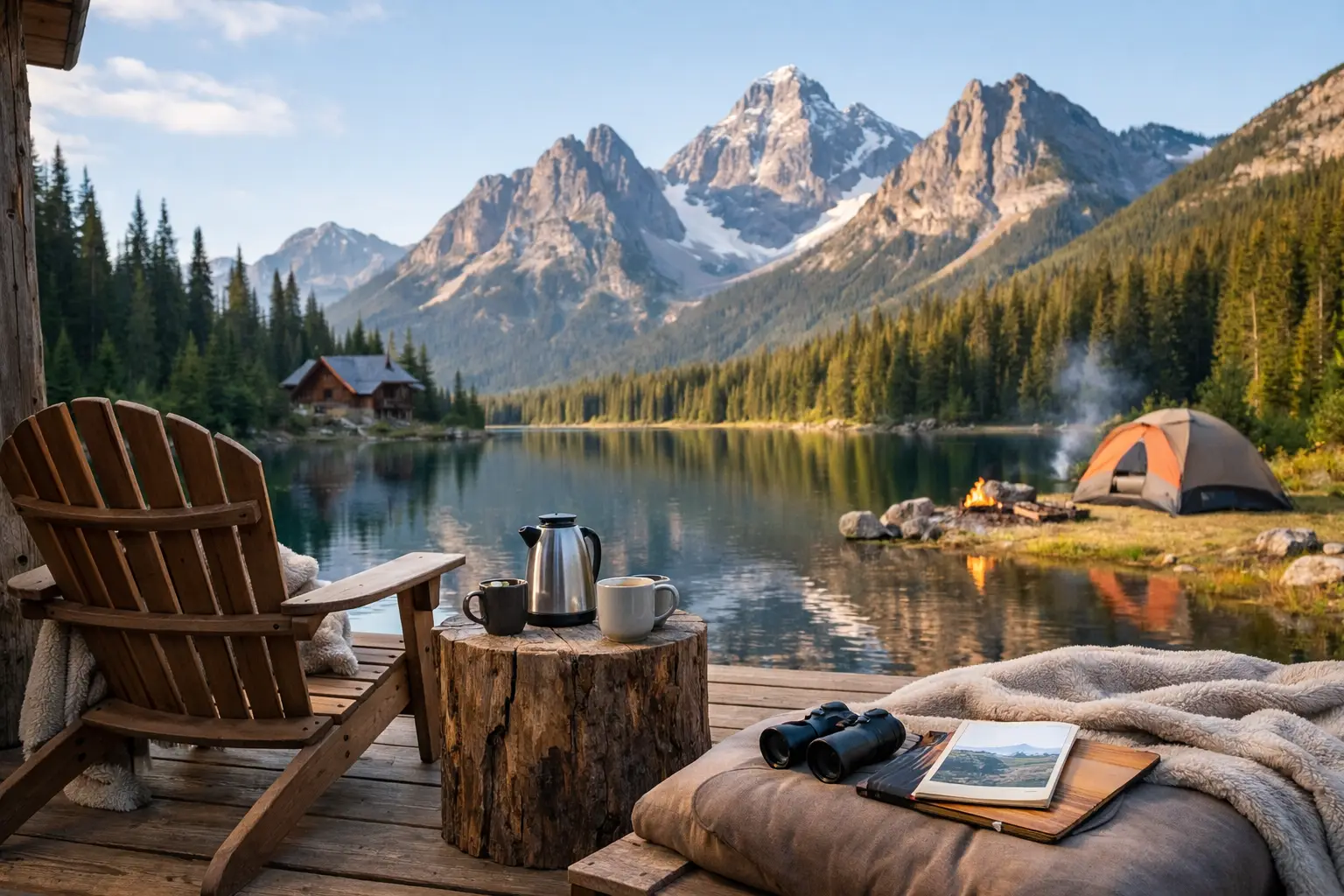
Many travelers feel they must leave the hotel each morning to make the trip worthwhile. But when you have chosen the right place, staying close can be the point. Read on a terrace, enjoy a long lunch, take a short walk instead of a major hike, or simply watch the light change across the landscape.
A quiet holiday is not measured by how much you cover. It is measured by what remains with you after you return home: deeper sleep, easier conversation, the taste of a meal made with care, and the welcome feeling of having been not at home, but with family. Book for that feeling, then allow yourself the time to receive it.