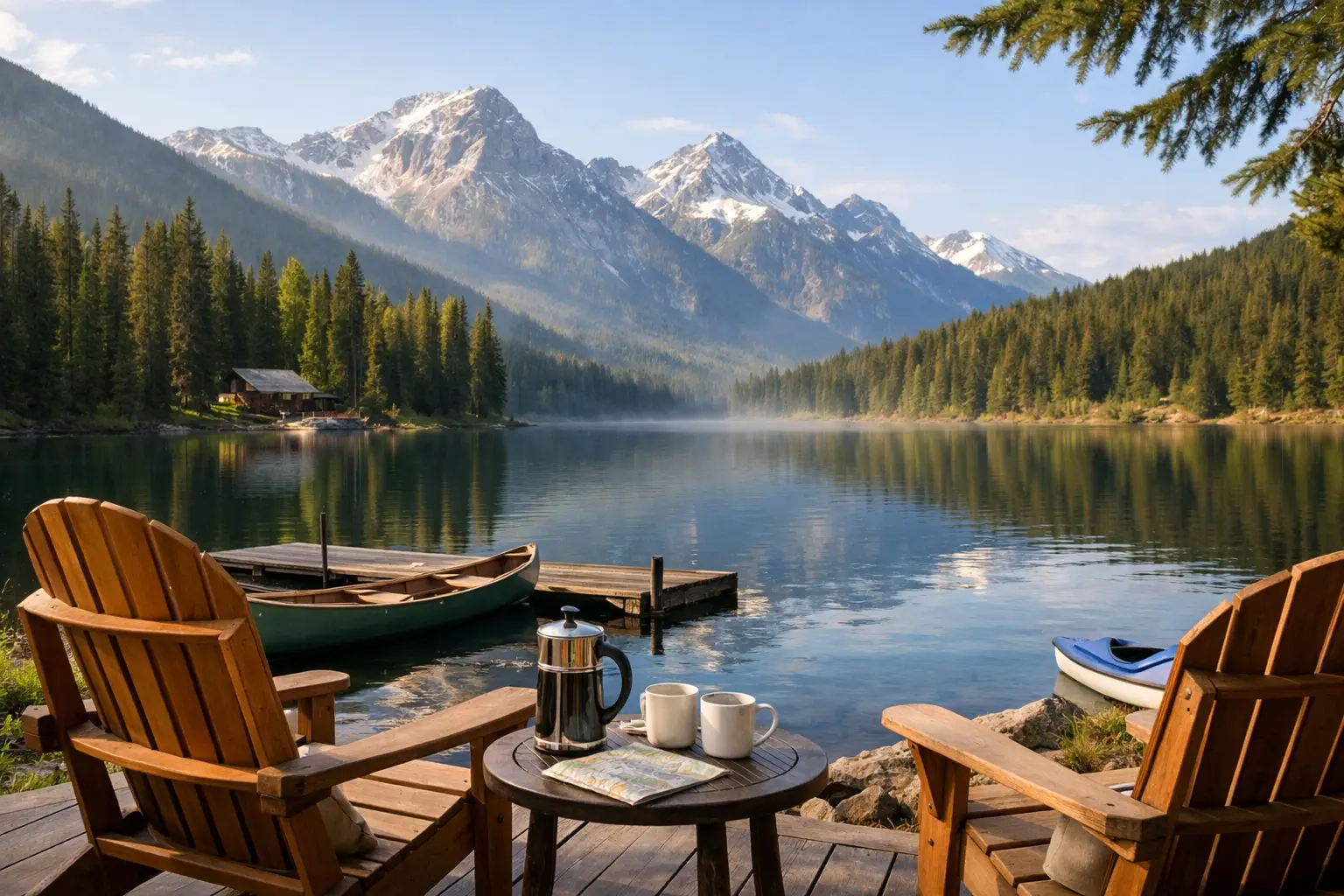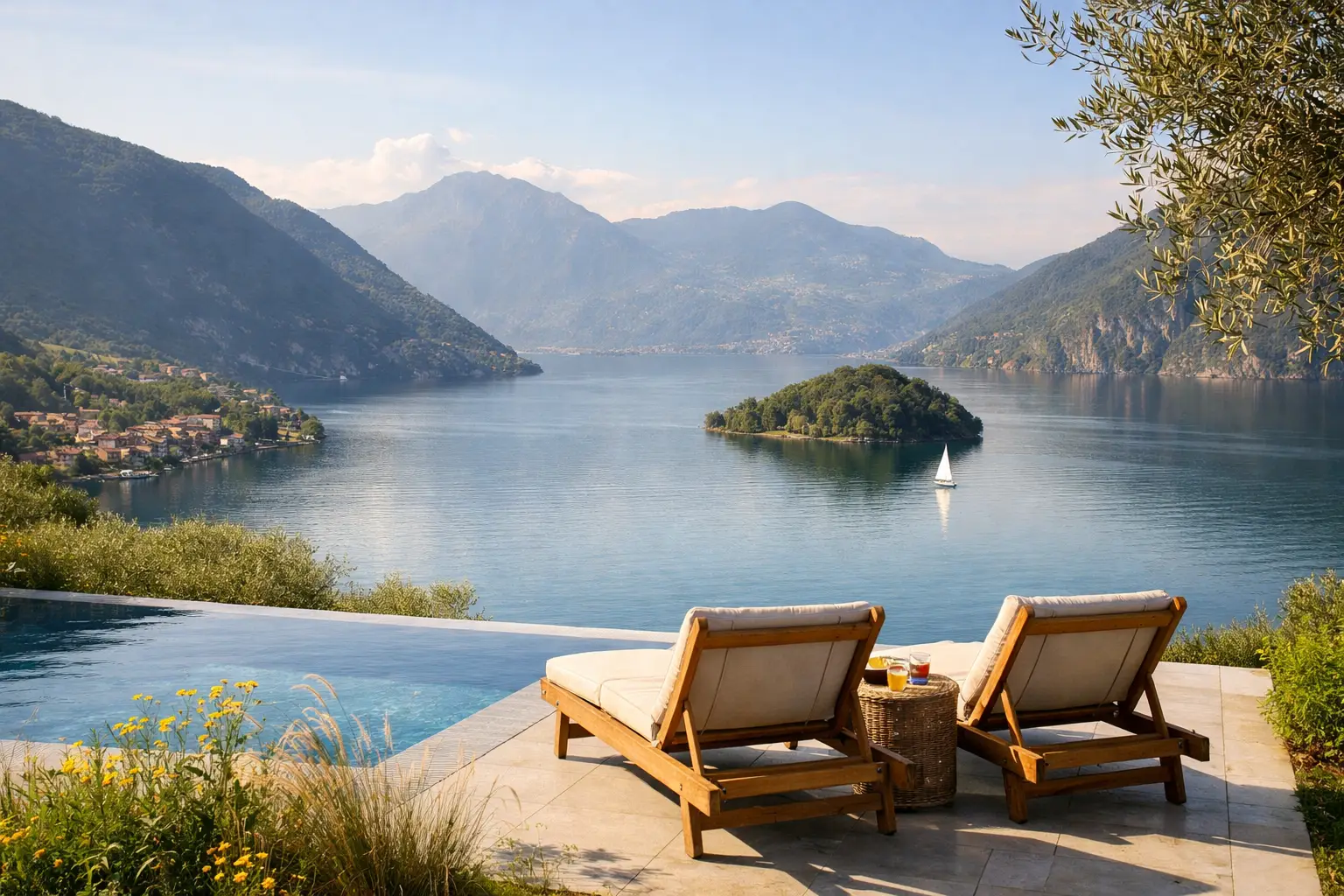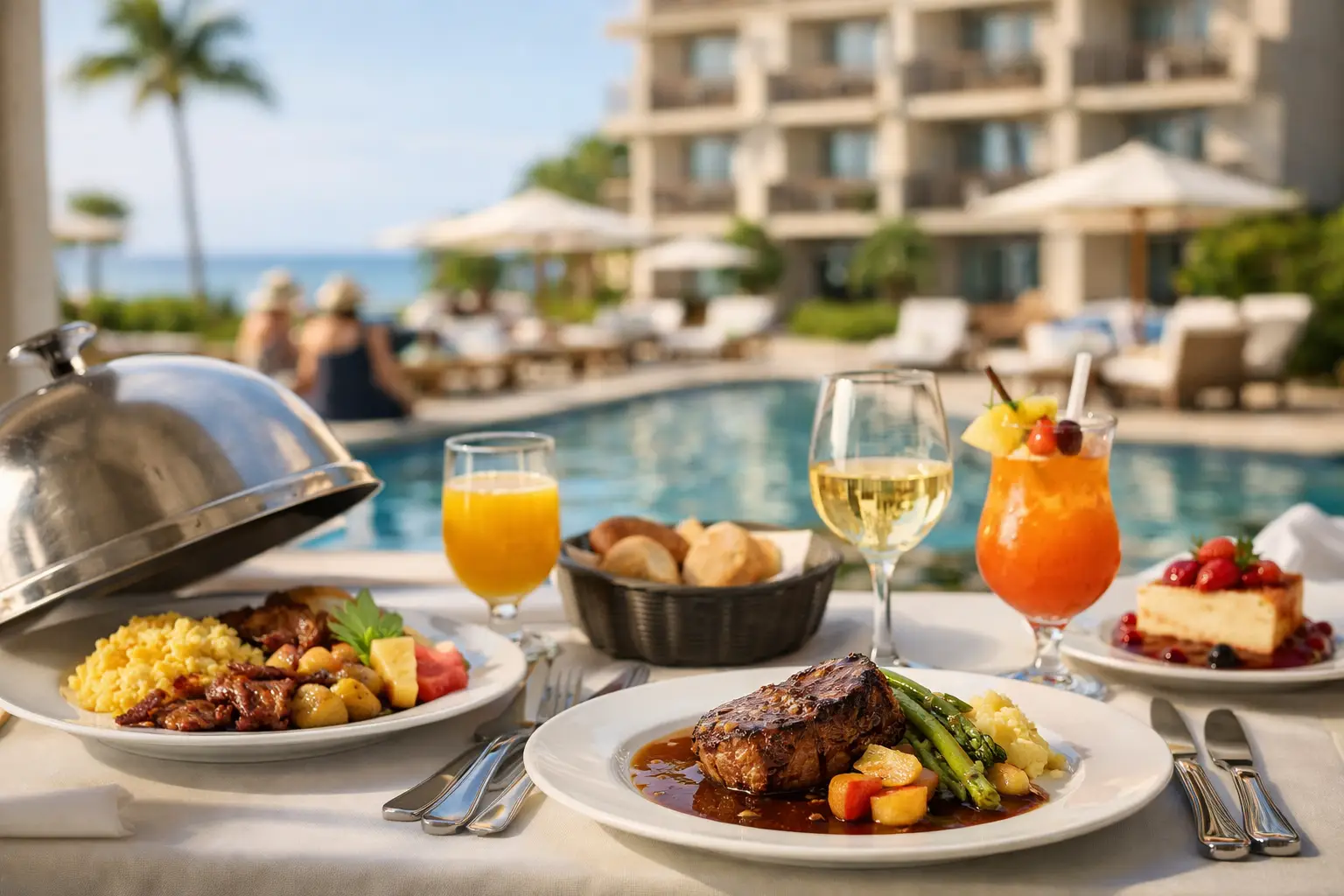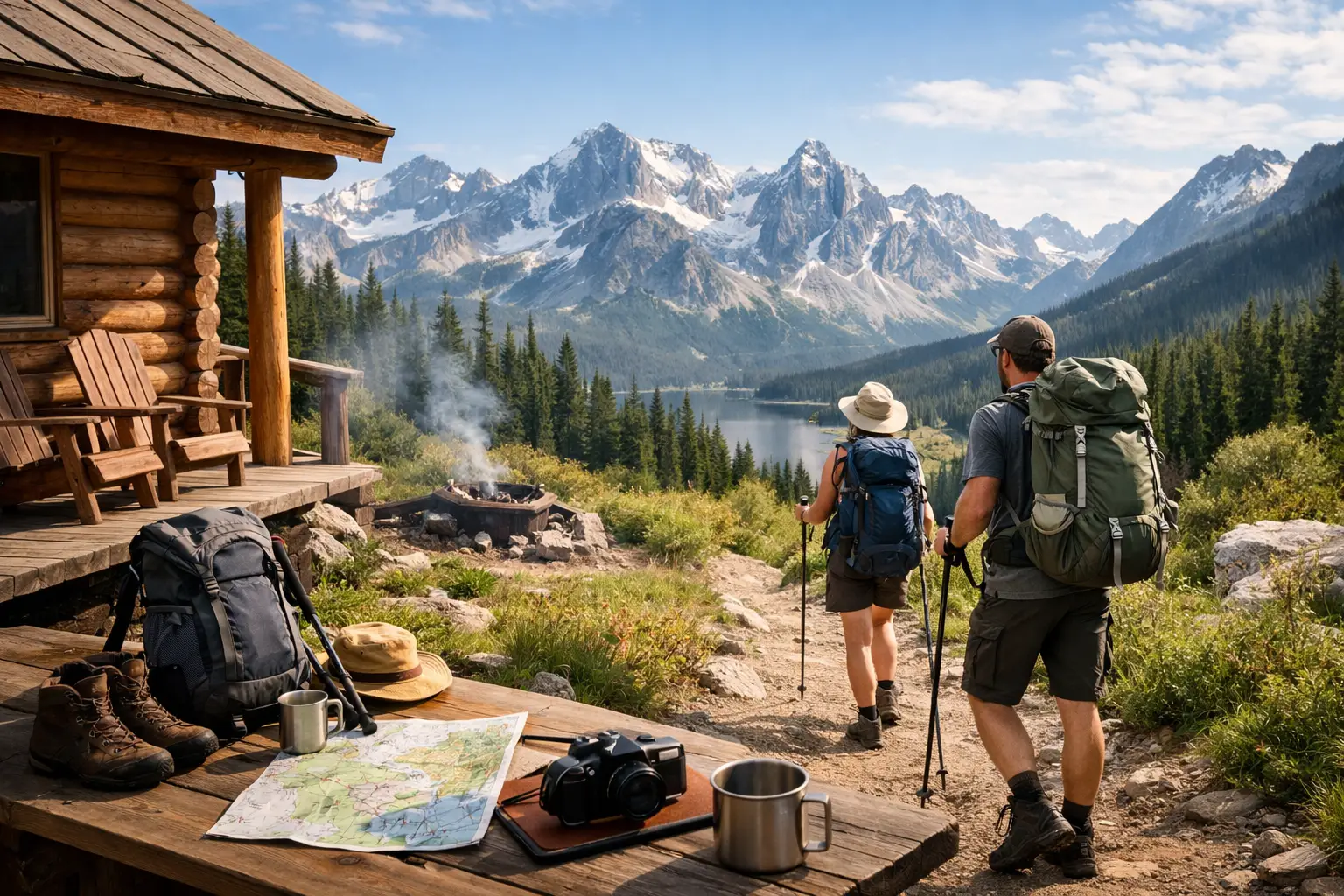

How to Experience Rural Lombardy at a Slower Pace
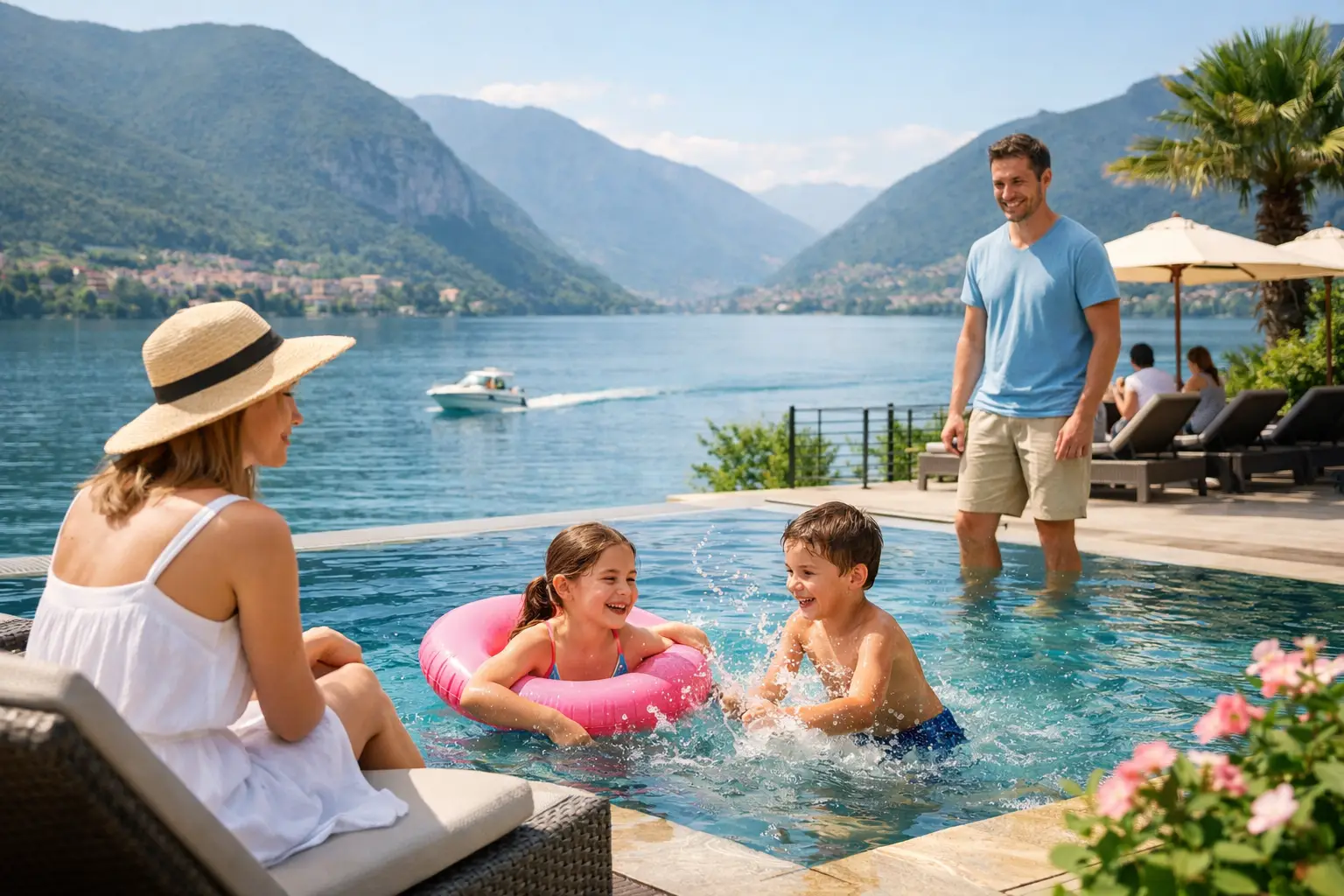
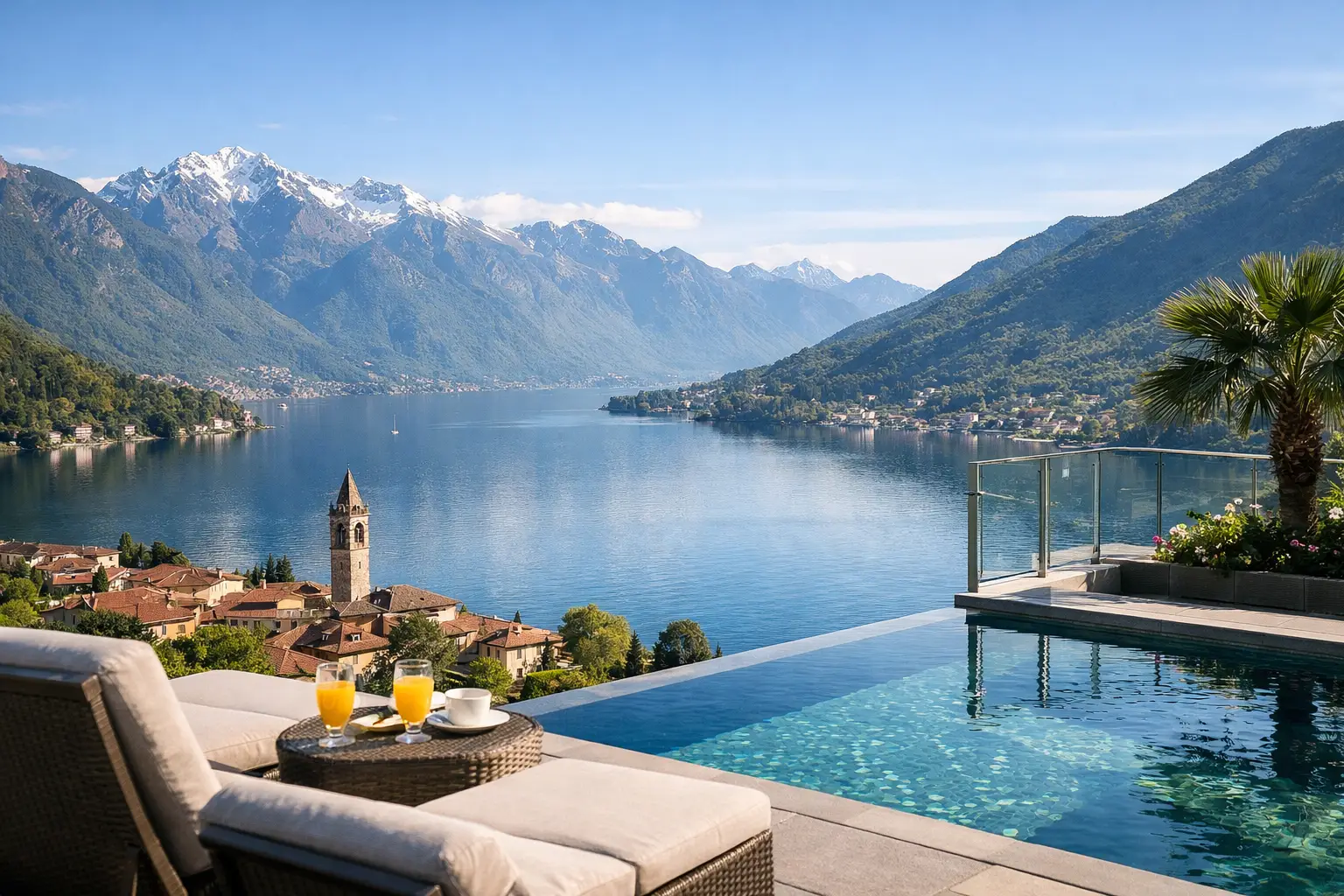
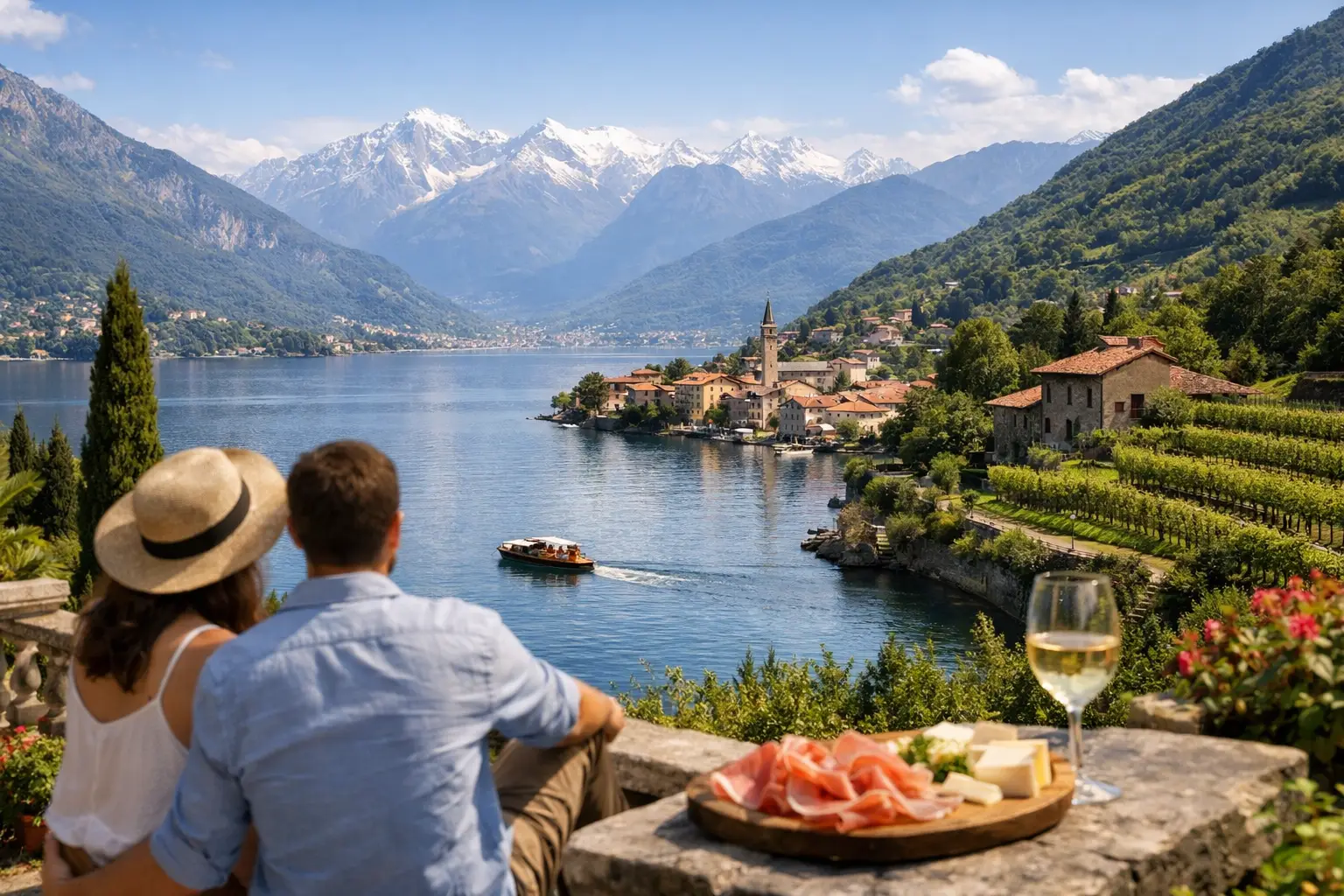
The best answer to how to experience rural Lombardy is not to rush from landmark to landmark. It is to wake to the sound of a quiet village, linger over breakfast, follow a path into the woods, and sit down to a meal made with the confidence of a family recipe. Here, between Lake Iseo and the foothills of the Alps, the days are not empty. They simply have room to breathe.
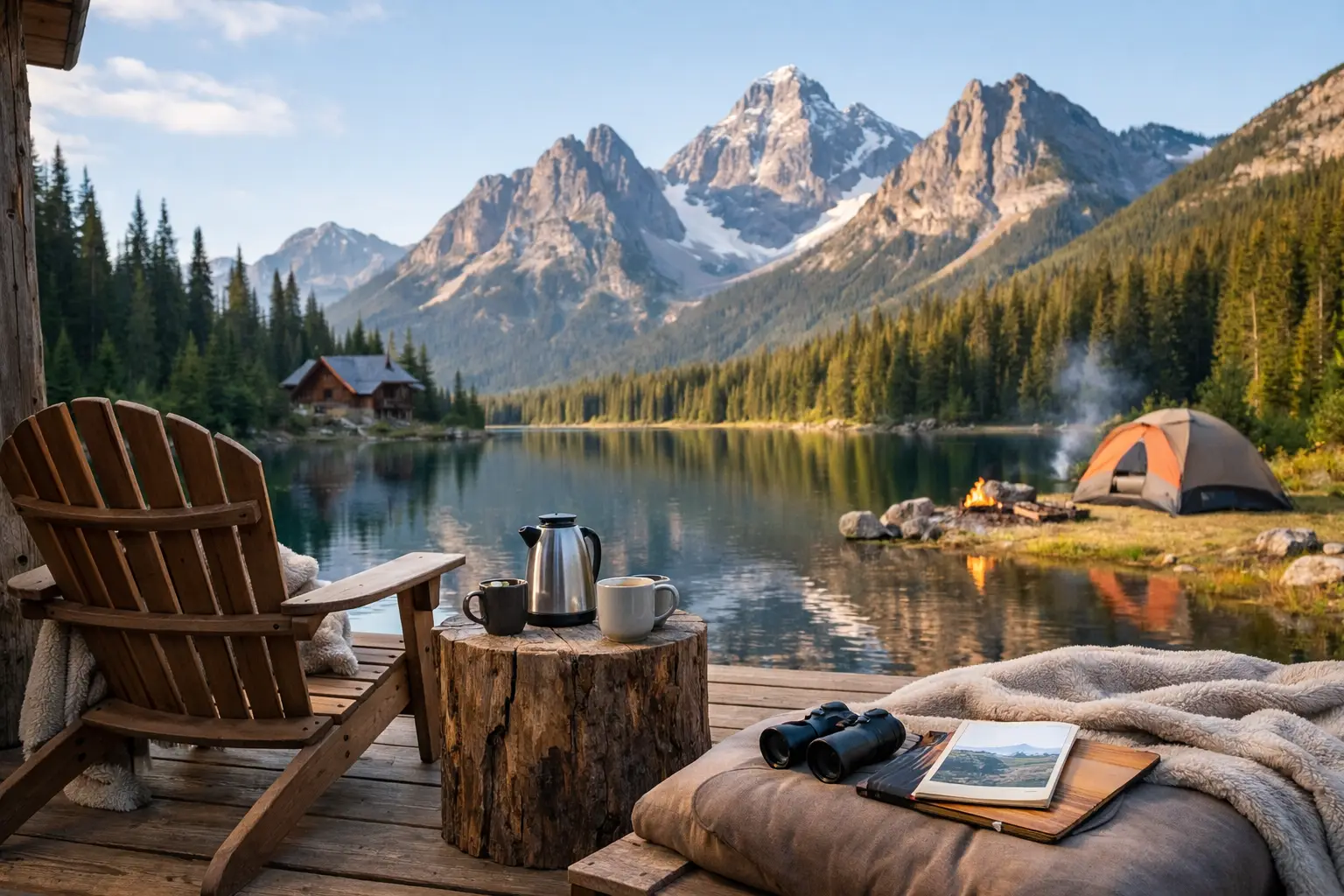
Rural Lombardy rewards travelers who choose presence over plans. A weekend can hold a lake view, a mountain trail, a small local market, and a plate of slow-cooked regional food. But the feeling that stays with you is often smaller: a friendly greeting at the door, the scent of rain on stone, or the last light settling over the hills.
Choose a Place That Lets the Landscape Set the Pace
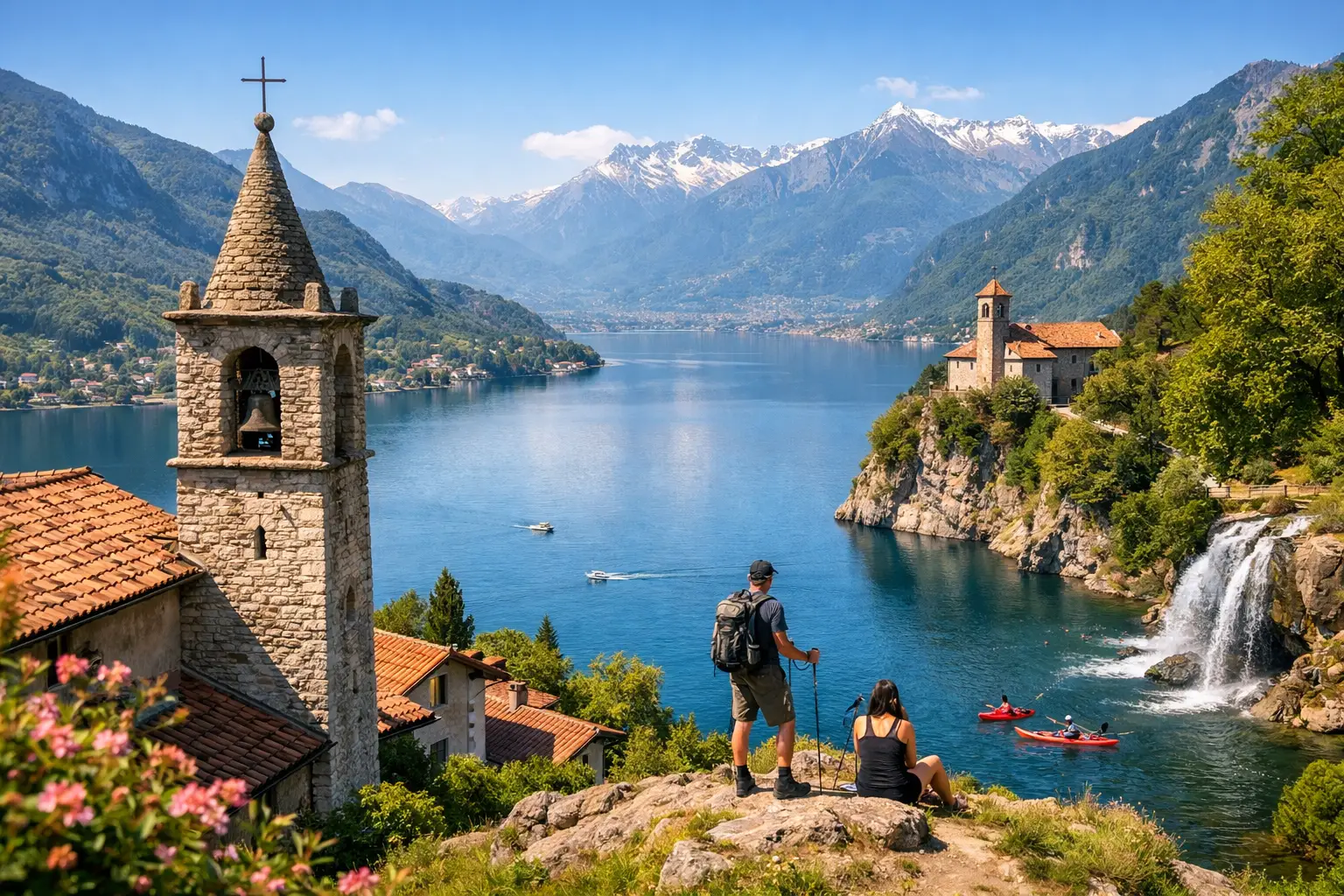
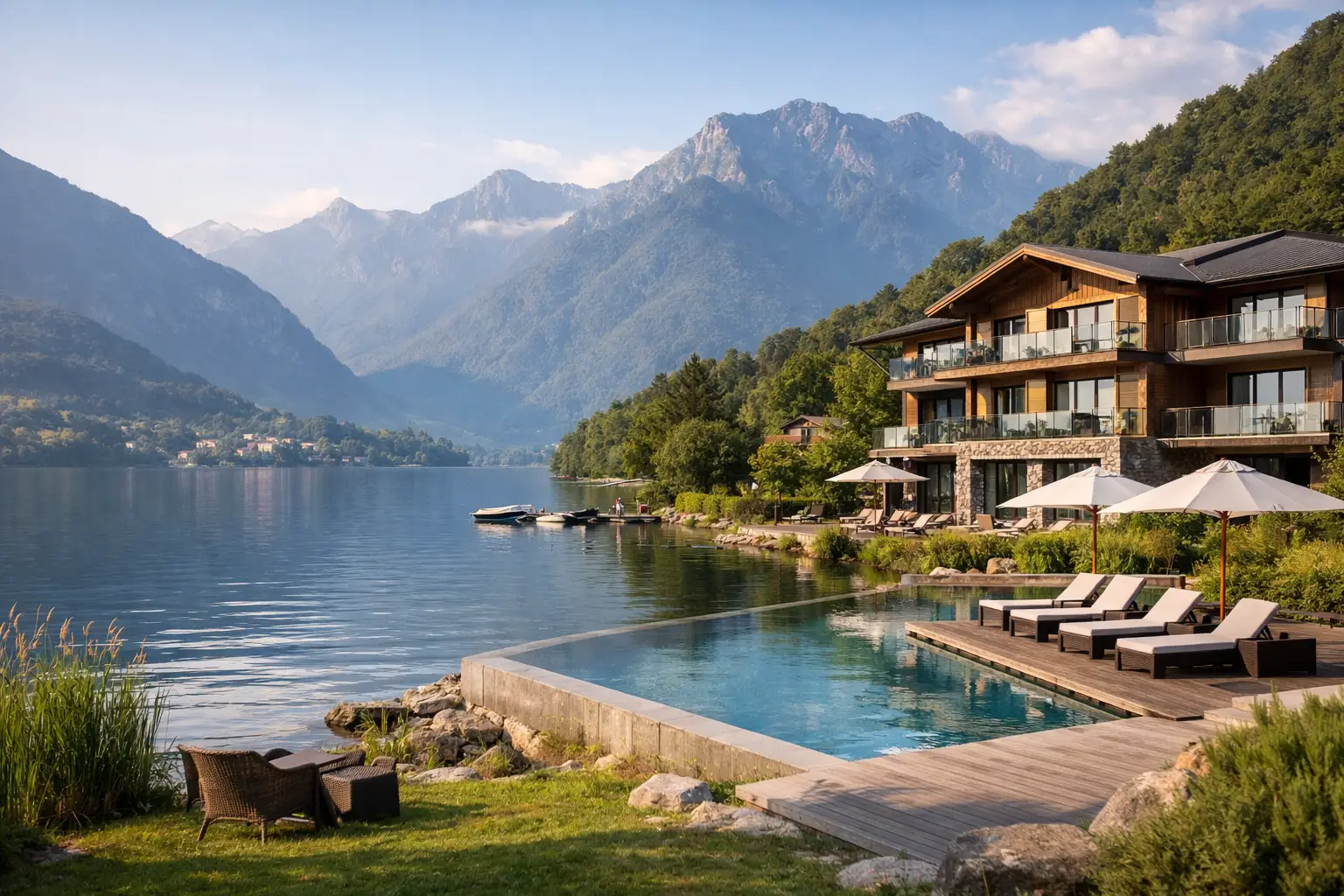
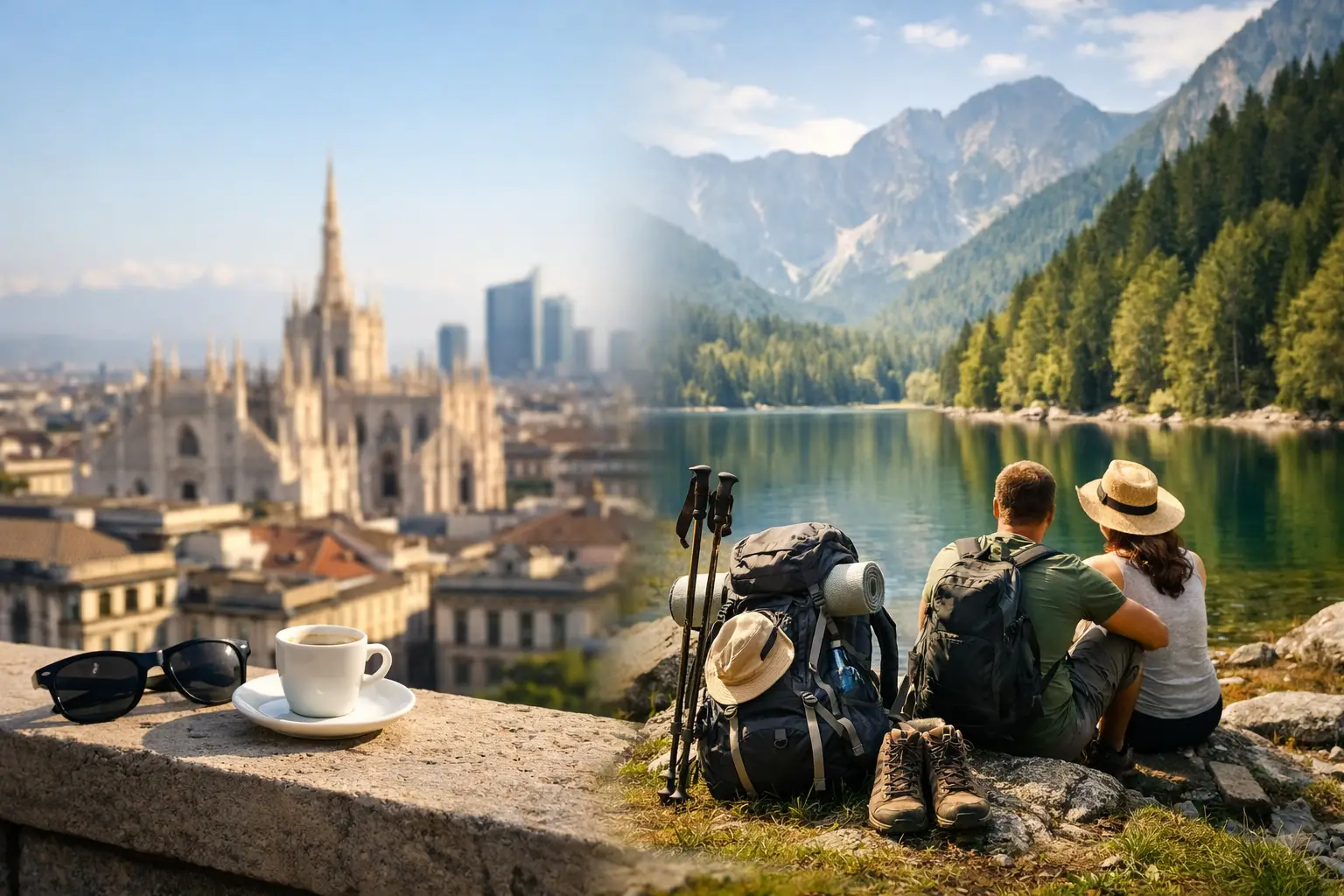
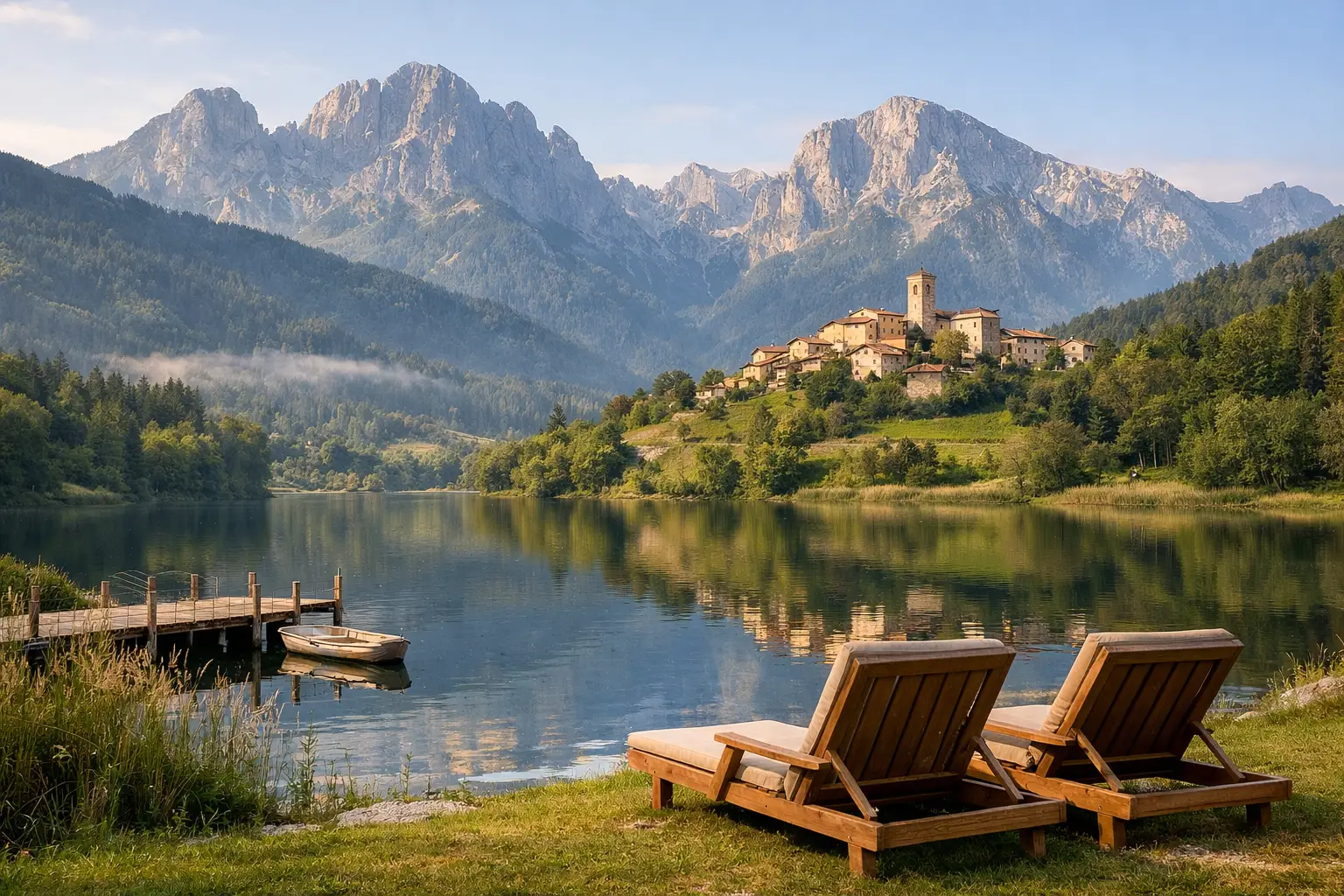
Lombardy is often associated with Milan, elegant cities, and busy lakeside destinations. Those experiences have their place, but the countryside offers a quieter side of the region. In villages such as Zone, high above Lake Iseo, nature is not something reserved for a day trip. It is part of the rhythm of the morning and evening.
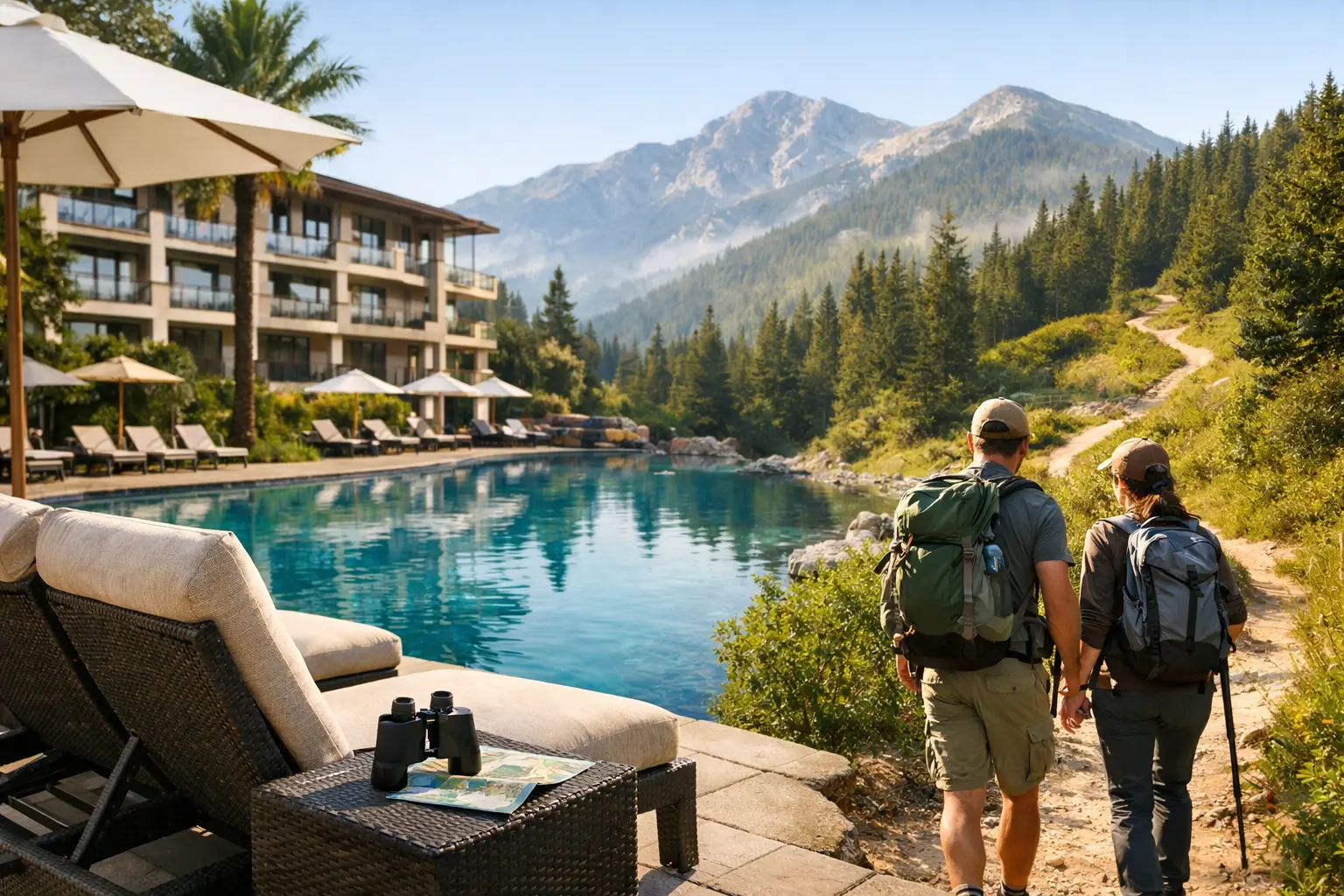
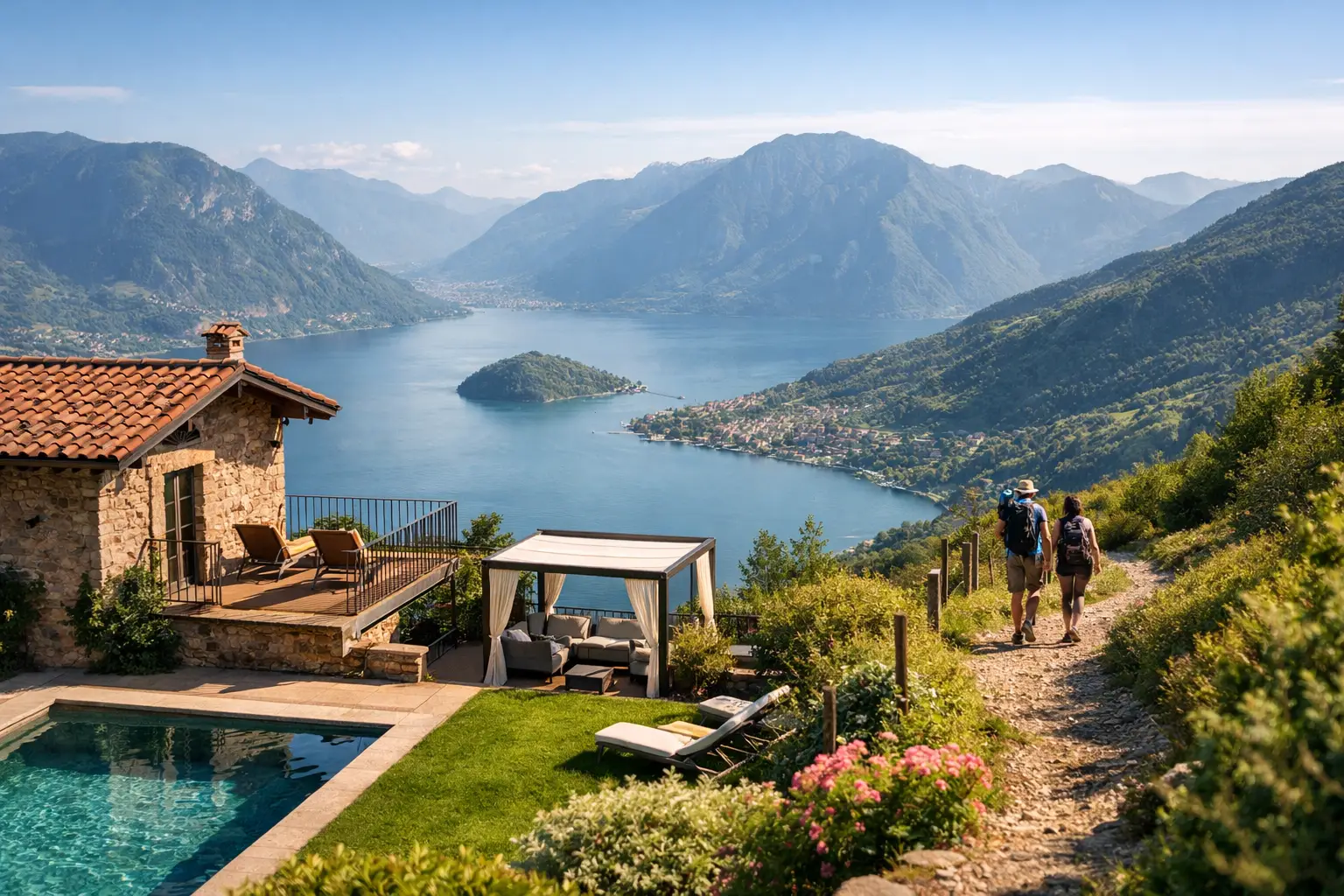
Choose a stay where you can walk out into the landscape rather than drive an hour to find it. Being close to trails, woods, and small villages changes the entire experience. You can enjoy a leisurely breakfast, take a short walk before lunch, return for a rest, and head out again as the air cools. That flexibility is especially welcome for families, couples, and travelers who want restorative time without giving up the pleasure of discovery.
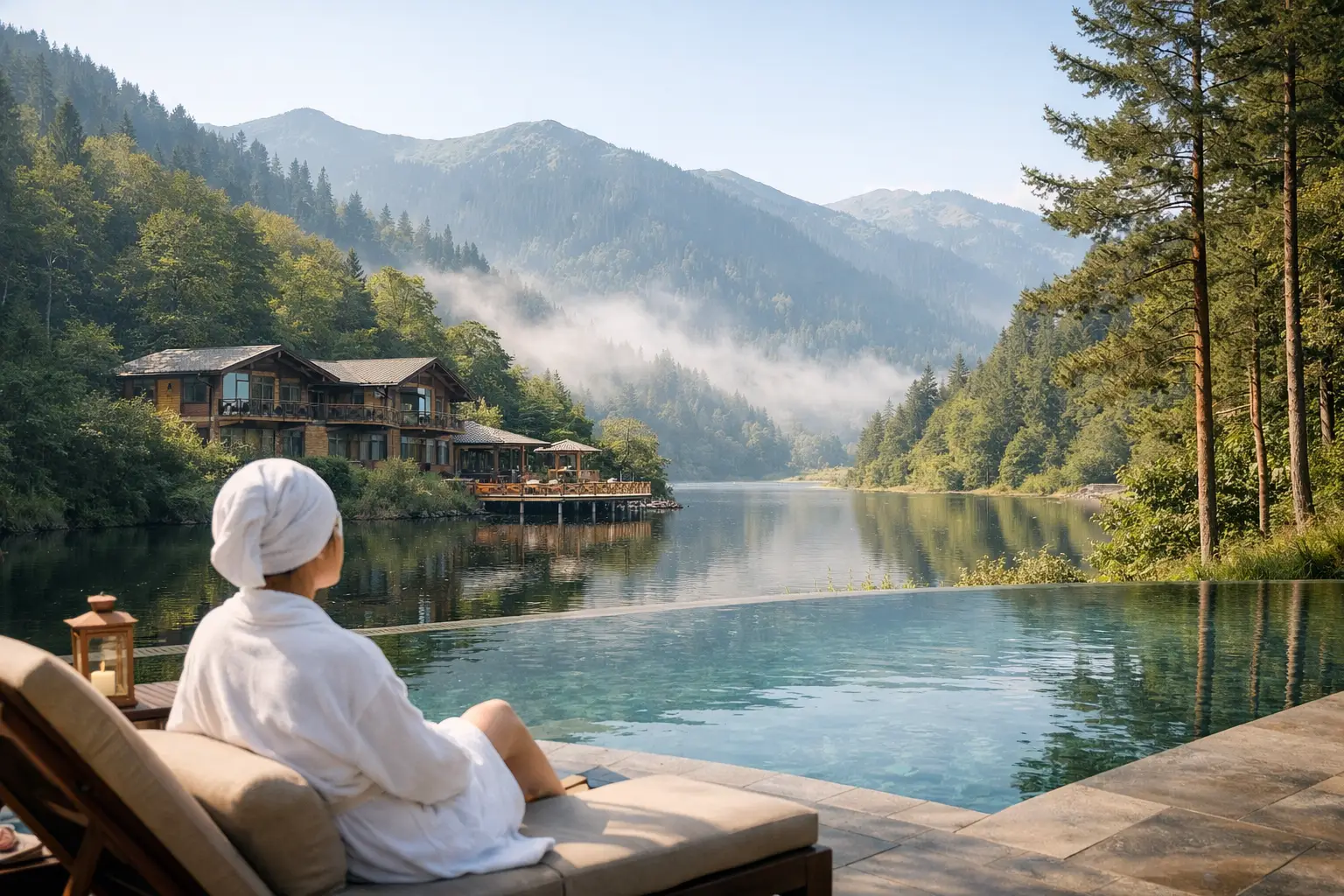
A rural hotel with a long local connection can make this easier. At Hotel Conca Verde, the welcome is designed around that sense of belonging: comfort after a day outdoors, regional cooking at the table, and the gentle assurance that someone knows the area well enough to offer thoughtful guidance.
How to Experience Rural Lombardy on Foot
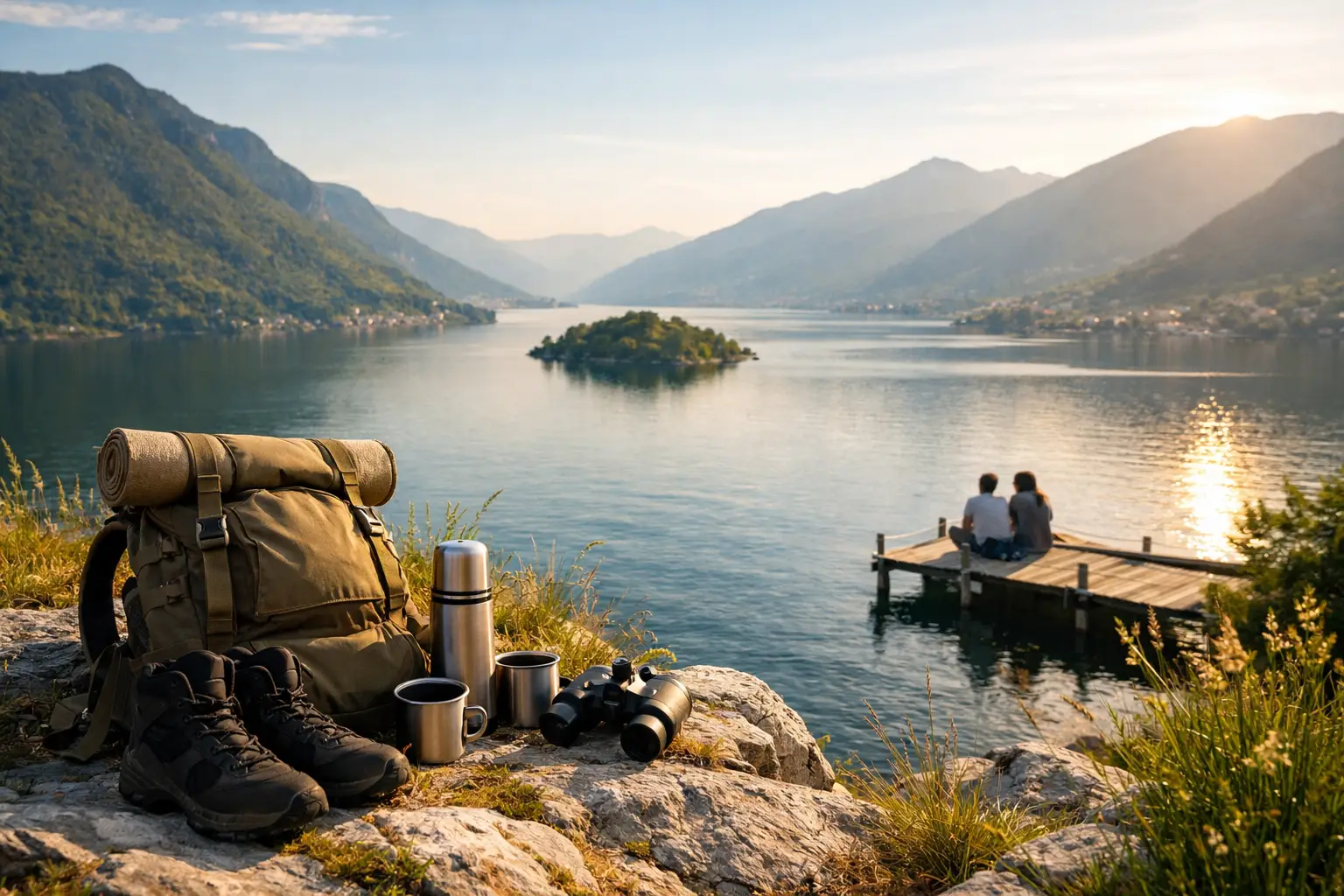
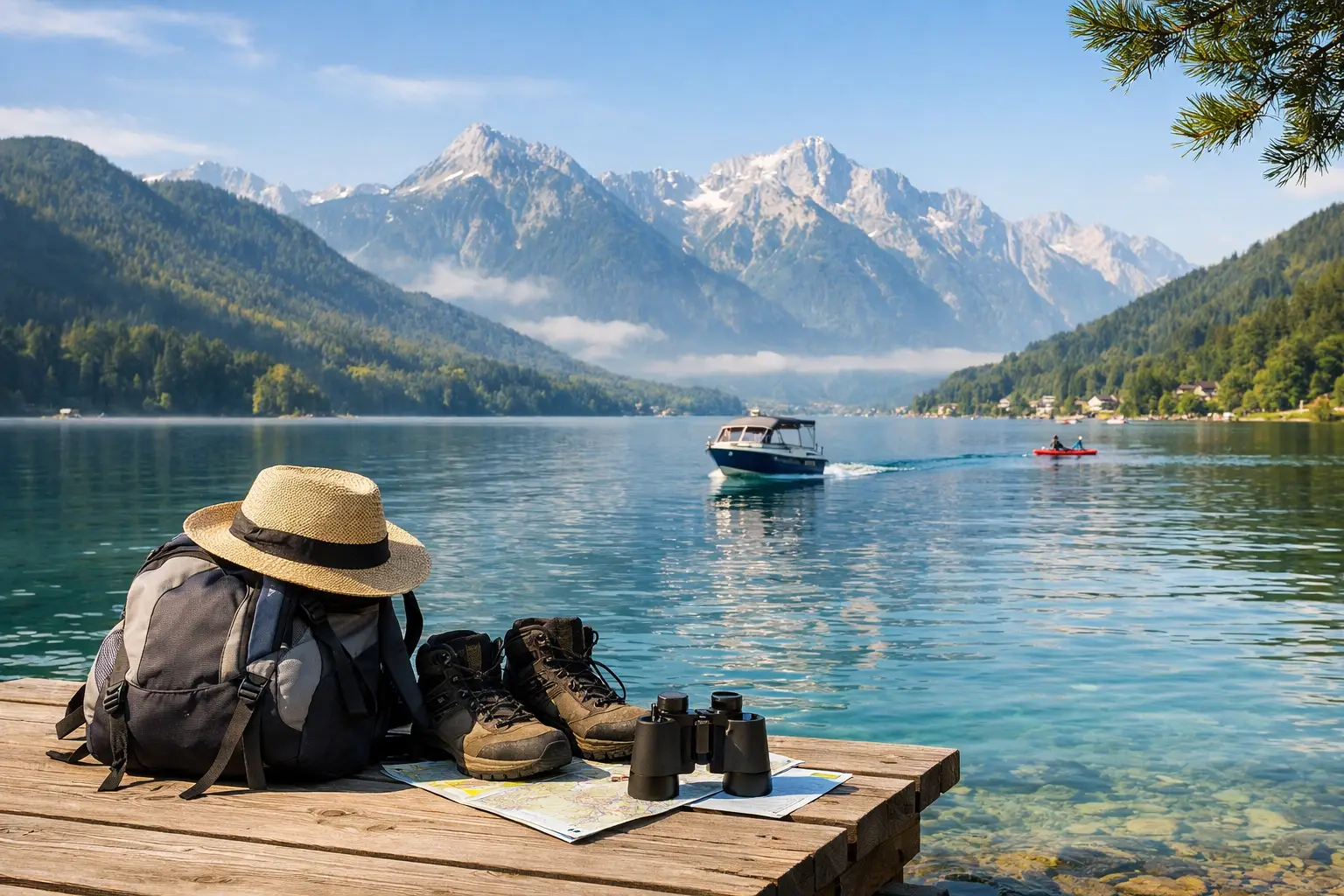
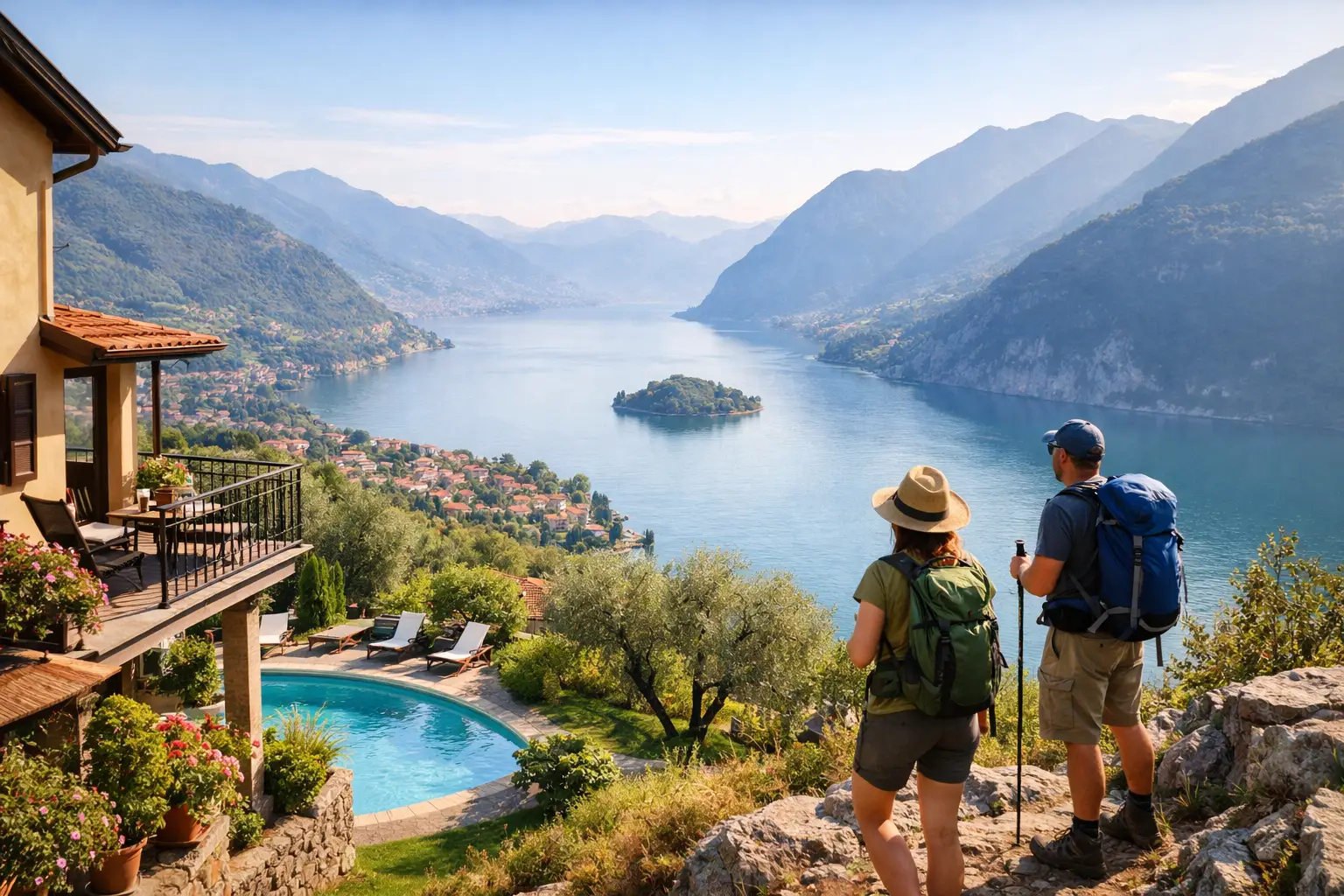
Walking is one of the simplest ways to understand this part of northern Italy. The landscape around Lake Iseo rises quickly from water to wooded slopes and mountain paths, so even a short outing can bring wide views and a feeling of true distance from daily life.
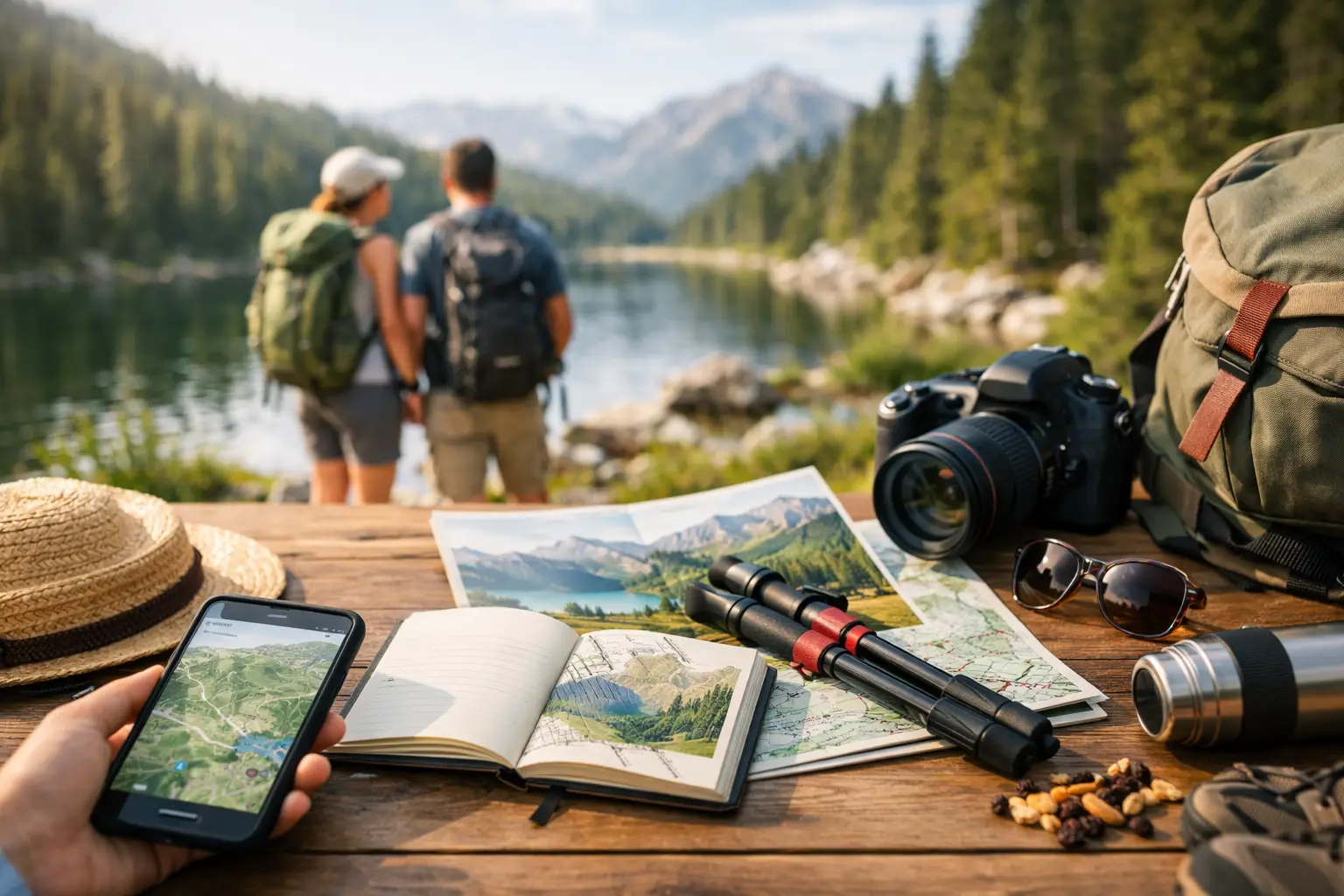
You do not need to be an expert hiker to enjoy it. Choose trails that suit your group, your energy, and the season. A family with young children may prefer a gentle route with room to stop and look for wildflowers, while experienced walkers may want longer climbs and more open alpine views. The right walk is not necessarily the hardest one. It is the one that leaves you pleasantly tired and still ready to enjoy dinner.
In the warmer months, start early or set out later in the afternoon, when the light softens and the trails are calmer. Bring water, layers, and shoes with a reliable grip. Mountain weather can change quickly, even on a bright day. In spring and fall, a light rain jacket is often more useful than a detailed schedule.
The famous earth pyramids near Zone are a memorable example of the area’s surprising natural forms. Yet leave time for paths without a famous name, too. A narrow lane between old houses, a woodland track, or a bench overlooking the lake can become the moment you remember most clearly.
Let Lake Iseo Be Part of the Day, Not the Whole Itinerary
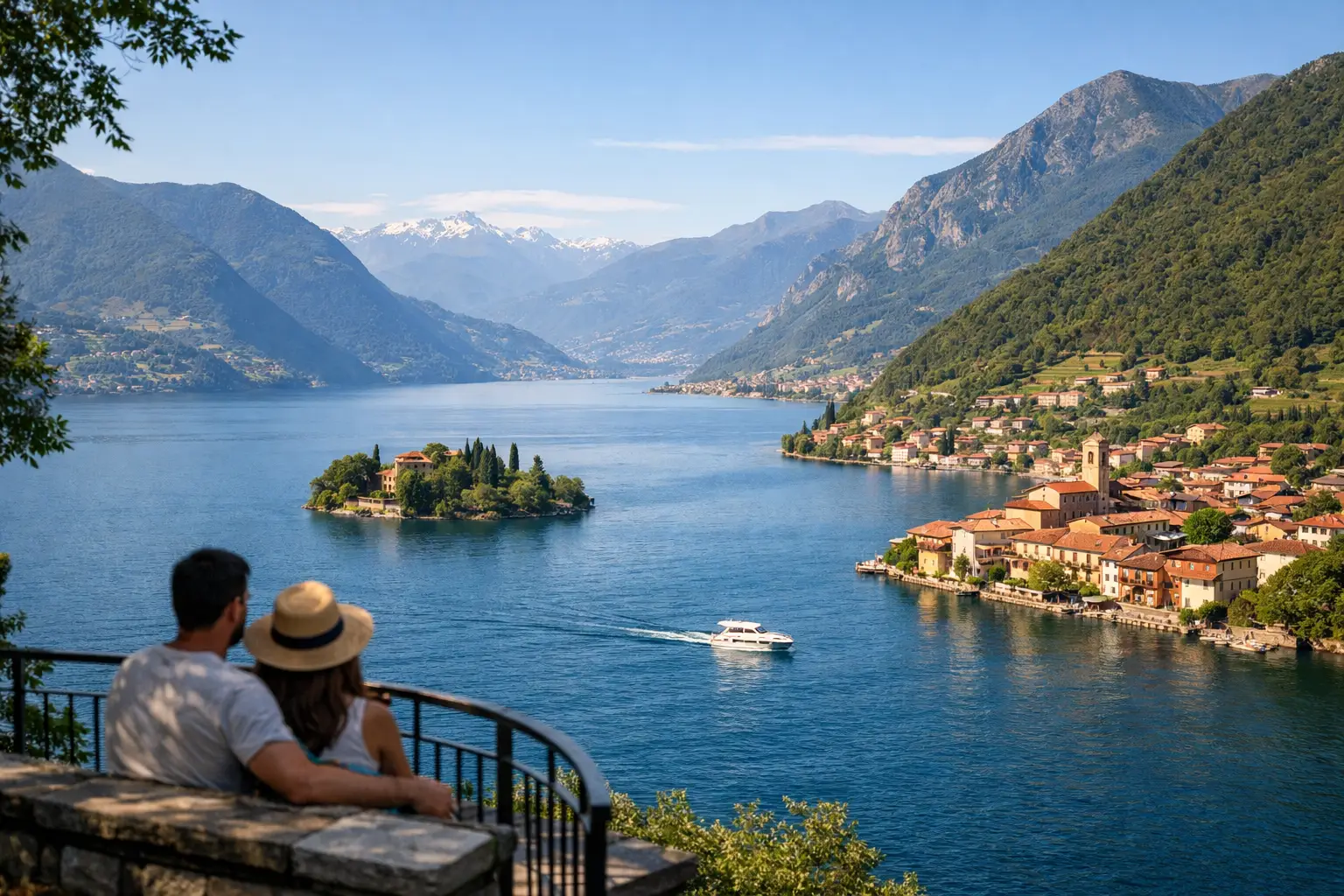
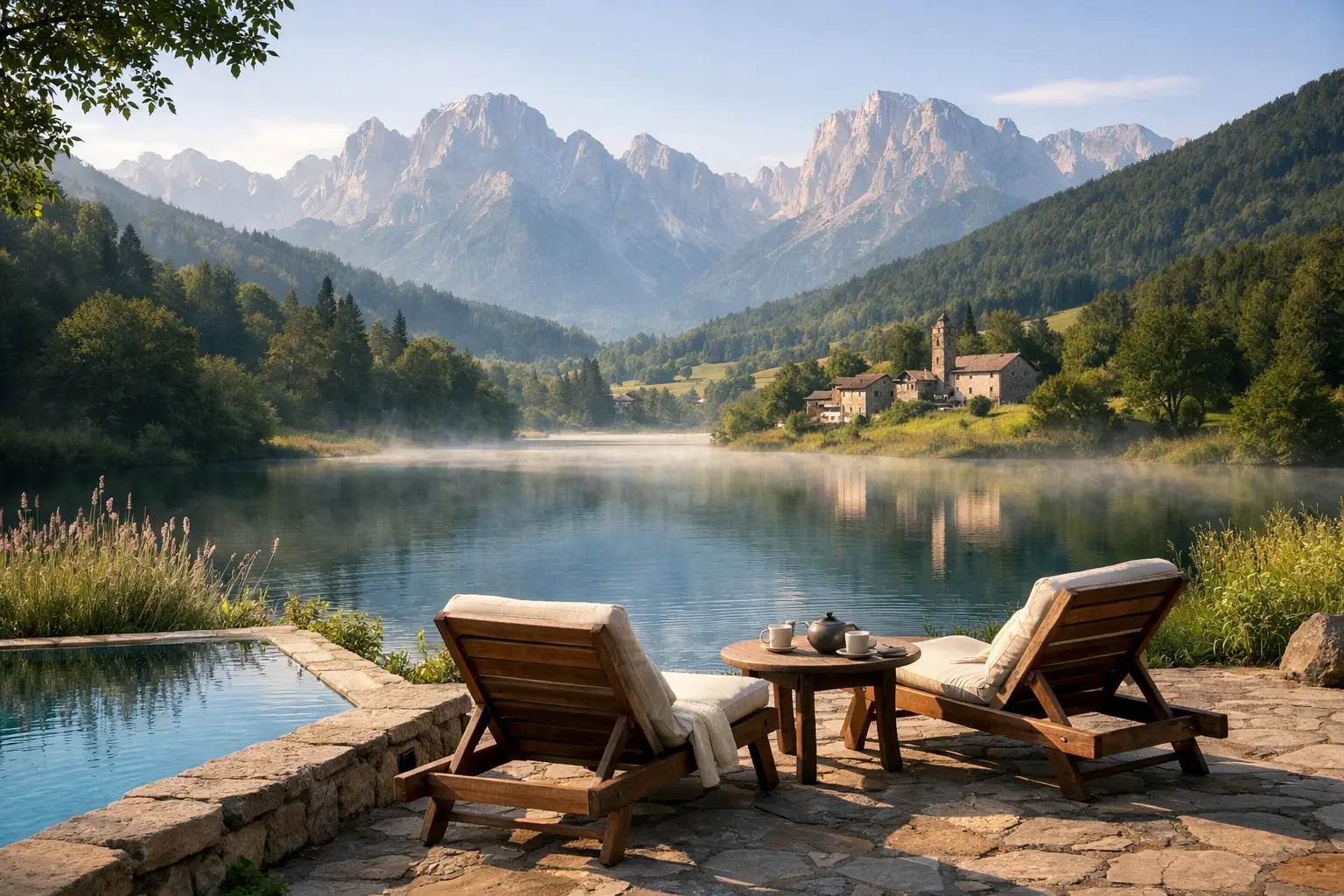
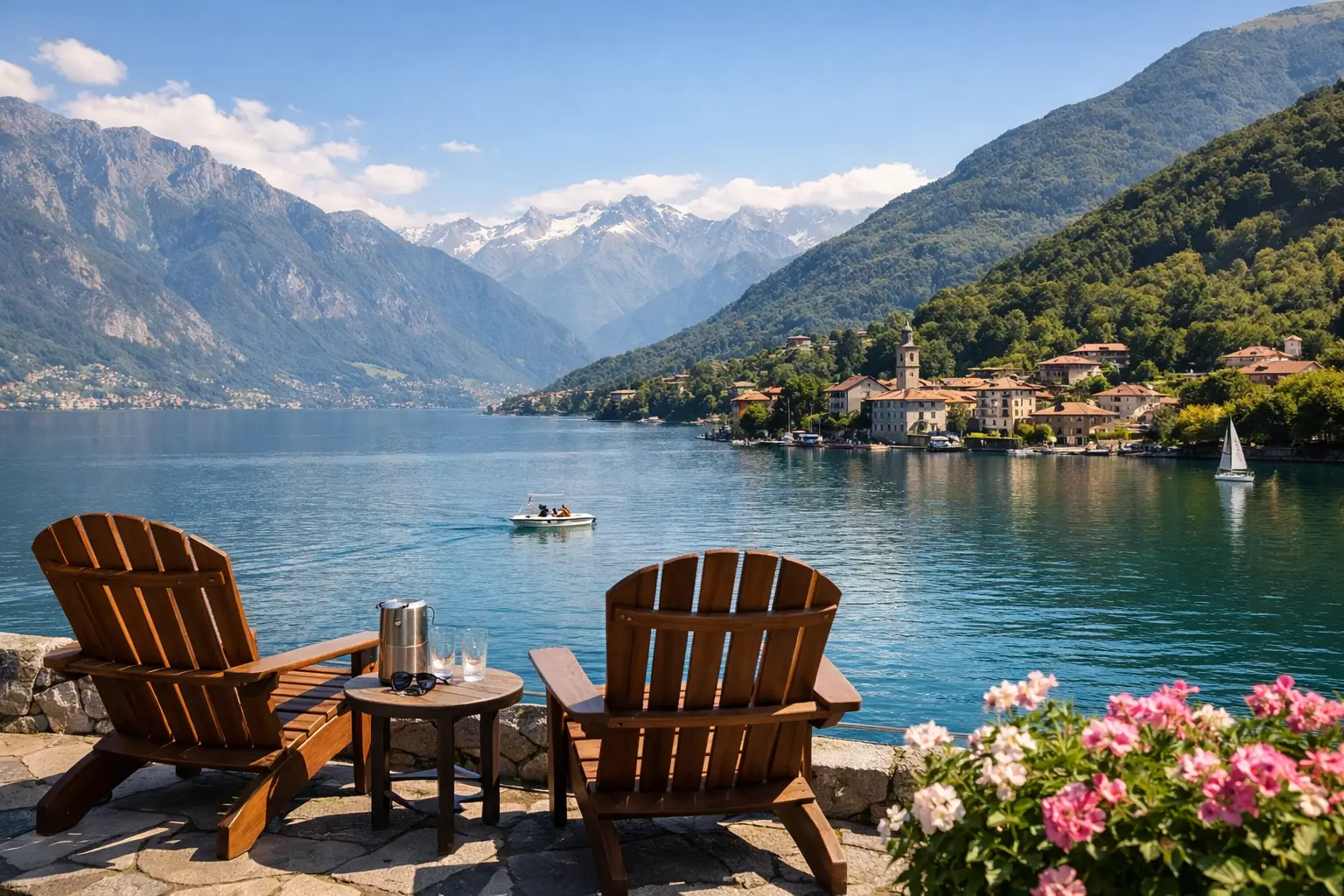
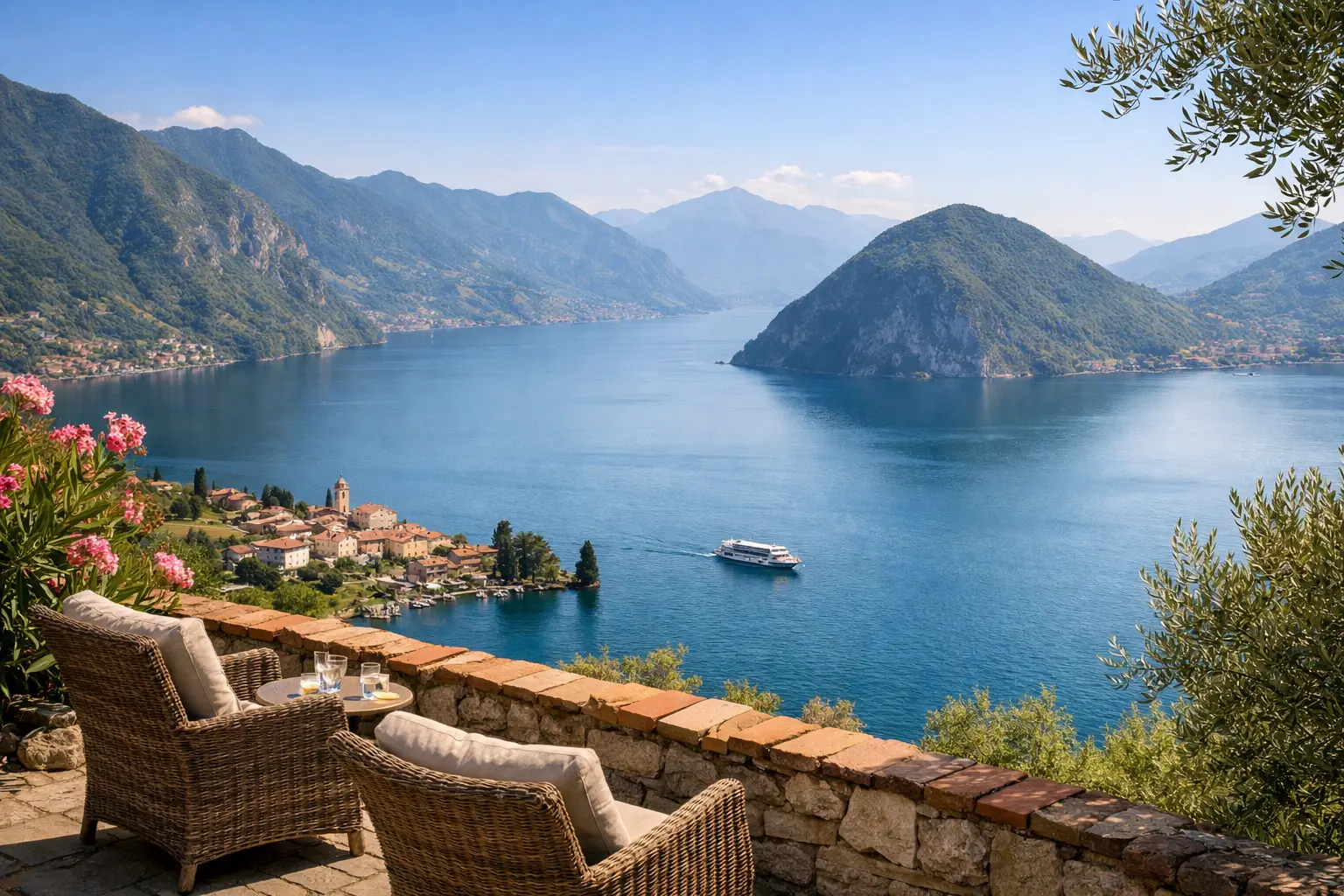
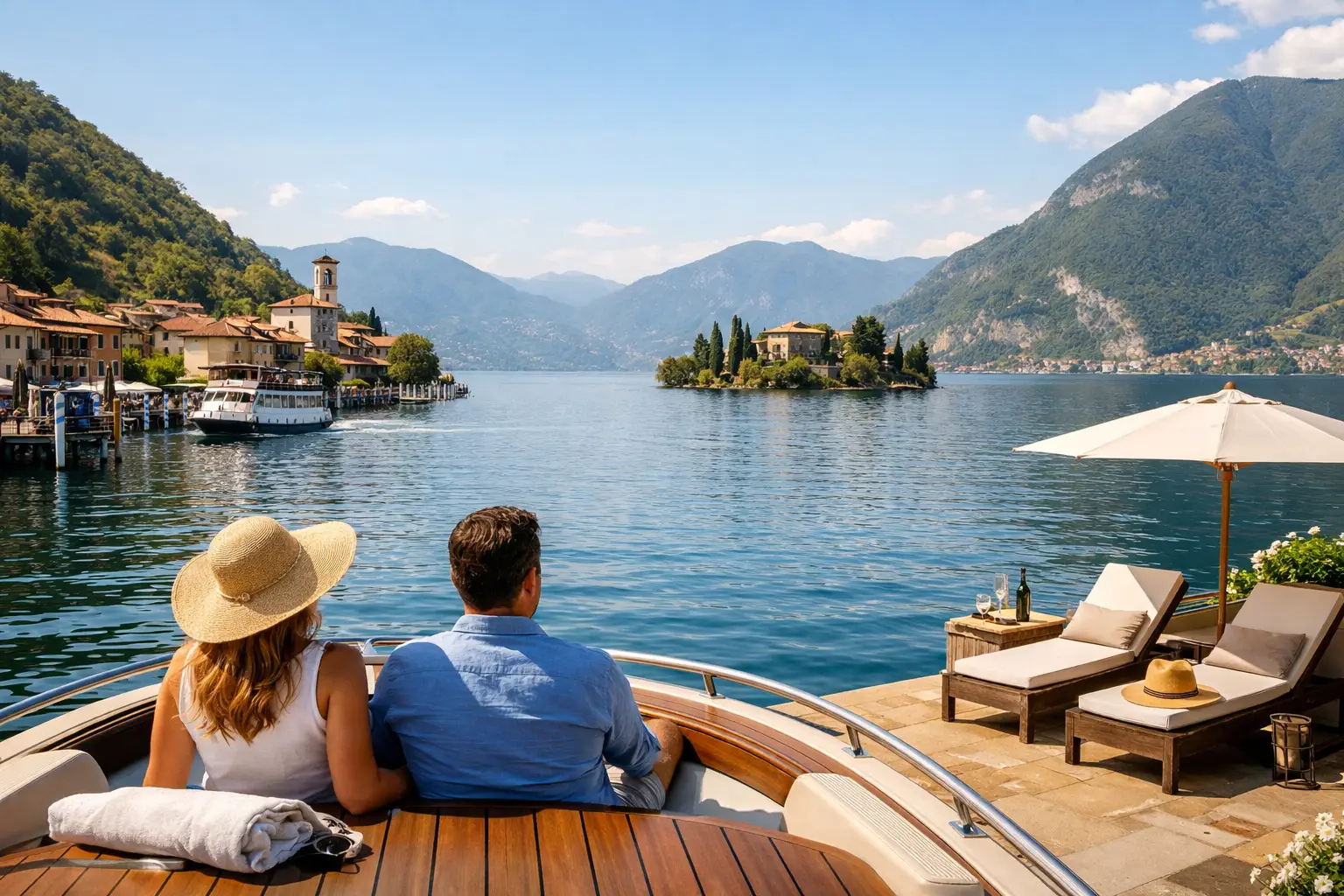
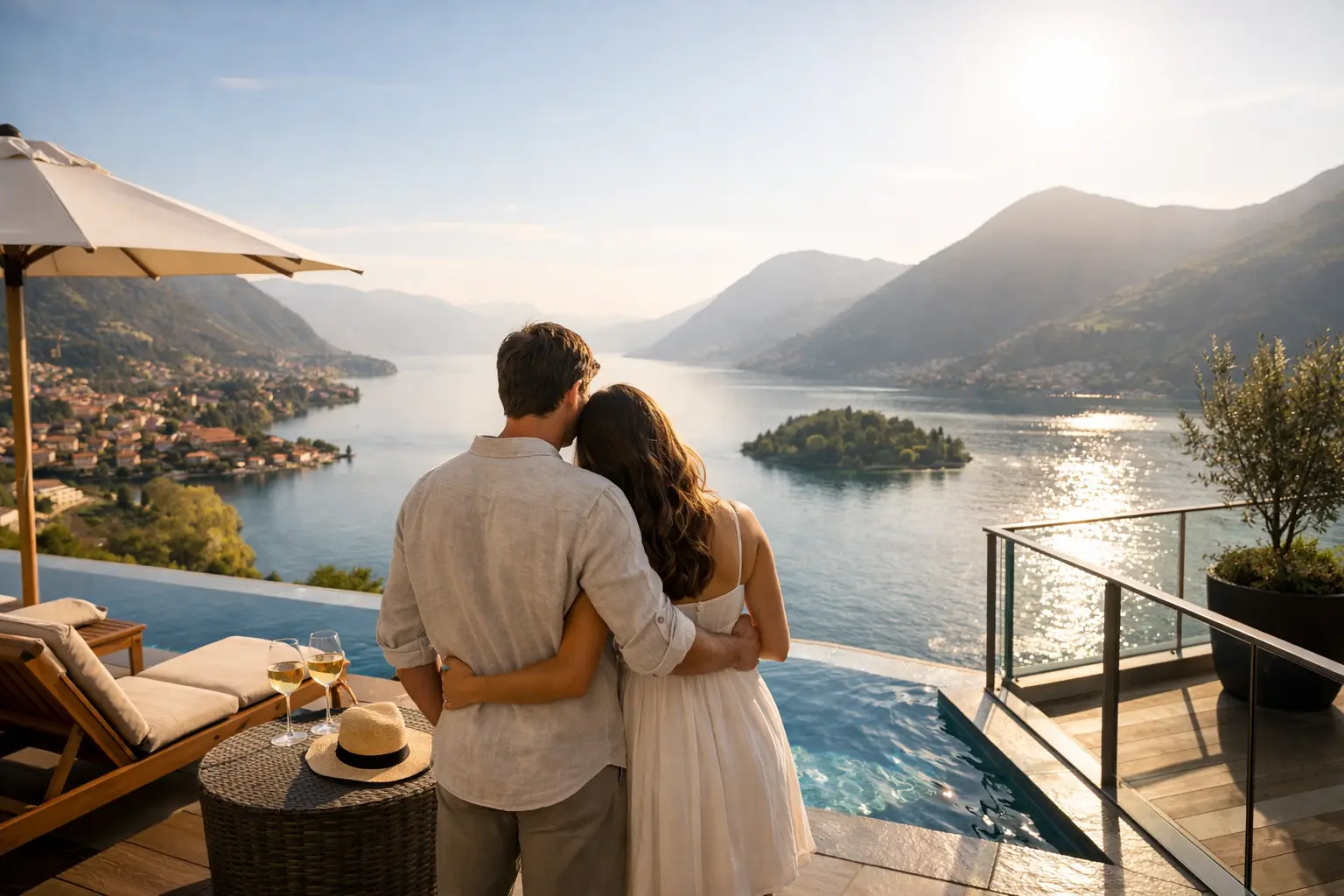
Lake Iseo has a gentler character than some of northern Italy’s larger lakes. Its villages invite lingering rather than performance. Spend a morning by the water, watch the boats, order a coffee, and notice how the mountains frame the shore. If you visit during a busy season, arriving earlier in the day can preserve that peaceful feeling.
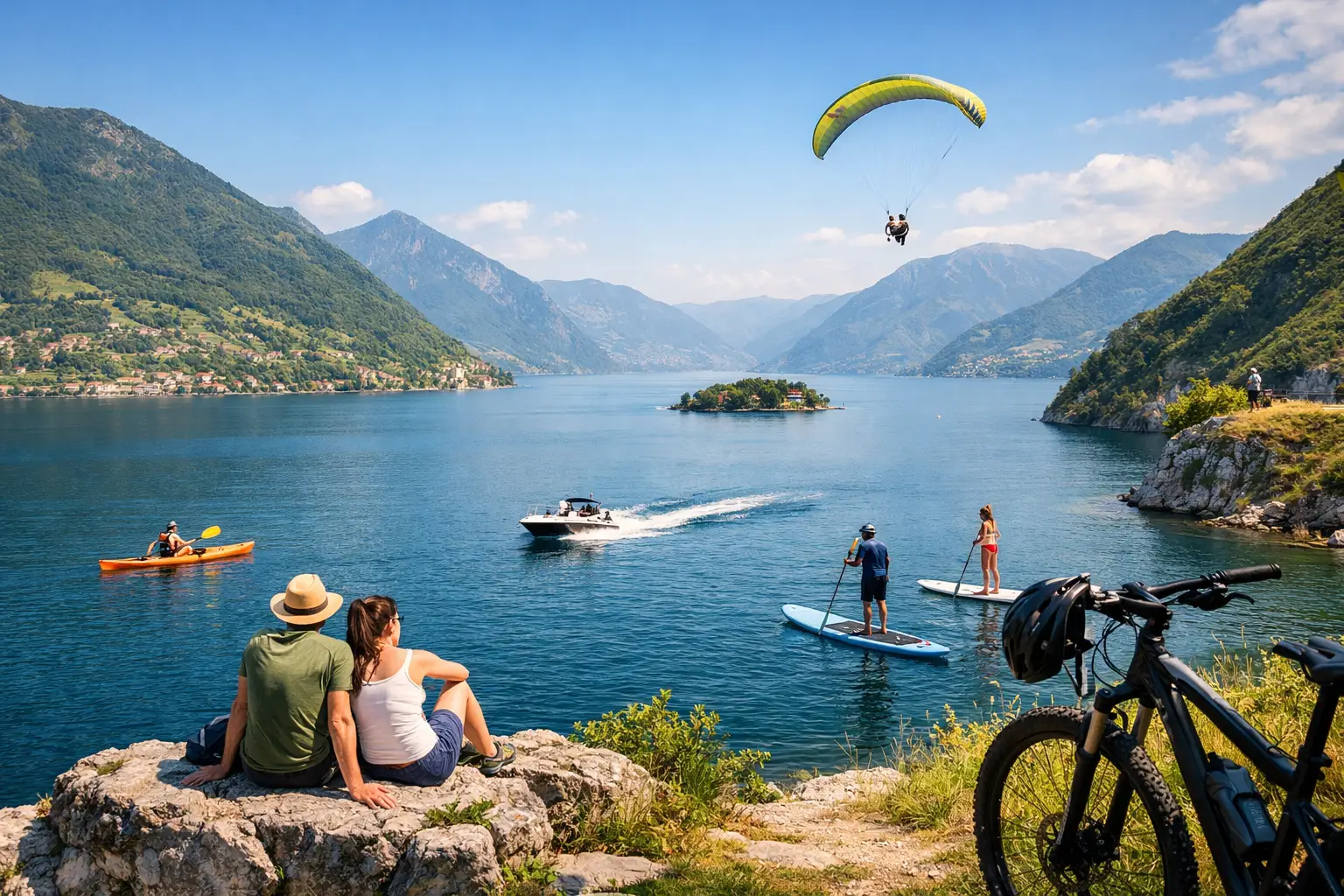
A boat trip can be a lovely addition, especially if you want to see the lake from a different perspective. Montisola, the island at the center of Lake Iseo, is well worth considering for its quiet roads, traditional character, and views across the water. Still, it depends on the kind of break you want. If your purpose is complete rest, one lakeside afternoon may be more satisfying than trying to fit several towns into a single day.
The beauty of staying in the hills is that the lake remains close without asking for your constant attention. You can enjoy its color and light, then return to the cooler air and calmer evenings of the mountains.
Eat the Food That Belongs to the Place
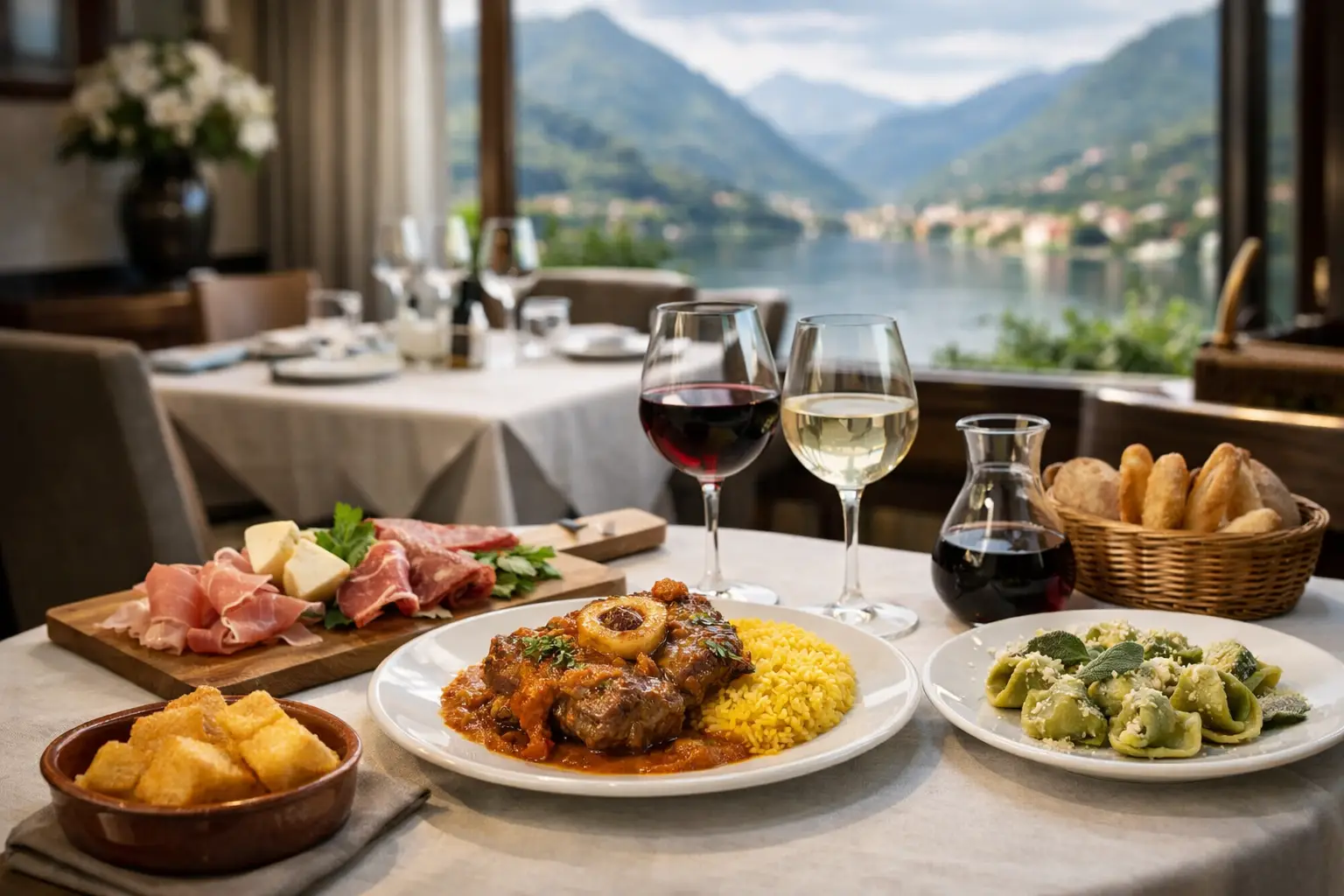
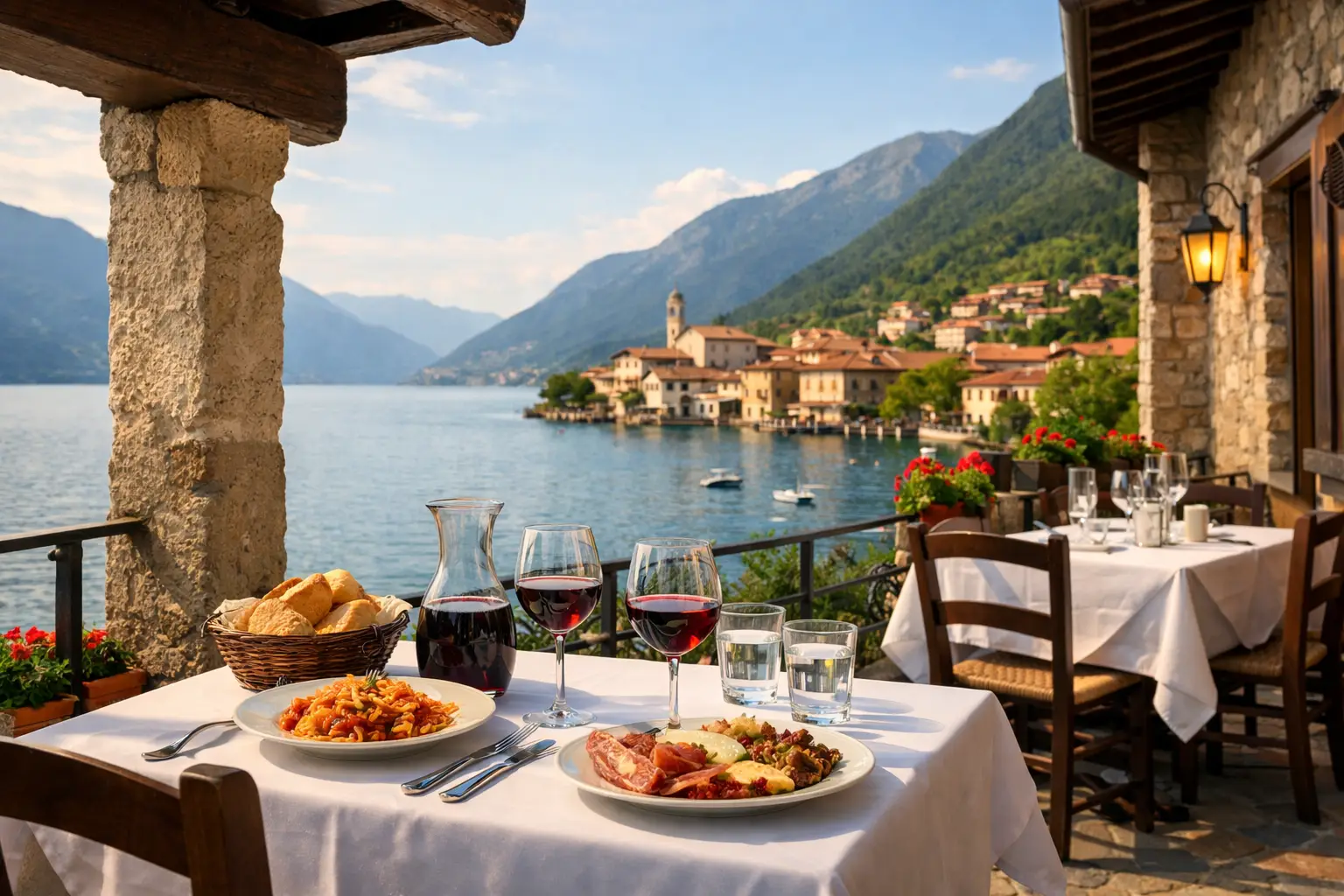
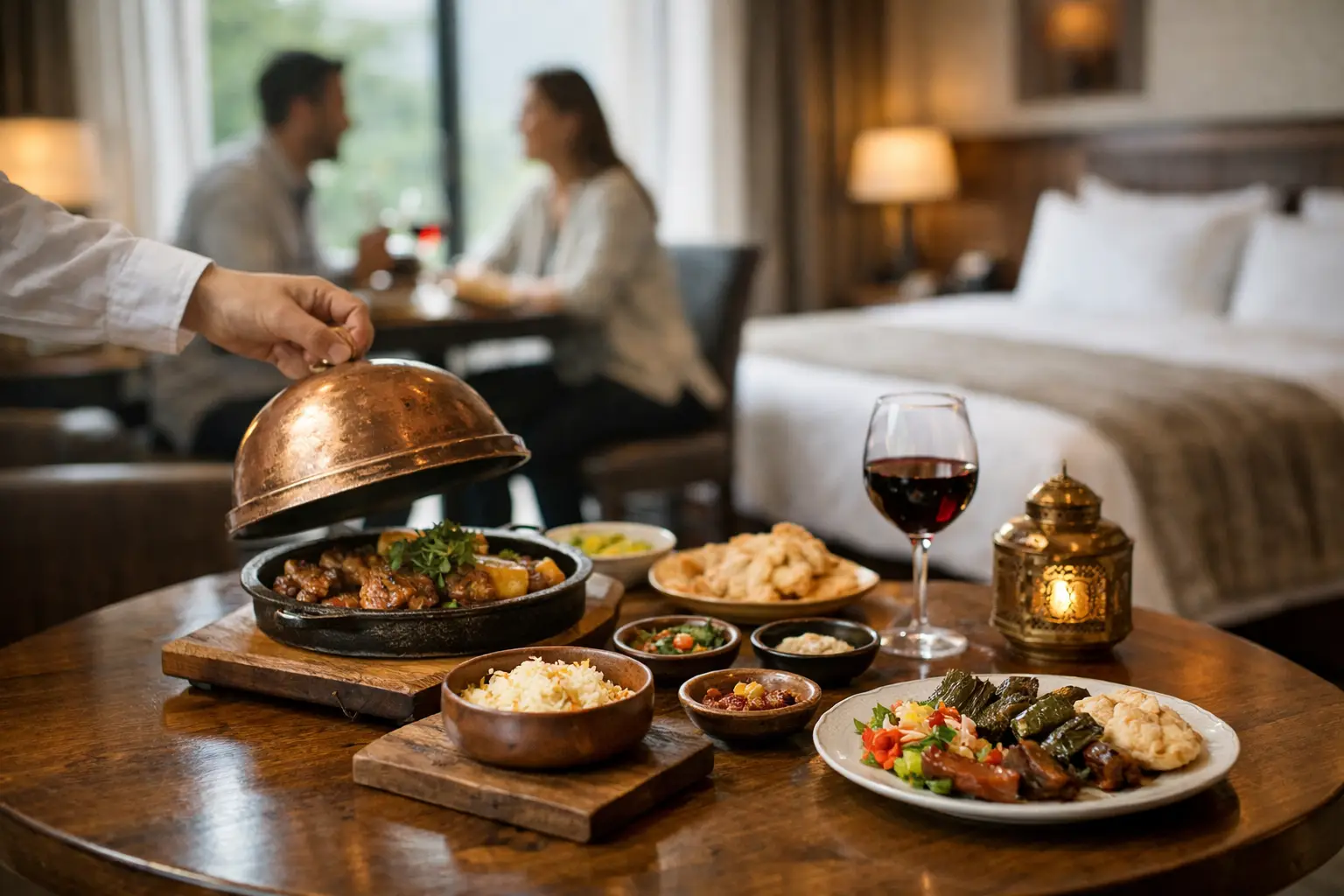
Regional food is one of the warmest ways into rural Lombardy. This is cooking shaped by altitude, seasons, farms, and family tables. It is comforting without being careless, generous without needing to be elaborate.
Look for dishes built around local cheeses, polenta, fresh pasta, mushrooms when they are in season, and carefully prepared meats. On the lake, fish has its own place in local tradition. A good meal here should feel connected to its surroundings, not copied from a menu that could belong anywhere.
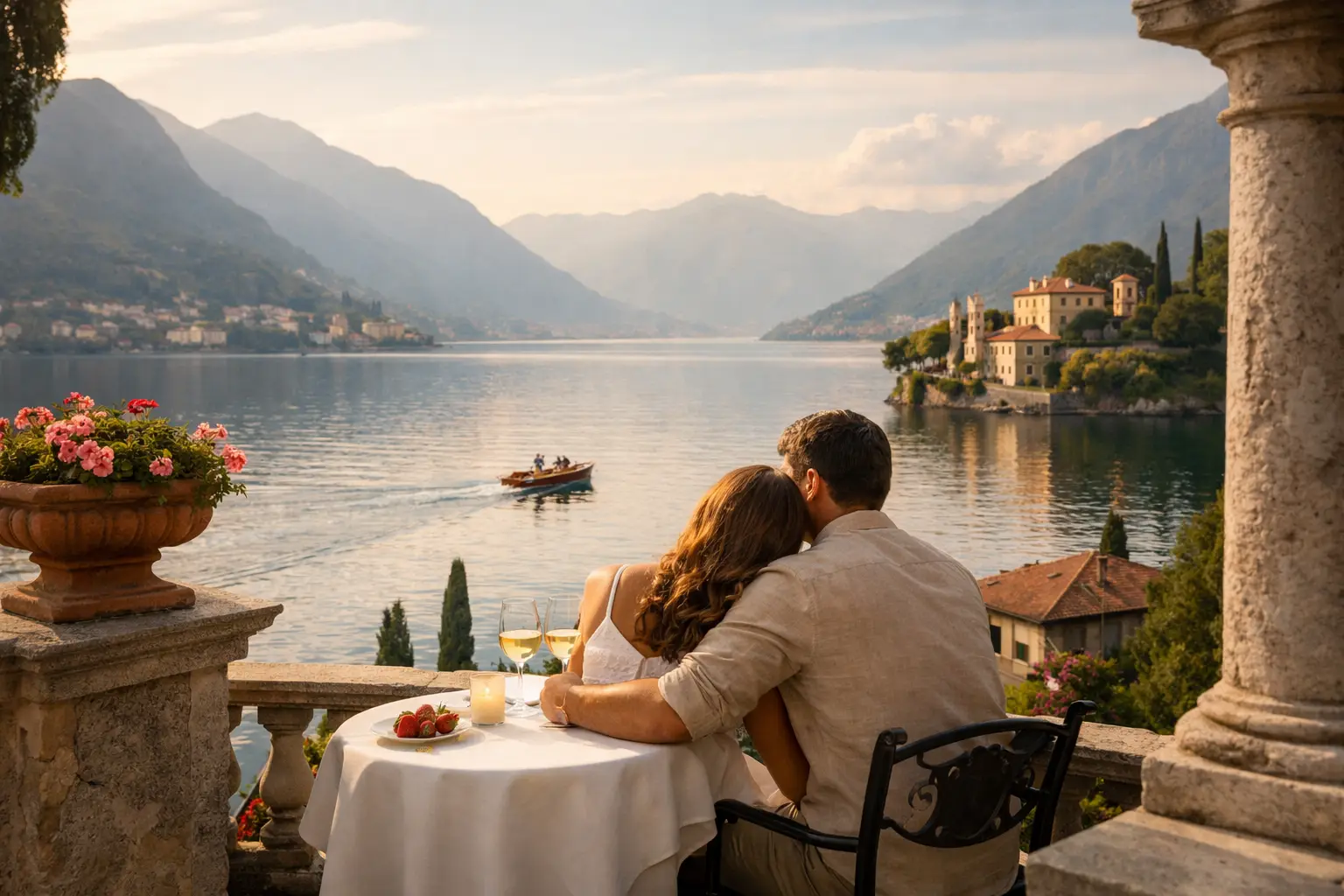
Give dinner the time it deserves. In a rural setting, dinner is often the natural close to an active day: a chance to recount the walk, warm up after an evening outside, and slow down before bed. Ask about seasonal specialties rather than ordering by habit. The answer may lead you to a dish you would never have chosen at home.
For travelers with dietary needs, communication matters. Smaller, family-minded restaurants are often happy to help when they know in advance, but flexibility is easier when requests are shared clearly and early. This is not a compromise on hospitality. It is part of the care that makes a stay feel personal.
Follow the Season Instead of Fighting It
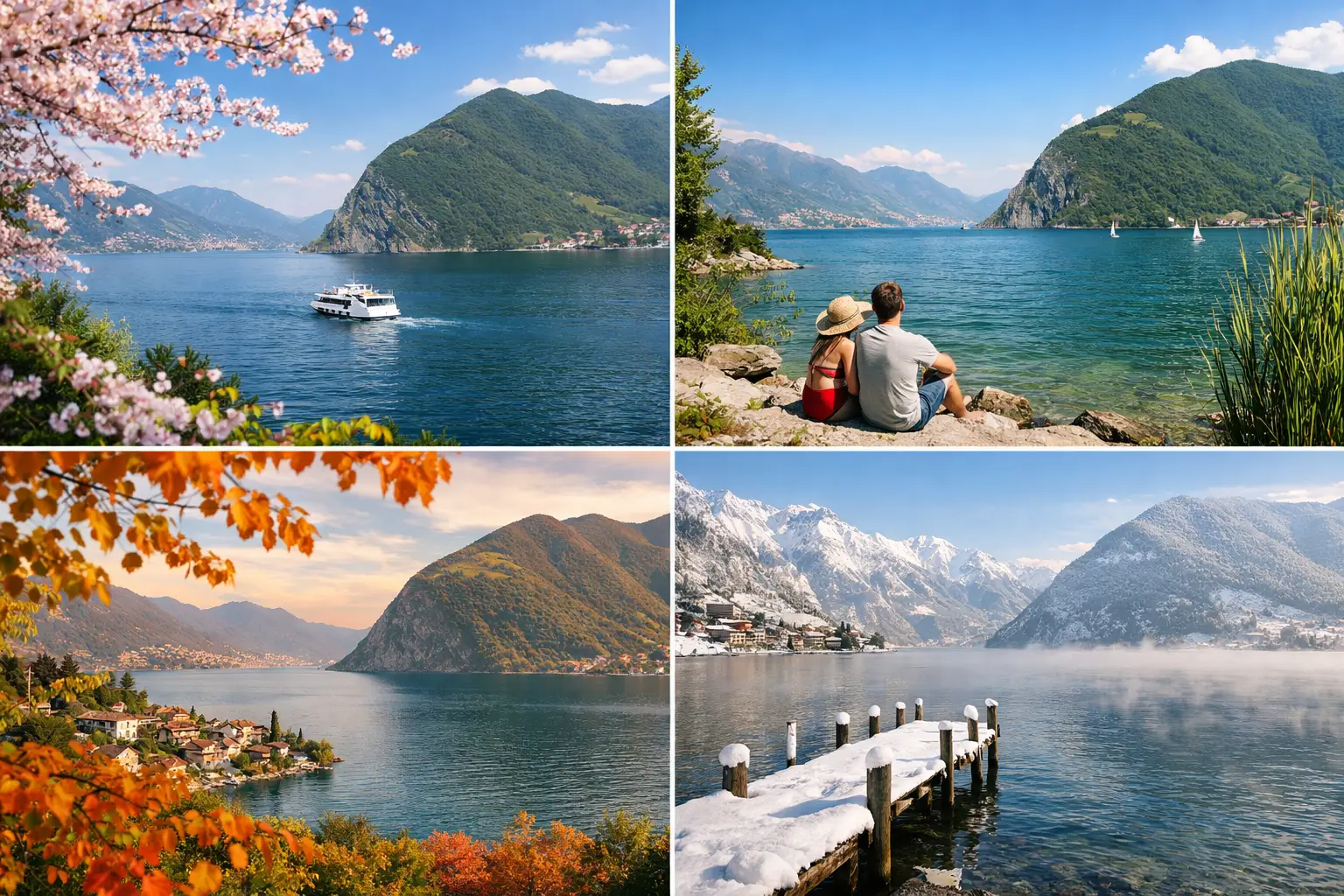
Rural Lombardy changes character throughout the year, and each season asks for a slightly different kind of trip. Spring is fresh and green, ideal for walking among new leaves and enjoying quieter villages before summer arrives. Summer brings longer days, lake outings, and high-country trails, though popular areas can be livelier on weekends.
Fall is especially rewarding for travelers who love food, color, and cooler air. Forest paths become quieter, menus turn richer, and the hills offer a slower, more reflective atmosphere. Winter is not always about dramatic snow sports. It can be about warm dining rooms, crisp walks, and the pleasure of staying somewhere that feels sheltered from the noise of the outside world.
There is no universally best time to visit. Couples looking for calm may prefer spring or fall. Families may value the freedom and longer daylight of summer. Mature travelers often find that shoulder seasons offer the most comfortable balance of weather, space, and local life.
Leave Space for Village Life
Do not plan every hour. Rural travel becomes meaningful when there is room for the unplanned: a conversation with a shopkeeper, a church bell marking the afternoon, a pastry chosen because it looked good in the window. Small villages are not museums, and their appeal lies partly in seeing everyday life continue at its own pace.
Visit local shops with curiosity and courtesy. Choose a simple souvenir with a connection to the region, perhaps a food specialty or handmade item, rather than something produced for every destination at once. Learn a few Italian phrases, even if your pronunciation is imperfect. A sincere buongiorno and grazie go a long way.
This approach also asks for patience. Shops may keep different hours from what you expect, and a quiet afternoon may truly be quiet. Rather than treating that as an inconvenience, take it as an invitation to pause. Read on a terrace, take another walk, or simply look out over the valley.
Travel Lightly Through the Countryside
To experience rural Lombardy well, respect the fact that its landscapes are lived in. Stay on marked paths, carry away what you bring, and keep your voice low when passing homes, farms, and grazing areas. If you are driving, be prepared for narrow roads and allow extra time. The most scenic route is not always the fastest, and that is often the point.
A car can be helpful for reaching smaller villages and trailheads, particularly for families or guests carrying hiking equipment. But it is not essential every day. Once you are settled in a place with walking access and a welcoming restaurant, the pleasure of not needing to drive can become part of the holiday itself.
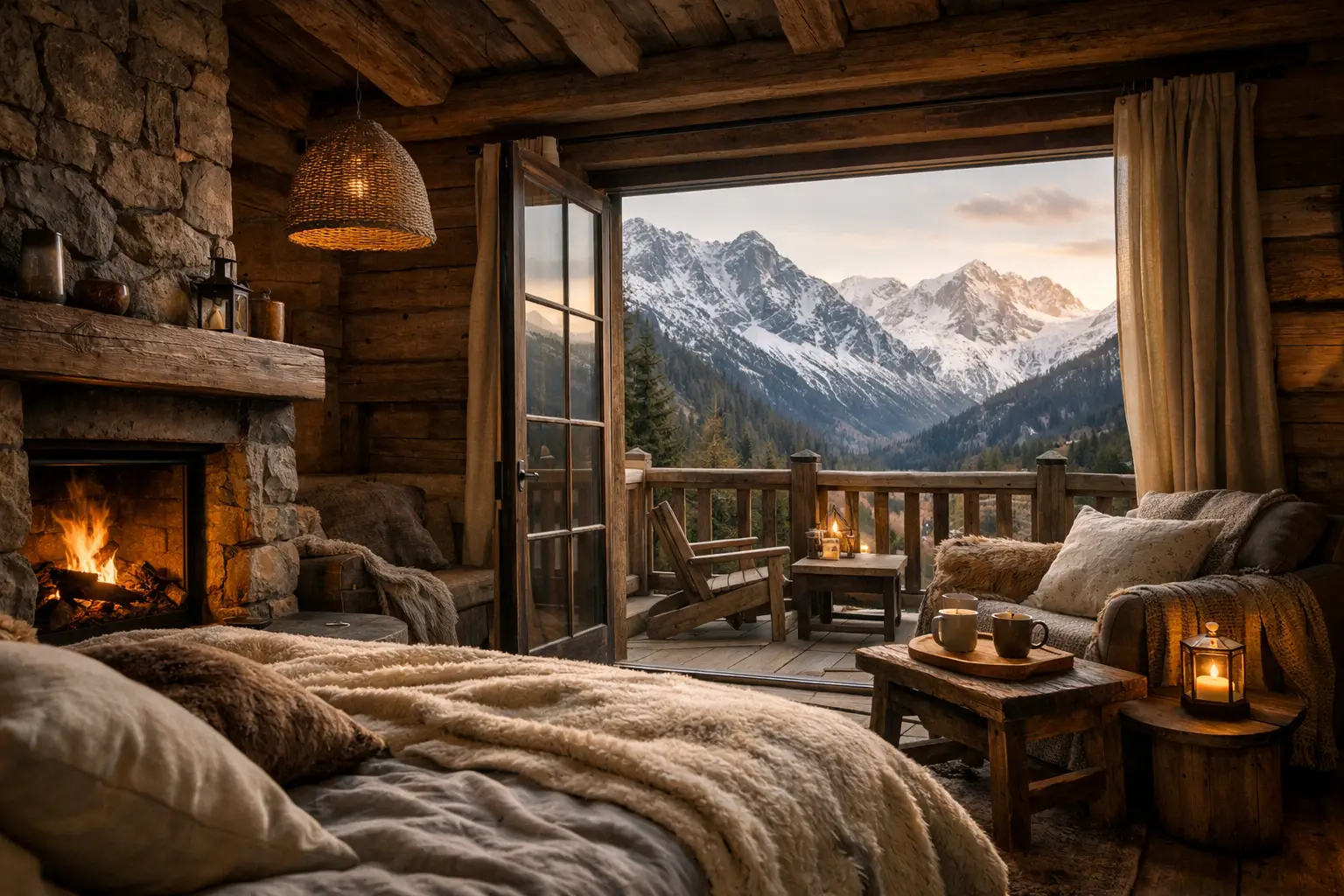
When you give rural Lombardy the gift of unhurried attention, it answers quietly: with mountain air through an open window, a table set with care, and the rare comfort of feeling welcomed somewhere new.