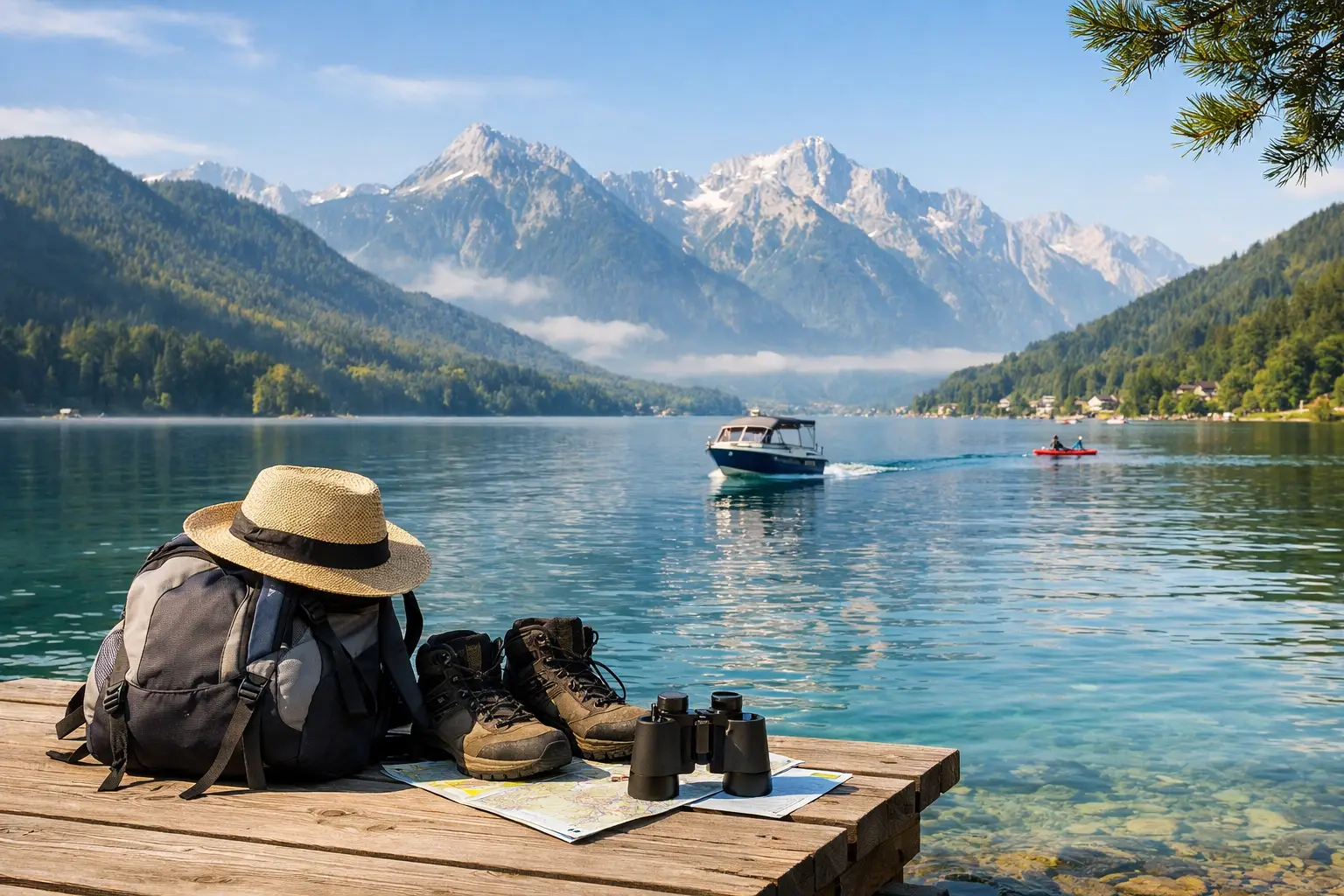

How to Explore Zone Trails at Your Own Pace
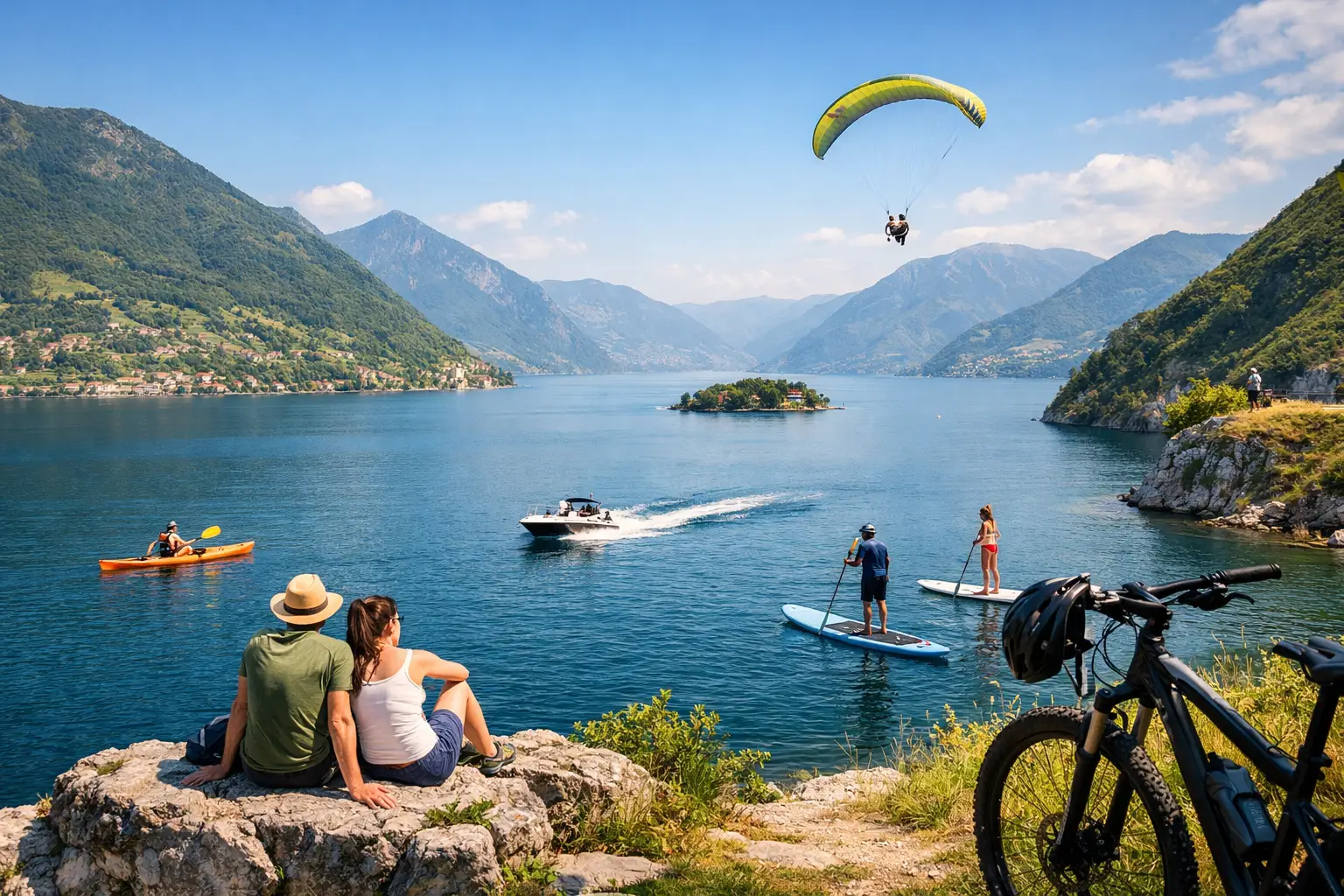
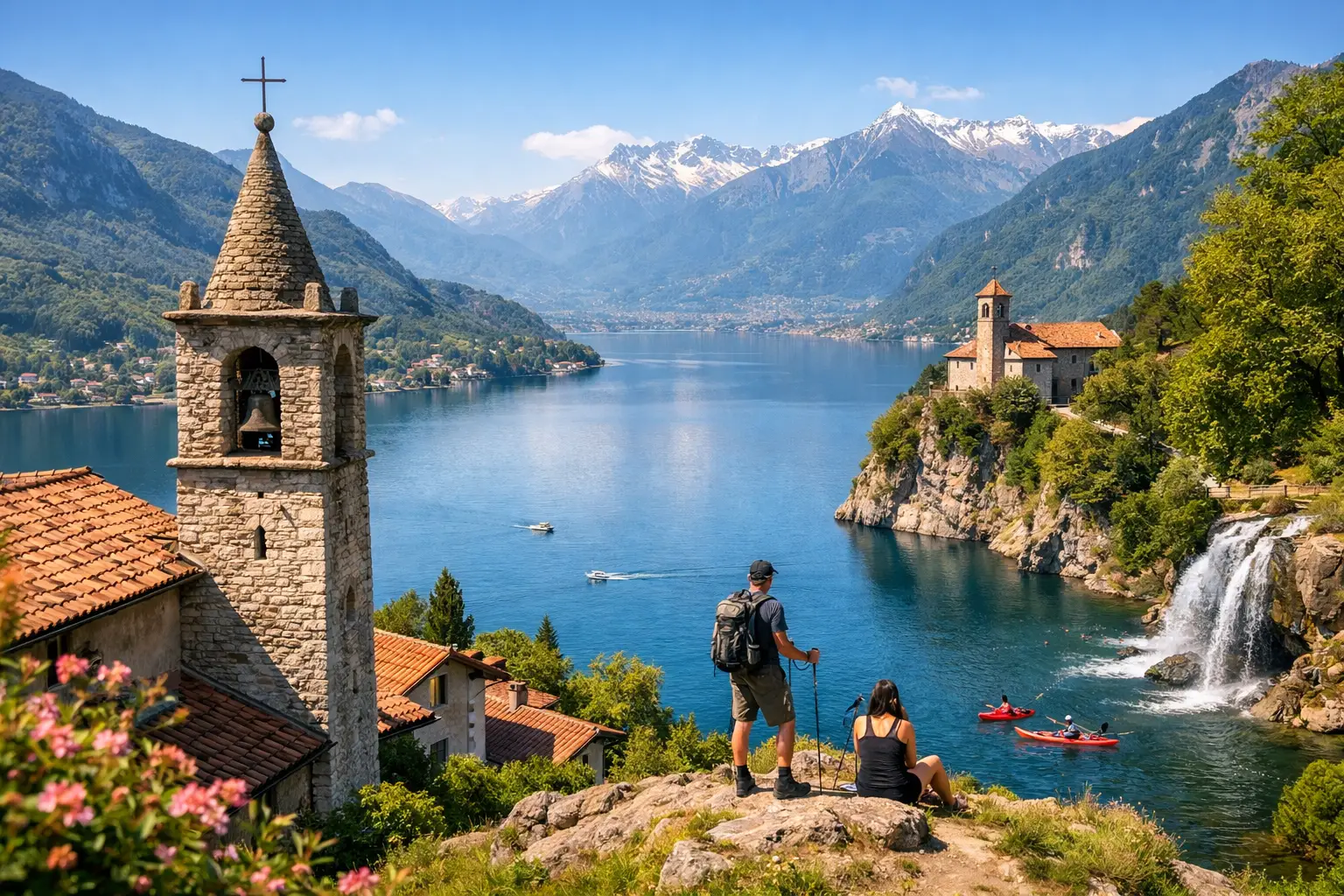
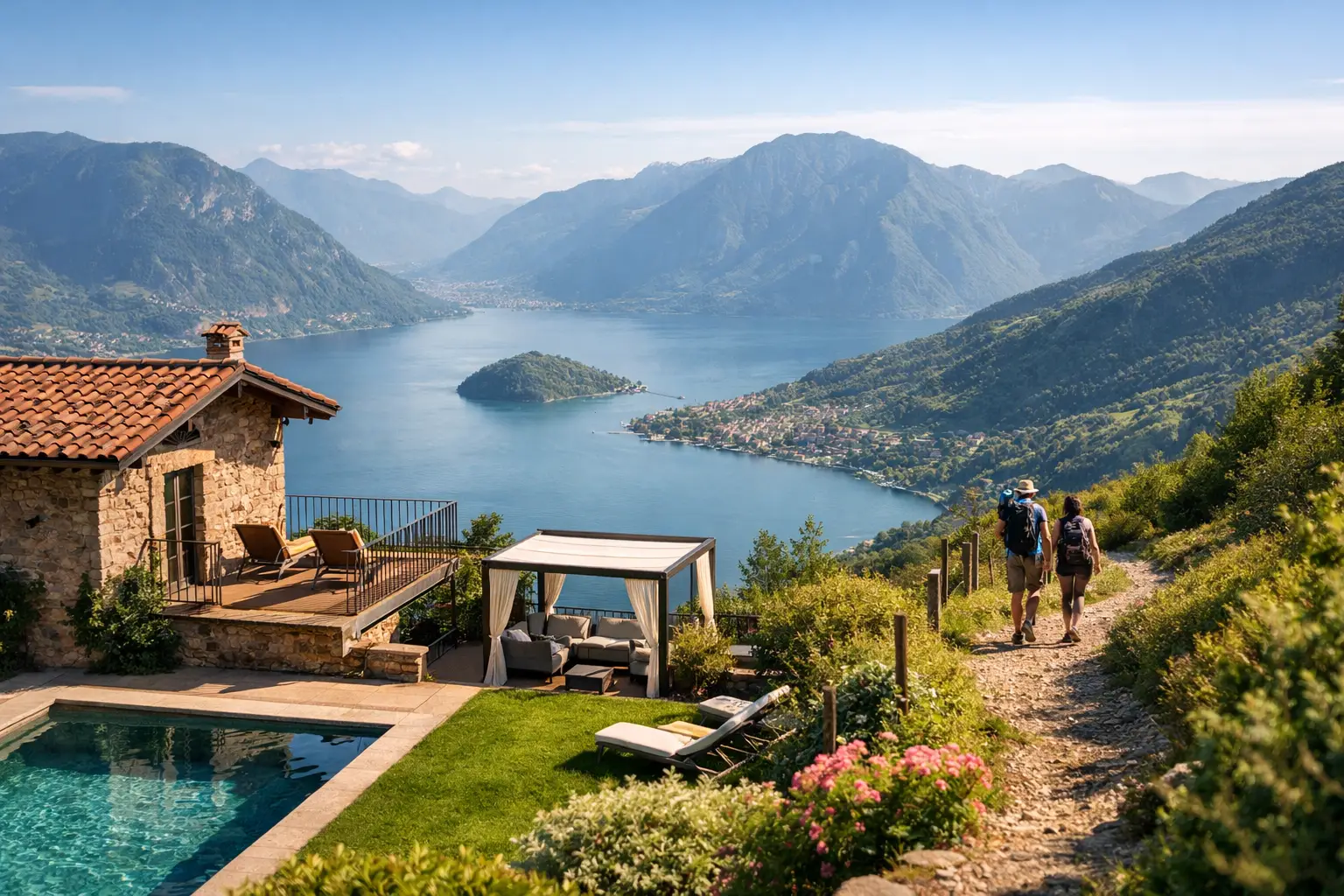
The first sound on a Zone trail is often not a crowd or a car, but your own footsteps on stone, leaves, or mountain grass. This small village above Lake Iseo invites a slower kind of outing: one where a beautiful view is not something to rush toward, but a reason to pause. Learning how to explore Zone trails begins with accepting that the best day is not always the longest hike. It is the one that leaves room for fresh air, a good meal, and the pleasure of returning tired in the best possible way.
Start with the trail that suits your day
Zone sits in a landscape where lake light, woodland, meadows, and Alpine slopes meet. Trails can feel wonderfully accessible, but that does not mean every route is right for every traveler. A gentle walk with children, a quiet outing as a couple, and a full day in the mountains call for different choices.
Before setting out, consider your group’s experience, available daylight, and how much elevation everyone will enjoy rather than merely manage. A route that looks short on a map can still be demanding if it climbs steadily, has uneven ground, or becomes slippery after rain. In the mountains, distance tells only part of the story.
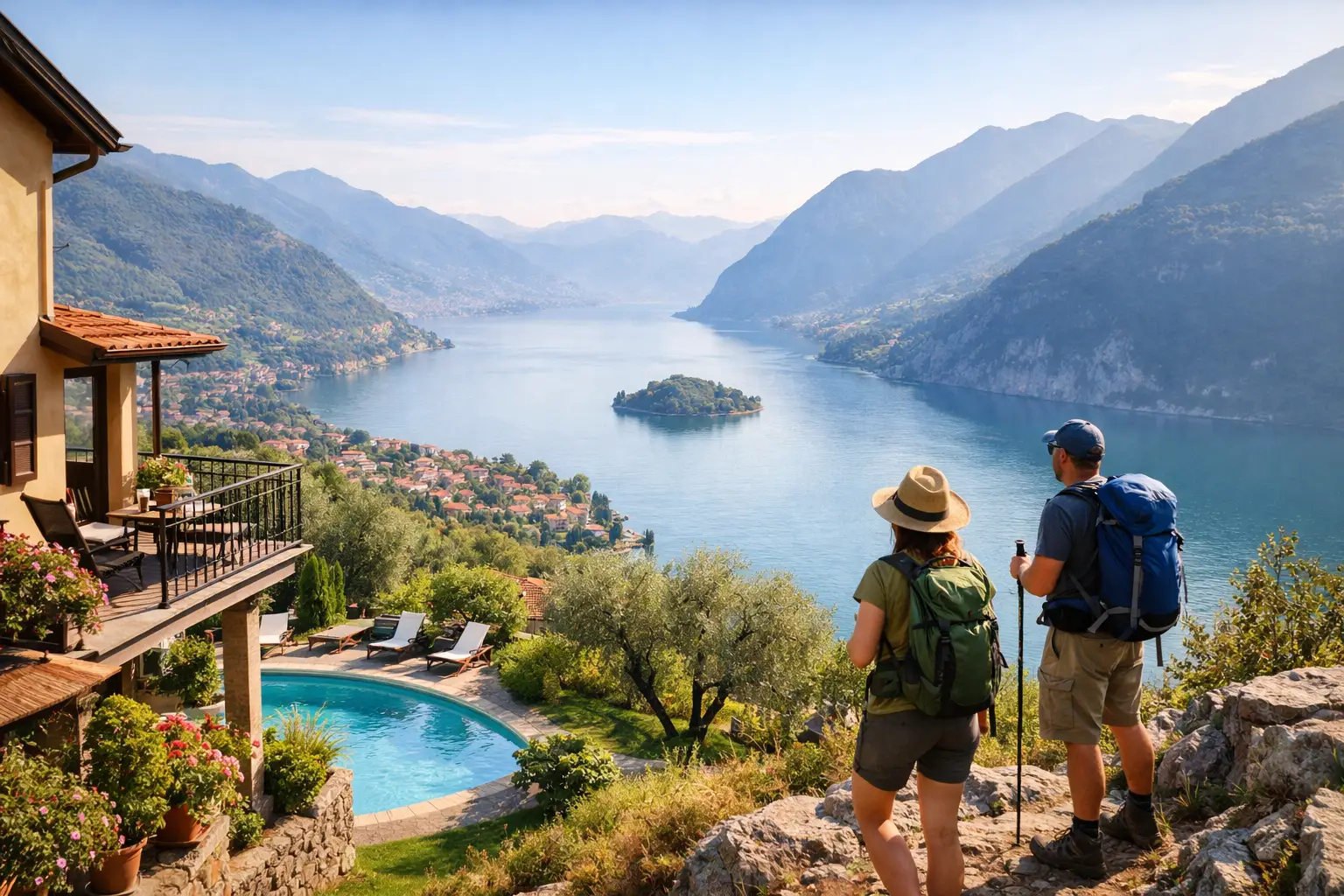
For a relaxed first outing, choose a clearly marked local path and give yourselves permission to turn back whenever the moment feels right. This approach is especially rewarding for families and travelers who have come to rest as much as to walk. If you are experienced hikers, you may prefer a longer route that links woodland paths with higher viewpoints, but begin early and leave a comfortable margin before sunset.
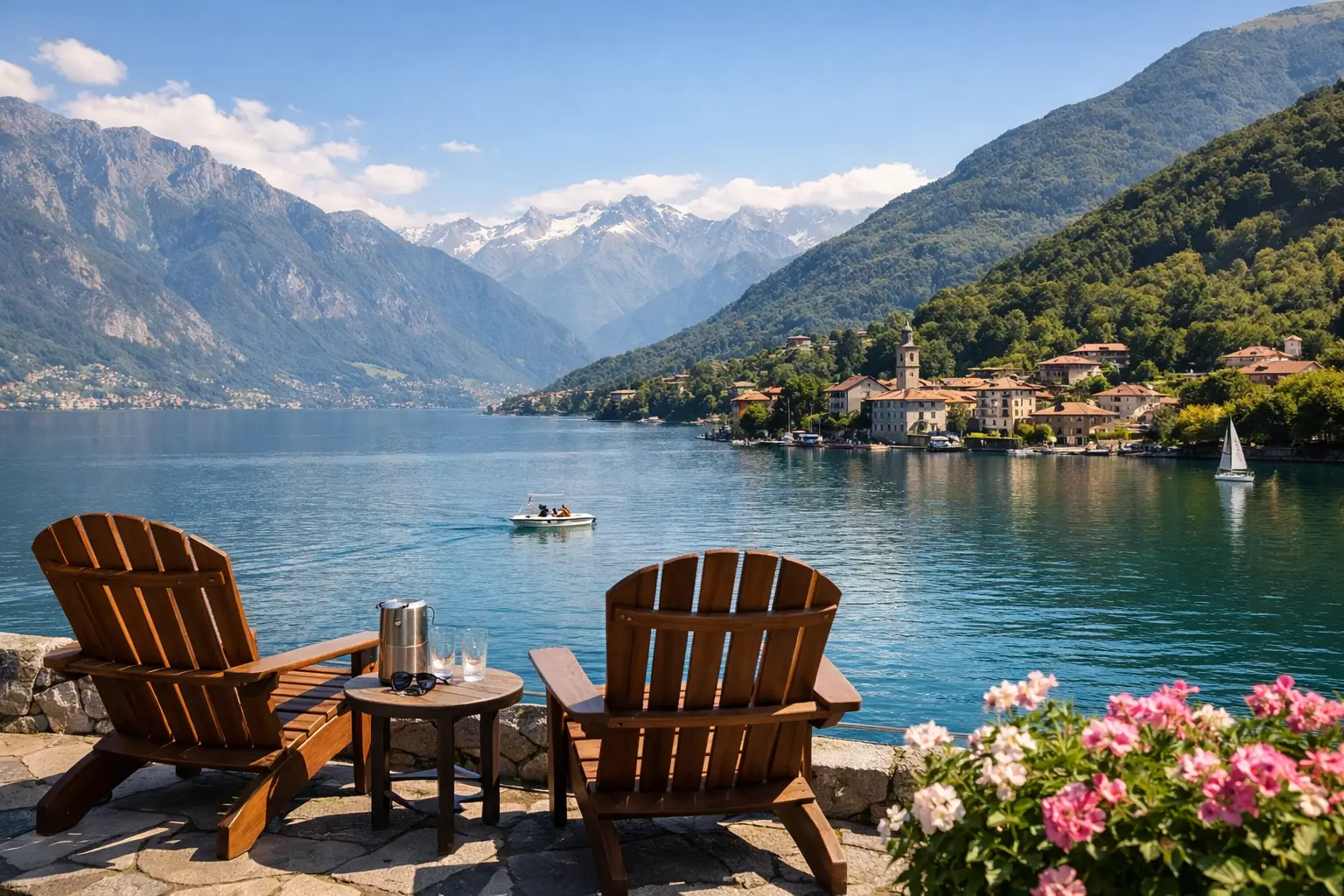
The celebrated natural surroundings near Zone are full of small rewards: a change in the scent of the forest, a glimpse of Lake Iseo between branches, or a stone bench that becomes the perfect place for a snack. There is no prize for passing them by.
How to explore Zone trails with good preparation
A calm walk begins before you leave your room. Check the local weather forecast on the morning of your hike, not only the evening before. Mountain conditions can change quickly, and a warm lakeside morning may become cool, windy, or wet at higher elevations.
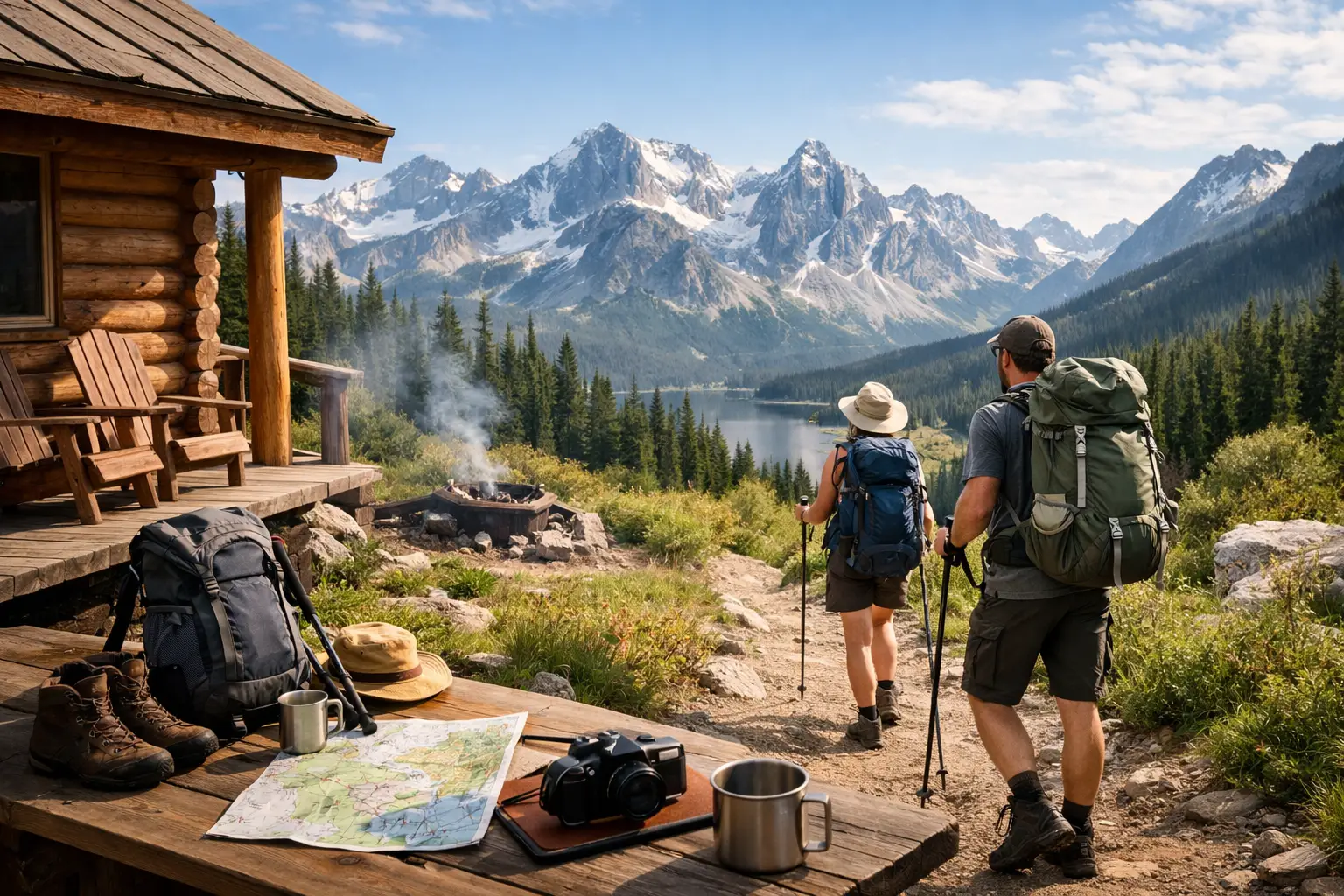
Wear shoes with a reliable grip, even for trails that seem simple. Gravel, roots, damp leaves, and old stone can make ordinary sneakers less comfortable than expected. Dress in light layers so you can adjust as the temperature changes, and bring a waterproof layer whenever the forecast is uncertain. Sun protection matters too, particularly on open paths where shade is limited.
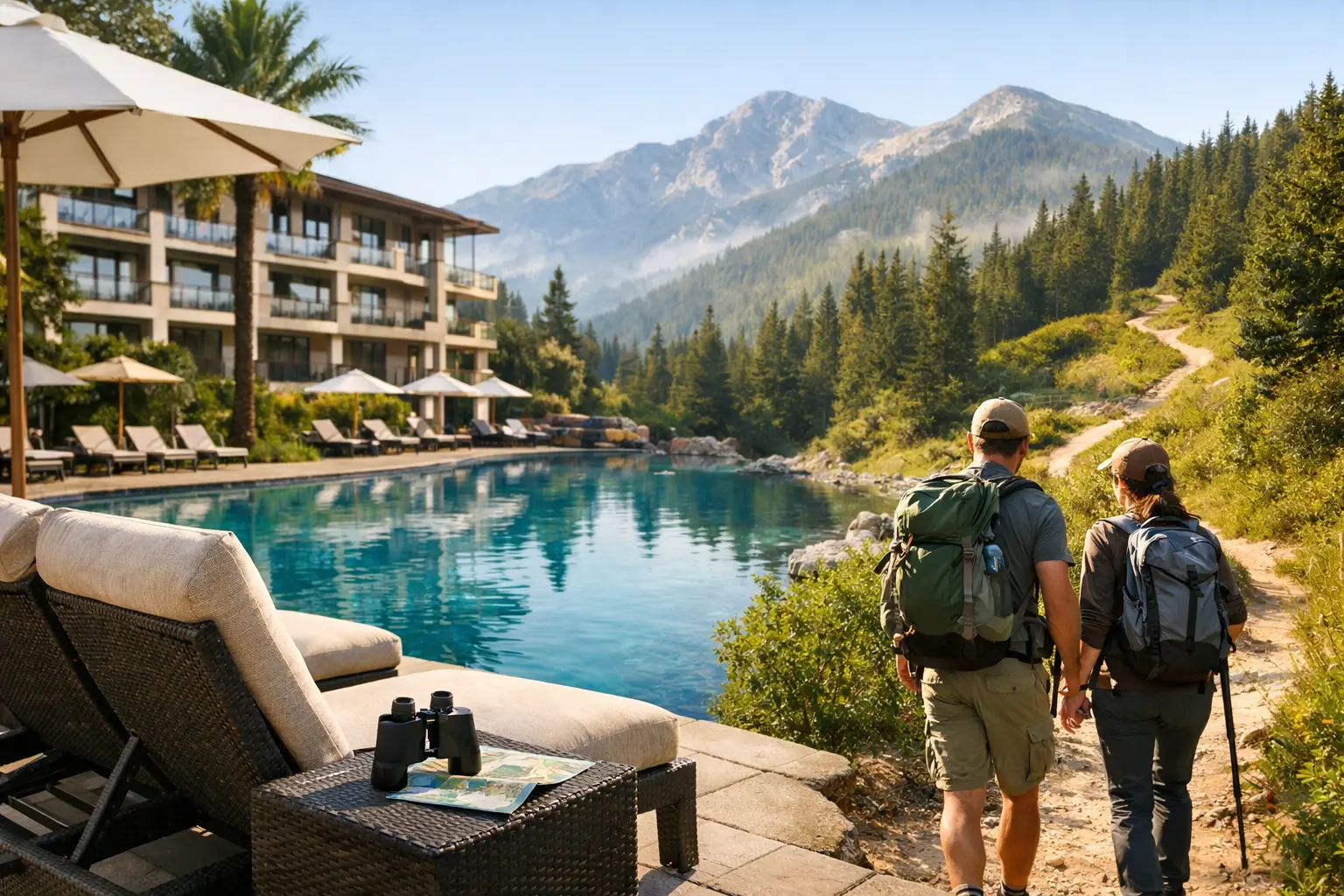
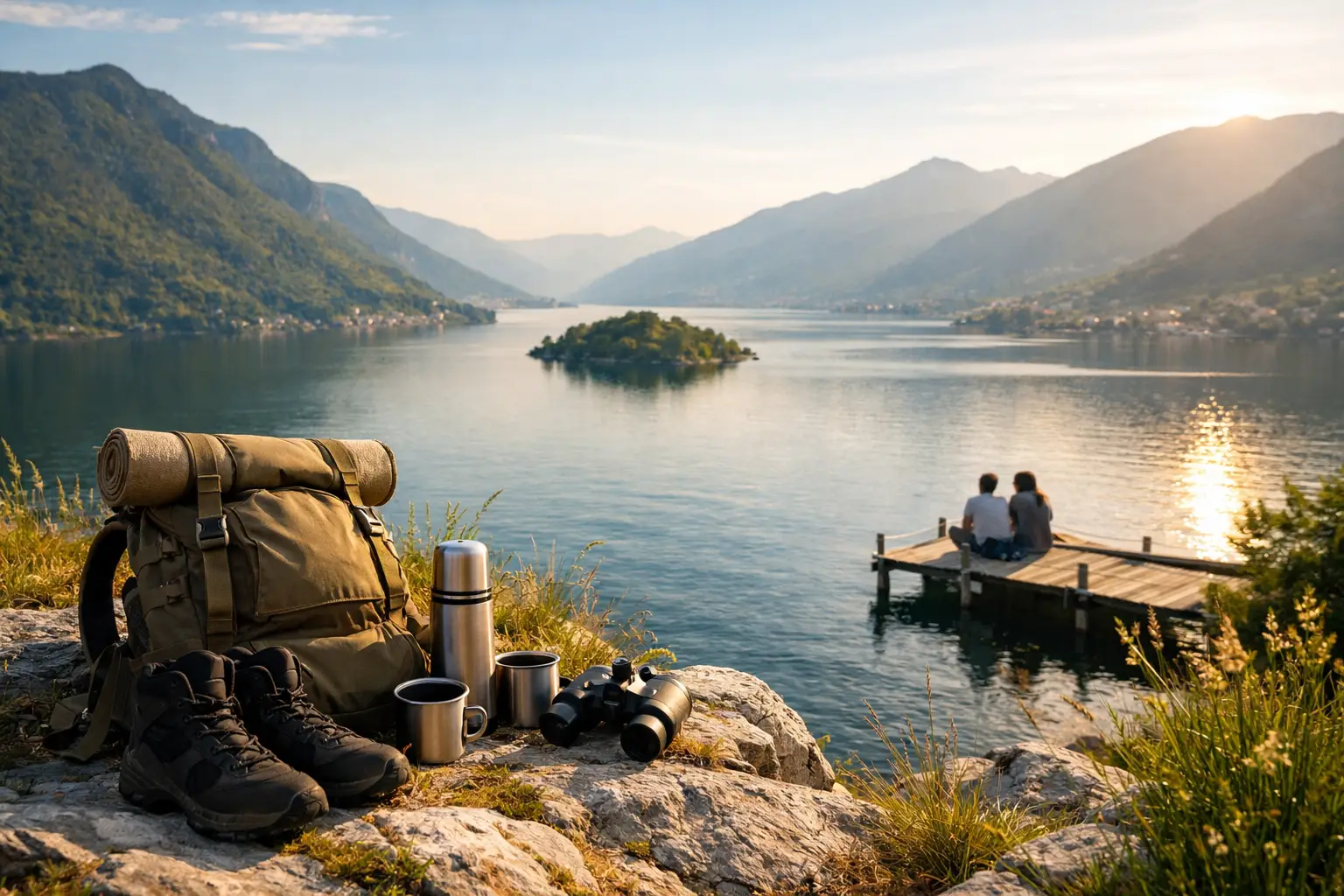
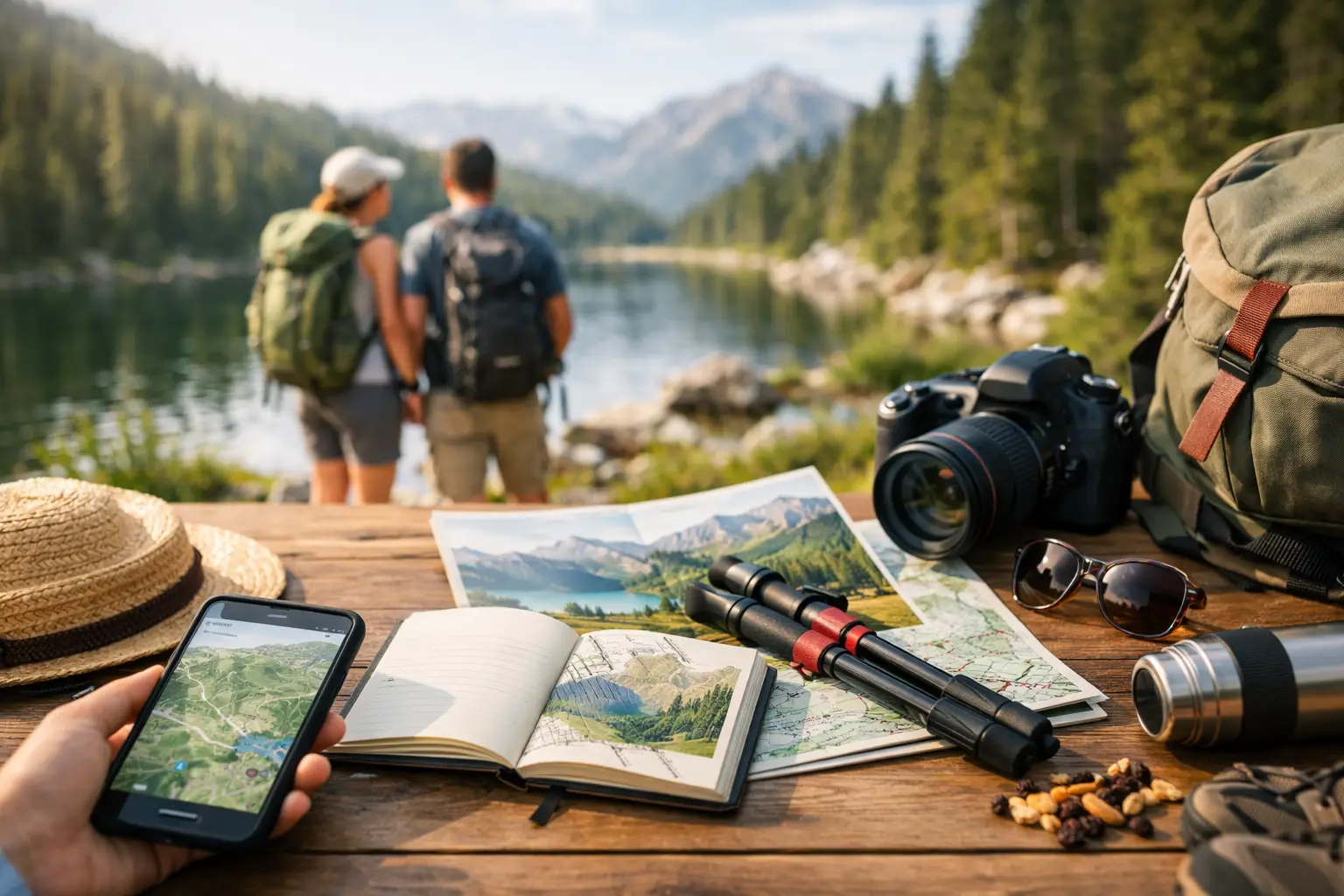
Carry water for everyone, along with a small snack that travels well. A charged phone, a simple trail map or downloaded route information, and a small first-aid kit offer welcome reassurance. In a remote stretch of trail, preparation is not about carrying everything. It is about bringing the few things that allow you to stay comfortable and make sensible decisions.
Tell someone where you plan to go, especially if you are hiking beyond the most frequented walks. If you are unfamiliar with the area, ask locally about current trail conditions, seasonal closures, and routes that match your pace. Local knowledge is often more useful than a generic description online, particularly after heavy rain or during the shoulder seasons.
Let the season shape your route
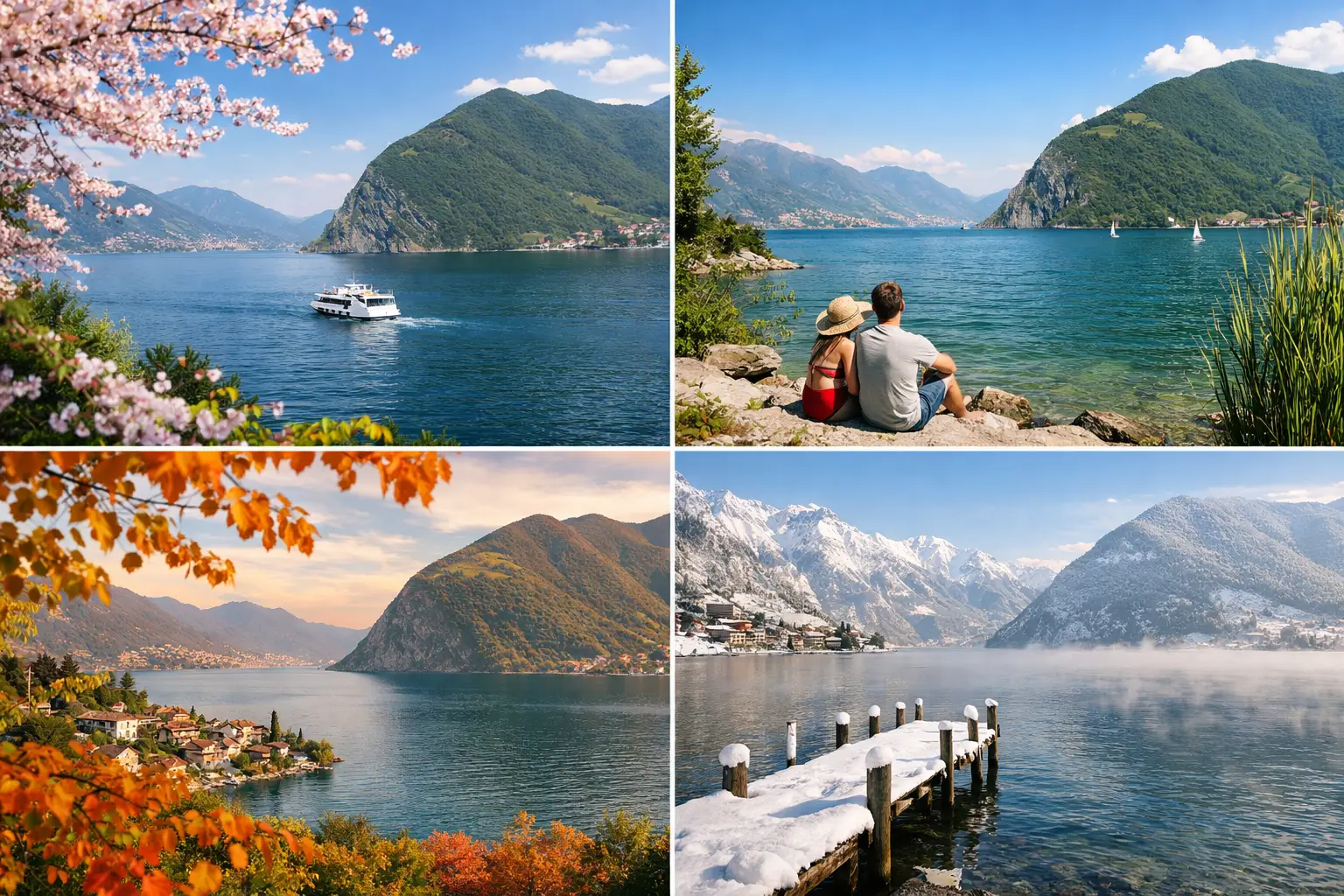
Zone changes character throughout the year, and each season asks for a slightly different rhythm. Spring brings bright green woods and cool, clear days, although muddy sections and sudden showers are common. It is a lovely time for gentle walks, provided you keep an eye on the weather.
Summer offers long daylight hours and warm evenings, ideal for setting off in the morning and lingering over lunch afterward. On hotter days, shaded woodland routes are often more pleasant than exposed climbs. Carry more water than you think you will need, and remember that the sun can feel stronger as you gain elevation.
Autumn is made for unhurried walkers. The woods become quieter, the air turns crisp, and the changing colors make even familiar paths feel new. Days are shorter, however, so start earlier and bring an extra layer. Winter can be peaceful and striking, but snow, ice, and reduced visibility can turn a straightforward outing into a technical one. Unless you have suitable equipment and experience, choose lower, well-known walks or seek local advice before heading out.
Walk with the landscape, not against it
The most memorable trail days are rarely measured by speed. Set a pace at which everyone can speak comfortably, especially during the first uphill stretch. Short breaks are not a sign of slowing down too much; they are part of enjoying the landscape and keeping energy steady.
Take care at junctions. Follow trail markings carefully rather than relying on instinct, and do not take shortcuts across private land, meadows, or fragile slopes. Staying on established paths protects the terrain and helps prevent avoidable detours. If a route becomes unclear, weather worsens, or someone in the group feels unwell, turning back is a good mountain decision, not a disappointment.
Families can make the walk feel more natural by giving children small reasons to look closely: the sound of a stream, the shape of a leaf, or the changing view of the lake. There is no need to transform the trail into a competition. Curiosity does more than a finish line to keep younger walkers engaged.
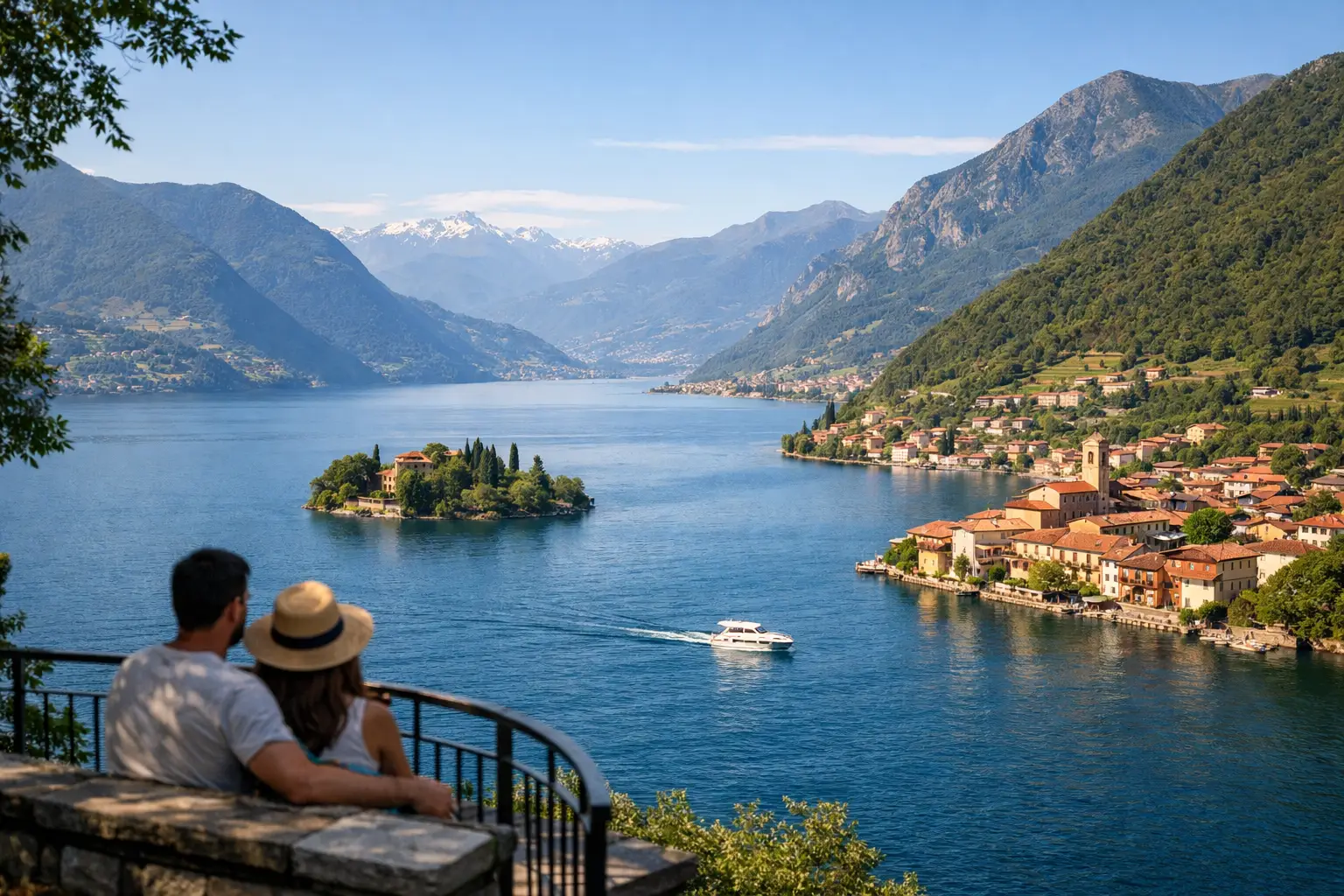
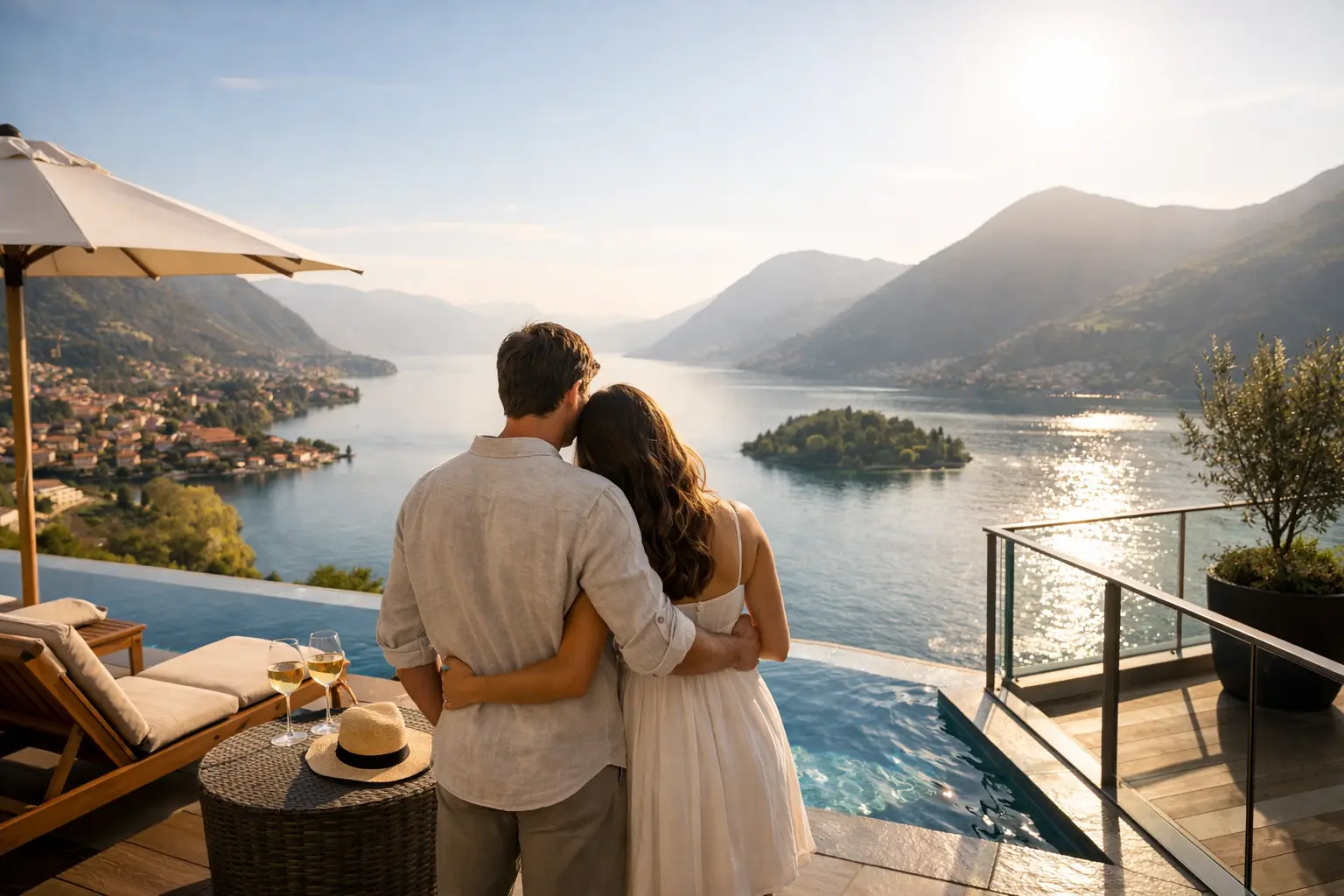
Couples and friends may find that the same advice creates a different kind of reward. Put phones away for part of the route. Stop where the view opens. Let conversation come and go without trying to fill every quiet moment. Zone’s trails offer space that many busy routines do not.
Respect the places that welcome you
These paths are part of a living landscape, shared by residents, farmers, wildlife, and other walkers. Carry out everything you bring in, including food wrappers and tissues. Keep noise low, do not disturb animals, and leave flowers, stones, and plants where they belong.
If you meet other hikers on a narrow section, a simple greeting and a little patience go a long way. Yielding space on an uphill stretch or pausing for a family to pass is part of the courtesy that makes mountain walking feel generous rather than crowded. Dogs should be kept under control, both for their safety and for the comfort of wildlife and other guests.
Respect also means being honest about conditions. A route that was pleasant in dry weather may be unsuitable after a storm. The mountain will still be there tomorrow. Choosing a safer alternative can lead to a day that is just as beautiful, and far more relaxed.
Make the return part of the experience
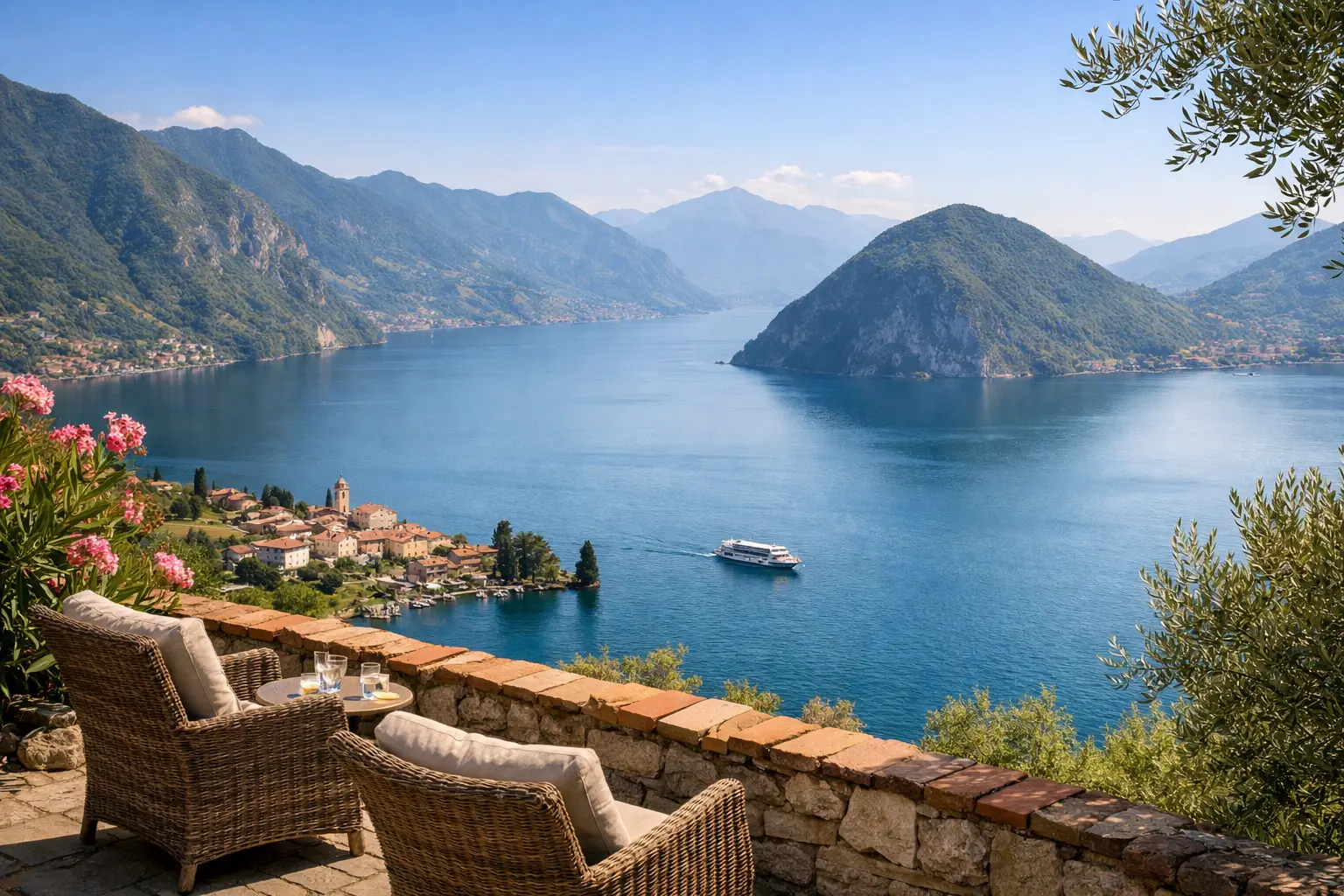
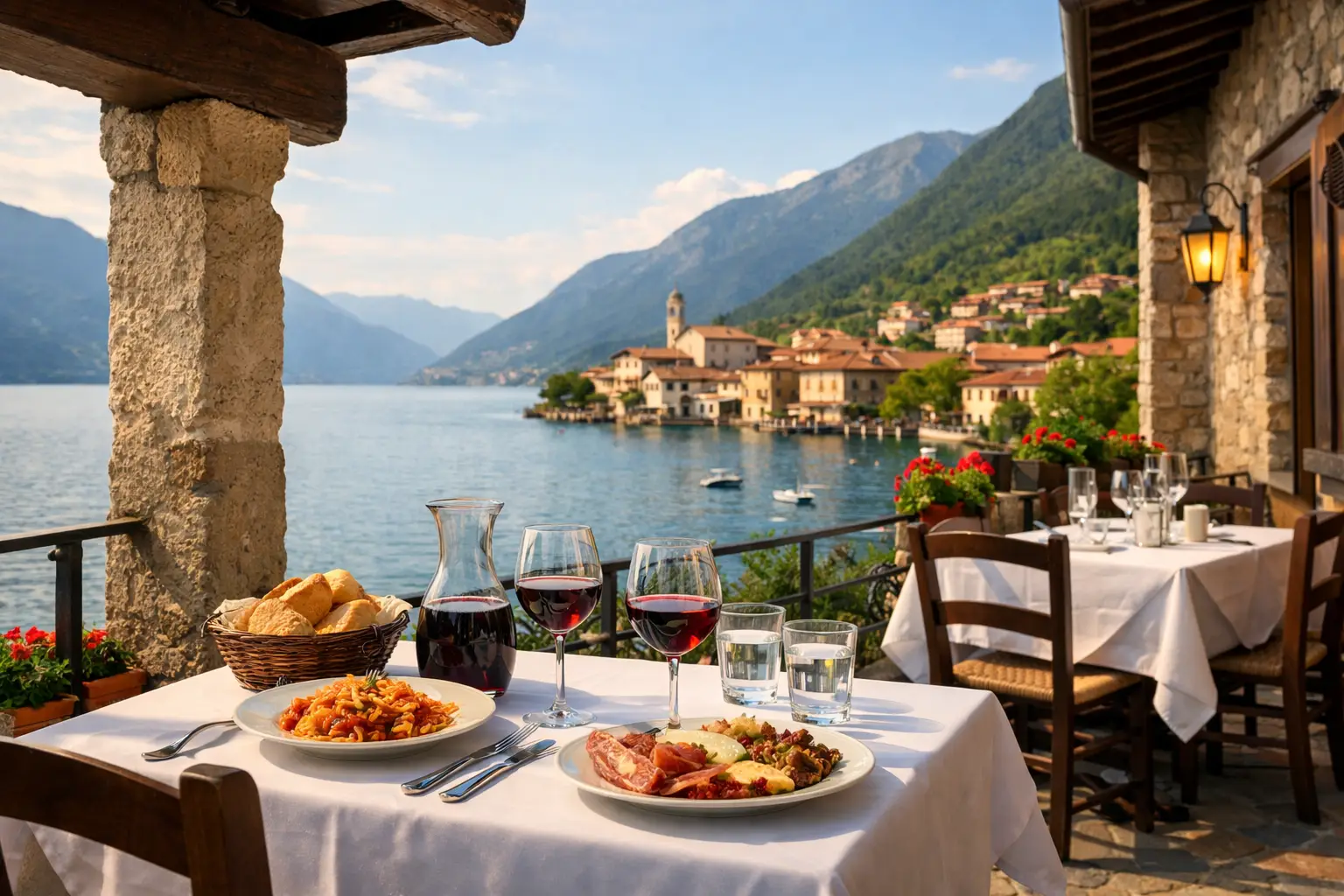
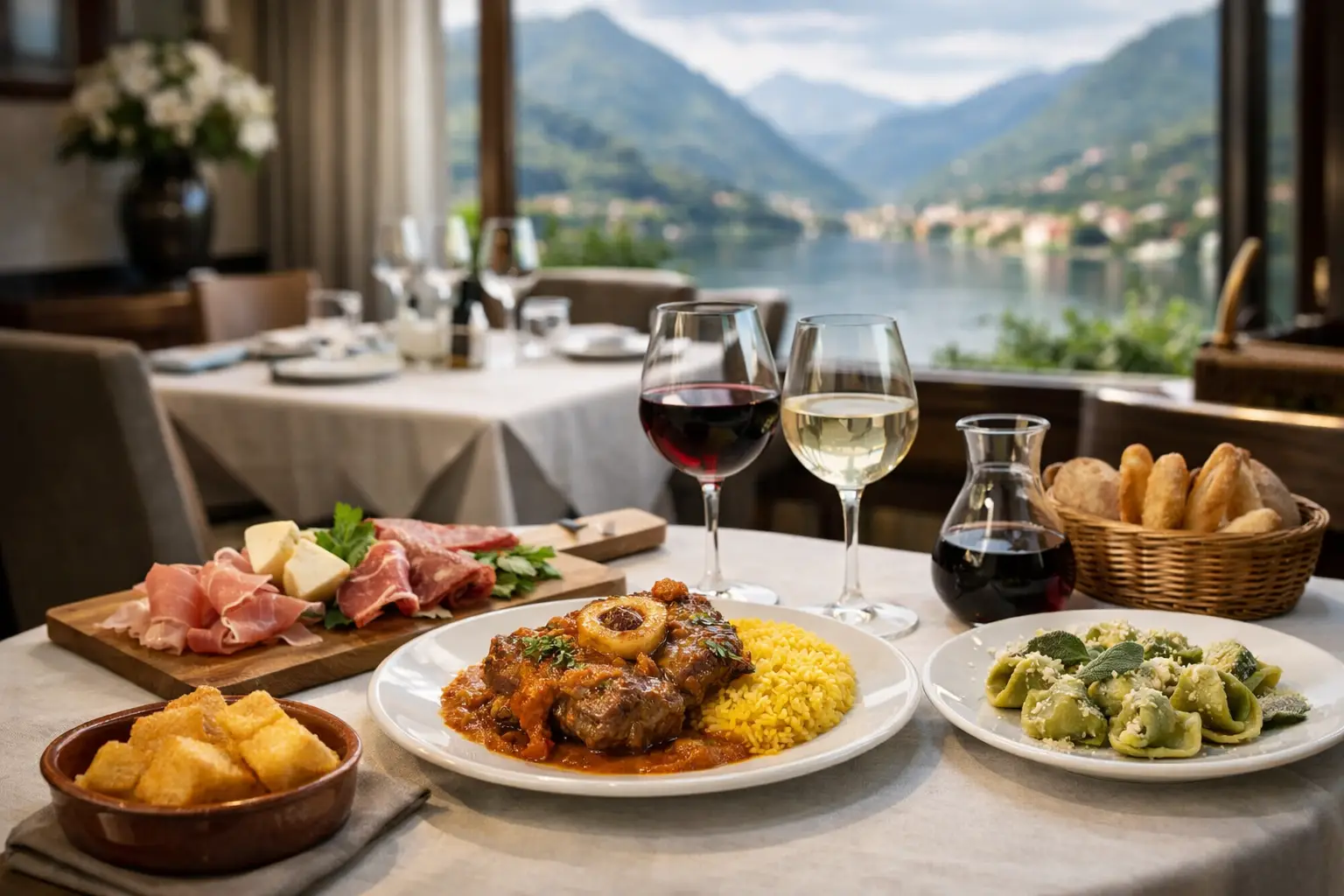
A walk through Zone need not end the moment you reach the trailhead. Leave time to sit down, drink water, and notice how your body feels after the fresh air and climbing. A warm meal, a local glass of wine, or a quiet afternoon with a view can be part of the outing rather than an afterthought.
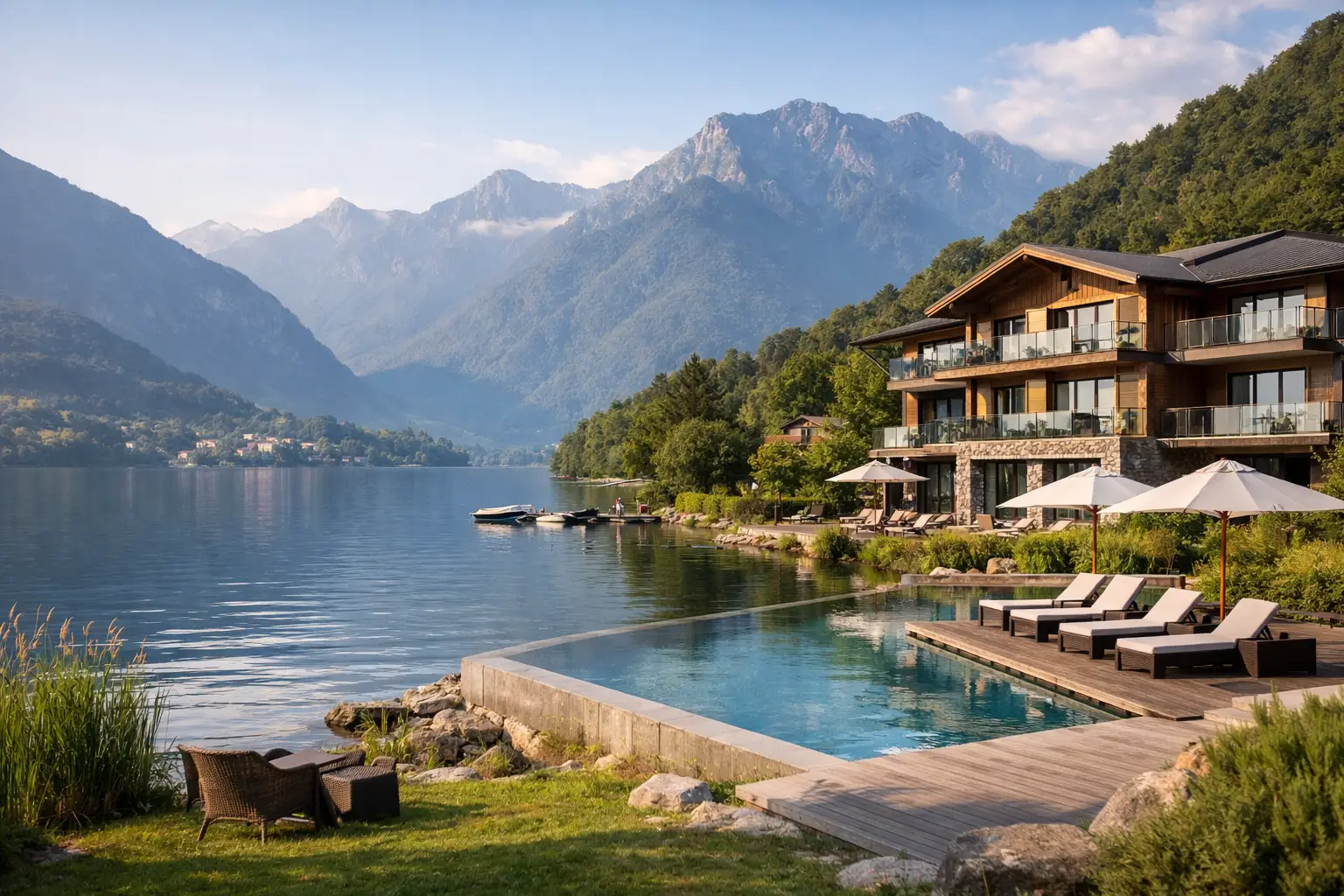
For guests staying at Hotel Conca Verde, this is one of the simple pleasures of being close to the trails: you can set out without hurrying and return to the comfort of a welcoming table and a restful room. The day can hold both a mountain path and the warmth of traditional hospitality.
You do not need to see every viewpoint or complete the most ambitious route to understand this corner of Lombardy. Choose a path that feels right, walk with care, and allow the lake, woods, and mountains to set the pace. Often, the trail you remember most is the one that gave you time to feel truly present.