
Lombardy Cuisine for Slow, Memorable Stays
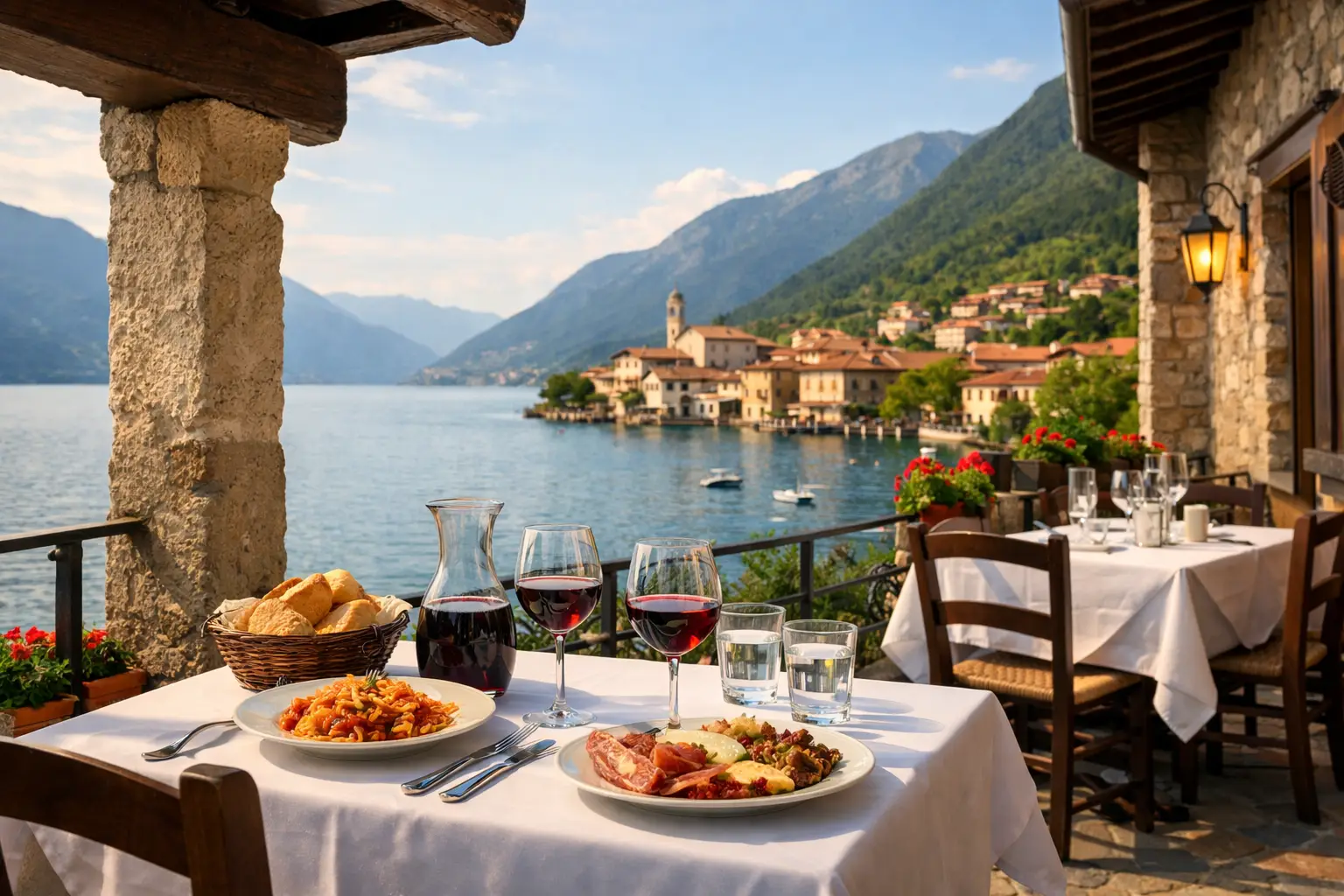
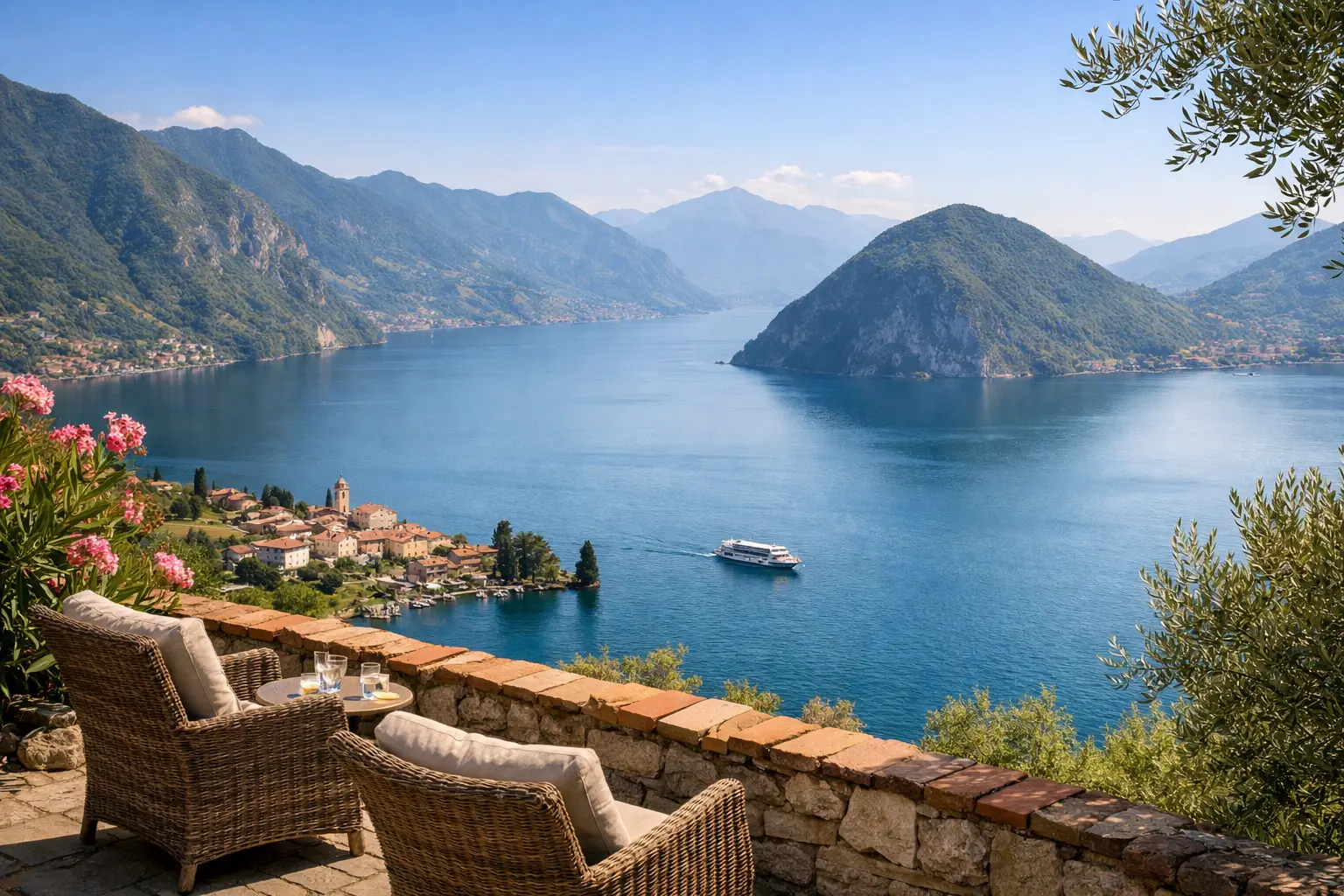
A plate of polenta arriving warm at the table, the quiet fragrance of butter and sage, a glass poured as the hills darken beyond Lake Iseo – this is where Lombardy cuisine reveals its character. It is not food made for haste or spectacle. It is generous, grounded, and closely tied to the valleys, lakes, farms, and family kitchens that have shaped this part of northern Italy for centuries.
For travelers who come to Lombardy seeking more than a beautiful view, the region’s table offers a particularly sincere welcome. Each meal carries the practical wisdom of mountain life and the richness of a land where Alpine pastures meet fertile plains. The result is a cuisine of contrast: delicate risottos and substantial stews, freshwater fish and aged cheeses, celebratory sweets and simple dishes that make an ordinary evening feel cared for.
Lombardy Cuisine Begins with the Landscape
Lombardy is often associated with Milan, and its famous dishes deserve their place at the table. Yet the region is far more varied than its city reputation suggests. From the rice fields of the Po Valley to the high Alpine valleys, from Lake Garda to Lake Iseo, ingredients change with the terrain.
In the mountains, cornmeal, dairy, buckwheat, cured meats, and long-cooked meats have traditionally provided comfort and energy through colder seasons. Around the lakes, cooks turn to perch, trout, tench, and the small sardines that have long been preserved and enjoyed in the Iseo area. In the plains, rice takes center stage, giving rise to creamy risottos whose texture depends on patience as much as ingredients.
This is why there is no single Lombardy menu. A dish that feels essential in Milan may be less familiar in a village at the foot of the Alps. That variation is part of the pleasure. Eating locally means letting the place and season decide what belongs on the table.
The Comforting Dishes Worth Knowing
Polenta, the faithful companion
Polenta is one of the most familiar comforts in northern Italian cooking, but its simplicity should not be mistaken for plainness. Made from slowly cooked cornmeal, it can be soft and spoonable, grilled until crisp, or served beside braised meat, cheese, mushrooms, and lake fish.
In the Brescia mountain area, polenta often appears in its heartier forms, made to share after a walk in cool air. Polenta taragna, enriched with buckwheat flour and melted cheese, is especially satisfying when the weather turns crisp. It is rich, certainly, but richness has a purpose here: it speaks of pastures, winter kitchens, and recipes designed to gather people close.
Rice with patience at its heart
Risotto alla Milanese is perhaps Lombardy’s best-known rice dish, colored gold by saffron and traditionally enriched with butter and cheese. A good risotto is never rushed. The rice is added to warm stock little by little, stirred with attention until each grain is tender while retaining its shape.
Beyond Milan, seasonal risottos may feature mushrooms, local sausage, herbs, pumpkin, or lake fish. The dish changes, but the method remains a small lesson in Italian hospitality: take the time required, then serve it at precisely the right moment. Risotto waits for no one, which is all the more reason to settle in at the table.
Slow-cooked traditions
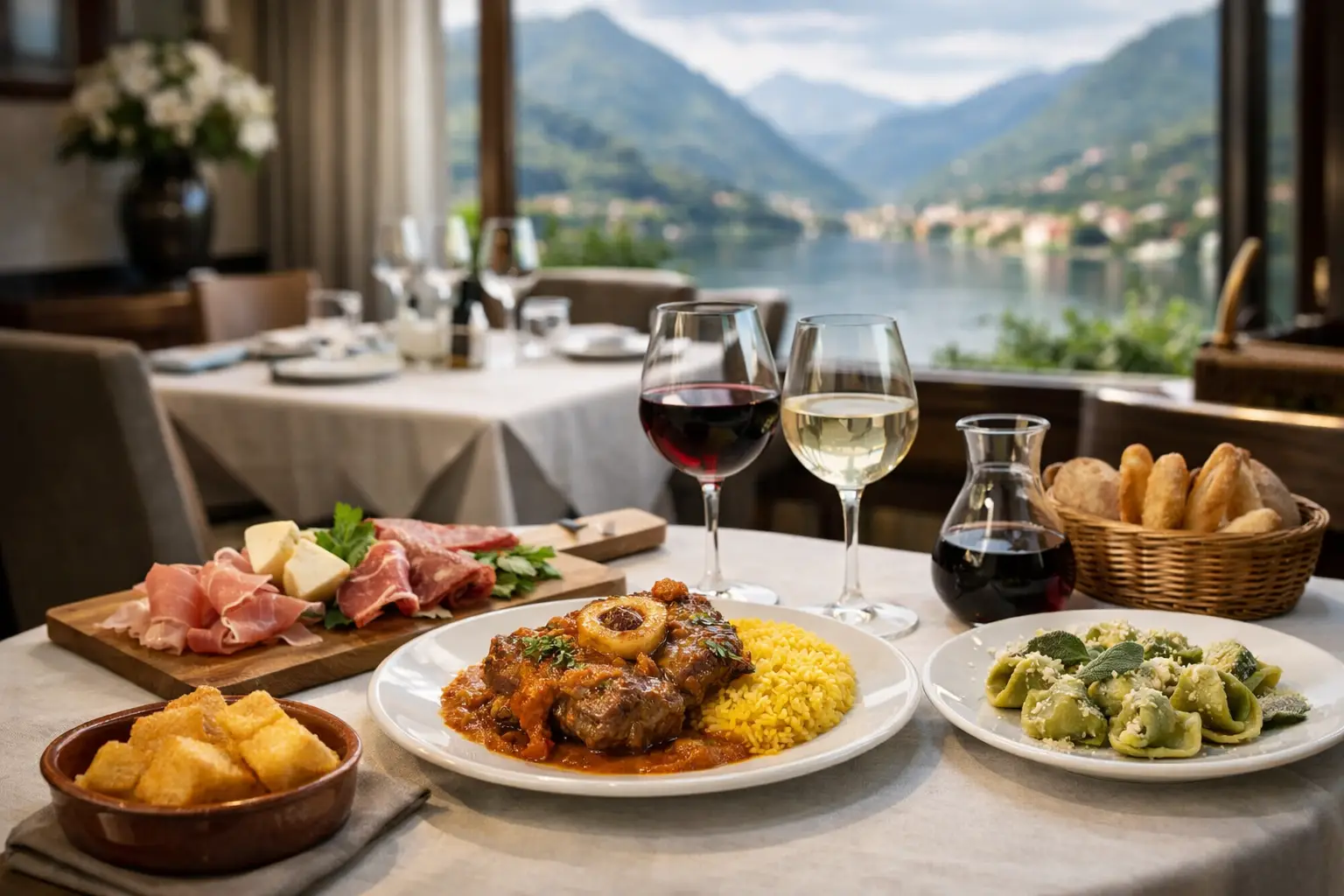
Lombardy has a deep affection for dishes that need time. Ossobuco, the braised veal shank often served with risotto, becomes tender through a slow simmer. Manzo all’olio, a specialty from the Brescia area, transforms beef with olive oil, anchovy, garlic, and patient cooking into something surprisingly delicate.
Further west, cassoeula brings together pork and cabbage in a hearty cold-weather preparation. These are not necessarily dishes for a light summer lunch, and that is part of their honesty. They belong to particular moments: a cool evening, a family Sunday, a table where nobody is watching the clock.
Pasta shaped by local hands
Fresh filled pasta is another thread running through the region. Casoncelli, especially associated with the Bergamo and Brescia areas, are small stuffed parcels often dressed simply with butter, sage, and cheese. Their fillings vary from town to town and sometimes from household to household.
In Valtellina, buckwheat pizzoccheri are served with potatoes, cabbage, and melted cheese. They offer a beautiful example of Alpine cooking at its most direct: a few humble ingredients, carefully combined, becoming a dish with real depth. Travelers accustomed to lighter Italian pasta dishes may find them wonderfully substantial.
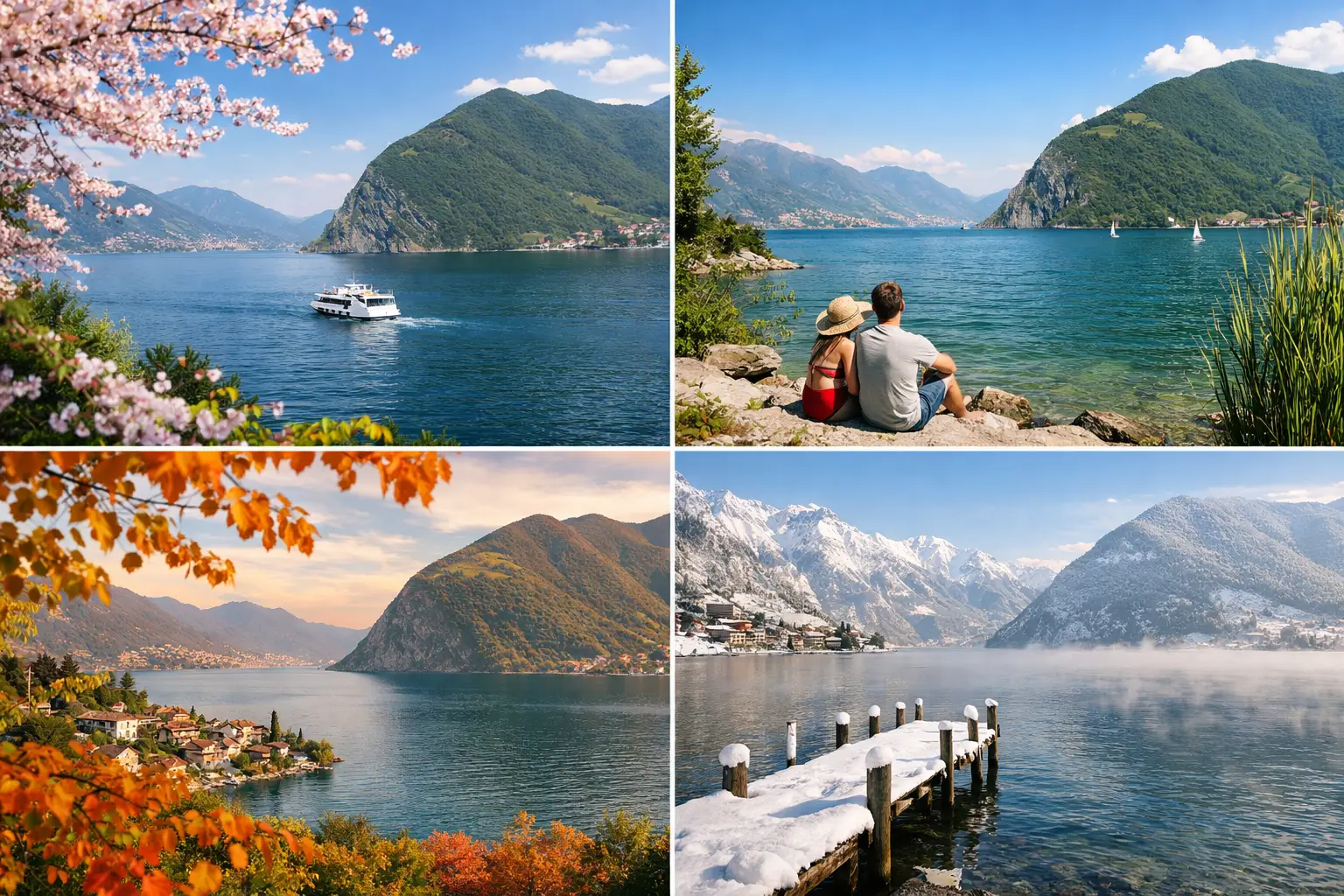
Lake Iseo Flavors at a Gentler Pace
Near Lake Iseo, the kitchen draws naturally from water and mountain. Lake fish may be grilled, fried, marinated, or paired with polenta. The celebrated sardines of Lake Iseo are traditionally dried and preserved, developing a concentrated flavor that reflects an old way of making the lake’s catch last beyond the fishing season.
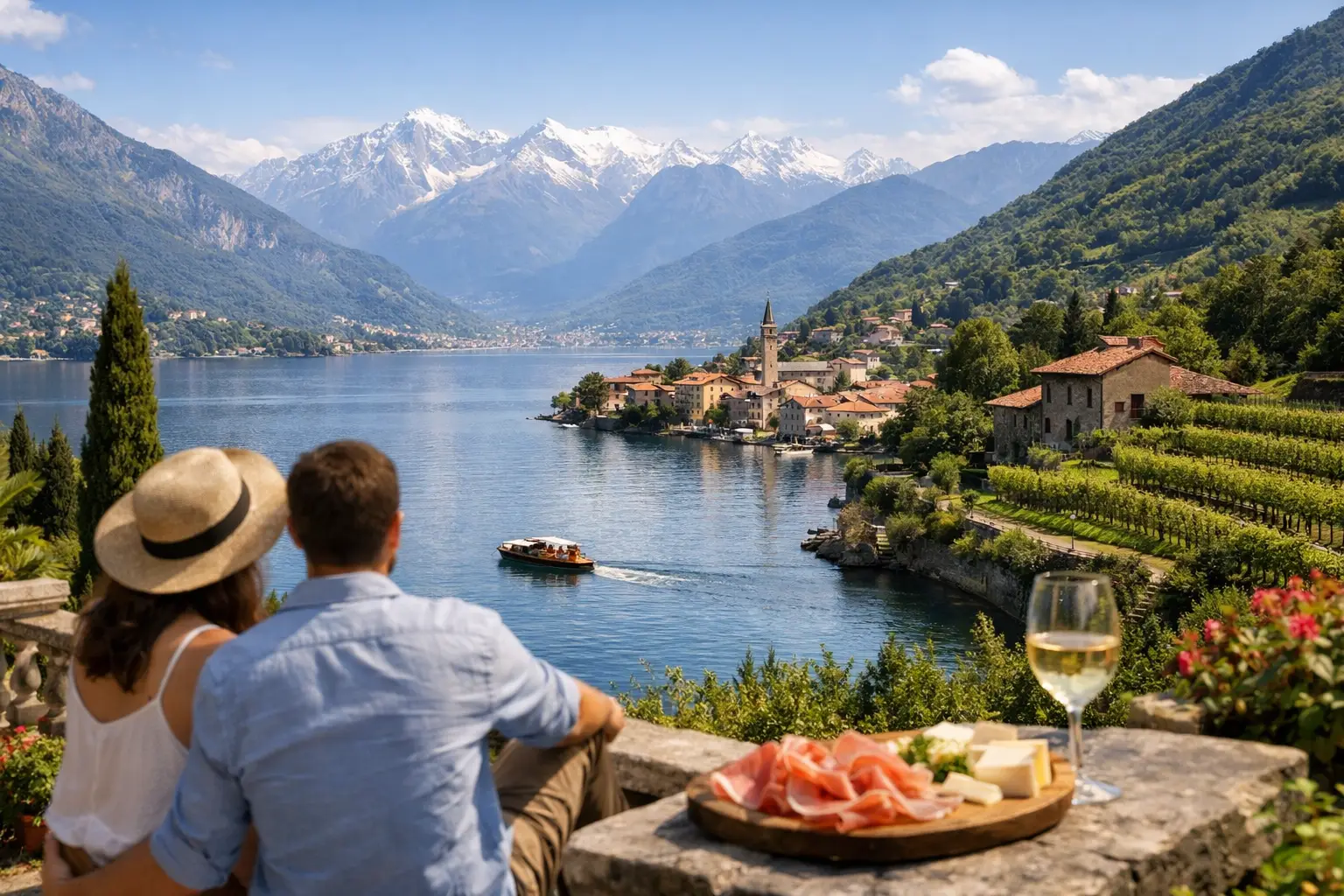
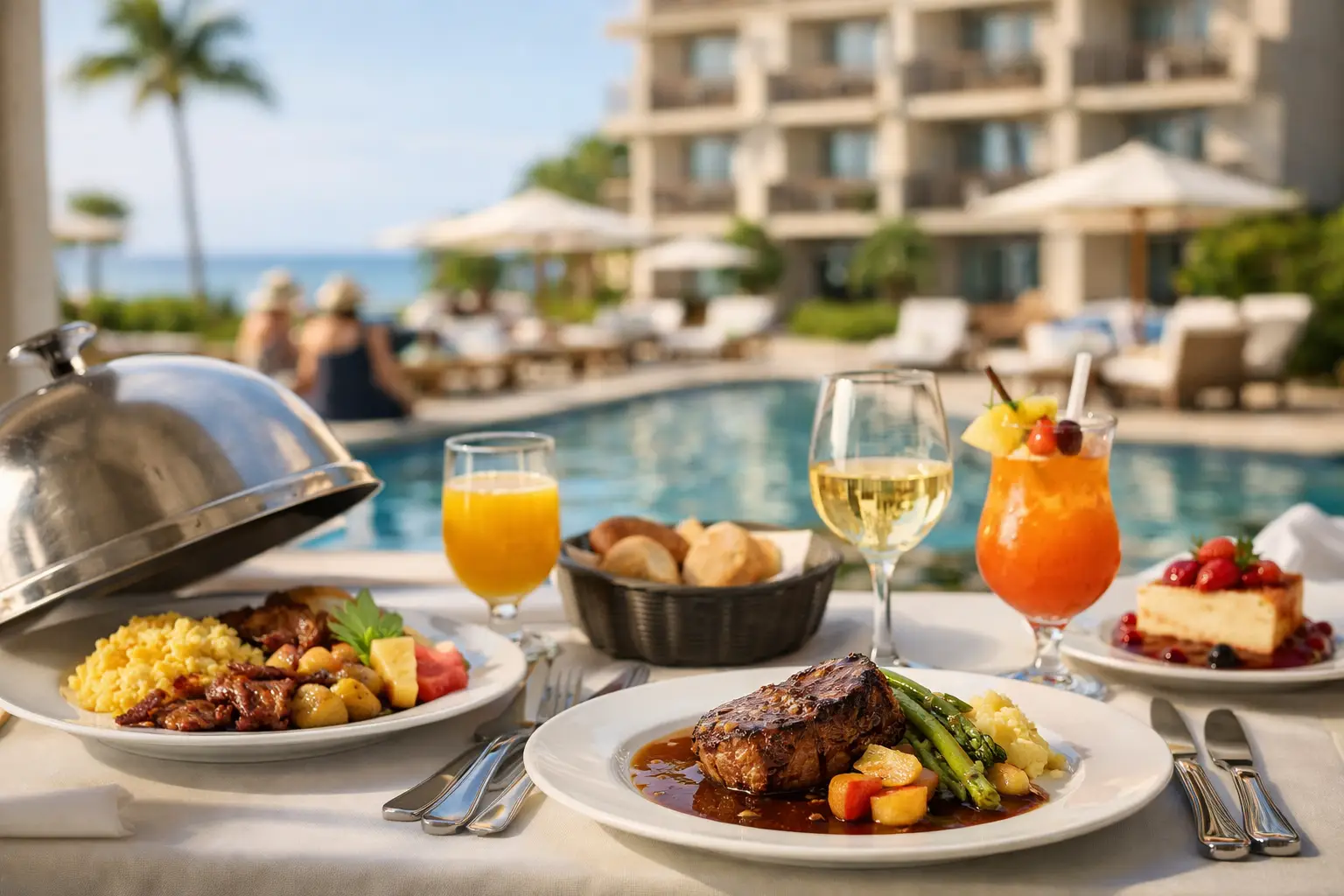
The surrounding hills also bring olive oil, vegetables, chestnuts, honey, and cheeses to the table. A meal might begin with cured meats and local cheese, continue with a lake fish course or a plate of casoncelli, and end with a simple homemade dessert. It is a rhythm that invites conversation rather than rushing guests from one course to the next.
Wine has its place as well. The nearby Franciacorta area is known for elegant sparkling wines, while still reds and whites from the wider region can pair beautifully with the varied flavors of Lombardy. A bright sparkling wine can lift fried lake fish or aperitivo bites; a softer red is often more at home beside braised meats and aged cheese. The best choice depends less on rules than on the season, the dish, and the people sharing it.
A Table That Changes with the Seasons
To understand this region’s cooking, it helps to eat with the calendar. Spring brings tender greens, herbs, and lighter preparations. Summer favors lake fish, garden vegetables, fruit, and meals that linger outdoors as daylight softens. Autumn is generous with mushrooms, pumpkins, chestnuts, and richer cheeses. Winter welcomes the slow simmer of stew, warming polenta, and dishes meant to restore energy after a day in the cold.
This seasonal way of eating also means that authenticity is not about finding every famous dish at every time of year. A menu focused on what is fresh and local may be smaller, but it often tells a truer story. Ask what the kitchen is preparing that day, and let the answer guide the meal.
How to Enjoy Lombardy Food Like a Guest, Not a Tourist
The most memorable meals in Lombardy are rarely the ones eaten between appointments. Leave room for a proper lunch after a hike, or plan dinner as part of the evening rather than an errand before bed. Order a dish you do not recognize, especially when it is described as a local specialty, and allow the people serving you to suggest a wine or side dish.
There is also no need to order the heaviest dish on the menu simply because it is traditional. On a warm afternoon, grilled fish with polenta may feel more fitting than a rich braise. On a rainy mountain evening, that same braise may be exactly what the day calls for. Regional food is at its best when it is enjoyed in context.
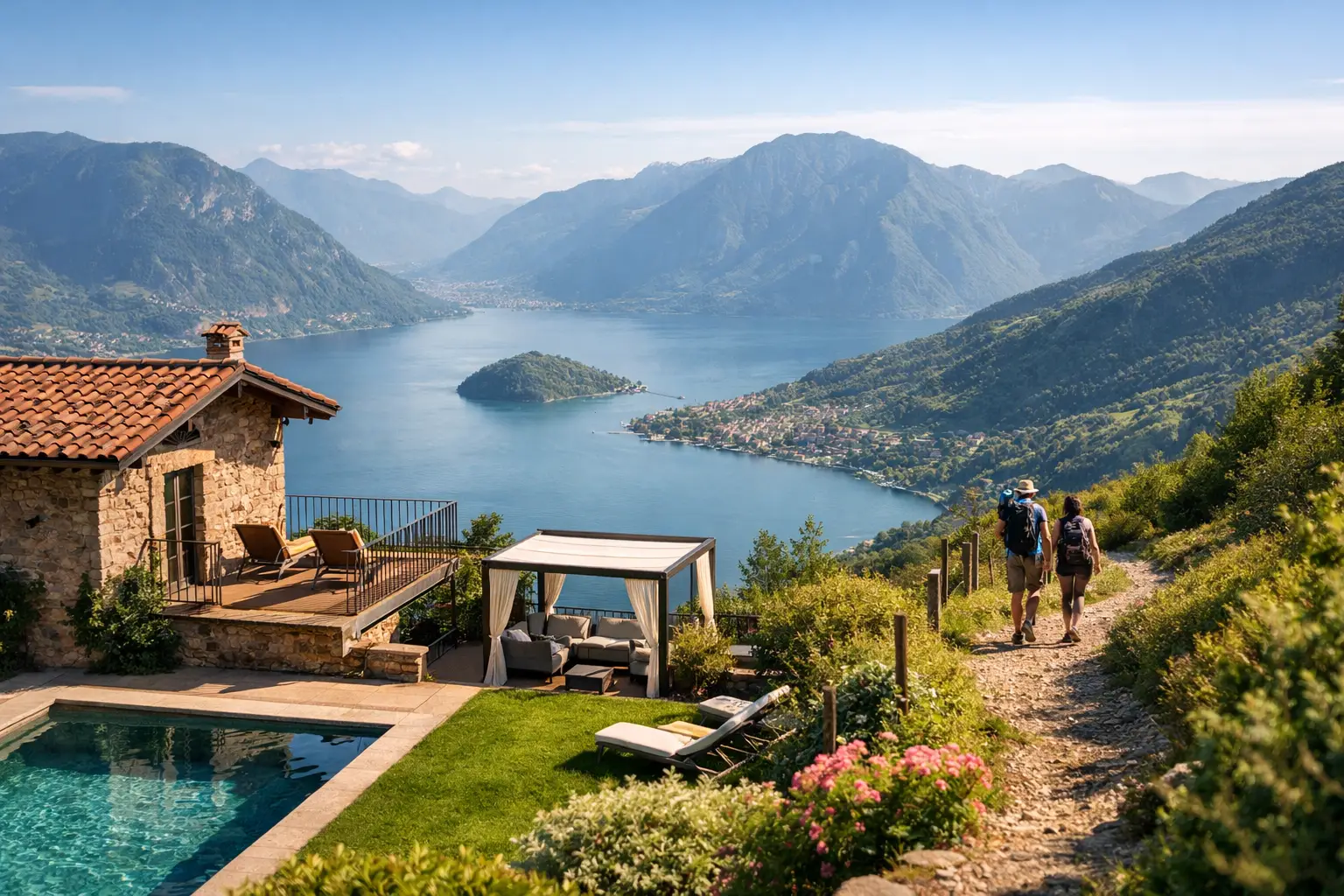
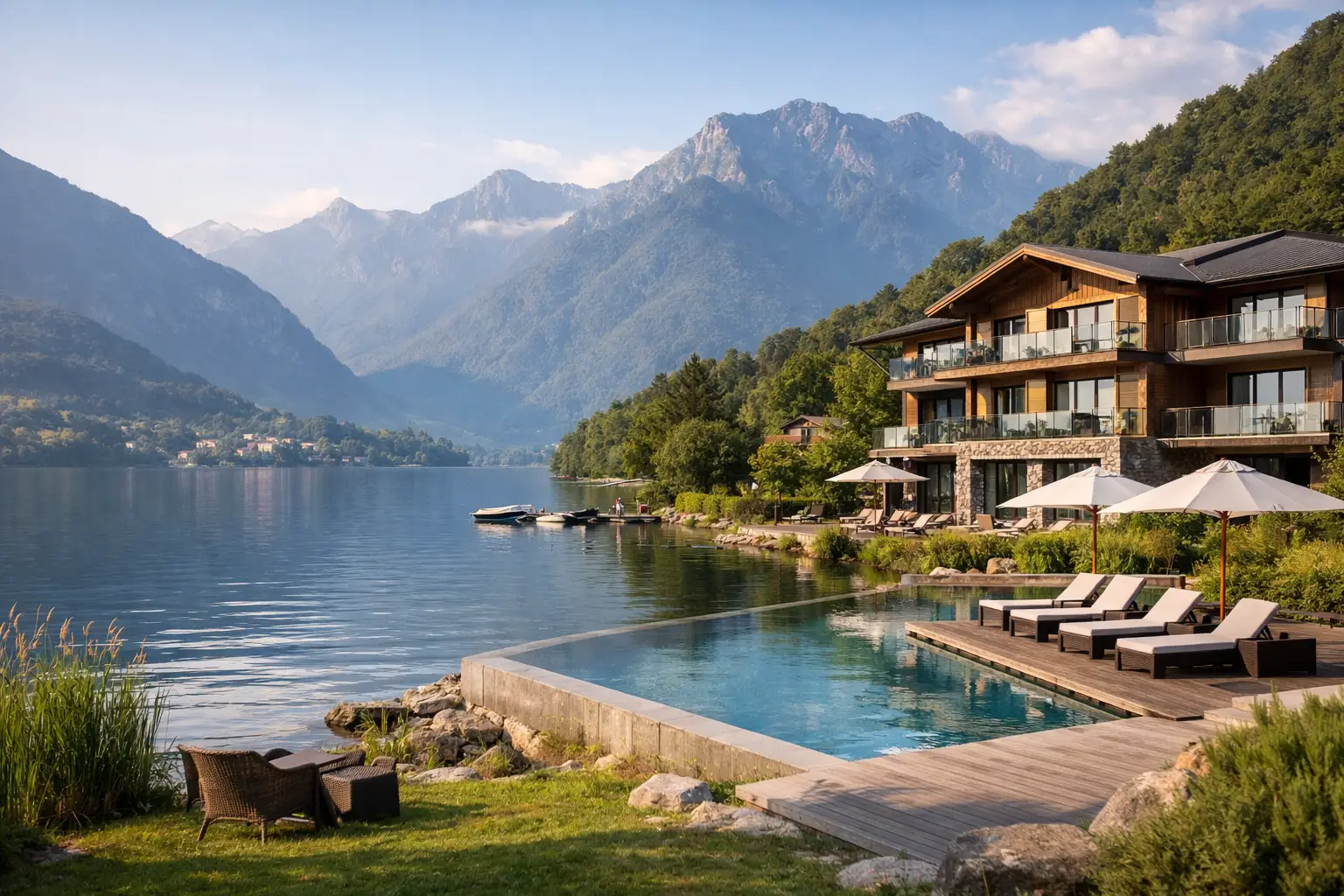
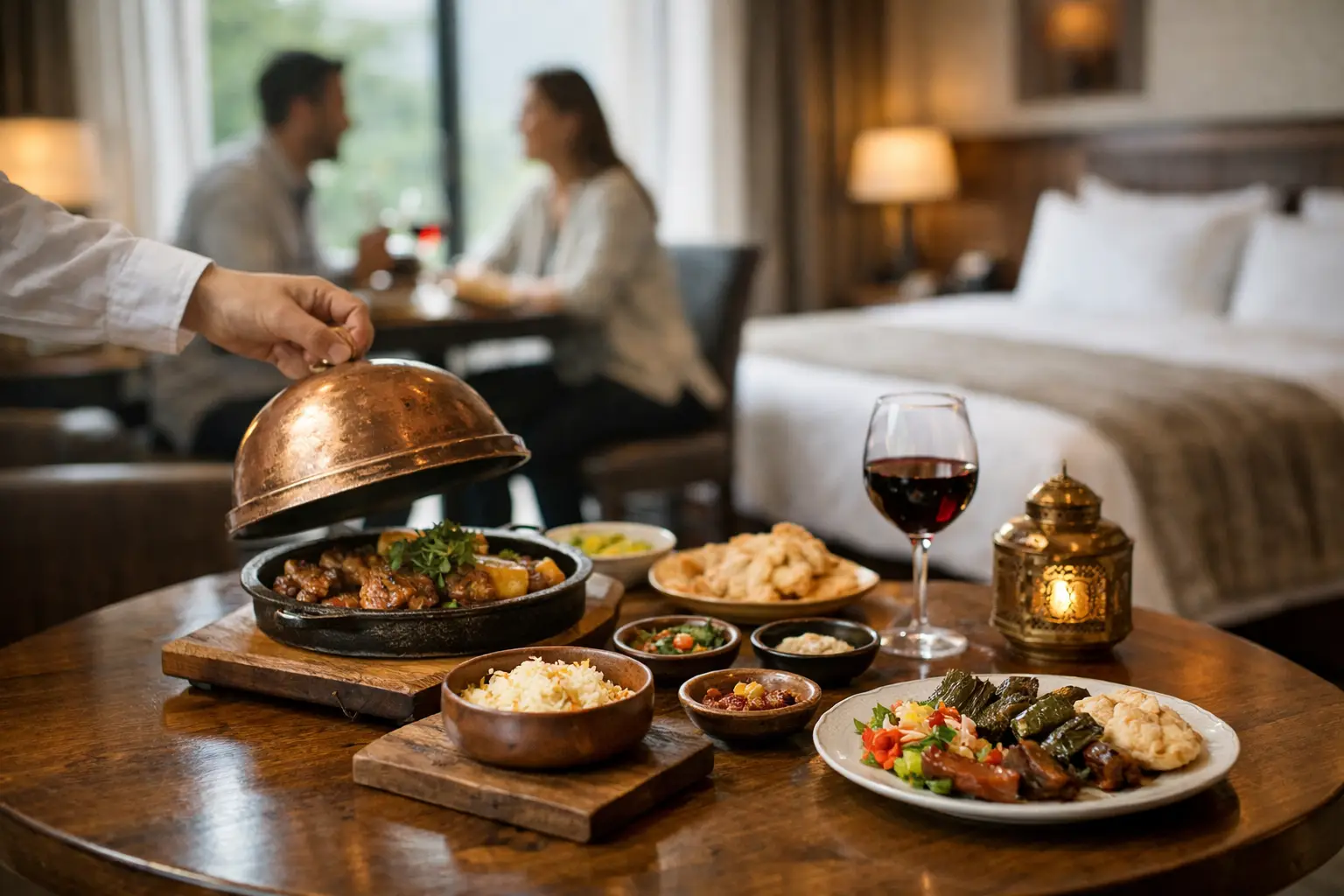
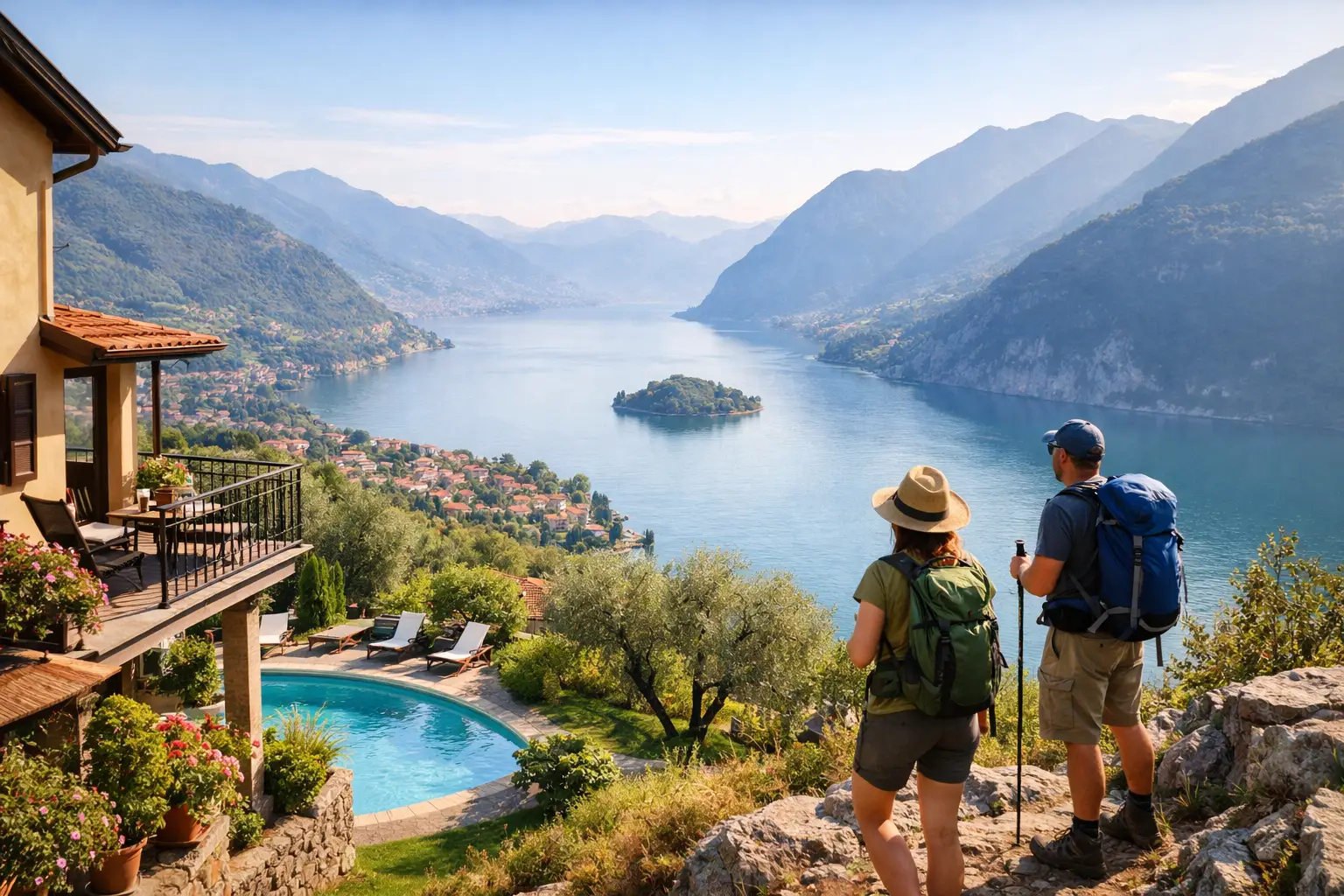
At Hotel Conca Verde, this spirit of local cooking belongs naturally to the stay itself: a return from the trails, a warm table, and the feeling that dinner has been prepared with real attention. The flavors may be rooted in tradition, but the welcome is for everyone.
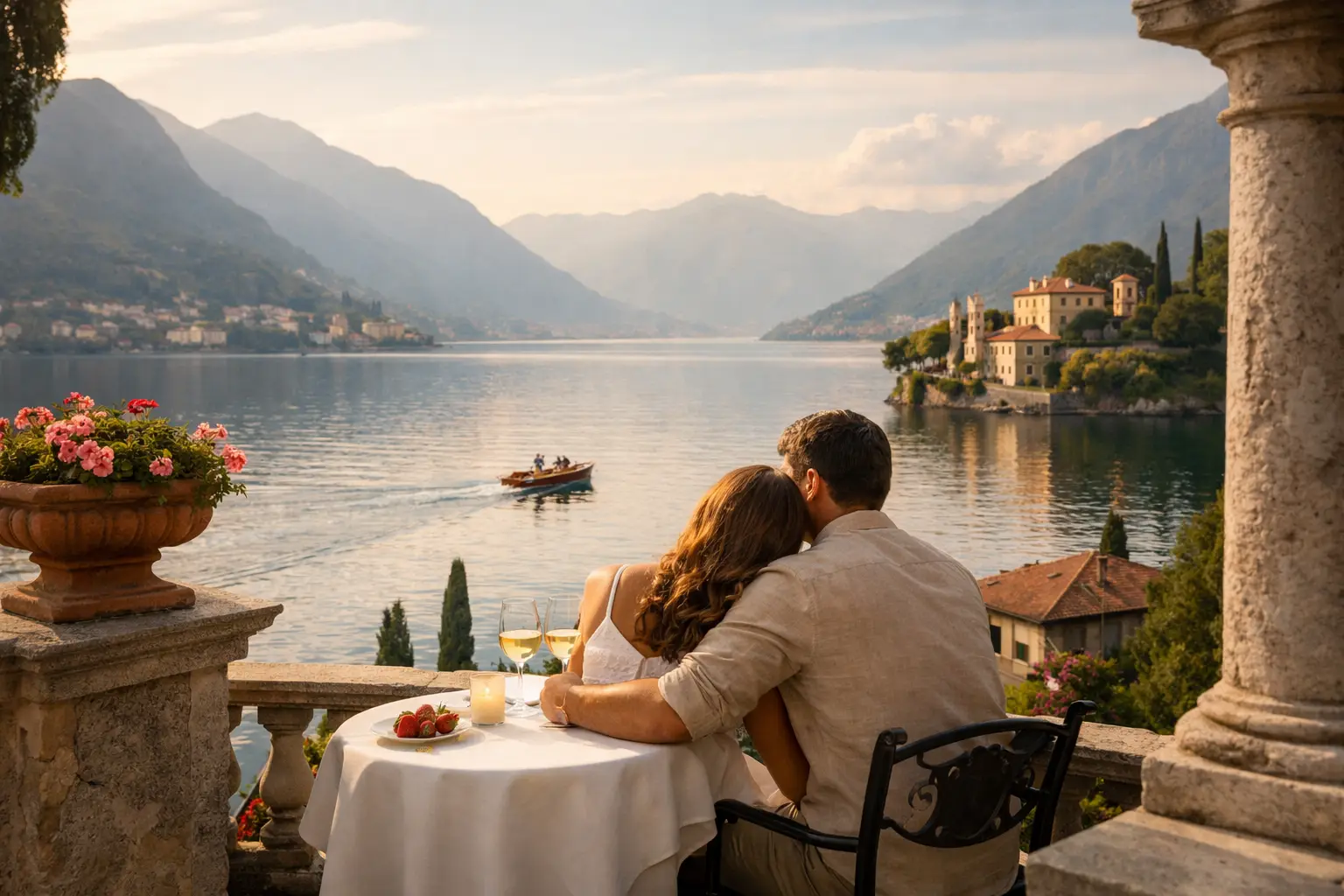
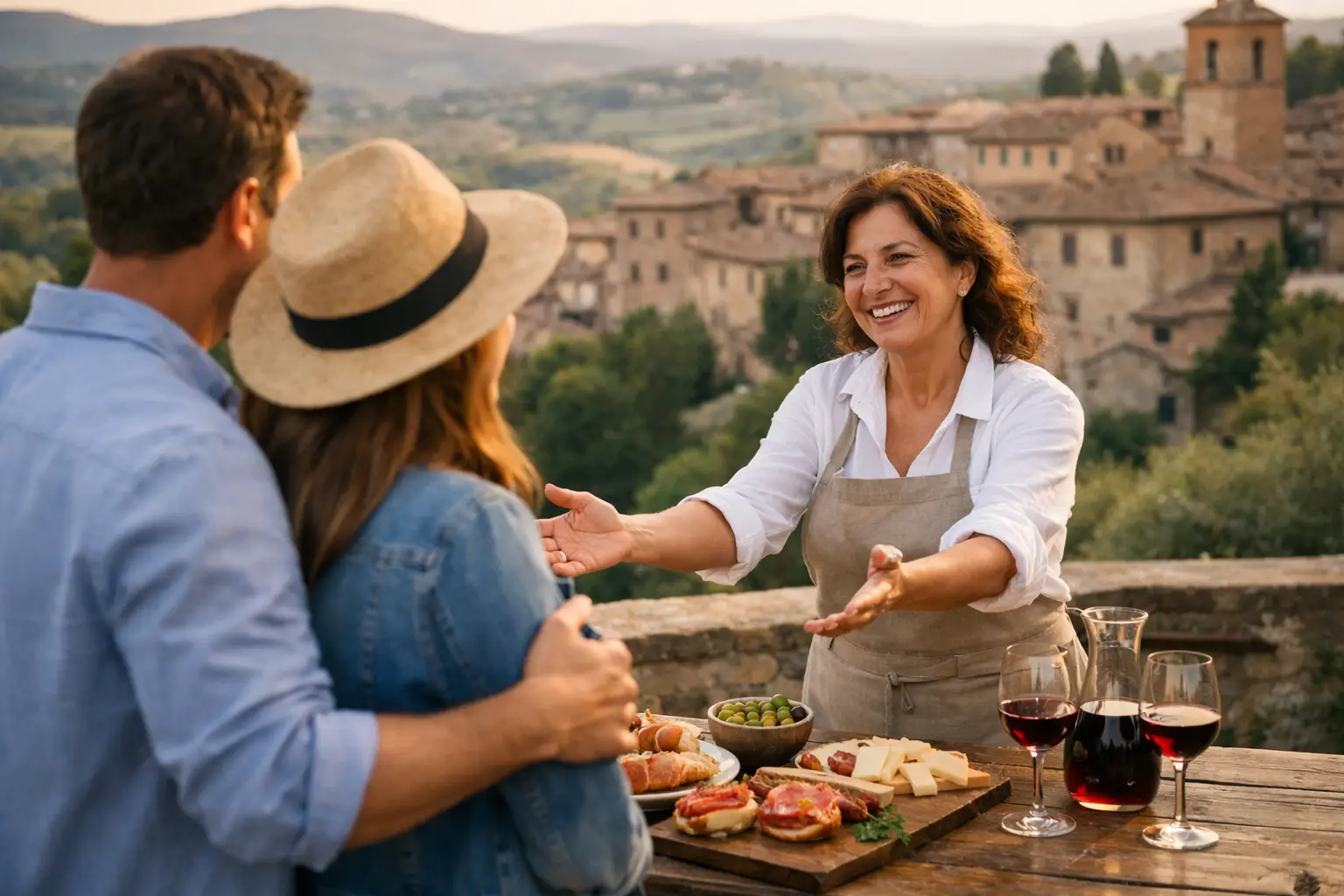
When the last course is cleared, linger a little longer. In Lombardy, a good meal is not simply a pause between plans. It can be the quiet moment when a place begins to feel familiar, and strangers at a neighboring table begin to feel like part of the same evening.