
Nature Escape Travel Trends Worth Following
The best part of a mountain-and-lake getaway is often the moment no itinerary can schedule: coffee before a quiet walk, children spotting a deer at the edge of the woods, or dinner stretching long after the plates are cleared. Nature escape travel trends are moving toward these unhurried moments, where the destination feels less like a checklist and more like a place to breathe.
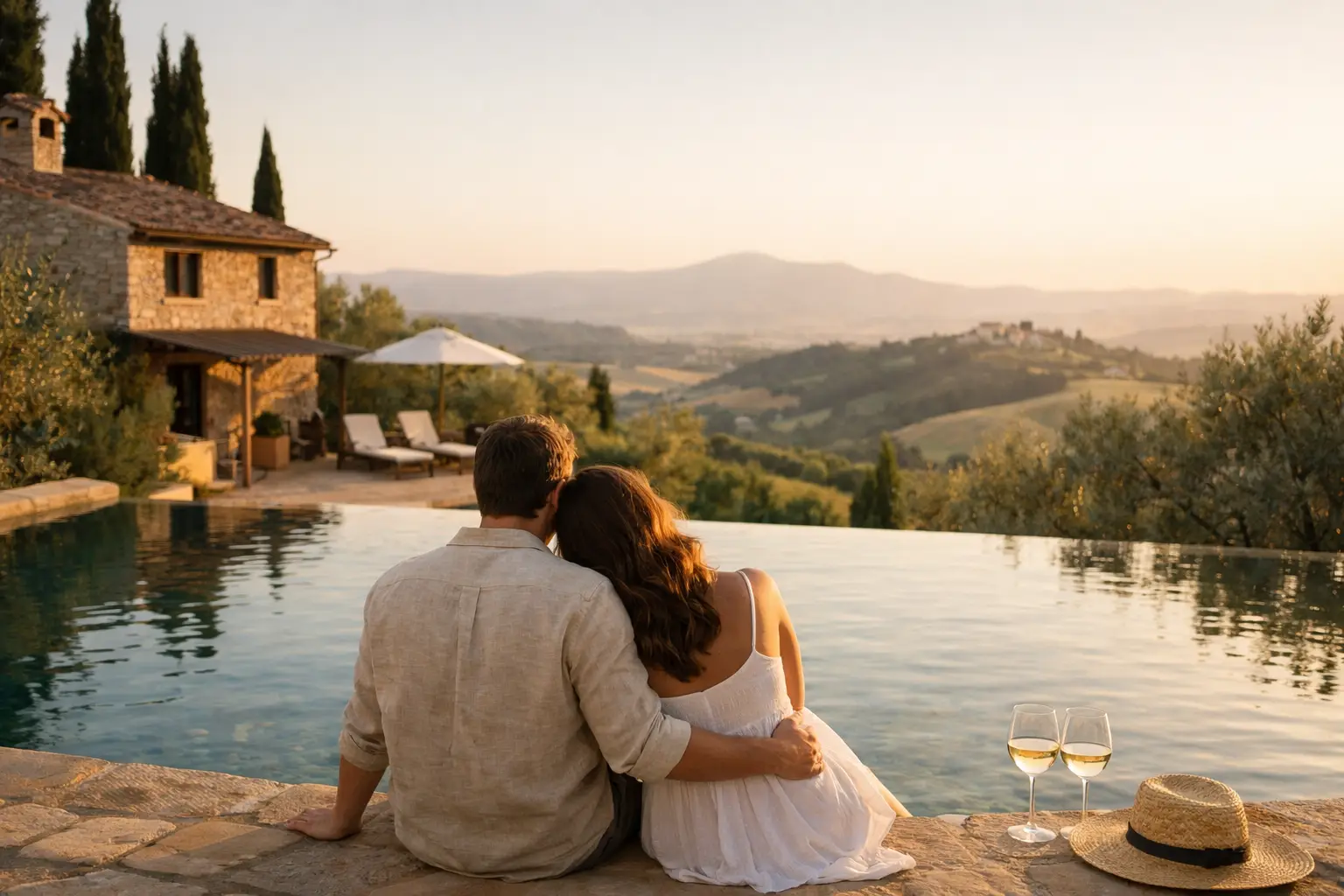
For travelers from the United States planning time in northern Italy, this shift has a special appeal. The region offers something cities cannot: a chance to wake with the landscape, eat food that belongs to the place, and spend the day at a pace that makes room for one another.
Nature escape travel trends are becoming more personal
For years, travel was often measured in landmarks, restaurant reservations, and how much could fit into a few days. Now, many guests are choosing fewer stops and longer stays in places that restore their energy. They still want beauty and memorable experiences, but they are less interested in rushing between them.
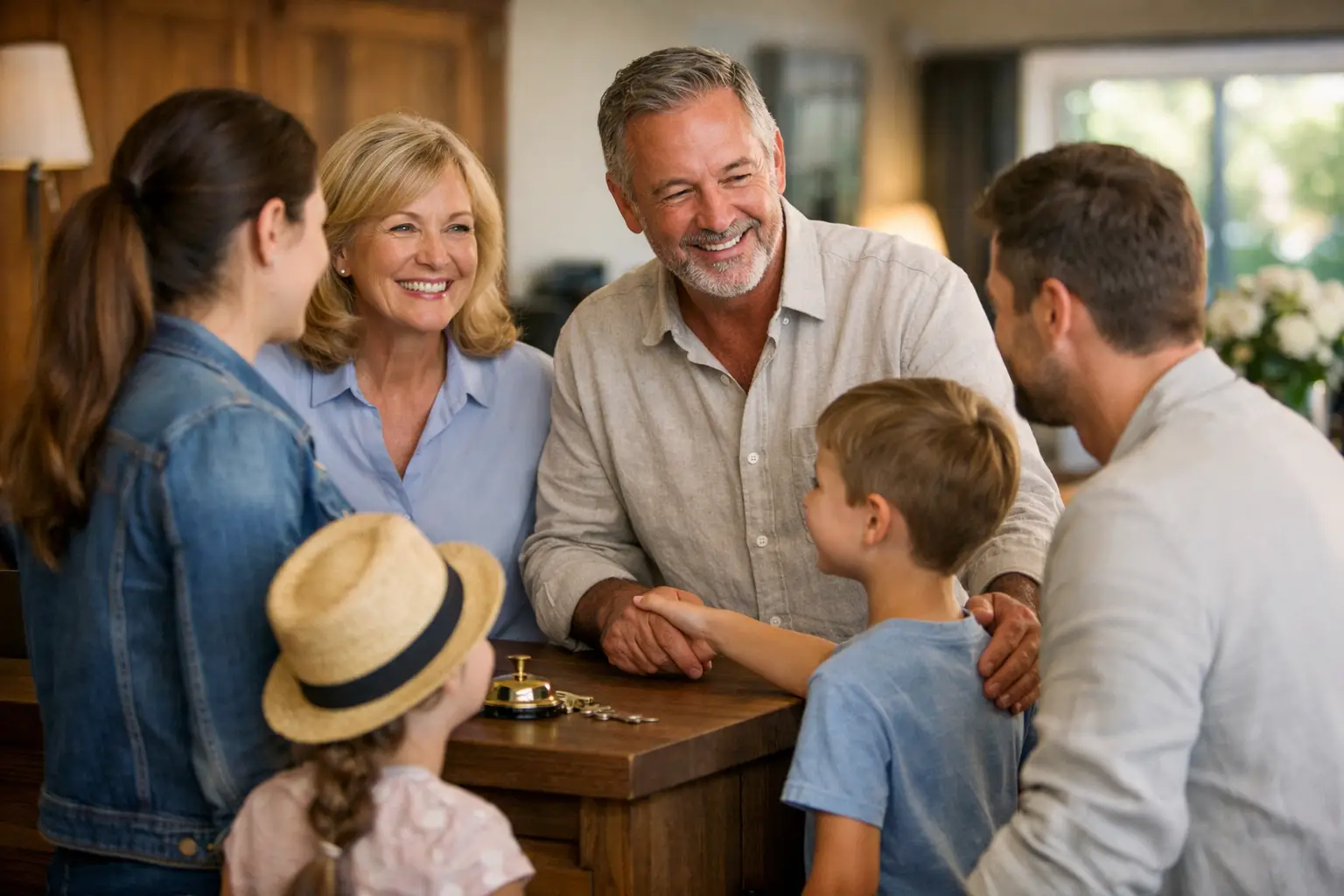
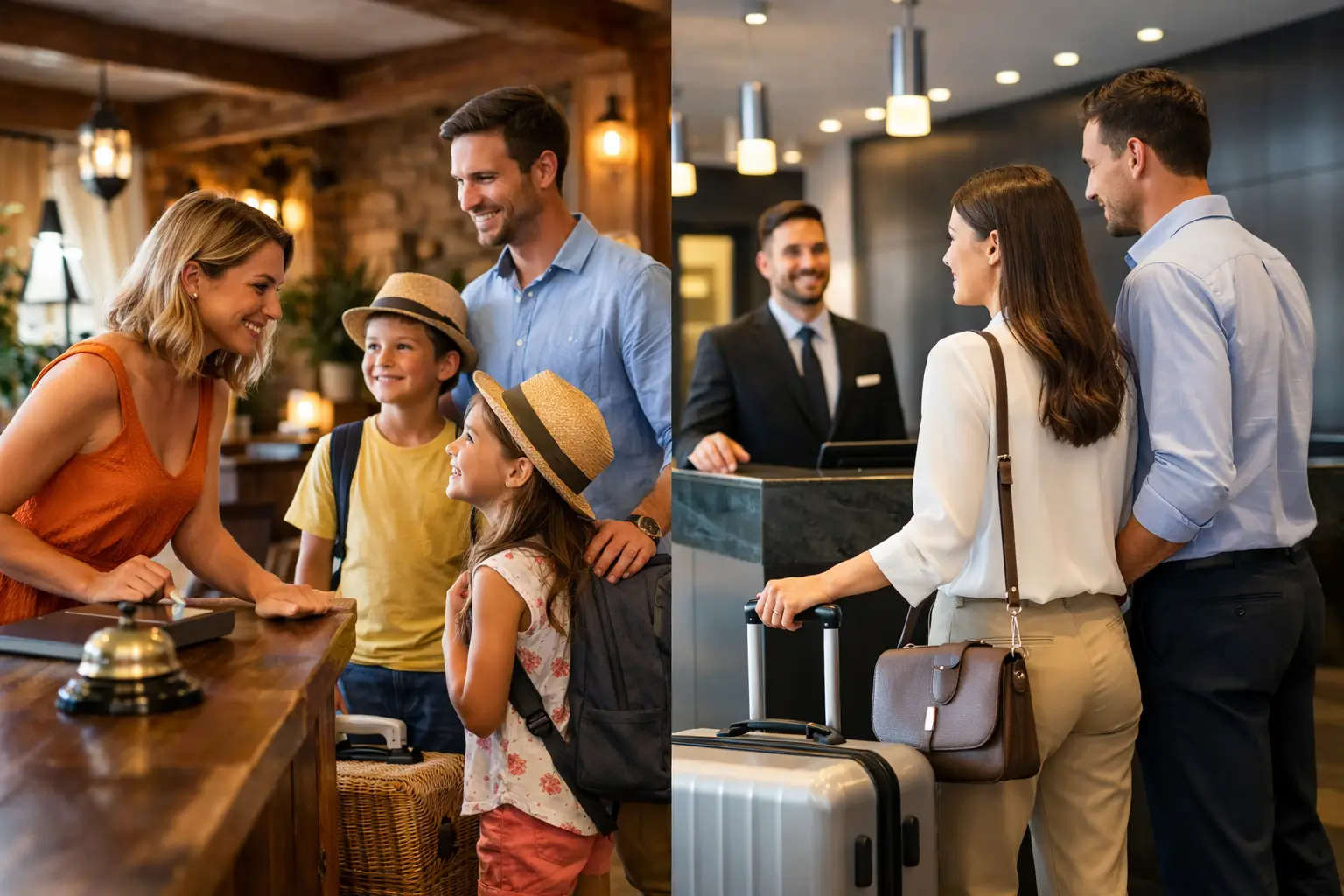
This does not mean giving up comfort. It means choosing comfort with character: a welcoming room after a day outdoors, a table where local flavors are treated with care, and hosts who know that a warm greeting matters. Travelers increasingly look for stays that feel human rather than standardized.
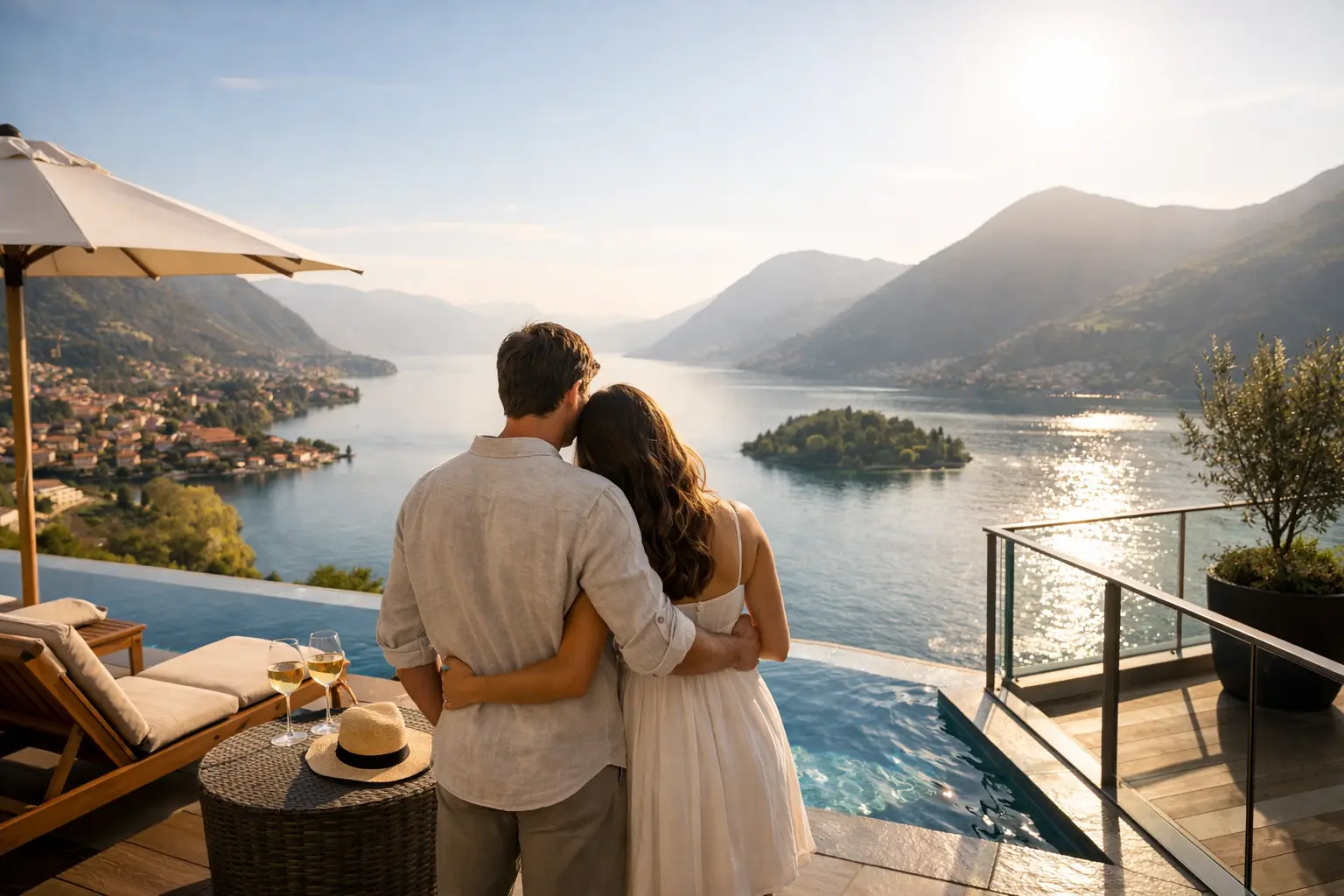
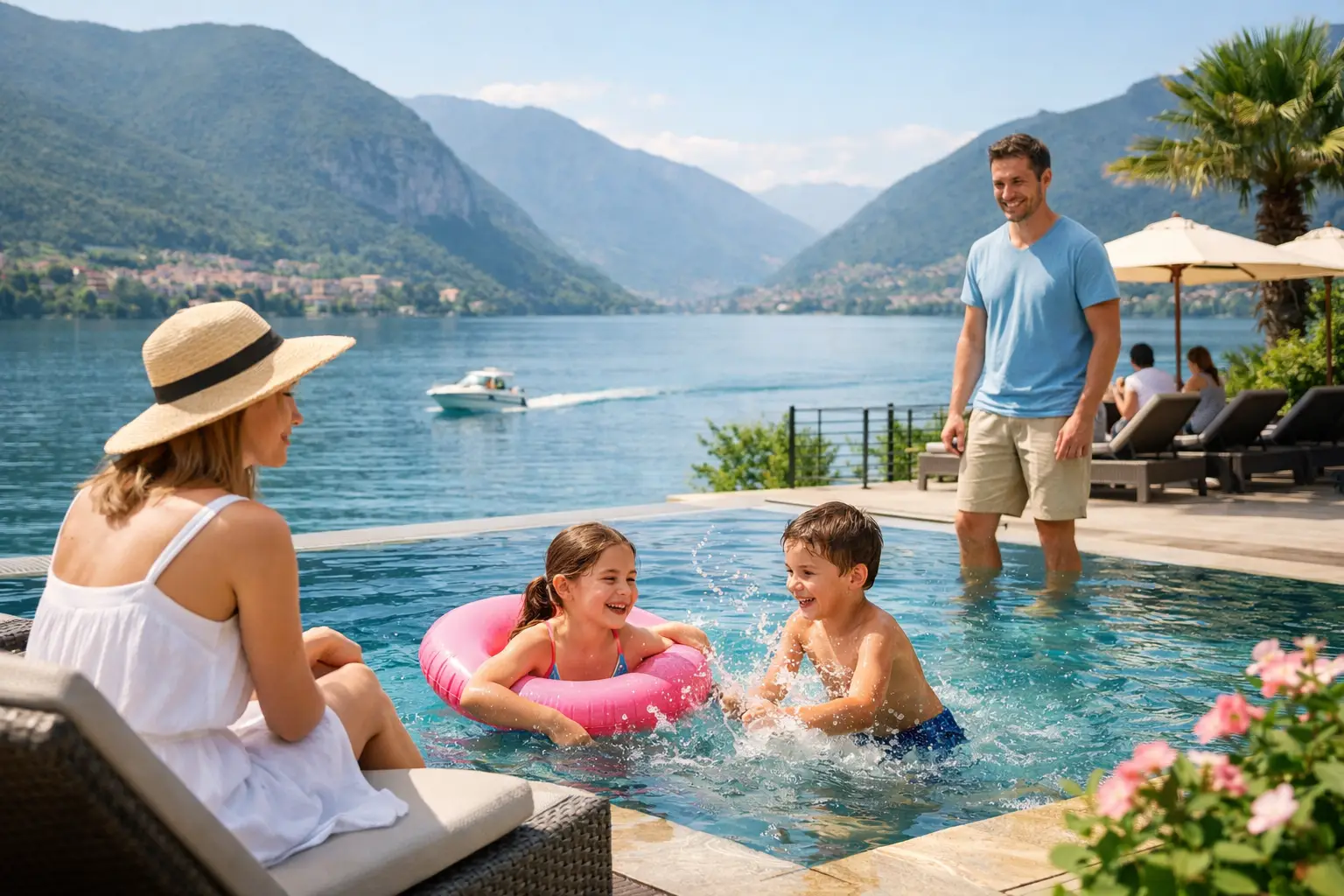
The appeal is especially strong for couples seeking a meaningful weekend, families wanting shared time away from screens, and friends who would rather follow a trail than follow a crowded city schedule. Mature travelers, too, are favoring destinations where scenic walks, good meals, and peaceful evenings are close at hand.
The return of the slower itinerary
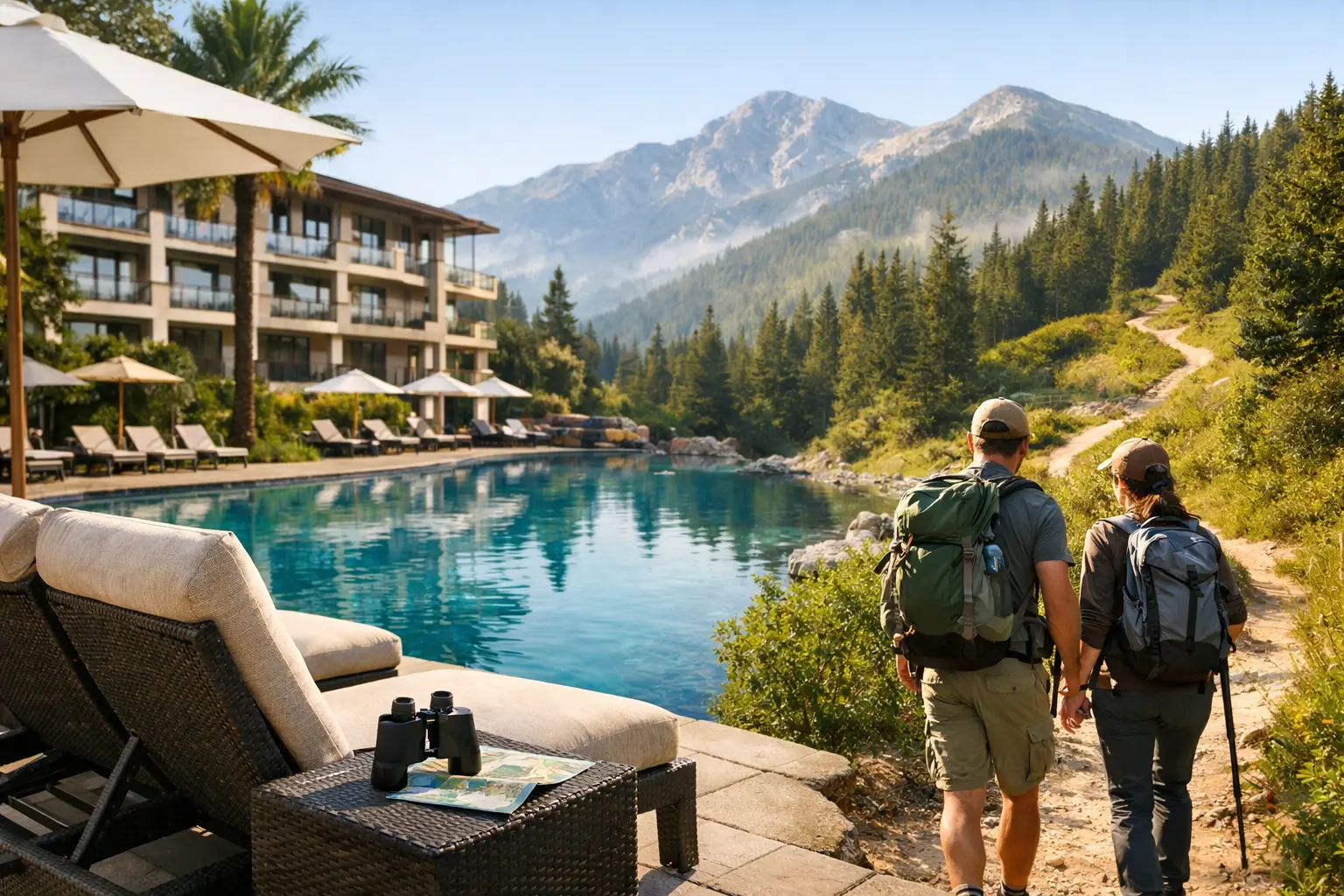
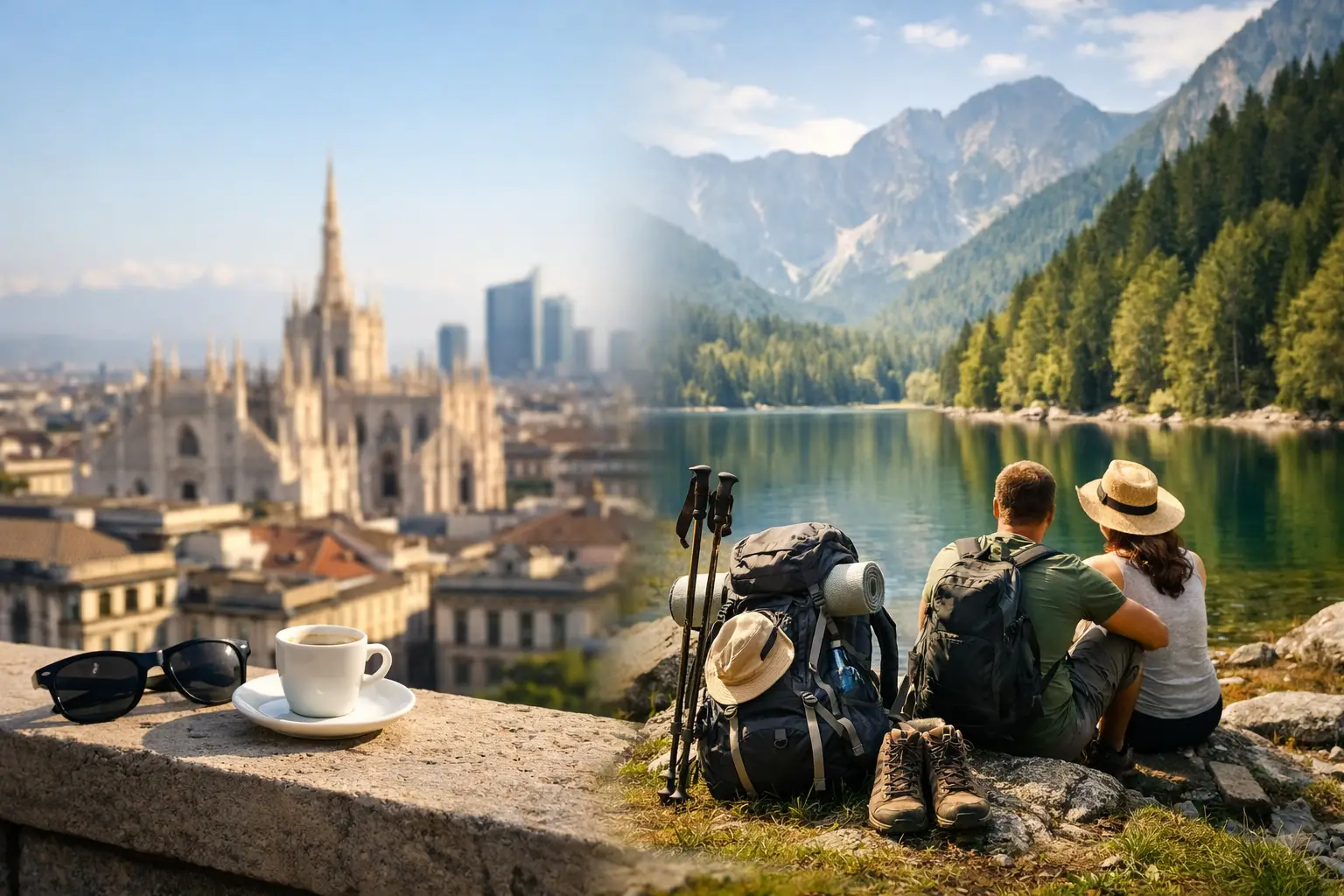
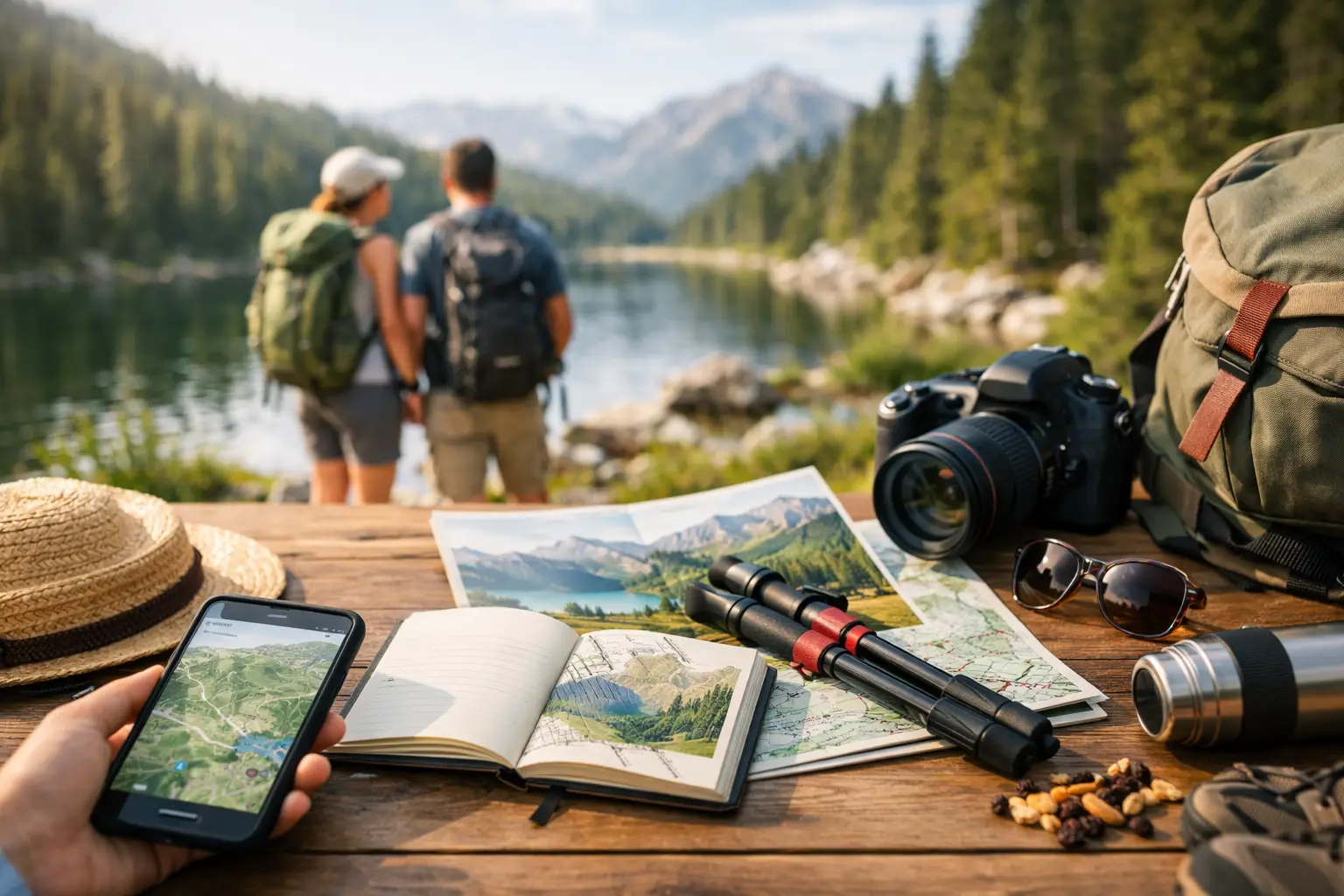
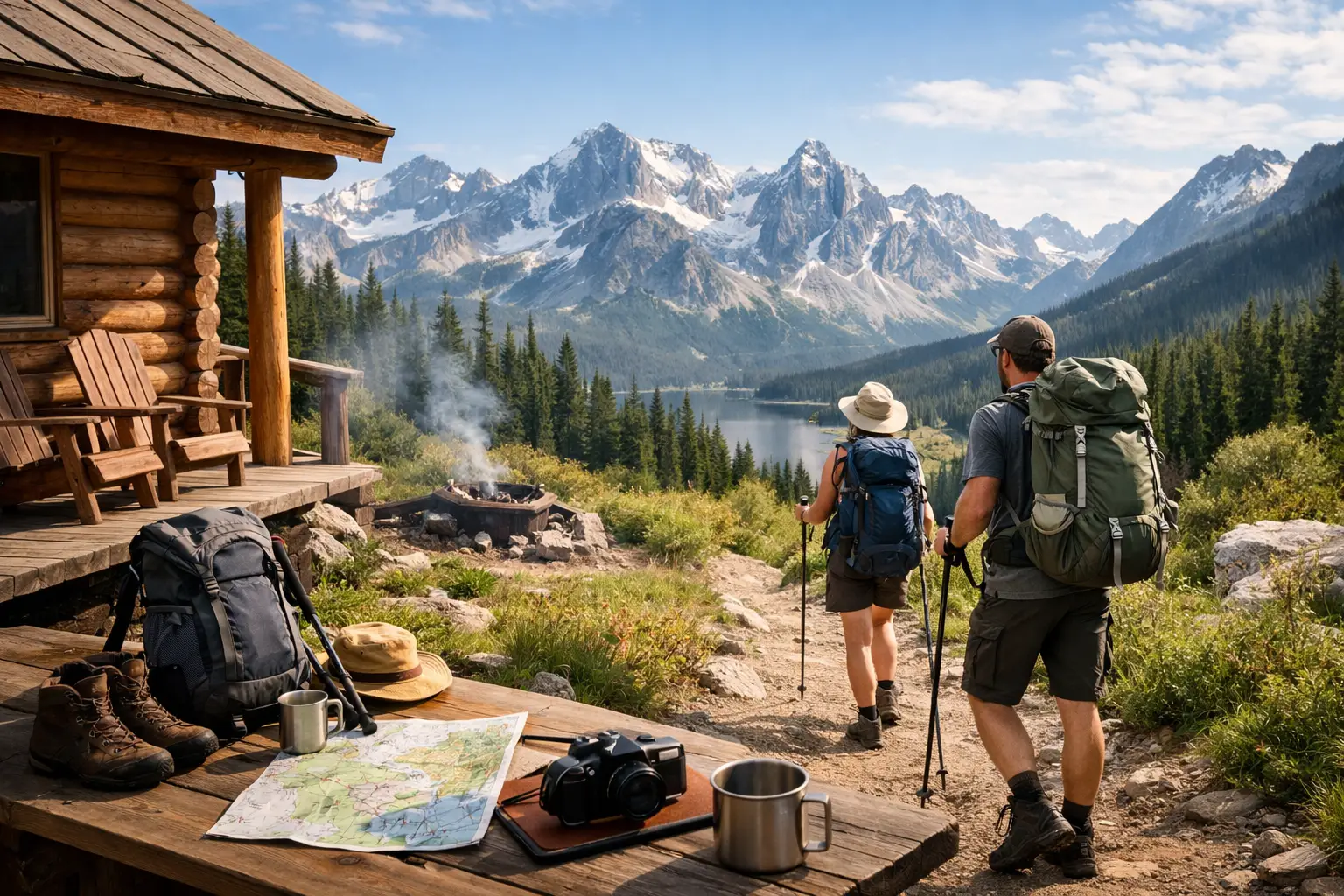
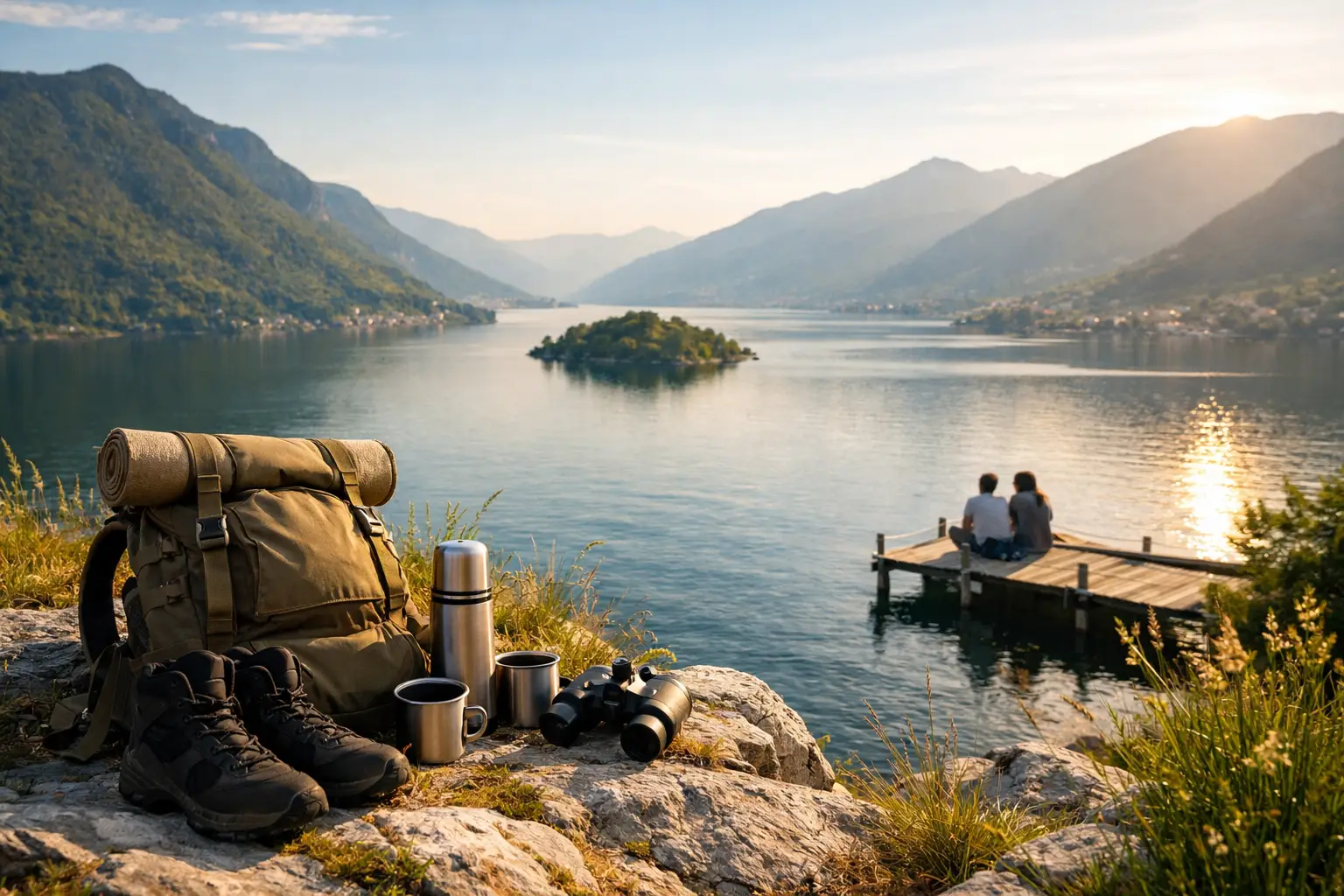
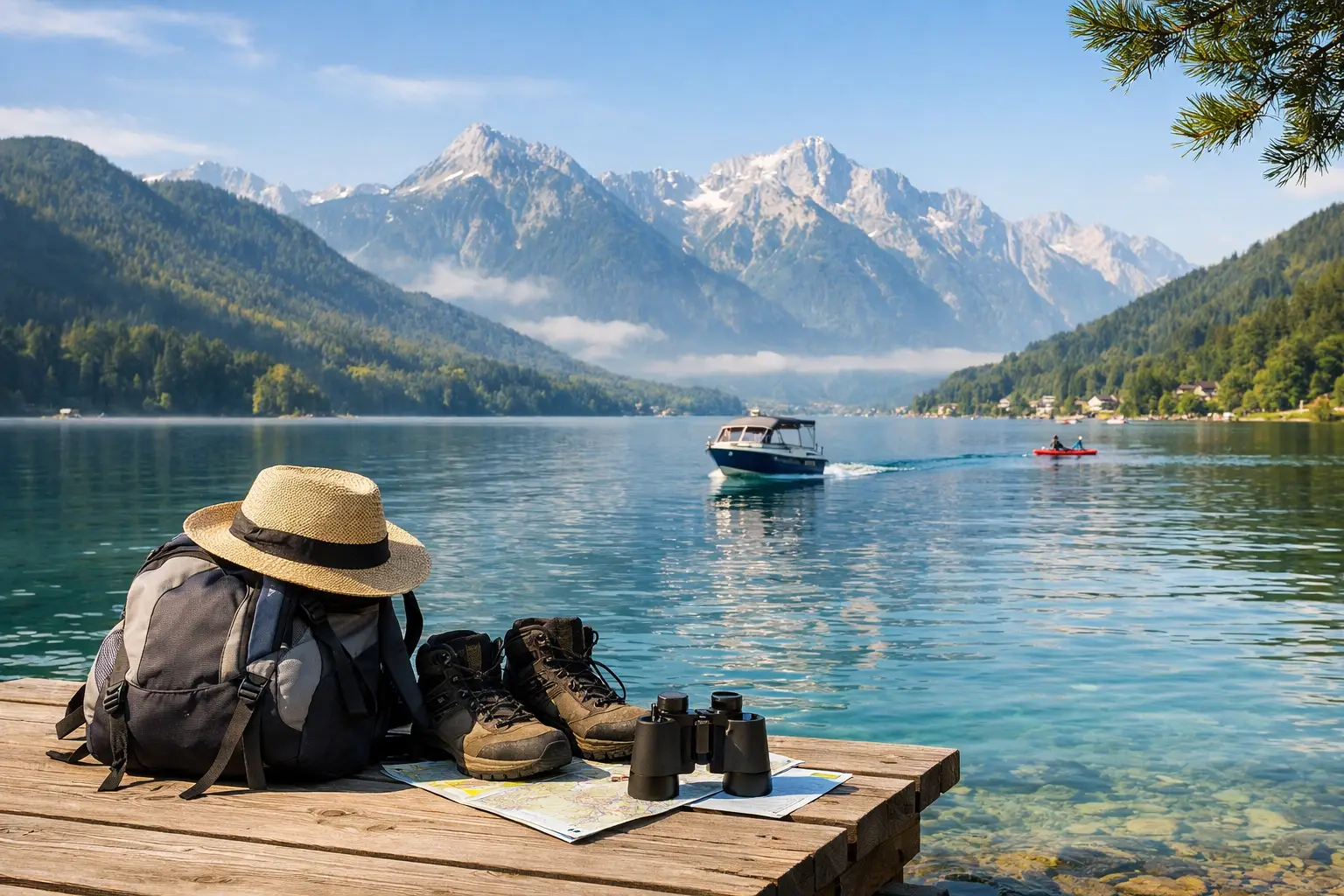
A slow itinerary is not an empty one. It simply leaves enough space for a day to unfold naturally. One morning might be dedicated to a hike through alpine paths; the afternoon might call for a lakeside view, a book, or a leisurely lunch featuring regional dishes.
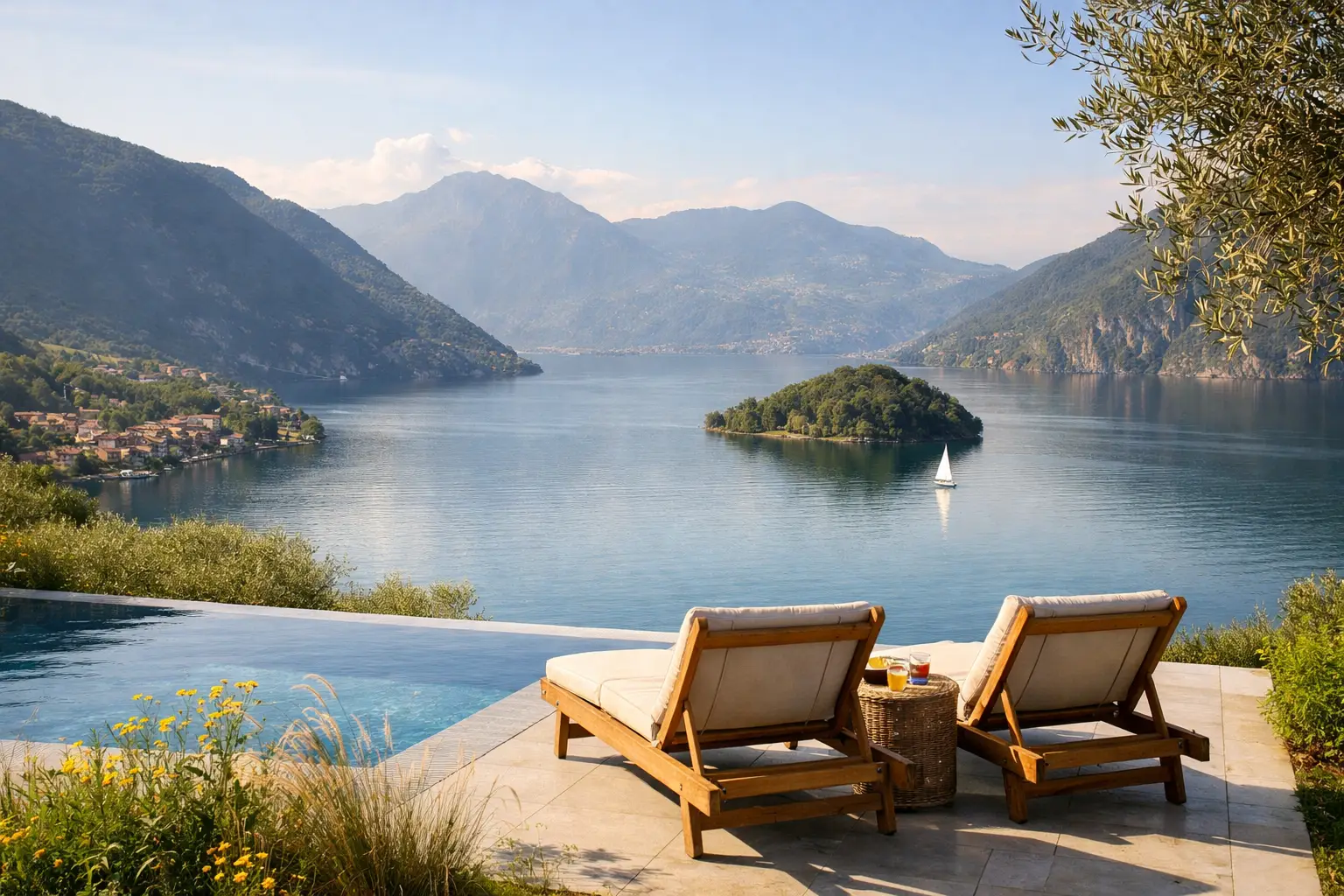
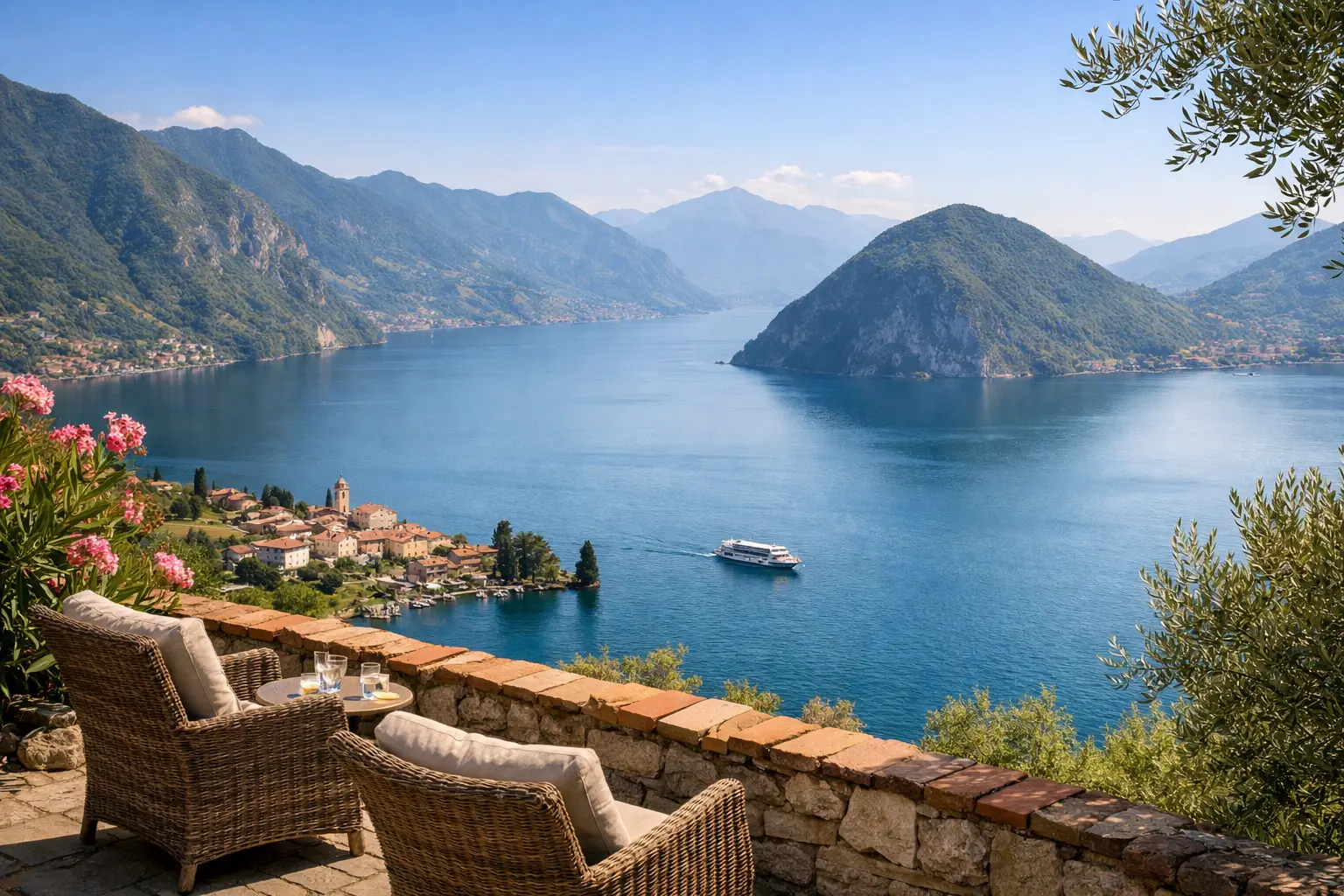
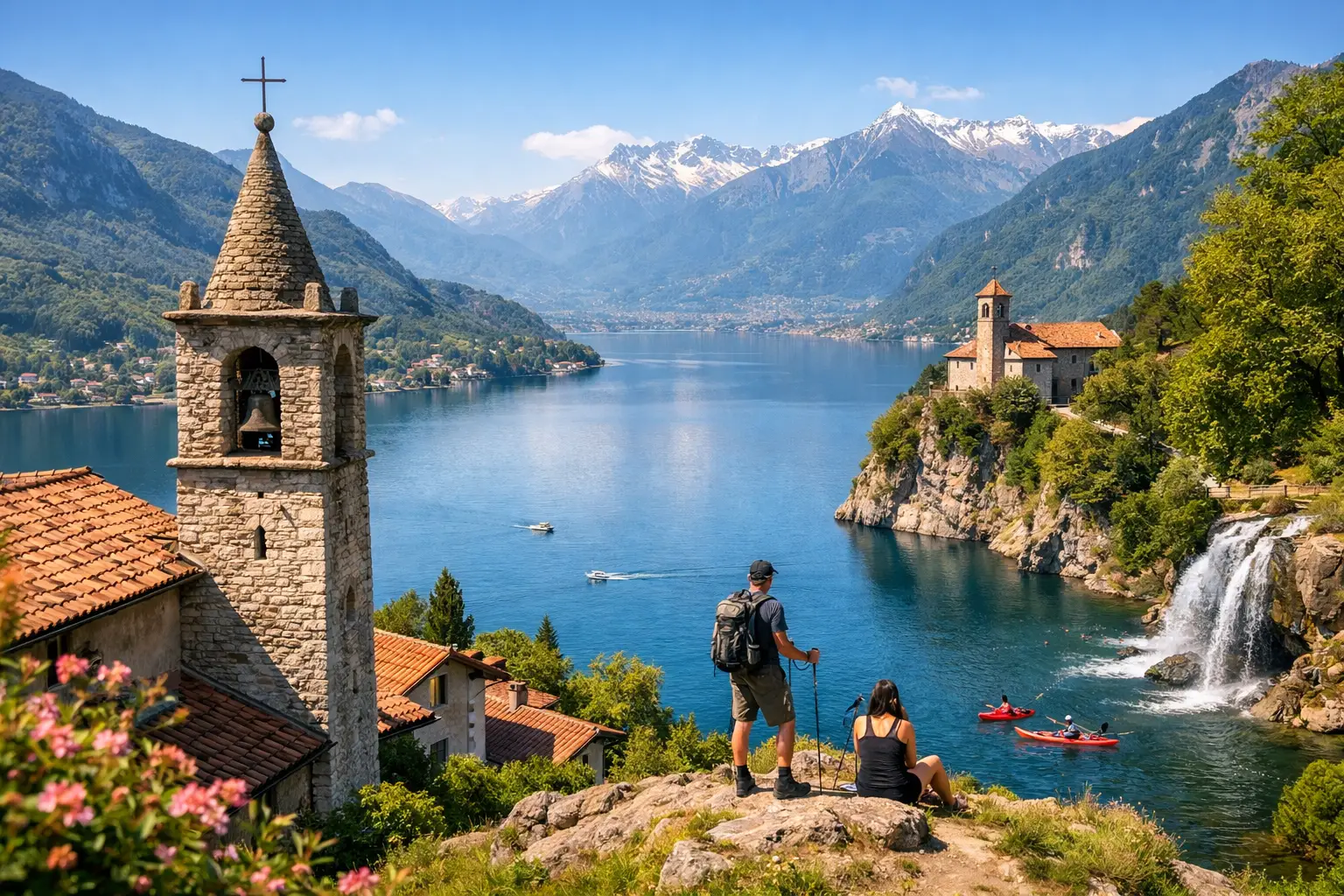
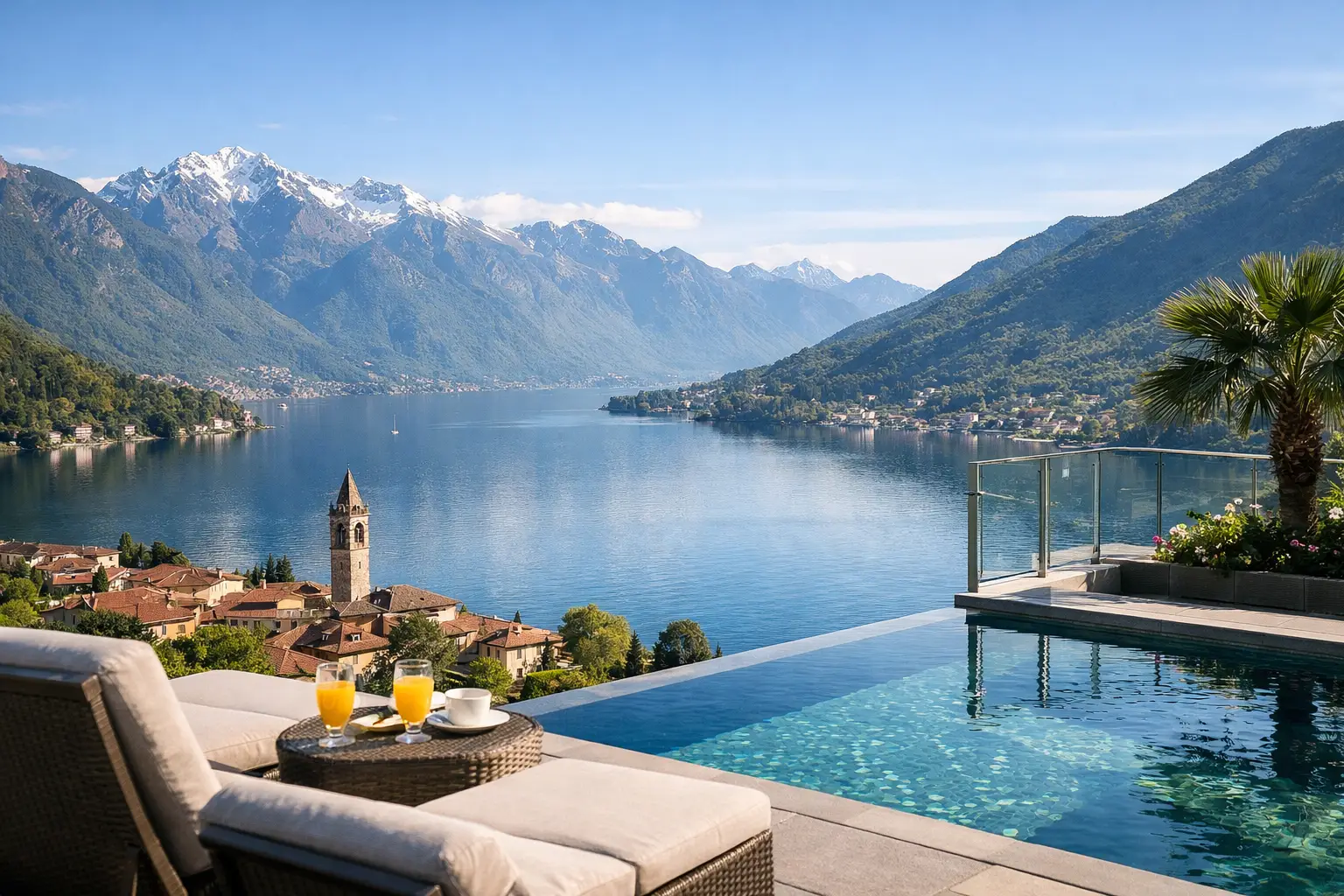
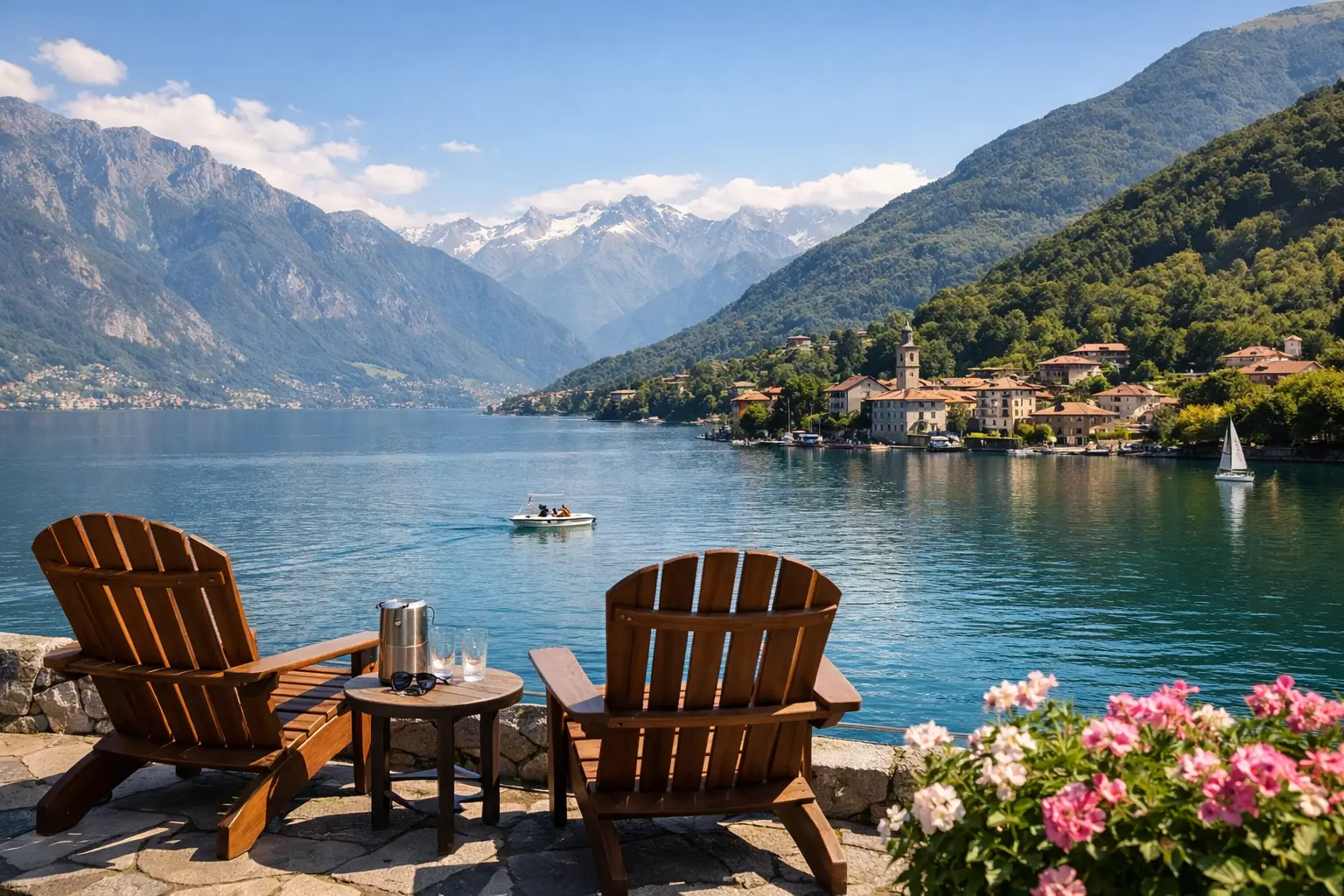
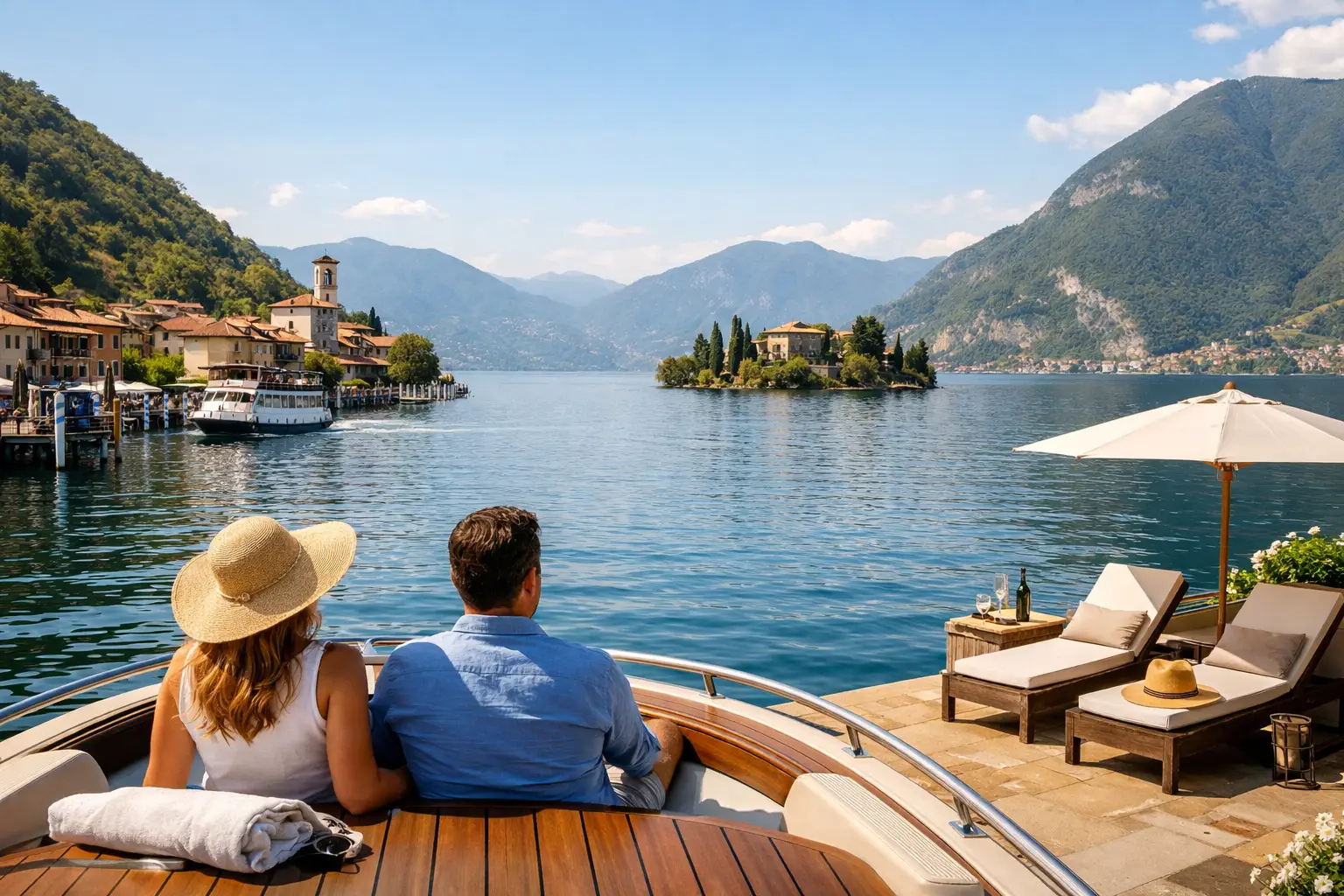
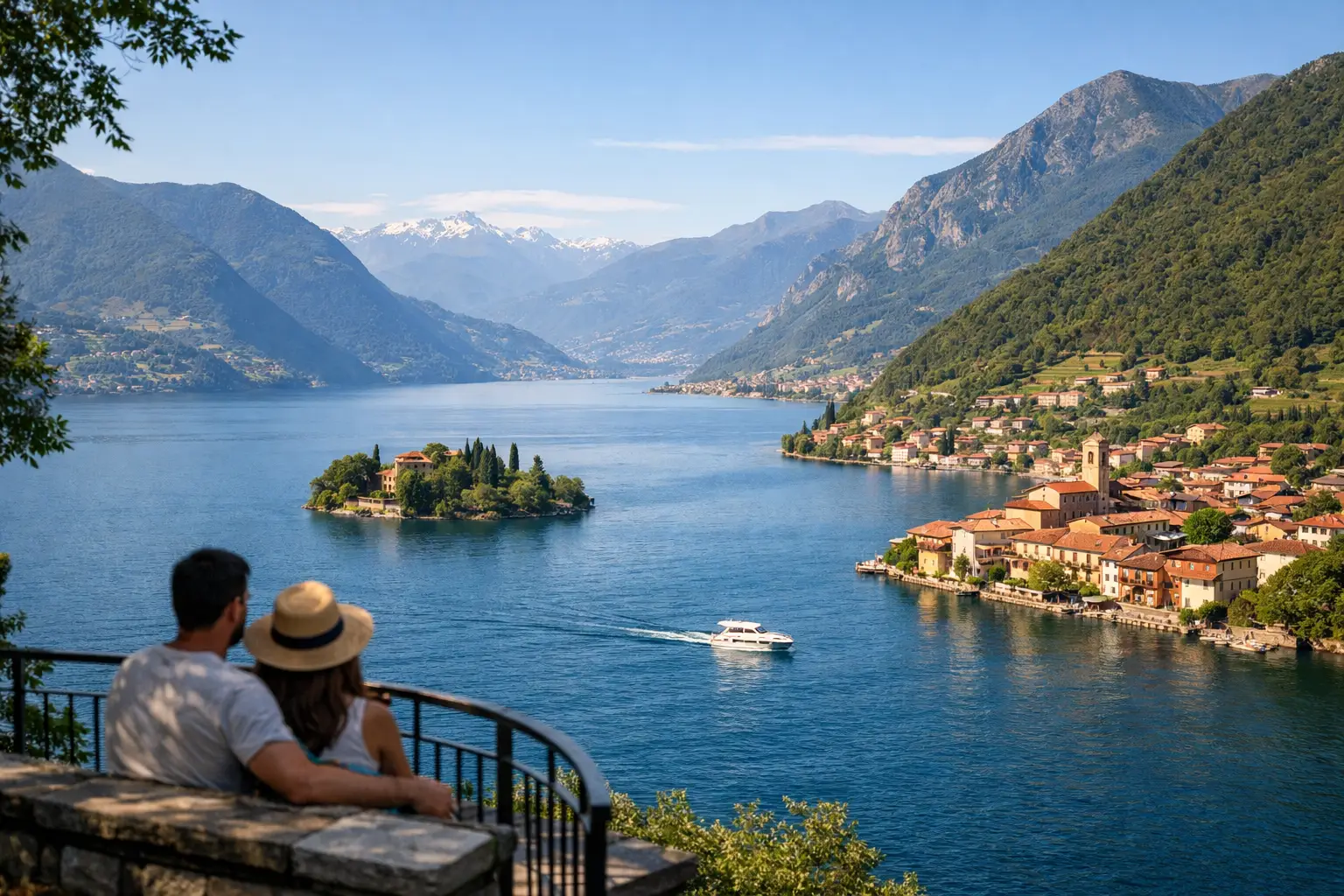
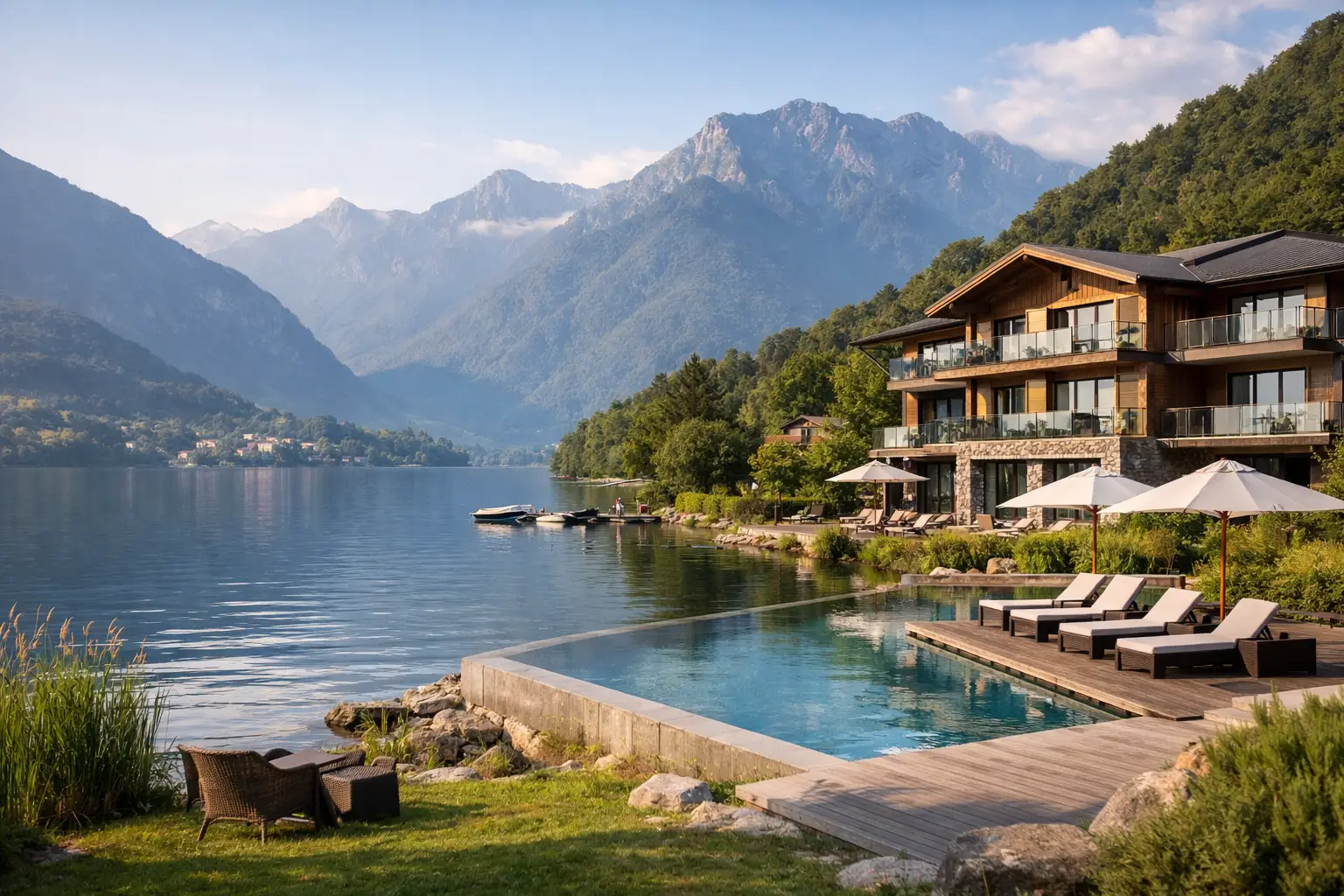
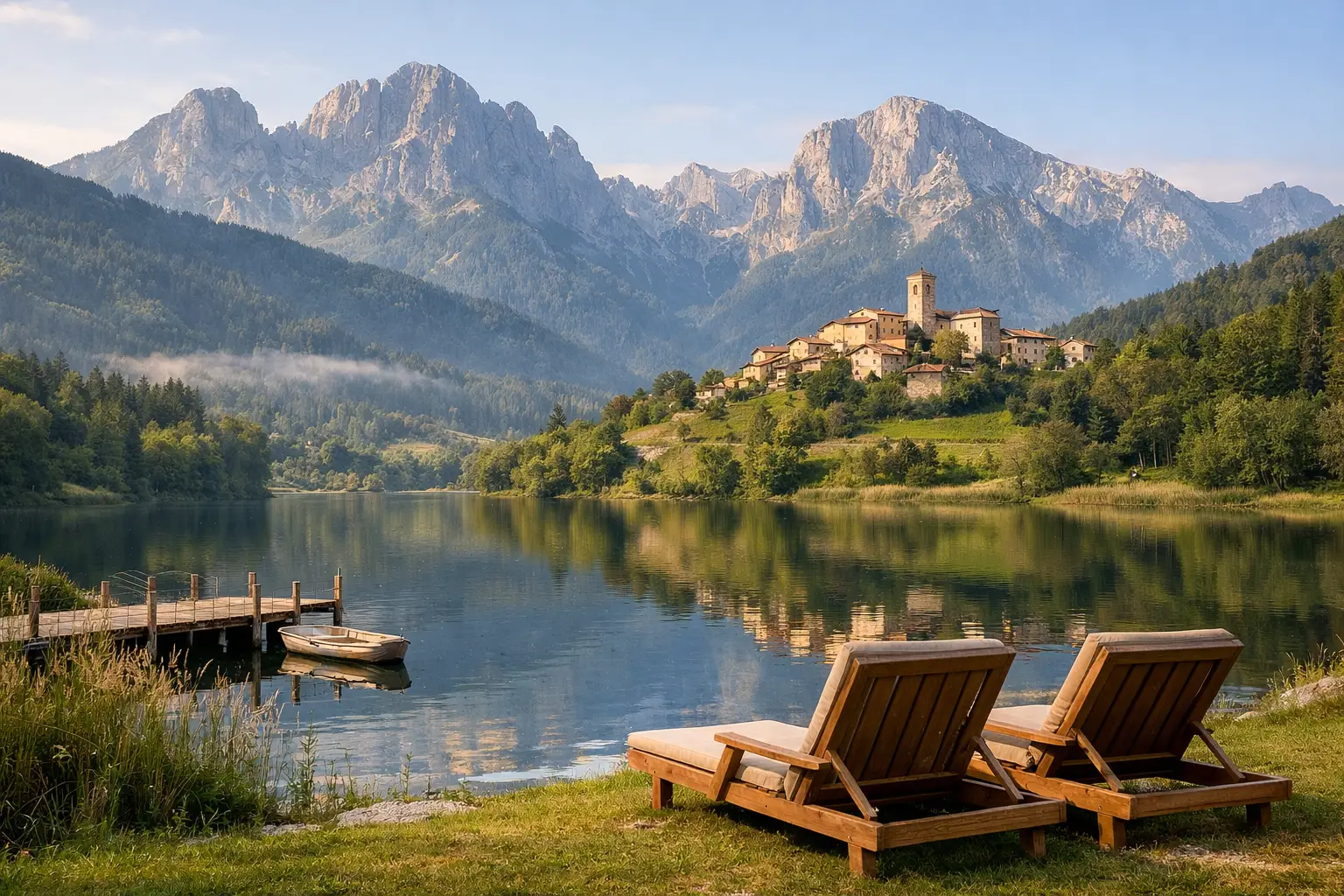
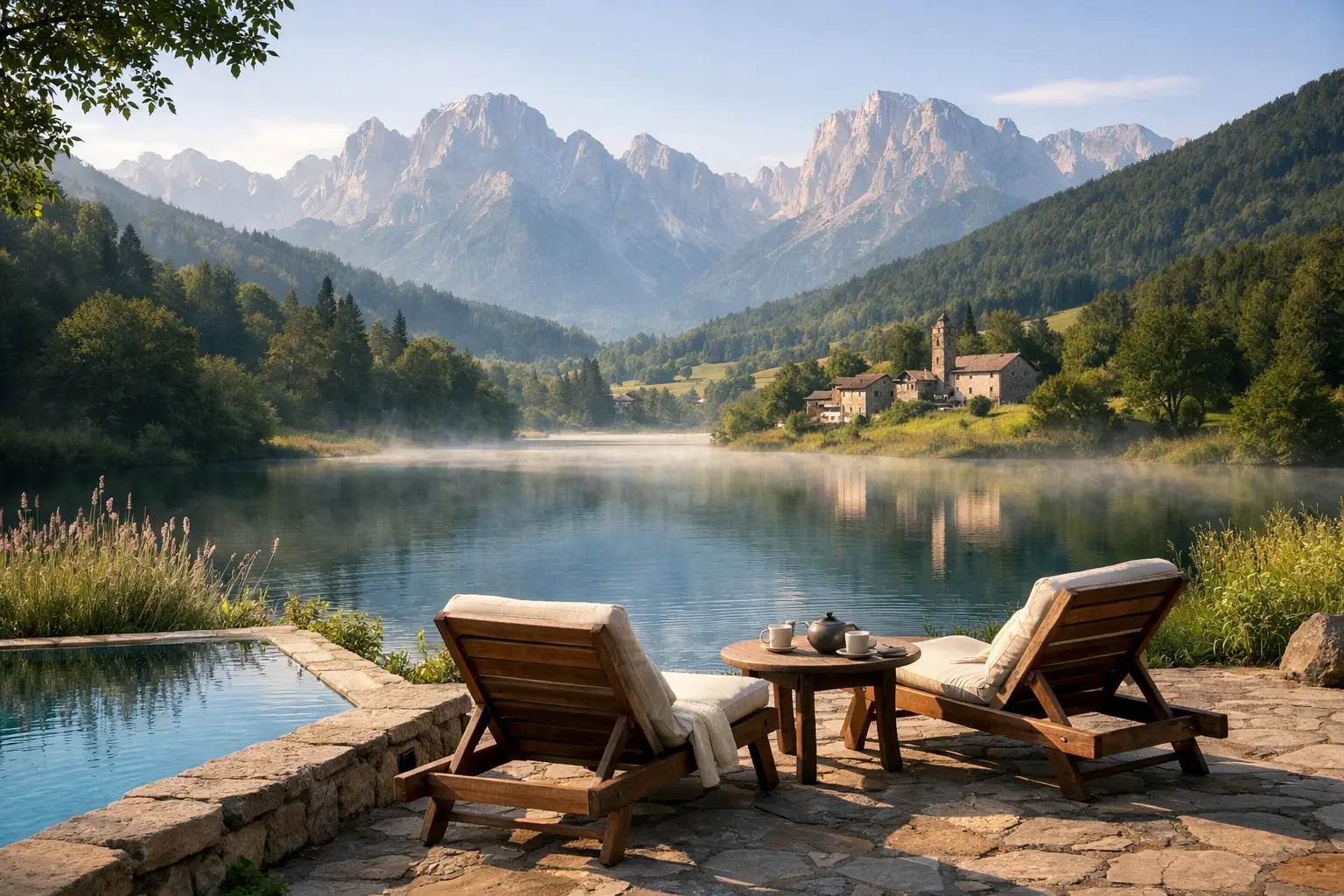
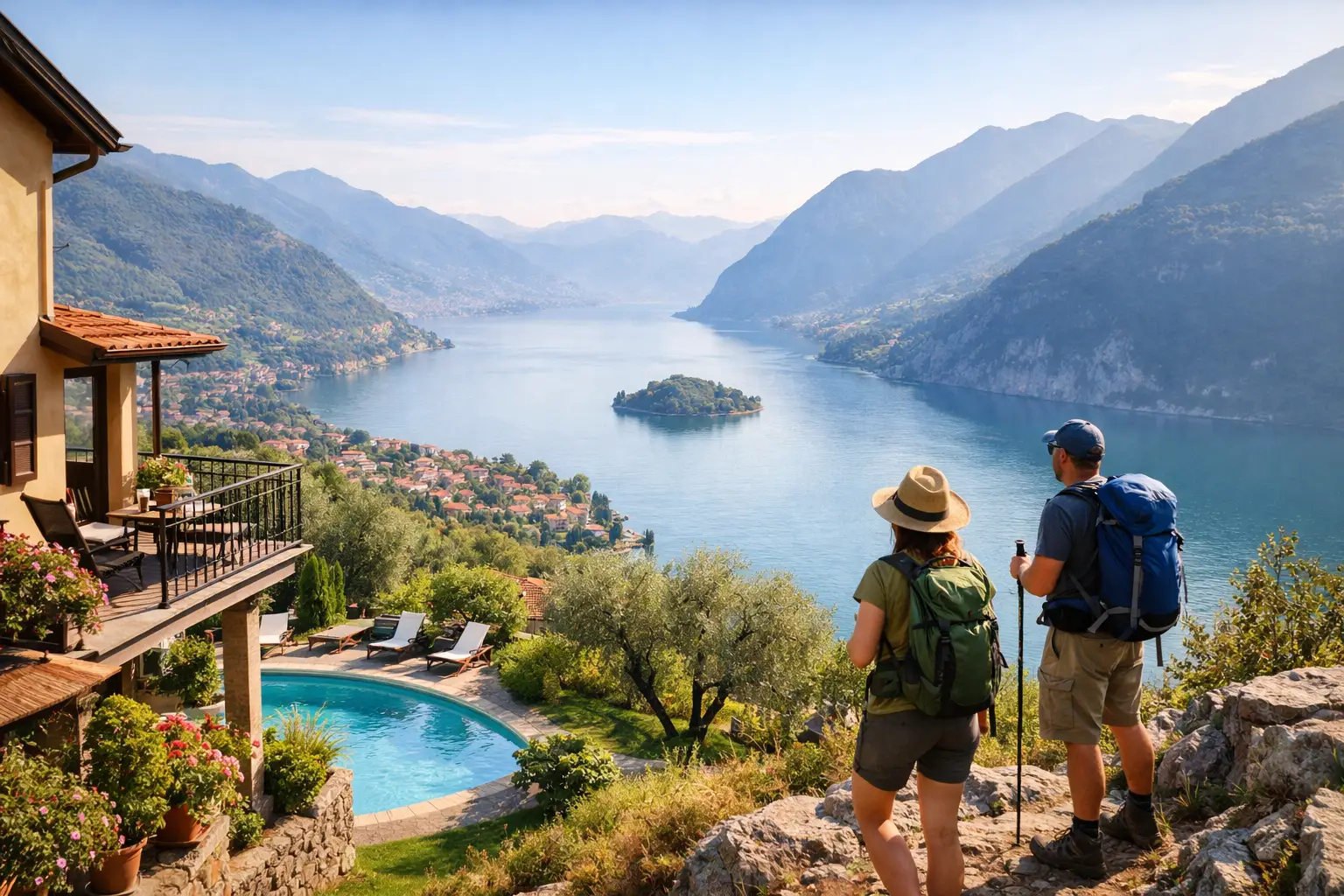
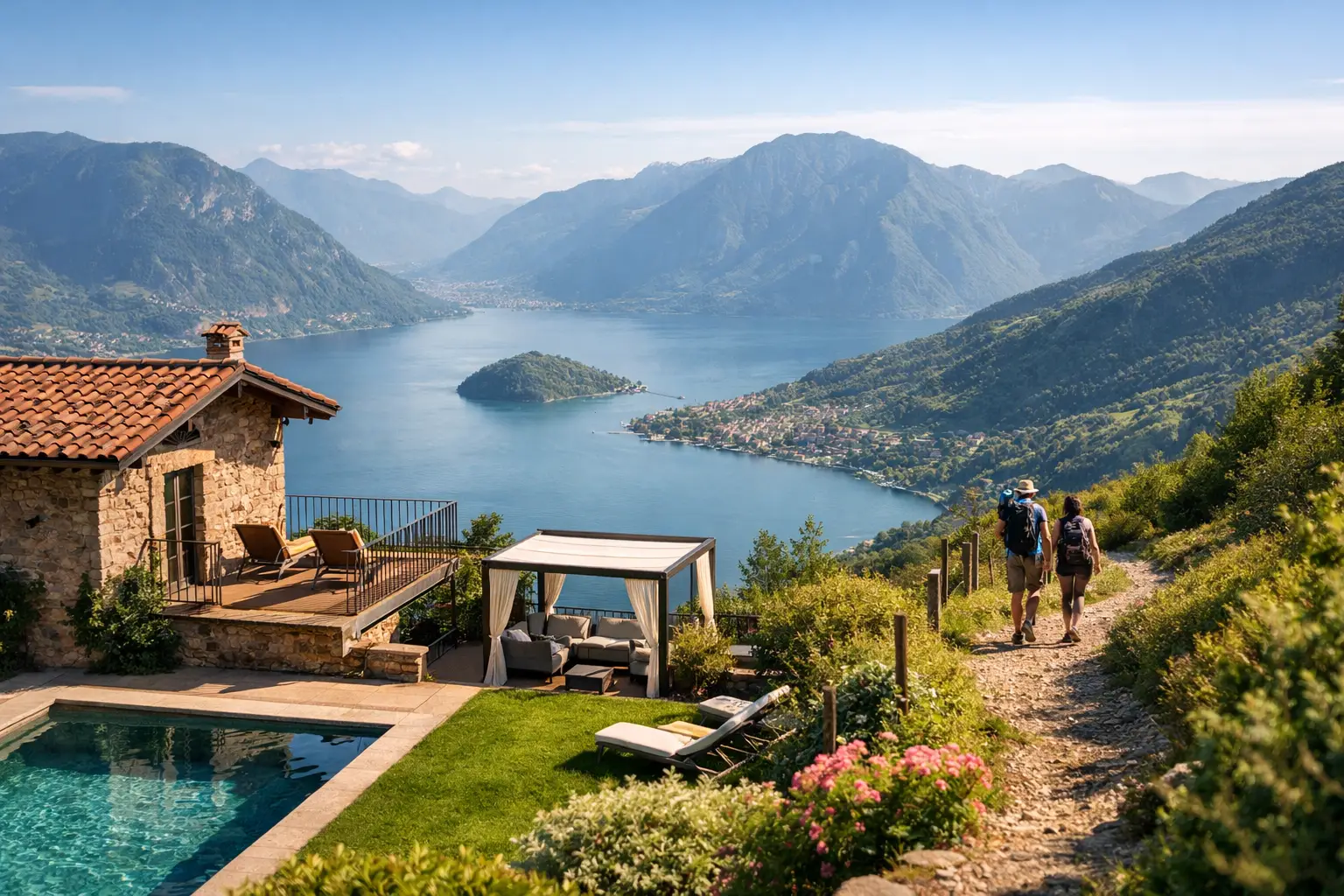
In the area around Lake Iseo and the foothills of the Alps, this style of travel feels particularly natural. Mountains create a sense of distance from everyday noise, while the lake softens the landscape with light, water, and villages that invite a pause. Zone, Lombardy, offers access to this quieter side of northern Italy without asking visitors to sacrifice the pleasures of a comfortable stay.
There is a practical benefit, too. A less crowded itinerary allows travelers to adjust for weather, energy levels, and family needs. A strenuous hike may be perfect for one group and unnecessary for another. The point is not to prove how much ground has been covered. It is to return home feeling better than when you arrived.
Staying longer, seeing more deeply
Instead of changing hotels every night, many travelers are making one welcoming place their base. From there, they can explore at an easy pace, return to familiar surroundings, and enjoy the reassurance of knowing where dinner and rest await.
A destination stay also creates a more connected experience. The room, the restaurant, the nearby trails, and the evening conversation all become part of the same memory. At Hotel Conca Verde, that idea has been part of welcoming guests since 1967: not simply providing a place to sleep, but offering a setting where guests can settle in and feel cared for.
Outdoor time with a purpose
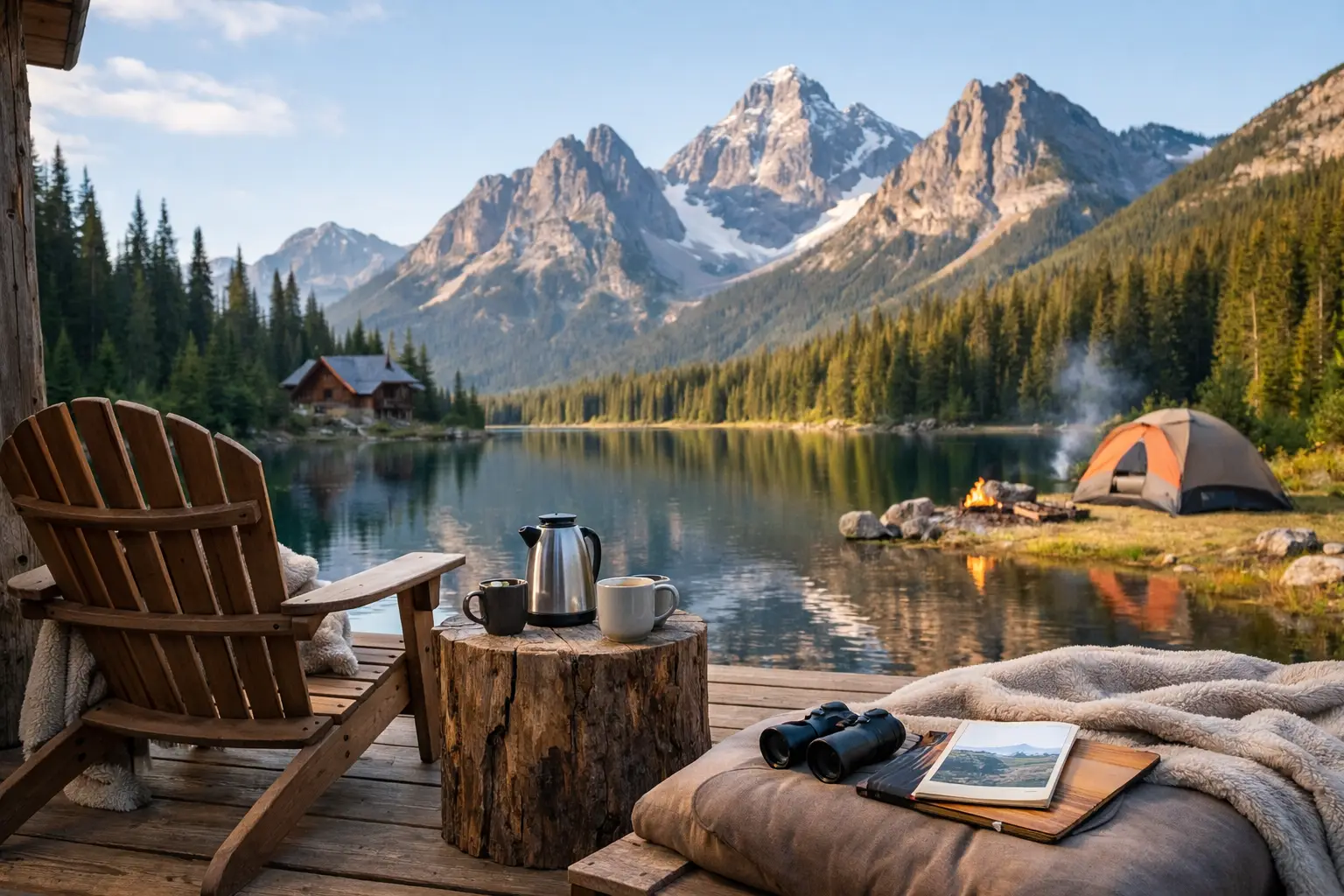
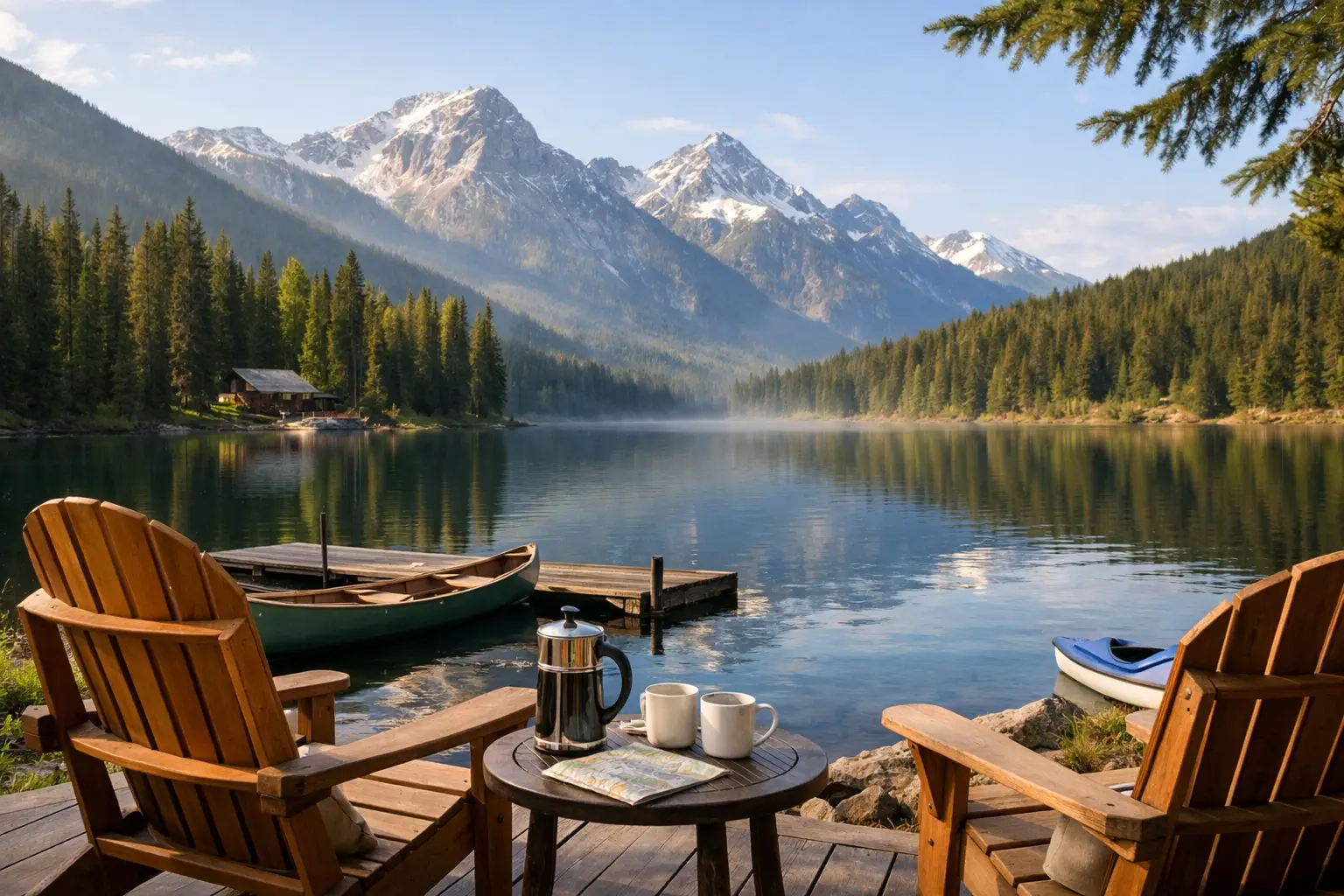
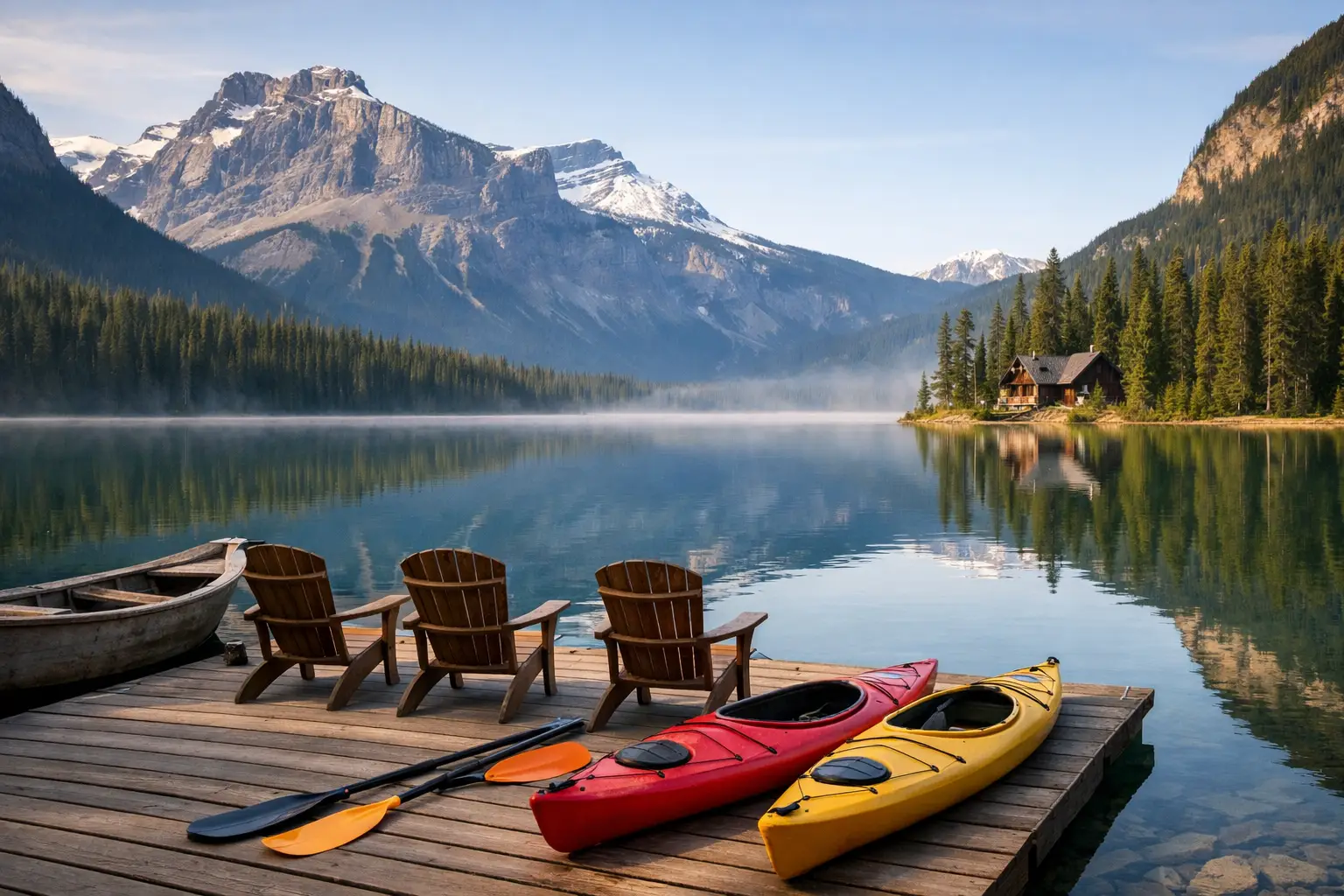
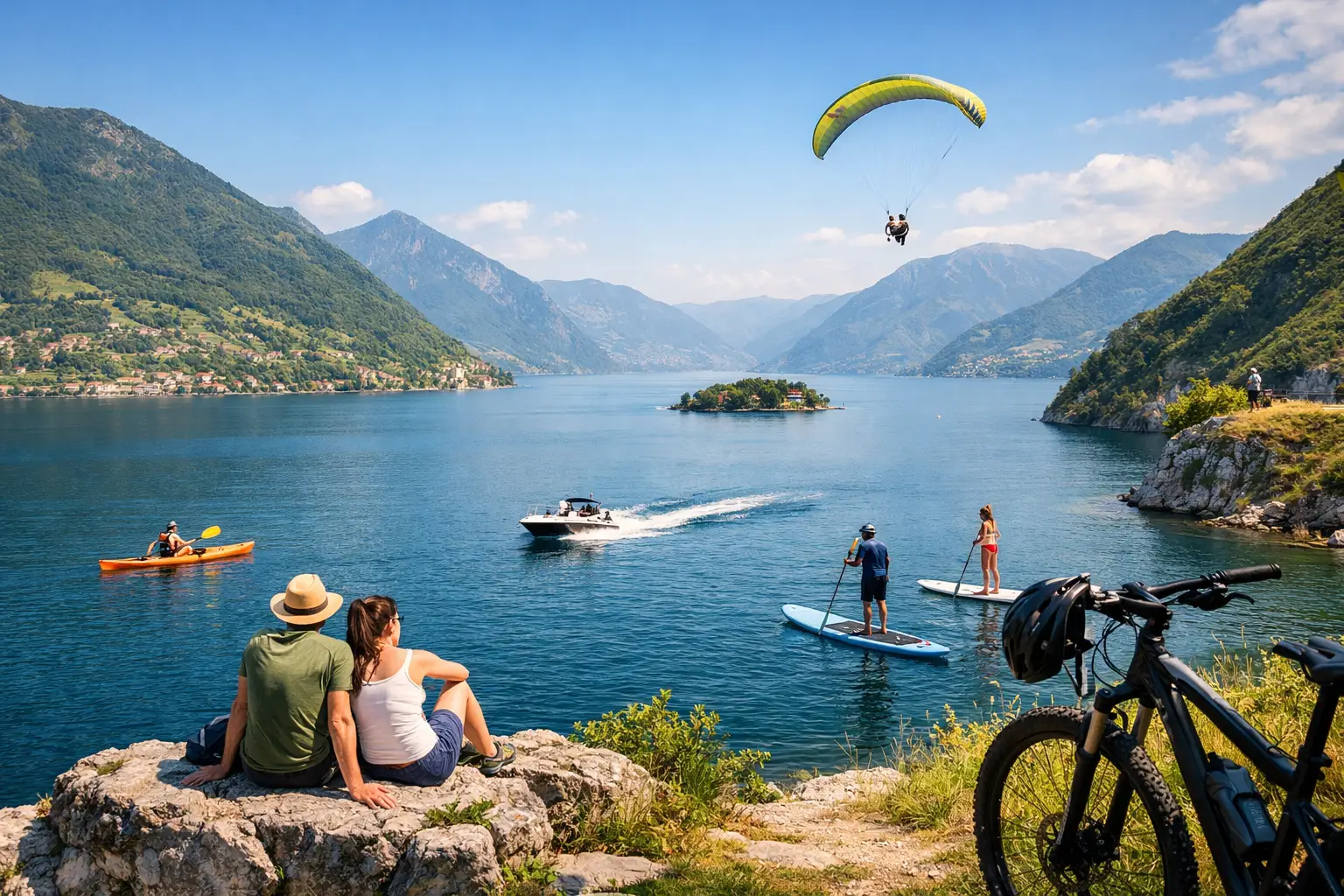
Nature travel is no longer only for expert hikers or travelers seeking extremes. Many people want accessible time outdoors: a woodland walk, a scenic route with room to stop, a picnic view, or a gentle excursion that children and grandparents can enjoy together.
This broader approach makes nature escapes more inclusive. A family may choose a short trail one day and a more adventurous route the next. A couple may rise early for stillness and spend the afternoon enjoying local cuisine. Small groups can build a trip around fresh air and conversation rather than an overplanned agenda.
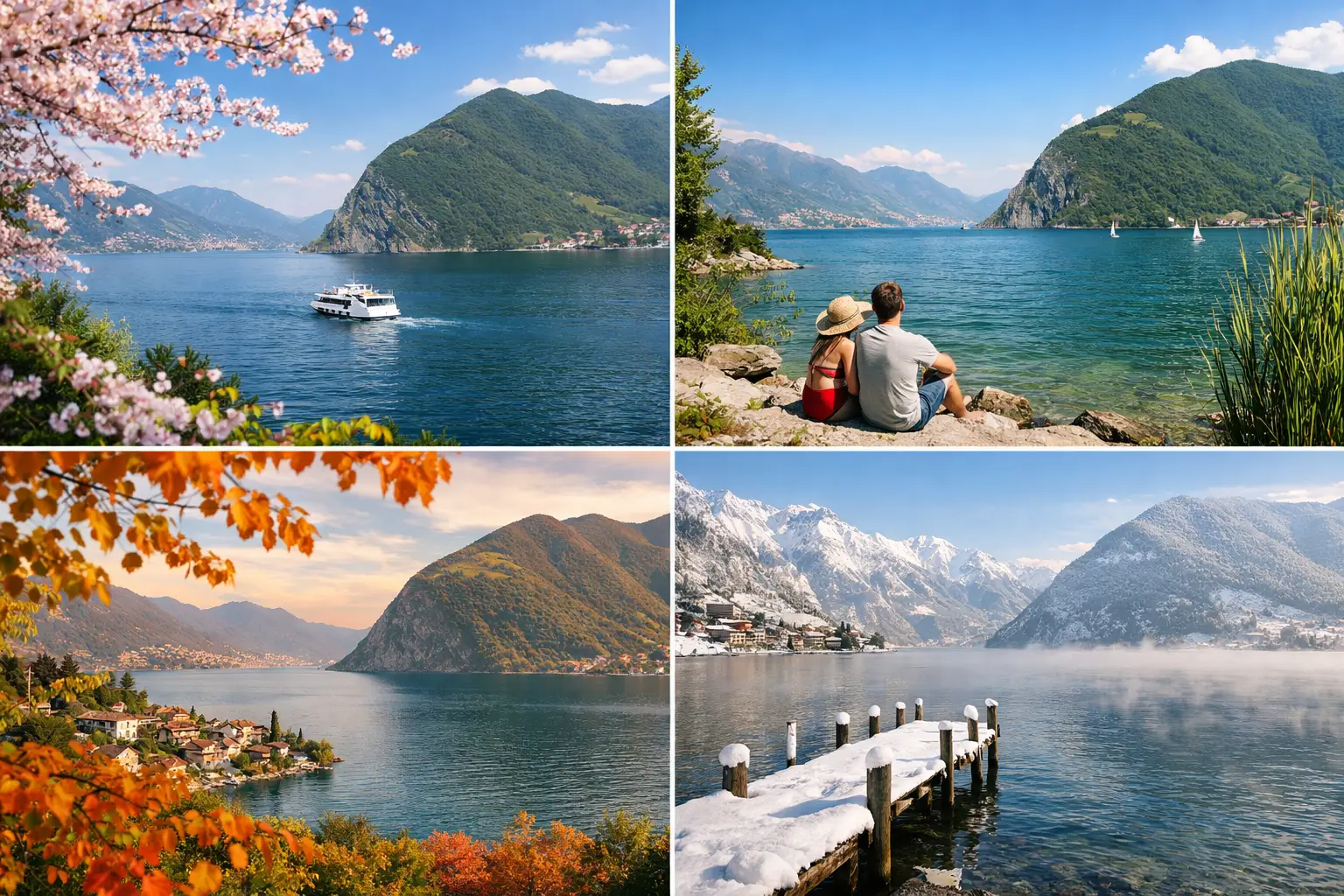
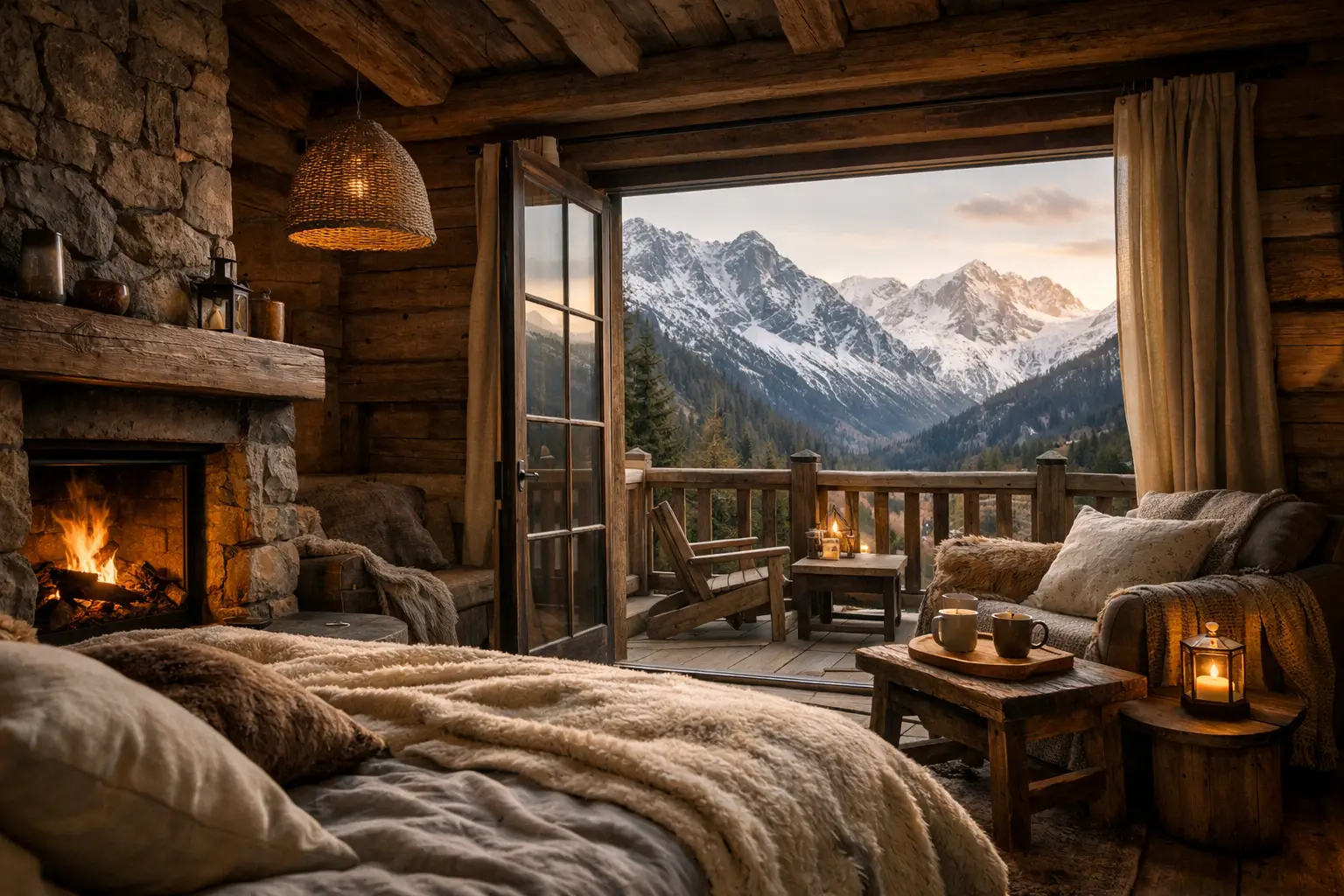
The most satisfying outdoor experience often depends on season and expectation. Spring brings bright green paths and fresh mountain air. Summer is ideal for longer days outside, though an early start can make popular routes more peaceful. Autumn rewards travelers with rich color, cooler temperatures, and a more reflective mood. Winter invites a different kind of rest, with warm interiors and the quiet beauty of the mountains nearby.
Local food is part of the landscape
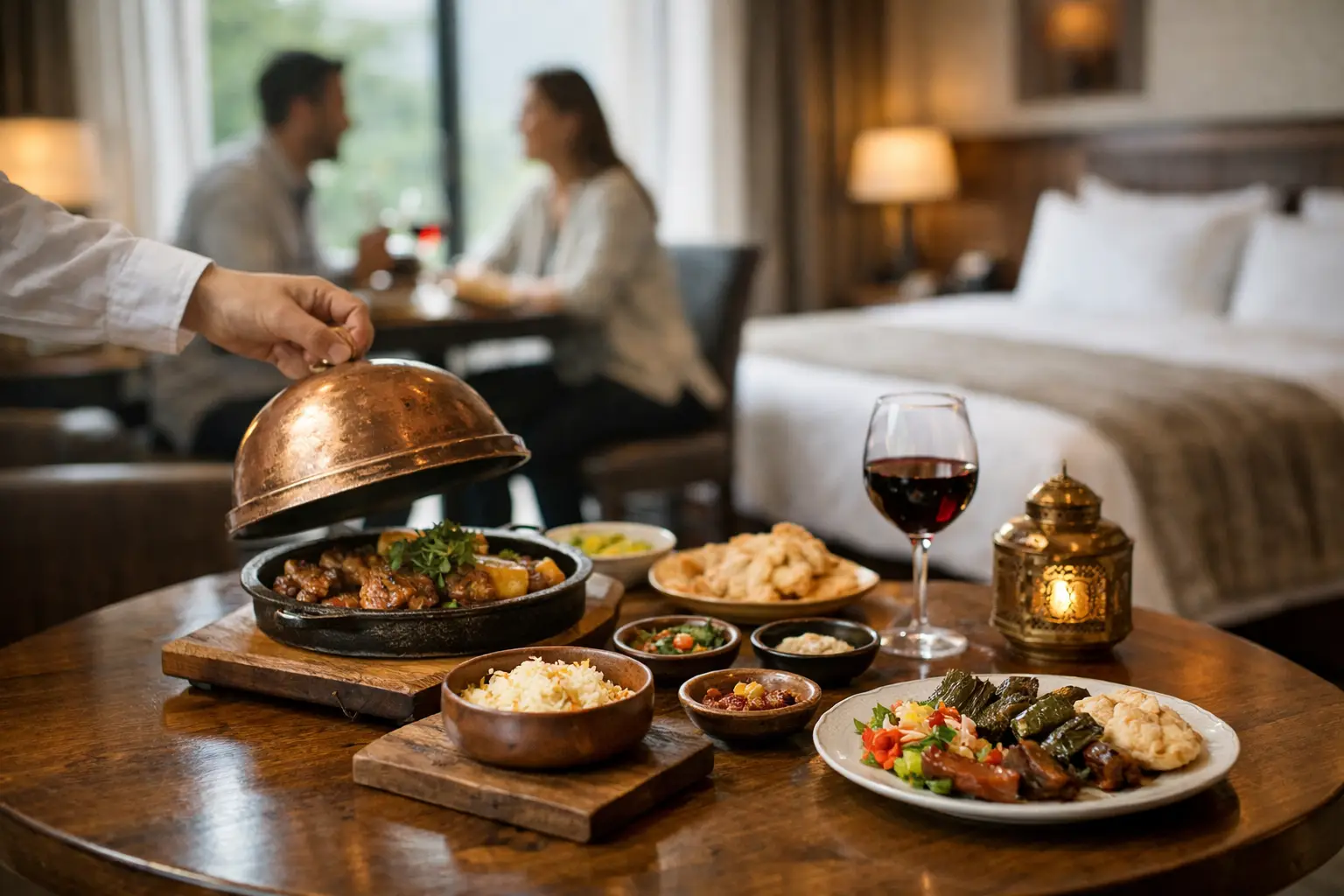
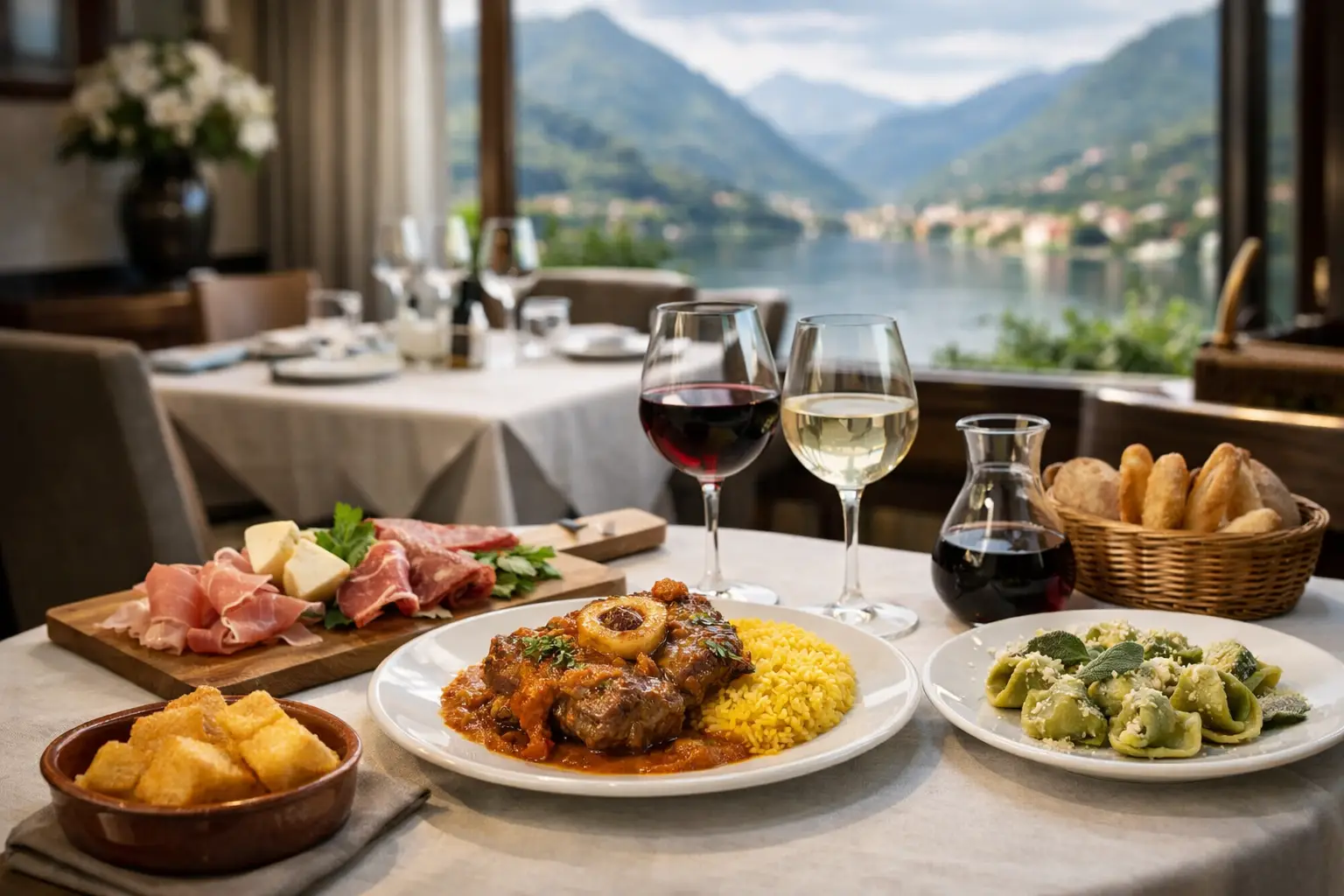
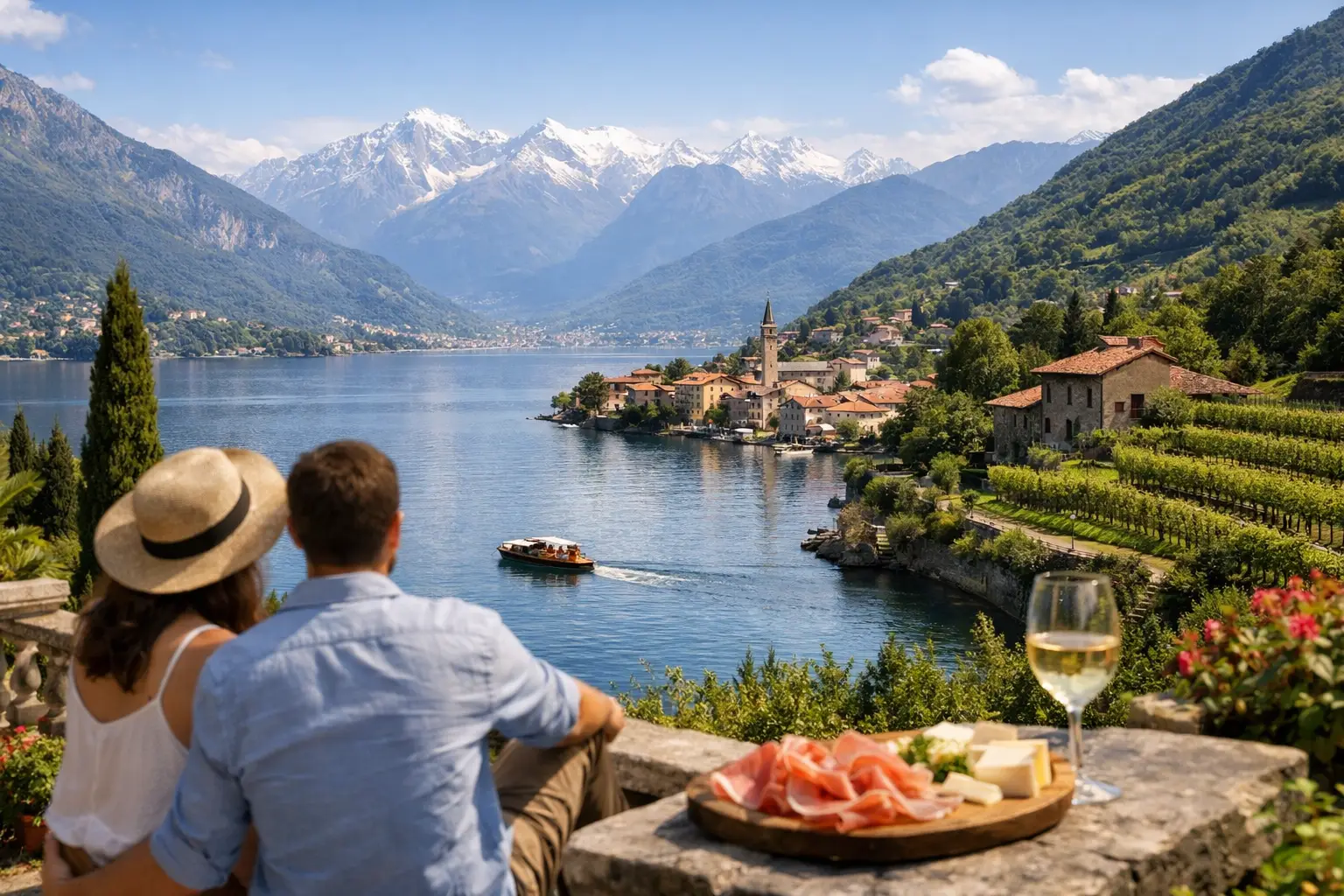
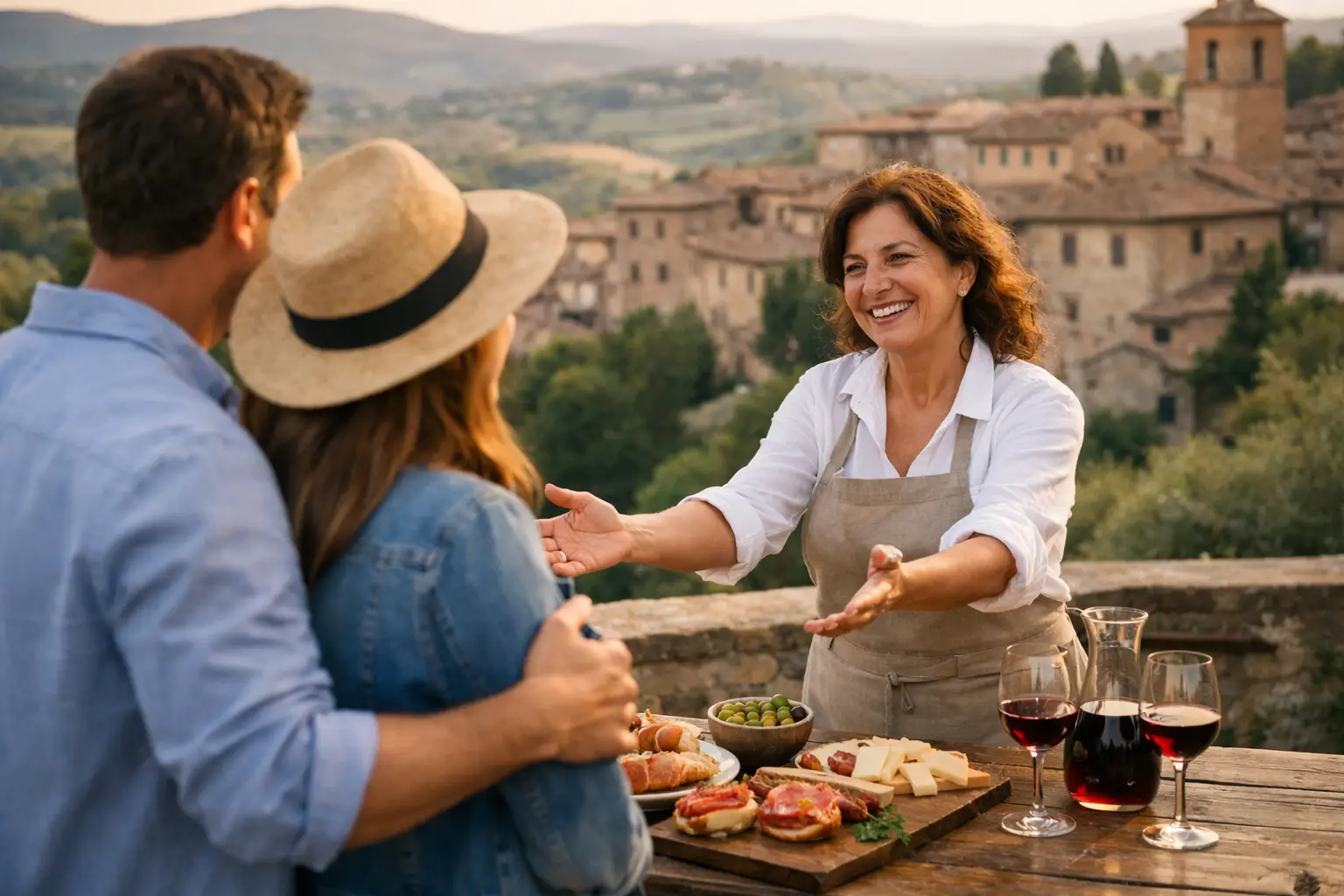
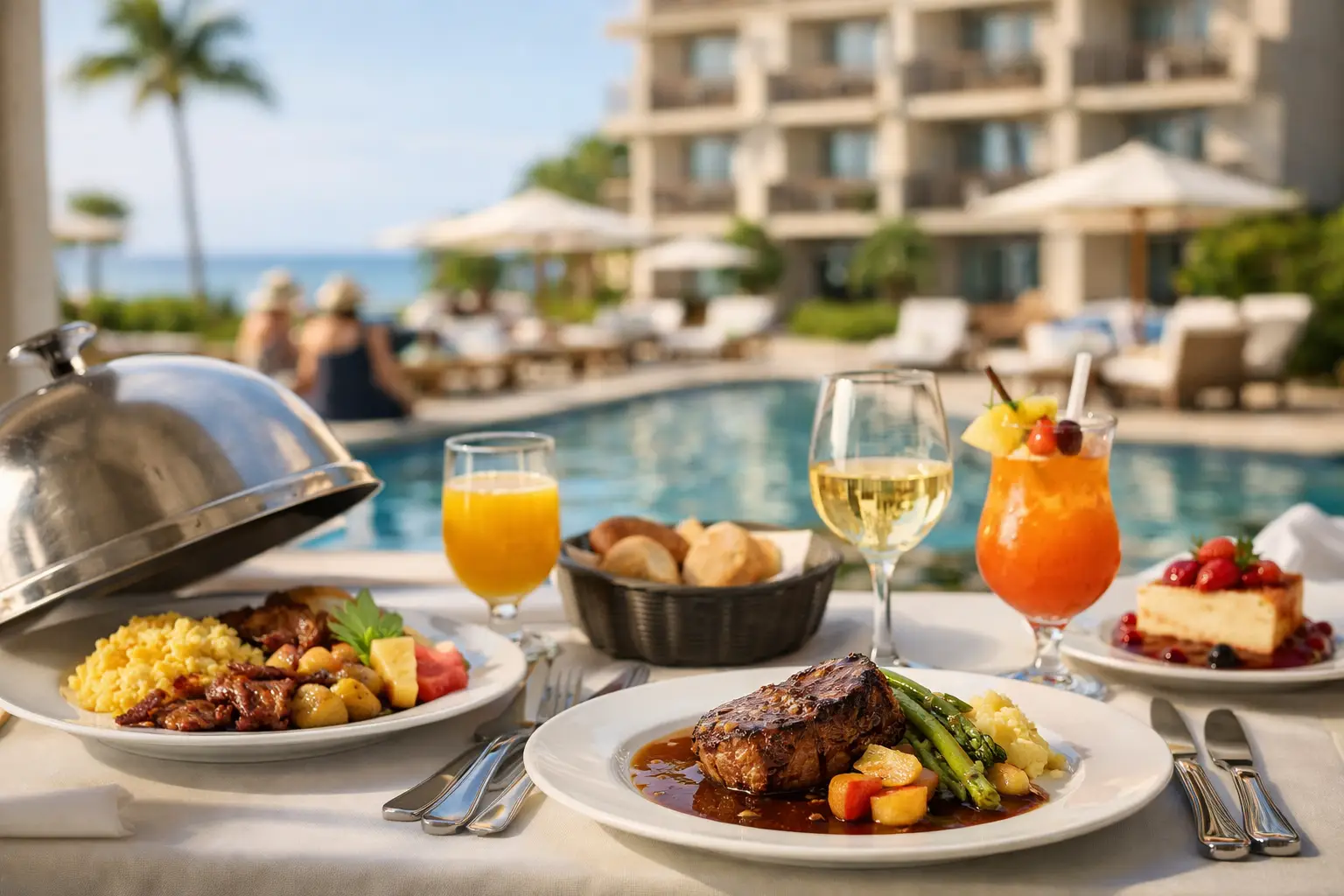
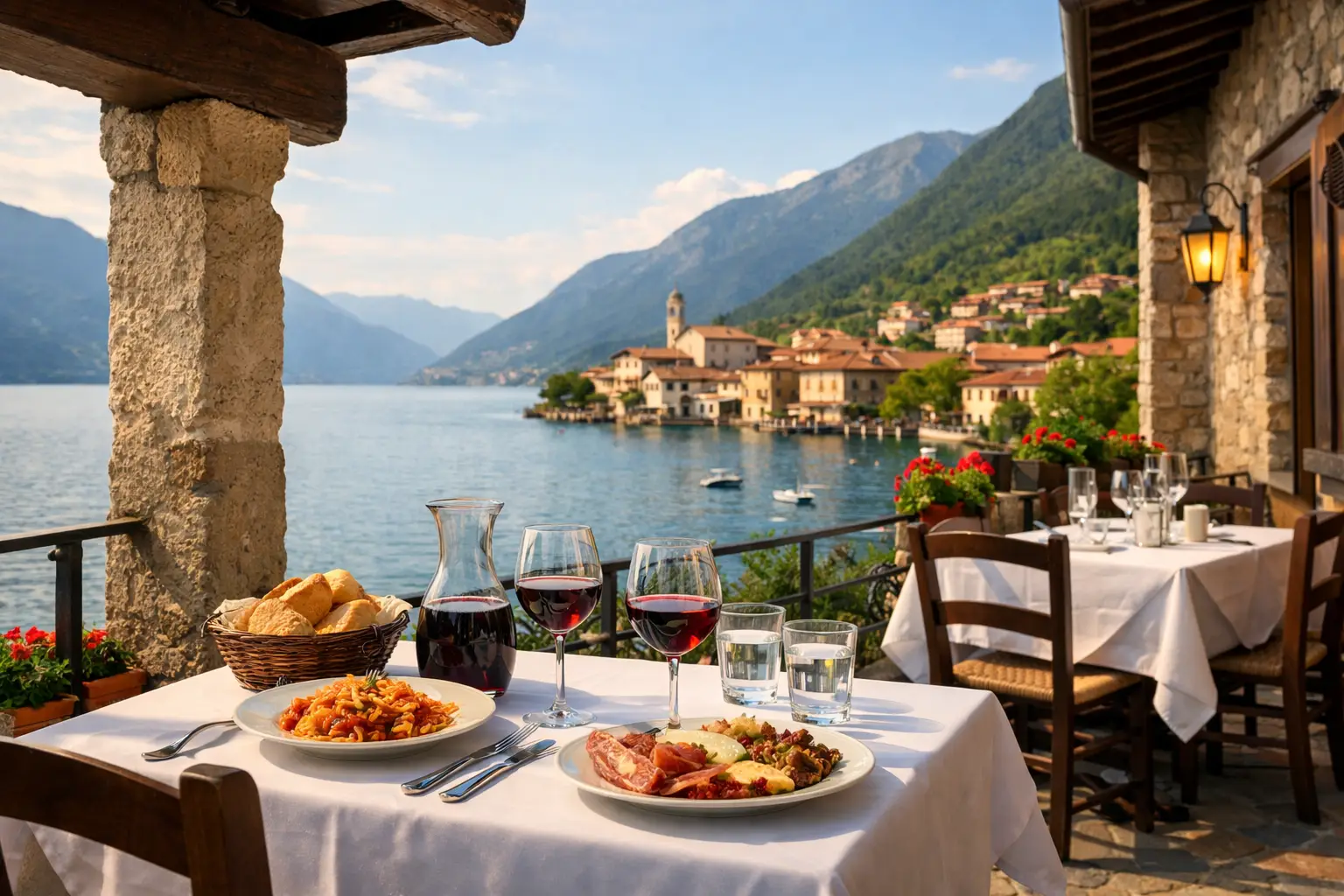
One of the clearest nature escape travel trends is the desire to eat where the ingredients and traditions tell the story of the region. Travelers want more than a meal that could be served anywhere. They look for dishes with a sense of place, prepared with the confidence that comes from generations of local cooking.
In northern Italy, a meal after time outdoors has its own rhythm. It is an opportunity to slow down, share stories from the day, and enjoy flavors that feel generous without being showy. Traditional cuisine becomes part of the journey, especially when it is served in an atmosphere that feels relaxed and sincere.
For families, dining together can be the center of the trip rather than an interruption between activities. For couples, it can turn an ordinary evening into the kind of memory that remains vivid years later. And for international visitors, it offers a genuine connection to Italy beyond the familiar sights.
Choose authenticity over perfection
Travelers are becoming more thoughtful about what “authentic” means. It is not a staged version of local life or a menu designed only for photographs. It is the feeling of being welcomed somewhere with history, care, and respect for the surrounding region.
That can be found in small details: rustic spaces that feel lived in, seasonal ingredients, advice from people who know the trails, and an atmosphere where guests are recognized rather than processed. These details are not flashy, but they are often what turn a pleasant vacation into a beloved place to return to.
Togetherness is the real luxury
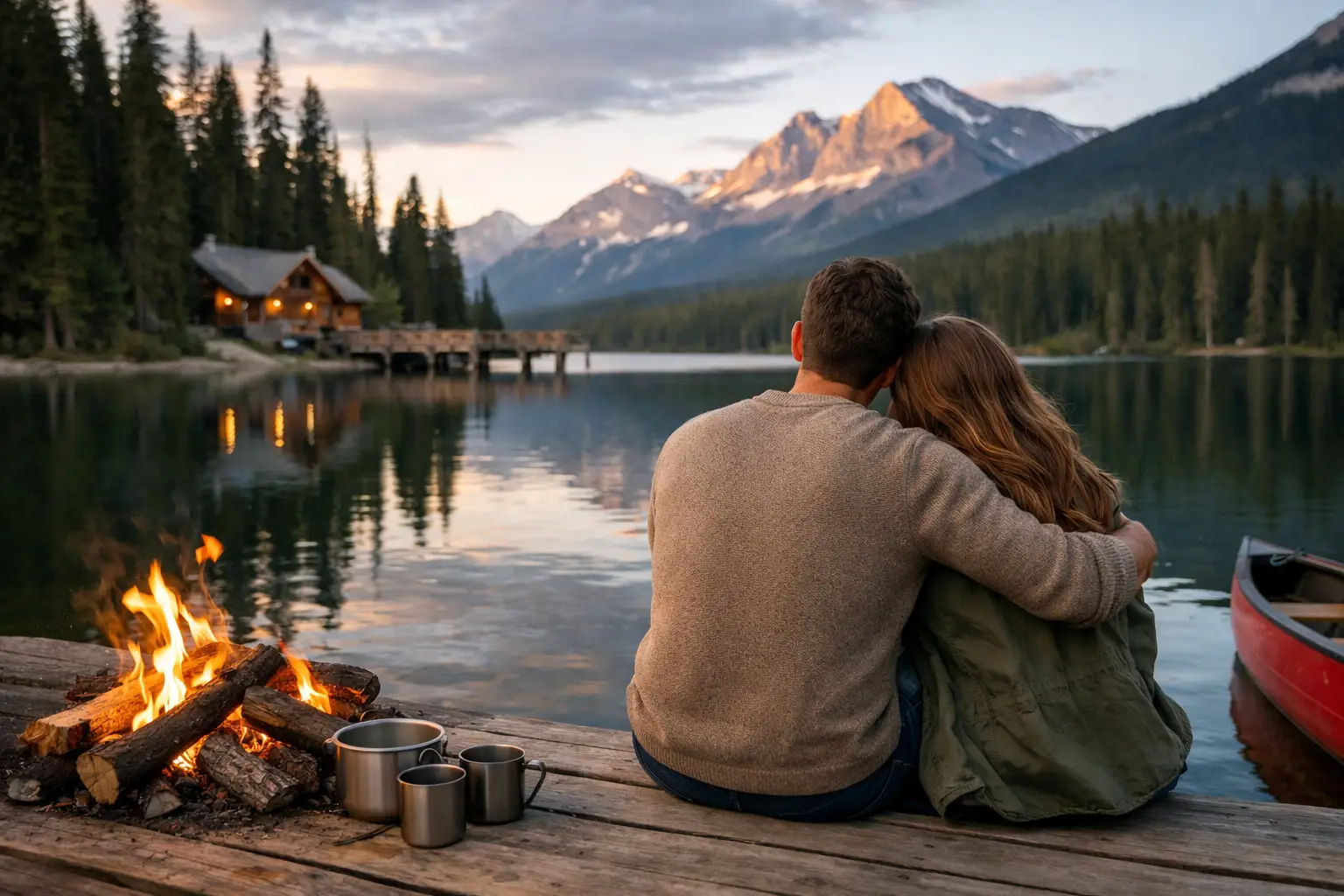
Quiet travel is not always solitary travel. One of the strongest reasons people choose nature-based stays is the opportunity to reconnect with others. Away from packed calendars and constant notifications, conversations become easier. Children have room to be curious. Couples can enjoy time without distraction. Friends can laugh over a long dinner instead of coordinating the next reservation.
This is why the right setting matters. A nature escape should offer enough to do without creating pressure to do it all. A good base gives each guest a choice: join an excursion, take a walk, enjoy a drink, rest in the room, or simply look out at the view. Freedom is part of the comfort.
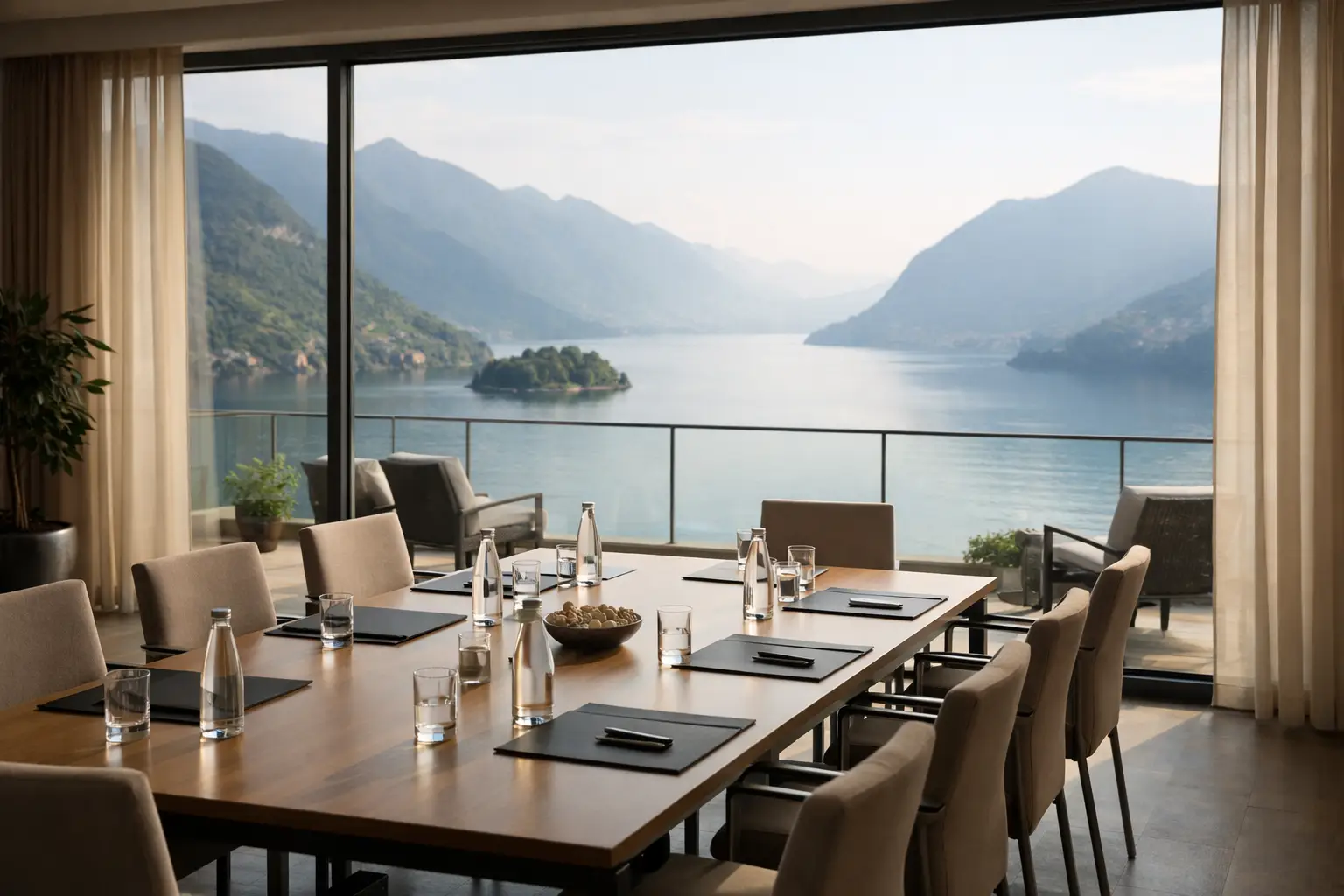
For small work gatherings, the same principle applies. A meeting in a peaceful setting can make space for clearer thinking and more relaxed conversation. The value is not just in leaving the office, but in changing the atmosphere around the work.
How to plan a nature escape that feels restorative
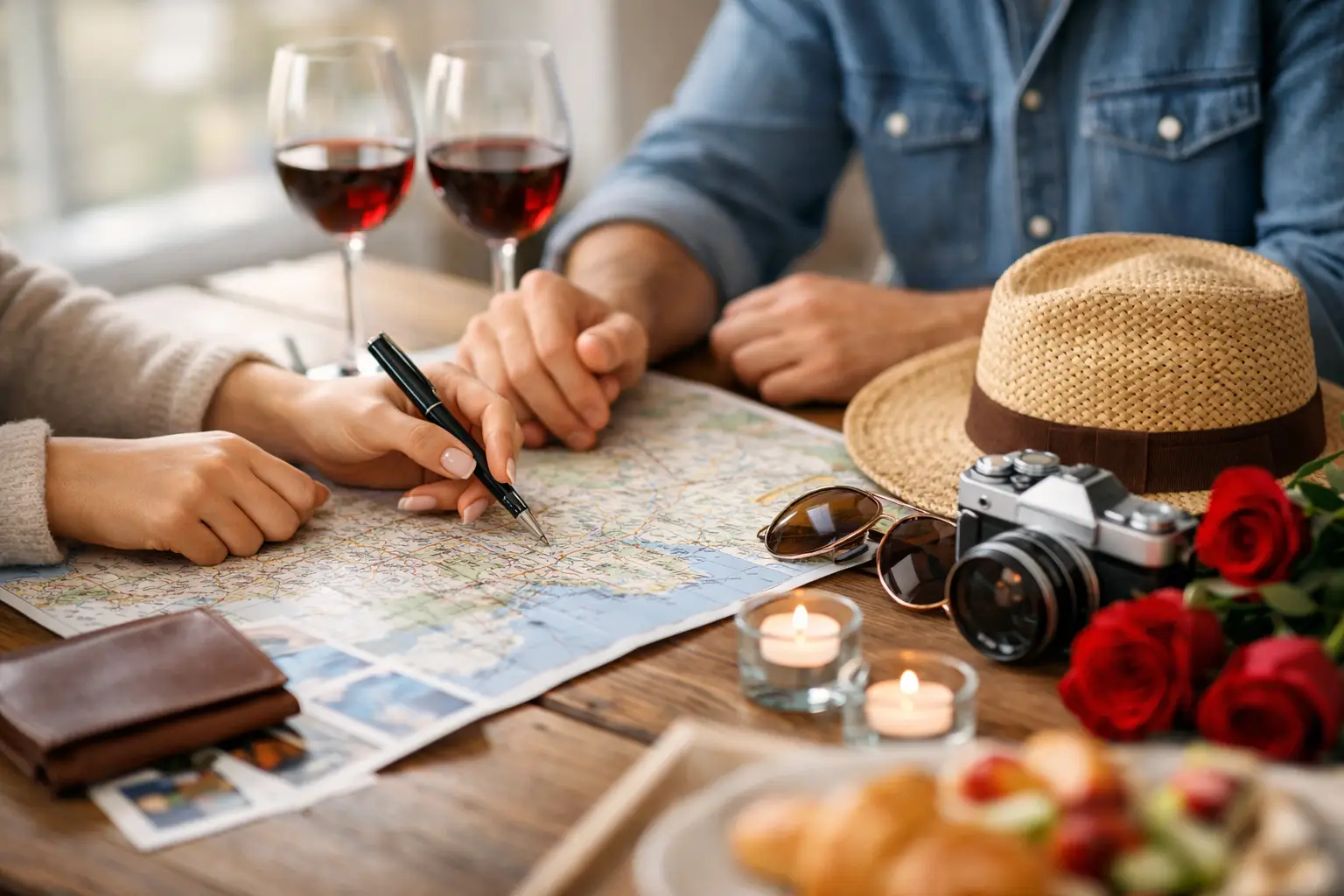
Begin by choosing one region rather than trying to cross an entire country in a few days. Look for a stay that brings together accommodation, regional dining, and easy access to outdoor experiences. This reduces the time spent coordinating logistics and leaves more time for the trip itself.
Next, plan only a few anchors for each day. A morning hike, a reservation for dinner, or an afternoon visit to a nearby village may be enough. Leave the rest open for an unexpected viewpoint, a longer lunch, or a well-earned nap.
Finally, match the escape to your group. Families may prioritize flexible excursions and relaxed meals. Couples may prefer quiet rooms and scenic walks. Friends may want a mix of adventure and evenings together. There is no single ideal nature vacation, only the one that gives your travelers what they need most.
The most lasting trips are rarely the ones packed from morning to night. Choose a place where the mountains, the lake, the table, and the welcome all invite you to stay a little longer. Then let the days make room for the moments you did not know you were missing.