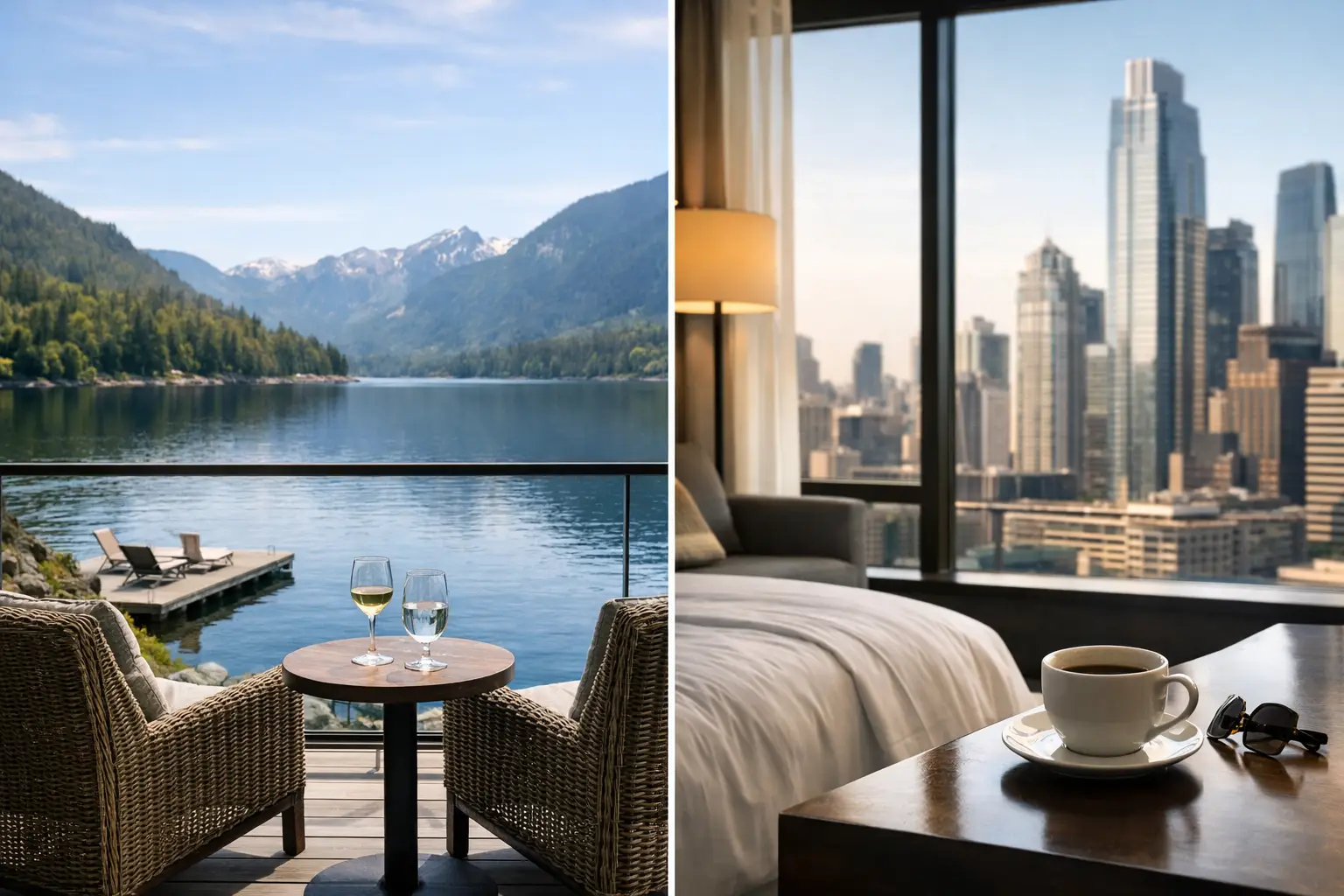

A Quiet Work Retreat Near Nature, Made Personal
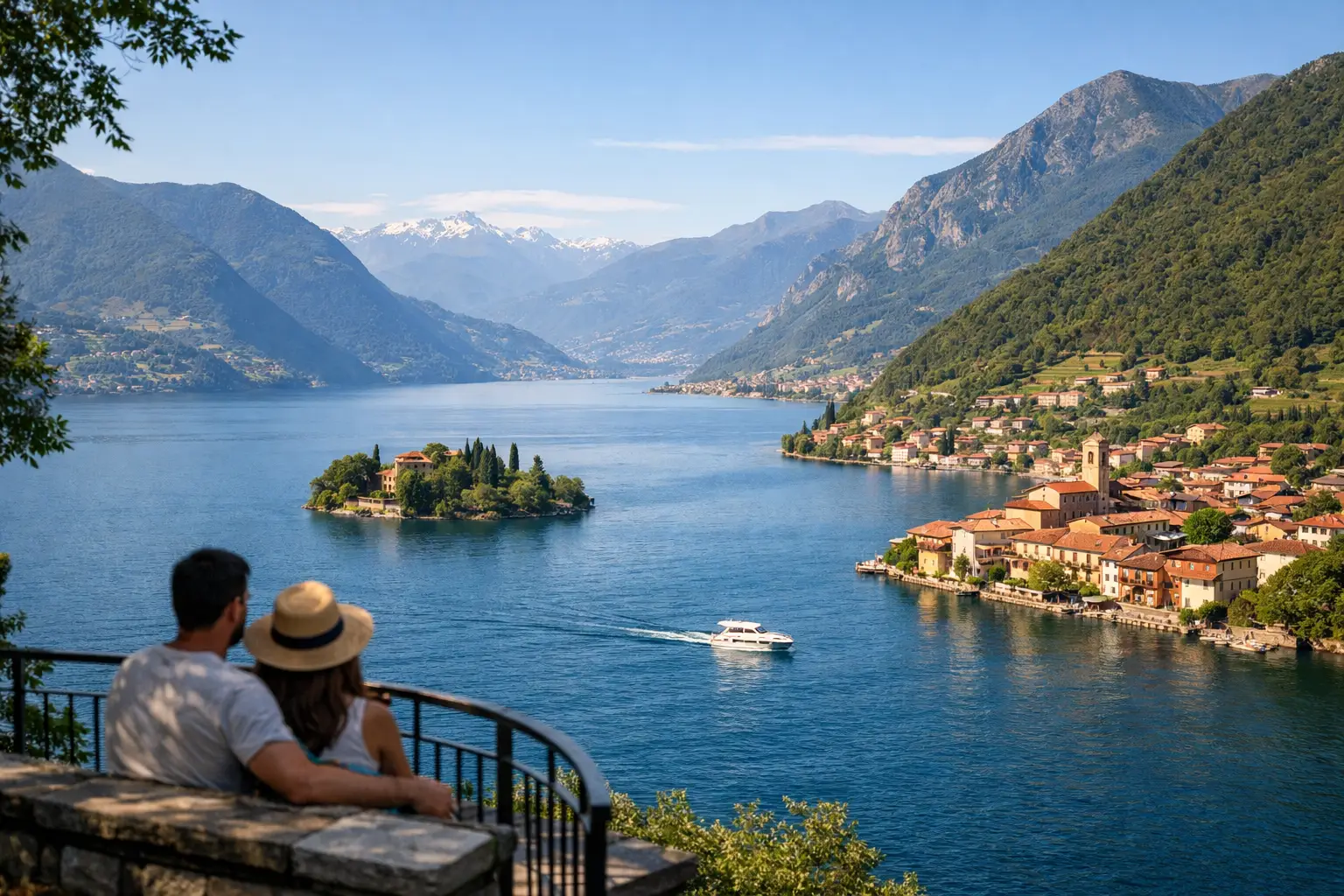
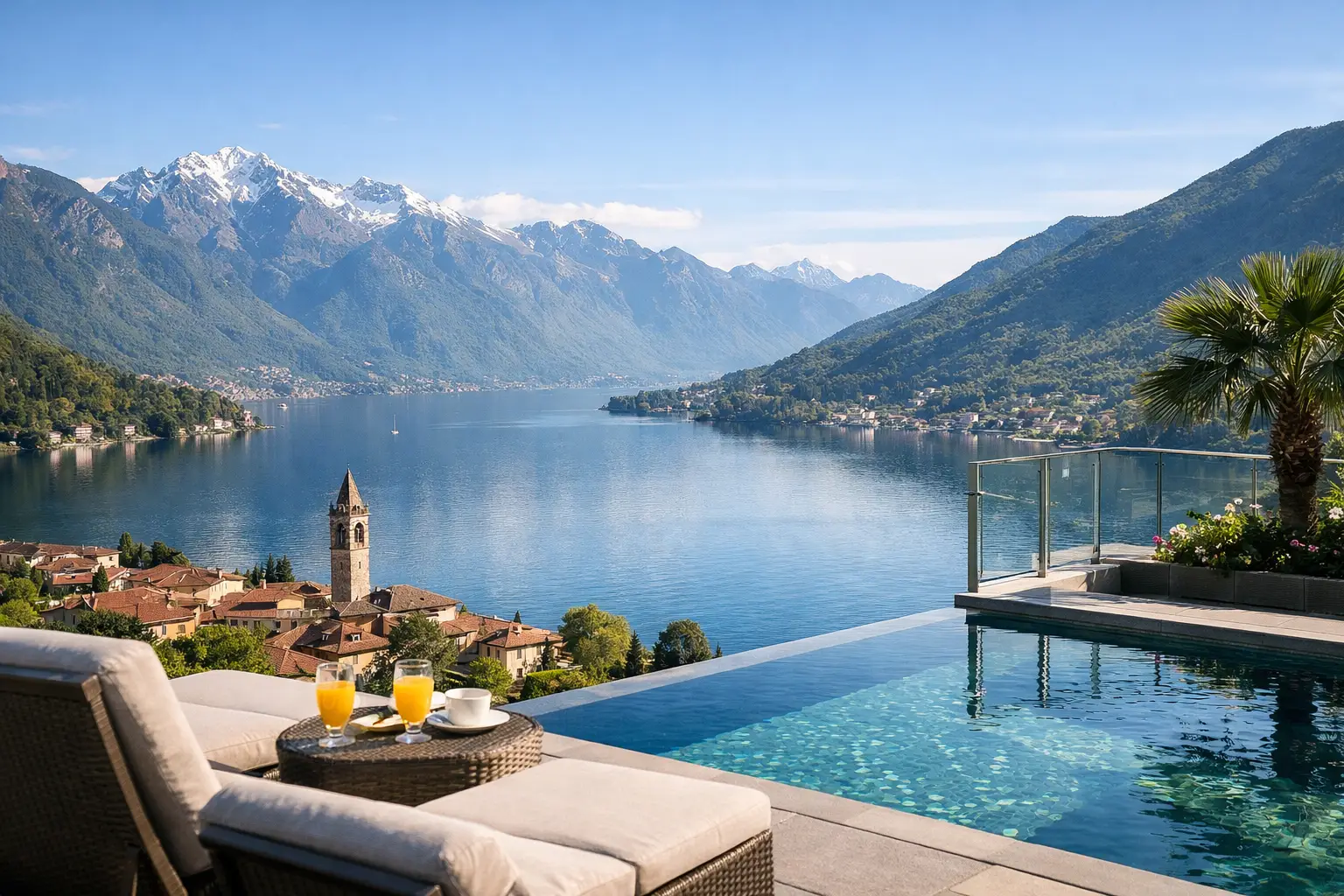
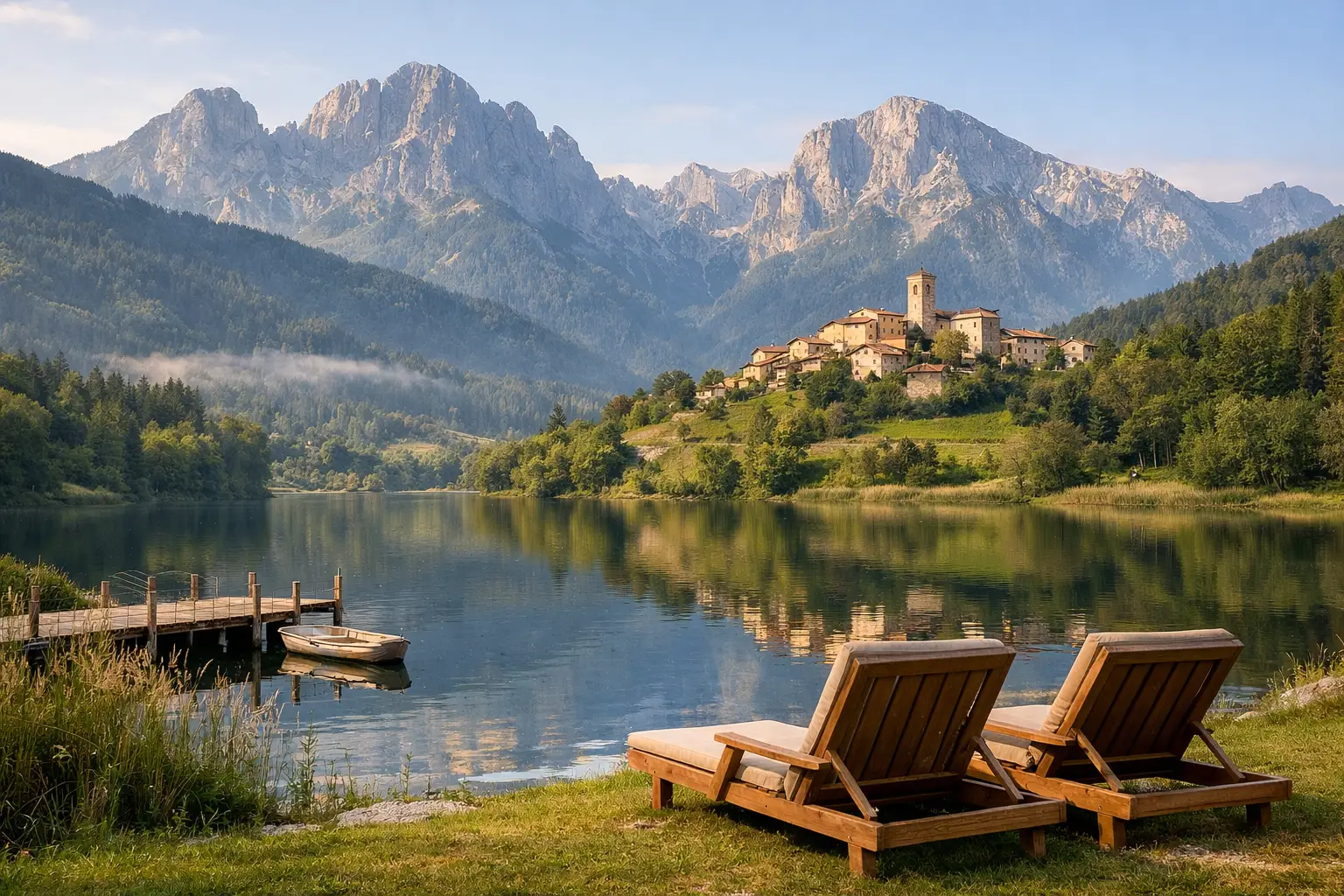
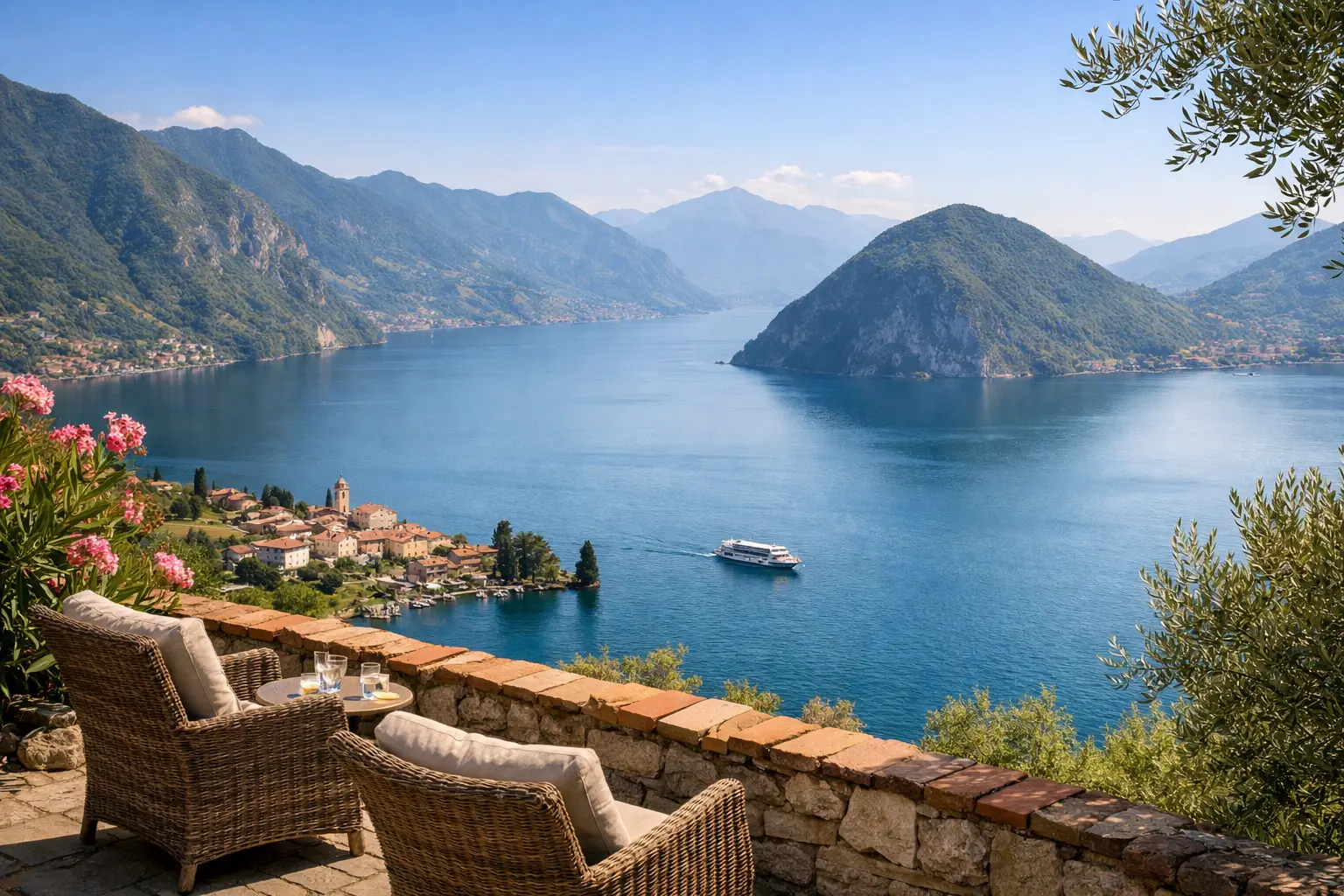
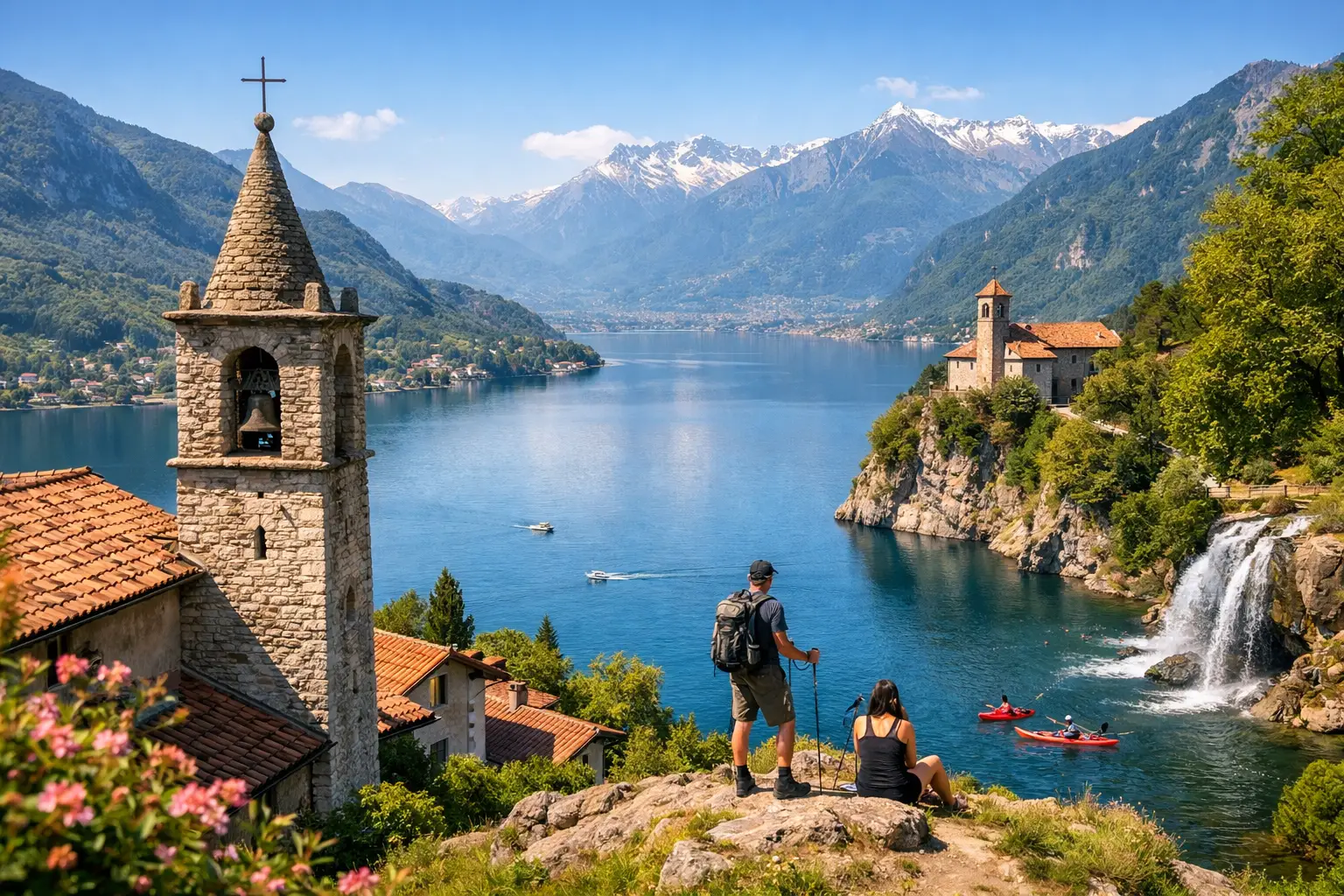
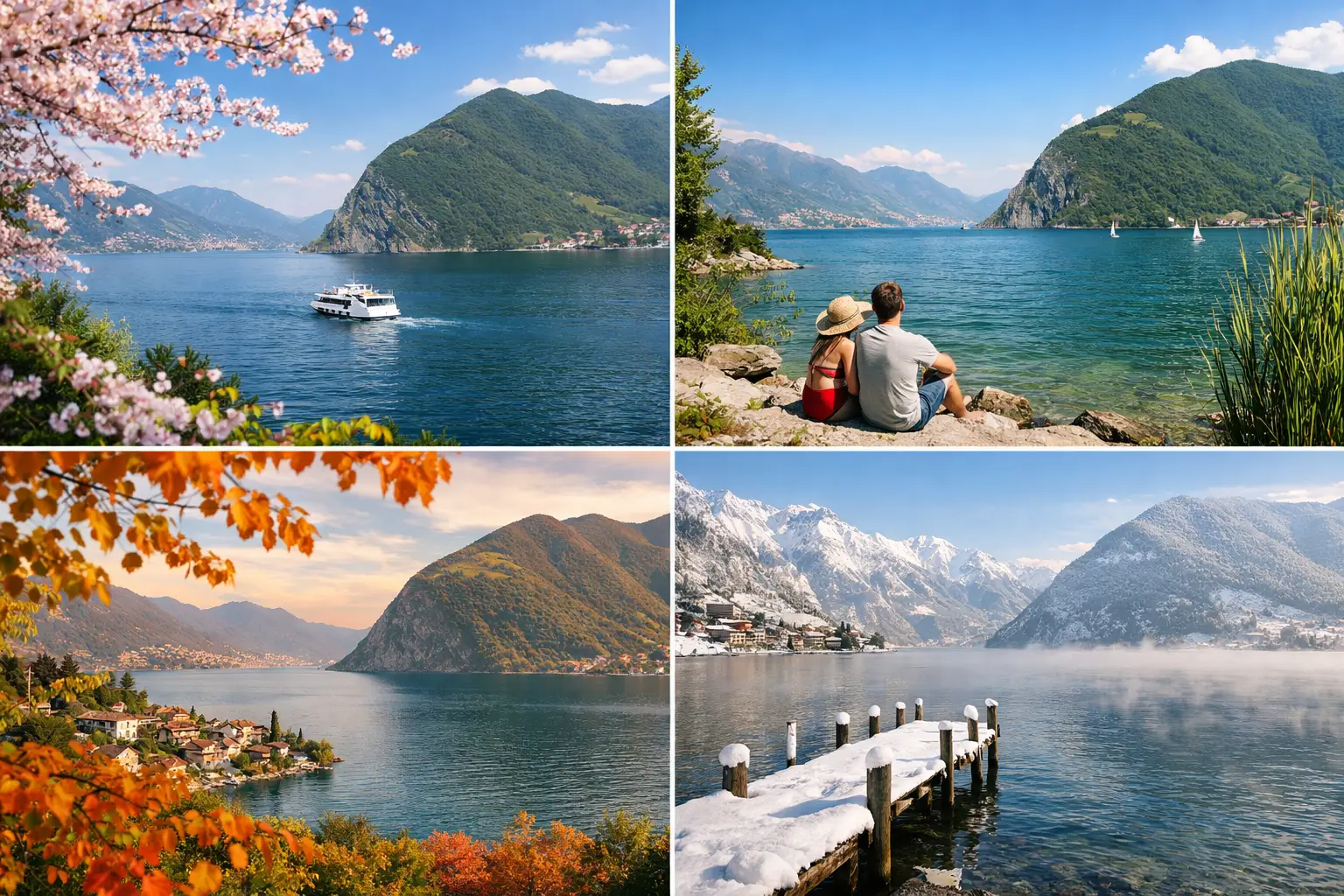
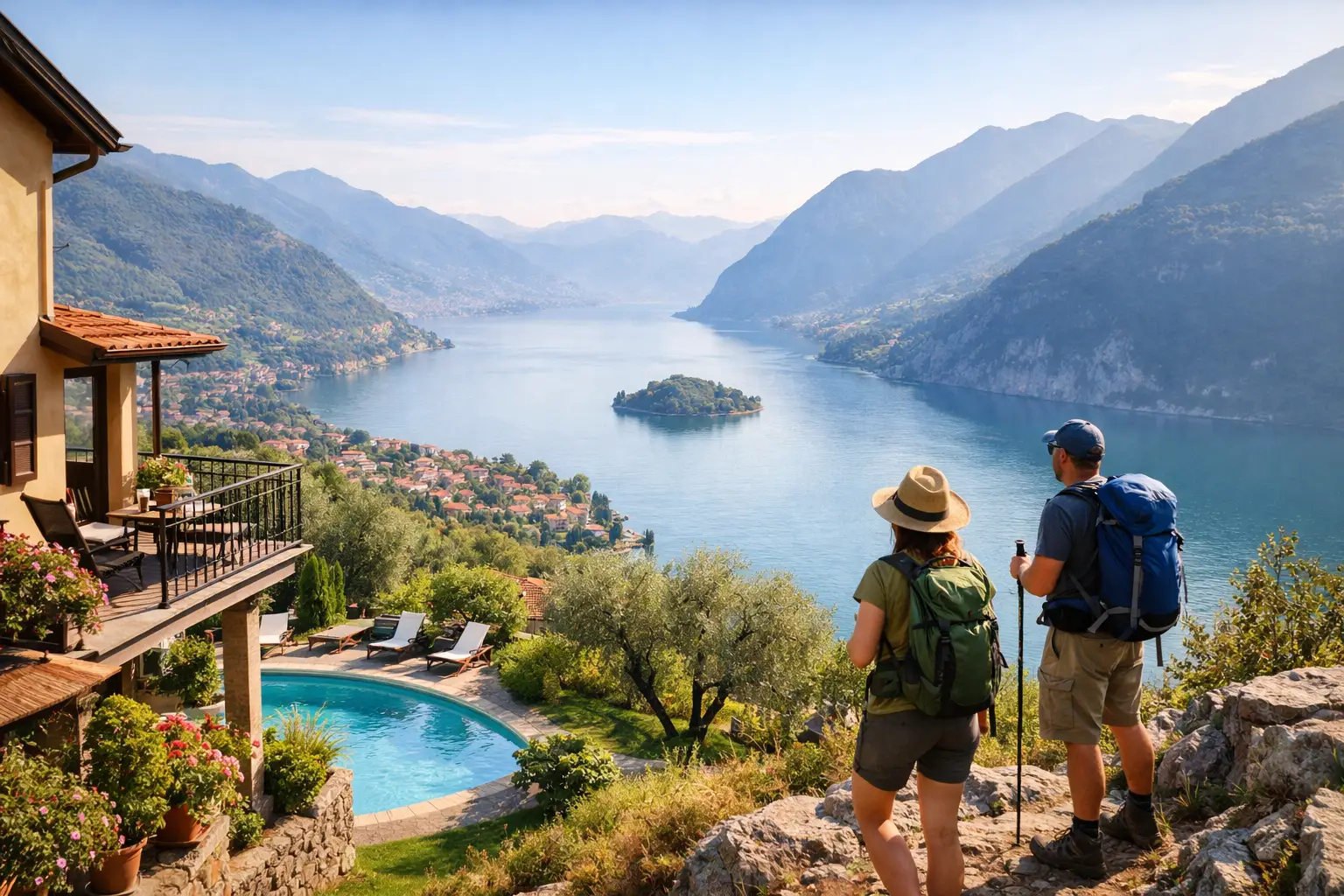
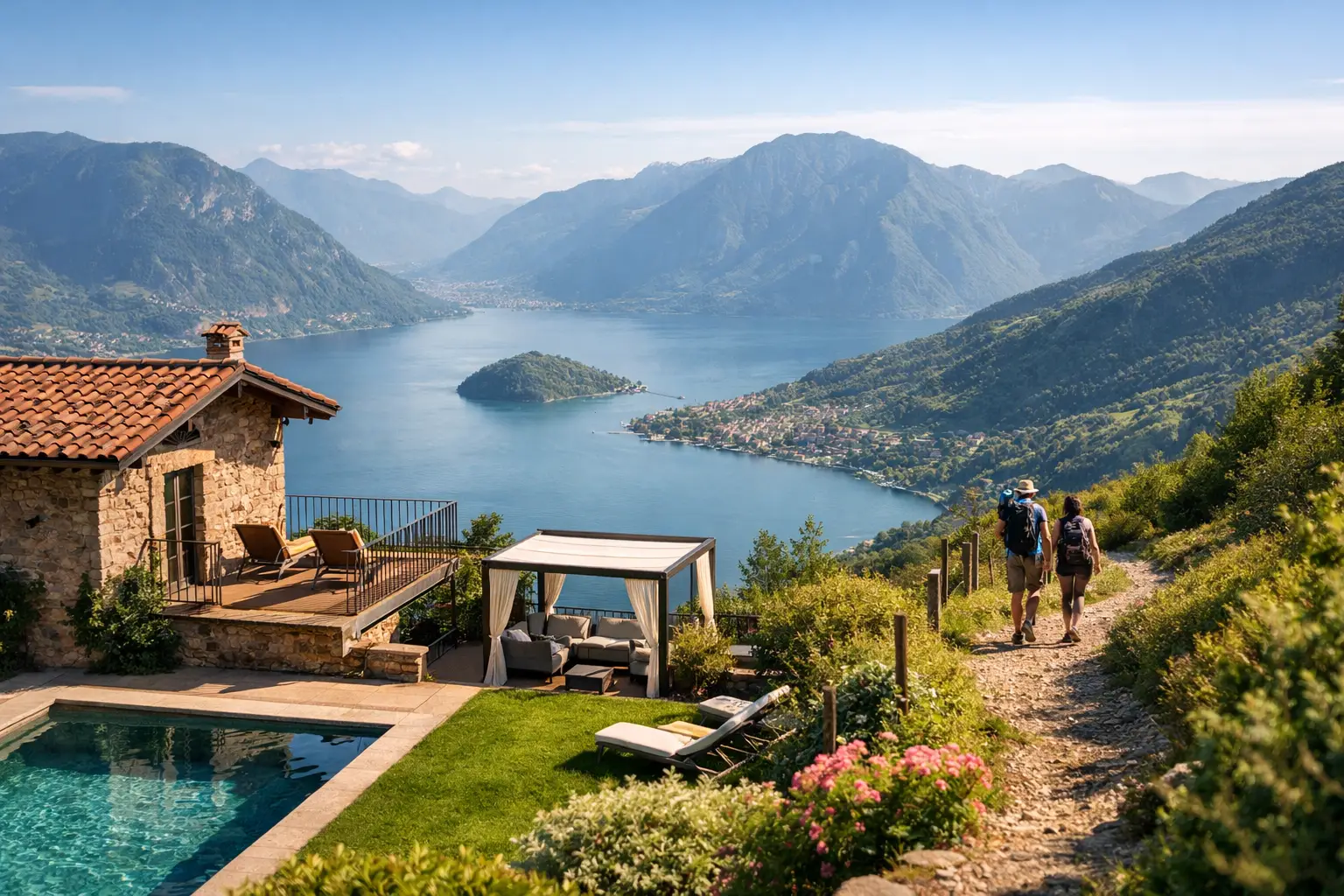
A quiet work retreat near nature is not about filling every hour with tasks. It is about giving important work the space it rarely receives at home: a clear table, a slower morning, and a view that asks nothing of you. In the hills above Lake Iseo, with the Alps close by, the day can begin with fresh air instead of traffic and end with a good local dinner instead of another rushed meal.
For remote professionals, small teams, and anyone carrying a project that needs real attention, this kind of change of setting can be quietly powerful. The right retreat does not turn work into a vacation, nor does it make rest feel like a guilty interruption. It creates room for both.
Why Nature Helps Work Find Its Rhythm
Many workdays are fragmented before they have properly begun. Notifications compete with conversation, familiar chores sit in the corner of the mind, and the line between a working day and personal time becomes thin. A retreat near nature changes the rhythm without demanding that you become someone else.
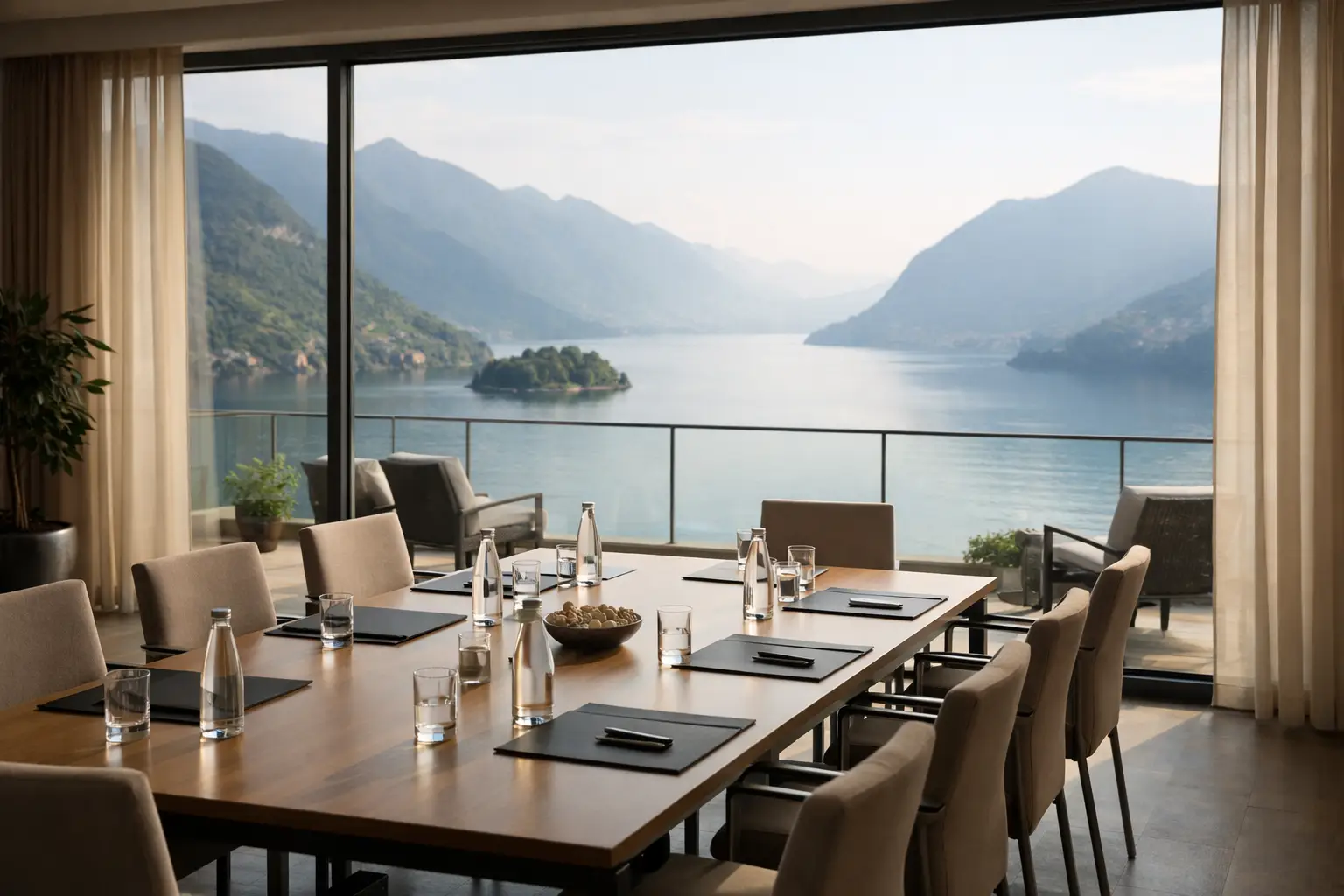
A walk before breakfast can replace the usual hurried start. A meeting held in a calm room can feel more purposeful when everyone has stepped away from their ordinary routines. Between focused sessions, looking across green slopes or taking a short path through the woods gives the mind a pause that scrolling never quite provides.
This matters especially when the work calls for judgment, imagination, or a difficult decision. These are not tasks that improve simply because people sit at their desks longer. They often need quiet, perspective, and enough unhurried time for good ideas to settle.
Of course, nature is not a substitute for planning. A retreat works best when expectations are clear and the schedule leaves room to breathe. The goal is not to do everything. It is to make meaningful progress on the work that deserves your best attention.
What Makes a Quiet Work Retreat Near Nature Work
The most memorable work stays balance practical comfort with a sense of place. Reliable spaces to meet or concentrate matter, but so do the small details that help guests feel cared for: a warm welcome, a peaceful room, a meal prepared with local character, and people who understand that discretion can be part of good hospitality.
A setting that invites concentration
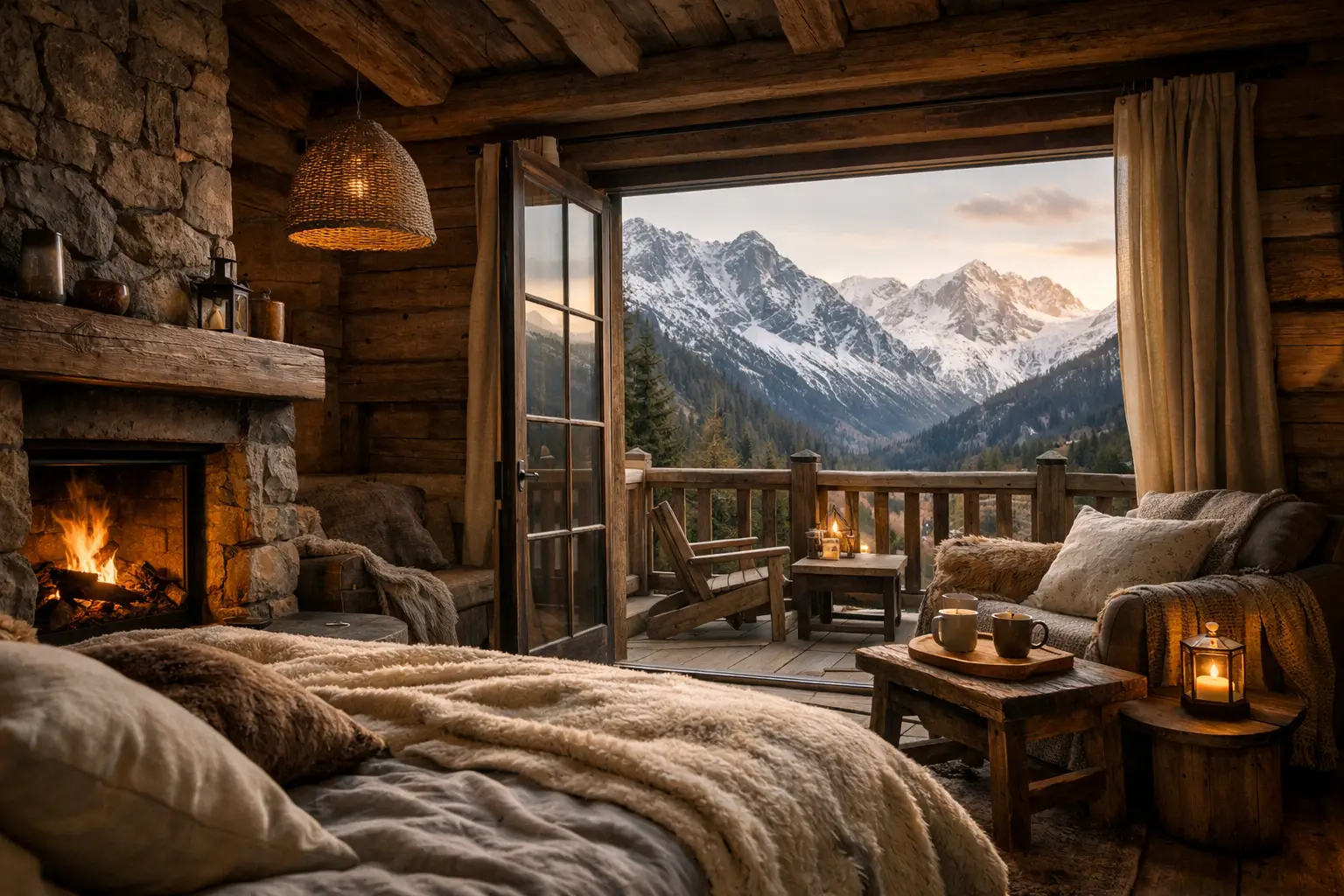
Quiet does not have to mean isolated or austere. It means having a place where your thoughts are not constantly interrupted. Rustic, comfortable surroundings can feel especially grounding after a day of calls, writing, planning, or shared discussion. A room should offer rest, not more stimulation.
For solo guests, that may mean an afternoon to finish a proposal or shape a new idea. For a pair of colleagues, it may mean the freedom to talk through a project without being overheard at a crowded city café. Small groups may need a meeting room for structured sessions, followed by the ease of stepping outside together when the work is done.
Food that brings the day back to earth
A working retreat should not mean eating at a laptop or settling for something forgettable between appointments. A relaxed lunch and an evening meal rooted in local tradition give the day a natural structure. They also create the informal moments where conversations continue without an agenda.
In Lombardy, mountain and lake traditions bring a welcome sense of generosity to the table. Sharing regional dishes after a productive afternoon can make a small gathering feel less like an off-site obligation and more like time well spent together. For many guests, that is where trust grows: not only in the meeting room, but over an unhurried dinner.
Time outdoors, without a packed itinerary
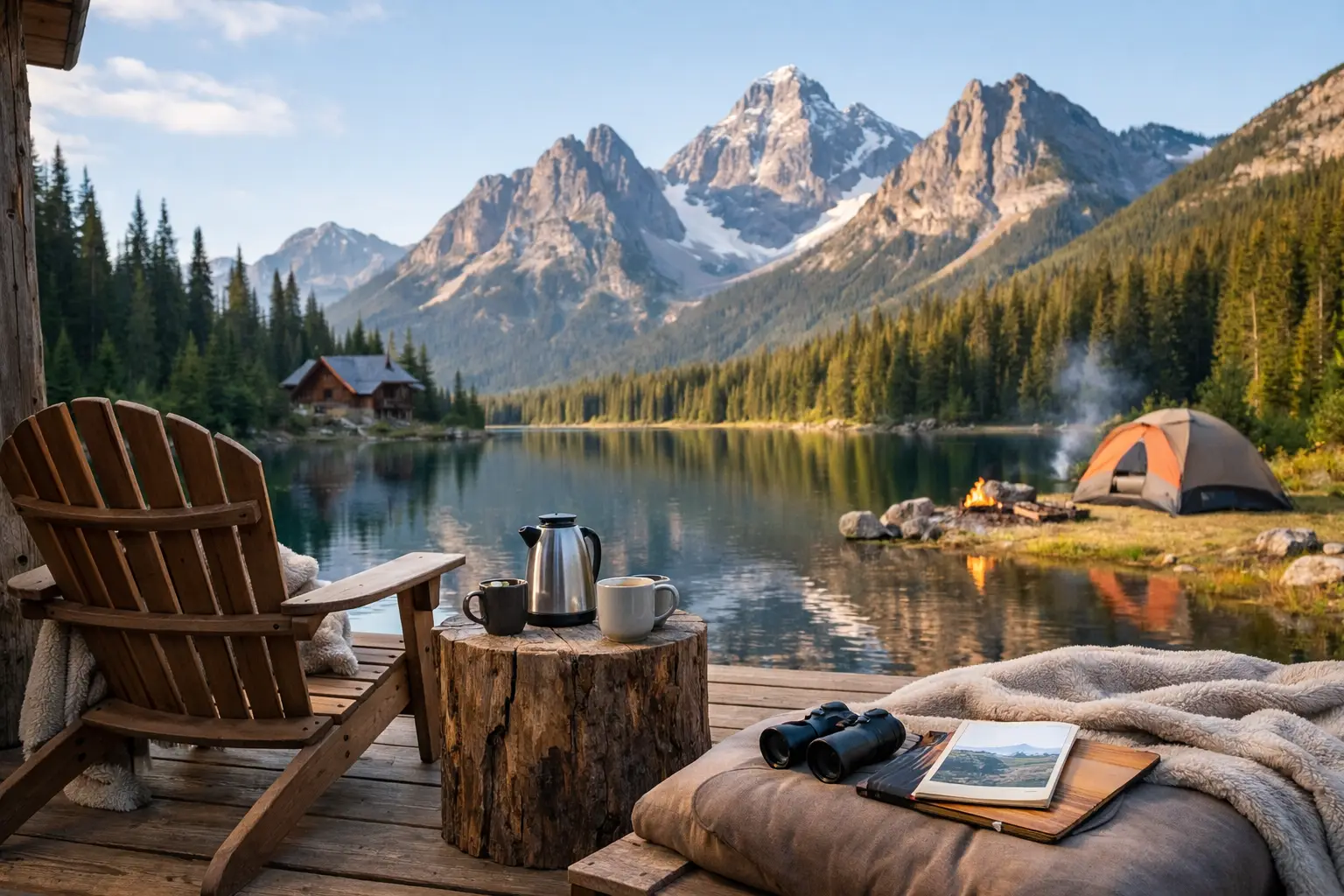
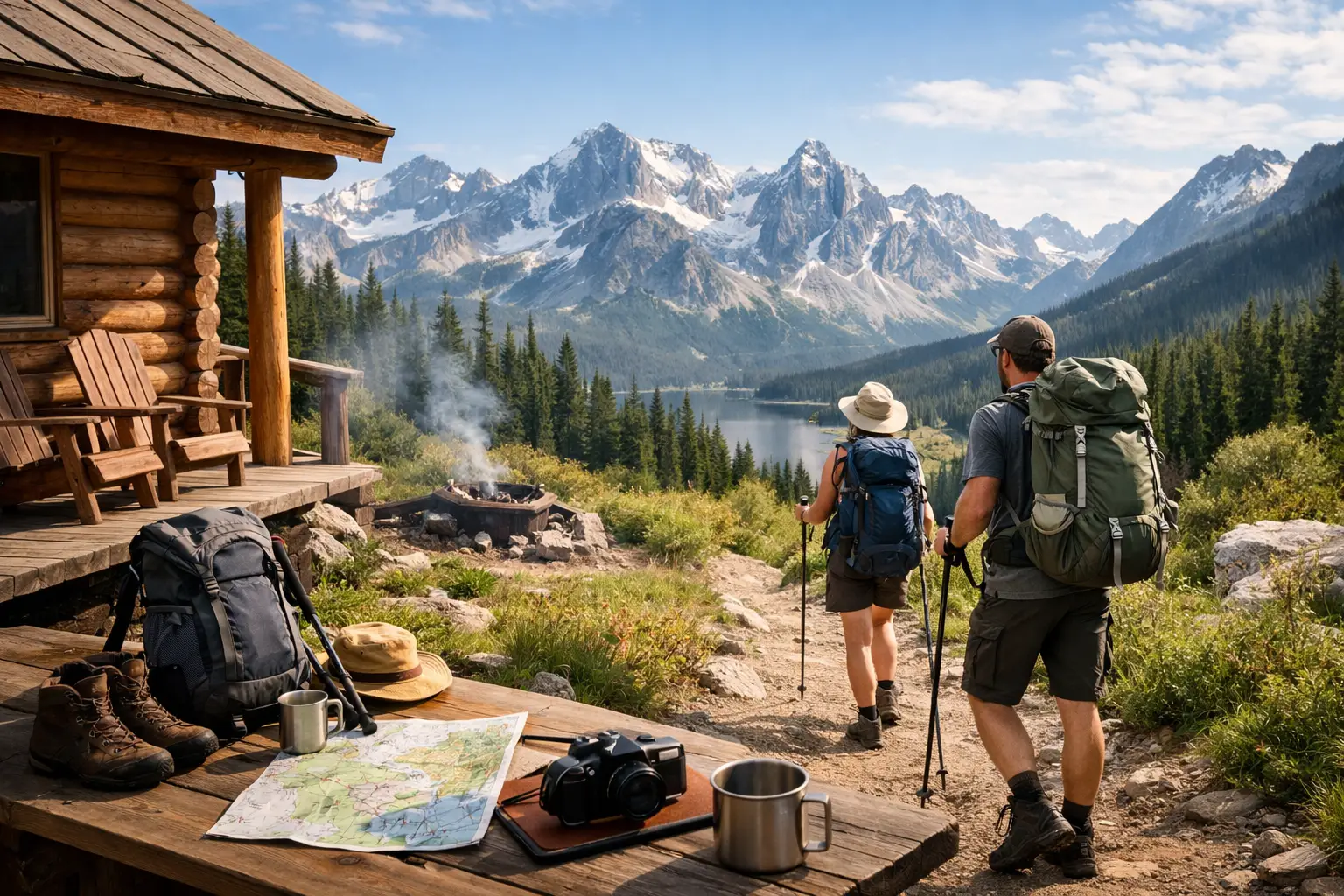
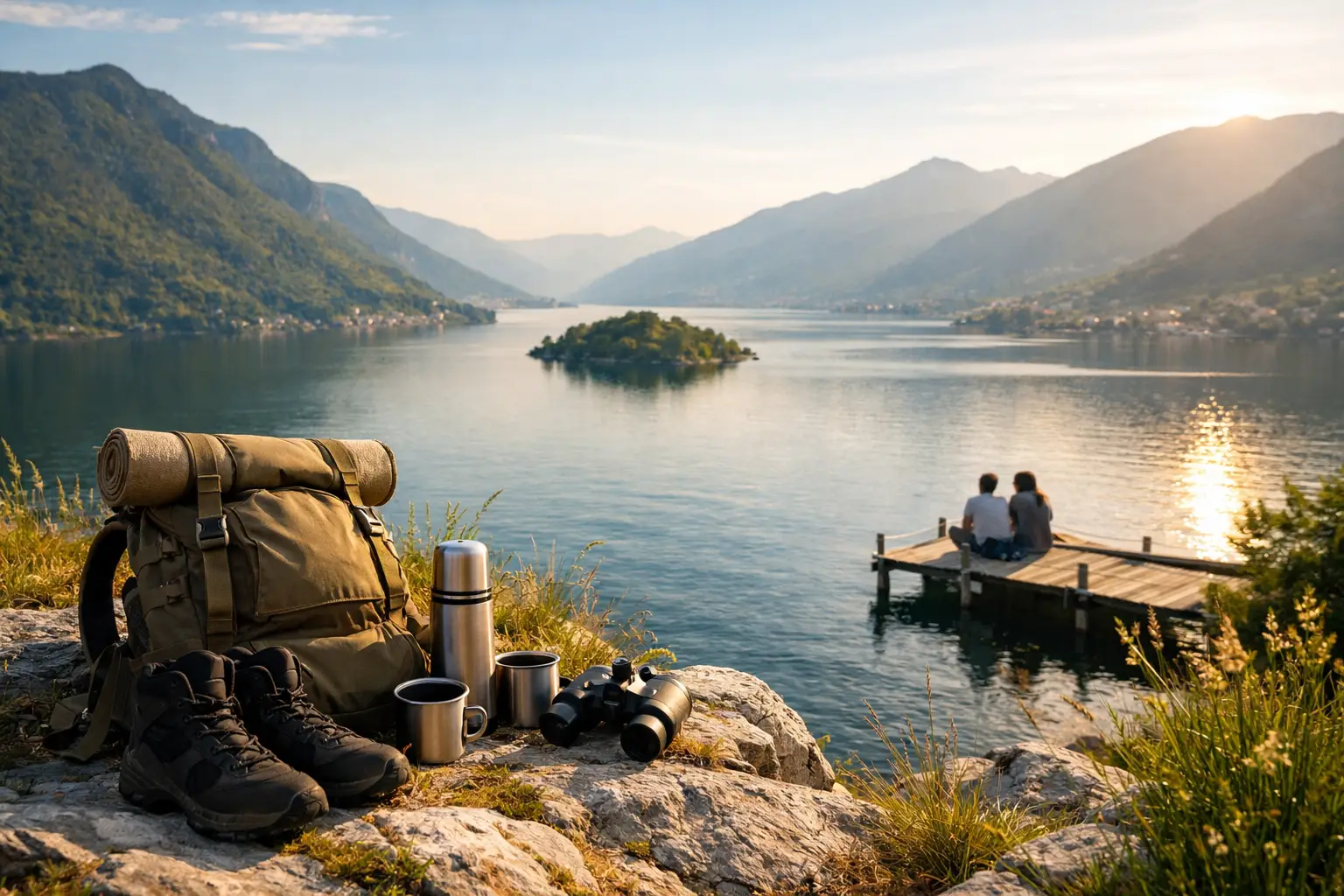
The best retreat schedules leave some space open. A short walk can be enough. So can coffee outside before work begins, or a quiet evening with mountain air after a day indoors. There is no need to turn every break into an excursion.
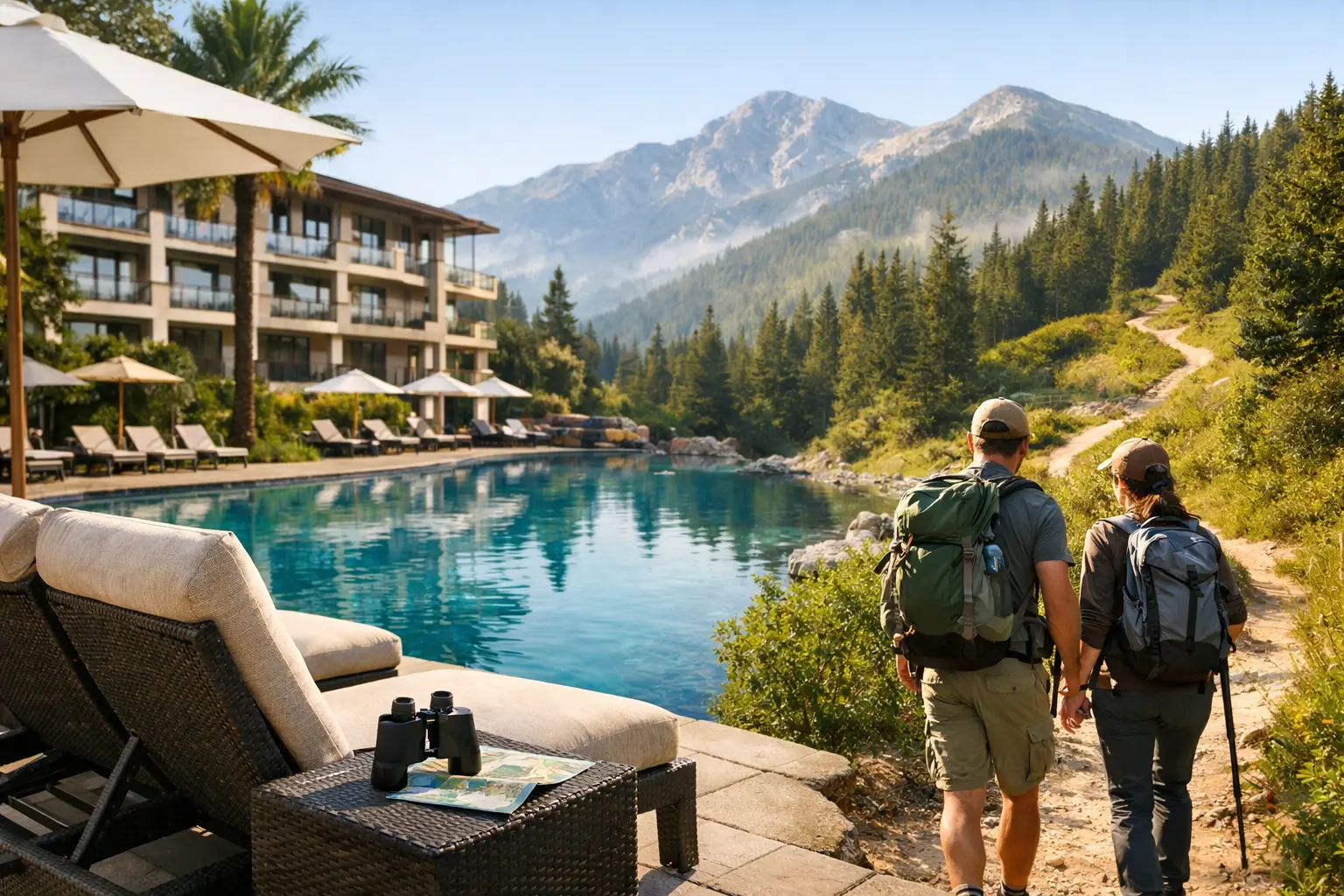
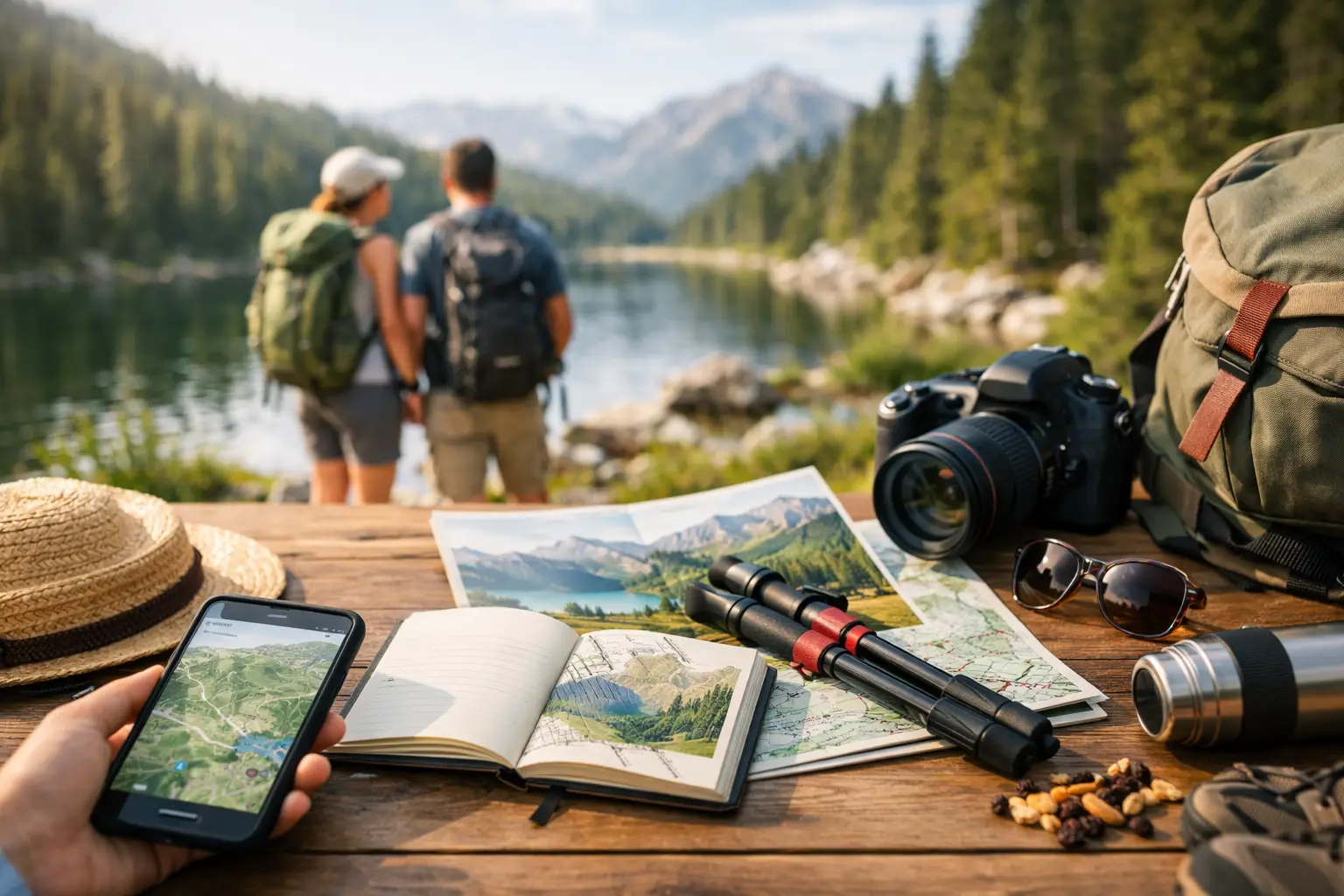
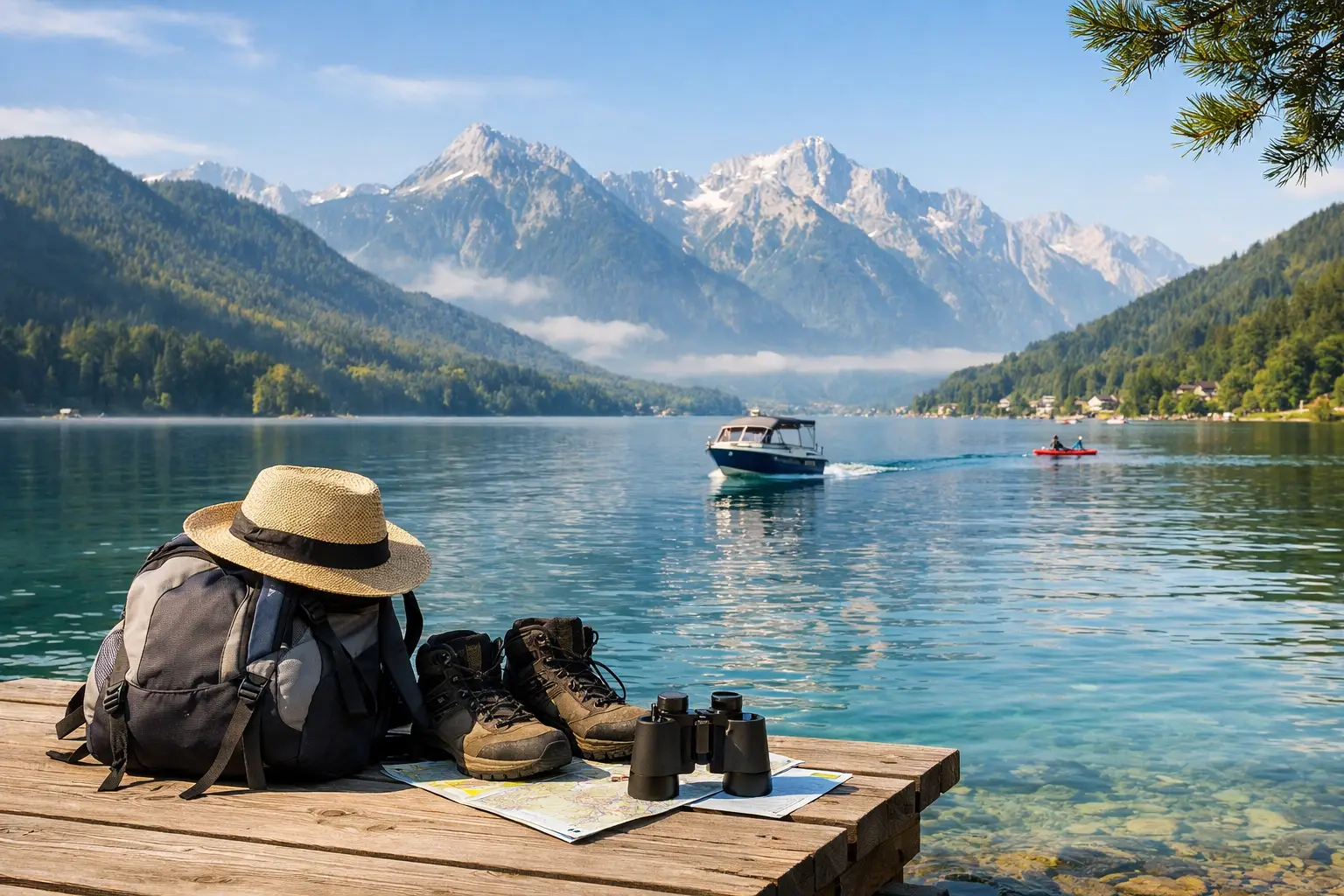
That said, guests who want to explore can find hiking routes and scenic landscapes around Zone and Lake Iseo. The choice is part of the appeal. One person may return from a morning hike ready to write; another may prefer a long breakfast and a calm corner for reading. Both are valid ways to reset.
Plan the Work Before You Arrive
A peaceful setting is most useful when the work has a clear purpose. Before leaving, decide what would make the retreat feel worthwhile. That could be completing a creative project, preparing a strategy, holding a small planning session, or simply recovering the concentration that daily life has worn down.
Keep the agenda light enough to allow for genuine focus. Rather than scheduling back-to-back meetings from morning to evening, choose one or two priorities for each day. For a small team, a morning working session and an afternoon for individual tasks often creates better results than continuous discussion. For independent travelers, setting a modest finish time can protect the restorative part of the stay.
It also helps to agree on communication boundaries. If everyone remains available to every outside request, the retreat may feel like a change of scenery rather than a change of pace. Let colleagues know when you can be reached, and give yourself permission to be less immediately responsive for a few hours.
A Different Kind of Team Gathering
Not every work retreat needs presentations, flip charts, and a long list of corporate objectives. Sometimes a small group needs to reconnect after a demanding season. Sometimes a family business needs a private place to discuss the next chapter. Sometimes friends who work creatively need a few days together to begin something they have postponed.
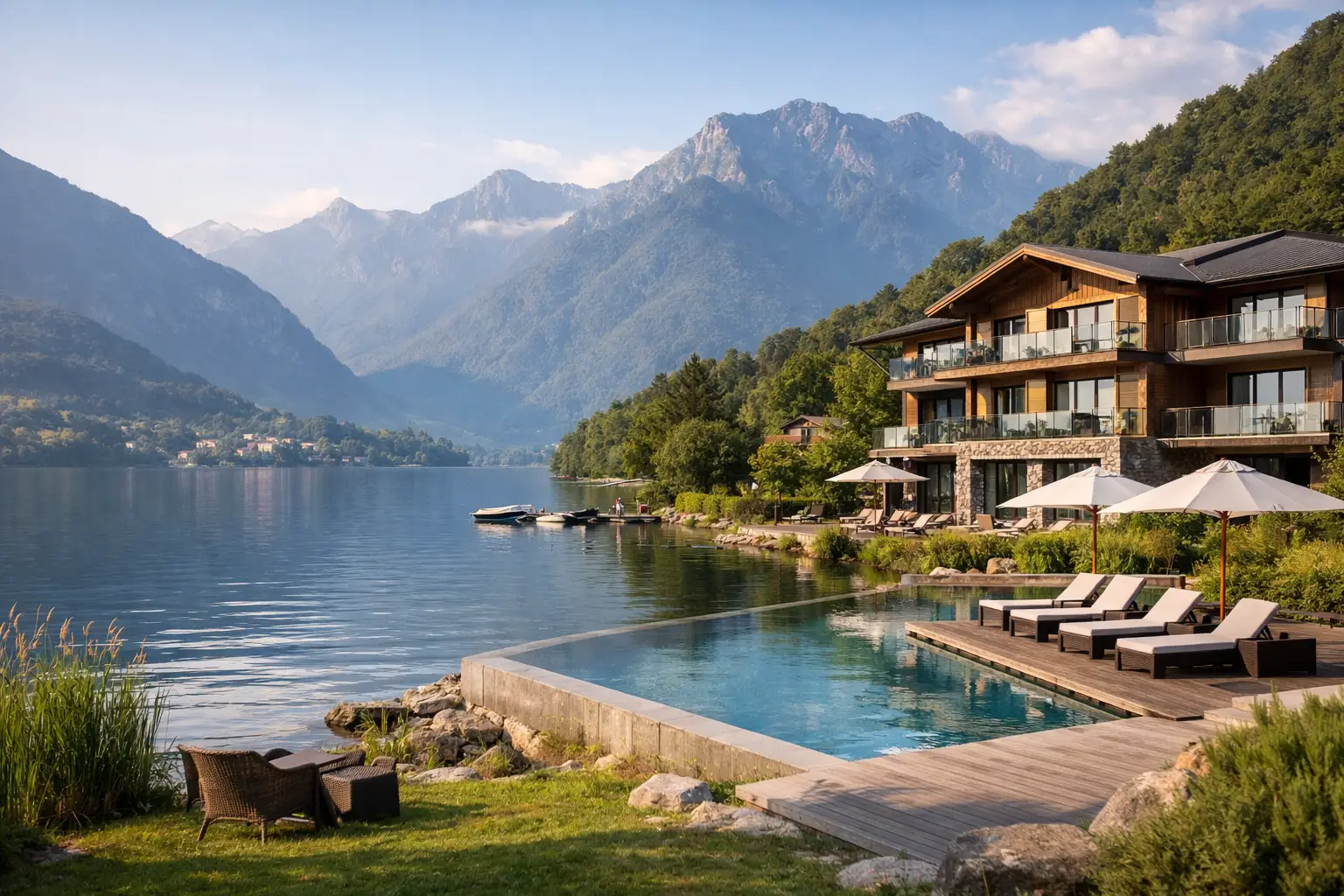
For these occasions, the atmosphere matters as much as the room itself. A family-run hotel can offer a gentler alternative to an anonymous business venue, particularly for groups that value personal attention over polished formality. At Hotel Conca Verde, the welcome is shaped by a long tradition of hosting guests as people, not reservations.
There are trade-offs to consider. A quiet alpine-lake setting is ideal for smaller groups seeking concentration and connection, but it may not suit a large conference that requires extensive production, constant transport, or nightlife on the doorstep. That is precisely its strength for the right kind of gathering: it asks people to slow down enough to be present.
Give the Evenings Back to Yourself
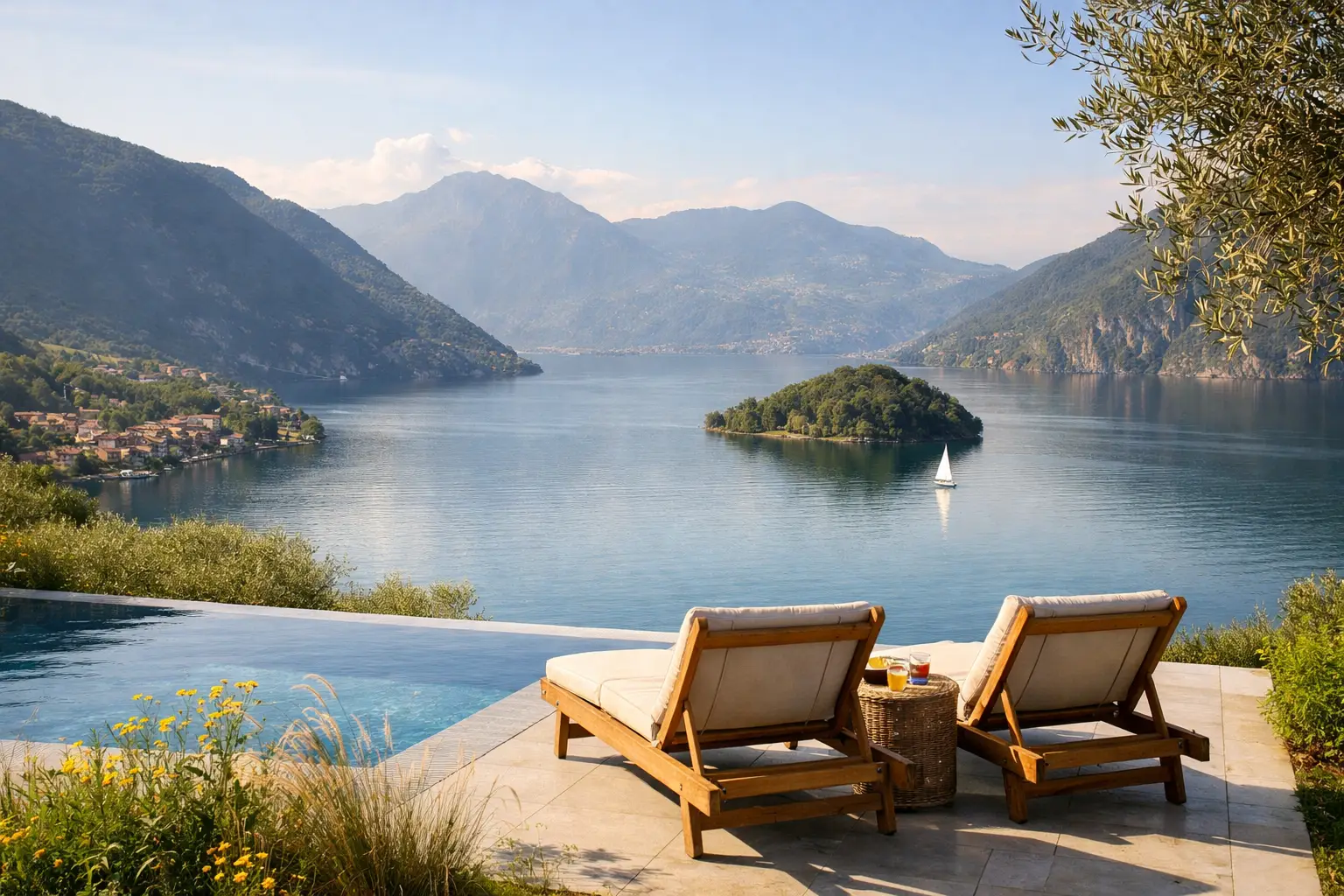
One of the overlooked benefits of working away from home is the evening. When you are not surrounded by unfinished chores, commuting, or the pressure to keep checking one more message, the hours after work can become part of the retreat rather than an extension of the day.
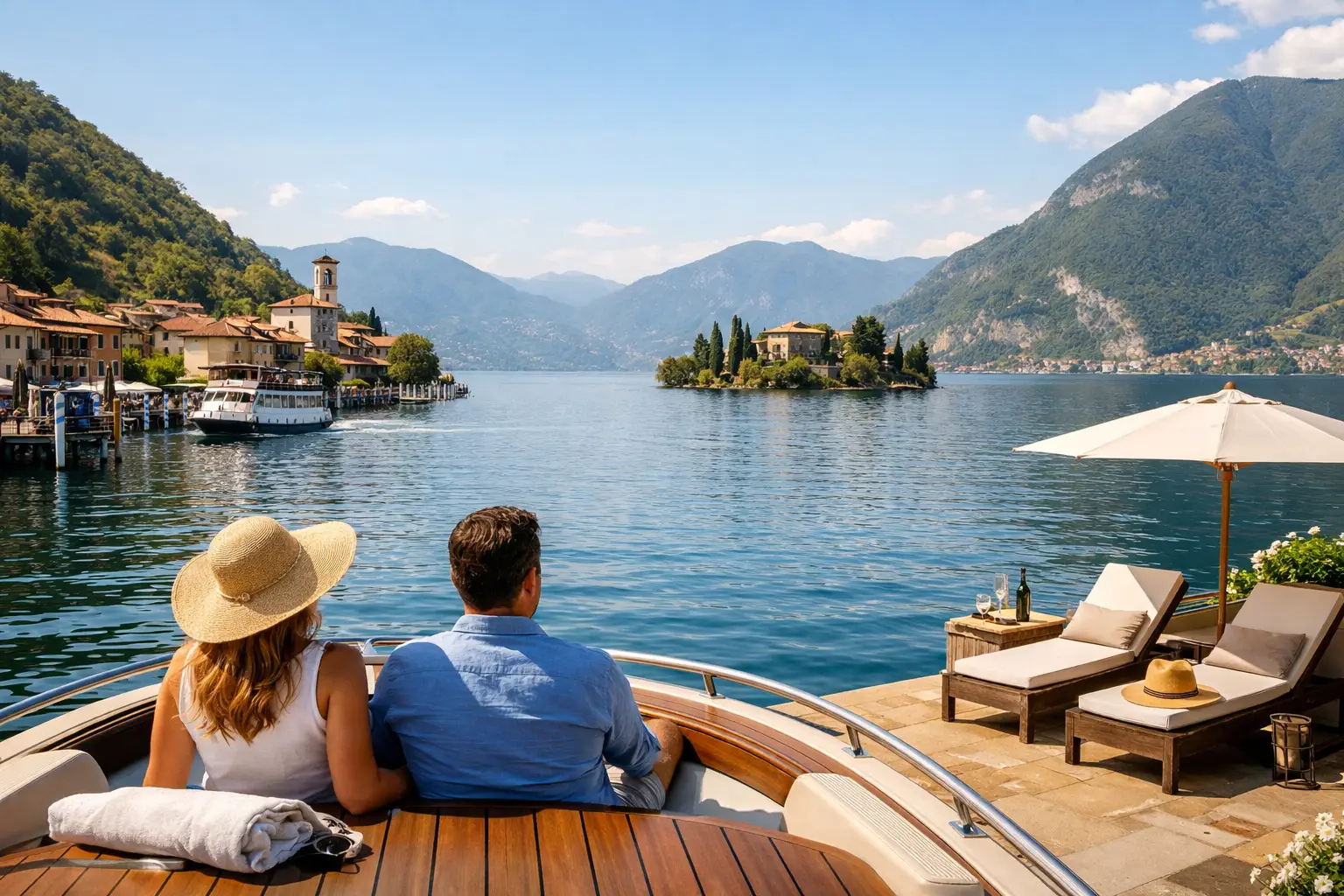
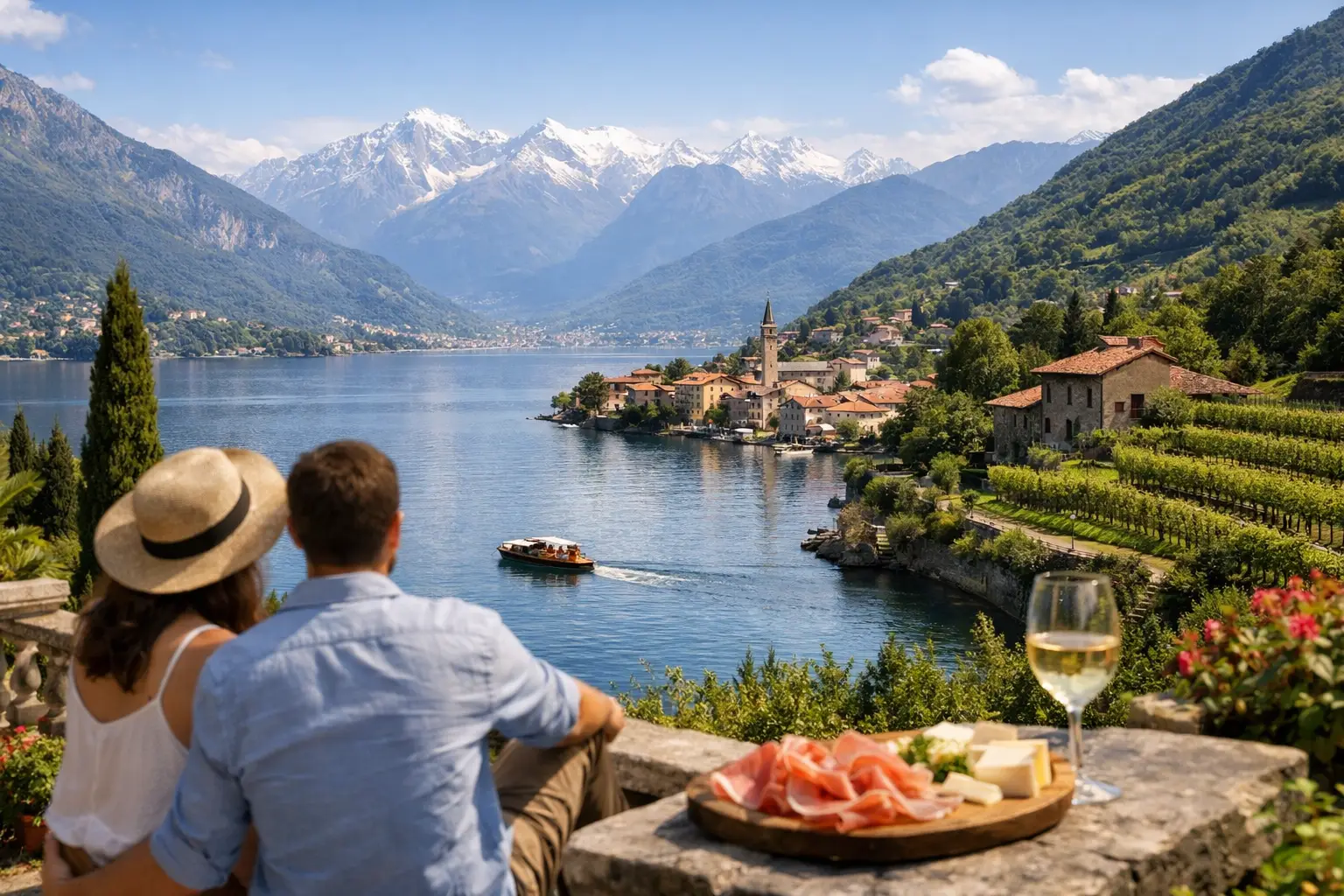
Choose an evening that fits your energy. Share a glass of wine and a local meal. Take a quiet stroll. Sit with a book. Talk without needing to check the time. Couples can pair focused mornings with a romantic, unhurried night, while friends or colleagues can let the conversation move naturally from work to stories and laughter.
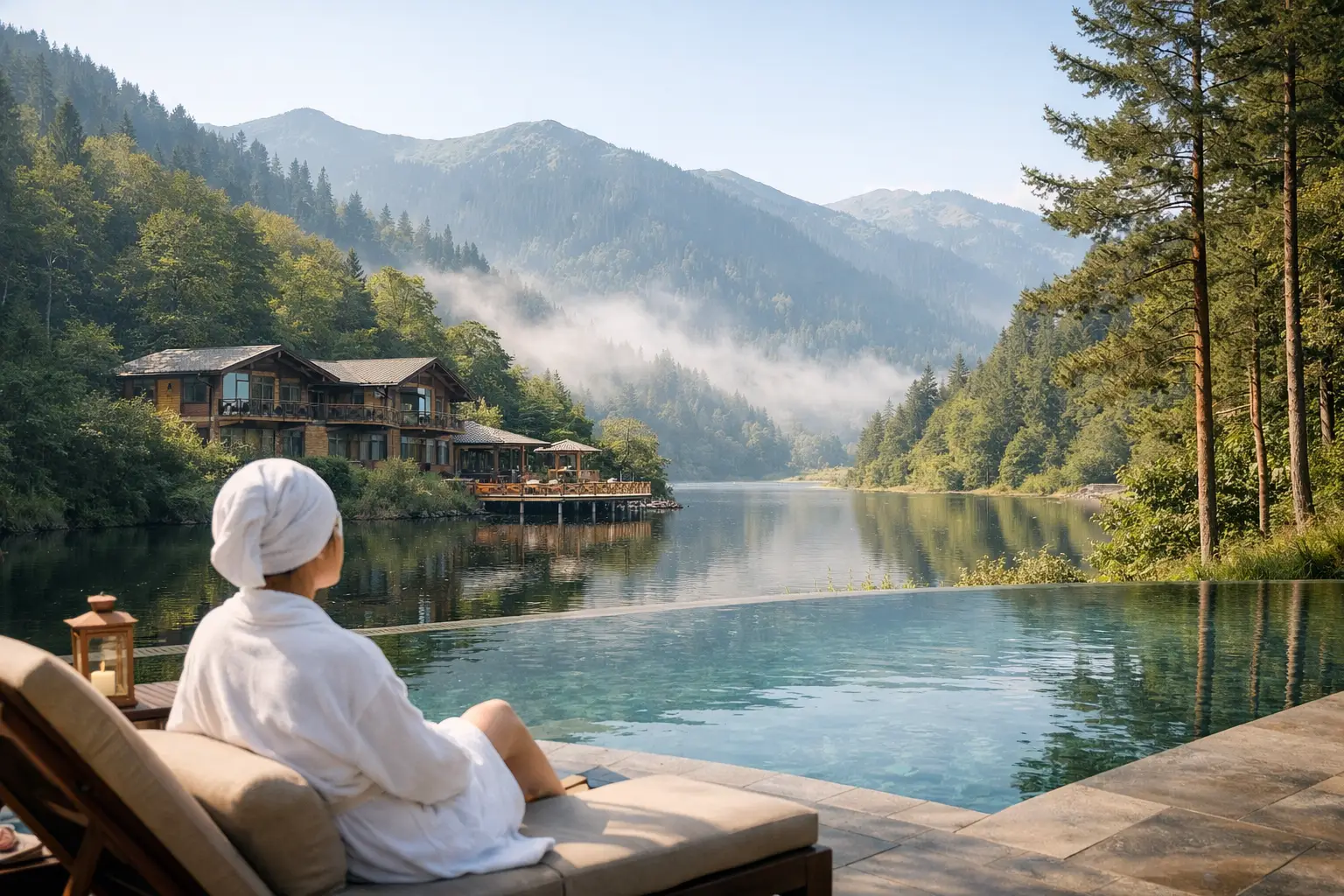
Rest is not the reward for being productive enough. It is one of the conditions that makes thoughtful work possible. A comfortable bed, a good dinner, and a landscape that grows still at dusk can do more for tomorrow’s clarity than another late night of effort.
Come Back With More Than a Finished List
A retreat near nature will not erase every deadline or solve every difficult project. But it can change the quality of attention you bring to them. You may leave with completed work, a better decision, or a more honest conversation with the people around you. Just as valuable, you may return knowing what a calmer working rhythm feels like.
When planning your stay, leave a little room for the unexpected: a path worth taking, a longer conversation over dinner, a morning when the view encourages you to begin slowly. Those moments are not distractions from the purpose of the trip. They are often the reason the work finds its way forward.