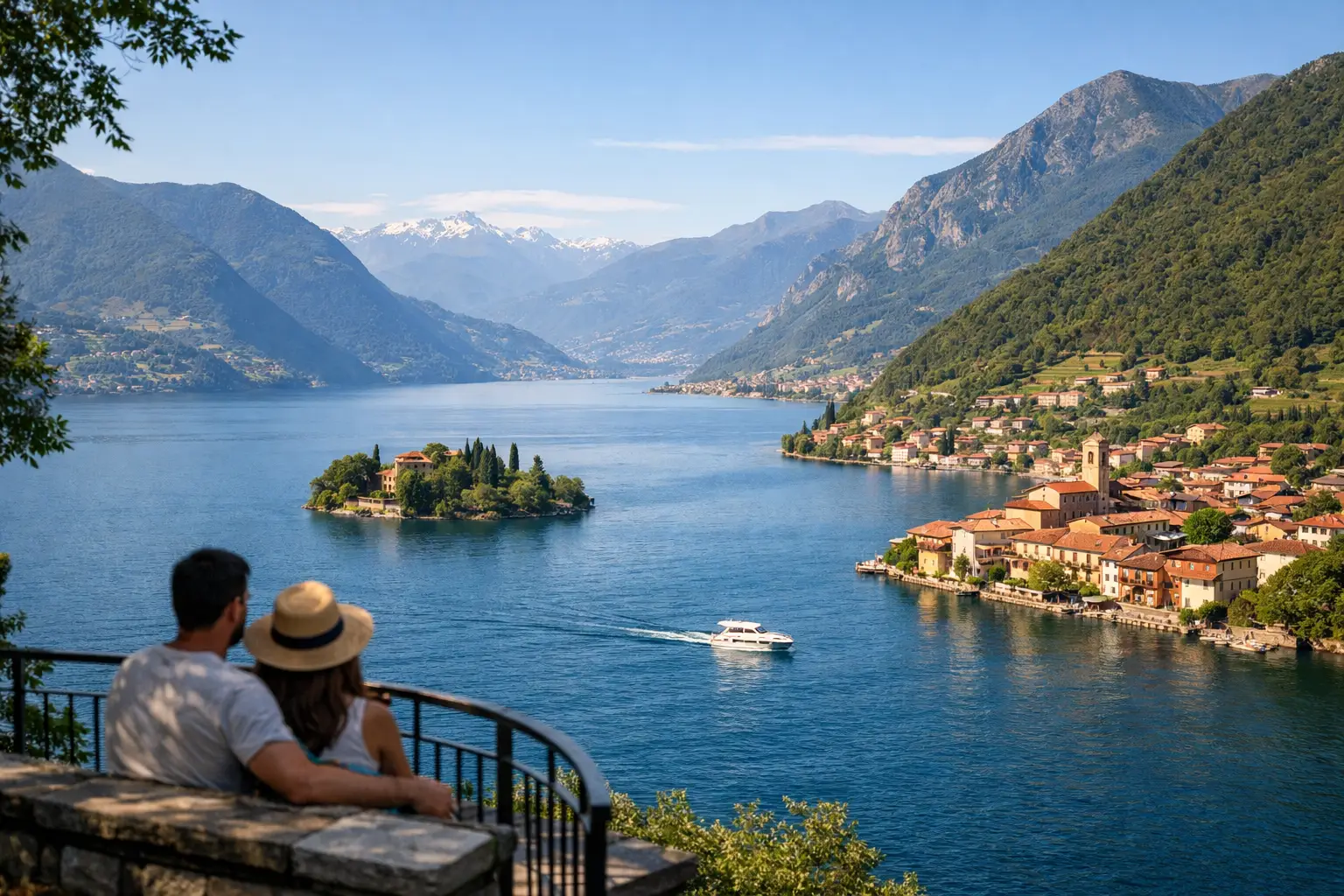

Slow Travel Trends in Italy for Meaningful Stays
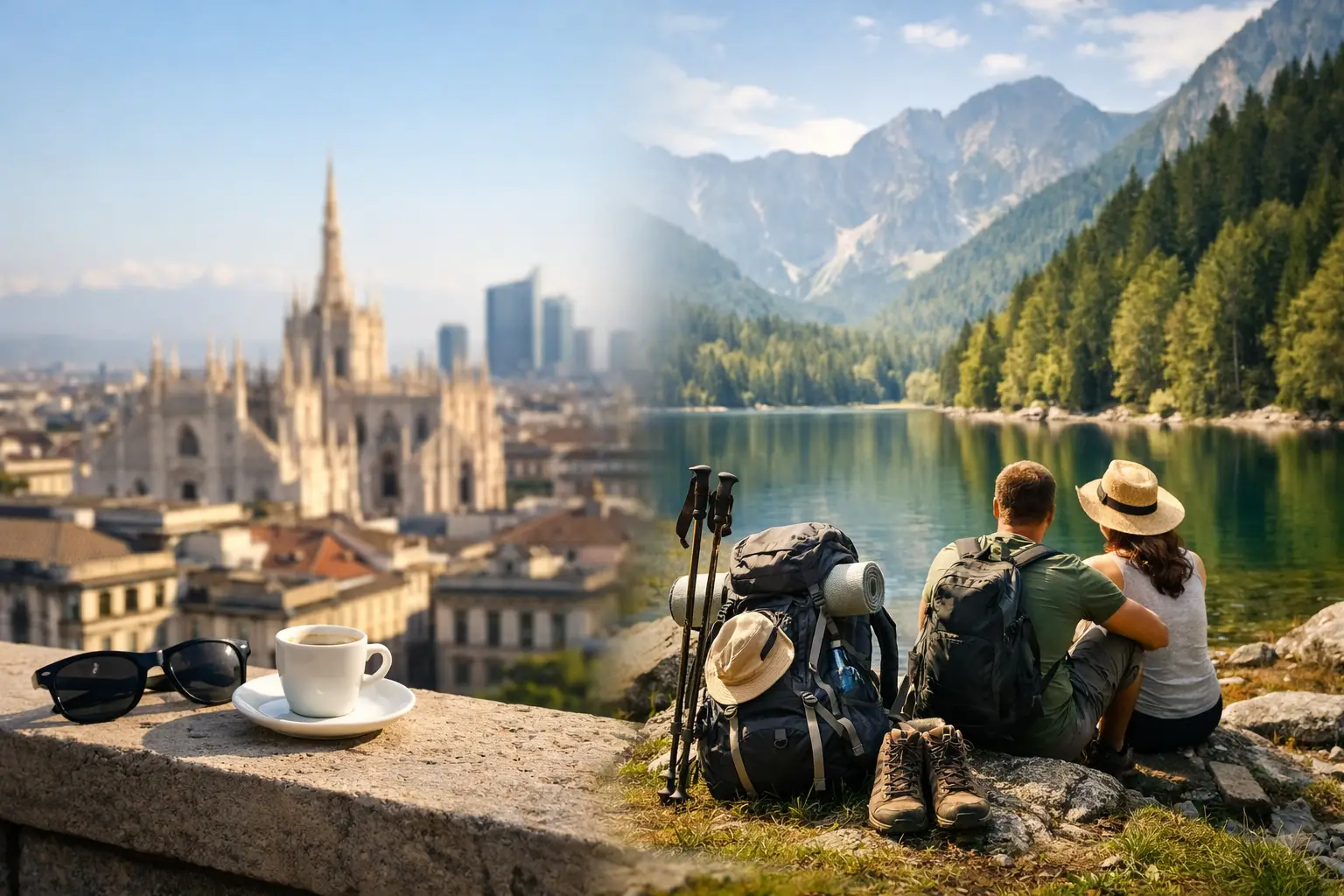
A trip to Italy does not have to be a race between famous landmarks. Some of the most lasting memories begin much more quietly: coffee in a village bar, a walk beneath chestnut trees, a meal that lingers long after dessert. That is the heart of slow travel trends in Italy – choosing fewer places, staying longer, and allowing a destination to become familiar.
For travelers who spend much of their year moving quickly, this is not about doing nothing. It is about making room for what is easily missed: the sound of church bells across a valley, a conversation with a host, the changing light on a lake, and the pleasure of returning to the same welcoming table at the end of the day.
Why Slow Travel Trends in Italy Feel Different
Italy has always rewarded curiosity, but its smaller towns and natural landscapes are especially suited to a gentler rhythm. Beyond the busiest city centers, daily life still follows seasonal patterns. Markets open in the morning, trails lead from village edges into the hills, and dinner is treated as a moment to share rather than a task to complete.
Slow travel is gaining attention because many visitors want more than a checklist. They want to feel the texture of a place. Instead of waking in a new hotel every morning, they may choose one comfortable base for several nights and take short, unhurried outings from there. This approach leaves space for spontaneous choices: an extra hour over lunch, a detour to a small chapel, or a rainy afternoon spent reading with a view of the mountains.
There is a practical side, too. Staying longer in one area can reduce the strain of constant packing, driving, and coordinating reservations. Families can settle into a routine, couples can travel without an agenda packed to the minute, and mature travelers can enjoy a destination at a more comfortable pace. The trade-off is simple: you may see fewer headline attractions, but you are more likely to remember how the journey felt.
One Destination, Many Small Days
One of the clearest slow travel trends is the move away from fast multi-city itineraries. A week in northern Italy can be richer when centered around one lake, valley, or village rather than split between several distant stops.
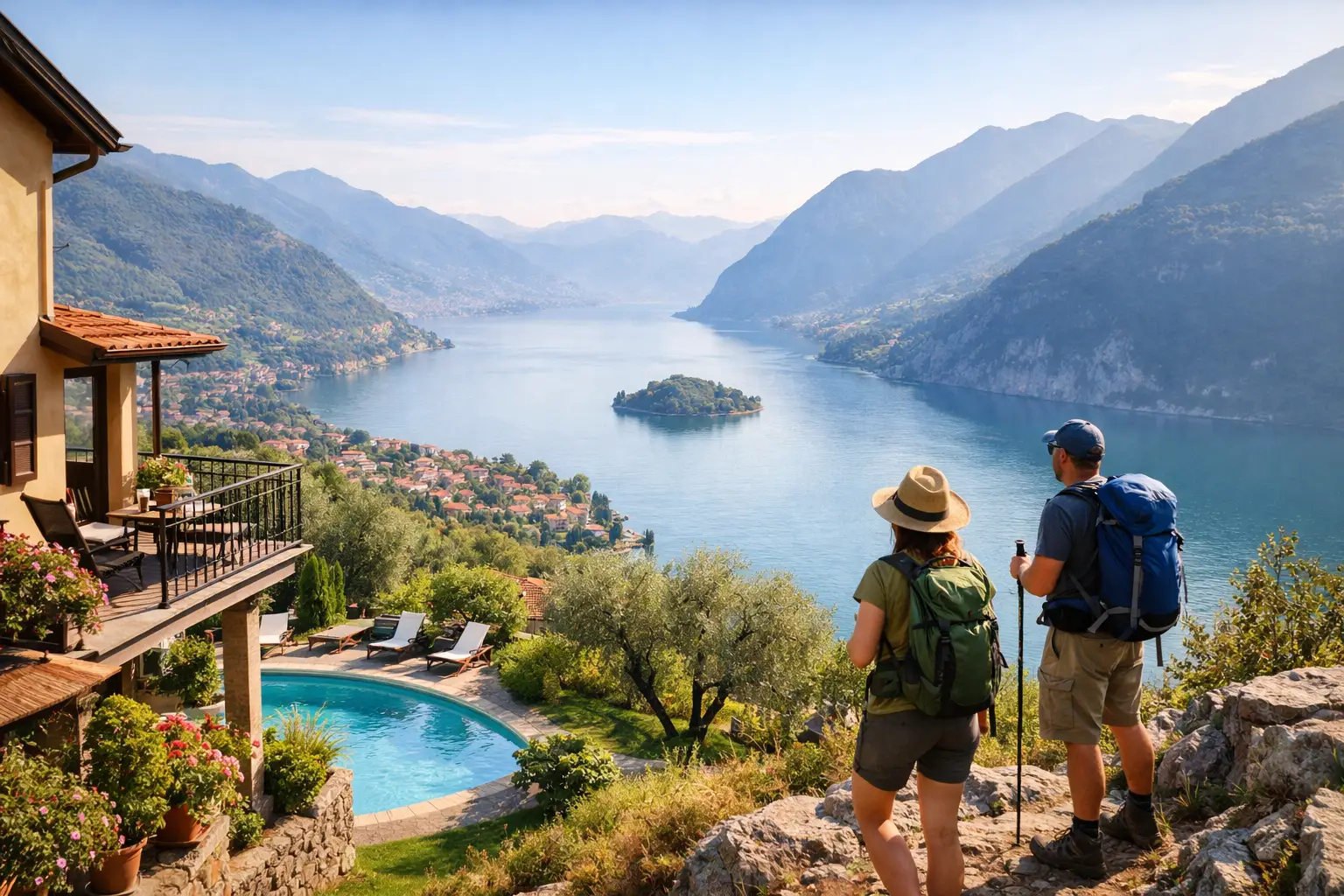
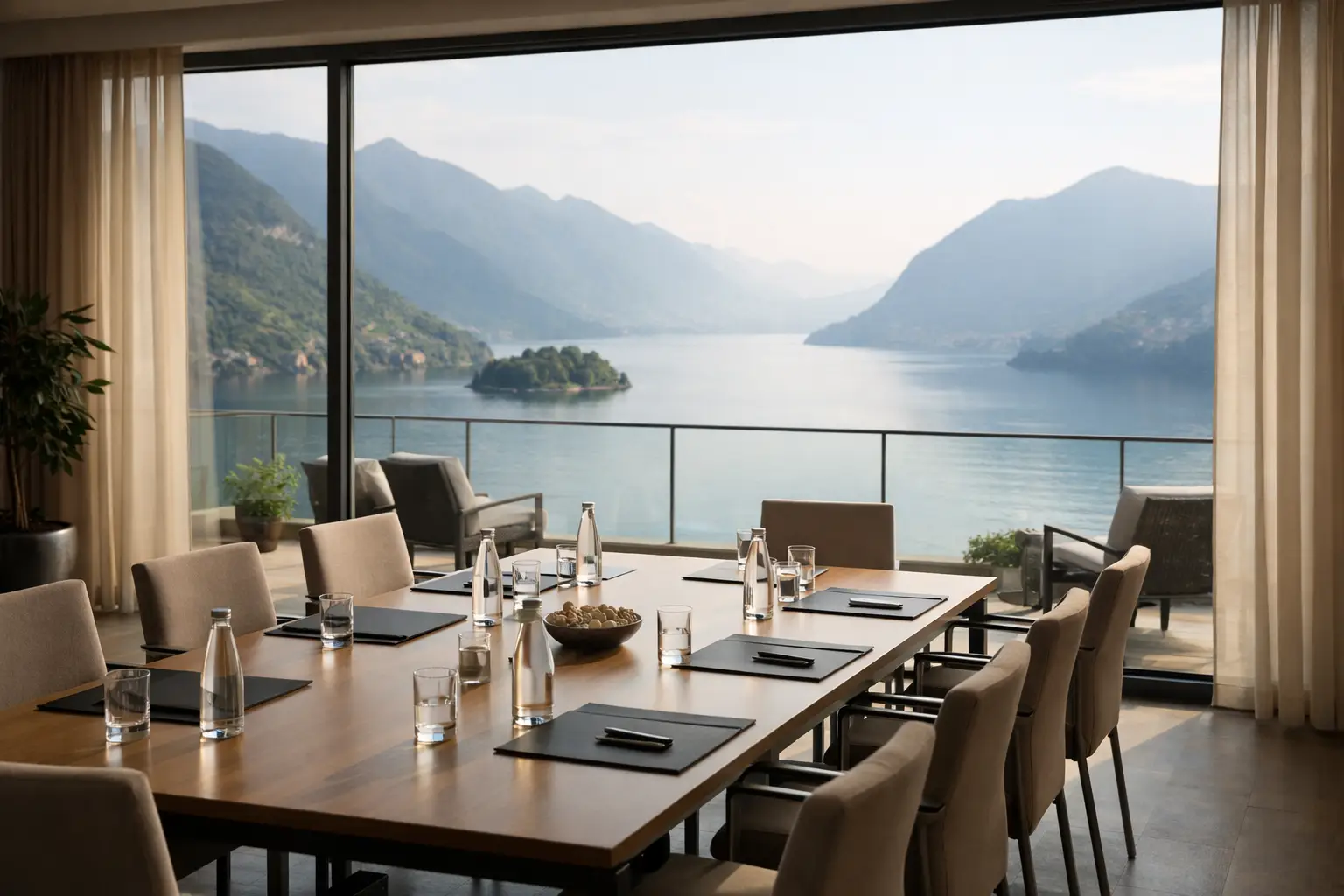
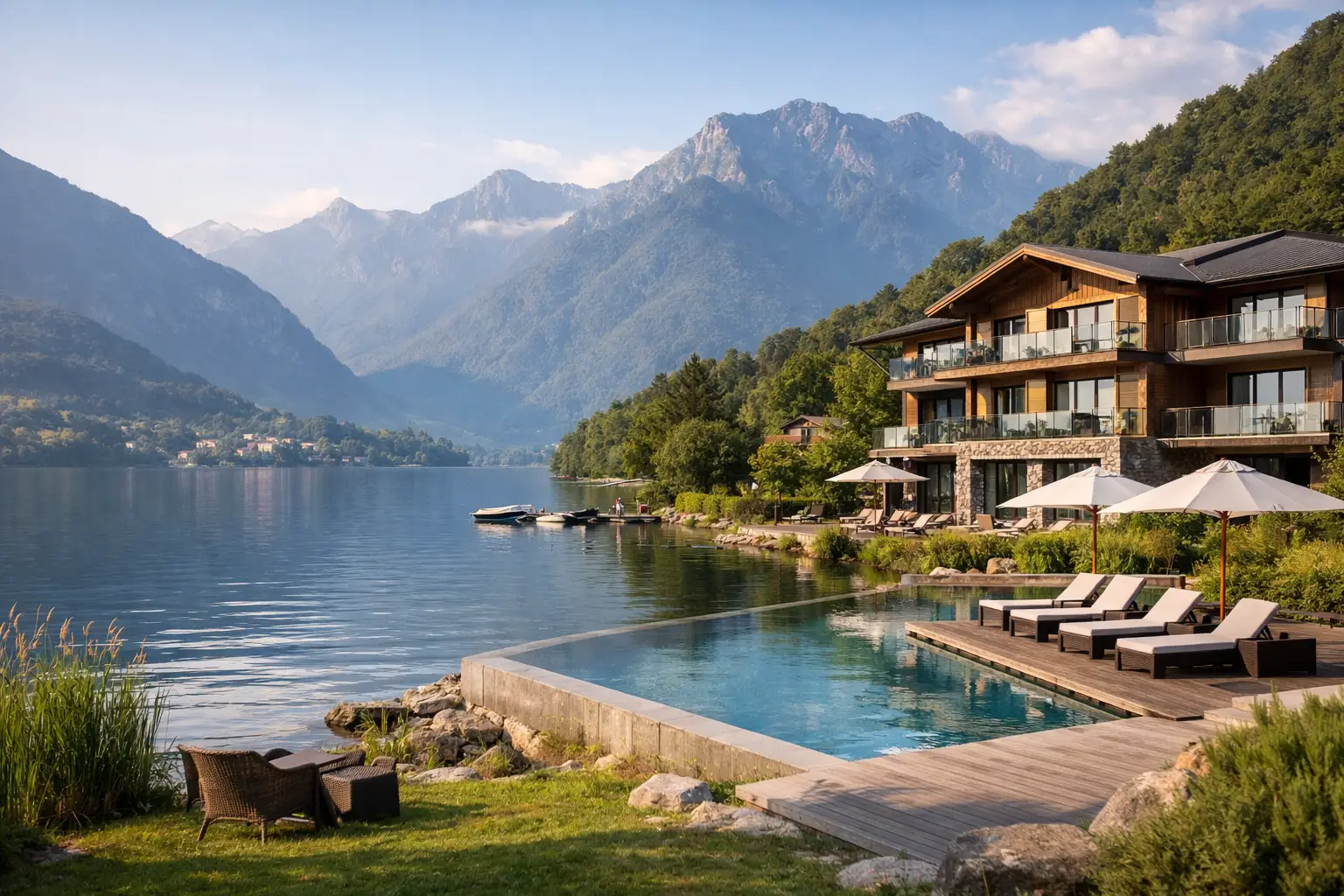
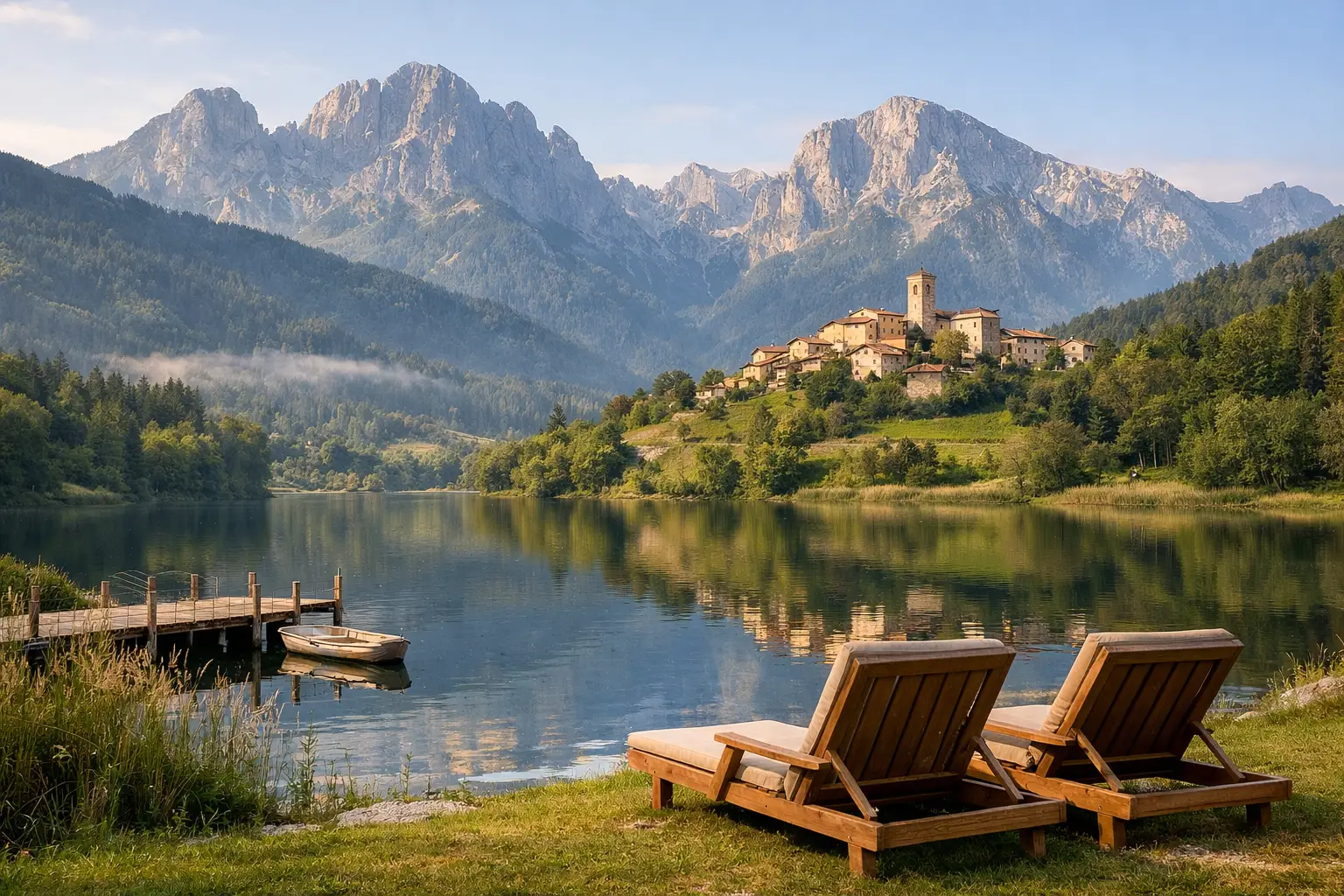
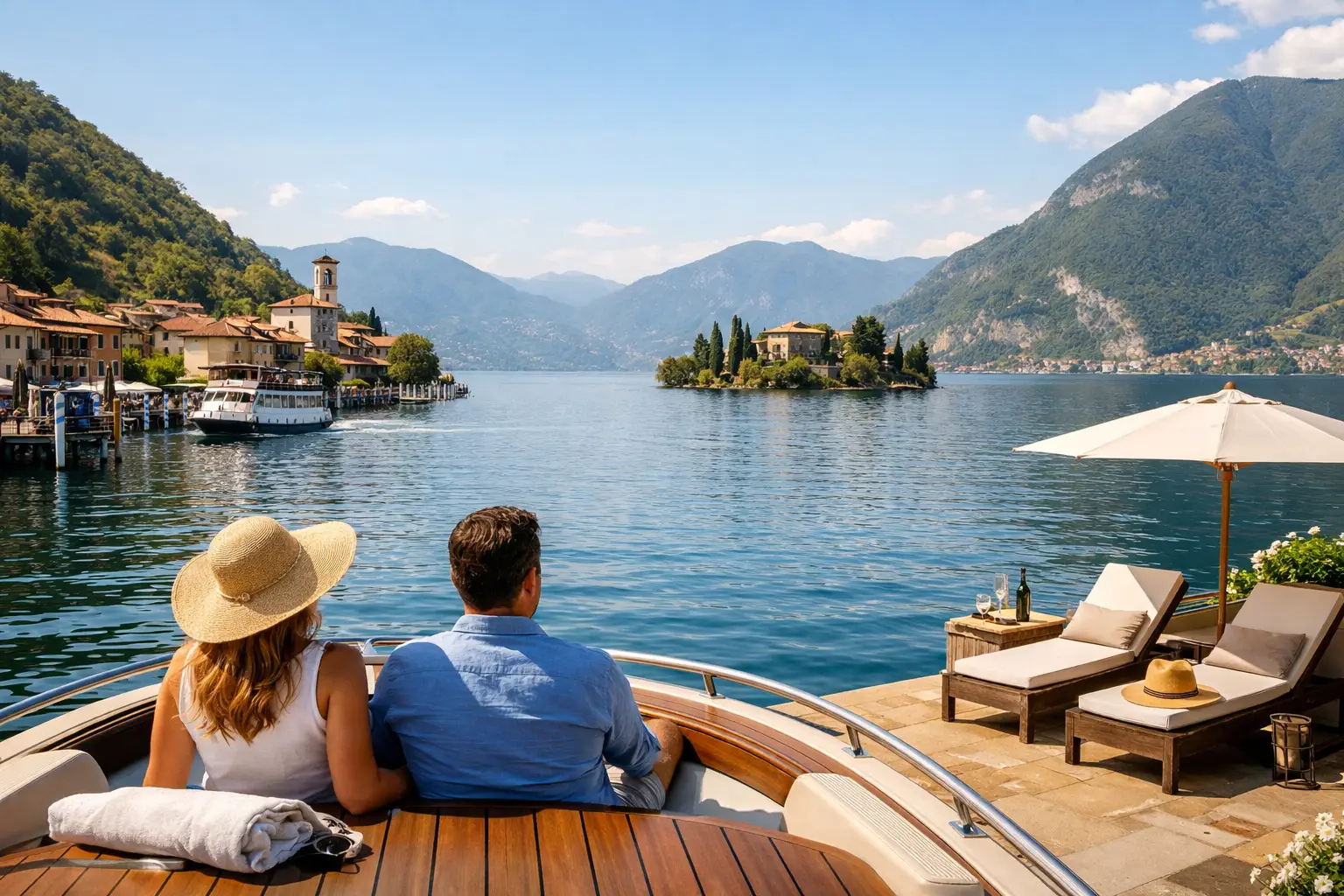
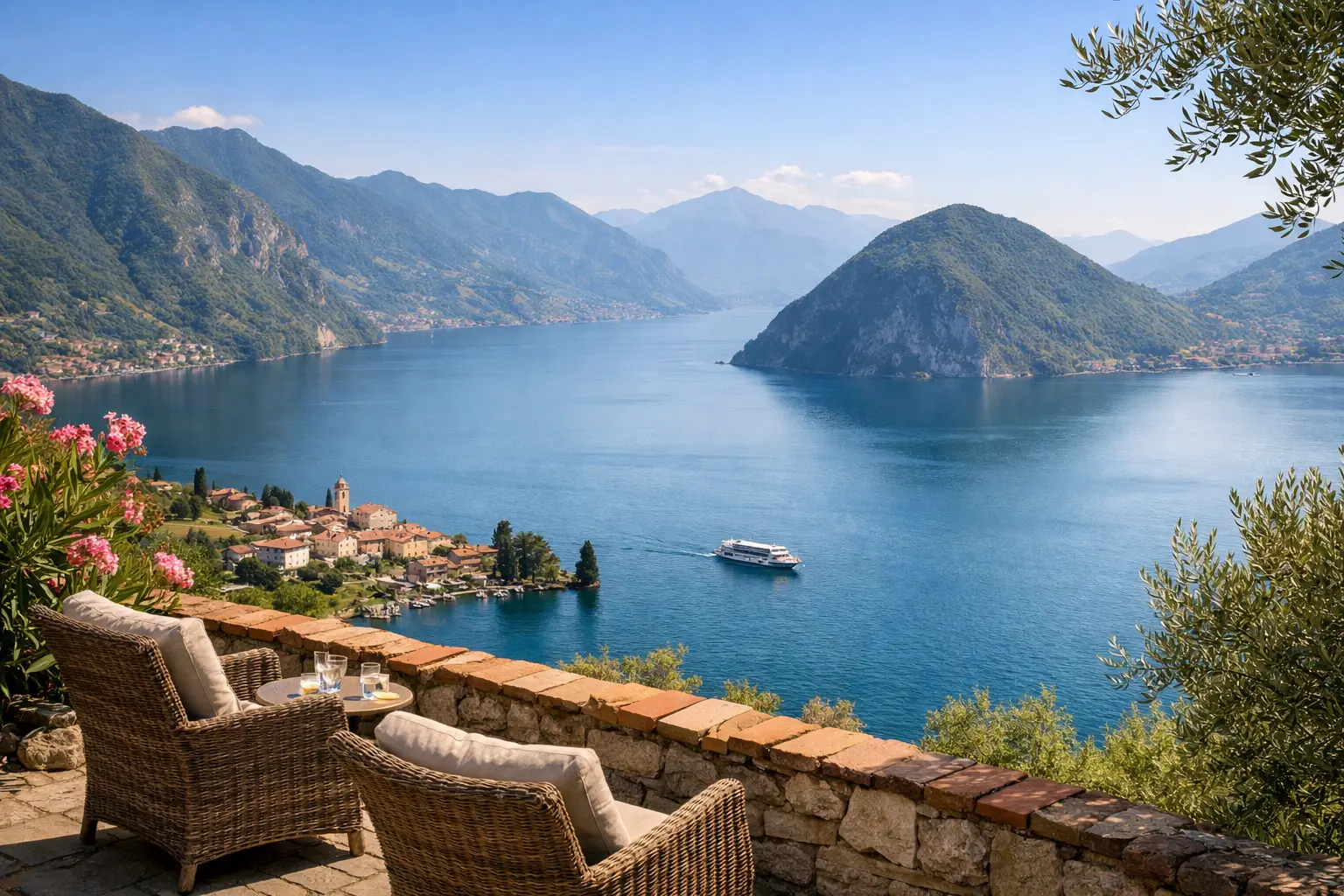
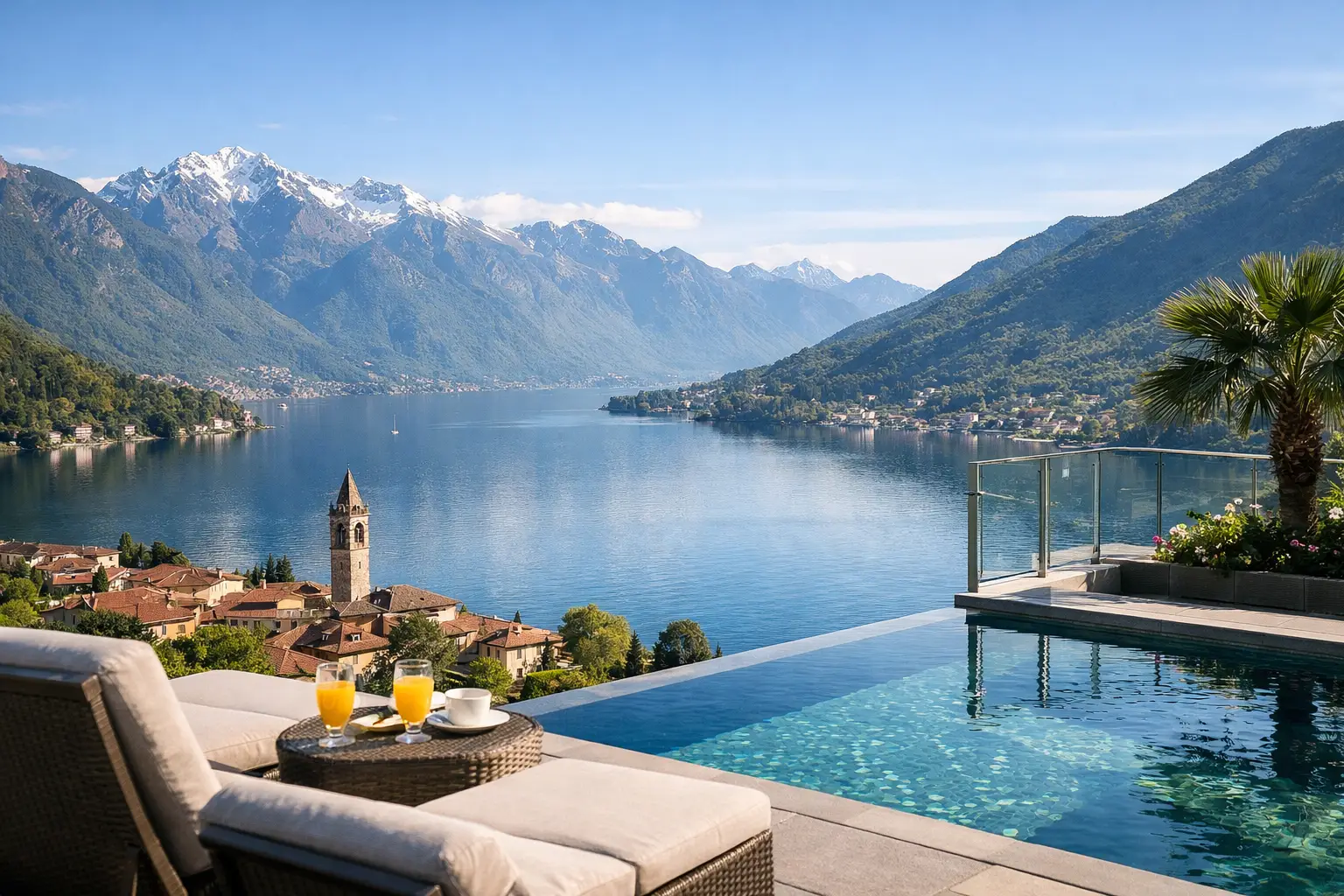
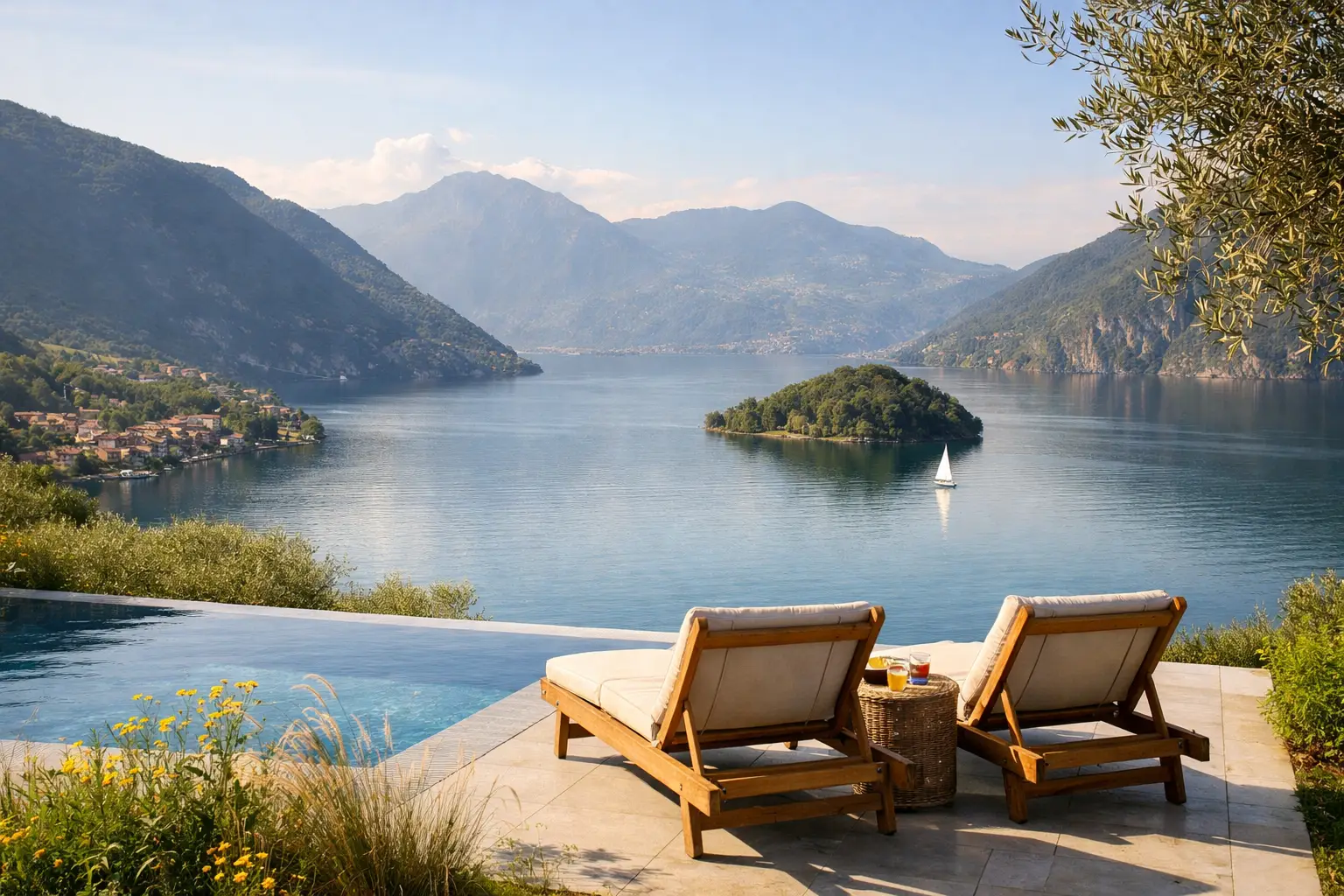
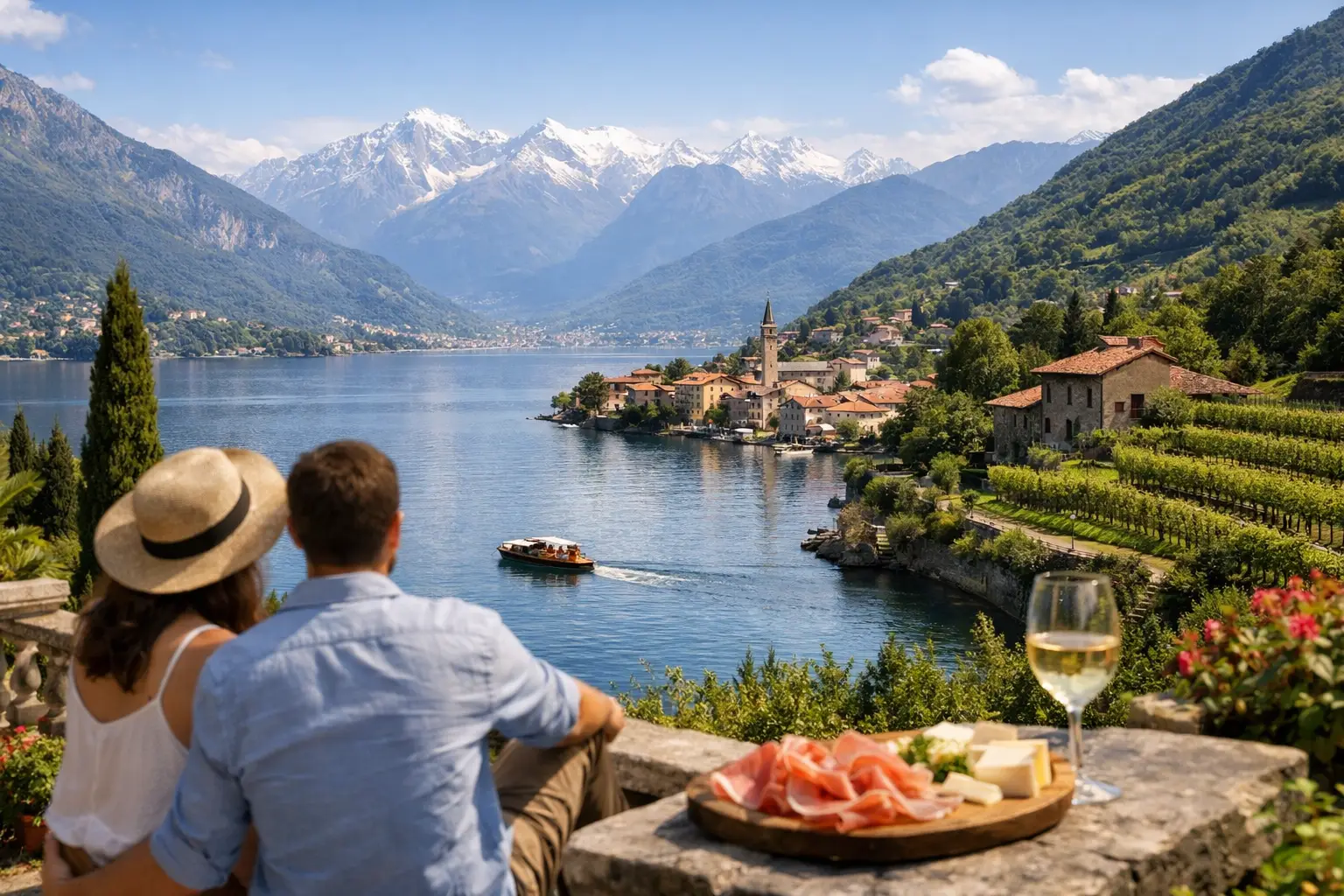
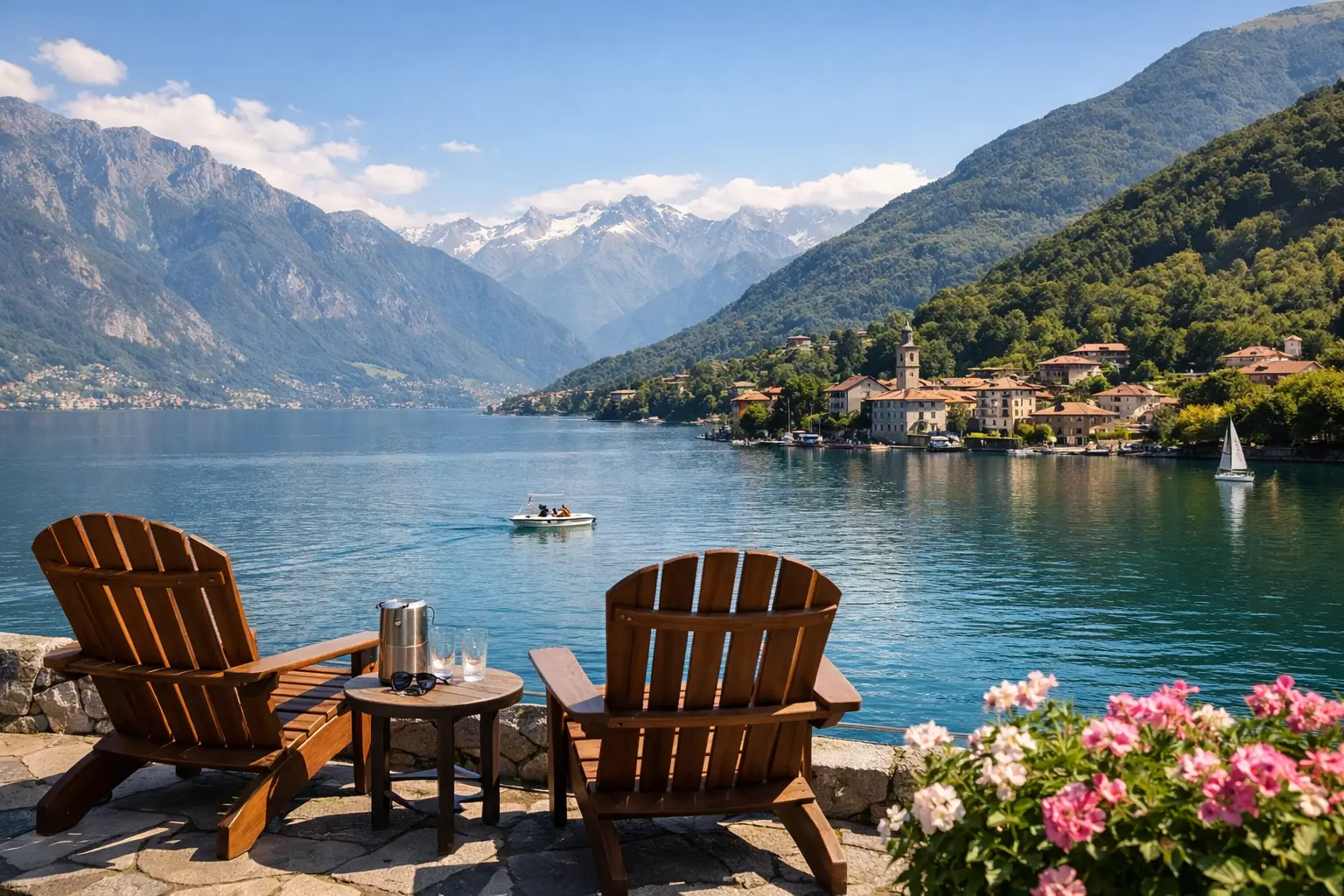
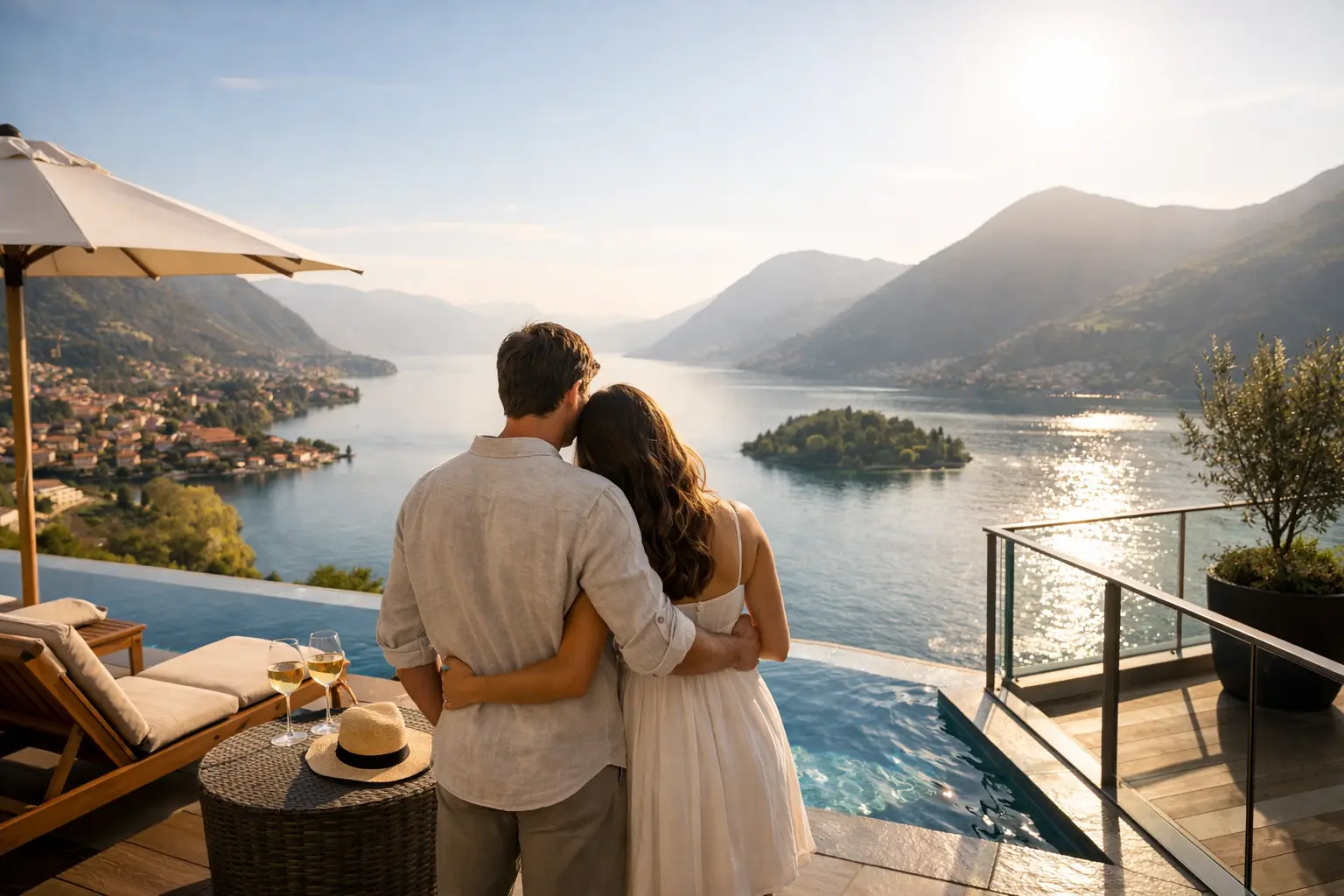
The Lake Iseo area offers a particularly lovely balance for this kind of stay. It is close enough to Lombardy’s cultural centers to feel accessible, yet far enough from the largest crowds to preserve a quieter character. From Zone, at the foot of the Alps, a day can begin with fresh mountain air and end with regional flavors at the table. In between, there is time for a lakeside visit, a scenic drive, or simply a walk that requires no destination.
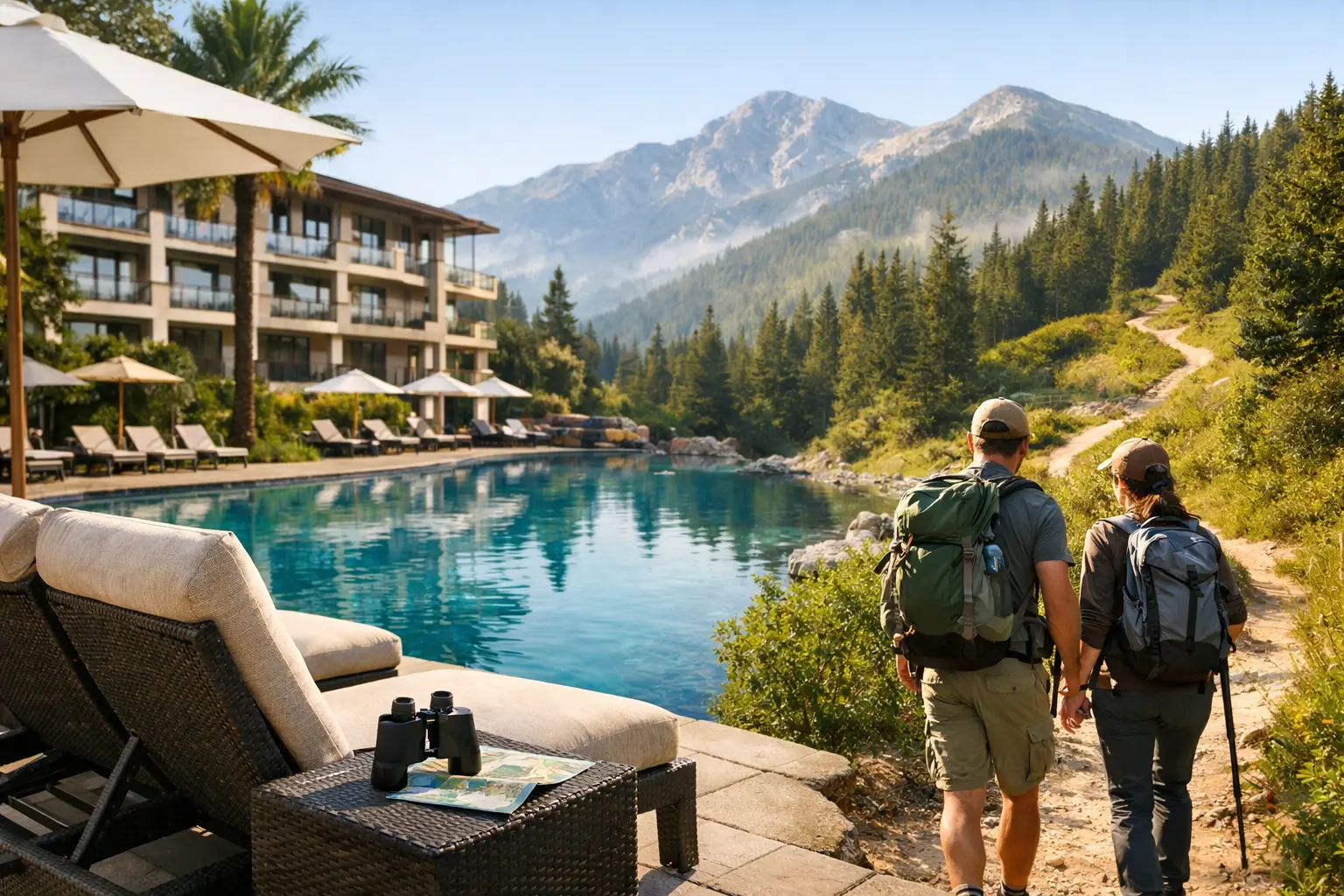
At Hotel Conca Verde, this rhythm comes naturally. Guests can settle into a warm, rustic room, enjoy traditional local cooking, and shape each day around the weather, their energy, and their own idea of rest. A hotel becomes more than a place to sleep when it gives travelers the confidence to slow down and feel at home in the area.
Let the landscape set the pace
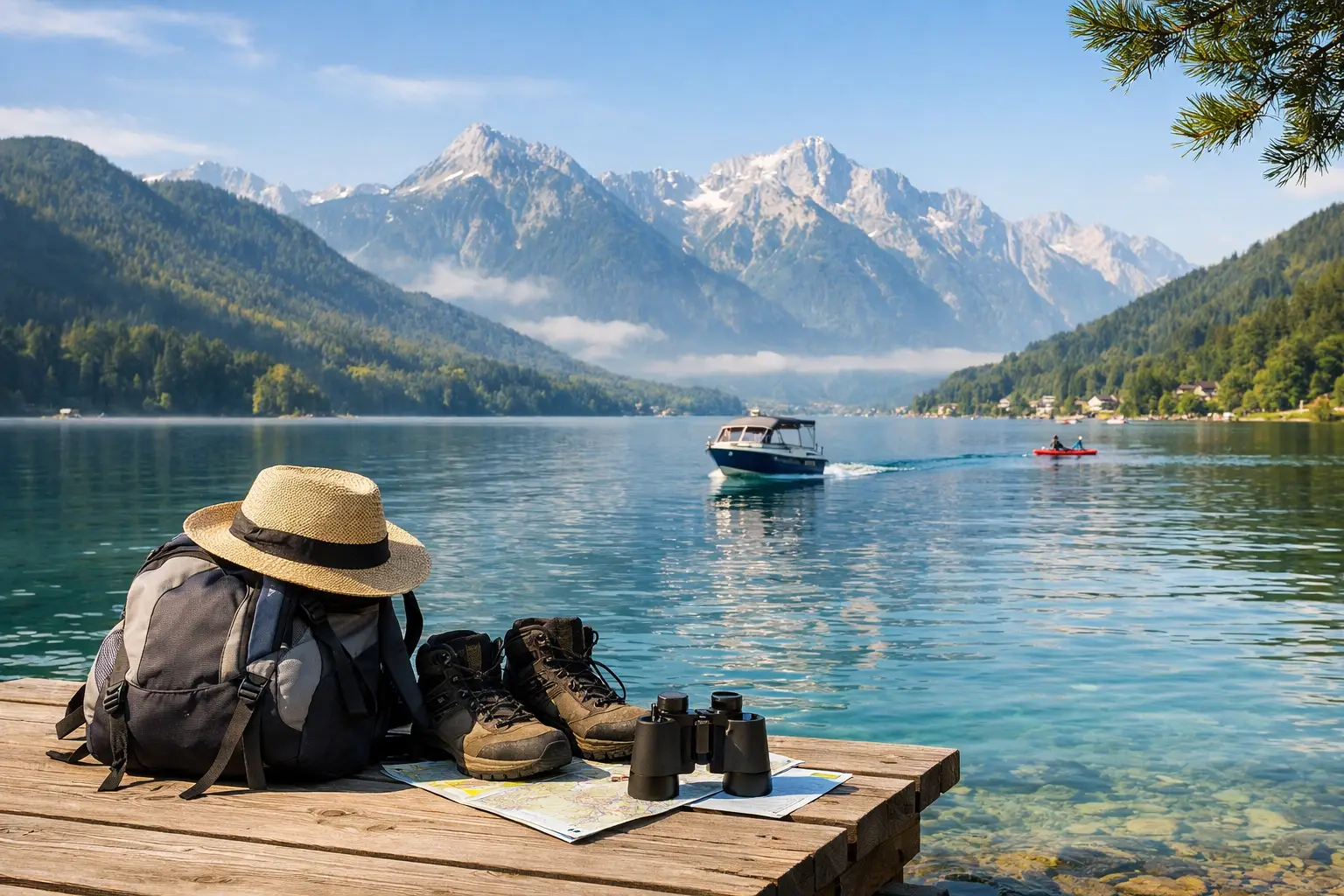
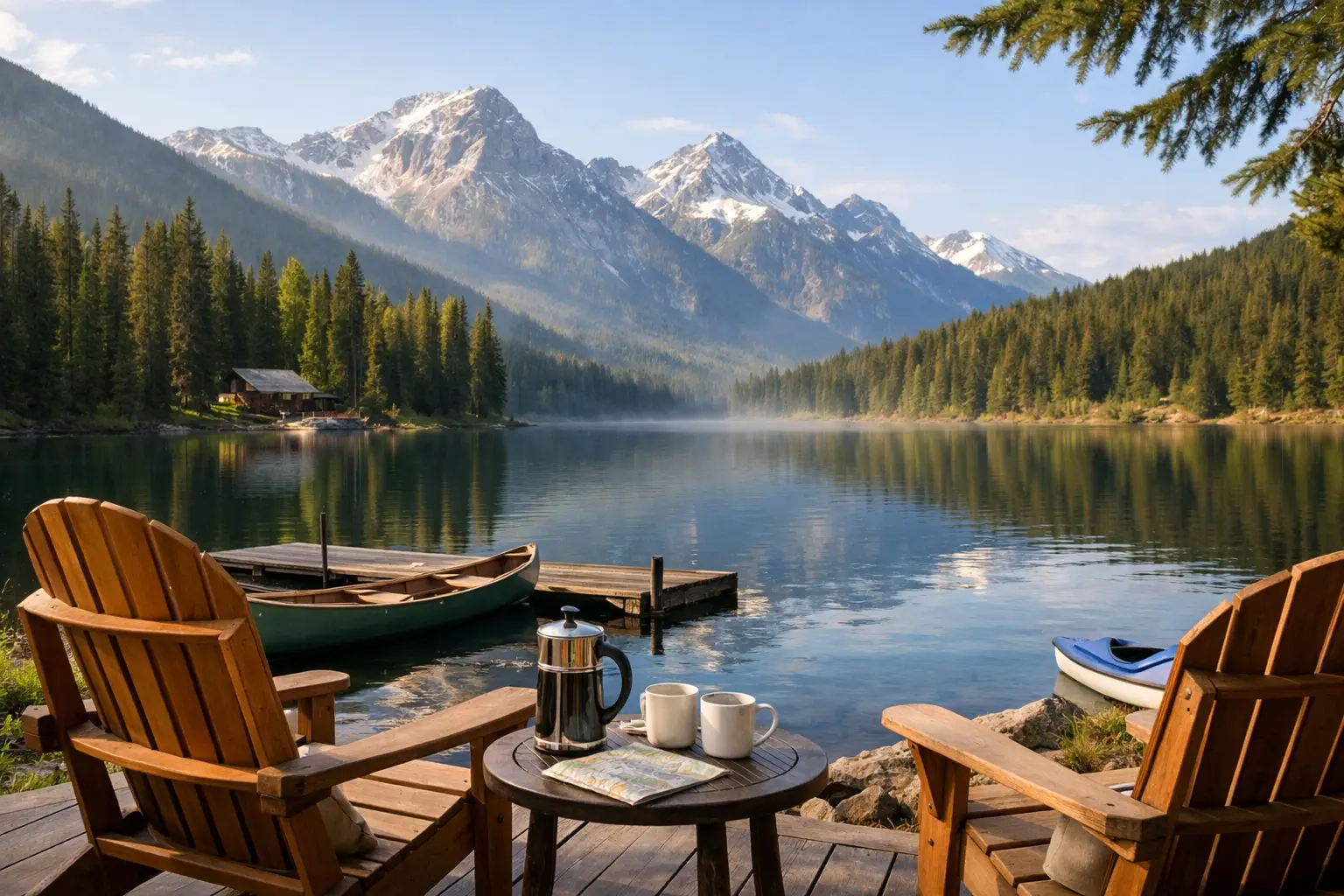
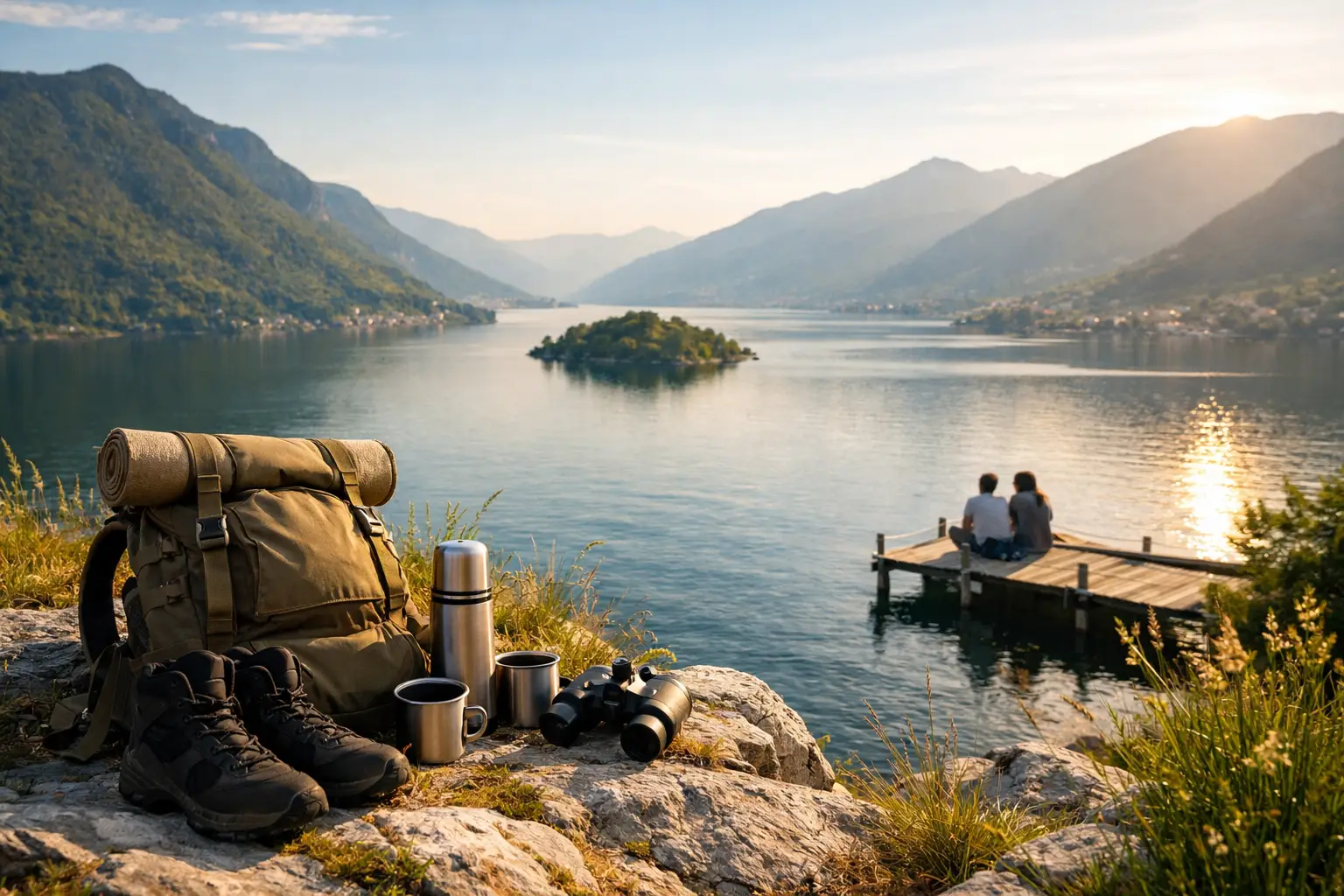
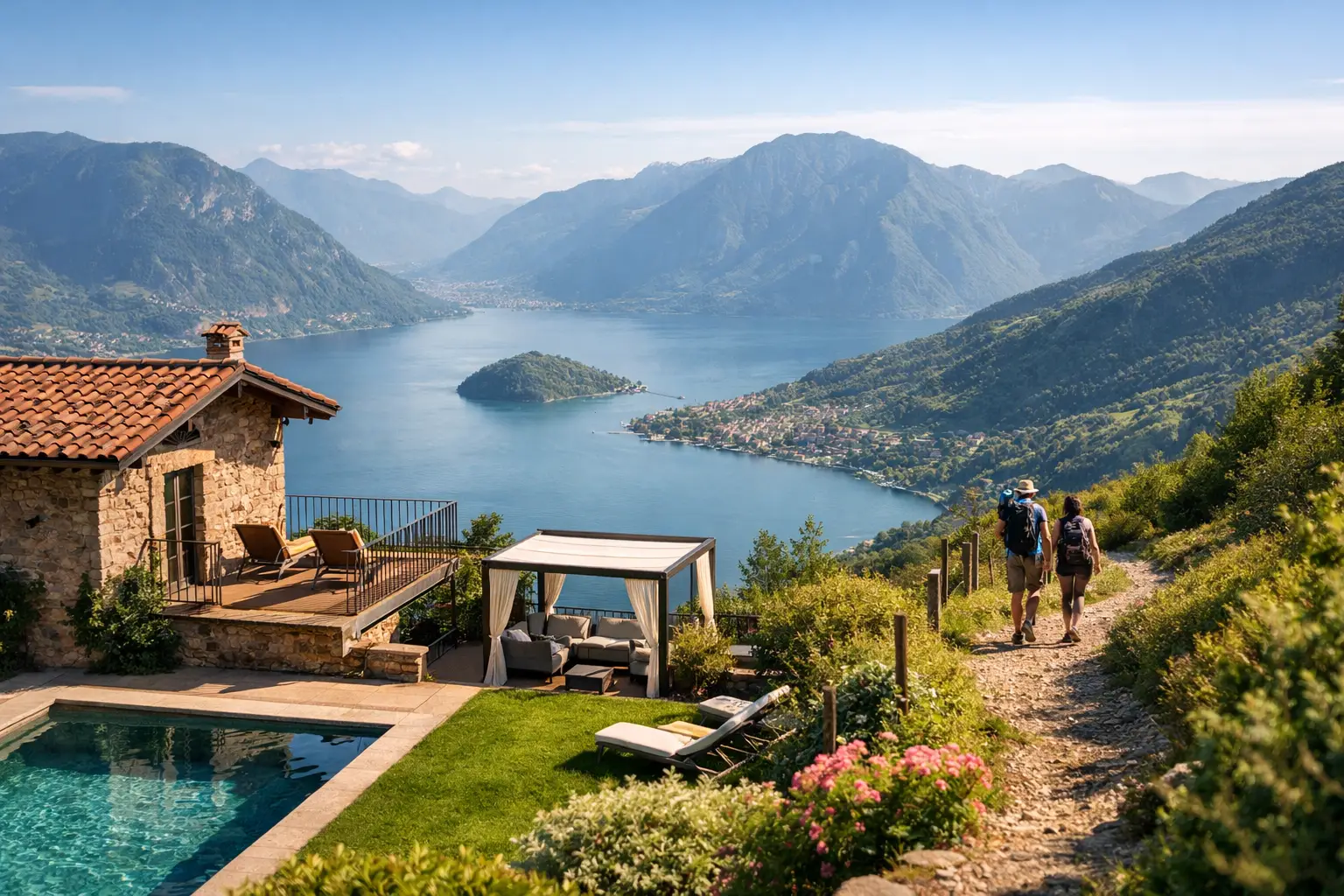
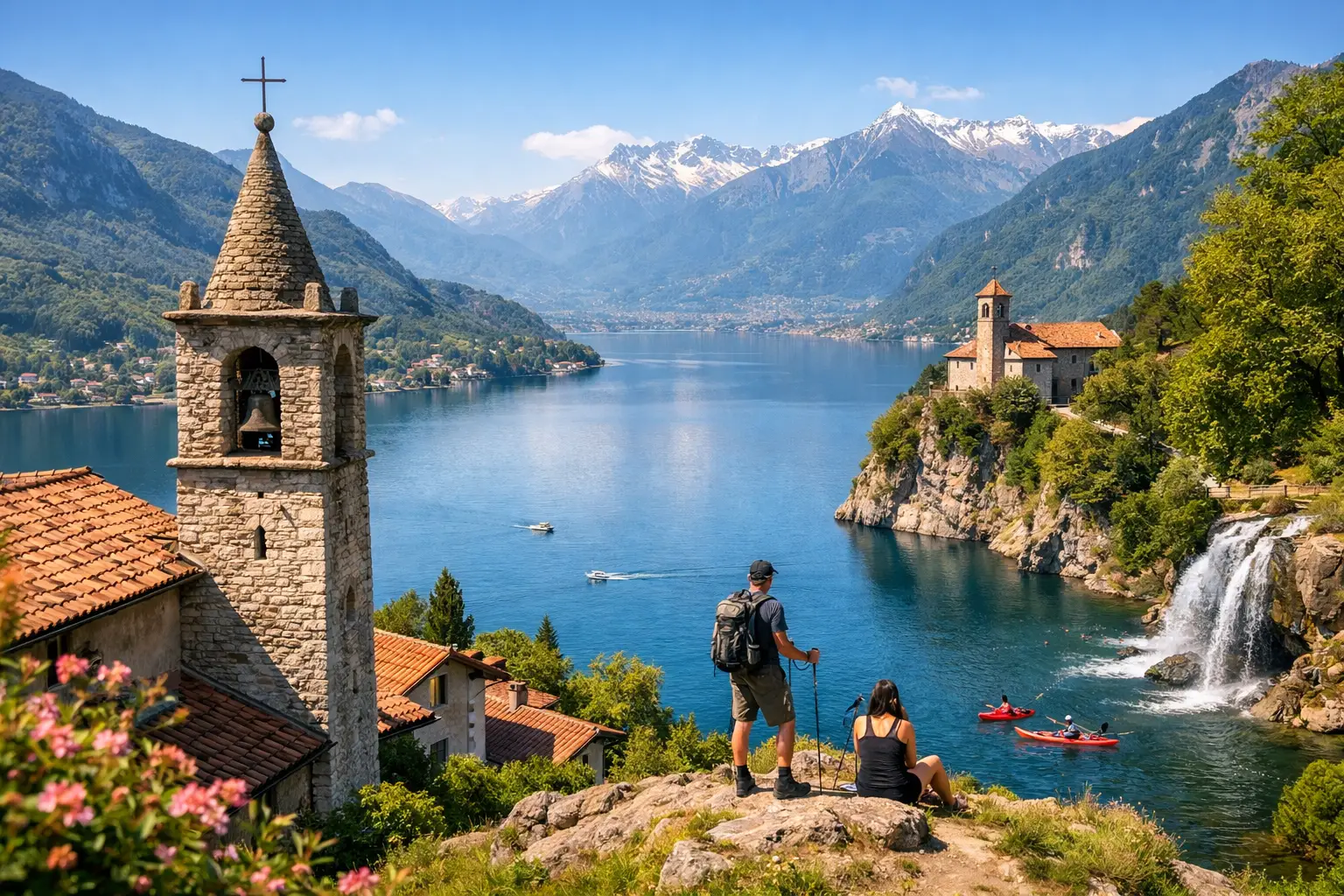
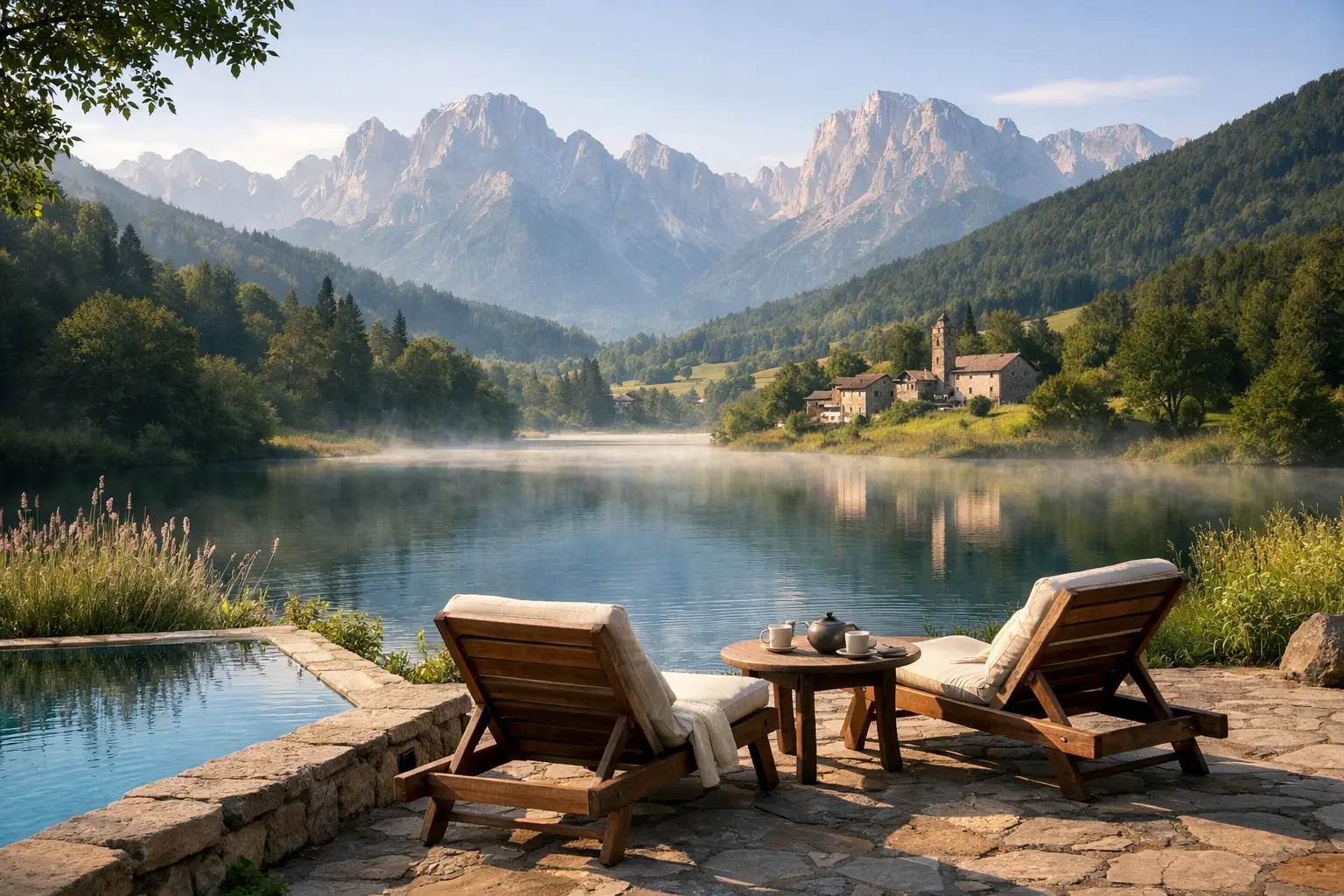
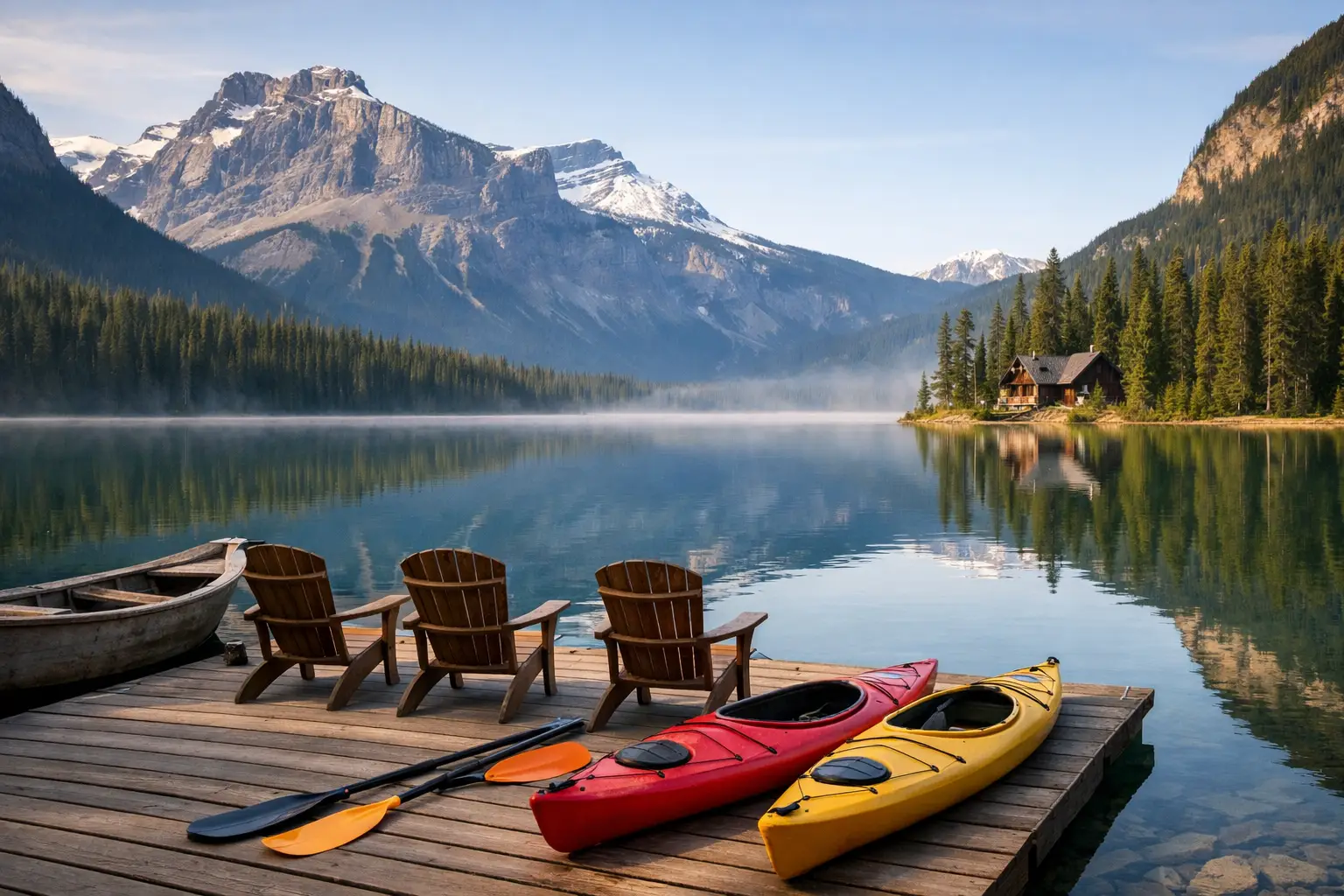
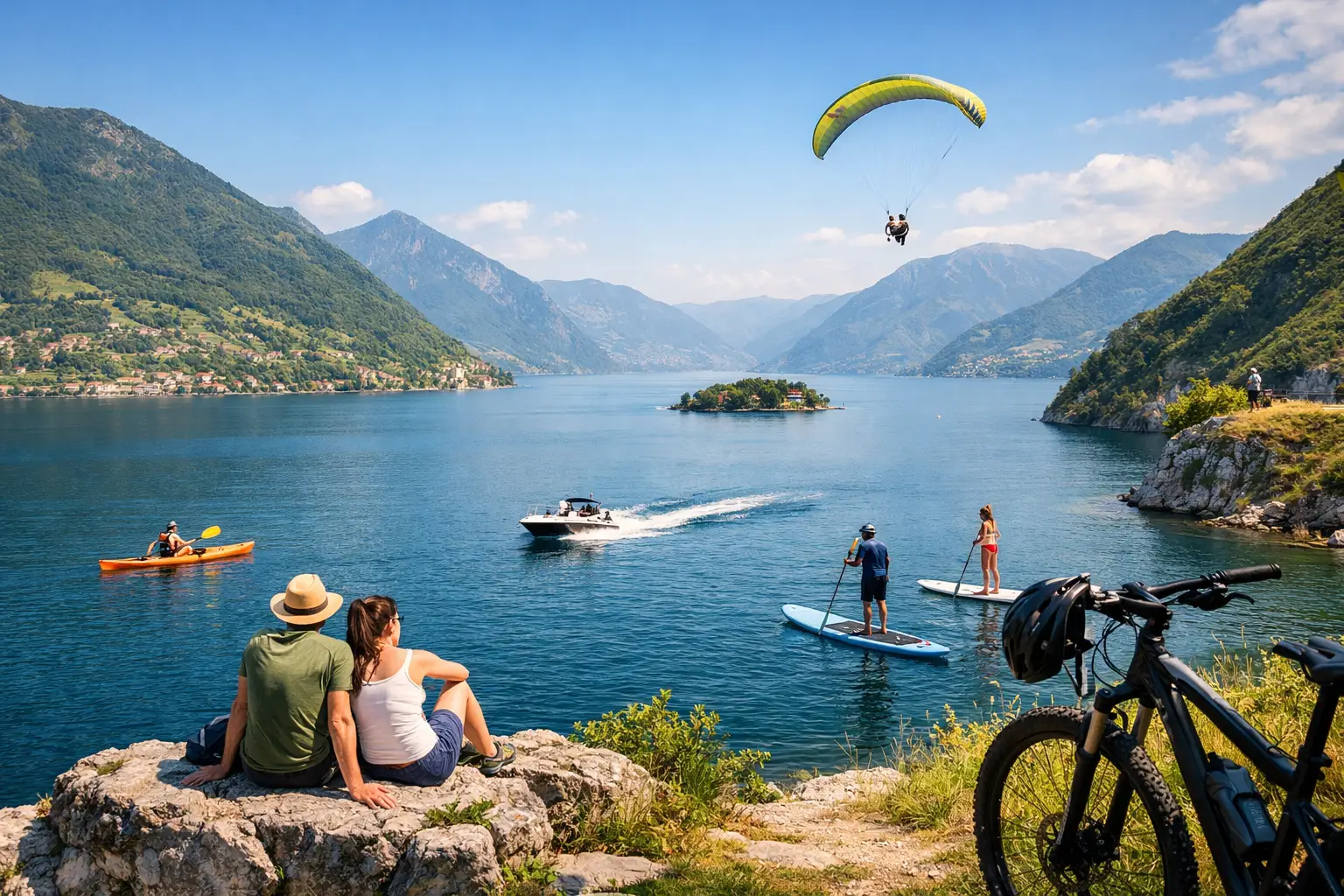
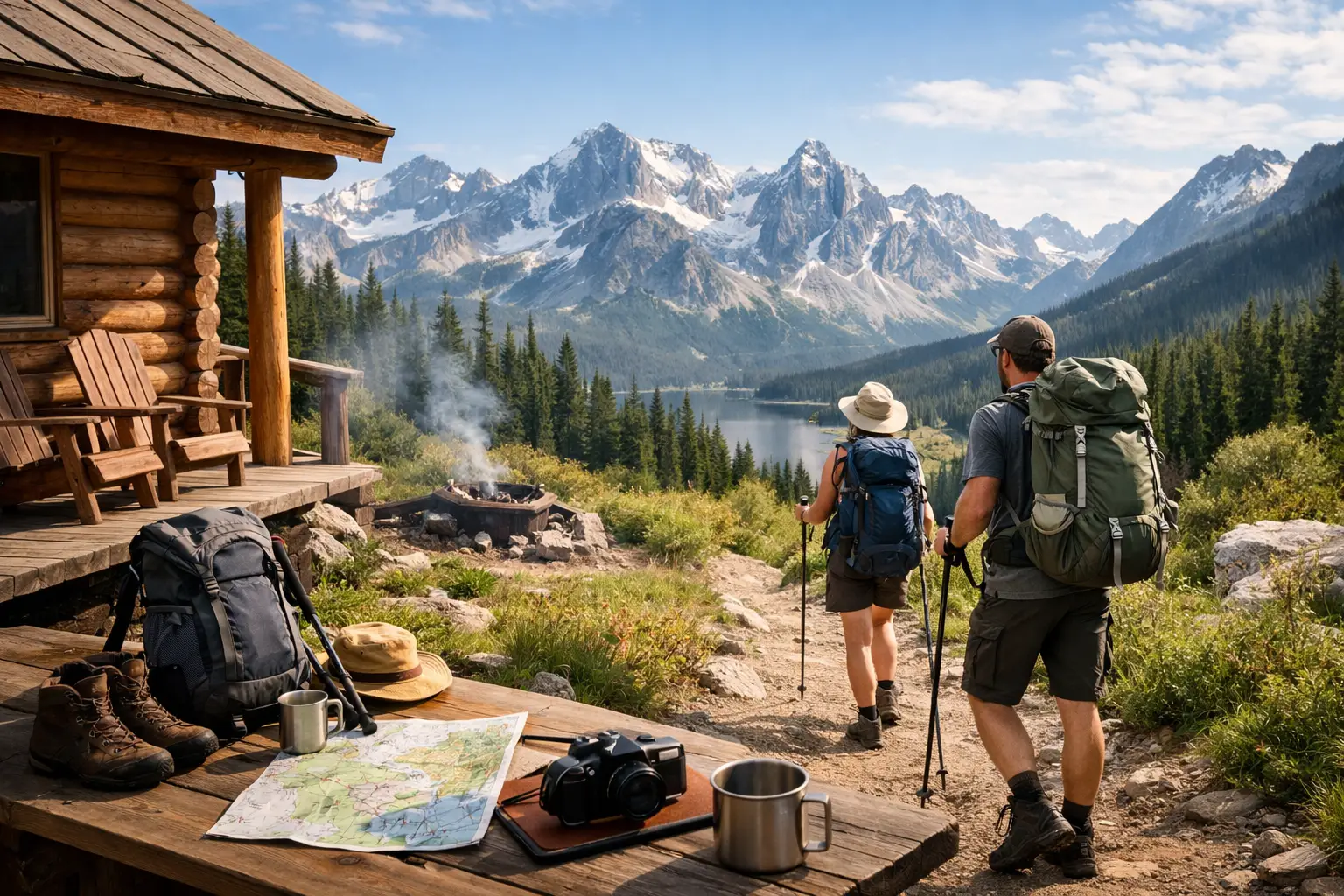
A slow itinerary does not need to be empty. It simply needs breathing room. In a mountain-and-lake setting, that might mean a gentle morning hike followed by a long lunch, then a relaxed afternoon by the water. Another day might be dedicated to a nearby village, with no need to rush back into the car before the light begins to soften.
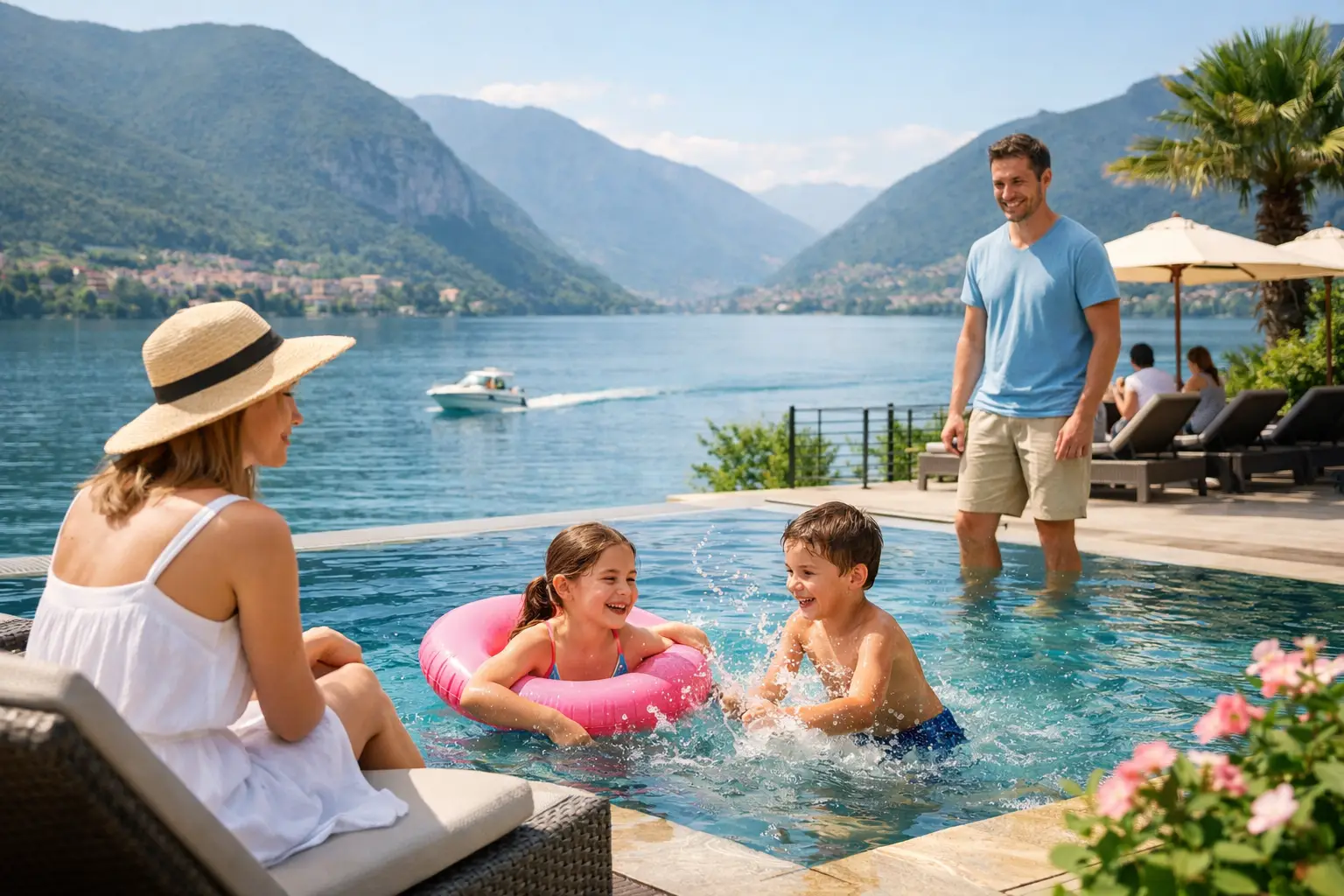
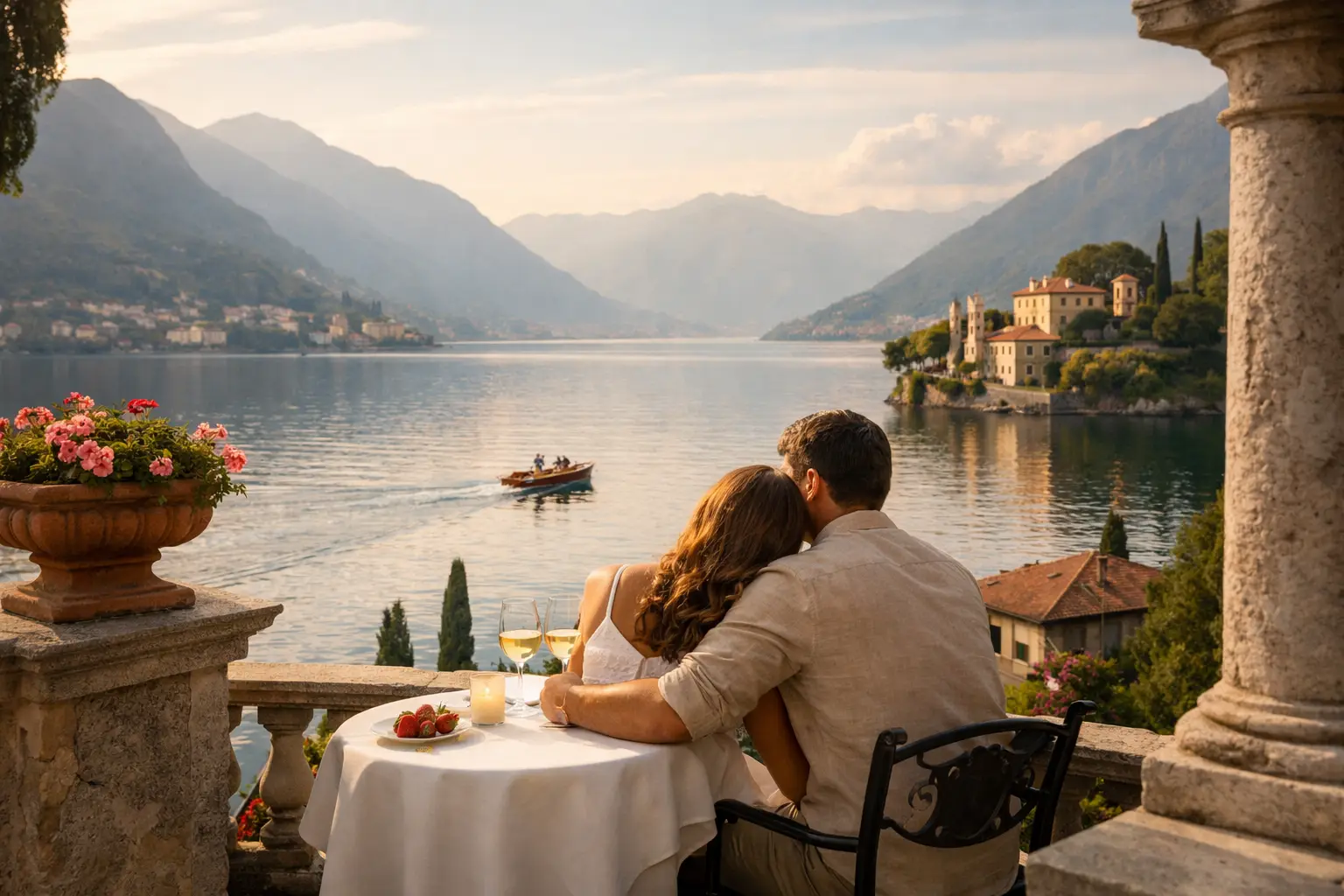
For families, slower days can be especially rewarding. Children have time to notice wildflowers, skip stones, and ask questions. Parents are not always calculating the next departure. For couples, quiet landscapes create space for conversation that is often lost in ordinary routines. Even a short weekend feels more restorative when every hour is not assigned a task.
Regional Food Becomes Part of the Journey
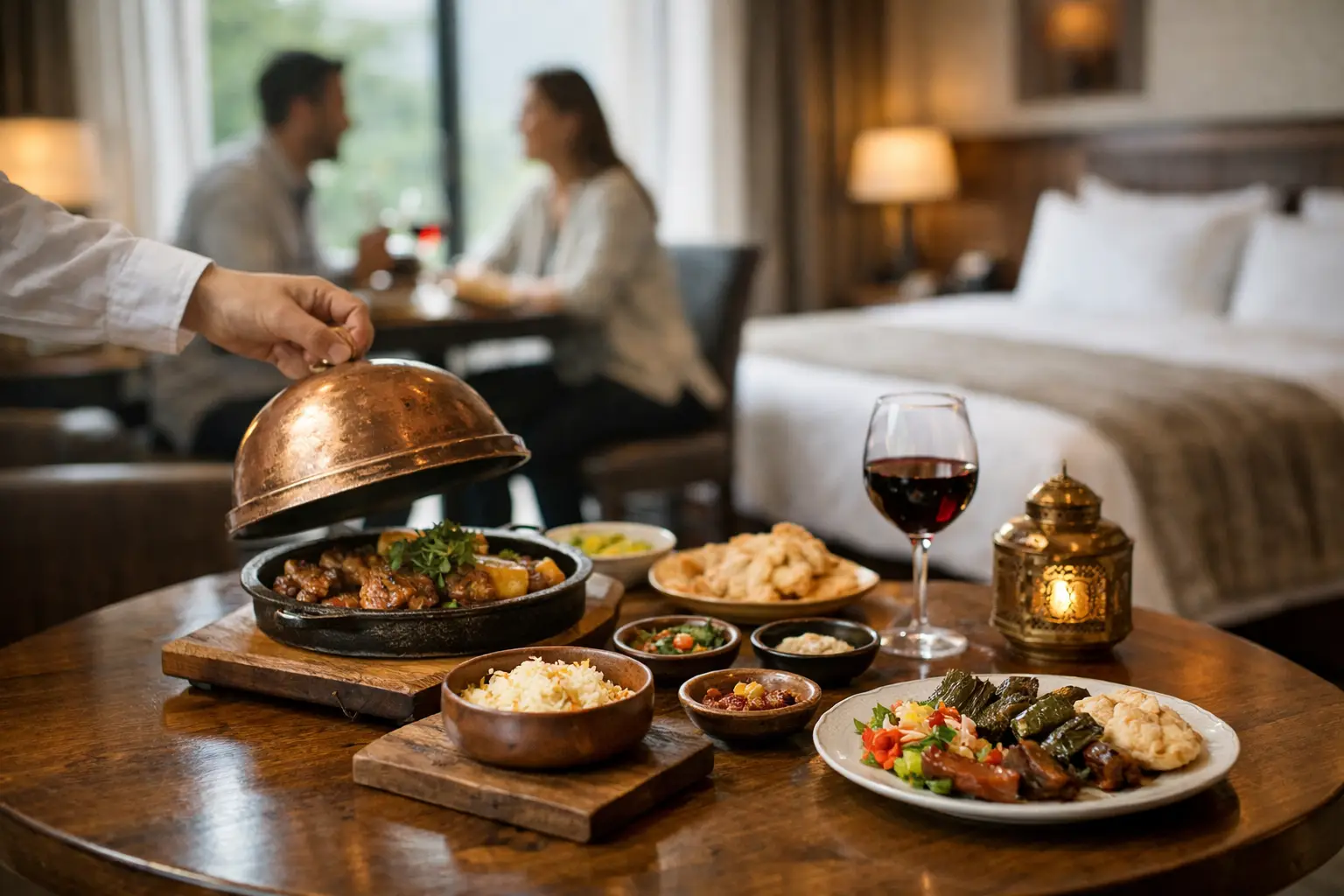
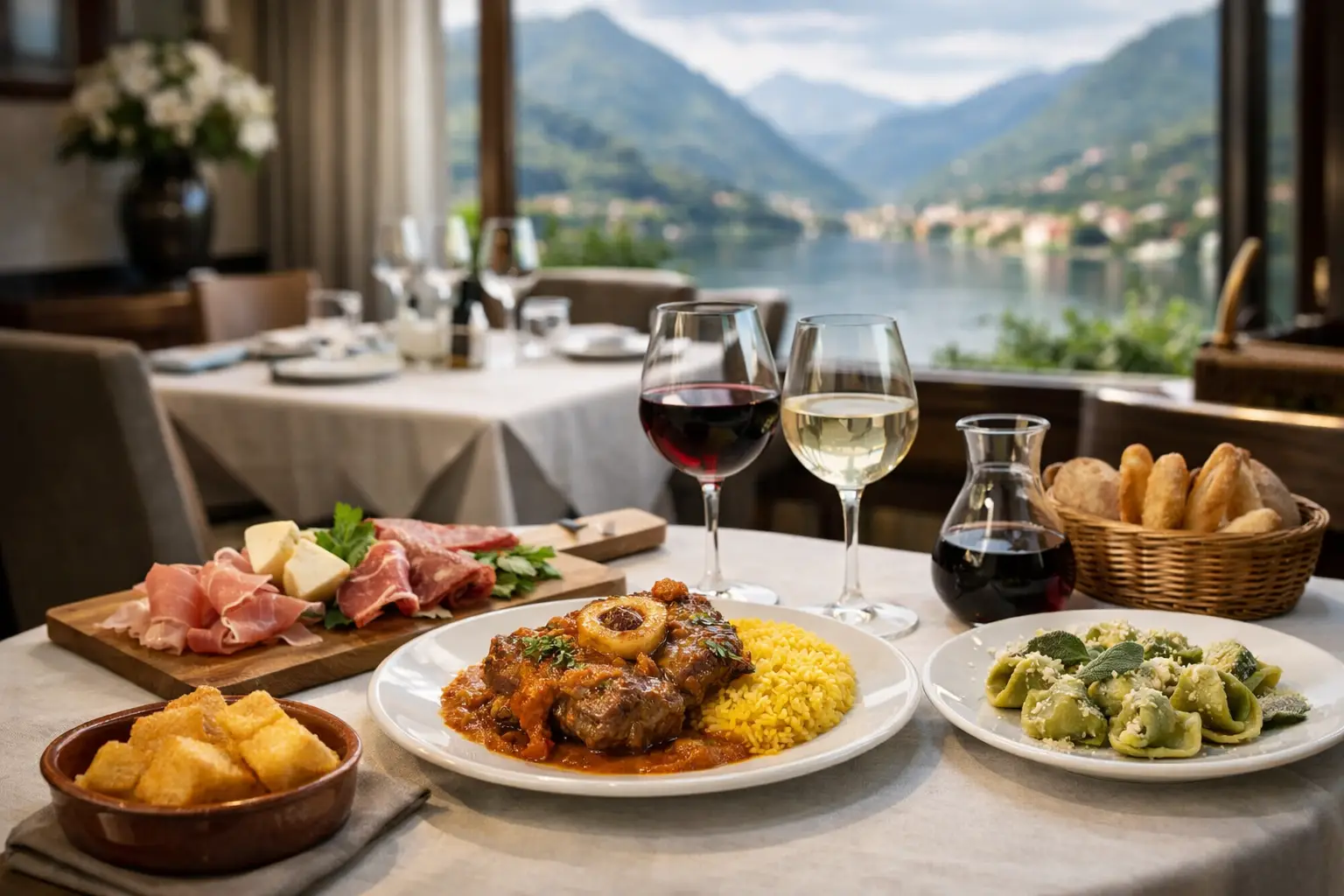
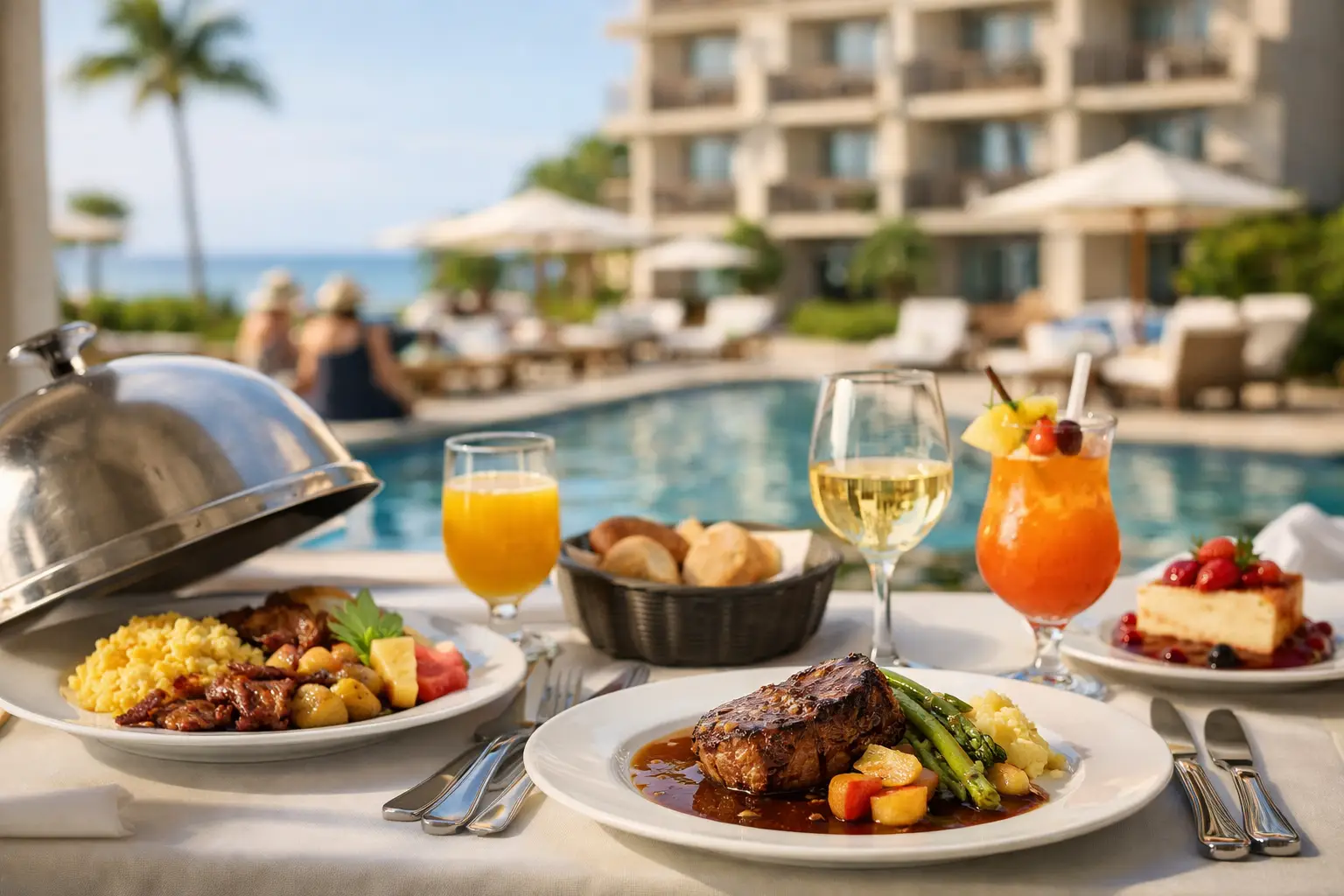
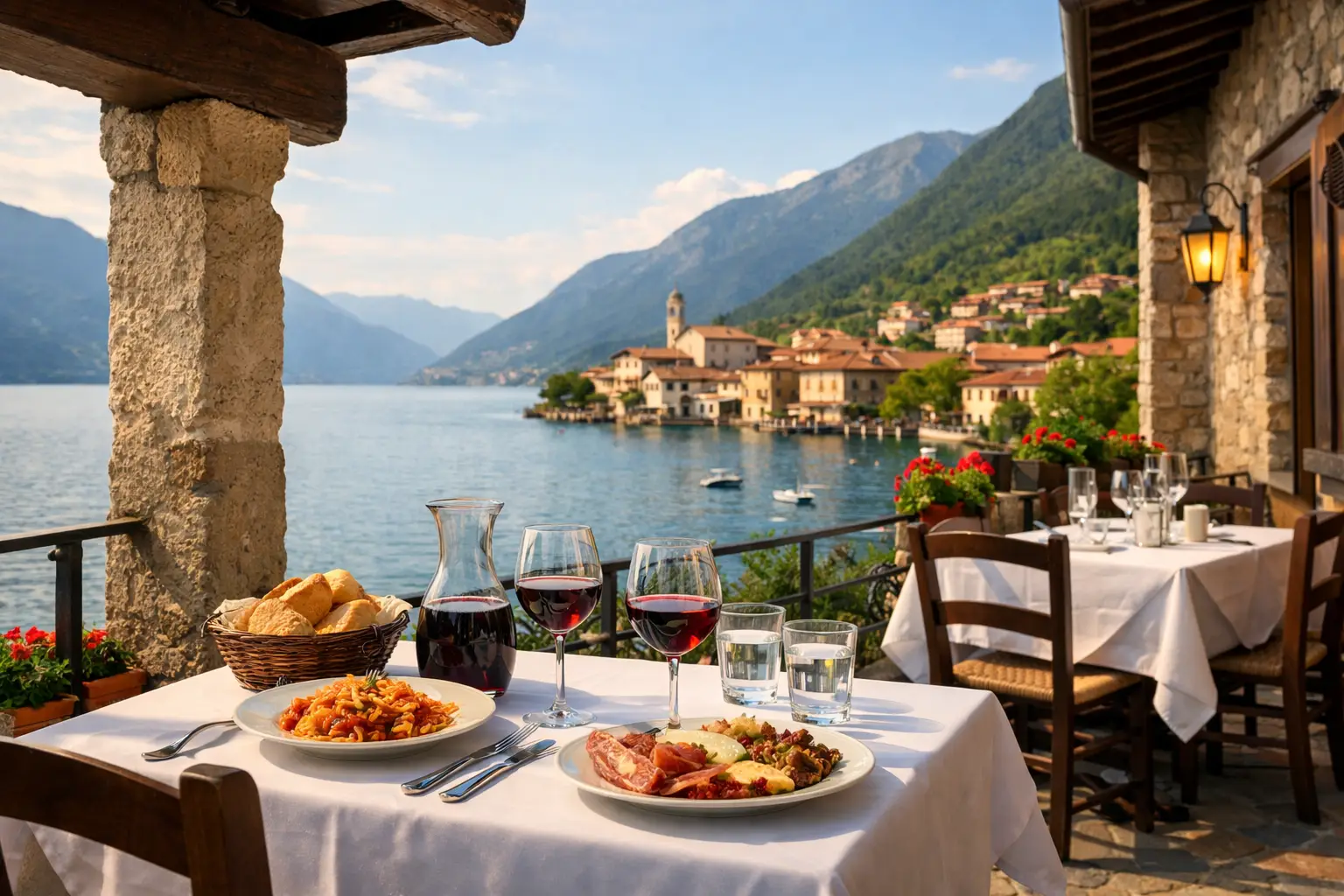
Food is central to slow travel in Italy, not because every meal needs to be elaborate, but because eating locally is one of the simplest ways to understand a place. A regional dish carries the memory of its landscape: mountain pastures, lake fish, family recipes, local cheeses, seasonal vegetables, and wines grown nearby.
Rather than chasing the same well-known dishes across the country, slow travelers increasingly seek the flavors of the region where they are staying. They choose a small restaurant that has welcomed local families for years. They ask what is in season. They allow dinner to unfold gradually, without looking at the clock.
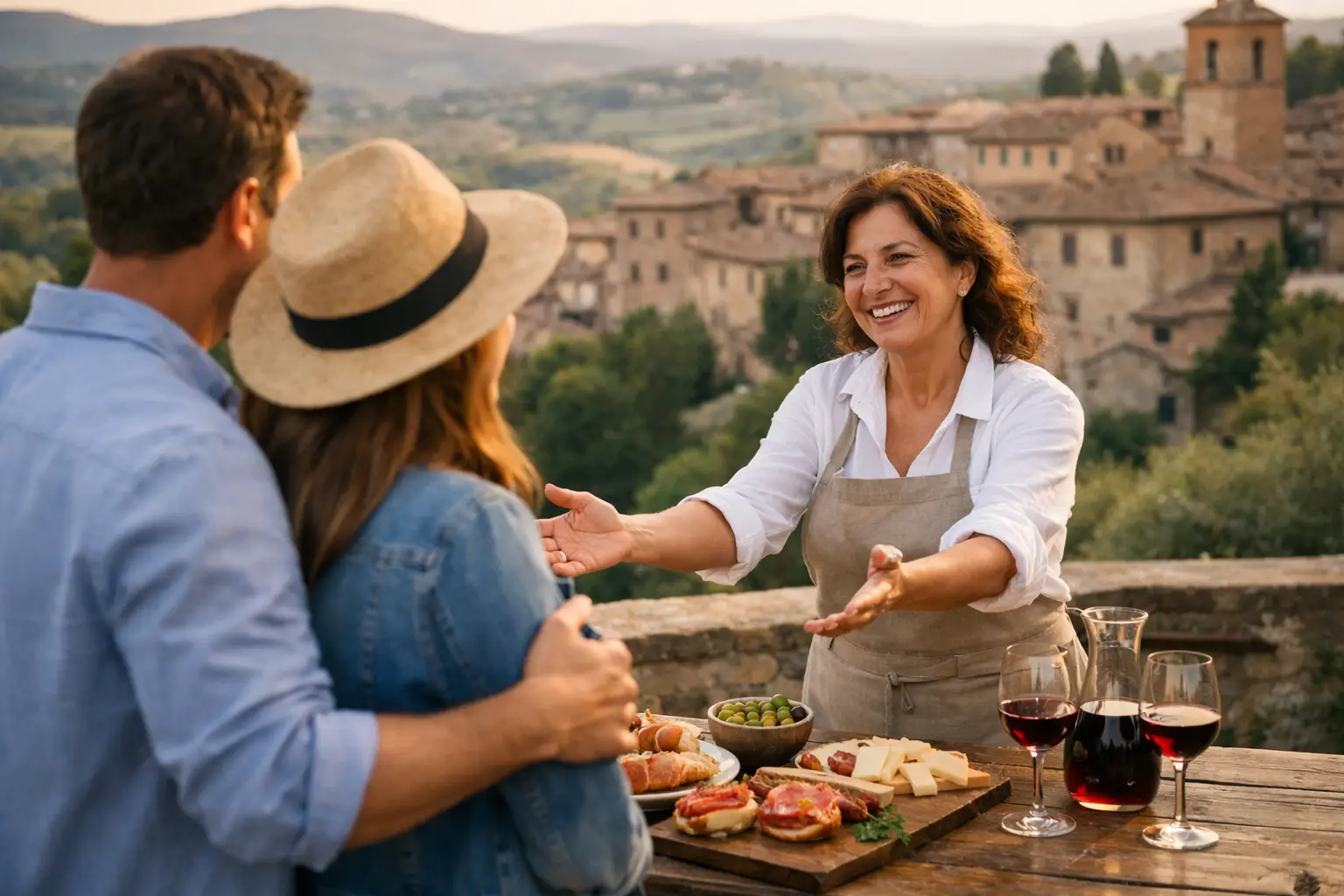
This kind of dining asks for a little patience. Service may be more relaxed than visitors expect, and the menu may be shaped by what is available rather than by endless choice. Yet that is often the pleasure. When hospitality is personal, a meal can become an evening of warmth, stories, and genuine care.
Travel in the Shoulder Seasons
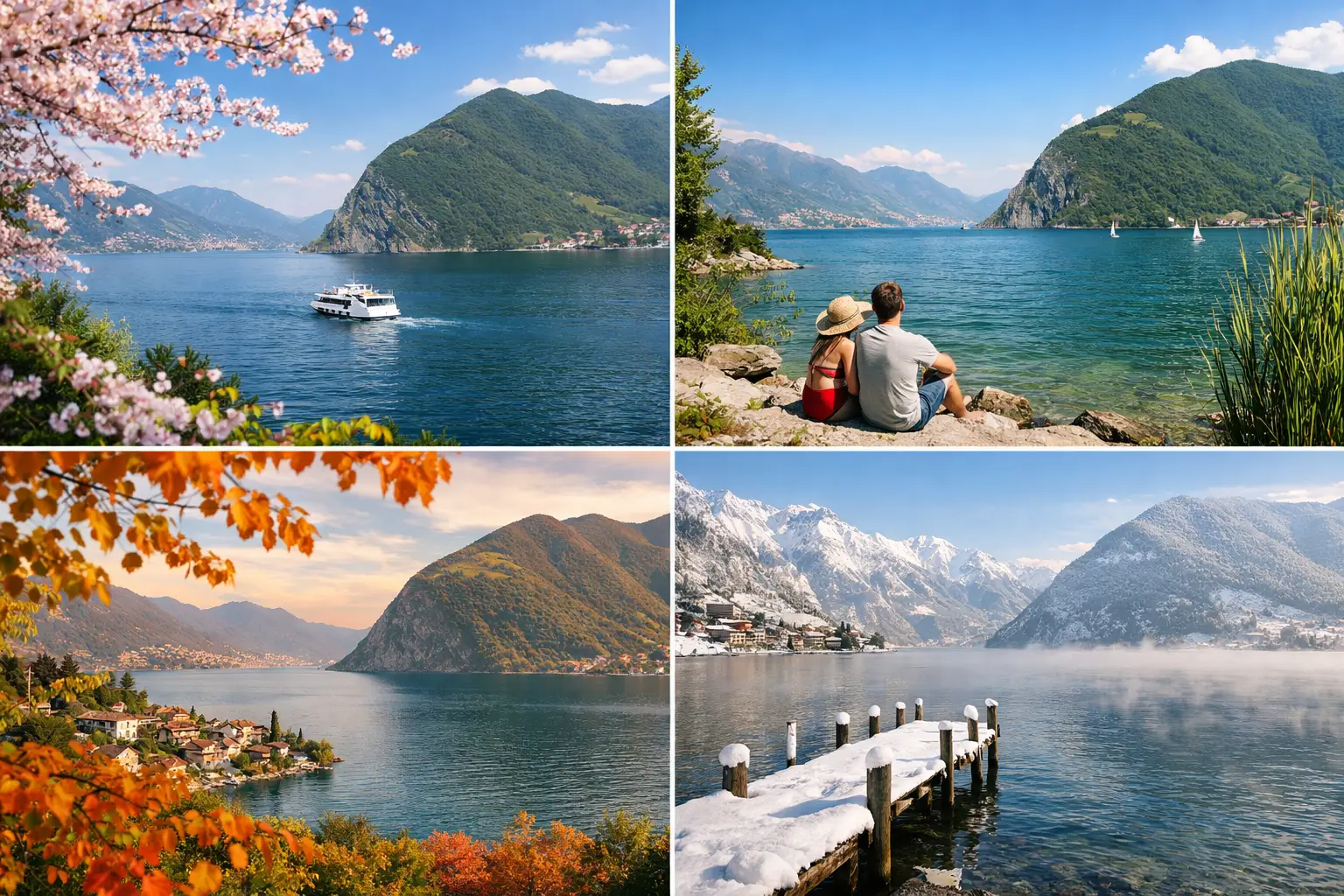
Spring and fall are becoming favorite times for travelers who want Italy at a gentler volume. The air is often ideal for walking, the colors in the hills are vivid, and villages feel more connected to their everyday life. A quieter season also makes it easier to find a table, pause in a piazza, or enjoy a scenic route without feeling carried along by a crowd.
Summer still has its appeal, especially for lake days and family vacations, but it helps to choose a rhythm that respects the heat. Start early, rest during the warmest hours, and keep evenings open for a stroll and an unhurried dinner. Slowness is not tied to a particular month. It is the decision to travel in a way that feels considerate of both the destination and yourself.
How to Follow Slow Travel Trends in Italy
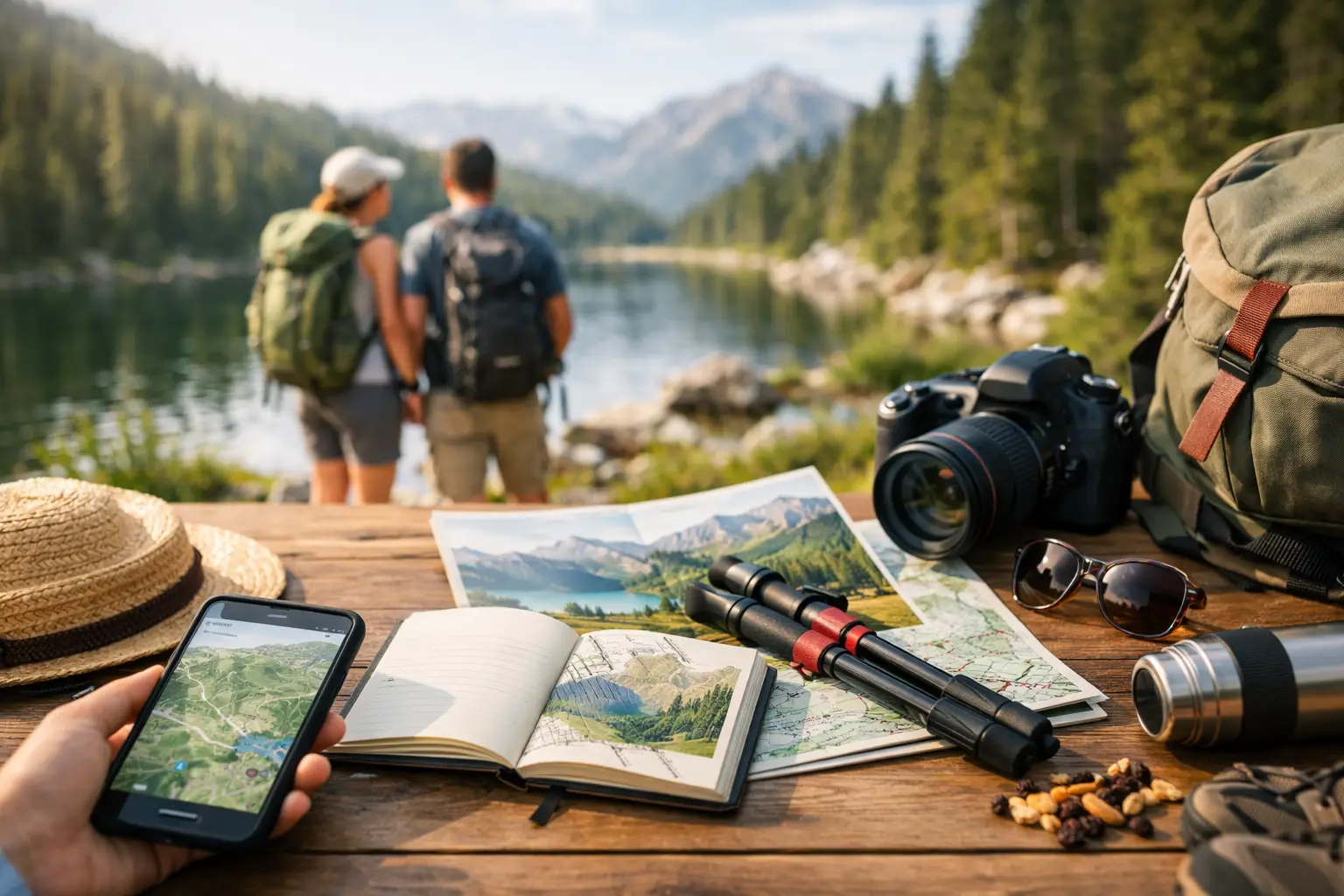
The best slow trips are planned lightly, not rigidly. Begin by choosing a place that offers more than one kind of day: natural beauty, local food, comfortable lodging, and a few nearby experiences. Then give yourself enough nights to settle in. For a rural or lakeside stay, three nights is often a meaningful minimum; four or five allows the destination to reveal more of itself.
Leave one day without a fixed schedule. This is not wasted time. It is the day that can become a favorite because it follows a recommendation from a local host, an unexpected change in weather, or the simple wish to stay a little longer over breakfast.
It also helps to travel with realistic expectations. Small towns may have fewer transportation options, shorter shop hours, and less English spoken than major tourist centers. Renting a car can offer freedom in rural areas, while walking and local transit can be better choices once you arrive. The right balance depends on your group, mobility needs, and how far you hope to roam.
Most of all, resist the pressure to turn every moment into proof that you were there. Take photographs, certainly, but also put the phone away. Notice the path beneath your feet, the view from the window, and the kindness of the people who welcome you.
A slow Italian stay is not measured by the number of towns checked off a map. It is measured by the places that begin to feel familiar: the table where you enjoyed a memorable meal, the trail you walked twice because it was beautiful both times, and the welcome that makes you want to return.