
How to Choose a Family Run Hotel Well
A family-run hotel can make a trip feel entirely different. You notice it in the welcome at check-in, in the way breakfast is served, and in the quiet sense that your stay matters to someone personally. If you are wondering how to choose a family run hotel, the best approach is not to look for perfection on paper. It is to look for the kind of care that turns a room into a place of rest.
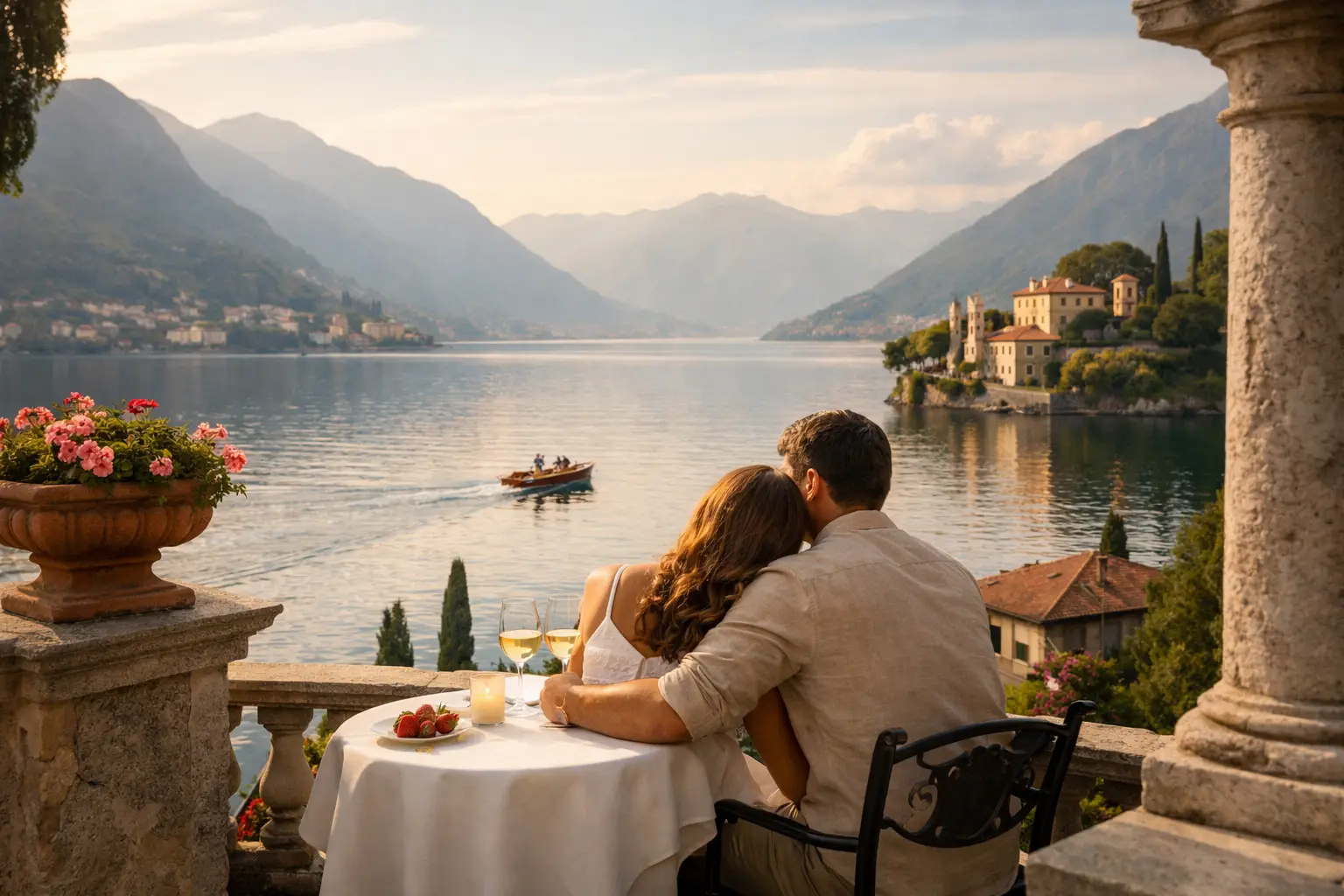
That difference matters even more when you are planning a peaceful escape. For couples, families, and travelers who want nature, good food, and a slower rhythm, the right hotel is not simply where you sleep. It becomes part of the destination itself.
How to choose a family run hotel for the right kind of stay
Start with the feeling you want from your trip. Not every family-run hotel offers the same experience, and that is part of their charm. Some are lively and social, some are simple and traditional, and some are especially suited to quiet days, scenic walks, and long meals that encourage you to slow down.
Before you compare prices or room categories, ask yourself what kind of stay you are truly hoping for. If you want privacy, calm, and personal hospitality, a small or mid-sized hotel in a natural setting may suit you better than a busy property in the center of a crowded tourist area. If you are traveling with children, easy meals and flexible service may matter more than design details. If you are planning a romantic weekend, atmosphere will likely matter as much as convenience.
A good family-run hotel does not try to be everything to everyone. It knows its own character. That clarity is often a very good sign.
Look for warmth, not just friendliness
Many hotels describe themselves as welcoming. Family-run hospitality shows it more clearly. The difference is subtle but easy to recognize when you pay attention.
A warm hotel usually communicates in a personal way. Its writing sounds human, not generic. The photos feel lived-in rather than staged beyond recognition. You get a sense that the people behind the property care about how guests feel, not only about filling rooms.
This does not always mean constant interaction. In fact, one of the strengths of a good family-run hotel is discretion. You may be greeted with kindness, offered thoughtful advice, and then left to enjoy your time in peace. That balance is often what travelers remember most.
If every message feels overly polished but strangely impersonal, it may be worth pausing. True hospitality tends to feel calm, direct, and sincere.
Pay attention to how the hotel presents its story
A long history can tell you a great deal, especially when it is shared naturally. Hotels with deep roots in one place often understand their surroundings better. They know the rhythms of the seasons, the walking paths worth taking, the dishes guests should not miss, and the simple comforts people need after a day outdoors.
That local memory adds depth to a stay. A family property that has welcomed guests for years usually offers more than accommodation. It offers continuity, pride, and a sense of place.
Comfort should feel personal, not standardized
One common mistake is to judge a family-run hotel by the same criteria used for large chains. Standardization can be useful, but it is not the only path to comfort.
In a family-run hotel, comfort often appears in more personal ways. Rooms may not all look identical. Furnishings may reflect local style or the building’s history. Public spaces may feel more intimate and less polished in a corporate sense. None of this is a drawback if the essentials are cared for well.
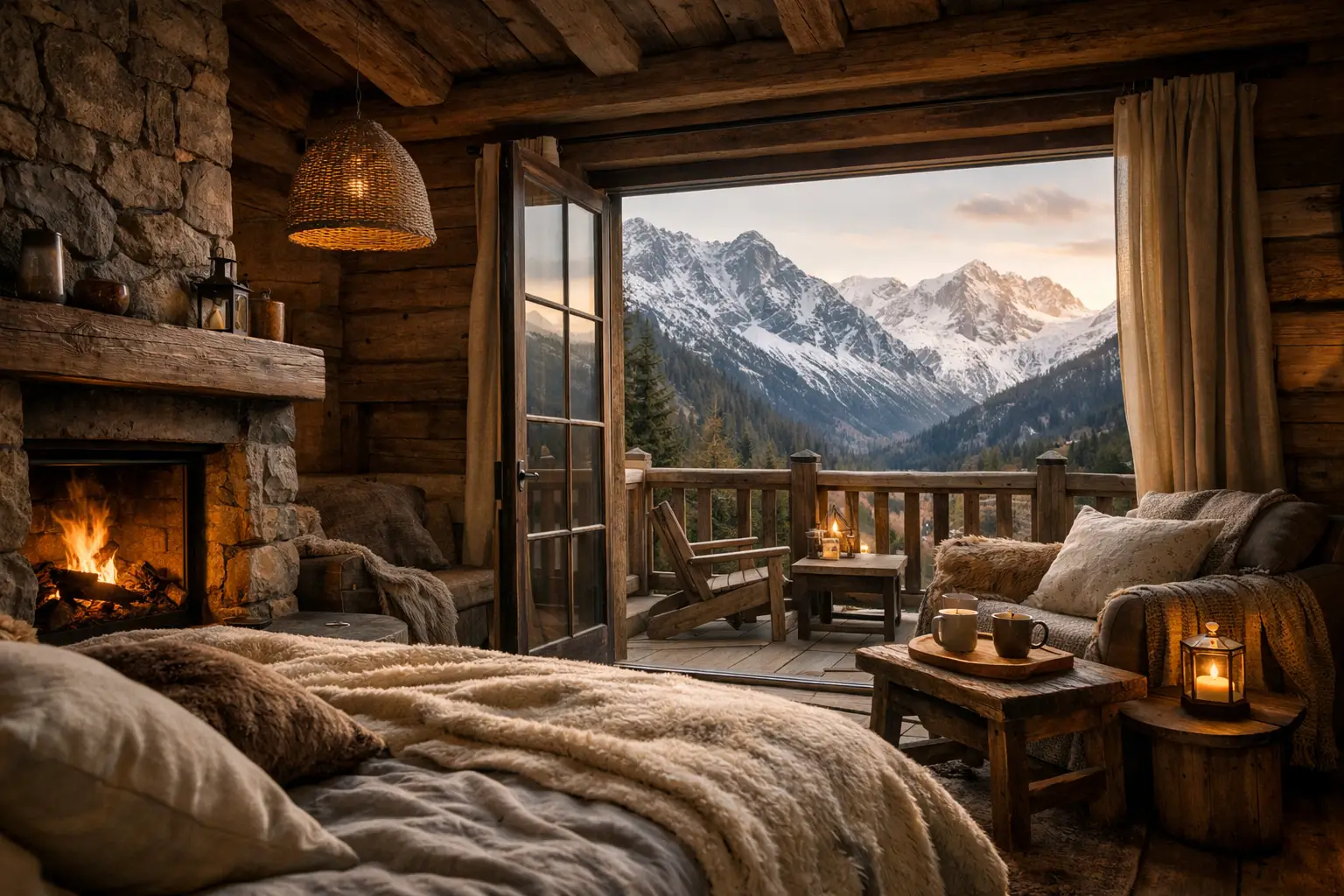
What matters is whether the space feels restful, clean, and thoughtfully maintained. Look for signs that the rooms are described honestly. If the hotel emphasizes coziness, tranquility, traditional character, or views of the surrounding landscape, ask whether those qualities match what you enjoy.
For some travelers, modern minimalism is the priority. For others, warmth matters more than perfect uniformity. It depends on what helps you relax.
Food often reveals the spirit of the house
If the hotel has a restaurant, spend a little time understanding it. In many family-run properties, dining is not an extra service. It is part of the welcome.
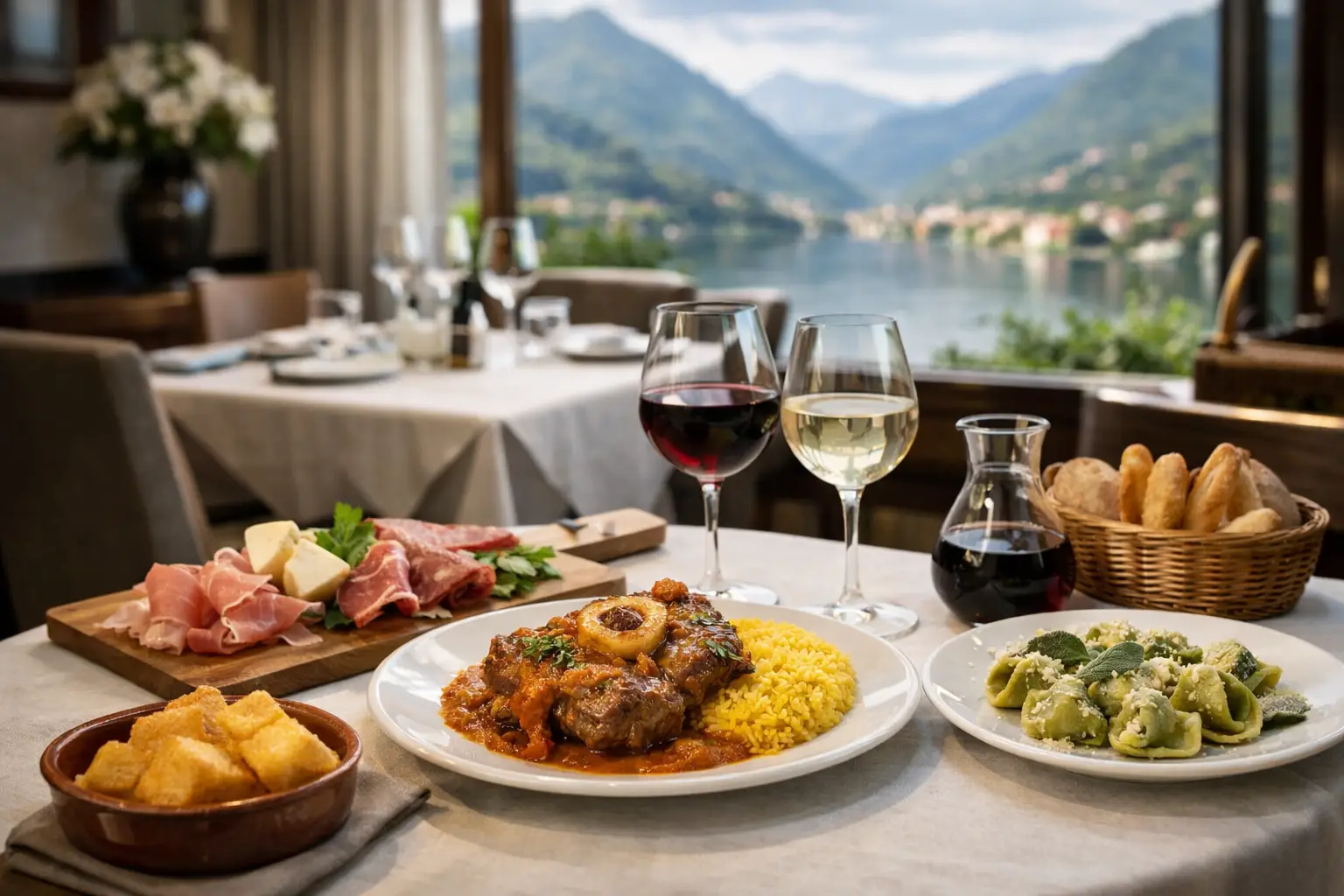
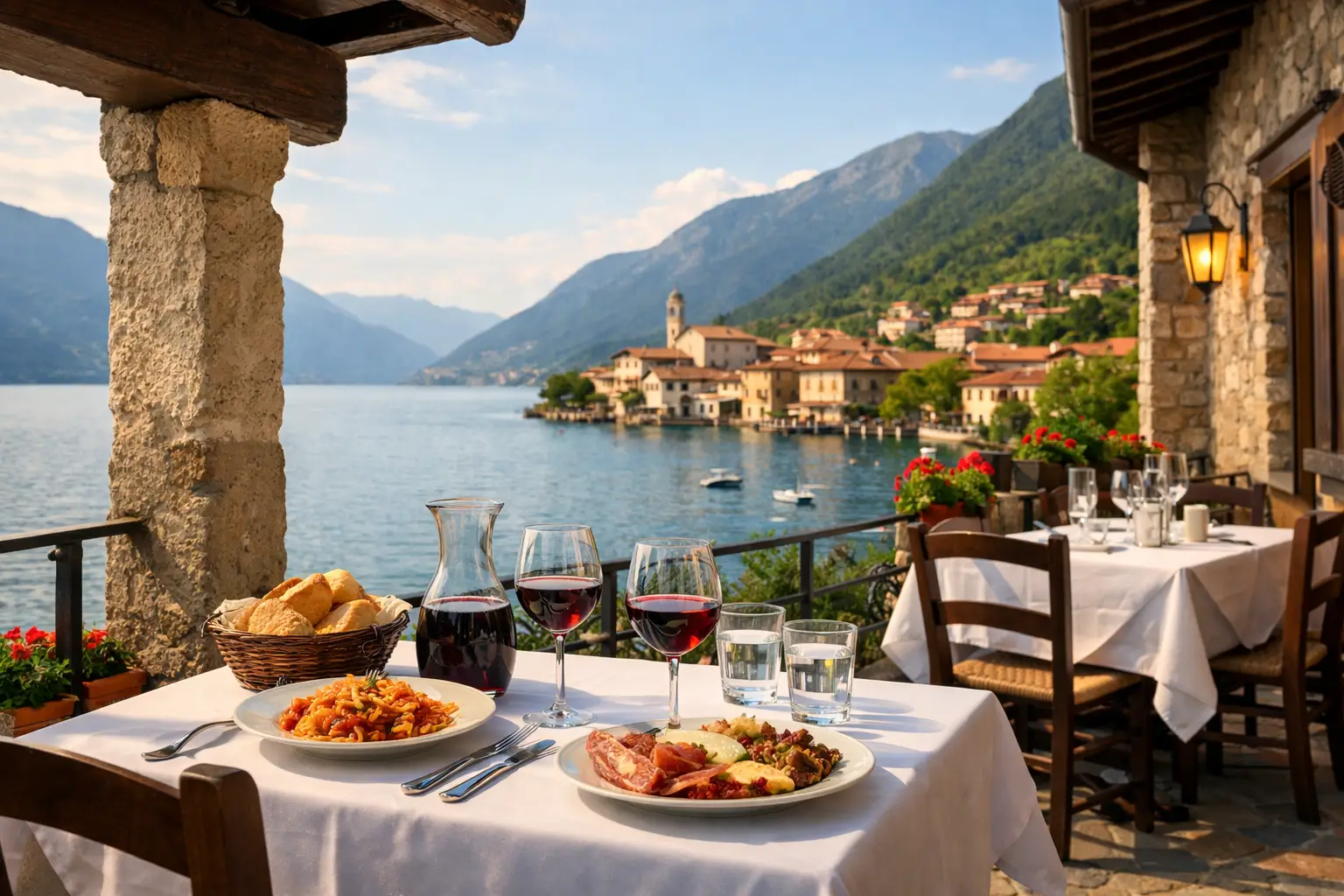
Menus rooted in local cuisine can be especially telling. They suggest connection to the region, care for tradition, and a desire to share something real rather than generic. That can change the whole rhythm of a stay. After a day by the lake, on the trails, or exploring nearby villages, there is a quiet pleasure in returning to a table where the food feels honest and familiar.
This does not mean every meal must be elaborate. Sometimes the most memorable hospitality is found in a simple breakfast served with attention, or in a dinner that reflects the tastes of the area without trying to impress for its own sake.
If food matters to you, choose a hotel where it is clearly part of the experience and not an afterthought.
The setting should support the experience you want
A beautiful room can only do so much if the surroundings do not fit your plans. This is where many travelers make a practical but costly mistake. They choose based on a low rate or attractive photos, then realize the location does not support the trip they imagined.
When deciding how to choose a family run hotel, look carefully at what surrounds it. Is it close to hiking paths, lake views, quiet roads, or the kind of landscape that helps you unwind? Is it near enough to local attractions without being in the middle of constant noise? Can you imagine spending time there without needing to rush elsewhere all day?
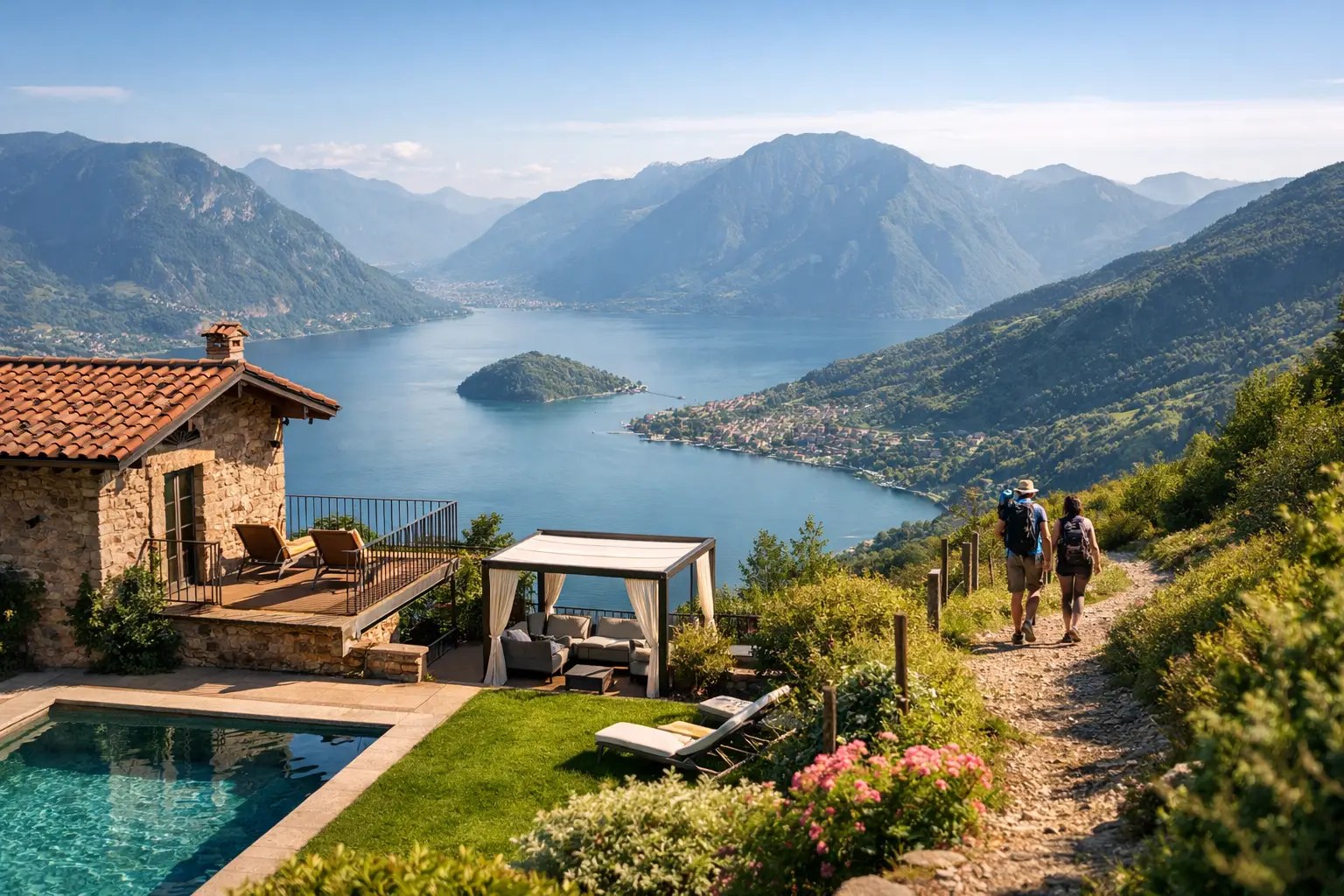
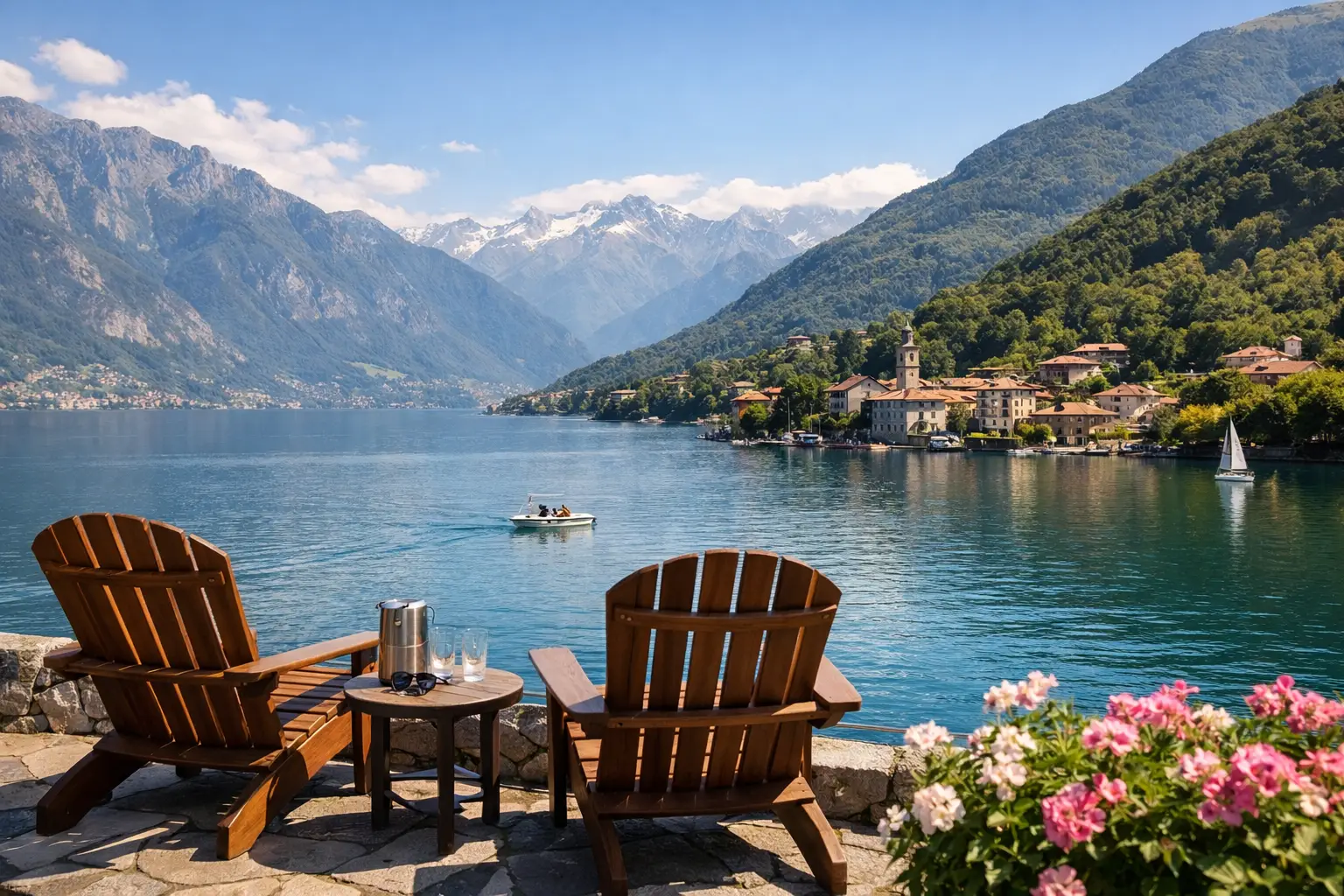
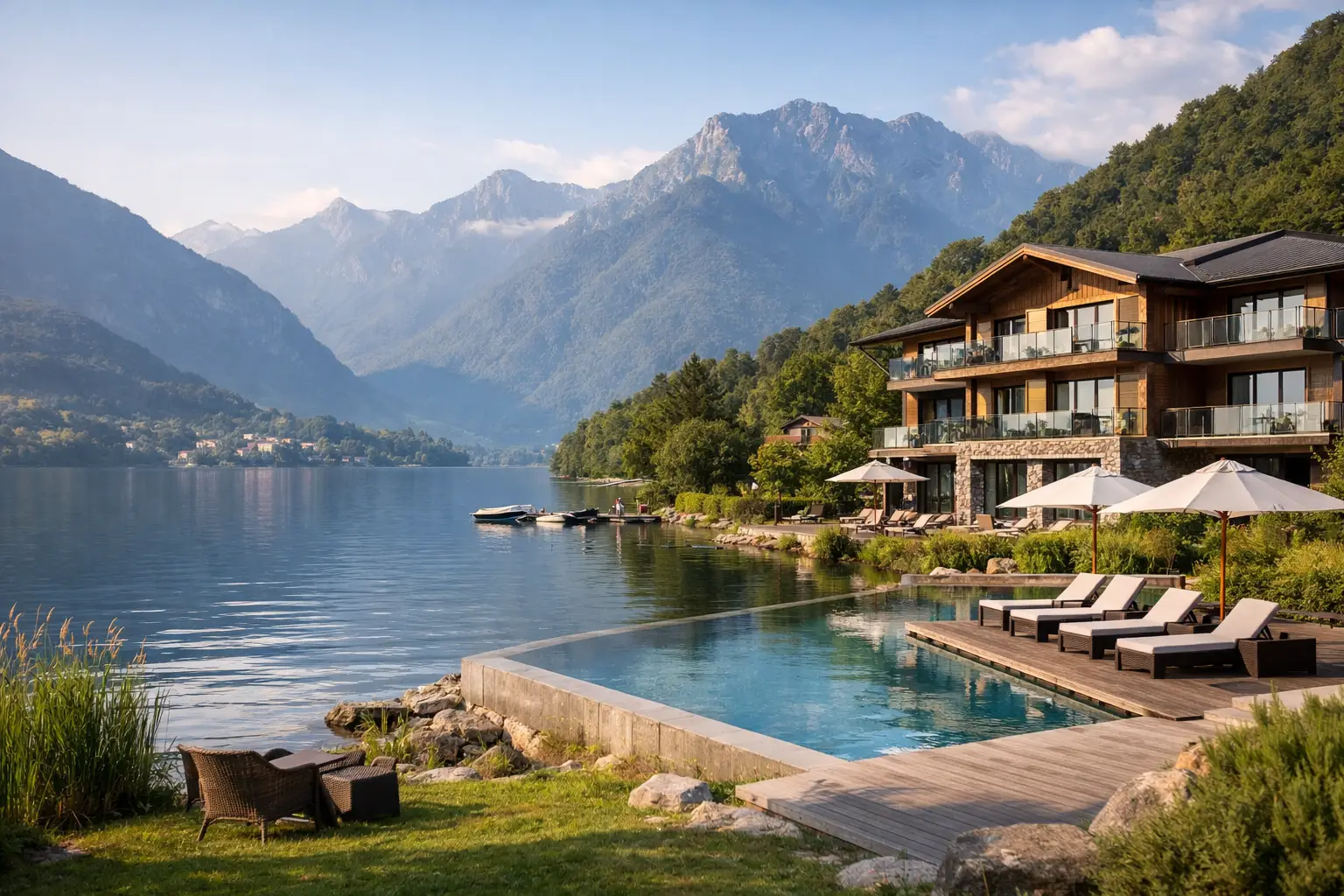
For many guests, the best family-run hotels are not merely near a destination. They are part of it. A hotel set between mountains and water, with easy access to nature and the chance to enjoy regional cooking at day’s end, offers a fuller kind of rest.
That is one reason travelers often remember places like Hotel Conca Verde so warmly. The setting and the hospitality support each other.
Think beyond the room itself
A stay becomes richer when the hotel helps shape your time, not just your sleep. A cozy lounge, a quiet terrace, advice on local excursions, or an easy place to gather after dinner can make a short trip feel more complete.
This is especially true for couples and families who want everything to feel simple once they arrive. When lodging, dining, and access to the outdoors come together naturally, the whole stay feels lighter.
Reviews matter, but read them with care
Guest reviews can help, but only if you read them with the right mindset. Do not focus only on the score. Look for patterns in the language.
If guests repeatedly mention kindness, attentive hosts, peaceful surroundings, excellent meals, or the feeling of being truly welcomed, those comments usually tell you something real. The same is true when people mention returning again. Loyalty is one of the clearest signs that a family-run hotel delivers something more personal than standard service.
At the same time, remember that not every criticism means the hotel is wrong for you. One guest may want nightlife and constant activity, while another wants silence and mountain air. One may prefer sleek modern design, while another values traditional charm. The best choice depends on your expectations.
Read reviews as clues, not verdicts.
Small details often tell the truth
A family-run hotel is often revealed in the details. Are the rooms described with care rather than exaggeration? Does the property seem to know who it is? Are there signs of real attention to guests, such as seasonal offers, excursion ideas, or spaces designed for gathering and relaxing?
These things may seem modest, yet they often shape the emotional memory of a trip. Travelers rarely remember a stay because every process was efficient. They remember how they felt there. Rested. Known. Comfortable enough to slow down.
That feeling cannot be manufactured easily. It usually grows from people who take hospitality personally.
Choose the place you can picture yourself returning to
The best way to decide is often the simplest. After comparing a few options, ask which hotel feels easiest to trust. Which one seems most aligned with your pace, your reasons for traveling, and the atmosphere you want at the end of the day.
A good family-run hotel should feel like an invitation, not a sales pitch. It should give you confidence that someone will notice if you need help, that the setting will help you breathe more deeply, and that the experience will feel grounded in real care.
When you choose with that in mind, you are not only booking a room. You are choosing the tone of your entire trip. And very often, that is what guests carry home with them long after the suitcase is unpacked.