Why a Traditional Cuisine Hotel Stay Matters
Some trips are remembered for what you saw. Others stay with you because of how you felt at the table.
A traditional cuisine hotel stay offers something many travelers quietly miss – the pleasure of waking up in a beautiful place and knowing that the food, the welcome, and the rhythm of the day all belong to that landscape. When breakfast reflects the region, when dinner carries family recipes and local ingredients, and when your room is only a few steps away from that sense of familiarity, a hotel becomes more than a base for sleeping. It becomes part of the destination itself.
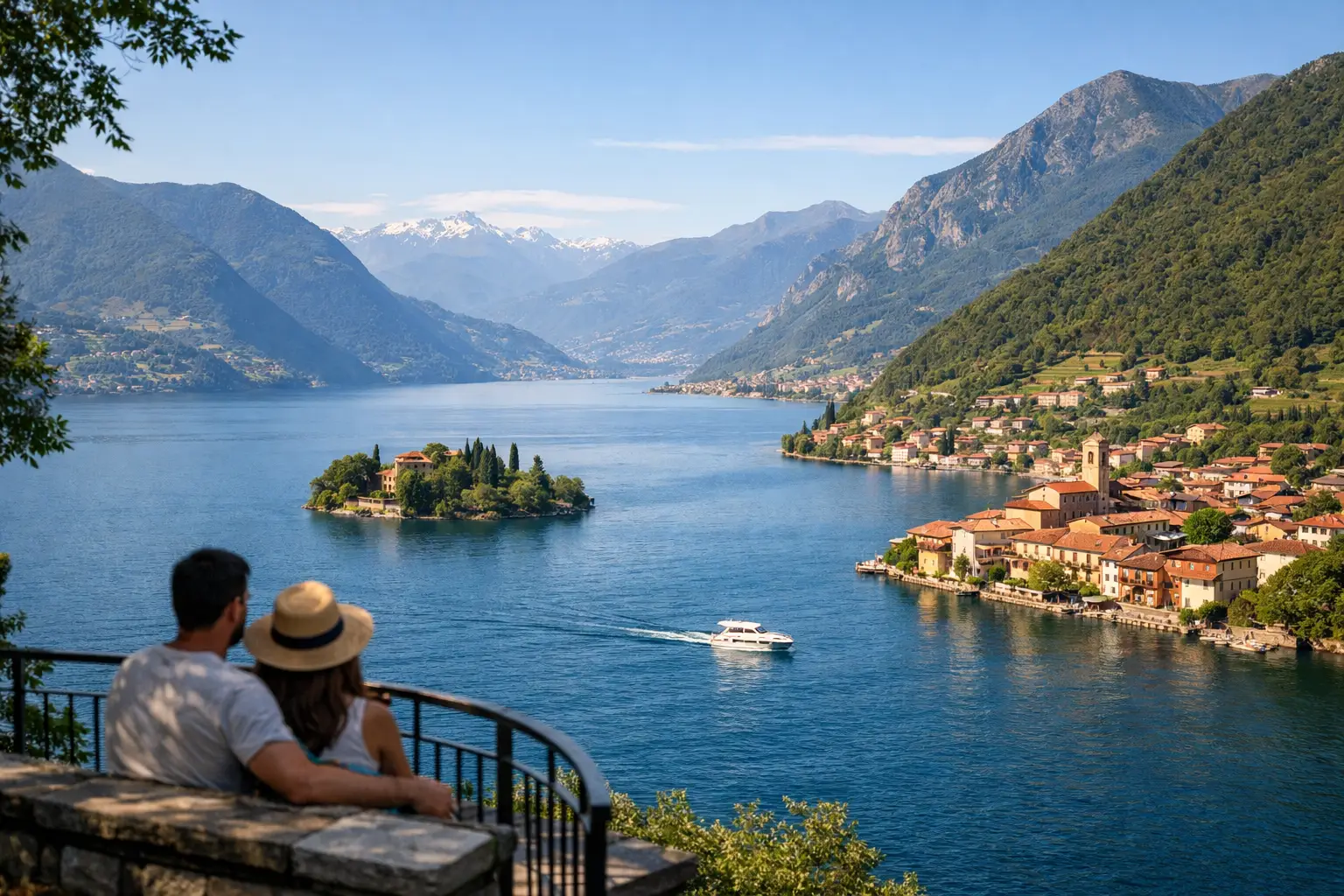
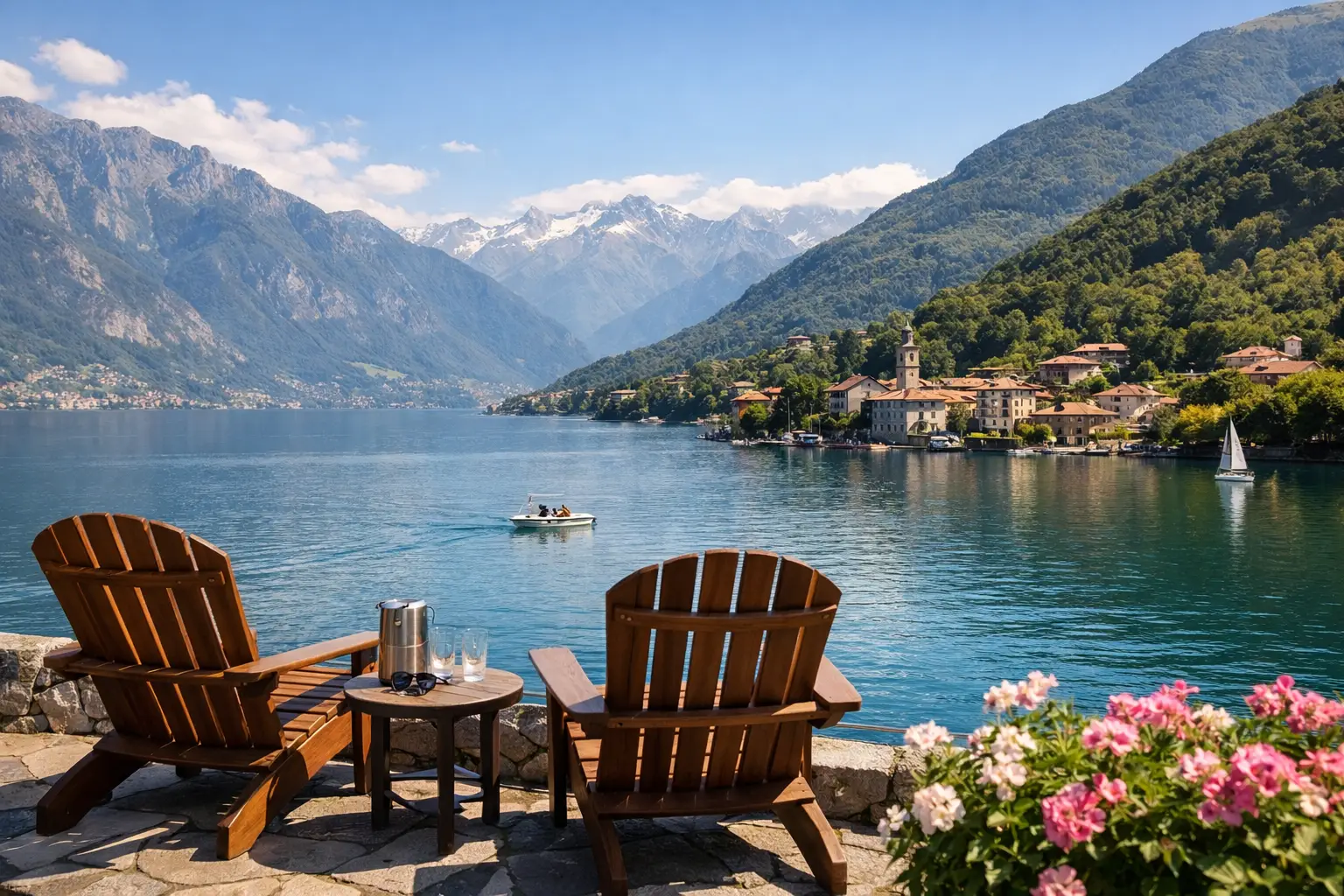
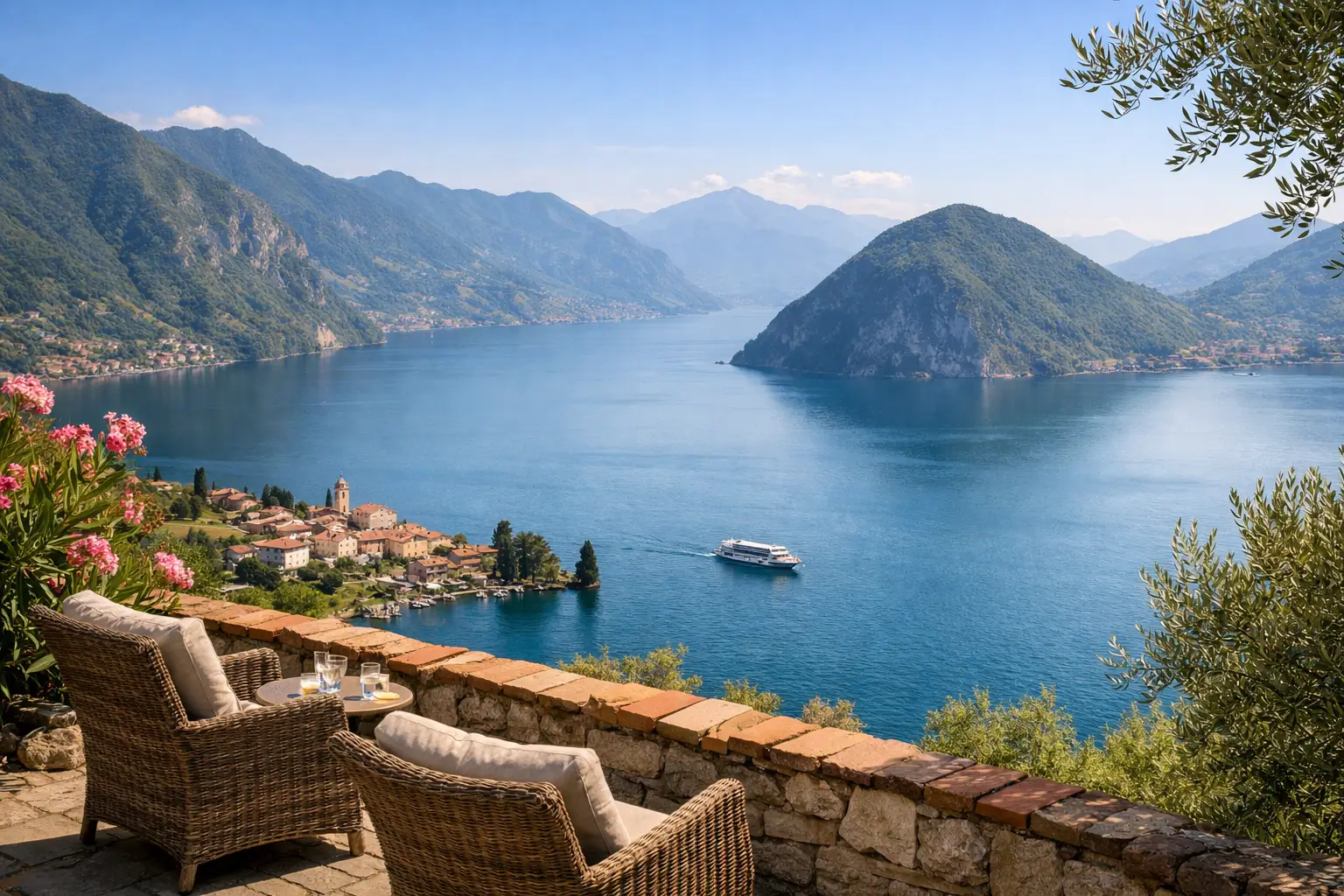
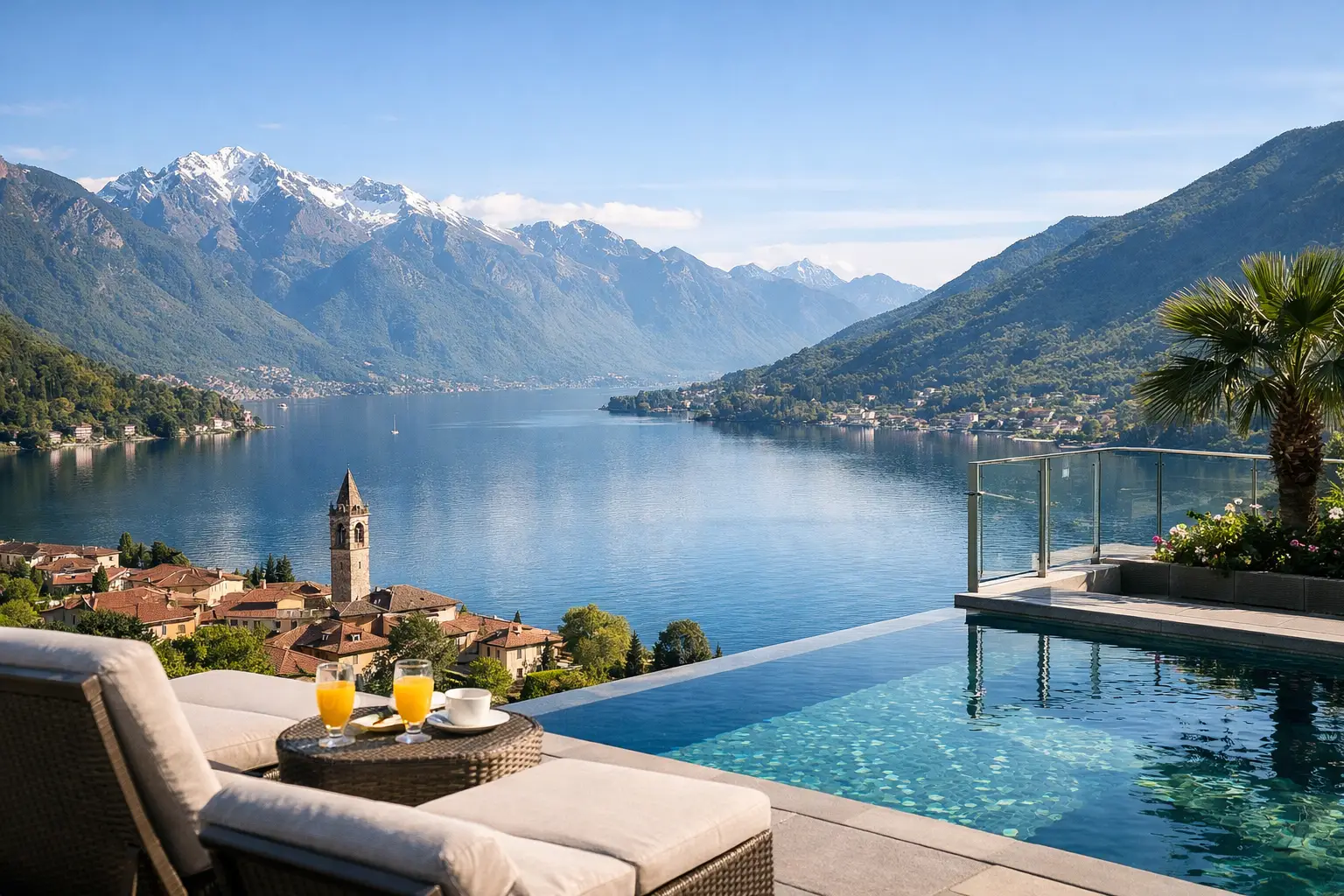
For travelers who choose the lake and mountain quiet of northern Italy, this kind of stay often makes the difference between a pleasant weekend and one that truly restores you. Good views matter. Comfortable rooms matter. But shared meals, attentive service, and the feeling of being cared for with sincerity often become the part guests talk about long after they return home.
What makes a traditional cuisine hotel stay different
Not every hotel restaurant creates a meaningful food experience. In many places, dining is added as a convenience. In a more personal property, traditional cuisine is part of the identity of the house.
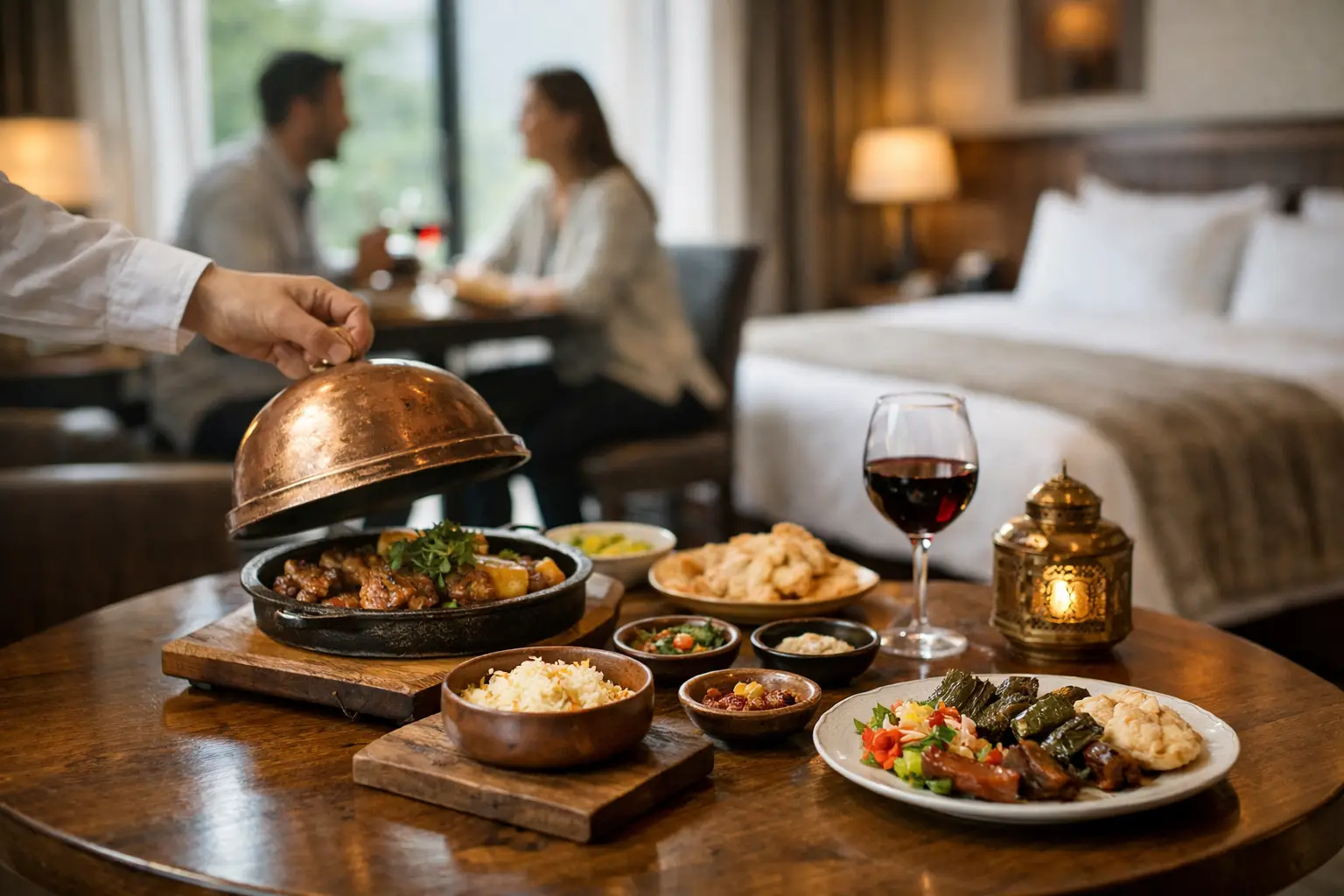
That difference is easy to feel. The menu is shaped by the territory, the season, and the habits of the local table rather than passing trends. Dishes have a sense of continuity. They are prepared not only to impress, but to welcome. The room itself often feels calmer too, because dining is not separate from the stay. You return from a walk, settle in, and the evening unfolds naturally.
This is especially appealing to couples, families, and mature travelers who are not looking for a hurried vacation. A slower stay has its own value. You do not need to plan every meal in advance, drive from place to place, or search for authenticity from the outside. It is already around you.
Traditional cuisine hotel stay and a stronger sense of place
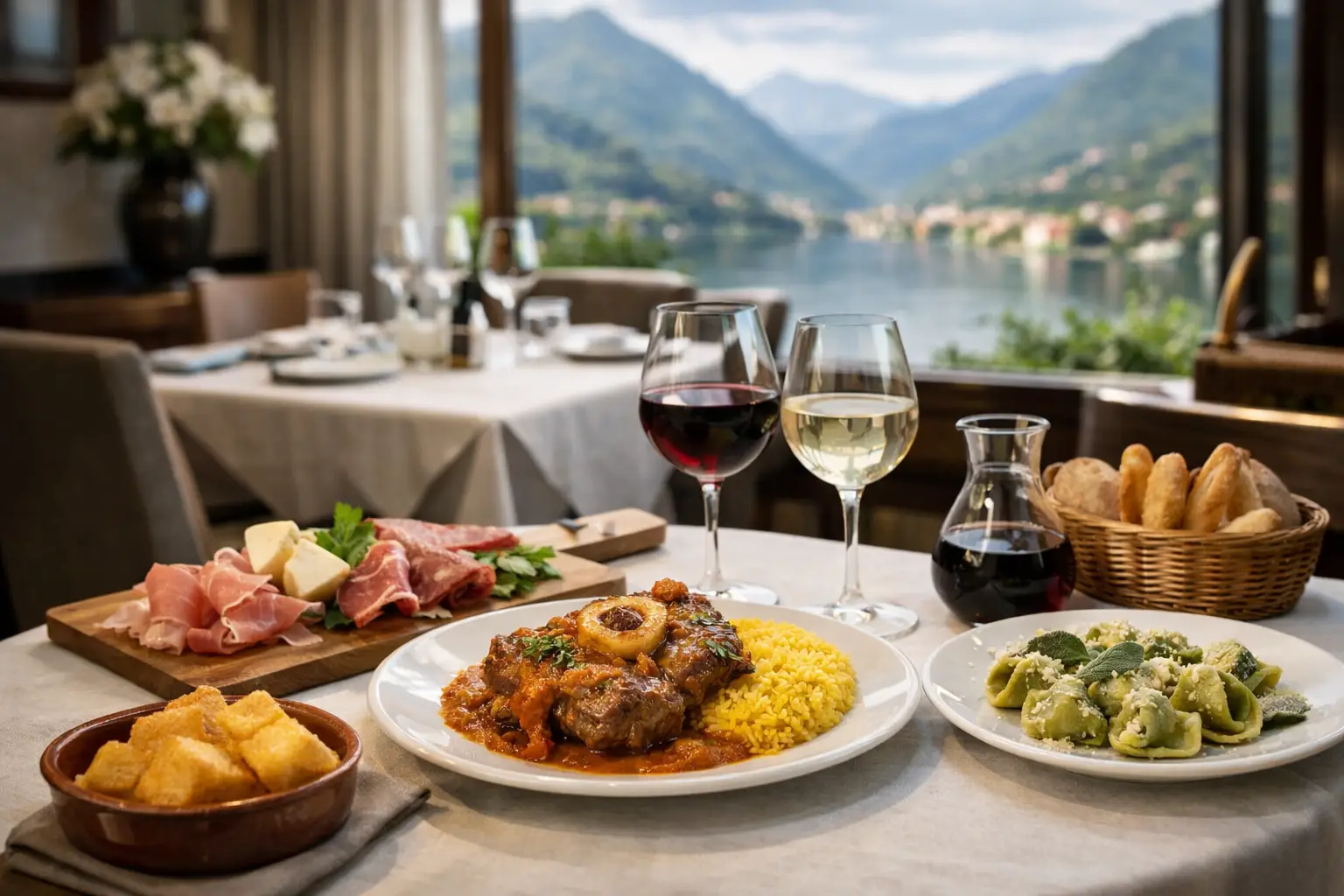
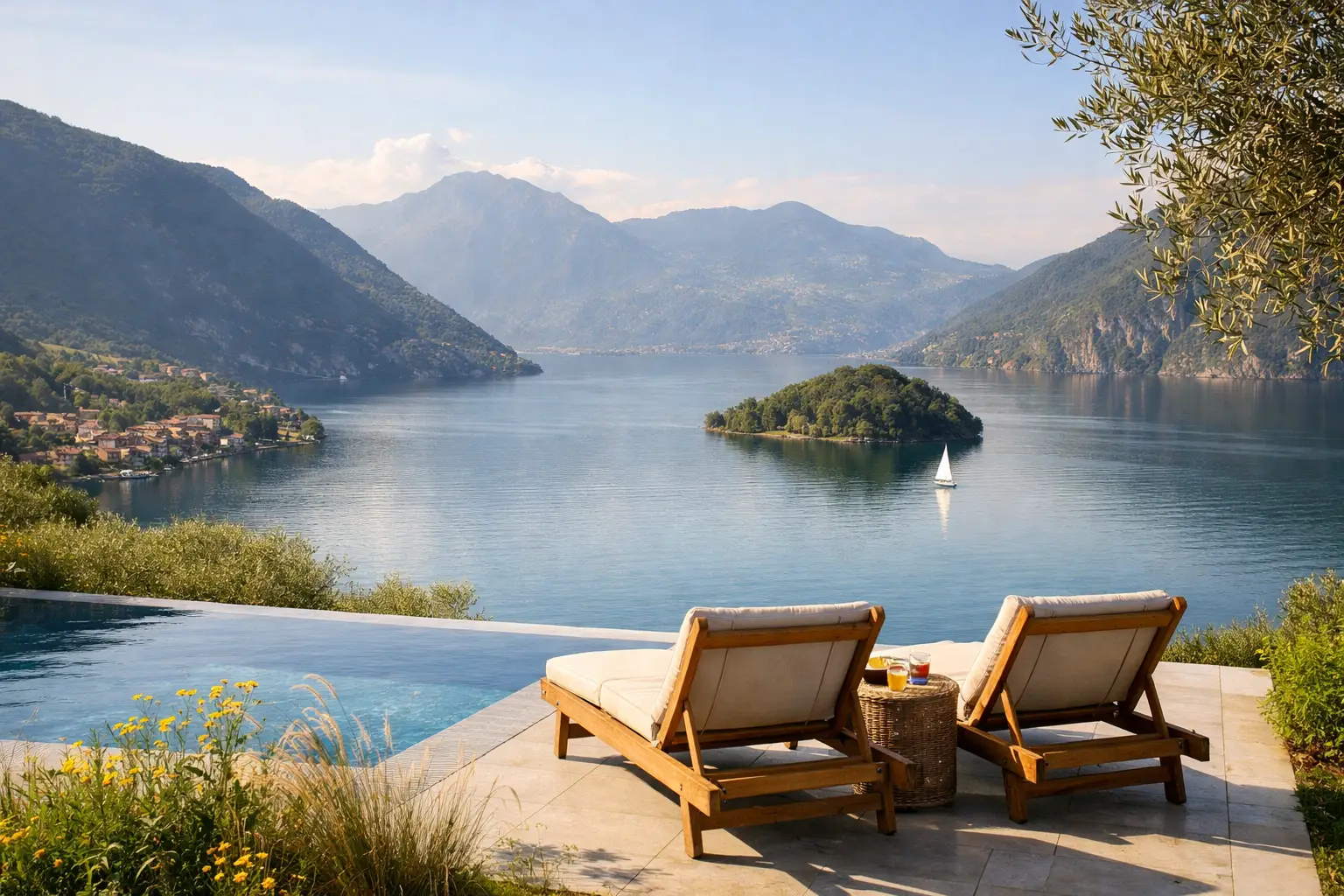
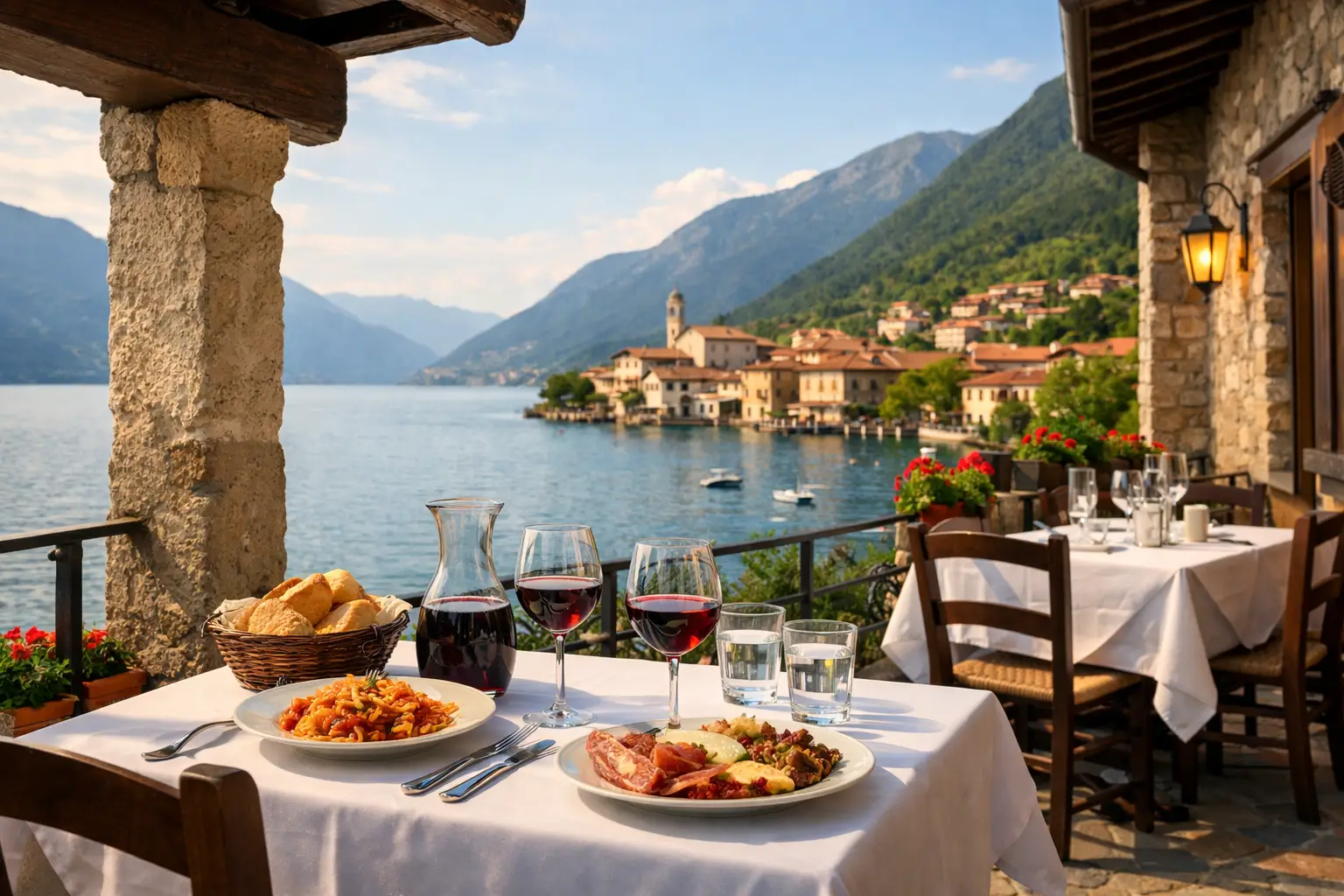
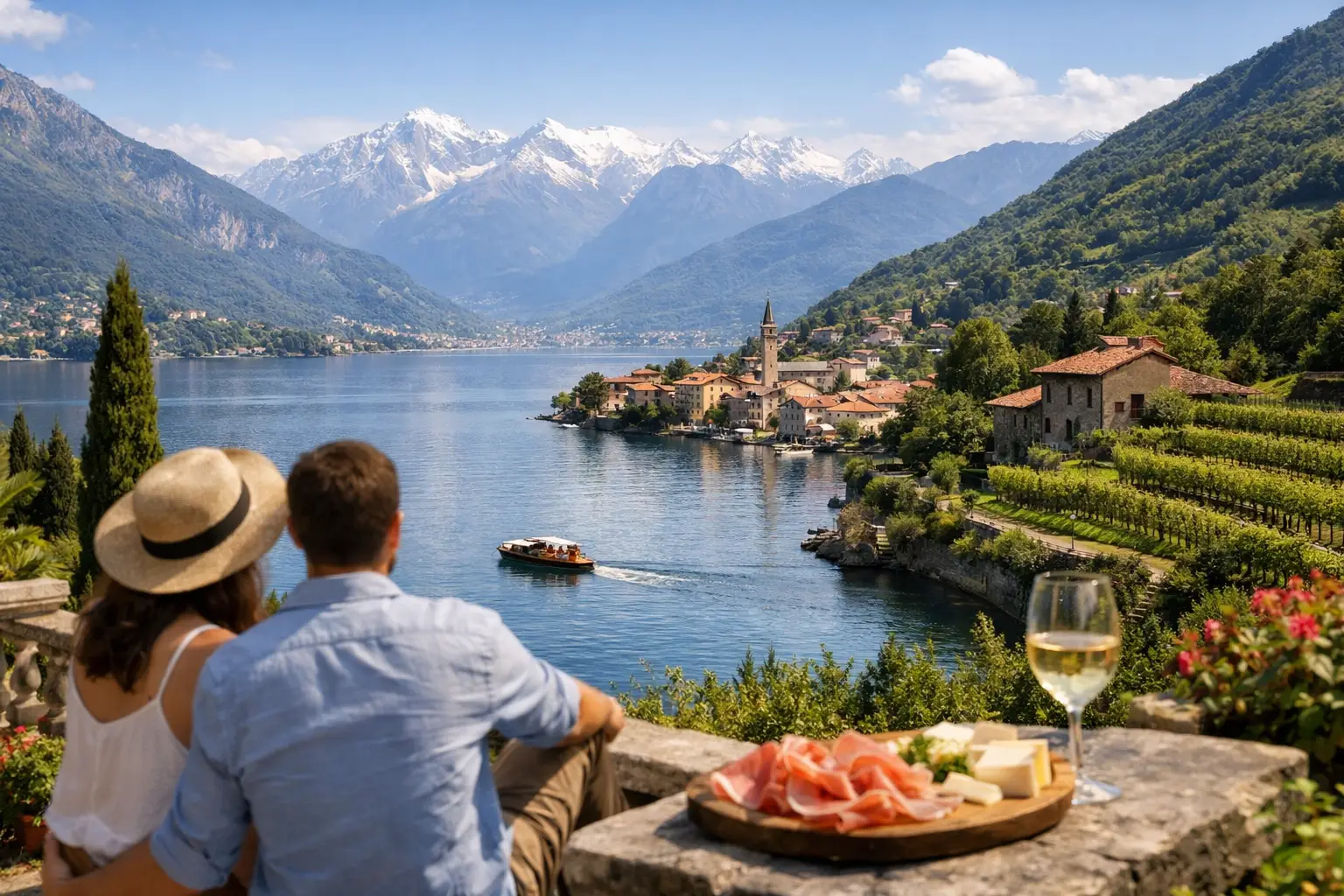
Regional food tells you where you are in a way no brochure can. In the area between Lake Iseo and the Alpine foothills, cuisine carries the character of both water and mountain life. It is hearty without being heavy, simple without being plain, and rooted in ingredients that belong to the season.
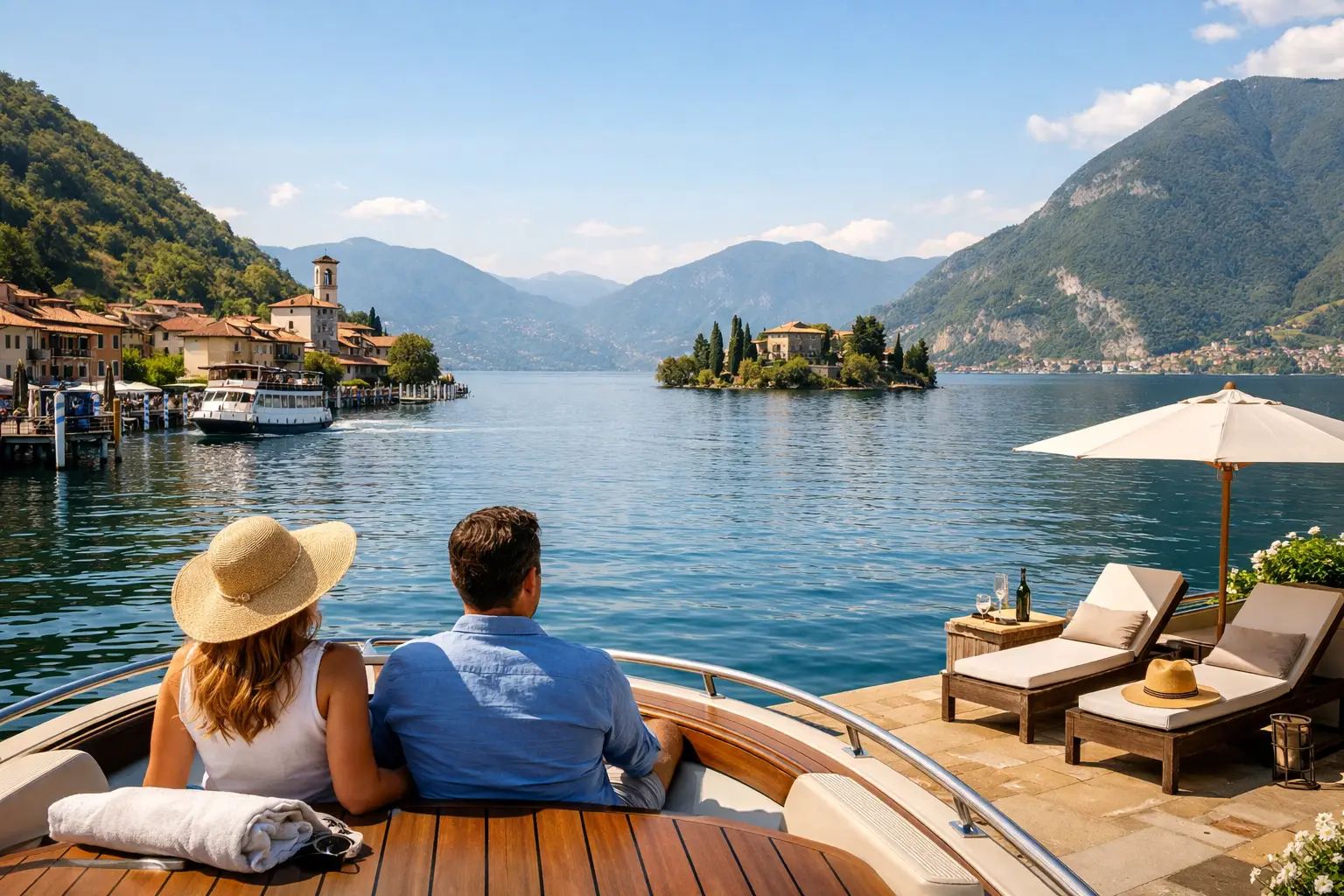
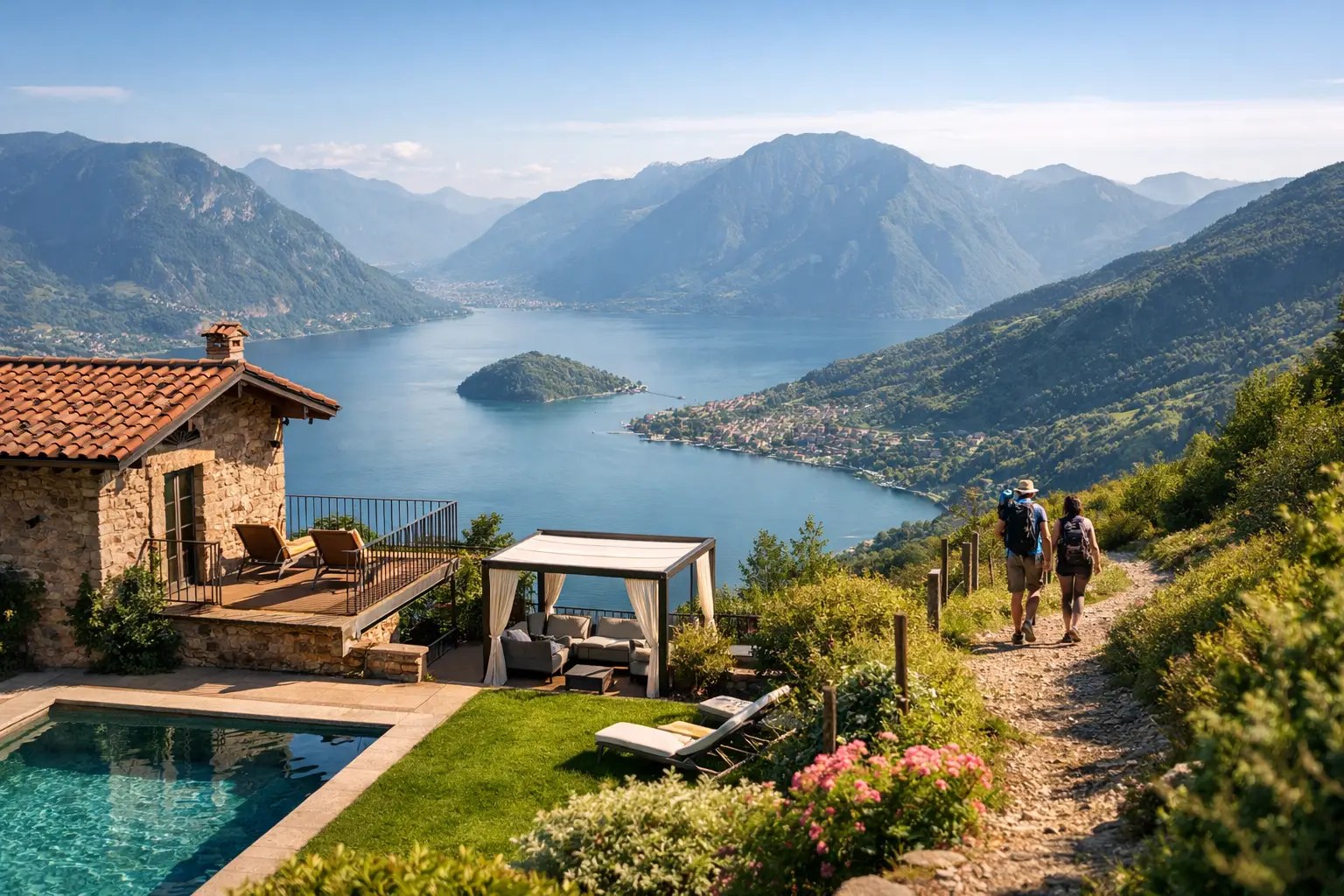
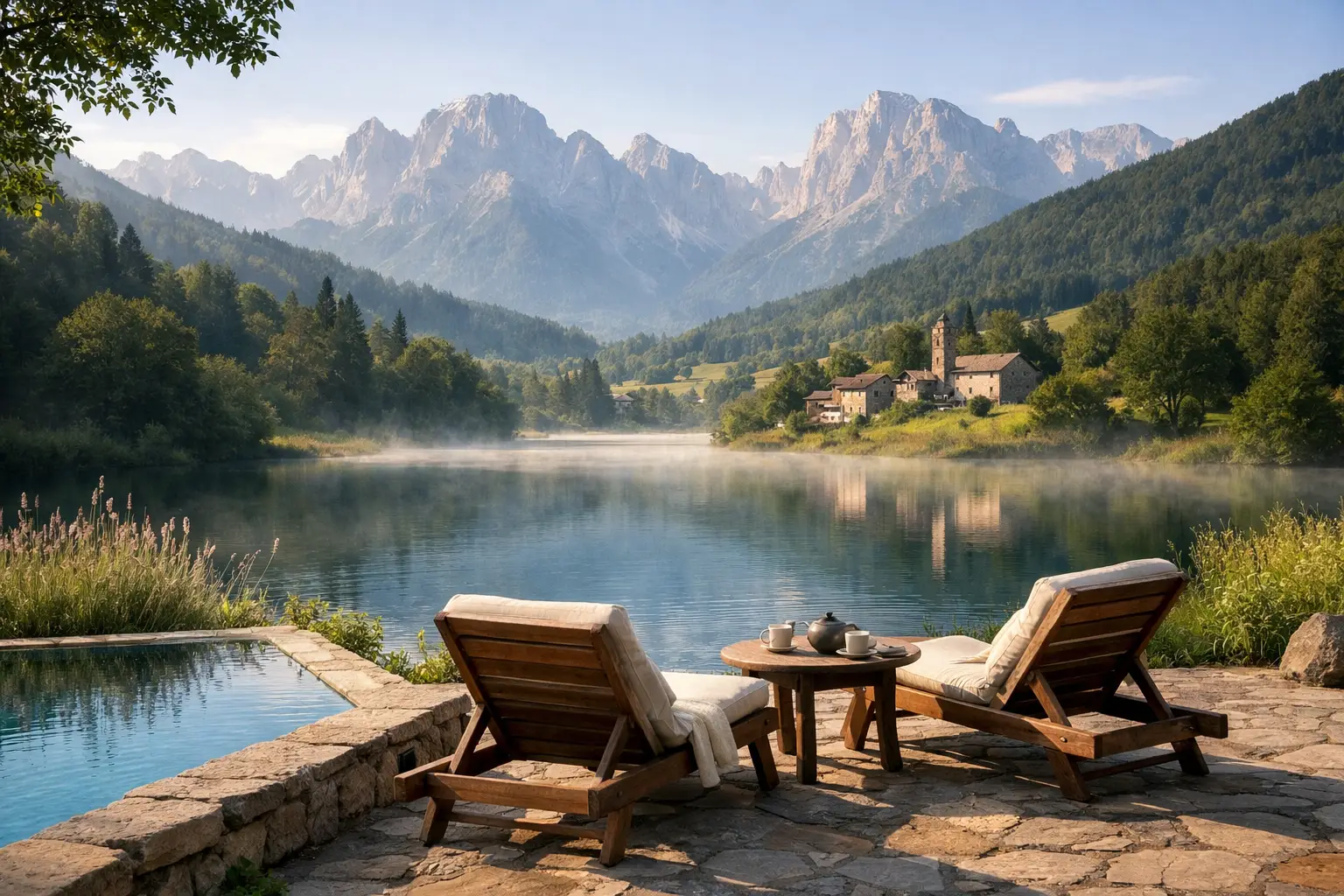
When that food is served in the same place where you sleep and spend your quiet hours, the connection becomes stronger. The landscape outside the window and the flavors on the plate begin to speak the same language. After a day of walking wooded trails, visiting lakeside villages, or simply resting in the fresh air, a meal based on local tradition feels right in a way that imported luxury rarely does.
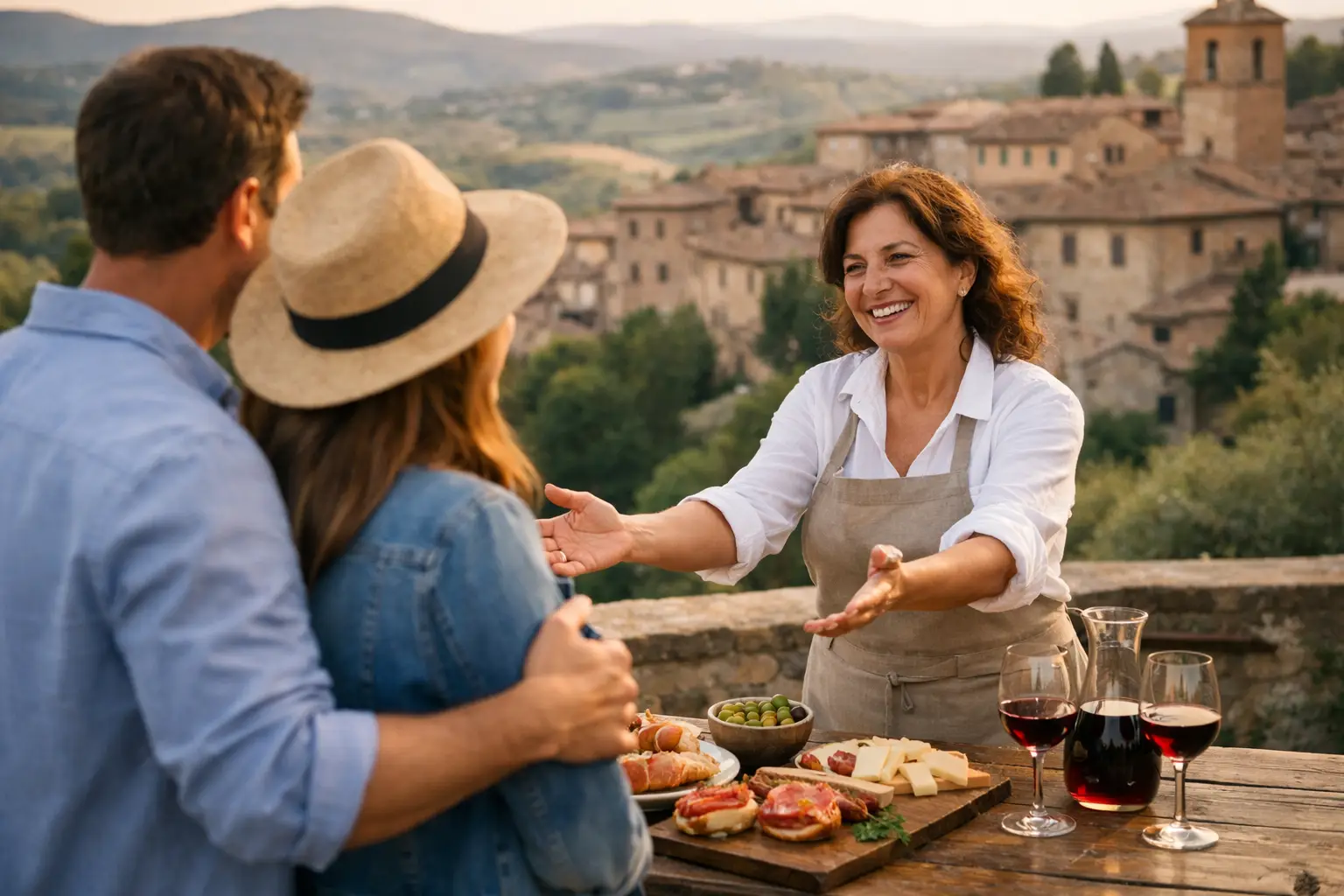
There is also an emotional side to this. Familiar hospitality, well-prepared dishes, and an unforced atmosphere create trust. Guests relax more quickly when a hotel feels grounded in its own traditions. You are not being presented with a generic version of Italy. You are being welcomed into a place that knows itself.
Why food and rest should not be separated
Travel often becomes too busy. People book beautiful destinations, then fill each day with movement and logistics. By evening, even dinner can feel like another item to organize.
A hotel stay centered on traditional cuisine softens that pressure. There is comfort in returning to one place and being looked after there. The day can remain open. You might spend the morning on a mountain path, the afternoon by the lake, and the evening at a table where the meal is prepared with care and served without rush.
This kind of rhythm suits many travelers better than they expect. Families appreciate the ease. Couples enjoy the intimacy of staying in one warm, welcoming setting. Small groups find that long dinners often become the best part of the trip. Even business or event guests benefit from a setting where the hospitality feels human rather than formal.
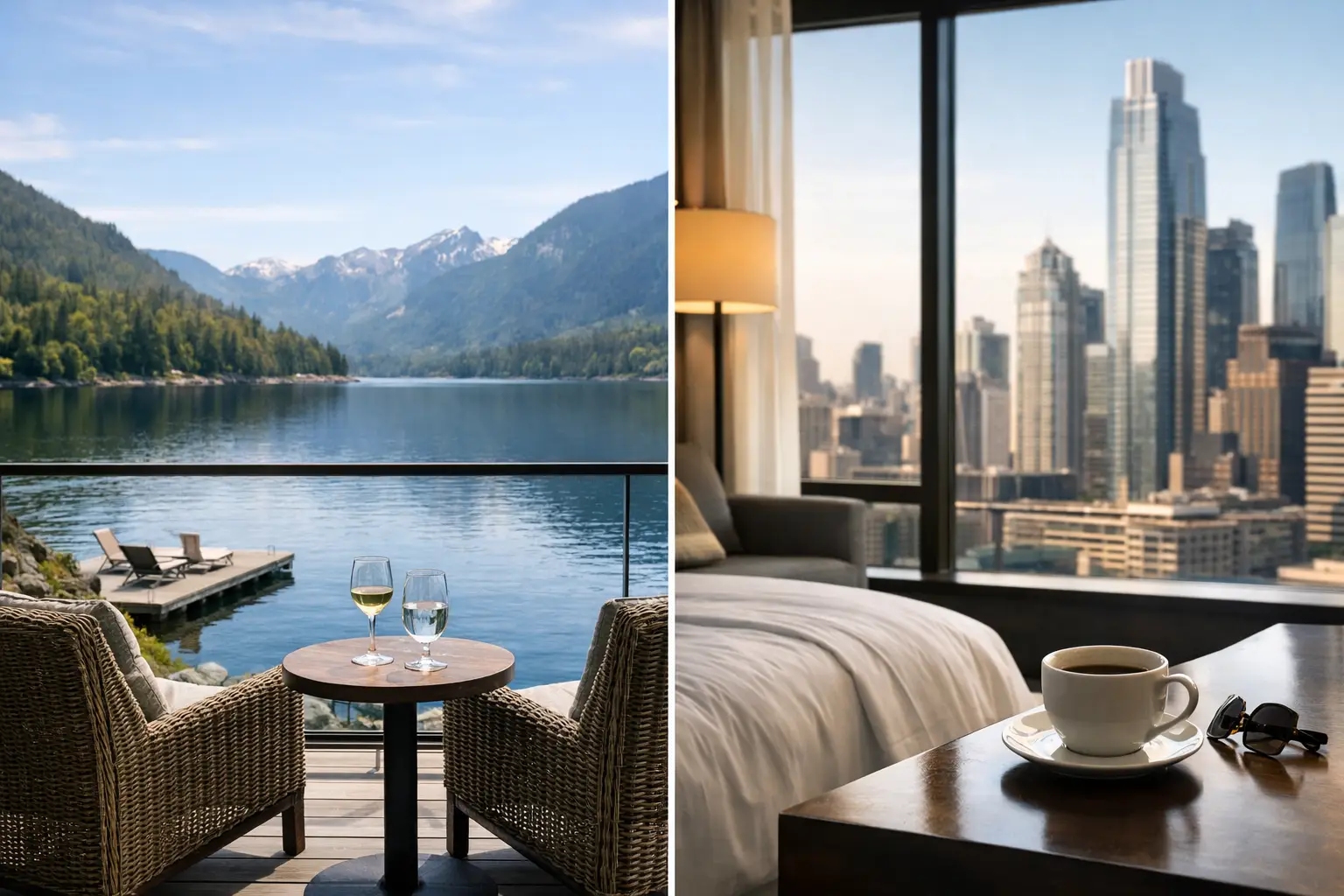
Of course, it depends on the trip you want. If your goal is nightlife, constant variety, or a schedule packed with city attractions, a nature-based hotel with traditional dining may feel too quiet. But for those who want to reconnect with simple pleasures, quiet can be the luxury.
The value of authenticity over abundance
A common mistake in travel planning is to look for the longest menu, the most elaborate presentation, or the broadest range of services. More is not always better.
In a thoughtful traditional cuisine hotel stay, the pleasure often comes from focus. A smaller menu can mean greater care. A dining room with warmth and familiarity can feel more memorable than one designed only to impress. Rustic comfort, when handled well, is not less refined. It is simply more honest.
That honesty matters. Guests can feel when hospitality comes from habit and heart rather than script. A family-rooted hotel usually shows this in small ways: in how staff remember preferences, in how meals are timed to let conversations linger, and in how the atmosphere remains gracious without becoming stiff.
This is part of why long-established houses often leave a strong impression. Their welcome has been shaped over years, sometimes generations. The experience feels lived-in, not manufactured.
What to look for when choosing a traditional cuisine hotel stay
The first sign is whether the food feels tied to the region. If the dining experience could be copied anywhere, it is probably not central to the stay. A better choice is a hotel where the kitchen reflects local identity and where the meal is presented as part of the overall experience.
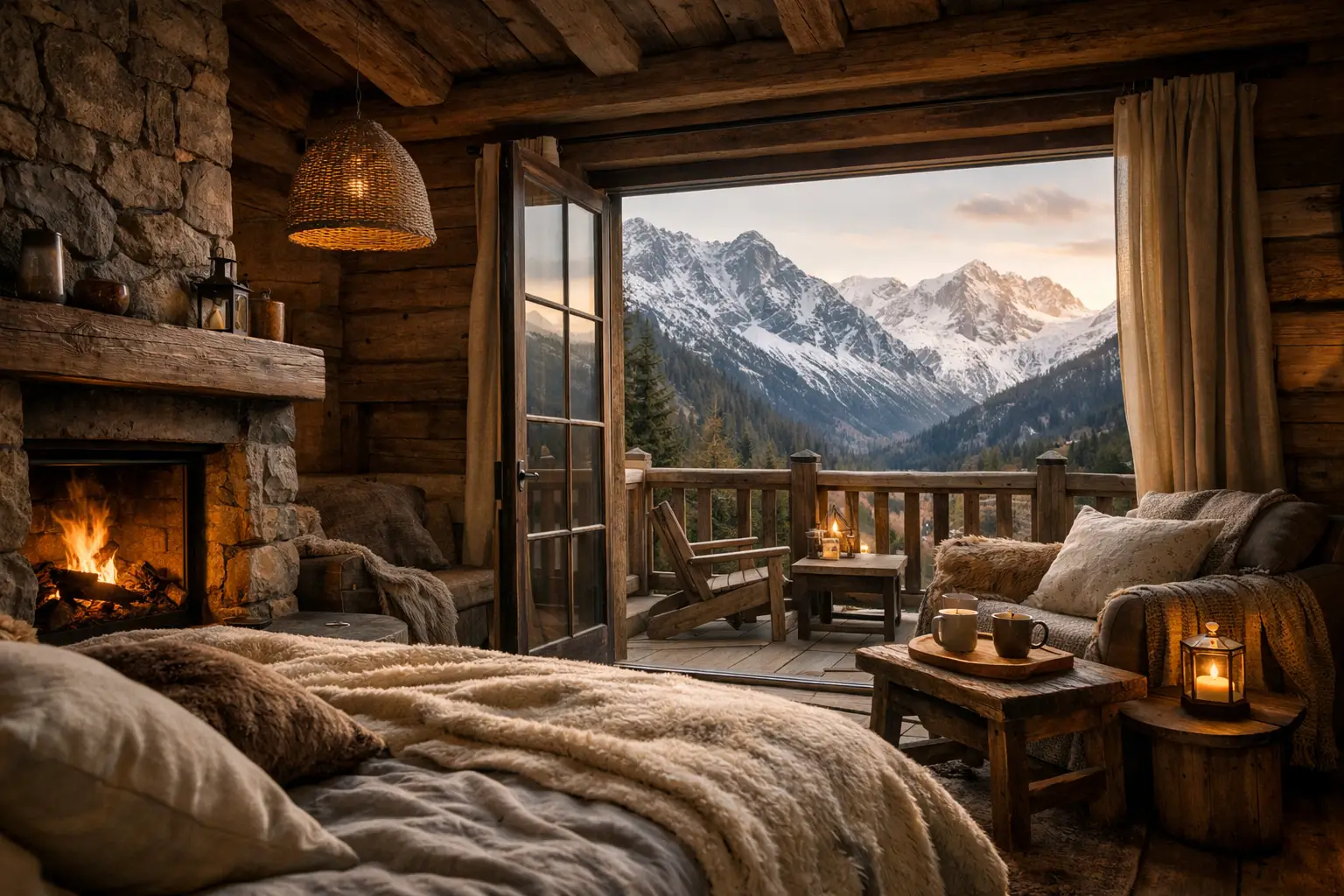
The second sign is atmosphere. Traditional cuisine needs the right setting around it. Cozy rooms, quiet surroundings, and a pace that invites guests to settle in all help the food mean more. In a busy, impersonal environment, even good dishes can lose their charm.
The third sign is consistency. One excellent dinner is nice. A truly satisfying stay carries the same care across breakfast, dinner, service, and rest. Guests should feel that the property has a coherent spirit.
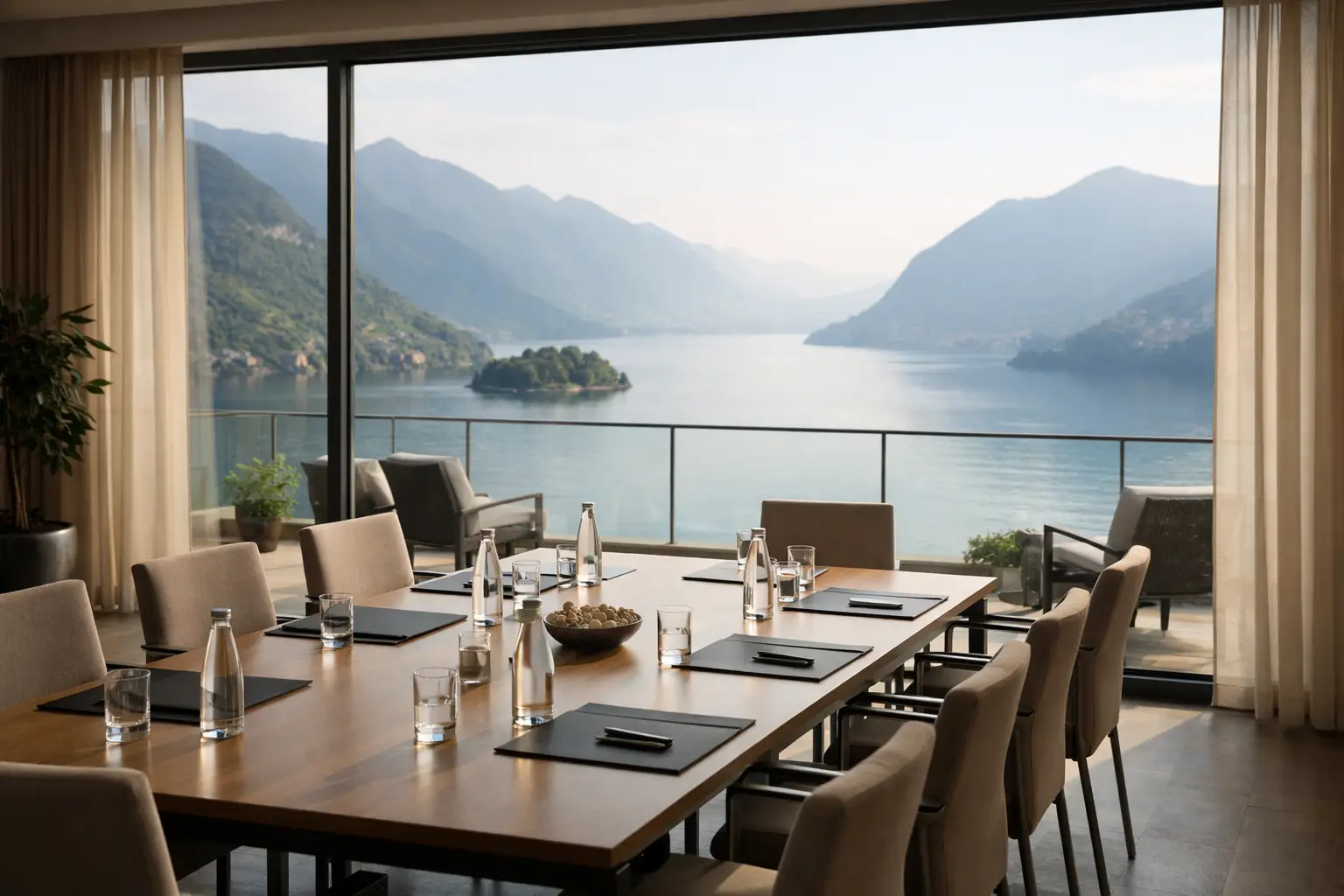
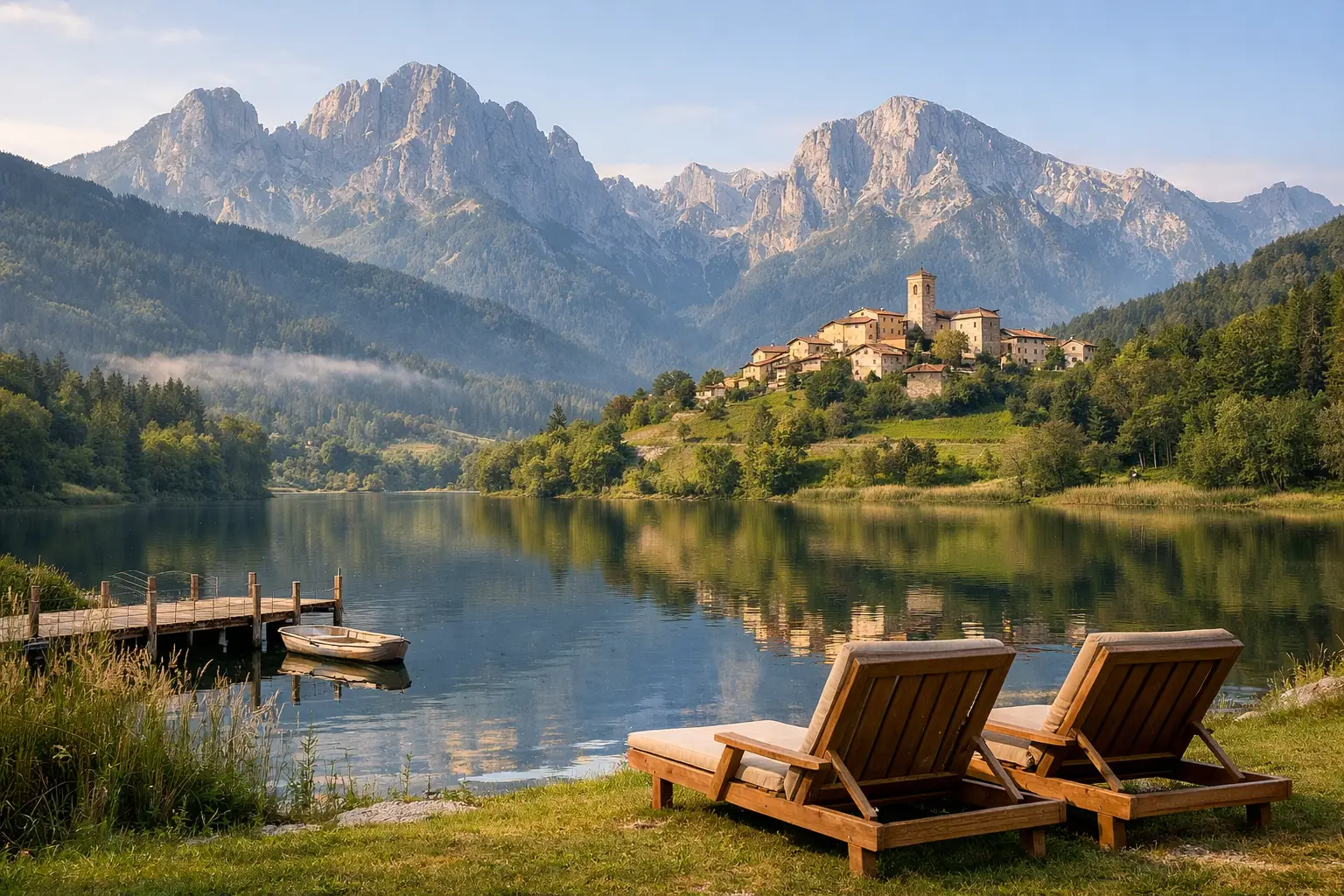
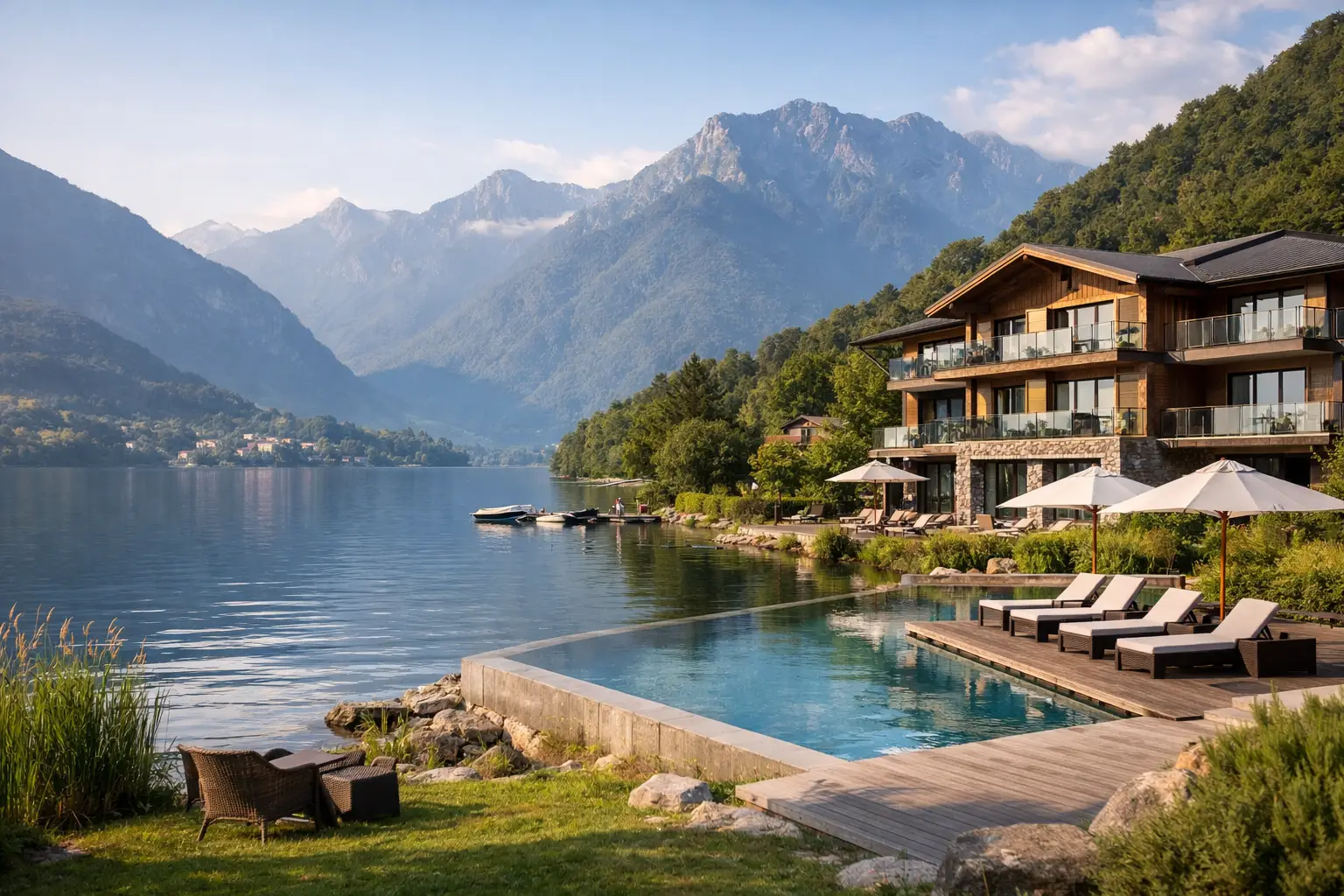
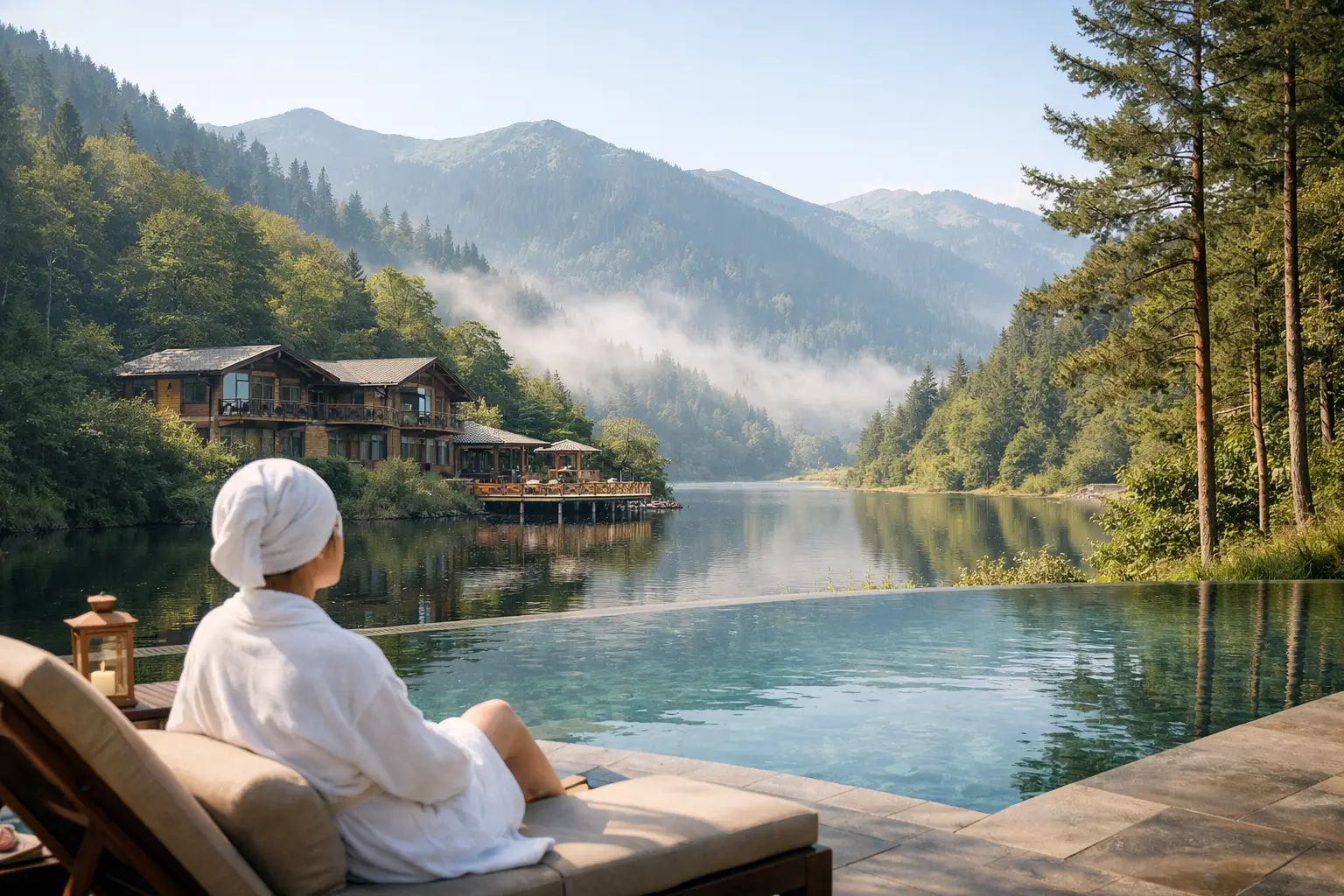
In a setting like Zone, where mountain paths, forest air, and the nearby lake create a natural sense of calm, this kind of consistency becomes especially rewarding. A place such as Hotel Conca Verde expresses that balance beautifully: comfortable hospitality, genuine warmth, and local cuisine experienced not as an extra, but as part of feeling at home while away.
For couples, families, and slow travelers
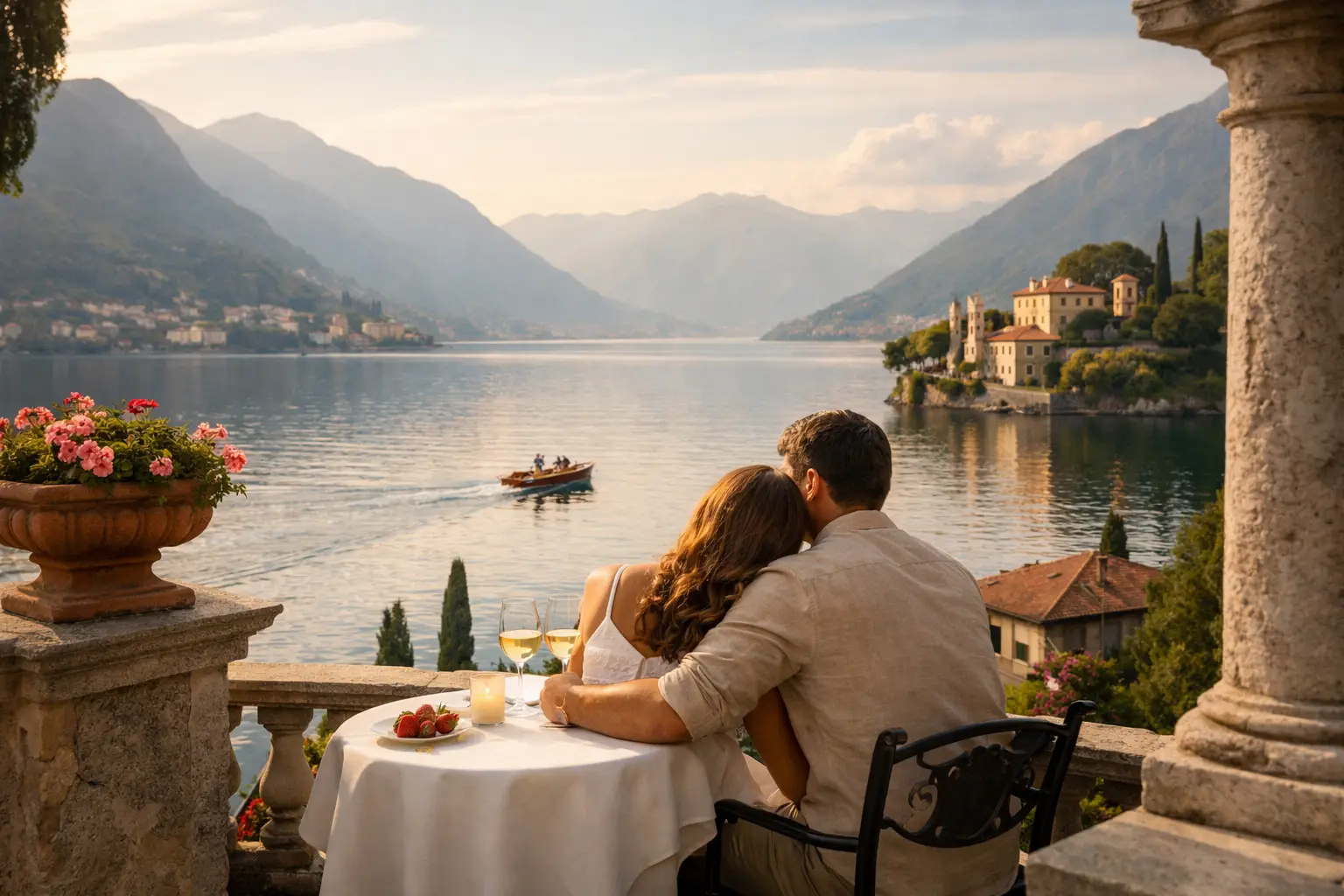
Different guests enjoy this style of travel for different reasons. Couples often choose it because it feels intimate without needing to be extravagant. A peaceful room, a scenic setting, and a dinner shaped by local tradition can create the kind of evening people actually remember.
Families value something else: ease. When both lodging and dining are handled with care, parents can spend less energy organizing and more time enjoying each other. There is reassurance in a place that feels welcoming across generations.
Mature travelers and slow travelers often understand the appeal immediately. They are less interested in collecting landmarks and more interested in spending time well. They know that a restful room, a kind host, and a satisfying meal can define a whole trip.
A stay that remains with you
The strongest hotel memories are rarely made by design alone. They are made by atmosphere, by kindness, and by the feeling that a place welcomed you in its own true way.
That is the real beauty of a traditional cuisine hotel stay. It joins comfort with character. It gives the landscape a flavor, and the meal a setting. It allows travel to feel less performed and more deeply lived.
If you are choosing your next escape with care, look for the place where the table is as important as the room, where local tradition is still treated with respect, and where hospitality feels personal from the moment you arrive. Very often, that is where rest begins.